
Functional mushrooms are getting a lot of attention for their health benefits. While people have used mushrooms for thousands of years, modern science is now uncovering how specific mushrooms can help your body. One area where functional mushrooms shine is liver health. Your liver is a key organ—it filters toxins, supports digestion, and protects you from harmful substances. But stress, pollution, poor diet, alcohol, and some medicines can damage your liver over time. Functional mushrooms can help with detox, repair, and protection of the liver. In this article, you’ll discover how these natural fungi work, which mushrooms are best for your liver, and how you can include them in your daily routine.
Why Liver Health Matters
The liver is like your body’s chemical processing center. It cleans your blood, removes toxins, helps digest food, and stores vitamins. Every day, your liver handles hundreds of tasks:
- Breaking down alcohol, medicines, and chemicals
- Making bile for fat digestion
- Storing energy as glycogen
- Balancing hormones
- Filtering waste from the blood
When your liver is healthy, your body works smoothly. But if it becomes overloaded or damaged, you may feel tired, get sick more often, or develop serious diseases. Some common liver problems include fatty liver, hepatitis, and cirrhosis. These conditions can be silent for years, so caring for your liver early is important.
A healthy liver is also important for your mood, energy levels, and even skin health. When your liver is working well, you’re less likely to experience brain fog, acne, or digestive issues. On the other hand, a sluggish liver can cause headaches, trouble sleeping, and even hormone problems.
For example, if the liver can’t process estrogen correctly, women may have stronger PMS symptoms or irregular cycles.
Another non-obvious point: your liver is the only organ that can completely regenerate. Even if part of it is damaged or removed, the liver can grow back to its full size. But for this to happen, it needs the right nutrients and support. Functional mushrooms can play a role in this natural healing process.
What Are Functional Mushrooms?
Functional mushrooms are not the typical button mushrooms you see in salads. They are special types of mushrooms with proven health benefits. People have used them in traditional medicine in China, Japan, and other countries for centuries. Today, researchers are studying their effects on the immune system, brain, heart, and especially the liver.
Some of the most popular functional mushrooms for liver health are:
- Reishi (Ganoderma lucidum)
- Chaga (Inonotus obliquus)
- Turkey Tail (Trametes versicolor)
- Cordyceps (Cordyceps militaris and sinensis)
- Maitake (Grifola frondosa)
- Shiitake (Lentinula edodes)
- Lion’s Mane (Hericium erinaceus)
- Poria (Poria cocos)
- Agaricus blazei
- Enoki (Flammulina velutipes)
Each mushroom has unique compounds that support liver function in different ways. They may help your body remove toxins, repair damaged cells, and protect against future harm.
What sets functional mushrooms apart is their rich content of bioactive compounds. These include polysaccharides (especially beta-glucans), terpenoids, phenolic compounds, and sterols. Together, these substances can act on different parts of your body—some target the immune system, others work as antioxidants or anti-inflammatories. For instance, beta-glucans are famous for boosting white blood cells, while triterpenes in Reishi can lower inflammation and support liver enzymes.
People often confuse functional mushrooms with psychedelic or culinary mushrooms, but they’re different. Functional mushrooms do not cause hallucinations and are not eaten for flavor. Instead, they’re valued for their health-promoting effects. Most supplements use the fruiting body (the part you see above ground), but some also include the mycelium (the root-like structure).
Each part may have different benefits.
How Functional Mushrooms Support Liver Detox
Your liver’s main job is detoxification—removing harmful substances from your blood. Over time, toxins from food, alcohol, pollution, and medications can build up and slow down your liver. Functional mushrooms can help boost your liver’s detox abilities.
Key Ways Mushrooms Help Detox
- Supporting Antioxidant Defenses: Many mushrooms are rich in antioxidants like polysaccharides, triterpenes, and glutathione. These help neutralize free radicals—unstable molecules that can damage liver cells. For example, Chaga’s dark color comes from melanin, a strong antioxidant that protects cells from oxidative stress.
- Stimulating Detox Enzymes: Mushrooms like Reishi and Chaga increase the activity of enzymes such as glutathione S-transferase and superoxide dismutase. These enzymes break down toxins and make them easier to remove. When these enzymes are active, your liver can handle a higher load of toxins without getting overwhelmed.
- Reducing Inflammation: Chronic inflammation slows detox. Mushrooms contain anti-inflammatory compounds that calm the liver and let it work more efficiently. For example, Reishi’s triterpenes have been shown to block inflammatory pathways, which is especially useful if you have fatty liver or are exposed to frequent stress.
- Promoting Bile Flow: Some mushrooms, like Maitake and Shiitake, help your liver make more bile. Bile is needed to break down fats and flush out waste. Good bile flow also helps prevent gallstones and keeps digestion smooth.
- Repairing Liver Cells: Mushrooms can help repair damaged liver cells (hepatocytes) and stimulate the growth of new ones. This is especially helpful after alcohol use or viral infections.
One detail beginners miss: Detoxification is a two-step process. First, the liver makes toxins less harmful. Second, it removes them from the body (often through bile or urine). Mushrooms can help with both steps, making detox safer and more complete.
Example: The Power Of Chaga
Chaga mushroom is loaded with melanin, betulinic acid, and polysaccharides. Studies show that Chaga can increase antioxidant activity in the liver and reduce damage from toxins like alcohol. In one animal study, rats given Chaga had lower liver enzymes (a sign of less liver stress) after being exposed to toxins.
Chaga’s unique compounds can even help the liver process heavy metals and pesticides, substances that are hard for your body to remove. If you live in a city or are exposed to pollution, Chaga may offer extra protection.
Functional Mushrooms For Liver Repair
If your liver has been damaged—by fatty liver disease, alcohol, or viruses—functional mushrooms can help repair it. They do this in several ways:
- Regenerating Liver Cells: Mushrooms like Reishi and Cordyceps help the liver make new cells. This speeds up recovery after injury.
- Reducing Scar Tissue: Chronic liver damage leads to fibrosis (scarring). Some mushrooms slow down the formation of scar tissue, helping the liver stay soft and flexible.
- Modulating the Immune System: Liver diseases often involve the immune system attacking the liver. Mushrooms can help balance the immune response to reduce further damage.
Liver repair is not only about making new cells. It’s also about clearing out dead or damaged cells and preventing excess scar tissue. If too much scar tissue forms, the liver becomes stiff and cannot work well. This is what happens in cirrhosis, a serious liver disease.
Example: Reishi For Regeneration
Reishi mushroom is famous for supporting liver repair. A study in the journal *Phytotherapy Research* found that Reishi extracts helped regenerate liver tissue in mice with liver injuries. Reishi contains ganoderic acids that protect liver cells and help them heal.
Reishi’s benefits go beyond regeneration. It can also lower the activity of enzymes that create scar tissue (such as collagen-producing cells). This means that if you have early signs of liver fibrosis, Reishi may help prevent it from getting worse.
Another example: Cordyceps has been shown to increase ATP (energy) production in liver cells. This energy boost helps the liver recover faster after stress or injury.
Functional Mushrooms For Liver Protection
Prevention is better than cure. Functional mushrooms can help protect a healthy liver from future harm. They do this by:
- Shielding Against Toxins: Certain mushrooms help block the effects of alcohol, chemicals, and viruses that can damage the liver.
- Lowering Fat Build-Up: Mushrooms like Maitake and Shiitake can help prevent fatty liver by improving fat metabolism.
- Boosting Immunity: A strong immune system can fight off infections that might harm the liver.
Protection is not just about blocking toxins. It’s also about making the liver more resilient. For example, regular use of mushrooms like Turkey Tail can “train” your immune system, so it responds faster to viruses that target the liver.
Mushrooms can also help the liver deal with everyday stressors, like processed food, sugar, and even over-the-counter painkillers. For people with a family history of liver problems, using functional mushrooms may help reduce the risk of disease later in life.
Example: Turkey Tail For Protection
Turkey Tail contains two powerful compounds: PSP and PSK. These polysaccharides boost the immune system and help the liver defend itself against viruses and bacteria. Some research shows Turkey Tail can help fight hepatitis viruses that attack the liver.
Turkey Tail’s immune-balancing effects are so strong that it’s used as a support therapy for cancer patients in some countries, as it helps the body recover after chemotherapy (which can be hard on the liver). It’s also being studied for its ability to block the growth of harmful bacteria in the gut, reducing the load on the liver.
Comparing Functional Mushrooms For Liver Health
With so many mushrooms to choose from, it helps to compare their main benefits for liver health. The table below shows how some of the top functional mushrooms stack up:
| Mushroom | Main Liver Benefits | Best For |
|---|---|---|
| Reishi | Detox, repair, immune support | Liver injury, hepatitis, stress |
| Chaga | Antioxidant, anti-inflammatory | Detox, oxidative stress |
| Turkey Tail | Immune boost, virus defense | Hepatitis, chronic infection |
| Cordyceps | Cell regeneration, energy | Liver repair, fatigue |
| Maitake | Fat metabolism, bile flow | Fatty liver, cholesterol |
| Shiitake | Bile production, anti-fatty liver | Digestive support |
When deciding which mushroom to use, consider your main liver health goal. For example, if you’re recovering from hepatitis, Turkey Tail and Reishi are strong choices. If you want to avoid fatty liver, focus on Maitake and Shiitake.

Credit: www.amazon.com
Deep Dive: Top Functional Mushrooms For Liver Health
Let’s look closer at the most researched functional mushrooms for detox, repair, and protection of the liver.
Reishi (ganoderma Lucidum)
Reishi, known as the “mushroom of immortality,” has been used in Chinese medicine for over 2,000 years. Its main compounds are triterpenes and polysaccharides. Reishi helps the liver by:
- Boosting antioxidant enzymes, like glutathione, that protect cells from damage.
- Reducing inflammation, which is common in liver disease.
- Supporting liver cell regeneration after injury.
- Balancing the immune system, which can help in autoimmune liver diseases.
A 2020 review found that Reishi extracts lower liver enzymes (ALT, AST) in people with liver damage—a sign of improved liver function.
Reishi is also adaptogenic, meaning it helps your body deal with stress. Since chronic stress can worsen liver problems, this “side benefit” is very useful. Some people also report better sleep and calmer moods when using Reishi regularly.
Chaga (inonotus Obliquus)
Chaga grows mainly on birch trees in cold climates. It contains melanin, betulinic acid, and polysaccharides that support the liver by:
- Neutralizing free radicals—Chaga has some of the highest antioxidant levels of any food.
- Reducing liver inflammation in response to toxins.
- Protecting liver DNA from damage.
In animal studies, Chaga reduces markers of liver stress after alcohol or chemical exposure.
Chaga is unique because it helps balance both the immune system and the liver. It’s often used in Russia and Eastern Europe as a general health tonic, especially for people exposed to pollution or harsh climates.
Turkey Tail (trametes Versicolor)
Turkey Tail is packed with beta-glucans (PSP and PSK) that boost immunity. For liver health, Turkey Tail:
- Fights hepatitis viruses that attack the liver.
- Strengthens immune defenses against infection.
- Reduces oxidative stress, which can damage liver cells.
A 2017 study in *Frontiers in Pharmacology* found Turkey Tail extracts improved liver health in animals with hepatitis.
Turkey Tail is also being explored as a support for people with autoimmune liver problems, as it helps balance both underactive and overactive immune responses.
Cordyceps (cordyceps Militaris And Sinensis)
Cordyceps is famous for increasing energy and fighting fatigue. It also helps the liver by:
- Stimulating new liver cell growth after damage.
- Improving oxygen use in the liver, helping it function better.
- Reducing fibrosis (scarring) in chronic liver disease.
Cordyceps is often recommended for people recovering from liver injuries or surgery.
Some athletes use Cordyceps to boost performance and recovery, but its cellular energy effects are just as valuable for someone with liver fatigue or after illness.
Maitake (grifola Frondosa)
Maitake mushroom is rich in D-fraction beta-glucans. For the liver, Maitake:
- Improves fat metabolism, helping prevent fatty liver.
- Supports bile flow, which helps digest fats and remove toxins.
- Lowers cholesterol, easing the liver’s workload.
A small clinical study showed Maitake supplements reduced liver fat in people with non-alcoholic fatty liver disease.
Maitake also has a mild, pleasant taste, making it easy to add to meals—a practical advantage for daily use.
Shiitake (lentinula Edodes)
Shiitake is popular in Asian cooking, but also a strong liver ally. It contains lentinan and eritadenine. Shiitake helps by:
- Boosting bile production, aiding digestion and toxin removal.
- Lowering fat build-up in the liver.
- Providing antioxidant support to protect cells.
Shiitake’s compounds may help reverse early fatty liver, especially when combined with a healthy diet.
Shiitake is also one of the few mushrooms that contain vitamin D, which is important for overall health and may reduce inflammation in the liver.
Lion’s Mane (hericium Erinaceus)
Lion’s Mane is best known for brain health, but research shows it helps the liver too. It can:
- Reduce inflammation in liver tissue.
- Protect liver cells from damage due to toxins.
- Support nerve regeneration in the liver, helping it heal faster.
Lion’s Mane is a good option for people recovering from liver injuries.
Some studies suggest that Lion’s Mane may even help repair the nerve network inside the liver, which helps control blood flow and organ function.
Poria (poria Cocos)
Poria is a lesser-known mushroom in the West, but widely used in Chinese medicine. It:
- Promotes fluid balance, helping reduce swelling (edema) from liver problems.
- Supports liver detox through mild diuretic effects.
- Boosts immune function to protect the liver from infection.
Poria is often found in herbal blends for liver and kidney health.
If you have swelling or water retention due to liver issues, Poria may offer gentle, natural relief.
Agaricus Blazei
Agaricus blazei is high in beta-glucans and other polysaccharides. Research suggests it:
- Reduces liver inflammation and fat build-up.
- Improves immune defenses against viruses.
- Enhances detox enzyme activity in the liver.
Agaricus blazei is especially helpful for people with chronic liver problems.
In Japan and Brazil, this mushroom is often used alongside conventional medicine to support overall wellness and liver function.
Enoki (flammulina Velutipes)
Enoki is a delicate, white mushroom popular in soups. It contains flammutoxin and polysaccharides that:
- Protect liver cells from chemical damage.
- Reduce oxidative stress in the liver.
- Aid in detoxification processes.
Enoki is easy to add to meals for gentle, daily liver support.
It’s a great choice for people who want a mild-tasting mushroom that still offers real benefits.
The Science Behind Functional Mushrooms And Liver Health
Modern research supports what traditional healers have known for centuries: functional mushrooms can help the liver in many ways. Here are some key findings:
- A 2019 review in the journal Nutrients showed that polysaccharides from mushrooms like Reishi and Chaga reduce liver enzyme levels and improve liver structure in animals.
- Studies on Turkey Tail found that its beta-glucans help the immune system clear hepatitis viruses, protecting liver tissue.
- Cordyceps extracts have been shown to reduce liver fibrosis (scarring) in animal models of chronic liver disease.
- Maitake and Shiitake have been linked to improved fat metabolism and lower risk of fatty liver.
Still, most human studies are small. More research is needed, but the results so far are promising.
It’s important to note that not all studies are equal. Many benefits are seen in animal models or cell cultures, which means results might not be exactly the same for humans. However, the long history of safe use in traditional medicine adds confidence.
When combined with lifestyle changes, functional mushrooms can be a valuable part of a liver health plan.
How To Use Functional Mushrooms For Liver Health
You can take functional mushrooms in many forms:
- Fresh or dried mushrooms (in food or tea)
- Mushroom powders (added to smoothies, coffee, or food)
- Extracts and tinctures (liquid drops)
- Capsules or tablets (easy for daily use)
Each method has pros and cons. Extracts are usually stronger and more concentrated, while powders and whole mushrooms give you more fiber and nutrients.
One detail beginners miss: extracts often use hot water and/or alcohol to pull out the active compounds, which means they may work faster than eating whole mushrooms. However, cooking whole mushrooms (like in soups or stir-fries) also helps release their benefits.
Daily Dosage Guidelines
There’s no “one size fits all” dose, but here are some general ranges:
| Mushroom | Typical Daily Dose (Powder/Extract) | Best Time to Take |
|---|---|---|
| Reishi | 1-3 grams | Evening (calming) |
| Chaga | 1-2 grams | Morning or afternoon |
| Turkey Tail | 2-3 grams | With meals |
| Cordyceps | 1-2 grams | Morning (energy boost) |
| Maitake | 2-5 grams | With food |
| Shiitake | 5-10 grams (fresh) | In meals |
Start with a low dose to see how your body reacts, and increase slowly. Always choose high-quality products from trusted sources.
Practical Tips For Adding Mushrooms To Your Diet
- Cook with mushrooms: Add Shiitake, Maitake, or Enoki to stir-fries, soups, or omelets.
- Make mushroom tea: Simmer dried Reishi or Chaga for an earthy, liver-friendly tea.
- Blend in smoothies: Mix mushroom powders into your morning shake.
- Try capsules: If you don’t like the taste, capsules or tablets are a good option.
Some people like to combine two or three mushrooms for a more complete effect. For example, a blend of Reishi (for stress and repair), Maitake (for fat metabolism), and Turkey Tail (for immune support) covers more aspects of liver health.
You can rotate mushrooms every few months or use blends made by trusted supplement brands.
Remember, most functional mushrooms have a strong, earthy flavor. Start small if you’re new to the taste.
Safety, Side Effects, And Who Should Avoid
For most healthy people, functional mushrooms are safe. But there are a few things to keep in mind:
- Allergies: Some people are allergic to certain mushrooms. Try a small amount first.
- Digestive upset: High doses can cause bloating, gas, or diarrhea.
- Blood thinners: Mushrooms like Reishi can thin the blood. If you take warfarin or aspirin, talk to your doctor.
- Autoimmune diseases: Mushrooms boost the immune system. If you have an autoimmune condition, use caution.
Pregnant or breastfeeding women, and people with mushroom allergies, should avoid using functional mushrooms unless approved by a doctor.
Also, functional mushrooms may change how your body processes medication, especially drugs processed in the liver. If you have a liver disease or take regular medication, check with your healthcare provider before starting.
Non-obvious Insights: What Beginners Miss
Many beginners think all mushrooms work the same way, but each type has unique strengths. For example, Reishi is best for stress-related liver issues, while Chaga is more powerful for detox after toxin exposure. Another common mistake is to take only one mushroom.
Using a blend often gives better results, as mushrooms work together in synergy.
Another point many miss: quality matters more than quantity. Some cheap mushroom powders contain mostly grain fillers and few active compounds. Look for products that use “fruiting body” extracts, not just mycelium grown on grain. This ensures you get the highest levels of beneficial compounds.
Also, don’t expect instant results. Supporting liver health is a gradual process. The benefits build up over weeks or months, not days. Be consistent, and combine mushrooms with good habits for the best effect.
A final insight: some people notice more energy or clearer skin as their liver health improves. These are early signs that your detox pathways are working better.
Combining Functional Mushrooms With Other Liver-friendly Habits
Mushrooms are powerful, but they work best as part of a healthy lifestyle. To get the most benefit, combine them with:
- A balanced diet (low in processed foods, rich in fruits and veggies)
- Regular exercise
- Limiting alcohol
- Staying hydrated
- Avoiding unnecessary medications
Functional mushrooms can help your liver bounce back from stress, but they won’t fix damage from an unhealthy lifestyle alone.
You can also support your liver by eating foods high in antioxidants, such as berries, leafy greens, and nuts. Reducing sugar and fried foods can lower fat build-up in the liver. Drinking enough water helps flush out toxins. Even getting enough sleep supports liver repair, since your body does much of its detox work at night.
Credit: www.walmart.com
The Future Of Functional Mushrooms For Liver Health
Interest in functional mushrooms is growing fast. Researchers are studying how they might help treat non-alcoholic fatty liver disease (NAFLD), hepatitis, and even liver cancer. Some early results are promising, but larger human studies are needed. If you want to keep your liver healthy for life, functional mushrooms are a natural, evidence-backed way to support this vital organ.
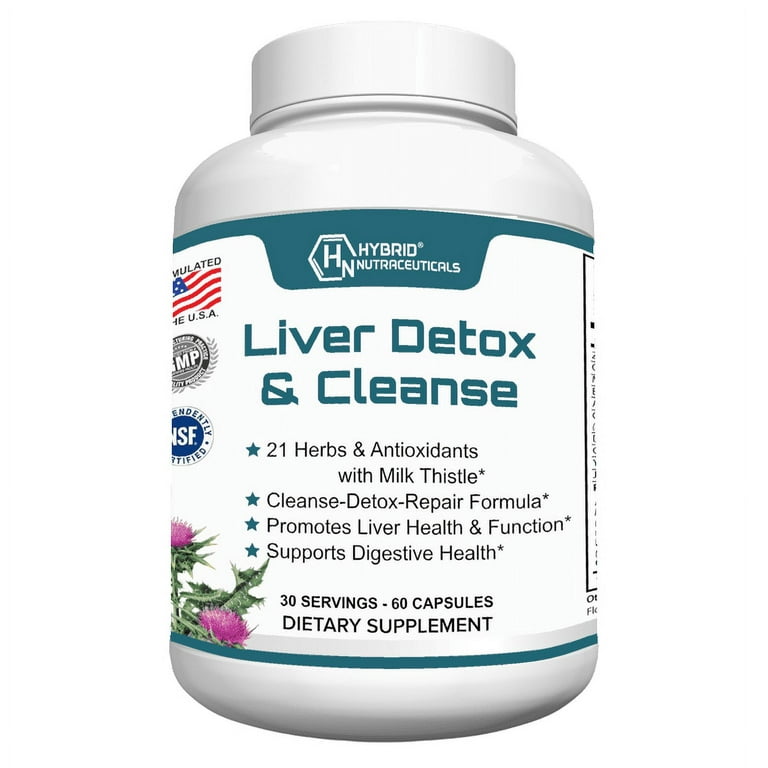
As new extraction methods and blends are developed, we may see even more effective mushroom supplements for liver health. There’s also research into how mushrooms can be combined with other herbs (like milk thistle or dandelion) for a stronger liver-protective effect.
For more detailed research, you can visit National Institutes of Health.
Frequently Asked Questions
What Is The Best Functional Mushroom For Liver Detox?
Reishi and Chaga are often considered the top choices for liver detox. They boost antioxidant defenses, help remove toxins, and protect cells from damage. Many people use both together for a stronger effect.
Can Mushrooms Reverse Fatty Liver Disease?
Some studies suggest that Maitake, Shiitake, and Cordyceps can help reduce fat build-up in the liver and improve liver function. However, mushrooms work best alongside a healthy diet and lifestyle changes.
How Long Does It Take To See Benefits From Functional Mushrooms?
Most people notice benefits after 2–4 weeks of daily use. Liver health improvements can take longer, depending on your condition and lifestyle. Consistency is key for the best results.
Are Functional Mushrooms Safe With Medication?
Some mushrooms can interact with blood thinners, diabetes drugs, or immune suppressants. If you take medication, check with your doctor before starting any new supplement, including functional mushrooms.
Can I Use Functional Mushrooms Every Day?
Yes, most functional mushrooms are safe for daily use if you follow recommended dosages. Taking them regularly is the best way to support liver health and overall wellness. If you notice side effects, reduce your dose or stop use.
Functional mushrooms offer a natural, safe, and effective way to support liver detox, repair, and protection. By choosing the right mushrooms and using them wisely, you can help your liver stay strong for life.

Credit: www.purewelt.com