
Aging is a process everyone faces, but many people are searching for ways to slow it down. Today, scientists are looking at functional mushrooms as a natural solution for anti-aging. These unique mushrooms do more than just boost your immune system—they may also protect your body at a cellular level. This article explores how functional mushrooms interact with telomeres, sirtuins, and NAD+, three key players in aging. You’ll learn what these terms mean, how mushrooms might help, and what science says about their effectiveness.
Understanding Aging: Telomeres, Sirtuins, And Nad+
Before looking at mushrooms, it’s important to understand the main areas where they may help slow aging.
What Are Telomeres?
Telomeres are protective caps at the ends of your chromosomes. Think of them like the plastic tips on shoelaces—they keep your DNA from unraveling. Each time your cells divide, telomeres get a bit shorter. When they become too short, cells can no longer divide, leading to aging and disease. Shorter telomeres are linked to many age-related problems, including heart disease, diabetes, and even early death.
What many people don’t realize is that telomeres don’t just shorten from normal cell division. Oxidative stress, which happens when your body is exposed to pollution, poor diet, or chronic stress, also speeds up telomere loss. This means that your lifestyle has a direct impact on how quickly your telomeres shrink. Even things like lack of sleep and chronic inflammation can make your telomeres shorter, pushing cells toward aging faster than normal.
One interesting detail: People who practice healthy habits—such as regular exercise, a balanced diet, and stress management—tend to have longer telomeres compared to those who don’t. This shows that aging is not just about genetics; your daily choices matter, too.
Role Of Sirtuins
Sirtuins are a family of proteins that help regulate your body’s response to stress and aging. They act like cellular repairmen, fixing DNA and controlling inflammation. Sirtuins are also involved in metabolism and help protect against diseases that come with age, like Alzheimer’s and cancer. The most studied sirtuin, SIRT1, is activated by calorie restriction and certain plant compounds.
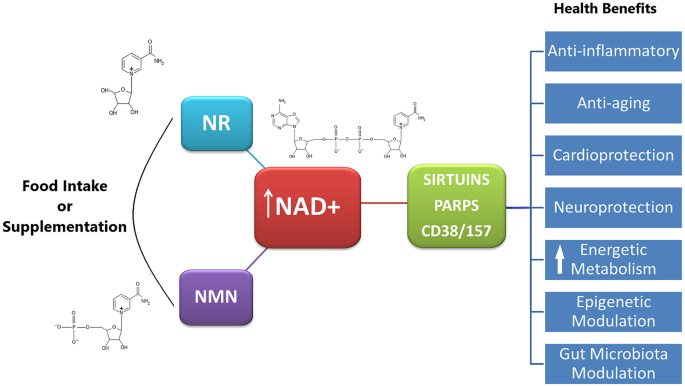
Sirtuins need a molecule called NAD+ to work properly. Without enough NAD+, these proteins can’t do their job of repairing DNA and managing inflammation. This is why the two are often mentioned together in anti-aging science.
Another lesser-known fact is that sirtuins are involved in controlling your circadian rhythm—your body’s internal clock. When sirtuins are active, your body’s sleep-wake cycles stay healthy, which is important for cell repair and overall longevity. Poor sleep or irregular schedules can disrupt sirtuin activity and speed up aging.
What Is Nad+?
NAD+ (nicotinamide adenine dinucleotide) is a molecule found in every cell. It’s essential for energy production and DNA repair. NAD+ levels naturally drop as you get older. This decline is linked to fatigue, reduced metabolism, and slower cellular repair. Maintaining high NAD+ is thought to be one of the keys to staying youthful.
NAD+ isn’t just important for energy. It also helps turn on the repair systems in your cells, including sirtuins and other longevity pathways. When NAD+ drops, your cells have less power to fix DNA, remove damaged parts, and create new healthy cells.
Many people don’t know that certain lifestyle factors—like too much sun, smoking, or heavy drinking—can drain your NAD+ even faster. Some medications can also lower NAD+, so it’s important to pay attention to your overall health if you want to keep NAD+ high as you age.
How Functional Mushrooms May Influence Aging
Functional mushrooms have been used for centuries in traditional medicine. Now, researchers are finding that they may impact telomeres, sirtuins, and NAD+.
What Are Functional Mushrooms?
These are not your everyday grocery mushrooms. Functional mushrooms include species like Reishi, Lion’s Mane, Cordyceps, Chaga, Turkey Tail, and Shiitake. They contain unique compounds not found in other foods. Many of these compounds act as antioxidants, immune boosters, and even adaptogens (helping your body adapt to stress).
What sets these mushrooms apart is their high levels of beta-glucans, polysaccharides, and other bioactive ingredients. Unlike common white or button mushrooms, functional mushrooms have been studied for their effects on human health beyond just nutrition. Some cultures, especially in Asia, have used them for thousands of years for healing, energy, and even spiritual health.
Functional mushrooms are often dried and made into powders, extracts, or teas. This process concentrates their beneficial compounds and makes them easier to take as supplements.
The Science Behind Mushrooms And Aging
Recent studies show that some functional mushrooms can:
- Reduce oxidative stress (protecting telomeres)
- Stimulate sirtuin activity (helping with cellular repair)
- Enhance NAD+ levels (improving energy and DNA repair)
Not all mushrooms work the same way, and the effects depend on the type, dose, and how you consume them.
What’s unique about functional mushrooms is that their benefits are often synergistic. For example, the antioxidants in Chaga may protect telomeres, while the adaptogenic effects of Reishi support a healthy stress response, indirectly helping sirtuins and NAD+. Mixing different mushrooms can sometimes provide broader protection than taking just one.
Some research also shows that mushroom compounds may help reduce the impact of environmental toxins—such as heavy metals or pollution—on your DNA, which is an extra layer of protection against aging.

Credit: www.amazon.com
Functional Mushrooms And Telomere Protection
Telomere length is a powerful sign of cellular age. Here’s how functional mushrooms may help.
Reishi Mushroom
Reishi (Ganoderma lucidum) is often called the “mushroom of immortality.” It contains triterpenes and polysaccharides, which have strong antioxidant effects. Antioxidants help reduce the damage to DNA that can shorten telomeres. A 2019 study found that Reishi extracts protected human cells from oxidative stress, a major cause of telomere shortening.
In addition, Reishi supports the liver and improves the body’s detoxification systems. By helping clear out toxins, it reduces the overall burden on your cells. Some traditional healers also believe that Reishi calms the mind and lowers stress, which can indirectly help maintain telomere length by reducing chronic cortisol exposure.
A less obvious benefit: Reishi’s triterpenes may also help stabilize blood sugar and lower inflammation, both of which are linked to longer telomeres over time.
Chaga Mushroom
Chaga (Inonotus obliquus) is packed with melanin and betulinic acid, two antioxidants. Laboratory tests show that Chaga can increase the activity of telomerase, the enzyme that rebuilds telomeres. This means Chaga might actually help lengthen telomeres, not just protect them.
What many miss is that Chaga also provides important minerals like zinc and selenium, which are needed for healthy DNA and cell division. This makes Chaga useful not only for protecting telomeres but also for supporting general cellular health.
Chaga’s dark color comes from melanin, which is a powerful protector against UV damage. For people exposed to a lot of sunlight, Chaga may help protect skin cells and keep their telomeres healthier longer.
Shiitake Mushroom
Shiitake (Lentinula edodes) is rich in lentinan, a compound that boosts immune function. By supporting the immune system, Shiitake helps reduce chronic inflammation—a major factor in telomere shortening. Its antioxidants also protect cells from damage.
Shiitake is also a natural source of vitamin D (when grown with sunlight), which is important for DNA repair and healthy aging. Regular intake of Shiitake may help your body fight off infections more efficiently, which means less “wear and tear” on your immune cells.
This indirect protection keeps telomeres longer over time, especially in older adults.
Functional Mushrooms And Sirtuin Activation
Sirtuins are a hot topic in anti-aging research. Some mushrooms may enhance their activity.
Lion’s Mane Mushroom
Lion’s Mane (Hericium erinaceus) is famous for supporting brain health, but it also helps activate sirtuins. It contains hericenones and erinacines, two compounds that stimulate nerve growth and may protect DNA. Animal studies show that Lion’s Mane can increase SIRT1 activity, improving memory and reducing brain aging.
Beyond brain health, Lion’s Mane seems to help the body manage blood sugar and reduce inflammation, both of which support sirtuin activity throughout the body. People who use Lion’s Mane often report clearer thinking, better focus, and a general sense of well-being.
A surprising fact: Some preliminary research suggests that Lion’s Mane may help repair nerve damage in the gut, which is closely connected to your body’s aging process and immune system. A healthy gut means better nutrient absorption and stronger defenses against age-related decline.
Cordyceps Mushroom
Cordyceps (Cordyceps militaris and Cordyceps sinensis) is known for boosting energy and athletic performance. Recent research suggests that Cordyceps can activate sirtuins, especially SIRT1 and SIRT3. This helps cells handle stress better, improves metabolism, and may even extend lifespan.
Cordyceps is also used for improving lung function and oxygen use, which is vital for endurance. By helping the body use oxygen more efficiently, Cordyceps supports mitochondrial health (the “power plants” of your cells), which is linked to slower aging.
Less obvious: Cordyceps contains unique compounds called cordycepin and adenosine, which have anti-inflammatory and anti-cancer properties. This means Cordyceps doesn’t just give you more energy—it may actually help your body resist diseases of aging at a deep cellular level.
Maitake Mushroom
Maitake (Grifola frondosa) contains compounds that help regulate blood sugar and activate sirtuin pathways. While direct research on sirtuins is limited, Maitake’s overall effect on metabolism suggests it could support these important proteins.
Maitake is often used in Japan for supporting immune health, and its beta-glucans are well known for helping the body adapt to stress. People who eat Maitake regularly often find it easier to maintain a healthy weight and stable energy levels, both of which are linked to sirtuin activation.

Credit: www.researchgate.net
Functional Mushrooms And Nad+ Support
Maintaining NAD+ levels is crucial for youthful cells. Some mushrooms may provide a natural boost.
Tremella Mushroom
Tremella (Tremella fuciformis), known as the “beauty mushroom,” is rich in polysaccharides that help hydrate skin and fight oxidative stress. Early studies show that Tremella may help preserve NAD+ by reducing the damage that uses it up. This means more NAD+ is available for energy and repair.
Tremella’s ability to attract and hold water makes it popular in skincare, but its real value may be internal. By fighting free radicals and lowering inflammation, Tremella reduces the amount of NAD+ your body needs for daily repair, helping you keep more as you age.
Another benefit: Tremella may support collagen production, which is important for skin elasticity and joint health—two areas that often suffer as NAD+ drops with age.
Turkey Tail Mushroom
Turkey Tail (Trametes versicolor) is famous for immune support. It contains beta-glucans that may help cells use NAD+ more efficiently, especially during immune responses. While it doesn’t directly boost NAD+, it helps the body get the most out of what’s available.
Turkey Tail is often used to support people going through cancer treatment, as it helps maintain white blood cell counts. By improving how your immune system uses energy and resources, Turkey Tail may help delay the exhaustion that often comes with aging and chronic illness.
Few realize that Turkey Tail also supports gut health, which is where much of your immune system “lives. ” A healthy gut means less inflammation and lower NAD+ demand for repair.
Agaricus Blazei
Agaricus Blazei has been studied for its effects on inflammation and energy. By reducing chronic inflammation, it lowers the demand for NAD+ in cellular repair, helping maintain higher levels as you age.
This mushroom is particularly popular in Brazil and Japan, where it’s known as “the mushroom of the gods. ” People use it not only for energy but also for supporting the liver and reducing allergic reactions. By keeping inflammation in check, Agaricus Blazei allows your body to use NAD+ more for healthy function, not just fighting damage.
Comparing Functional Mushrooms: Telomeres, Sirtuins, And Nad+
To help you see the differences and benefits of each mushroom, here is a comparison of how key mushrooms affect telomeres, sirtuins, and NAD+.
| Mushroom | Telomere Protection | Sirtuin Activation | NAD+ Support | Main Compounds |
|---|---|---|---|---|
| Reishi | High | Moderate | Low | Triterpenes, Polysaccharides |
| Chaga | High | Low | Low | Betulinic acid, Melanin |
| Lion’s Mane | Low | High | Low | Hericenones, Erinacines |
| Cordyceps | Low | High | Moderate | Cordycepin, Polysaccharides |
| Tremella | Low | Low | High | Polysaccharides |
| Turkey Tail | Low | Low | Moderate | Beta-glucans |
This overview shows that each mushroom has its strengths. For people wanting to focus on cellular protection, Chaga and Reishi are top choices. For those interested in brain health or energy, Lion’s Mane and Cordyceps may be better. Tremella stands out for skin and NAD+ support.
Credit: link.springer.com
Scientific Evidence: What Do Studies Show?
Reishi And Cellular Aging
A study published in 2019 tested Reishi extract on human cells exposed to oxidative stress. The cells treated with Reishi had less DNA damage and slower telomere shortening compared to untreated cells. The antioxidants in Reishi also reduced inflammatory markers, which are linked to faster aging.
Another study in mice showed that Reishi supplementation improved lifespan and reduced the development of age-related illnesses. While animal studies don’t always translate perfectly to humans, they provide a strong basis for continued research.
Chaga And Telomerase
Research from 2021 showed that Chaga extract increased telomerase activity in human blood cells. This effect helped maintain telomere length during repeated cell division, suggesting that Chaga might slow the cellular aging process.
Chaga has also been tested in people with chronic illnesses, showing improved energy and immune function. While not all studies are large, the positive results are consistent, especially in reducing signs of oxidative stress.
Lion’s Mane, Sirtuins, And Brain Aging
In animal models, Lion’s Mane improved memory and learning ability in older mice. The effect was linked to higher levels of SIRT1, a key sirtuin protein. This supports the idea that Lion’s Mane could protect against age-related brain decline.
Clinical studies in humans are fewer, but some small trials found better cognitive function and reduced depression in older adults after taking Lion’s Mane for several months.
Cordyceps And Energy
Cordyceps has a long history in traditional Chinese medicine. Modern research shows it increases ATP (cellular energy) and activates sirtuins in muscle cells. Athletes taking Cordyceps supplements saw better performance, likely due to improved energy and slower cellular aging.
Cordyceps has also been shown to improve kidney and heart function in older adults. This means it may offer broader anti-aging benefits beyond just energy.
Tremella And Nad+
A small study in 2022 tested Tremella on human skin cells. Treated cells maintained higher NAD+ levels and showed less oxidative damage after UV exposure. This result suggests Tremella may help protect both skin and internal cells from aging.
Some skincare trials also found that Tremella improved skin hydration and elasticity, supporting its reputation as the “beauty mushroom. ” These benefits are linked to both NAD+ support and powerful antioxidant effects.
How To Use Functional Mushrooms For Anti-aging
Taking mushrooms for anti-aging isn’t just about eating more in your meals. It matters how you use them.
Whole Mushrooms Vs. Extracts
Whole mushrooms are nutritious, but extracts are much more concentrated. For anti-aging effects, most studies use extracts or powders, not just cooked mushrooms. Extracts are available as capsules, powders, or tinctures.
For example, a tea made from dried Reishi can provide some benefits, but a standardized extract contains much higher levels of triterpenes and polysaccharides. This makes extracts a better choice for people looking for noticeable anti-aging effects.
Recommended Dosage
There is no “one size fits all” for mushroom dosage. But most supplements use:
- Reishi: 1,000–3,000 mg per day
- Lion’s Mane: 1,000–3,000 mg per day
- Cordyceps: 500–2,000 mg per day
- Chaga: 500–1,500 mg per day
- Tremella: 500–1,500 mg per day
Always start with a lower dose and increase slowly. People with allergies or who are taking medication should consult their doctor first.
Some people find that splitting their dose—half in the morning, half in the evening—improves absorption and reduces stomach upset.
Best Ways To Consume
- Capsules: Easy to take, convenient for daily use
- Powders: Can mix into smoothies, coffee, or yogurt
- Teas: Gentle and traditional, but less concentrated than extracts
- Tinctures: Fast absorption, but taste may be strong
A tip: Some compounds in mushrooms are fat-soluble. Taking your supplement with a meal that contains healthy fats (like avocado or olive oil) can help your body absorb more of the beneficial ingredients.
Combining Mushrooms
Some people combine different mushrooms for a “stacked” effect. For example, Reishi for stress reduction, Lion’s Mane for brain health, and Cordyceps for energy. Mixing mushrooms can give a broader range of benefits, but always check for interactions and start slowly.
If you’re new to mushrooms, try one at a time for a week or two before adding another. This way, you can watch for side effects and see which mushrooms work best for your body.
Potential Side Effects And Safety
Functional mushrooms are generally safe for most people, but there are important things to know.
Common Side Effects
- Upset stomach
- Diarrhea
- Allergic reactions (rare but possible)
- Dry mouth (especially with Reishi)
Most side effects are mild and go away with lower doses. If you have a mushroom allergy, avoid these supplements.
Some people may experience changes in sleep or mood, especially when taking mushrooms that affect the nervous system (like Lion’s Mane or Reishi). If you notice unusual symptoms, reduce your dose or stop taking the supplement.
Who Should Be Careful
- Pregnant or breastfeeding women: Safety is not well studied.
- People with autoimmune diseases: Mushrooms can stimulate the immune system.
- People on blood thinners: Some mushrooms may increase bleeding risk.
It’s wise to talk to a healthcare provider before starting any new supplement, especially if you have health conditions or take medications.
If you have diabetes or low blood pressure, be aware that some mushrooms (like Maitake and Reishi) can lower blood sugar or blood pressure. Monitor your levels and adjust as needed.
Quality Matters
Not all mushroom supplements are equal. Look for:
- Third-party testing: Ensures purity and potency
- Organic certification: Avoids pesticides and heavy metals
- Full-spectrum extracts: Includes all active compounds
Cheap supplements may contain fillers, low-quality mushrooms, or not enough active ingredients to be effective.
Check the label for information about where and how the mushrooms were grown. Mushrooms can absorb heavy metals from the soil, so a reputable source is important.
Functional Mushrooms Vs. Other Anti-aging Supplements
How do mushrooms compare to popular anti-aging supplements like resveratrol, NMN, or CoQ10?
| Supplement | Main Benefit | Key Pathway | Natural Source | Common Use |
|---|---|---|---|---|
| Reishi (mushroom) | Reduces oxidative stress | Telomeres, Sirtuins | Ganoderma lucidum | Immunity, Longevity |
| Resveratrol | Activates sirtuins | Sirtuins | Red grapes, berries | Heart health, Aging |
| NMN/NAD+ | Boosts NAD+ levels | NAD+ | Broccoli, avocados | Energy, DNA repair |
| CoQ10 | Supports mitochondria | Energy metabolism | Organ meats, fish | Heart, Energy |
Functional mushrooms offer a wider range of actions compared to single-compound supplements. They provide antioxidants, immune support, and adaptogenic effects in one package. However, for people with specific needs (such as severe NAD+ decline), targeted supplements may be more effective.
Another advantage of mushrooms is their ability to support the body’s overall resilience. For example, adaptogens like Reishi and Cordyceps help your body handle different types of stress, not just one single problem. This makes mushrooms a good choice for people who want to support healthy aging in multiple ways at once.
Practical Tips For Getting Results
Simply taking a mushroom supplement isn’t enough to slow aging. Here are some ways to get the most benefit:
- Consistency matters. Take your chosen mushroom daily for at least 2–3 months to see effects.
- Support with lifestyle. Mushrooms work best along with a healthy diet, regular exercise, and enough sleep.
- Manage stress. Chronic stress shortens telomeres quickly. Mindfulness and relaxation techniques boost your results.
- Avoid smoking and excess alcohol. These habits damage telomeres and lower NAD+.
- Test and track. Consider blood tests for inflammation, oxidative stress, or telomere length to measure progress if possible.
If you’re using mushrooms for skin health, add sun protection and gentle skincare for the best results. For brain health, combine Lion’s Mane with learning activities or mental exercises.
Remember to keep a diary of how you feel—energy, mood, sleep, and even physical signs like skin or hair quality. This helps you notice subtle changes that can happen over weeks or months.
Two Non-obvious Insights
1. Gut Health Is Key
Many people forget that the benefits of mushrooms depend on good gut health. Beta-glucans and other compounds are broken down by gut bacteria. If your microbiome is unhealthy, you may not absorb the full benefits of mushroom supplements. Eating fiber, fermented foods, and avoiding too many antibiotics can help.
Certain strains of gut bacteria are especially good at turning mushroom compounds into useful forms. Taking care of your gut can make every supplement you use more effective—not just mushrooms, but vitamins and minerals, too.
If you’ve had digestive issues, try adding probiotic-rich foods like yogurt, sauerkraut, or kimchi. This simple step can help unlock more benefits from your mushroom routine.
2. Timing May Affect Results
Some research suggests that when you take mushrooms could change their impact. For example, taking Reishi at night may improve sleep and lower nighttime inflammation, while Cordyceps in the morning boosts energy. Matching your supplement timing to your body’s natural rhythms could enhance anti-aging effects.
Taking Lion’s Mane in the morning might help with focus and mental clarity during the day. For people sensitive to certain mushrooms, splitting the dose can reduce side effects or improve absorption.
Listening to your body and finding the best timing for each mushroom can give you better results with the same supplement.
Real-world Examples
- Athletes: Many endurance athletes use Cordyceps to improve energy and recovery. They report less fatigue and faster muscle repair.
- Older Adults: People over 60 often take Lion’s Mane to support memory and mental clarity.
- Stressed Professionals: Reishi and Chaga are popular with people in high-pressure jobs for their calming and immune-boosting effects.
One 68-year-old user shared that after three months on a Reishi-Lion’s Mane combo, he noticed better sleep, improved focus, and fewer colds.
A marathon runner in her 40s began using Cordyceps after her coach recommended it. She found her stamina improved, and she recovered from hard training sessions more quickly. She also noted fewer colds during the winter months.
A busy executive, struggling with stress and sleep, began drinking a nightly Reishi tea. Within a month, he reported falling asleep faster and waking up feeling more rested, helping him handle daily pressures better.
Where To Learn More
For those interested in the science behind mushrooms and aging, you can find more details at the National Institutes of Health.
Frequently Asked Questions
What Are The Best Functional Mushrooms For Anti-aging?
Reishi, Chaga, Lion’s Mane, and Cordyceps are the most studied for anti-aging. Reishi and Chaga protect telomeres, Lion’s Mane boosts sirtuins and brain health, and Cordyceps helps with energy and cellular repair.
For people looking for skin health or hydration, Tremella is also an excellent choice.
How Long Does It Take To See Results From Mushroom Supplements?
Most people notice changes after 2–3 months of daily use. Effects like better energy and focus can appear sooner, but deeper benefits like telomere support take more time.
If you’re tracking specific health markers, such as inflammation or telomere length, testing before and after a 3–6 month period can show clearer results.
Can I Take More Than One Mushroom At The Same Time?
Yes, many people “stack” different mushrooms to cover more benefits. For example, using Reishi and Lion’s Mane together supports both stress reduction and brain health. Start with low doses and watch for side effects.
Combining mushrooms can also help cover different aspects of aging—such as energy, immunity, and mental clarity—making your routine more effective.
Are There Any Risks Or Side Effects With Functional Mushrooms?
Most people tolerate functional mushrooms well. Common side effects are mild stomach upset or dry mouth. People with allergies, autoimmune diseases, or those on certain medications should be careful and consult a doctor first.
If you have any unusual symptoms, stop taking the supplement and check with a healthcare professional.
Do Mushrooms Really Slow Aging, Or Is It Just Hype?
There is growing scientific evidence that some mushrooms protect telomeres, activate sirtuins, and support NAD+. However, they are not a magic bullet. Mushrooms work best as part of an overall healthy lifestyle.
Using functional mushrooms is a long-term strategy. They can help you age more gracefully, but results depend on your habits, genetics, and environment as well.
Functional mushrooms are an exciting area in anti-aging science. By supporting key pathways like telomeres, sirtuins, and NAD+, they offer a natural and holistic approach to staying youthful. Real results take time, and the best effects come from combining mushrooms with smart lifestyle choices.
The journey to healthy aging is long, but with the right tools, it’s possible to age more gracefully and stay active for many years.