
Many athletes today are always searching for ways to improve their performance, speed up recovery, and boost endurance. Among the many natural supplements available, Cordyceps has gained attention for its potential benefits in sports and fitness. But how you take cordyceps can make a difference. The two most popular forms are cordyceps tea and capsules. Which one offers better athletic benefits? Let’s explore both options deeply, look at the science, and help you decide which method is best for your fitness goals.
Understanding Cordyceps: A Brief Overview
Cordyceps is a type of fungus known for its use in traditional Chinese medicine. For centuries, people have valued it for boosting energy and stamina. The most famous species is Cordyceps sinensis, found in high-altitude areas like Tibet and Nepal. Today, most supplements use Cordyceps militaris, which is cultivated and easier to produce.
What makes cordyceps special is its unique compounds, especially cordycepin and adenosine. These substances may help the body use oxygen more efficiently, fight fatigue, and support immune health. Athletes and fitness fans often turn to cordyceps to improve endurance, speed up recovery, and get that extra edge during tough workouts.
Many beginners do not realize that the specific environment where cordyceps grows—like the high altitude and cool climate—contributes to its chemical makeup. Wild cordyceps is rare and expensive, which is why most commercial supplements rely on lab-grown Cordyceps militaris. This species still contains the main active ingredients but is more sustainable and affordable.
Another point often missed: the way cordyceps is processed (dried, powdered, extracted) can influence its potency. Some powders contain more active compounds, while others may be diluted or mixed with fillers. Understanding these differences helps athletes choose the right supplement for their needs.
How Cordyceps Supports Athletic Performance
Cordyceps has become popular in sports for good reasons. Here’s how it might help:
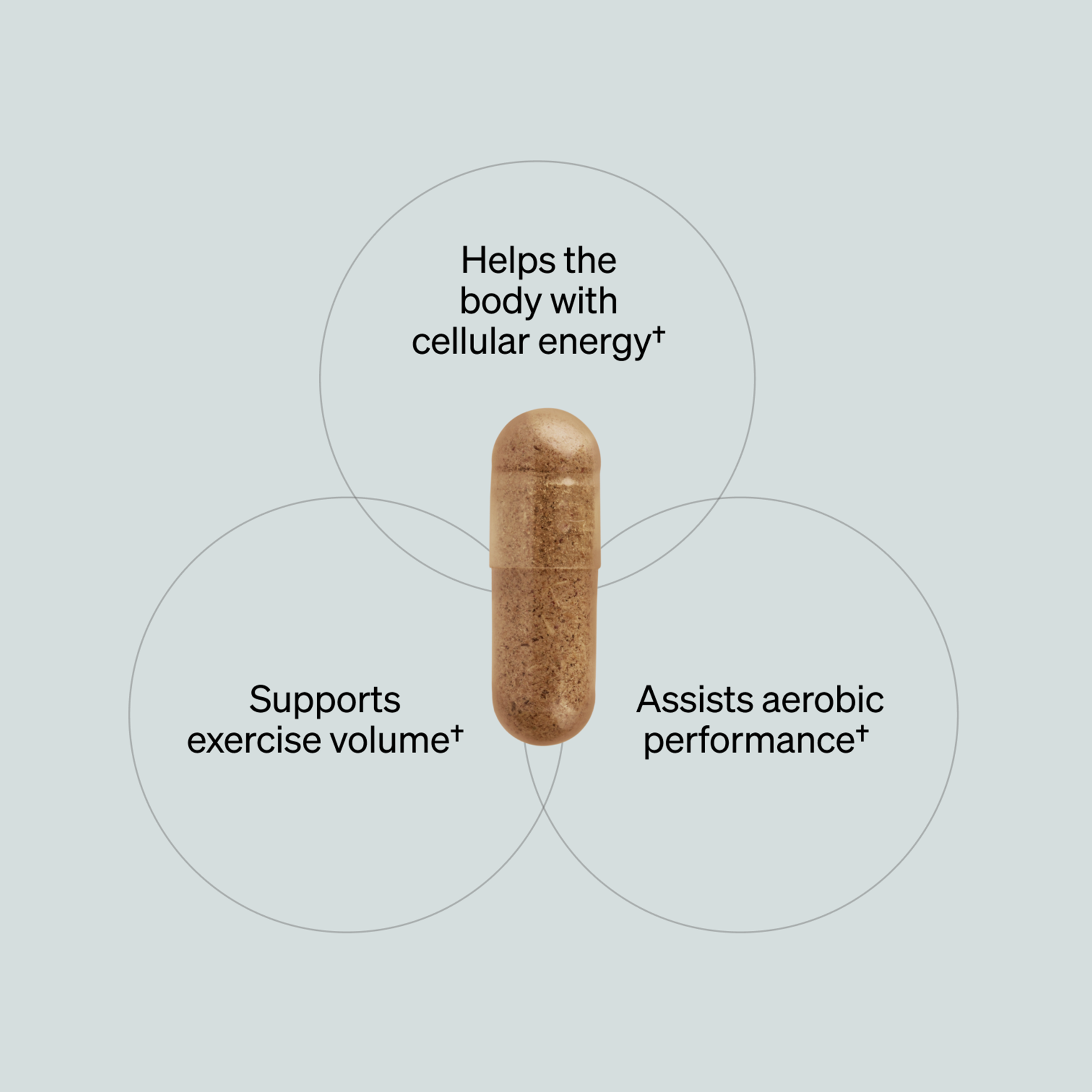
- Improved Oxygen Uptake: Some studies show cordyceps can help the body use oxygen better during exercise. This means more energy and less fatigue. For example, long-distance runners and cyclists may notice they can maintain a higher pace without feeling out of breath as quickly.
- Increased ATP Production: ATP is the body’s energy currency. Cordyceps may boost ATP, giving muscles more power. This is especially useful in high-intensity activities like sprints, weightlifting, or interval training.
- Reduced Inflammation: Intense workouts cause inflammation. Cordyceps has anti-inflammatory compounds that can help reduce soreness and speed up recovery. This means you can train more often with less downtime.
- Enhanced Endurance: Many athletes report they can exercise longer and at higher intensity after taking cordyceps regularly. This can be a significant advantage in endurance sports or competitions that last several hours.
- Stronger Immune System: Training hard can weaken immunity. Cordyceps helps support the immune system, which is vital for athletes. A stronger immune system means fewer missed workouts due to illness and better overall health.
One often-overlooked benefit: Cordyceps may also help regulate blood sugar and cholesterol, which contributes to stable energy levels and heart health—important for anyone involved in regular exercise.
These benefits sound impressive, but how you consume cordyceps matters. Let’s compare tea and capsules in detail.

Credit: www.amazon.com
Cordyceps Tea: Tradition Meets Modern Fitness
Cordyceps tea is made by steeping dried cordyceps (whole or powdered) in hot water. This method is as old as the use of cordyceps itself and remains popular in Asia.
How Cordyceps Tea Is Prepared
To make cordyceps tea, you need:
- 1 to 2 grams of dried cordyceps or powder
- 200-300 ml of hot water (not boiling)
- Steep for 10-15 minutes
- Optional: Add honey or ginger for taste
Drinking the tea is simple, and many people enjoy the earthy, mushroom-like flavor.
Some athletes use a thermos to keep the tea warm and sip it slowly before or after training. Others make a big batch and store it in the fridge, drinking it cold as a refreshing post-workout beverage.
A non-obvious tip: When using powder, stir the tea occasionally while steeping to help release more active compounds. This small step can make your tea more potent and effective.
Athletic Benefits Of Cordyceps Tea
Tea is quickly absorbed by the body. Some athletes say they feel a boost in energy and focus soon after drinking it. The hot water may help extract certain polysaccharides and beta-glucans that support immune function and reduce fatigue.
Drinking tea also provides a moment of relaxation. For athletes who use rituals to prepare for training or competition, this can be a mental boost. The hydration from the tea is another small but real benefit.
Some users notice a gentle, calming effect from the tea, which can help reduce pre-competition anxiety or nerves. This is especially valuable in sports where mental focus is as important as physical strength.
Another advantage: Cordyceps tea can be combined with other beneficial herbs, like ginseng or green tea, for an extra performance boost. However, always check for possible interactions before mixing supplements.
Downsides Of Cordyceps Tea
- Inconsistent Dosing: The amount of active compounds in each cup can vary depending on how much cordyceps you use and how long you steep it. Beginners often underestimate or overestimate the amount needed for real benefits.
- Taste: Not everyone likes the flavor of mushroom tea. For those sensitive to earthy tastes, adding lemon or natural sweeteners can help, but won’t remove the taste completely.
- Time-Consuming: Making tea takes more time than swallowing a capsule. For busy athletes, this might not fit into a tight schedule.
- Heat Sensitivity: Some beneficial compounds may break down in hot water if brewed too long or at too high a temperature. Using water just below boiling helps protect these nutrients.
- Storage and Portability: Prepared tea does not last long at room temperature, which means you need to make it fresh or refrigerate it. This is less convenient for athletes on the go.
Cordyceps Capsules: Modern Convenience And Precision
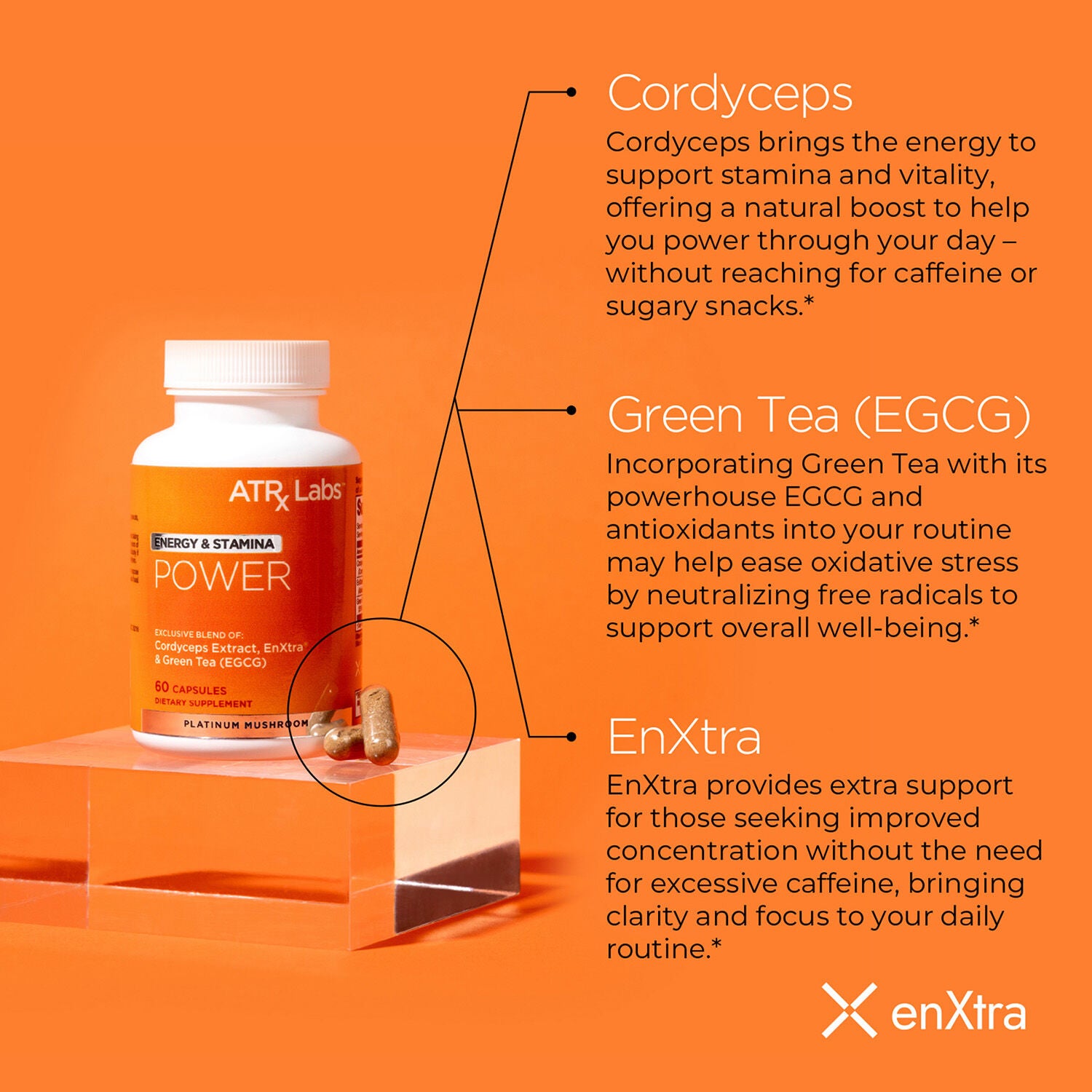
Capsules are the most common way to take cordyceps today, especially in the sports world. They contain either powder or extract, measured for accuracy.
How Cordyceps Capsules Are Made
Manufacturers dry and powder the cordyceps, then put it in capsules. Some capsules use extracts standardized for active compounds like cordycepin, which allows for more consistent results.
Standardization means you know exactly how much of the main active ingredients you are getting with each dose. This is important for athletes who want to fine-tune their supplementation.
Some brands add other ingredients, like black pepper extract, to help with absorption. Always check the ingredient list to avoid unwanted additives or allergens.
Athletic Benefits Of Cordyceps Capsules
Capsules offer several advantages:
- Accurate Dosing: Each capsule contains a precise amount of cordyceps. This is crucial for athletes who want to control their intake.
- Convenience: Easy to carry and take anywhere, even during travel or at competitions.
- No Taste Issues: No need to worry about strong mushroom flavors.
- Potency: Extract capsules may contain more concentrated active ingredients than tea.
- Flexible Timing: Capsules can be taken with or without food, making it easier to fit into your daily routine.
Another non-obvious benefit: Some capsule blends include additional adaptogens like rhodiola or ashwagandha, which can further support stress management and athletic recovery.
Downsides Of Cordyceps Capsules
- Slower Absorption: Capsules may take longer to digest and absorb than tea. For athletes needing a quick pre-workout boost, this can be a drawback.
- Additives: Some capsules have fillers or binders. Quality varies between brands.
- Less Ritual: Some athletes value the calming effect of preparing and drinking tea, which you miss with capsules.
- Capsule Size: Some people find large capsules hard to swallow. This is a minor issue, but worth considering if you dislike taking pills.
Science Behind Cordyceps For Athletic Performance
The real question is: Do cordyceps actually work for athletes? Scientific studies offer mixed results, but some findings are promising.
- A 2010 study in the Journal of Alternative and Complementary Medicine found that adults who took 3 grams of cordyceps daily for 12 weeks improved their exercise performance and VO2 max (maximum oxygen uptake).
- Another study published in 2016 in the Journal of Dietary Supplements found that supplementation with cordyceps improved endurance in healthy older adults.
- A 2018 review in the Journal of Functional Foods described how cordyceps may increase the production of ATP, support antioxidant activity, and help regulate immune responses.
- However, not all studies show dramatic effects, especially in elite athletes who are already highly trained.
One important detail: Many studies use standardized extracts in capsule form. This means the results might not apply to tea, which can have variable potency.
Another key point: The benefits of cordyceps are most noticeable in people who are not already at peak conditioning. Recreational athletes or those new to regular training might feel a bigger difference than seasoned pros.
Comparing Absorption And Bioavailability
Bioavailability means how much of a supplement your body actually uses. Let’s compare how tea and capsules perform in this area.
| Form | Absorption Speed | Bioavailability | Notes |
|---|---|---|---|
| Tea | Fast | Moderate (varies by preparation) | Some compounds may be lost to heat |
| Capsules | Slower | High (if using standardized extracts) | More consistent dosing |
For fast energy before a workout, tea might be better. For long-term effects and consistent results, capsules have the advantage.
What many athletes miss: Taking cordyceps with a small amount of healthy fat (like coconut oil) may improve absorption of certain compounds, especially when using capsules.
Credit: www.onnit.com
Dosing: How Much Should Athletes Take?
The right dose depends on your goals, body weight, and the form you use.
- Tea: 1-3 grams of dried cordyceps per cup, 1-2 cups per day.
- Capsules: 500 mg to 1,500 mg per day, often split into two doses.
Most studies on sports performance use doses around 1,000-3,000 mg per day. More is not always better—higher doses can cause stomach upset.
For new users, it’s smart to start at the lower end and gradually increase as your body adapts. Tracking your energy, recovery, and performance in a journal can help you find your best dose.
Quality And Purity Concerns
Not all cordyceps products are the same. Quality matters, especially for athletes who are careful about what they put in their bodies.
- Look for third-party testing: Brands that test for contaminants and potency are safer.
- Check the species: Cordyceps militaris is common and effective, but some products use cheaper, less effective species.
- Watch for fillers: Some capsules contain rice flour or other additives. Pure extract is best.
One insight many beginners miss: Some cordyceps teas use only mycelium (the root-like part), not the full fruiting body, which contains more active compounds. For maximum benefits, choose products that use the whole mushroom.
Also, some supplements are grown on grain or rice, which may dilute the final product. The label should specify “fruiting body” or “full spectrum” for highest potency.
Taste, Ritual, And Lifestyle Fit
Some athletes enjoy making tea because it becomes a calming pre-workout ritual. If you value mindfulness or need time to focus before competition, tea can offer more than just nutrients.
Capsules, on the other hand, are ideal for those with busy schedules or who dislike the taste of mushrooms. If you travel often for events, capsules are easier to pack and use.
It’s worth considering how each method fits with your overall lifestyle. If you often train early in the morning, will you have time to brew tea? If you’re on the road for tournaments, will you remember to bring capsules?
Another practical example: Some athletes use tea as a “signal” to start winding down after evening workouts, helping with relaxation and recovery.
Side Effects And Safety
Cordyceps is generally considered safe for most people. Still, some may experience mild side effects:
- Upset stomach
- Diarrhea
- Dry mouth
- Allergic reactions (rare)
Capsules are more likely to cause stomach upset if taken on an empty stomach. Tea, being gentler, may be easier to tolerate.
It’s wise to talk to a healthcare provider before starting any supplement, especially if you have health conditions or take other medications.
Women who are pregnant or breastfeeding and people with autoimmune diseases should avoid cordyceps unless advised by a doctor.
Credit: www.gnc.com
Cost Comparison
Price is another factor for athletes, especially those who use supplements daily.
| Form | Average Monthly Cost (USD) | Number of Servings |
|---|---|---|
| Tea (dried cordyceps) | $30-$50 | 30-60 cups |
| Capsules (standardized extract) | $20-$40 | 60-90 capsules |
Capsules are often slightly cheaper per dose, especially if you buy in bulk. However, prices can vary depending on brand and potency.
One more thing: Bulk powders for making tea can be less expensive, but only if you use them regularly before they lose potency.
Common Mistakes Athletes Make With Cordyceps
- Not Checking the Source: Many beginners buy the cheapest product without checking for quality or species.
- Ignoring Dosing Instructions: Taking too much or too little can reduce effectiveness or cause side effects.
- Expecting Instant Results: Cordyceps works best when used daily over several weeks, not as a one-time booster.
- Mixing with Other Stimulants: Some athletes combine cordyceps with caffeine or other supplements without understanding interactions.
- Overlooking Allergies: Rare, but possible. Always start with a small dose to test your reaction.
- Skipping Rest Days: Some believe more is always better. Remember, rest and recovery are as important as supplementation.
- Not Storing Properly: Heat, moisture, and air can reduce potency. Keep your tea or capsules in a sealed container, away from sunlight.
When Tea Works Best (and When Capsules Do)
Cordyceps Tea Might Be Best For:
- Athletes who enjoy rituals and mindful moments before training
- Those who want quick absorption before a workout
- People who dislike swallowing pills
- Individuals with sensitive stomachs
- Anyone seeking the calming effect of a hot beverage
Cordyceps Capsules Might Be Best For:
- Athletes needing accurate, measurable dosing
- Anyone who travels or has a busy schedule
- People who want to avoid the taste of mushrooms
- Those looking for standardized, high-potency extracts
- Athletes who want to combine cordyceps with other supplements
Real Athlete Experiences: What Users Say
Some runners and cyclists report that drinking cordyceps tea 30–60 minutes before a workout gives them a feeling of lightness and improved breathing. Others prefer capsules for the convenience, especially during competition season when routines are tight.
One professional triathlete shared, “I use capsules during my training blocks for consistency, but on race day, I sometimes drink tea for a quick boost and as part of my focus routine. ”
Another athlete, a martial artist, explained that drinking tea before evening training helped with recovery and sleep, while capsules in the morning provided steady energy for daytime sessions.
A non-obvious insight: Many athletes switch between forms depending on the season and training demands, rather than sticking to just one method.
What Does The Research Say About Tea Vs Capsules?
There is more research on cordyceps capsules than tea. Standardized extracts in capsules allow scientists to control the dose and compare results. This means the proven benefits—like improved VO2 max and endurance—are more closely linked to capsule use.
However, some studies from China and Tibet, where tea is traditional, do report positive effects from tea. But these studies often lack the strict controls of modern Western research.
In short, capsules have more scientific backing for athletic performance, but that doesn’t mean tea is useless. The form you choose should match your needs, routine, and preferences.
Combining Tea And Capsules: Is It Safe Or Smart?
Some advanced users combine both forms. For example, they might take capsules daily for consistent support and drink tea before a big event for immediate effect.
This approach is generally safe if you don’t exceed total daily recommendations (usually no more than 3 grams per day for adults). It’s always wise to start slowly and listen to your body.
A practical example: During a tournament week, an athlete might use capsules every morning and enjoy tea before finals for added focus and relaxation.
Cordyceps And Doping: Is It Allowed In Sports?
Cordyceps is not on the World Anti-Doping Agency (WADA) banned list. This means athletes can use it without fear of disqualification. Still, always check the latest rules and choose products tested for banned substances to avoid accidental contamination.
For more on supplement safety for athletes, see the USADA Supplement 411 page.
Sustainability And Ethical Concerns
Wild cordyceps is rare and expensive. Harvesting it can harm the environment. Most supplements use lab-grown cordyceps militaris, which is more sustainable and just as effective for most athletic uses.
If environmental impact matters to you, choose brands that are clear about their sourcing and use cultivated cordyceps.
Some companies support fair trade and ethical harvesting practices, which is worth considering if you want to support responsible industry growth.
Storage And Shelf Life
- Cordyceps tea: Dried mushrooms or powder should be stored in a cool, dry place and used within a year for best potency.
- Capsules: Also keep in a cool, dry spot. Capsules have a shelf life of 1-2 years if unopened.
Freshness impacts potency. Buying in smaller amounts more often can help ensure you’re getting the best results.
If you notice a change in smell, color, or taste, it may be time to replace your supply.
Comparing Cordyceps Tea And Capsules At A Glance
Here’s a side-by-side summary for athletes:
| Feature | Tea | Capsules |
|---|---|---|
| Preparation | Brew with hot water | Swallow with water |
| Dosing Accuracy | Less accurate | Very accurate |
| Absorption Speed | Fast | Moderate |
| Taste | Earthy, mushroom-like | No taste |
| Portability | Low | High |
| Cost | Moderate | Moderate to low |
| Scientific Evidence | Less direct | Strong |
Making The Right Choice For Your Athletic Goals
Choosing between cordyceps tea and capsules comes down to your priorities:
- If you value ritual, taste, and quick absorption, tea is a good choice.
- If you want precision, convenience, and proven results, capsules are likely better.
No form is “wrong. ” You can experiment and see what works best for your training and body. Remember, supplements are only one part of athletic performance. Diet, sleep, and training matter more.
One last insight: Many athletes find the greatest benefit from cordyceps when they pair it with other healthy habits, not when they rely on it as a magic solution.
Frequently Asked Questions
What Is The Best Time To Take Cordyceps For Sports Performance?
Most athletes take cordyceps about 30–60 minutes before exercise to get the best boost in energy and endurance. For long-term benefits, taking it daily at the same time helps maintain levels in your body.
For endurance events, consider splitting your dose—half in the morning and half before your main activity.
Is Cordyceps Safe For Long-term Use?
Yes, cordyceps is considered safe for most people when used at recommended doses. Long-term use has not shown serious side effects in studies, but it’s best to take breaks every few months and consult a healthcare provider.
Some athletes use cordyceps in cycles, such as three months on and one month off, to prevent tolerance and maintain effectiveness.
Can I Take Cordyceps With Other Supplements?
Cordyceps is often combined with other supplements like beta-alanine, BCAAs, or caffeine. There are no known harmful interactions, but always start with small doses to see how your body reacts.
If you are taking medications or have a health condition, check with your doctor before combining supplements.
Will Cordyceps Help Me Recover Faster After Workouts?
Cordyceps may reduce inflammation and muscle soreness, helping you recover quicker after intense exercise. However, results vary, and not everyone will notice dramatic effects.
Some athletes combine cordyceps with tart cherry juice or magnesium for added recovery support.
How Do I Choose A High-quality Cordyceps Supplement?
Look for products that use Cordyceps militaris or Cordyceps sinensis, are third-party tested, and free from fillers. Choose brands that clearly list the amount of active compounds and have good reviews from athletes.
Cordyceps, whether in tea or capsule form, can support your athletic journey. The best choice depends on your needs, routine, and preferences. By understanding the differences and paying attention to quality, you can make cordyceps work for you.