
Chaga And Skin Health: Fighting Aging And Acne And Eczema from Within
Healthy, glowing skin is something most people want. But many struggle with issues like acne, eczema, or early signs of aging. While creams and treatments can help, true skin health often starts from inside the body. This is where chaga, a dark mushroom growing on birch trees, is getting lots of attention. People around the world use chaga for its powerful effects, and new research shows it could help our skin look and feel better—naturally.
In this article, you’ll discover how chaga works, what makes it special, and why it could be a helpful tool for fighting aging, acne, and eczema. You’ll learn about the nutrients and compounds inside chaga, how they support the skin, and how to use chaga safely. If you want to improve your skin without relying only on cosmetics, keep reading.
What Is Chaga?
Chaga is a type of medicinal mushroom that grows mainly on birch trees in cold climates, like Siberia, Canada, and parts of Northern Europe. Unlike the mushrooms you see in grocery stores, chaga is hard, dark, and looks a bit like burnt charcoal on the outside. Inside, it’s orange-gold.
People have used chaga for centuries in traditional medicine. It’s known as a strong adaptogen, which means it helps the body handle stress. Chaga is used in teas, powders, extracts, and even skin creams. Its popularity is rising because of its high content of antioxidants, vitamins, and minerals.
Key Nutrients In Chaga
Chaga contains a mix of nutrients and unique compounds that make it powerful for health:
- Polysaccharides: Help boost the immune system and support skin healing.
- Beta-glucans: Support immunity and may reduce inflammation.
- Melanin: The same pigment in human skin; helps protect against UV damage.
- Triterpenoids: May fight bacteria and calm irritated skin.
- Minerals: Zinc, copper, potassium, and manganese—all important for skin repair.
- B vitamins: Support energy and cell health.
How Chaga Affects Skin Health
Chaga is not just a trend—it has real science behind its benefits. Its combination of nutrients and compounds can help the skin in several ways.
Fighting Free Radicals With Antioxidants
One of the main reasons our skin ages or gets damaged is because of free radicals. These are unstable molecules caused by pollution, sunlight, and even normal body processes. Free radicals damage skin cells, leading to wrinkles, dark spots, and loss of firmness.
Chaga is considered one of the most antioxidant-rich foods on earth. In fact, its ORAC (Oxygen Radical Absorbance Capacity) value is much higher than blueberries or acai. Antioxidants in chaga, like melanin and polyphenols, help neutralize free radicals, which slows down aging and keeps skin looking young.
Reducing Inflammation
Skin problems like acne and eczema are often linked to inflammation inside the body. Chaga contains beta-glucans and other compounds that calm inflammation. This can help reduce redness, swelling, and irritation on the skin.
Supporting The Immune System
A strong immune system is important for healthy skin. Chaga’s polysaccharides and beta-glucans give the immune system extra support. This can help your body fight off bacteria that cause acne and reduce the risk of skin infections.
Enhancing Skin Repair
The minerals in chaga—especially zinc and copper—are known for their role in healing wounds and repairing skin. Chaga also helps boost collagen production, keeping skin firm and elastic.
Chaga And Aging: Can It Really Slow The Clock?
Many people use chaga for its anti-aging effects. But how does it work?
The Role Of Antioxidants In Aging
As you age, your skin loses collagen and becomes thinner. Sun exposure, pollution, and stress make this worse by increasing free radicals. Antioxidants are the body’s defense—they help repair and protect skin cells.
Chaga’s antioxidants, including superoxide dismutase (SOD) and melanin, are especially powerful. SOD is known for fighting one of the main free radicals that age skin. Melanin, which gives chaga its dark color, also absorbs UV rays and protects against sun damage.
Chaga And Collagen
Collagen is the main protein that keeps skin smooth and firm. As we get older, our bodies make less collagen. Chaga contains compounds that help support collagen production. This means firmer skin, fewer fine lines, and a more youthful appearance.
Scientific Evidence
Studies on chaga are still growing, but early research is promising. For example, a 2019 study found that chaga extract protected human skin cells from UV damage and increased collagen production. Another study showed that chaga’s antioxidants reduced wrinkles and improved skin hydration in animal models.
What Beginners Often Miss
Many people think you need to put chaga directly on your skin to see results. However, most of chaga’s benefits come from taking it internally—drinking it as tea or using it as a supplement. This supports your skin from the inside, where real healing starts.
Another common mistake is expecting fast results. Chaga works slowly, helping your body repair and protect itself over weeks or months. Consistency is key.
Chaga For Acne: A Natural Ally
Acne is a common problem for both teens and adults. It often starts with clogged pores, oil buildup, bacteria, and inflammation. How can chaga help?
Fighting Bacteria
Chaga contains triterpenoids, which have natural antibacterial properties. These compounds can help fight Propionibacterium acnes—the bacteria that cause acne. By reducing bacteria, chaga may lower the number of breakouts.
Calming Inflammation
Red, swollen pimples are a sign of inflammation. Chaga’s beta-glucans and antioxidants help calm this inflammation, making acne less severe and helping the skin heal faster.
Balancing Hormones
Some research suggests chaga may help balance hormones, which are a major cause of acne—especially in adults. While more research is needed, this could be another way chaga supports clearer skin.
Internal Vs. Topical Use
Drinking chaga tea or taking it as a supplement works from the inside. For some people, using a chaga extract or cream on the skin can also help, especially for inflamed or infected spots. However, the main benefits come from regular internal use.
Not-so-obvious Insight
People often focus only on killing bacteria when treating acne. But the real key is reducing inflammation and supporting the skin’s healing process. Chaga does both—something most basic acne treatments miss.

Credit: beautyologie.com
Chaga And Eczema: Soothing The Skin From Inside
Eczema is a condition where the skin becomes dry, itchy, and inflamed. It’s often linked to an overactive immune response and a weak skin barrier. Chaga may help with both.
Immune Modulation
Instead of just boosting the immune system, chaga balances it. This is important for eczema, because too much immune activity can make symptoms worse. Chaga’s polysaccharides help the body respond more calmly, reducing flare-ups.
Skin Barrier Support
A strong skin barrier keeps moisture in and irritants out. Chaga’s minerals and antioxidants help repair and strengthen this barrier, making skin less sensitive.
Reducing Itch And Redness
The anti-inflammatory compounds in chaga can help calm itching and redness. Some people use chaga creams for quick relief, but taking chaga as a tea or supplement seems to have longer-lasting effects.
Real World Example
In some Northern European countries, chaga tea is a traditional remedy for eczema and other skin problems. People who drink it regularly often report fewer flare-ups and softer skin.
Insight For Beginners
A common mistake is using only thick creams to treat eczema. While these can help, they don’t address the root causes inside the body. Chaga works by supporting the immune system and repairing the skin barrier from within.
Comparing Chaga To Other Skin Superfoods
Many foods and herbs are called “superfoods” for skin. How does chaga compare to popular options like green tea, turmeric, or collagen?
Here’s a comparison showing key nutrients and benefits:
| Superfood | Main Nutrients | Best For | Unique Advantage |
|---|---|---|---|
| Chaga | Antioxidants, beta-glucans, melanin, zinc | Aging, acne, eczema, immune support | ORAC value is one of the highest |
| Green Tea | Polyphenols, EGCG, vitamin C | Redness, sun damage, acne | Reduces excess oil on skin |
| Turmeric | Curcumin, antioxidants | Inflammation, dark spots | Strong anti-inflammatory effect |
| Collagen Peptides | Collagen protein, amino acids | Firmness, wrinkles | Directly provides building blocks for skin |
Chaga stands out for its high antioxidant levels and ability to balance the immune system, making it a great choice for people with sensitive or inflamed skin.
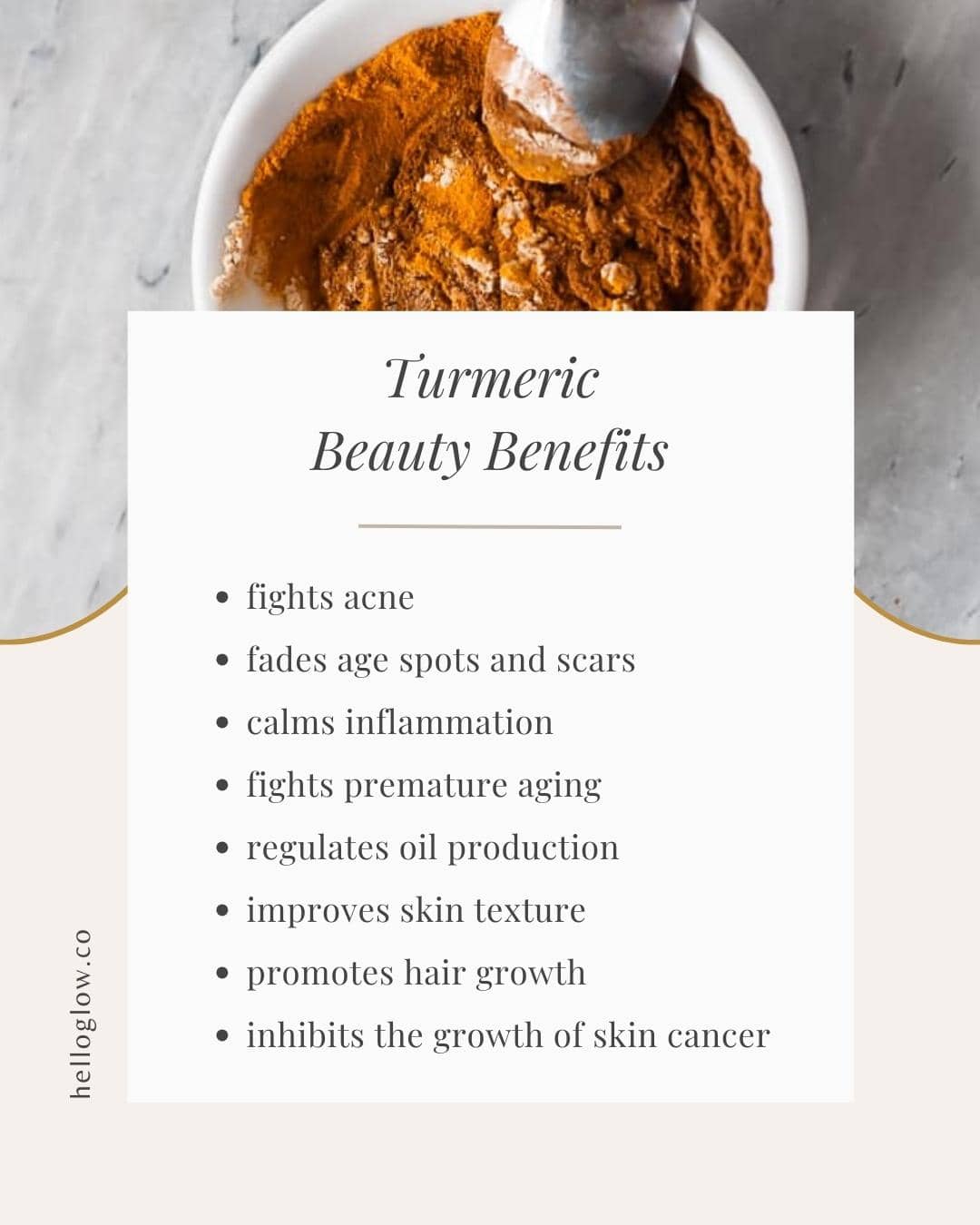
Credit: helloglow.co
How To Use Chaga For Skin Health
If you want to try chaga, there are several ways to include it in your routine. Here’s what you need to know.
Chaga Tea
This is the most traditional way to use chaga. The chunks or powder are simmered in hot water for 20-30 minutes. The tea tastes earthy and mild. You can drink 1-2 cups daily.
Tip: Avoid boiling chaga, as this can destroy some nutrients. Simmer gently instead.
Chaga Powder
Chaga powder can be mixed into smoothies, coffee, or oatmeal. Look for organic, wild-harvested powder for the best quality.
Chaga Extract
Extracts are more concentrated and usually come in drops or capsules. These are a good option if you want a stronger dose or don’t like the taste of chaga tea.
Topical Chaga Creams
Some skincare products use chaga extract for its antioxidant and soothing effects. These can help with redness or irritation but are best used along with internal chaga.
Choosing Quality Chaga
With chaga’s popularity, many products are on the market. Here’s how to choose wisely:
- Pick wild-harvested or organic chaga for the highest nutrients.
- Make sure the product is tested for heavy metals and contamination.
- Avoid chaga with fillers or artificial additives.
Example Chaga Daily Routine
- Morning: Add 1 teaspoon of chaga powder to your coffee or smoothie.
- Afternoon: Drink a cup of chaga tea.
- Evening: Use a moisturizer with chaga extract on red or irritated areas.
This simple routine supports your skin from inside and out.
Safety And Possible Side Effects
Chaga is generally safe for most people when used in normal amounts. However, it’s important to understand possible risks.
Who Should Be Careful
- People on blood thinners: Chaga may increase bleeding risk.
- Diabetics: Chaga can lower blood sugar, so monitor levels closely.
- Pregnant or breastfeeding women: There is not enough research on safety.
- People with autoimmune diseases: Chaga stimulates the immune system, which could be a problem in some cases.
Possible Side Effects
Some people may experience:
- Upset stomach or diarrhea
- Allergic reactions (rare)
- Lower blood sugar
Always start with a small dose and see how your body reacts. Talk to your doctor if you take medication or have a health condition.
Insight: Drug Interactions
Many people forget that chaga can interact with common medicines. For example, it may increase the effect of insulin or blood thinners. Always check with your healthcare provider before adding chaga to your routine.
Chaga: Myths, Marketing, And The Real Science
Because chaga is trendy, there are many claims—some true, some exaggerated.
Common Myths
- “Chaga will cure all skin problems overnight.” Not true. It helps gradually as part of a healthy lifestyle.
- “Chaga is safe for everyone in any dose.” Also not true. Large amounts can cause problems, especially for people with certain health issues.
What The Science Really Says
Chaga has real, science-backed effects on inflammation, antioxidants, and immune health. But most studies are still small or done in animals. Human research is growing, but more is needed to understand the best doses and uses.
Where To Learn More
For those interested in the science, check out this review: Wikipedia: Inonotus obliquus. It covers research, history, and traditional uses.
Chaga In Real Life: Stories And Results
Many people share stories of better skin after using chaga. Here are a few examples:
- Sofia, age 31: Had eczema for years. After drinking chaga tea daily for 3 months, she noticed fewer flare-ups and softer, calmer skin.
- Jack, age 24: Struggled with adult acne. Added chaga powder to his morning smoothie. After 8 weeks, he saw fewer breakouts and less redness.
- Mira, age 46: Wanted to fight early wrinkles. Used chaga capsules and a chaga cream. Over 4 months, her skin felt firmer and looked brighter.
While everyone’s experience is different, these stories show the potential of supporting skin from within.

Credit: www.amazon.com
How Chaga Fits Into A Whole Skin Health Plan
Chaga is powerful, but it works best as part of an overall healthy routine:
- Eat a balanced diet rich in fruits, vegetables, and healthy fats.
- Drink enough water to keep skin hydrated.
- Protect your skin from the sun with SPF and shade.
- Get enough sleep and manage stress.
- Use gentle skincare products and avoid harsh chemicals.
Chaga can be a helpful addition, especially for stubborn or sensitive skin problems. But it is not a magic bullet—it works best with other healthy habits.
Practical Tips For Getting Started With Chaga
- Start slow. Try a small amount of chaga tea or powder and see how you feel.
- Be consistent. Take chaga daily for at least 4-8 weeks to see real changes.
- Combine with other habits. Eat well, sleep well, and manage stress for best results.
- Watch for side effects. If you notice any problems, stop and talk to your doctor.
- Choose quality. Buy from trusted brands and look for lab testing.
Chaga For Different Skin Types
Every skin is unique. Here’s how chaga can help different needs:
| Skin Type | How Chaga Helps | Best Form |
|---|---|---|
| Sensitive Skin | Reduces inflammation, calms irritation | Tea, extract, gentle cream |
| Oily/Acne-Prone | Fights bacteria, balances oil, reduces redness | Powder, extract, spot cream |
| Mature Skin | Boosts antioxidants, supports collagen | Capsules, powder, serum |
| Dry/Eczema-Prone | Repairs skin barrier, soothes itching | Tea, extract, rich cream |
What Makes Chaga Different From Other Mushrooms?
Chaga is not the same as shiitake, reishi, or other medicinal mushrooms. Here’s what makes it stand out:
- Higher antioxidant content than most other mushrooms
- Contains unique melanin for skin protection
- Especially rich in zinc and copper for healing and repair
- Traditional use for skin problems in cold climates
Other mushrooms are helpful, but chaga is best for people wanting to support skin health from within.
Frequently Asked Questions
What Is The Best Way To Take Chaga For Skin Health?
The most common and effective way is chaga tea or powder, taken daily. Some people also use extracts or creams, but internal use supports the skin from the inside. Start with 1-2 cups of tea or 1-2 grams of powder per day.
How Long Does It Take To See Results From Chaga?
Most people notice changes in their skin after 4-8 weeks of daily use. Results may be faster for some, but chaga works slowly by supporting the body’s natural healing processes.
Can I Use Chaga If I Have Sensitive Skin Or Allergies?
Chaga is usually safe, but always start with a small amount to check for reactions. If you have allergies to mushrooms or are sensitive to new foods, talk to your doctor before trying chaga.
Is Chaga Safe To Use With Other Skincare Products?
Yes, chaga works well with most skincare routines. It can be combined with gentle cleansers, moisturizers, and sunscreen. If using a chaga cream, avoid mixing with strong acids or retinoids until you see how your skin reacts.
Where Can I Learn More About The Science Behind Chaga?
A good starting point is the Wikipedia: Inonotus obliquus page. It covers research, history, and traditional uses.
—
Beautiful skin starts from within. Chaga offers a unique, natural way to fight aging, acne, and eczema by supporting your body’s health on the inside. With its high antioxidants, immune-balancing effects, and skin-repairing minerals, chaga is a smart addition to your routine. Remember: results come with patience and consistency. If you want a healthy glow that lasts, consider giving chaga a try—your skin may thank you for years to come.