
Cordyceps For Female Athletes: Closing The Research Gap
Female athletes face unique challenges in training, performance, and recovery. While many supplements promise improved stamina or faster healing, most research has focused on men. Cordyceps, a type of medicinal mushroom, is gaining attention for its potential to boost athletic performance. But how does it work for women? The research gap is clear, and bridging it could change the way female athletes approach their health and results.
This article explores what cordyceps really is, how it may benefit female athletes, what science says so far, and what still needs to be studied. We’ll look at the practical side—how women can use cordyceps, what to watch out for, and why personalized advice is crucial.
If you’re a female athlete, a coach, or just curious about natural performance enhancers, this guide will give you the complete picture.
What Is Cordyceps?
Cordyceps is a medicinal fungus that grows in the high mountains of Asia. In nature, it’s famous for infecting insects, but most supplements use lab-grown forms like Cordyceps militaris or Cordyceps sinensis. People in China and Tibet have used cordyceps for hundreds of years to boost energy, treat sickness, and recover after illness.
Cordyceps is now popular as a supplement. You’ll find it in capsules, powders, teas, and even energy bars. The active compounds, especially cordycepin and adenosine, are thought to help the body use oxygen better, fight tiredness, and support recovery.
Cordyceps stands out from other mushrooms because of its unique way of supporting the body’s “energy factories”—the mitochondria. Some researchers believe cordyceps may help protect these mitochondria from stress or aging, which is important for anyone who wants to keep their body strong over time.
This is one reason why cordyceps is sometimes called an “anti-aging” mushroom in traditional medicine.
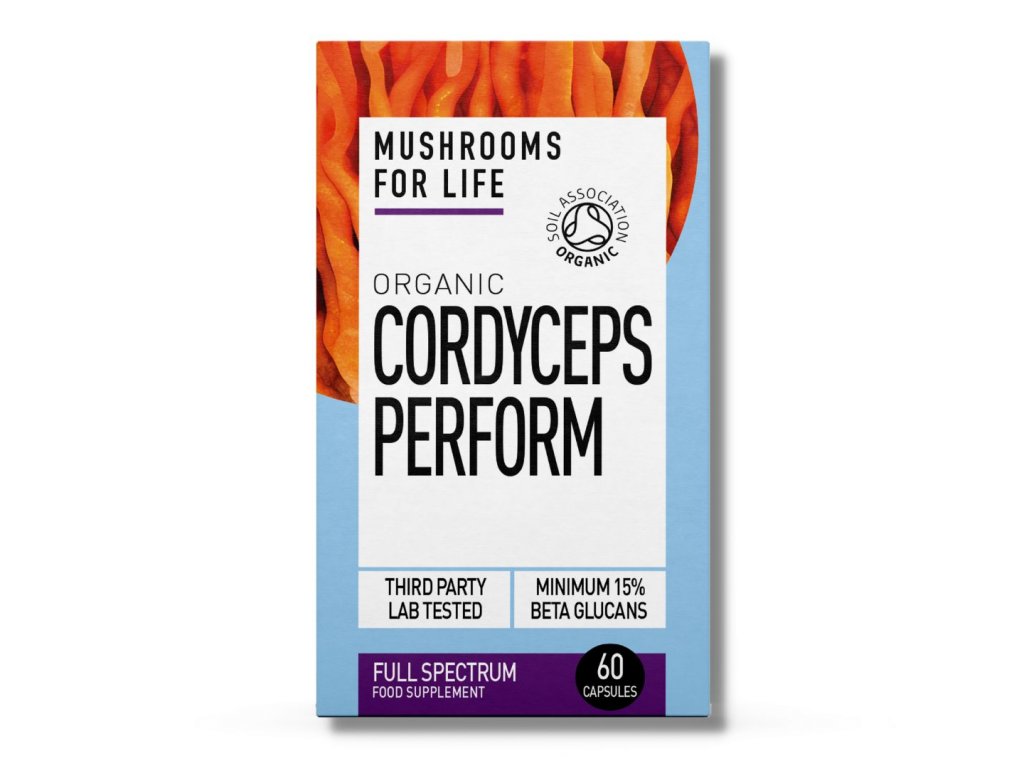
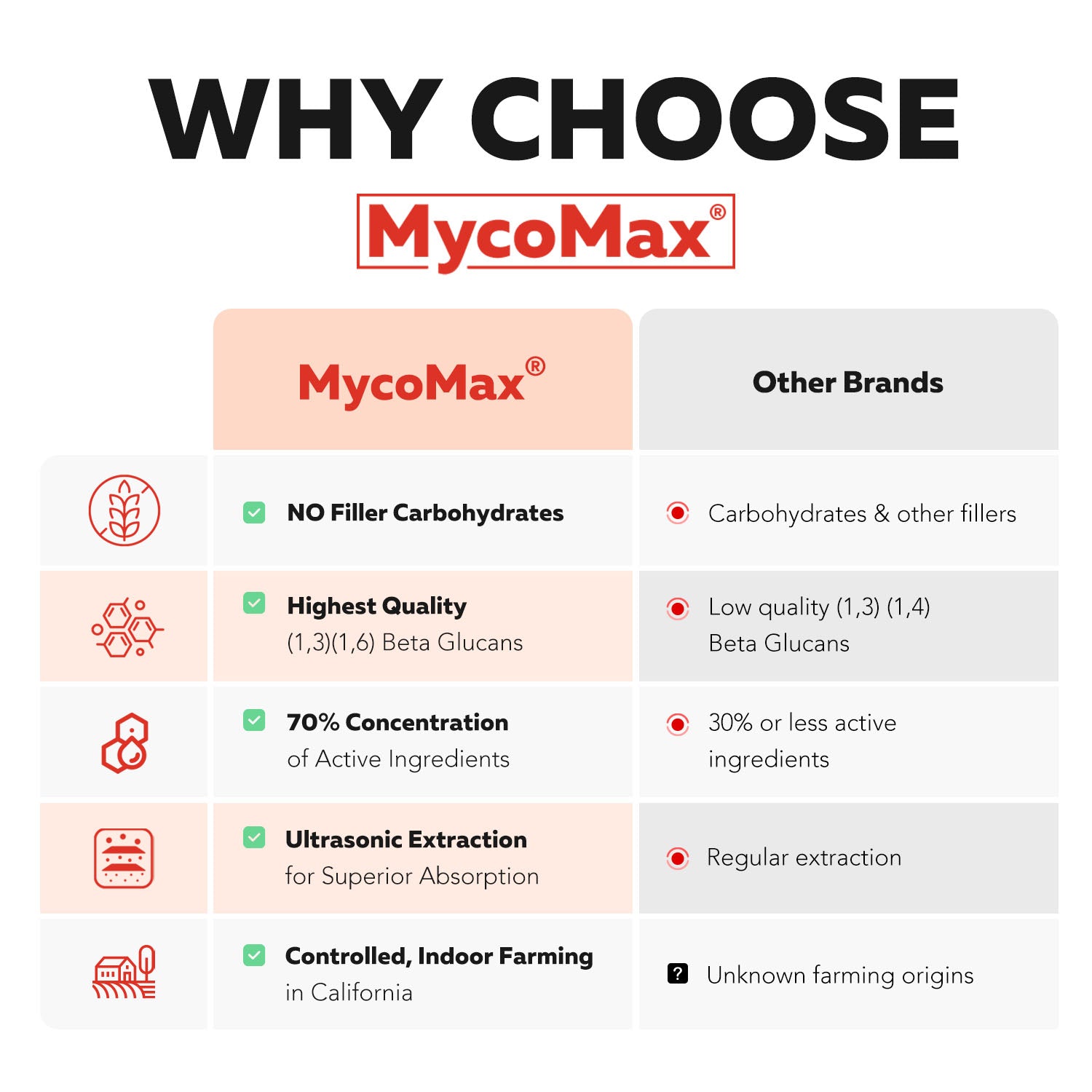
Another important detail is that cordyceps supplements can vary in quality. Wild cordyceps is rare and expensive, so almost all supplements use cultivated forms. These cultivated cordyceps can be just as effective, but buyers should still check for third-party testing to avoid fillers or fake products.
A small but practical tip: some people find the taste of cordyceps powder unusual—slightly earthy or bitter. Mixing it into smoothies, oatmeal, or coffee can help mask the flavor if you don’t like it.
Why Focus On Female Athletes?
Most sports and fitness studies focus on men. This is a big problem. Female athletes have different biology—hormones, muscle composition, and energy needs all vary. What works for men does not always work for women. For supplements like cordyceps, there is a strong need to understand how female bodies respond.
Ignoring women in research means missing out on safer, more effective ways to train and recover. Female athletes also face unique risks, like iron loss from menstruation, hormone shifts, and a higher chance of certain injuries. Closing the research gap will help women get the best results without guessing or risking their health.
One detail that’s often missed: women’s responses to supplements can change depending on where they are in their menstrual cycle. For example, energy and recovery needs may be higher during the luteal phase (the week before a period). Because of this, research that only tests women at one time of the month may not show the full picture.
It’s also important to remember that women often have less muscle mass but more endurance than men. Some studies suggest that women’s muscles are better at using fat for fuel. This means supplements that help with oxygen use or fat metabolism—like cordyceps—could be even more valuable for female athletes.
But we need more targeted studies to confirm this.
Credit: www.pravebio.cz
How Cordyceps May Help Athletes
Cordyceps is often called an adaptogen. This means it helps the body adapt to stress—physical, mental, or environmental. Here’s how it may support athletic performance:
1. Improved Oxygen Use
Cordyceps has been shown to help the body use oxygen more efficiently. This is critical for endurance sports like running, cycling, and swimming. Better oxygen use means muscles can work harder for longer. What’s less obvious is that better oxygen use can also help with faster recovery between intervals or sprints, not just steady endurance.
2. Increased Energy And Atp Production
The fungus boosts adenosine triphosphate (ATP), which is the body’s main energy source. More ATP can mean more power during sprints, lifts, or long events. This effect is especially useful during high-intensity efforts, when the body’s energy demands spike and quick recovery is needed for repeated bursts.
3. Faster Recovery
Cordyceps may reduce inflammation and stress in the body. This can help athletes bounce back faster after tough workouts or competitions. For women, who sometimes take longer to recover due to hormonal shifts, faster recovery can make a big difference in training consistency.
4. Immune Support
Athletes often get sick when training hard. Cordyceps may support the immune system, helping athletes stay healthy during intense periods. What many don’t realize is that even minor illnesses can disrupt months of training progress. A stronger immune system means fewer missed sessions and a lower risk of overtraining.
5. Hormonal Balance
Some early studies suggest cordyceps might support hormone health. For women, this could mean less PMS, better energy during the menstrual cycle, and even support during menopause. There’s also some evidence that adaptogens like cordyceps can help reduce stress-related hormone spikes, which can protect muscle and bone health over time.
A practical example: A female triathlete who trains year-round may use cordyceps during heavy training blocks to help prevent illness and speed up recovery. She might notice less fatigue in the days after long rides or runs, allowing her to stick to her plan with fewer setbacks.
What Does The Science Say?
A key problem is that most studies on cordyceps use male subjects or animals. Still, what we know so far is promising.
Human Studies
A 2010 study tested cordyceps on older adults. The group taking cordyceps could exercise longer before getting tired. In 2016, researchers found that cyclists using cordyceps for three weeks improved their VO2 max (a measure of oxygen use) by 11%. But both studies had mostly male participants.
More recently, a 2021 review looked at all available studies and noted that cordyceps had a “moderate but meaningful” effect on endurance in both young and older adults. However, the review pointed out the lack of large trials in women and called for more gender-specific research.
Animal Studies
Mice and rats given cordyceps ran longer and recovered faster. Researchers believe this is due to better oxygen use and less muscle damage. Some studies also found that cordyceps could help protect the liver and kidneys from stress—an added benefit for athletes who push their bodies hard.
Gaps In Female Research
There are very few studies focused on women. One small study in 2018 looked at women in their 20s and 30s. After taking cordyceps for 12 weeks, they showed improved endurance and less fatigue. However, the sample size was small, and more research is needed.
Researchers are beginning to design studies that look at women’s responses at different times in the menstrual cycle, but results are still a few years away. This is important because what works in one phase may not work in another.
Side Effects And Safety
Cordyceps is generally safe for most people. Some may experience digestive upset or dry mouth. There are rare reports of allergic reactions. Women who are pregnant, breastfeeding, or have autoimmune conditions should be cautious.
One detail beginners miss: cordyceps can interact with blood-thinning medications or immune-suppressing drugs. Always check with a doctor if you are on medications.
Summary Table: Cordyceps Research In Athletes
| Study Type | Participants | Main Findings | Female-Specific? |
|---|---|---|---|
| Human (2010) | Older adults (mainly male) | Improved exercise time to fatigue | No |
| Human (2016) | Male cyclists | 11% increase in VO2 max | No |
| Human (2018) | Young women | Better endurance, less fatigue | Yes, but small group |
| Animal | Mice, rats | Longer running, faster recovery | N/A |
Unique Needs Of Female Athletes
Female athletes are not just “smaller men. ” They have special needs when it comes to training, nutrition, and supplements like cordyceps.
Hormonal Changes
Women’s hormones change across the menstrual cycle. These shifts affect energy, mood, muscle recovery, and even injury risk. For example, some women feel more tired or have weaker joints during certain times of the month.
Many female athletes find that their peak strength and power come in the first half of the cycle, while endurance may be better in the second half. Cordyceps could help smooth out these shifts, but more research is needed.
Iron Levels
Women lose iron during their periods, which can lead to anemia. Low iron means less oxygen in the blood, leading to poor performance and longer recovery.
A less obvious challenge: iron from plant foods is harder to absorb, especially if you drink tea or coffee with meals. Female athletes using cordyceps tea should be mindful of not drinking it right before or after iron-rich meals.
Bone Health
Female athletes are at higher risk for stress fractures and bone loss, especially if their periods are irregular from hard training.
For example, distance runners and gymnasts often have low body fat, which can disrupt hormone balance and lower bone density. Any supplement that helps balance hormones, like cordyceps might, could also support long-term bone health.
Comparison: Male Vs. Female Athletic Needs
| Aspect | Male Athletes | Female Athletes |
|---|---|---|
| Hormone Fluctuations | Stable | Variable (menstrual cycle) |
| Iron Loss Risk | Low | High (due to menstruation) |
| Bone Health Risks | Lower | Higher (especially with low estrogen) |
| Body Fat Needs | Lower minimum | Higher minimum for hormone balance |
Cordyceps may help with some of these needs, but there’s still much to learn.
How Cordyceps Might Support Female Athletes
While research is limited, here are some ways cordyceps could be especially helpful for women in sports:
1. Supporting Endurance And Stamina
Women often excel in endurance sports. Cordyceps may help by improving how the body uses oxygen and fights fatigue. This could be useful for runners, cyclists, swimmers, and team sports.
For example, some women notice they “hit the wall” later in races after using cordyceps for several weeks. Others report more stable energy during long training sessions, especially in the days leading up to their period.
2. Immune Health
Women are more likely to get autoimmune diseases. Cordyceps might balance the immune response, reducing sickness during hard training.
A unique aspect: overtraining can weaken the immune system, and women may be more sensitive to this effect. Cordyceps could help maintain immune strength during tough training blocks or travel, when athletes are most at risk.
3. Hormonal Support
Some animal studies suggest cordyceps may support estrogen and help with PMS or menopause symptoms. This could help women keep training through hormone changes.
A practical tip: If you track your cycle, you might notice cordyceps helps with energy dips or mood swings around your period. This could lead to more consistent training and less frustration.
4. Faster Recovery
Female athletes are at risk for overtraining, which leads to injuries and burnout. Cordyceps may help reduce inflammation and speed up muscle repair.
One underappreciated benefit: faster recovery means you can train harder or more often without increasing your injury risk. This is especially useful for women who compete in multiple sports or events.
5. Mental Focus
Cordyceps contains compounds that may support brain health and focus. This is useful for athletes who need sharp mental skills, like tennis, basketball, or gymnastics.
Female athletes sometimes report “brain fog” around their period or during intense training. Cordyceps may help clear this up, giving you an edge in both practice and competition.
Credit: triquetrahealth.com
Real-world Experiences: Female Athletes And Cordyceps
Many female athletes share positive stories about cordyceps. Some notice more energy on long runs, others recover faster after weightlifting. However, experiences vary. Here are two real-life examples:
- Sara, Marathon Runner: After three months of cordyceps, Sara felt less tired during training and noticed her post-race soreness was shorter.
- Jin, Soccer Player: Jin used cordyceps during her menstrual cycle and felt more stable energy and less mood swings.
Another example: Maya, CrossFit Competitor. Maya found that cordyceps helped her push through “double session” days—when she trained in the morning and evening. She also noticed fewer colds during her competition season.
A less obvious insight: Some women find the benefits of cordyceps are subtle but add up over time—like fewer skipped workouts or better sleep, which boosts long-term results.
These stories are encouraging, but they don’t replace scientific research. Each athlete is unique, and what works for one woman may not work for another.
How To Use Cordyceps Safely
If you’re considering cordyceps, it’s important to use it wisely. Here’s a practical guide:
1. Choose The Right Form
Look for supplements that say “Cordyceps militaris” or “Cordyceps sinensis. ” Capsules, powders, and teas are common. Choose brands that test for purity and quality.
Pro tip: Check for “fruiting body” on the label. This usually means more active compounds compared to “mycelium on grain” products.
2. Start Slow
Begin with the lowest dose on the label. See how your body reacts before increasing.
3. Timing
Most athletes take cordyceps in the morning or before workouts. Avoid taking it late at night, as it may disturb sleep for sensitive people.
Less obvious: Some women find splitting the dose—half in the morning, half before training—keeps energy steady.
4. Consistency
Benefits often appear after 2-4 weeks of regular use. Don’t expect instant results.
5. Monitor Your Body
Keep a training diary. Notice changes in energy, recovery, and mood. Stop if you feel unwell.
6. Check With Your Doctor
If you have health conditions, are pregnant, or take medications, talk to a healthcare provider first.
7. Watch For Side Effects
Rare side effects include nausea, dry mouth, and stomach upset.
Typical Cordyceps Dosages
| Form | Common Dose (Daily) | Notes |
|---|---|---|
| Capsules | 1,000–3,000 mg | Take with water |
| Powder | 1–2 teaspoons | Mix into smoothies or tea |
| Tea | 1 cup | Steep dried cordyceps for 10 minutes |
A practical insight: If you’re sensitive to caffeine, avoid combining cordyceps powder with coffee in the afternoon. It may make you feel too energized to sleep.

Credit: www.amazon.com
What Are The Research Gaps?
The biggest gap is the lack of large, high-quality studies on female athletes and cordyceps. Here’s what’s missing:
- Long-term safety data for women, especially those training intensely or at different ages.
- Studies on hormonal changes, menstrual cycles, and how cordyceps interacts with these.
- Research on dosage differences—do women need less or more than men?
- Effects on bone health, iron levels, and immune function in women.
- Studies with women from various sports, ages, and backgrounds.
Another research gap: we don’t know how cordyceps interacts with other common supplements, like iron or protein powders, in female athletes. Mixing supplements can create unexpected effects.
Scientists need to design studies just for women, not just include a few in male-focused research.
Common Mistakes And Myths
Many athletes rush to try new supplements without checking facts. Here are some mistakes to avoid:
1. Assuming All Cordyceps Are Equal
Wild and lab-grown cordyceps have different compounds. Buy from trusted sources.
Watch out for products with lots of fillers—some powders are mostly rice or oats.
2. Ignoring Personal Factors
Age, health, and training load affect how the body responds. Don’t copy someone else’s plan.
3. Using Too Much
Higher doses do not always work better. Start low and go slow.
4. Skipping Medical Advice
Some women have conditions (like autoimmunity or hormone issues) that need special care.
5. Expecting Magic Results
Cordyceps is a tool, not a cure-all. It works best with good training, sleep, and nutrition.
A practical mistake: stopping cordyceps after just a week because you “don’t feel different.” Give it time to work, especially through a full menstrual cycle.
Integrating Cordyceps With Female Training
To get the most from cordyceps, use it as part of a larger strategy. Here’s how:
- Track Your Cycle: Use a calendar or app to record energy levels, mood, and training results. Adjust cordyceps use as needed.
- Pair with Nutrition: Make sure you’re eating enough iron, calcium, and protein.
- Rest is Key: Use cordyceps to support recovery, but don’t skip rest days.
- Work with Experts: A sports nutritionist or doctor can help you build a plan just for you.
One advanced tip: If you notice energy dips around your period, consider increasing cordyceps slightly during that week (but stay within safe ranges). Some athletes find this helps balance their training intensity.
Another detail: If you compete in sports with anti-doping rules, always check that your cordyceps supplement is “NSF Certified for Sport” or similar.
What’s Next? The Future Of Cordyceps Research
There is growing interest in how natural supplements can support female athletes. As more women demand research that matches their needs, scientists are paying attention. In the next few years, we may see:
- Studies comparing cordyceps with other adaptogens, like ashwagandha or rhodiola.
- Research looking at specific issues like PMS, menopause, or pregnancy in athletes.
- Trials testing cordyceps for injury recovery and mental focus.
- Data on how cordyceps affects sleep, mental health, and stress—areas that matter to performance but are often ignored.
Female athletes, coaches, and health professionals should push for more studies and share their experiences to help close the gap.
For a deeper look at the science behind cordyceps, see this Wikipedia article.
Practical Tips For Female Athletes Considering Cordyceps
If you’re ready to try cordyceps, here are a few more things to keep in mind:
- Keep a Journal: Note your energy, mood, periods, and recovery. Look for real trends, not just good days.
- Be Patient: Changes take time. Give it at least a month before judging results.
- Stay Informed: New research is coming out every year. Stay updated.
- Community Counts: Talk to other female athletes about their experiences. You’ll learn tips that studies may not mention.
- Rotate Your Supplements: Some athletes find that taking cordyceps for 2-3 months, then taking a short break, keeps benefits strong and avoids “plateau.”
- Combine with Recovery Practices: Pair cordyceps with stretching, foam rolling, or meditation for even better recovery.
Frequently Asked Questions
What Is The Best Time Of Day To Take Cordyceps?
Most athletes take cordyceps in the morning or before workouts. This is when energy needs are highest. Avoid taking it late in the day if it affects your sleep.
Is Cordyceps Safe For Women With Irregular Periods?
Cordyceps is generally safe, but women with irregular periods should talk to a doctor first. The fungus may affect hormones. Always start with a low dose and monitor any changes.
Can Teenage Female Athletes Use Cordyceps?
There is little research on cordyceps in teenagers. It’s best to be cautious. Teens should focus on balanced nutrition and training, and only consider supplements after talking to a healthcare provider.
Does Cordyceps Interact With Birth Control Pills?
There is no strong evidence that cordyceps affects birth control, but studies are lacking. If you notice changes in your cycle, talk to your doctor.
How Long Does It Take To Notice Benefits From Cordyceps?
Most users see benefits after 2–4 weeks of consistent use. Results depend on your body, training, and overall health.
Cordyceps offers exciting potential for female athletes, but closing the research gap is vital. As more studies focus on women, athletes can make smarter, safer choices about using this ancient remedy in modern sports.