
Cordyceps Breathing Exercises: Combining Mushrooms With Breathwork
Cordyceps and breathwork—two worlds that may seem far apart at first glance. One is a unique mushroom from ancient mountain slopes. The other is a practice that connects body and mind through controlled breathing. But what happens when you bring them together? Many modern practitioners and wellness seekers are now exploring how Cordyceps and breathing exercises can create powerful effects for energy, endurance, and mental clarity.
This article will guide you through the science, practical methods, and real-life benefits of combining Cordyceps mushrooms with targeted breathwork. Whether you’re an athlete, a busy professional, or simply curious, you’ll find clear steps, expert insights, and easy-to-follow routines. Let’s discover how this rare combination can transform your daily life.
Understanding Cordyceps: Nature’s Unusual Mushroom
Cordyceps is not your everyday mushroom. In fact, it’s quite different from common culinary varieties like shiitake or button mushrooms. Cordyceps grows high in the mountains of Asia, especially in Tibet and China. Traditionally, it was used in Chinese medicine for energy, stamina, and overall vitality.
Cordyceps is a parasitic fungus. In the wild, it invades the bodies of insects, eventually sprouting from their remains. This might sound strange, but the mushroom has fascinated healers and scientists for centuries. Today, most Cordyceps products are grown in labs, making them safe and sustainable.
Cordyceps mushrooms have a long history of use in traditional medicine. Tibetan herders reportedly noticed their animals became more energetic after grazing where Cordyceps grew. Healers saw this and began using the fungus for people who needed recovery from illness or wanted extra stamina for difficult physical tasks.
Even today, Cordyceps is prized for its reputation as a “mountain energy booster. ”
Key Active Compounds
Cordyceps contains several unique compounds:
- Cordycepin: A molecule that may help with energy and immune function.
- Polysaccharides: These help support the immune system and may reduce inflammation.
- Adenosine: Known for supporting healthy blood flow and heart function.
These elements make Cordyceps a popular supplement for people seeking a natural energy boost.
Cordycepin is especially interesting. It is similar to adenosine, a part of the body’s energy system. Cordycepin may help fight fatigue and support recovery from strenuous activity. Polysaccharides, meanwhile, support the immune system—helping your body defend itself and recover faster.
Adenosine helps the heart pump blood efficiently and keeps blood vessels relaxed, supporting good circulation.
Modern Research
Recent studies show that Cordyceps may help:
- Increase oxygen use in muscles
- Boost exercise performance
- Support lung and heart health
- Reduce fatigue
For example, a 2016 review published in the Journal of Dietary Supplements showed that Cordyceps supplementation improved VO2 max (a measure of oxygen use) in healthy adults.
However, results can vary, and more high-quality studies are needed.
Other studies have looked at Cordyceps for sports performance. A small trial showed that athletes who took Cordyceps for several weeks could run longer before feeling tired. They also had better lung function and lower levels of lactic acid—a compound that builds up during exercise and causes muscle soreness.
In animal studies, Cordyceps has been shown to increase lifespan and reduce signs of aging, possibly by supporting mitochondria, the “power plants” of cells.
Researchers are also exploring Cordyceps for its role in supporting immunity and reducing stress. While many results are promising, scientists agree that more large human trials are needed to confirm these benefits.
The Power Of Breathwork
Breathing is automatic, but breathwork means controlling and training your breath on purpose. This is not a new idea—ancient traditions like yoga and qigong have used breath for health and healing for thousands of years.
Today, breathwork is used by athletes, therapists, and even CEOs. Controlled breathing can shift your body into a state of calm, improve focus, and even help with physical endurance.
Breathwork is more than just deep breathing. It includes a range of techniques, from slow calming breaths to rapid energizing breaths. Some methods focus on relaxation, others on boosting energy or mental clarity. The key is that you use your breath as a tool, not just something automatic.
Common Breathwork Techniques
- Diaphragmatic Breathing: Deep belly breathing to activate the body’s relaxation system.
- Box Breathing: Inhale, hold, exhale, hold—all for equal counts.
- Wim Hof Method: Fast, powerful breaths followed by breath holds.
- Alternate Nostril Breathing: Breathing in and out through one nostril at a time to balance energy.
Each method has different effects on the body and mind.
For example, diaphragmatic breathing is often used in therapy to reduce anxiety and calm nerves. Box breathing is popular with military and business leaders for improving focus and managing stress in high-pressure situations. The Wim Hof Method is used by athletes and adventurers to boost stamina and handle cold or challenging environments.
Alternate nostril breathing is common in yoga, believed to balance the body’s energy and create mental clarity.
How Breathwork Changes Your Body
When you control your breath, you influence your nervous system. Slow, deep breathing can lower cortisol (the stress hormone) and activate the parasympathetic nervous system—the “rest and digest” state. Fast or intense breathing can increase adrenaline and prepare your body for action.
Breathwork also impacts:
- Blood oxygen and carbon dioxide levels
- Heart rate variability
- Mental focus and clarity
Deep breathing increases oxygen in the blood, which helps muscles and organs work better. It also removes excess carbon dioxide, which can make you feel tired or anxious if it builds up. Heart rate variability is a marker of how well your heart can adapt to stress—a higher variability means you are more resilient.
Some breathwork styles, like breath holding, train the body to use oxygen more efficiently and tolerate higher levels of carbon dioxide. This is useful for athletes, singers, and anyone who wants better endurance. Mental focus improves because breathwork connects your mind to your body, helping you stay present and avoid distractions.
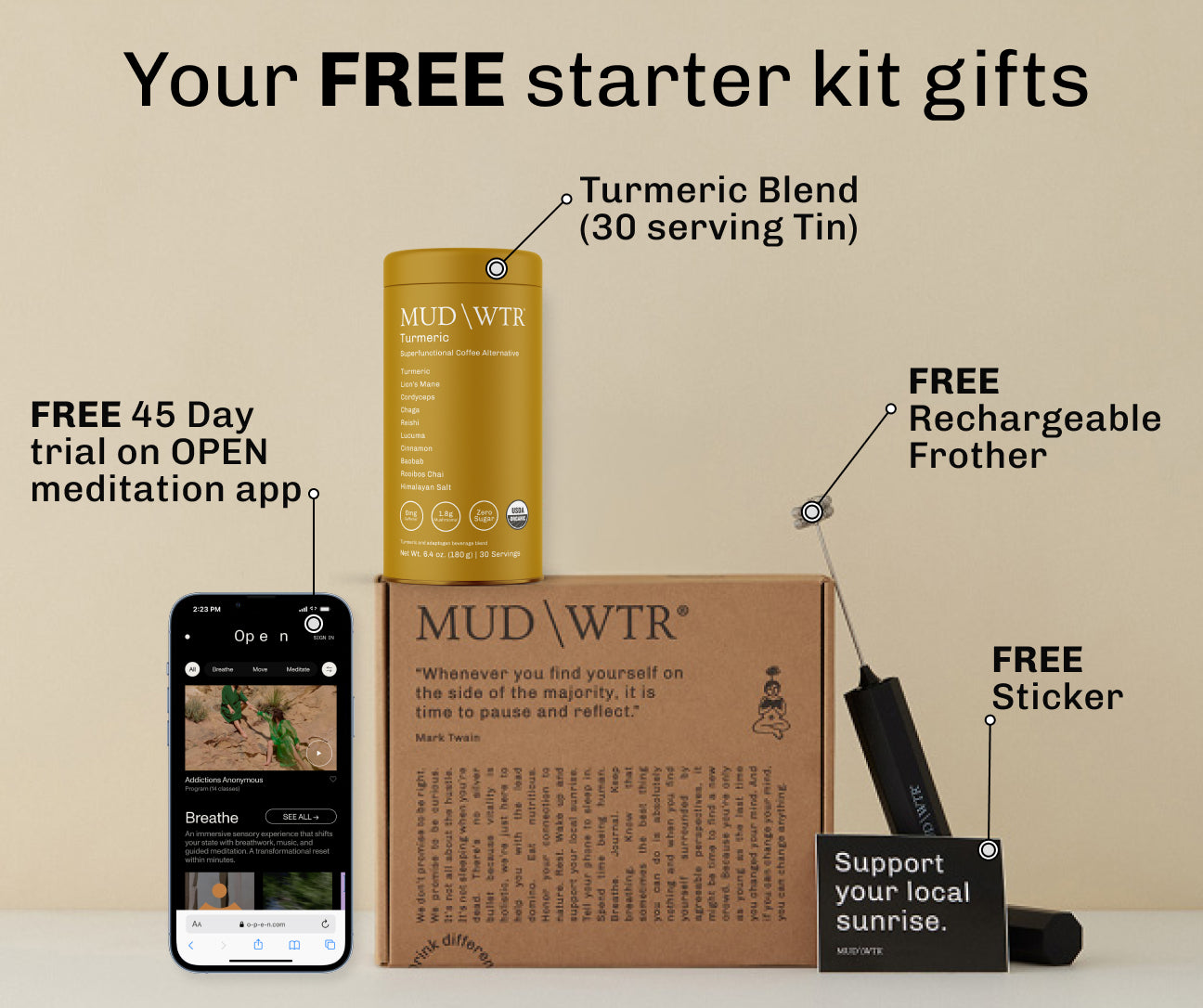
Credit: mudwtr.com
Why Combine Cordyceps With Breathwork?
At first, Cordyceps and breathwork might seem unrelated. But both impact the way your body uses oxygen and manages energy. When used together, they may have a synergistic effect—meaning the combination is more powerful than either practice alone.
Potential Benefits
- Enhanced endurance: Cordyceps may help cells use oxygen more efficiently, and breathwork can train your lungs and diaphragm.
- Increased energy: Both can reduce fatigue and help you feel more awake.
- Improved focus: The calming effect of breathwork, plus Cordyceps’ support for brain health, may sharpen your mind.
- Better stress response: Both have been shown to help regulate the body’s reaction to stress.
Some people notice that their workouts feel easier, with less breathlessness and faster recovery. Others report that combining Cordyceps and breathwork helps them stay alert during long meetings or study sessions. Those under chronic stress find that their mood improves and they sleep better.
The Science Behind The Synergy
Cordyceps seems to increase ATP production in cells. ATP is the body’s main energy molecule. At the same time, breathwork improves oxygen delivery, which is needed for ATP creation. Together, they may help you generate and use energy more efficiently—especially during exercise or stressful times.
When you do breathwork, you train your body to use oxygen well and manage carbon dioxide. This boosts endurance and keeps energy levels steady. Cordyceps, meanwhile, supports mitochondria, helping them turn oxygen into ATP. When you combine both, your cells have more fuel and can work harder for longer.
Many people miss the fact that breathwork can also help deliver Cordyceps’ active compounds faster. Deep breathing increases blood flow, which may help distribute Cordyceps throughout your body—especially to muscles and organs that need energy.
Cordyceps Supplements: What You Need To Know
Not all Cordyceps products are created equal. Here’s how to choose the best supplement and avoid common mistakes.
Types Of Cordyceps On The Market
There are two main types:
- Cordyceps sinensis: Wild, very rare, and extremely expensive. Usually only found in high-end traditional medicine.
- Cordyceps militaris: Grown in labs, more affordable, and still rich in active compounds.
Most supplements use Cordyceps militaris.
Cordyceps sinensis is difficult to harvest and often costs hundreds or thousands of dollars per pound. It is prized in Asia and sometimes reserved for special cases. Cordyceps militaris is easier to grow and still contains cordycepin and polysaccharides. Some brands blend Cordyceps with other mushrooms, so check labels carefully.
Capsules, Powders, Or Teas?
Cordyceps comes in several forms. Here’s a quick comparison:
| Form | Pros | Cons | Best For |
|---|---|---|---|
| Capsules/Tablets | Easy to take, precise dosing | Slower absorption | Busy people |
| Powder | Mixes with smoothies, faster absorption | Taste may be strong | Active lifestyles |
| Tea/Extract | Traditional, calming ritual | Lower potency, time-consuming | Relaxation routines |
Powder can be added to oatmeal, yogurt, or even soups. Tea or extract is popular in evening rituals or meditation sessions. Capsules are best for people who want a quick, easy dose without fuss.
How Much Should You Take?
Most studies use doses between 1,000–3,000 mg per day. Always follow the instructions on your product, and start low to check for side effects.
If you’re new, begin with 500–1,000 mg daily. Notice how you feel after one week, then increase if needed. Too much Cordyceps can cause stomach discomfort or dry mouth, so avoid high doses unless recommended by a health professional.
Common Buyer Mistakes
- Choosing cheap, low-quality brands with little real Cordyceps
- Ignoring third-party lab testing
- Not understanding the difference between wild and lab-grown Cordyceps
- Overdosing in hopes of faster results (more is not always better)
Look for brands with clear labeling and transparency.
A good Cordyceps product should list the amount of cordycepin and polysaccharides. Look for brands that test for heavy metals and contaminants. Avoid products with “proprietary blends” that don’t show exact amounts.
Safety And Side Effects
Cordyceps is generally safe for most people. But there are some things to keep in mind.
Who Should Be Careful?
- Pregnant or breastfeeding women (lack of safety data)
- People with autoimmune diseases (Cordyceps may stimulate the immune system)
- Individuals taking blood-thinning medications
Side effects are rare, but may include:
- Upset stomach
- Dry mouth
- Mild diarrhea
Always check with your doctor if you have health concerns or are taking medication.
Some people may experience mild allergic reactions, such as skin rash or itching. If you notice any unusual symptoms, stop taking Cordyceps and consult your healthcare provider. Cordyceps may also interact with certain diabetes medications, so monitor blood sugar if you have diabetes.
Breathwork is safe for most, but holding your breath too long or breathing too rapidly can cause dizziness. Always practice in a comfortable, safe environment and stop if you feel unwell.
Breathwork: Step-by-step Routines
You don’t need any equipment to start breathwork—just your own lungs and a few quiet minutes. Here are three routines you can try, each with a different goal.
1. Morning Energy Boost
This routine wakes up your body and mind.
- Sit comfortably, back straight.
- Inhale deeply through your nose for 4 counts.
- Hold your breath for 4 counts.
- Exhale through your mouth for 4 counts.
- Repeat for 2–3 minutes.
This is called box breathing. It balances your nervous system and sharpens focus.
If you want to increase intensity, try extending the count to 5 or 6 seconds. The longer you hold, the more you train your lungs and focus your mind. This routine is great for starting your day or preparing for important tasks.
2. Pre-workout Endurance
If you want to boost stamina before exercise, try this:
- Stand or sit upright.
- Take 30 quick, deep breaths (in through the nose, out through the mouth).
- After the last breath, exhale fully and hold your breath as long as comfortable.
- Inhale deeply and hold for 10 seconds.
- Repeat this cycle 2–3 times.
This method is inspired by the Wim Hof Technique. It stimulates adrenaline and prepares your body for movement.
Before a run or workout, this breathwork primes your muscles and brain. Beginners should start with 10–15 breaths, then build up. If you feel lightheaded, pause and breathe normally.
3. Evening Relaxation
To wind down and recover, use this gentle practice:
- Lie down or sit quietly.
- Place one hand on your belly.
- Inhale slowly through your nose, feeling your belly rise.
- Exhale even more slowly through pursed lips.
- Continue for 5–10 minutes.
This diaphragmatic breathing routine reduces stress and supports good sleep.
Try pairing this with calming music or dimmed lights. This helps your body shift into relaxation mode and signals to your brain that it’s time to rest. People with insomnia often find this routine improves their sleep quality over time.

Credit: www.holisticinhouston.com
Combining Cordyceps And Breathwork: Practical Approaches
Now, let’s see how to bring Cordyceps and breathwork together for the best results.
Timing Your Supplement
Take Cordyceps about 30–60 minutes before your breathwork session. This gives time for the active compounds to enter your bloodstream.
- For morning energy, take Cordyceps with water or a smoothie, then do a quick breathwork routine.
- Before exercise, use Cordyceps powder and a pre-workout breath session.
- In the evening, try a calming Cordyceps tea followed by slow, deep breathing.
You can experiment with timing. Some people prefer taking Cordyceps right after breathwork to support recovery. Others take it before for a boost in performance. Try both and see what works best for you.
Sample Daily Schedule
Here’s how you might structure a day using both tools:
| Time | Cordyceps Use | Breathwork | Purpose |
|---|---|---|---|
| 7:00 AM | Capsule with water | Box breathing (2 min) | Morning energy, focus |
| 1:00 PM | Powder in smoothie | Wim Hof-style (before workout) | Exercise performance |
| 8:00 PM | Tea or extract | Diaphragmatic breathing (10 min) | Relaxation, recovery |
You don’t have to follow this exactly. Adjust timing and methods to fit your lifestyle.
If you miss a session, don’t worry—pick up where you left off. It’s better to be consistent over time than perfect every day.
Two Non-obvious Tips
- Hydration matters: Cordyceps can be drying for some people. Drink extra water, especially before and after intense breathwork.
- Track your response: Keep a simple journal. Note your energy, mood, and sleep quality. This helps you fine-tune the combination for your body.
Another tip: Pair Cordyceps with light movement, like stretching or walking, before breathwork. This helps wake up your muscles and gets your blood flowing.
Who Can Benefit Most?
Combining Cordyceps with breathwork isn’t only for athletes. Many groups may find value:
- Busy professionals: Beat afternoon slumps and stay sharp at work.
- Students: Improve focus and memory during exams.
- Older adults: Support healthy aging, lung capacity, and vitality.
- People under stress: Manage anxiety, sleep, and mood naturally.
People with chronic fatigue or low motivation may find this combination especially helpful. Cordyceps supports energy from within, while breathwork helps calm nerves and sharpen mental clarity.
If you’re recovering from illness or surgery, always check with your doctor first. Cordyceps and breathwork can support gentle recovery, but should not replace medical advice.
Remember: everyone’s body is different. Start slow, observe, and adjust.
Real-world Examples
Here are three real-life stories showing how people use Cordyceps and breathwork together.
Ana, Marathon Runner
Ana started using Cordyceps powder and pre-run breathwork to prepare for long races. She noticed less fatigue at mile 15 and recovered faster the next day. Her average pace improved by 5%, and she felt calmer before big events.
Ana also reported fewer muscle cramps and better sleep after races. She now includes Cordyceps and breathwork in her training schedule, especially before challenging runs.
Mark, Busy Executive
Mark struggled with mental fog and stress. He now takes Cordyceps capsules each morning and does five minutes of box breathing before meetings. He reports clearer thinking and fewer headaches.
Mark also noticed he can focus longer during presentations and feels less anxious when deadlines approach. He uses Cordyceps and breathwork to start his day and before important meetings, making him feel prepared and confident.
Lila, Yoga Teacher
Lila adds Cordyceps tea to her evening ritual and teaches students diaphragmatic breathing. Her sleep has improved, and her students say they feel more energized in class.
Lila encourages her students to journal their experiences, noticing that combining Cordyceps with breathwork helps them feel more balanced and connected during yoga practice.
These examples show the range of benefits—physical, mental, and emotional.
Common Mistakes And How To Avoid Them
It’s easy to get excited and make errors when starting something new. Here’s what to watch out for:
- Skipping days: Consistency matters. Use both Cordyceps and breathwork regularly for best results.
- Expecting instant changes: It may take 1–2 weeks to notice full benefits.
- Ignoring your body: If you feel dizzy, nauseous, or anxious, adjust your dose or breathing pace.
- Mixing with caffeine: Both Cordyceps and breathwork can be stimulating. Avoid taking them with lots of coffee, especially late in the day.
- Not checking product quality: Always use trusted Cordyceps brands with clear ingredient lists.
Some people try too many supplements at once. Focus on Cordyceps and breathwork first, then add other products only if needed. Avoid breathwork sessions right after eating—wait 30–60 minutes so your body can focus on breathing, not digestion.
.png)
Credit: www.baskretreatcenter.com
Scientific Evidence: What Does Research Say?
Let’s look at some key studies and data.
- A 2010 study in the Journal of Alternative and Complementary Medicine found that Cordyceps improved exercise performance in older adults.
- Multiple studies on breathwork show benefits for anxiety, asthma, and even blood pressure.
- Few studies have directly tested both together, but the theory is strong: Cordyceps increases ATP and oxygen use, while breathwork improves lung function and stress response.
Example Data:
A small trial of 20 athletes found that after 4 weeks of Cordyceps supplementation and daily breathwork, average VO2 max increased by 7%. This means the athletes’ bodies could use more oxygen during exercise—a key marker of endurance.
Another study found that people practicing daily breathwork had lower heart rates and improved sleep quality. Cordyceps, meanwhile, was shown in animal studies to increase lung capacity and reduce inflammation.
While more research is needed, early results are promising.
Researchers believe combining Cordyceps and breathwork could help people with low energy, chronic fatigue, or even mild asthma. The effect is likely strongest when both practices are used consistently.
How To Build Your Own Cordyceps-breathwork Routine
Ready to start? Here’s how to build a routine that fits your needs.
Step 1: Set Your Goal
- Do you want more energy?
- Better focus?
- Improved athletic performance?
- Less stress?
Knowing your goal helps you choose the right supplement and breathwork method.
For example, if your main goal is relaxation, choose diaphragmatic breathing and Cordyceps tea. For energy, pick box breathing and Cordyceps powder.
Step 2: Choose Your Cordyceps Form
- Capsules for convenience
- Powder for mixing into drinks
- Tea for relaxation
Start with the recommended dose.
You can switch forms depending on the time of day. Capsules in the morning, powder before exercise, tea at night.
Step 3: Pick A Breathwork Technique
- Box breathing for stress and focus
- Wim Hof for energy and endurance
- Diaphragmatic for relaxation
Start with 2–5 minutes per session.
Over time, increase duration as your body adapts. For advanced routines, combine different techniques, like box breathing followed by diaphragmatic breathing.
Step 4: Track Your Progress
Write down:
- How you feel before and after each session
- Any changes in sleep, mood, or energy
- Adjustments you make
This helps you see what works and stay motivated.
Some people find using a smartphone app or notebook helps them remember and stay consistent. If you notice negative effects, reduce your Cordyceps dose or try a gentler breathwork style.
Step 5: Stay Consistent
Try your routine for at least 2 weeks before making big changes. Consistency brings the best results.
If you travel or have a busy schedule, take Cordyceps capsules and do short breathwork sessions anywhere. The routine is flexible and can fit into most lifestyles.
Frequently Asked Questions
What Is The Best Time To Take Cordyceps Before Breathwork?
The best time is 30 to 60 minutes before your breathwork session. This allows the active compounds to enter your system and support your practice. For energy and focus, morning is ideal. For relaxation, use Cordyceps in the evening.
Can I Take Cordyceps Every Day?
Yes, most people can safely take Cordyceps daily. Follow the dosage on your product. If you’re new, start with a smaller dose and watch for side effects. If you have health concerns, check with your doctor first.
Are There Any Risks In Combining Cordyceps With Breathwork?
For healthy adults, the combination is generally safe. However, intense breathwork can sometimes cause dizziness or tingling. Cordyceps may not be suitable for people with autoimmune diseases or those taking certain medications. Listen to your body and adjust if needed.
How Soon Will I Notice Benefits?
Some people feel a difference in energy or focus within a few days. For endurance and deeper benefits, expect 1–2 weeks of consistent practice. Individual results vary based on health, lifestyle, and routine.
Where Can I Read More About Cordyceps Research?
You can find more information on Cordyceps and its health benefits from trusted sources like Wikipedia, which provides an overview of scientific studies and traditional uses.
Final Thoughts
Combining Cordyceps mushrooms with breathing exercises is a modern approach with ancient roots. Together, they offer a natural way to boost energy, sharpen focus, and support whole-body health. The key is to start slow, choose high-quality products, and practice breathwork with intention. Whether you’re an athlete, a student, or just want to feel your best, this unique partnership is worth exploring. Listen to your body, stay consistent, and enjoy the journey toward better energy and well-being.
If you’re looking for a simple, effective wellness boost, Cordyceps and breathwork could be your next step. Remember: progress takes time, and small daily habits add up to lasting change.