
As the air turns cold and the days grow shorter, many people start to think about how to stay healthy during winter. The cold and flu season can be a real challenge, especially for those who already have a weak immune system. While washing hands, eating well, and getting enough sleep are important, more people are now looking for natural ways to give their bodies extra support. One natural helper that’s getting a lot of attention is the chaga mushroom.
Chaga is not a new discovery. For centuries, people living in cold northern regions, like Siberia and Scandinavia, have used this unusual mushroom to stay healthy during long winters. But what is chaga, and does it really help the immune system?
Let’s take a closer look at how chaga mushroom could help you build stronger immunity for the winter months.
What Is Chaga Mushroom?
Chaga mushroom (Inonotus obliquus) grows mainly on birch trees in cold climates. Unlike the mushrooms you find in supermarkets, chaga looks more like a burnt piece of wood or charcoal. Its rough, black exterior hides a rich, orange-brown core that contains many beneficial compounds.
People in Russia, China, Finland, and other northern countries have used chaga as a tea or remedy for hundreds of years. Today, it’s available as powder, capsules, teas, and extracts in health stores worldwide.
Chaga is sometimes called the “King of Mushrooms” because of its high content of antioxidants, vitamins, and minerals. It’s not just a food; it’s a medicinal mushroom, valued for its potential to support health.
Why Immunity Matters In Winter
When winter arrives, people spend more time indoors, close to others. Viruses like the common cold and influenza (flu) spread more easily in these settings. Cold air also dries out the nose and throat, which can make it easier for viruses to enter the body.
Some reasons winter is tough on the immune system:
- Less sunlight means lower vitamin D, a nutrient important for immunity.
- Heavier, comfort foods can be lower in nutrients.
- Stress from holidays, work, or family can weaken defenses.
- Sleep patterns often change, reducing the body’s repair time.
The result? More people get sick, and it takes longer to recover. That’s why building a strong immune system is key for facing the winter months.
How Chaga Supports The Immune System
Chaga is packed with bioactive compounds that may help the body’s natural defenses. Here are some ways chaga mushroom can support winter immunity:
1. Antioxidant Power
Chaga has one of the highest antioxidant levels among natural foods. Antioxidants fight free radicals—unstable molecules that can damage cells and weaken the immune system. By reducing oxidative stress, chaga helps protect cells and keeps the immune system strong.
A study in the *Journal of Agricultural and Food Chemistry* found that chaga extracts had higher antioxidant activity than popular berries like blueberries and acai.
2. Beta-glucans: Immune Modulators
Beta-glucans are natural sugars found in chaga. These compounds help “train” the immune system to respond better to threats, like viruses and bacteria. Beta-glucans can stimulate white blood cells, which are the body’s main defense against infection.
Unlike some immune boosters that simply “turn up” the immune system, beta-glucans help balance it. This means you may get better protection without increasing the risk of autoimmune reactions.
3. Anti-inflammatory Effects
Inflammation is a normal response to infection, but too much inflammation can make you feel worse and slow recovery. Chaga contains compounds that help control inflammation, supporting a balanced immune response.
Research shows chaga can reduce the production of cytokines, which are chemicals that cause inflammation. This can be especially helpful during colds and flu, when overactive inflammation can worsen symptoms.
4. Adaptogenic Properties
Chaga is considered an adaptogen—a natural substance that helps the body handle stress. Stress can weaken the immune system, making you more likely to get sick. By supporting the body’s ability to manage stress, chaga may help keep your defenses strong all winter.
5. Antiviral And Antibacterial Actions
Some studies suggest chaga can help fight viruses and bacteria directly. Extracts from chaga have shown activity against flu viruses, herpes, and even some bacteria. While chaga is not a replacement for medicine, it may give the body extra help in fighting off infections.
Nutritional Profile Of Chaga Mushroom
Chaga contains a unique mix of nutrients and compounds that work together to support health. Here’s a closer look at what’s inside:
| Compound/Nutrient | Role in Immunity |
|---|---|
| Beta-glucans | Stimulate and balance immune response |
| Melanin | Antioxidant, protects cells from damage |
| Polysaccharides | Support immune cell activity |
| Polyphenols | Reduce inflammation, support cell health |
| Vitamins (B, D) | Help immune system function |
| Minerals (Zinc, Potassium, Copper) | Support immune cells and overall health |
| Triterpenoids | Anti-inflammatory, antiviral properties |
Chaga is especially rich in melanin, which gives it the dark color. Melanin is a strong antioxidant that can protect cells from damage caused by free radicals.
Chaga Vs. Other Immune-boosting Mushrooms
People often ask how chaga compares to other popular medicinal mushrooms, like reishi, shiitake, and turkey tail. Each mushroom has its own strengths, but chaga stands out for its high antioxidant content and strong immune support.
Here’s a side-by-side look at chaga and two other common mushrooms:
| Mushroom | Main Benefit | Key Compounds | Best For |
|---|---|---|---|
| Chaga | Immune support, antioxidant | Beta-glucans, melanin, polyphenols | Winter immunity, oxidative stress |
| Reishi | Calming, immune balance | Triterpenes, beta-glucans | Stress, sleep, chronic inflammation |
| Shiitake | Immune boost, heart health | Lentinan, beta-glucans | General wellness, cholesterol |
One insight many beginners miss: While all these mushrooms can help the immune system, chaga is the best choice if you want strong antioxidant support during the cold months. Reishi is better if you want a calming effect or support for sleep.
Scientific Research On Chaga Mushroom
Interest in chaga mushroom is not just based on tradition—it’s also supported by modern science. Here are some key findings:
- A study published in Mycobiology (2010) found that chaga extract increased the production of certain immune cells in mice, which helped them fight infection more effectively.
- Research in Biomedicine & Pharmacotherapy (2017) showed that chaga has both anti-inflammatory and antioxidant effects, supporting its traditional use for boosting immunity.
- Lab studies have shown chaga can slow the growth of flu viruses and help the body clear infections faster.
However, most studies are still in the early stages, often using animals or test tubes. Human trials are limited but growing. Still, the results so far are promising, and many scientists agree that chaga could be a useful supplement for immune health.
How To Use Chaga For Cold And Flu Season
If you want to add chaga to your winter routine, there are several ways to do it. Each method has its own pros and cons.
Chaga Tea
This is the most traditional way to use chaga. People simmer chunks or powder of dried chaga in hot water for several hours to make a rich, dark tea.
- How to prepare: Add 1-2 teaspoons of chaga powder (or a few chunks) to 2 cups of water. Simmer gently for 1-2 hours (never boil hard). Strain and drink.
- Taste: Earthy, slightly bitter, with a hint of vanilla.
- Tip: You can add honey, ginger, or lemon for extra flavor and benefits.
Chaga Powder
Chaga powder is easy to add to smoothies, soups, or coffee. It’s made by grinding dried chaga into a fine powder.
- How to use: Mix 1/2 to 1 teaspoon into your favorite drink or meal.
- Best for: Busy people who want a quick, simple way to get benefits.
Chaga Extract
Extracts are concentrated liquids or capsules that provide a stronger dose. They’re often standardized to contain a certain amount of beta-glucans or other active compounds.
- How to use: Follow the instructions on the package. Usually, a few drops or 1-2 capsules per day.
- Best for: Those who want consistent, easy dosing.
Chaga Tincture
A tincture is made by soaking chaga in alcohol or glycerin to pull out the active compounds. Tinctures are strong and can be added to water or juice.
- How to use: Usually, 1-2 droppers per day.
- Best for: People who want a portable, long-lasting option.
Chaga Coffee Blends
Some companies mix chaga powder with coffee. This can be a good way to get both caffeine and immune support.
- How to use: Brew as you would regular coffee.
- Best for: Coffee lovers who want extra health benefits.
Dosage And Timing
There’s no official “right” dose for chaga, but most experts suggest:
- 500 mg to 2,000 mg (0.5–2 grams) of chaga extract or powder per day for adults.
- Start with a lower dose and increase if needed.
- Take chaga daily during the cold and flu season for best results.
Non-obvious tip: Chaga works best when taken consistently over time, not just when you feel sick. It’s not a quick fix, but a way to support your immune system all winter.
Practical Tips For Getting The Most From Chaga
To get the best results from chaga mushroom, keep these tips in mind:
- Choose quality: Not all chaga is the same. Look for wild-harvested chaga from clean, cold regions (like Siberia, Canada, or Scandinavia). Avoid products with fillers or artificial ingredients.
- Check extraction method: Dual extraction (using both water and alcohol) pulls out the most active compounds.
- Combine with healthy habits: Chaga is powerful, but it works best alongside a balanced diet, enough sleep, exercise, and stress management.
- Be patient: Chaga’s benefits build up over weeks or months. Start early, before winter viruses arrive.
- Rotate with other mushrooms: For even stronger immunity, alternate chaga with reishi, turkey tail, or shiitake for a broader spectrum of support.

Credit: insidethegem.com
Safety And Side Effects
Chaga is generally safe for most people, but there are some things to watch out for:
- Blood thinning: Chaga contains compounds that can thin the blood, so it may not be safe if you’re taking blood thinners or have bleeding disorders.
- Low blood sugar: It may lower blood sugar, so people with diabetes should monitor their levels closely.
- Allergies: Rare, but possible, especially for those with mushroom allergies.
- Pregnancy/breastfeeding: There’s not enough research on chaga’s safety during pregnancy or breastfeeding, so it’s best to avoid or talk to a doctor first.
- Interactions: Chaga may interact with some medicines, including those for diabetes, blood pressure, and immune suppression.
If you have a health condition or take medication, always check with a healthcare professional before starting chaga.
Myths And Misconceptions About Chaga
Because chaga is popular online, there’s a lot of hype and confusion. Let’s clear up some common myths:
- Myth 1: Chaga can cure the flu or COVID-19.
- Fact: Chaga helps support the immune system but is not a cure for any disease. It’s best used as a supplement to other healthy habits, not as a replacement for medical care.
- Myth 2: More chaga is always better.
- Fact: Taking too much won’t give you extra benefits and could cause side effects. Stick to recommended doses.
- Myth 3: Chaga works instantly.
- Fact: Chaga’s effects build up over time. It’s not a quick fix but a long-term support for immunity.

Credit: upraising.co
Chaga And The Bigger Picture Of Winter Wellness
Adding chaga mushroom to your winter routine can help, but it’s not the only solution. Think of it as one piece of a larger puzzle for staying healthy during cold and flu season.
Here are some other important steps for winter immunity:
- Eat a rainbow of fruits and vegetables: They provide vitamins and antioxidants.
- Stay hydrated: Dry air can weaken defenses.
- Get outside for sunlight: Even a few minutes helps with vitamin D.
- Wash hands often: Simple but very effective for stopping germs.
- Manage stress: Practice relaxation, mindfulness, or gentle exercise.
- Sleep well: Aim for 7-9 hours per night.
When you combine these habits with a high-quality chaga supplement, you give your body the best chance to stay strong all winter.
Who Should Consider Chaga Mushroom?
Chaga can be a good choice for:
- People who get sick often in winter
- Those who want natural immune support
- People under stress or with poor sleep
- Anyone looking for more antioxidants in their diet
- Older adults who want to support healthy aging
It’s not just for people with health problems. Many healthy people use chaga as a daily “insurance policy” for their immune system during the cold months.
How To Choose A Good Chaga Product
The quality of chaga products can vary a lot. Here’s what to look for when buying:
- Source: Wild-harvested chaga from birch trees in cold, clean regions is best. Cultivated chaga or chaga from unknown sources may be less effective.
- Extraction method: Dual-extracted (water and alcohol) products contain more active compounds.
- Third-party testing: Look for products tested for heavy metals, mold, and purity. Reliable brands share test results.
- No fillers: Check the ingredient list for additives or artificial flavors.
- Packaging: Dark glass or airtight containers protect chaga from light and air damage.
If you’re not sure, ask the company for details about sourcing and testing. Good brands are happy to share this information.
Real-life Experiences: Chaga Users Share Their Stories
Many people share positive stories about using chaga during the winter. Here are a few examples:
- Elena from Finland: “I started drinking chaga tea every morning in November. I didn’t get sick once, even though my kids brought home colds from school. I feel more energetic, too.”
- James from Canada: “I use chaga powder in my smoothies. Last winter was the first time I made it through without getting the flu. I also noticed my skin looked better.”
- Akira from Japan: “I was skeptical, but after using chaga capsules for a few months, my allergies were less severe. I think my immune system is stronger overall.”
These stories are not scientific proof, but they show how chaga can be a helpful part of a healthy winter routine.
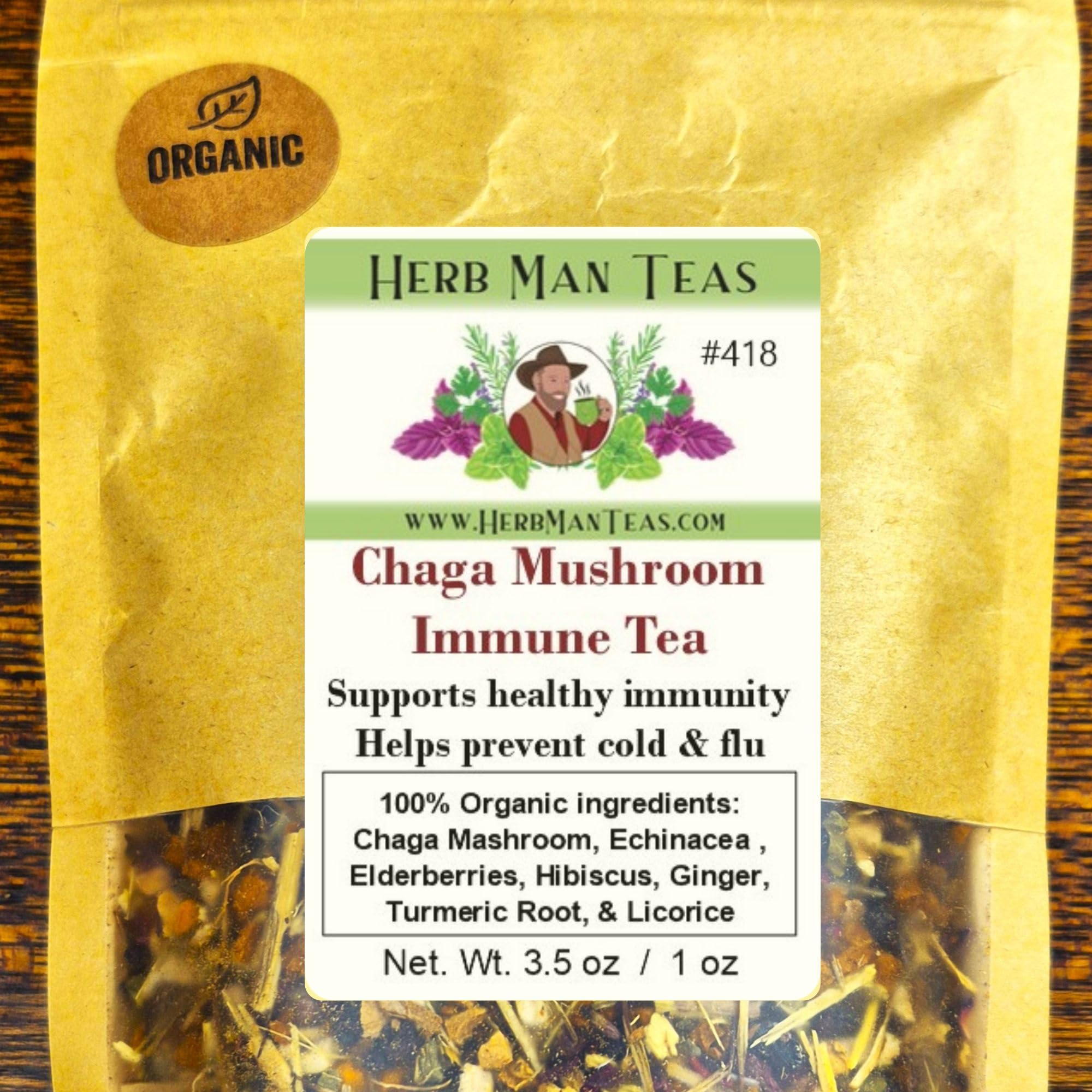
Credit: www.amazon.com
Chaga In Traditional Medicine
Chaga has a long history in folk medicine, especially in Russia, Siberia, and Northern Europe. People used it to treat colds, coughs, digestive problems, and even serious diseases.
In Russian literature, chaga was called the “Gift from God” or “Mushroom of Immortality. ” It was often used as a tea, sometimes mixed with herbs or honey, to support health during the harsh winter.
Traditional Chinese medicine also values chaga for its ability to balance “qi” (life energy) and support overall vitality.
Today, modern science is beginning to confirm what traditional healers have known for centuries: chaga is a powerful tool for health, especially when the body needs extra support.
Chaga And Kids: Is It Safe?
Parents often wonder if chaga is safe for children. There’s little research on chaga use in kids, but most experts agree it’s best to be cautious. If you want to give chaga to your child:
- Use a small dose (1/4–1/2 of an adult dose)
- Choose pure, tested products with no fillers
- Avoid alcohol-based tinctures
- Watch for allergies or reactions
Always check with a pediatrician before starting any new supplement for children.
Sustainability And Ethical Harvesting Of Chaga
Because chaga grows slowly and is becoming more popular, over-harvesting is a risk. Sustainable harvesting means only taking part of the chaga from each tree and leaving the rest to grow. Responsible companies also avoid harvesting from polluted areas.
When buying chaga, look for information about sustainable sourcing. This helps protect the environment and ensures there will be chaga for future generations.
Combining Chaga With Other Natural Remedies
Chaga works well with other natural supports for winter health, such as:
- Elderberry: Another powerful immune booster, great for fighting colds and flu.
- Ginger and turmeric: Help reduce inflammation and support digestion.
- Echinacea: Popular herb for short-term immune support.
- Vitamin C and zinc: Key nutrients for immune function.
You can often find teas or supplements that combine chaga with these ingredients for even better results.
Non-obvious insight: Taking too many immune-boosting herbs at once can sometimes cause stomach upset or interact with medications. Start slowly and pay attention to how your body responds.
The Future Of Chaga Research
Interest in chaga is growing among scientists. Future studies will likely look at:
- How chaga affects the human immune system in real-world settings
- Which extraction methods give the best results
- How chaga can be combined with other medicines or supplements
- The best ways to use chaga for different age groups
As more research is done, we’ll learn even more about how this mushroom can help during cold and flu season.
For more scientific details, you can read about chaga on Wikipedia.
Frequently Asked Questions
What Is The Best Way To Take Chaga For Winter Immunity?
Most people find chaga tea, powder, or extract to be effective. Tea is the most traditional and soothing, while extracts give a stronger, more concentrated dose. Choose the form that fits your lifestyle and taste.
Can Chaga Prevent The Flu Or A Cold?
Chaga does not prevent viruses from entering the body. Instead, it helps support the immune system so you may fight off infections more easily and recover faster. It’s best used as a regular supplement, not as a cure.
Are There Any Side Effects Of Taking Chaga Mushroom?
Chaga is generally safe, but some people may experience digestive upset, lower blood sugar, or allergic reactions. It can also interact with certain medications, especially blood thinners. Always start with a low dose and talk to your doctor if you have concerns.
Is Chaga Mushroom Safe For Daily Use?
Yes, most people can use chaga daily during the cold and flu season. Long-term use is common in traditional medicine. However, take breaks if you notice any side effects, and avoid very high doses.
How Do I Know If My Chaga Product Is Good Quality?
Look for wild-harvested chaga from clean regions, dual-extracted products, and brands that provide third-party lab tests for purity. Avoid products with fillers or artificial additives.
Winter can be a tough season for staying healthy, but with the right tools—like chaga mushroom—you can give your immune system natural support. As always, use chaga as part of a bigger plan that includes good nutrition, rest, and healthy habits.
Stay warm, stay safe, and enjoy a stronger, healthier winter.