
Chaga Vs Reishi for Immune Support: Which Mushroom Should You Choose
The world of medicinal mushrooms is growing fast. People everywhere are searching for natural ways to support their health. Two mushrooms stand out more than any others for immune support: Chaga and Reishi. Both have been used for centuries, but their benefits are not exactly the same. If you want to boost your immune system, you might wonder: which one should you choose? This article will guide you through the differences, benefits, science, and practical tips for using Chaga and Reishi. You will learn what makes each mushroom special, how they work in your body, and how to make the best choice for your needs.
Understanding Medicinal Mushrooms
Medicinal mushrooms have a long history in traditional medicine, especially in Asia and Eastern Europe. They are not just food. Many contain special compounds that can help the body fight stress, illness, and aging. Some mushrooms are known as adaptogens. This means they help the body adapt to physical or mental stress. Chaga and Reishi are two of the most popular adaptogenic mushrooms.
Modern science is now studying what ancient cultures already knew: these fungi are more than just a meal. They contain polysaccharides, triterpenes, antioxidants, and other substances that may support the immune system. But not all mushrooms work the same way. That’s why it’s important to look closely at Chaga and Reishi, especially if immune support is your goal.
What Is Chaga Mushroom?
Chaga (Inonotus obliquus) is not your typical mushroom. It grows mainly on birch trees in cold climates, such as Russia, Siberia, Canada, and Northern Europe. Unlike button mushrooms, Chaga looks like a dark, cracked mass on the tree bark. It is often called the “King of Medicinal Mushrooms” for its strength and deep color.
The inside of Chaga is orange and packed with nutrients. For centuries, people have brewed it into tea or powdered it for medicine. Chaga has a strong, earthy taste, often compared to coffee but without the caffeine. Its fame comes from its high content of antioxidants and unique compounds not found in many other foods.
What Is Reishi Mushroom?
Reishi (Ganoderma lucidum), also known as Lingzhi in China or “the Mushroom of Immortality”, has a shiny, red-brown cap and a woody texture. It grows on hardwood trees in warm, humid forests across Asia, especially in China, Japan, and Korea. Unlike Chaga, Reishi has a long tradition in Chinese medicine as a symbol of health and spiritual power.
Reishi is usually too tough to eat, so it is sliced, dried, and used in teas, tinctures, or capsules. Its taste is bitter, which comes from its triterpenes. These compounds are believed to give Reishi its unique properties. Reishi is famous for calming the mind, improving sleep, and supporting immune health.
Key Compounds In Chaga And Reishi
Both Chaga and Reishi contain powerful substances, but their main active compounds are different.
- Chaga: Rich in beta-glucans, melanin, polyphenols, and superoxide dismutase (SOD). These are strong antioxidants that protect cells from damage.
- Reishi: Contains triterpenoids, beta-glucans, ganoderic acids, and various polysaccharides. Many of these are linked to immune regulation and inflammation control.
These differences matter. The compounds in each mushroom interact differently with your body’s immune system. Let’s explore how.
How Chaga Supports The Immune System
Chaga is known for its immune-modulating effects. This means it can help the immune system work better—not just stronger, but smarter. Here’s how Chaga works:
- High Antioxidant Power: Chaga is one of the highest antioxidant foods on earth. It fights oxidative stress, which can weaken your immune system.
- Beta-glucans: These help “train” immune cells to recognize and fight germs more effectively.
- Reduces Inflammation: Chronic inflammation can slow down the immune system. Chaga’s compounds may reduce harmful inflammation, keeping the immune response balanced.
- Virus and Bacteria Defense: Some lab studies show Chaga can block viruses and bacteria from growing, though more human research is needed.
Scientific Evidence For Chaga
Modern research is starting to support what folk medicine has said for years. For example, a study published in the journal *Nutrients* found that Chaga extracts improved immune response in mice and reduced inflammation markers. Another study showed that Chaga’s antioxidants helped protect DNA from damage caused by free radicals.
While most studies are on animals or in labs, the results are promising. People using Chaga often report fewer colds, better energy, and less stress. However, more large human studies are needed to confirm these effects.
Chaga’s Other Health Benefits
Besides immune support, Chaga may also:
- Support healthy blood sugar levels
- Protect the liver
- Help skin look younger
- Boost energy without caffeine
These extra benefits make Chaga popular among people looking for overall health and wellness.
How Reishi Supports The Immune System
Reishi is famous for immune regulation. It does not just “boost” the immune system. Instead, it helps balance it, making it stronger if weak, or calming it if overactive. This is important for people with allergies or autoimmune problems.
- Polysaccharides: Reishi’s beta-glucans help control the activity of white blood cells, which fight off germs and viruses.
- Triterpenes: These reduce inflammation and stop the immune system from overreacting. This can be helpful for people with allergies or autoimmune diseases.
- Antiviral and Antibacterial Effects: Studies show Reishi can block viruses, including the flu and herpes. It may also help the body recover faster from infections.
Scientific Evidence For Reishi
There is a lot of research on Reishi. A review published in *Journal of Ethnopharmacology* showed that Reishi helped increase the activity of natural killer (NK) cells, which destroy virus-infected or cancerous cells. Other studies found that Reishi could reduce symptoms of respiratory infections, such as cough and sore throat.
Reishi is also used as a supporting treatment for cancer patients in some countries, as it may improve immune function and reduce side effects from chemotherapy.
Reishi’s Other Health Benefits
Reishi is not just for the immune system. It may also:
- Improve sleep and reduce anxiety
- Support heart health
- Lower blood pressure
- Help with allergies and asthma
These extra effects make Reishi a favorite for people who want to calm both body and mind.
Side-by-side Comparison: Chaga Vs Reishi
Let’s look at the main differences and similarities between Chaga and Reishi. The table below can help you see the key points quickly.
| Feature | Chaga | Reishi |
|---|---|---|
| Main Region | Cold climates (Russia, Canada, Northern Europe) | Asia (China, Japan, Korea) |
| Key Compounds | Beta-glucans, melanin, polyphenols | Triterpenes, beta-glucans, ganoderic acids |
| Immune Effect | Immune-modulating, antioxidant-rich | Immune-balancing, anti-inflammatory |
| Other Benefits | Antioxidant, anti-aging, energy | Relaxation, sleep, heart health |
| Taste | Earthy, coffee-like | Bitter, woody |
| Traditional Use | Siberian, Russian folk medicine | Chinese medicine, spiritual health |
Which Is Better For Immune Support?
Choosing between Chaga and Reishi depends on your health goals, lifestyle, and even your taste preference. Both offer strong support for the immune system, but they work in different ways.
- Choose Chaga if: You want maximum antioxidant protection, need more energy, or live in a cold climate where Chaga is common. Chaga is great for fighting stress and protecting cells.
- Choose Reishi if: You need help with allergies, stress, poor sleep, or want a calming effect. Reishi is best if you want to balance your immune system and relax at the same time.
Some people use both together, but it’s important to understand how each one fits your needs.
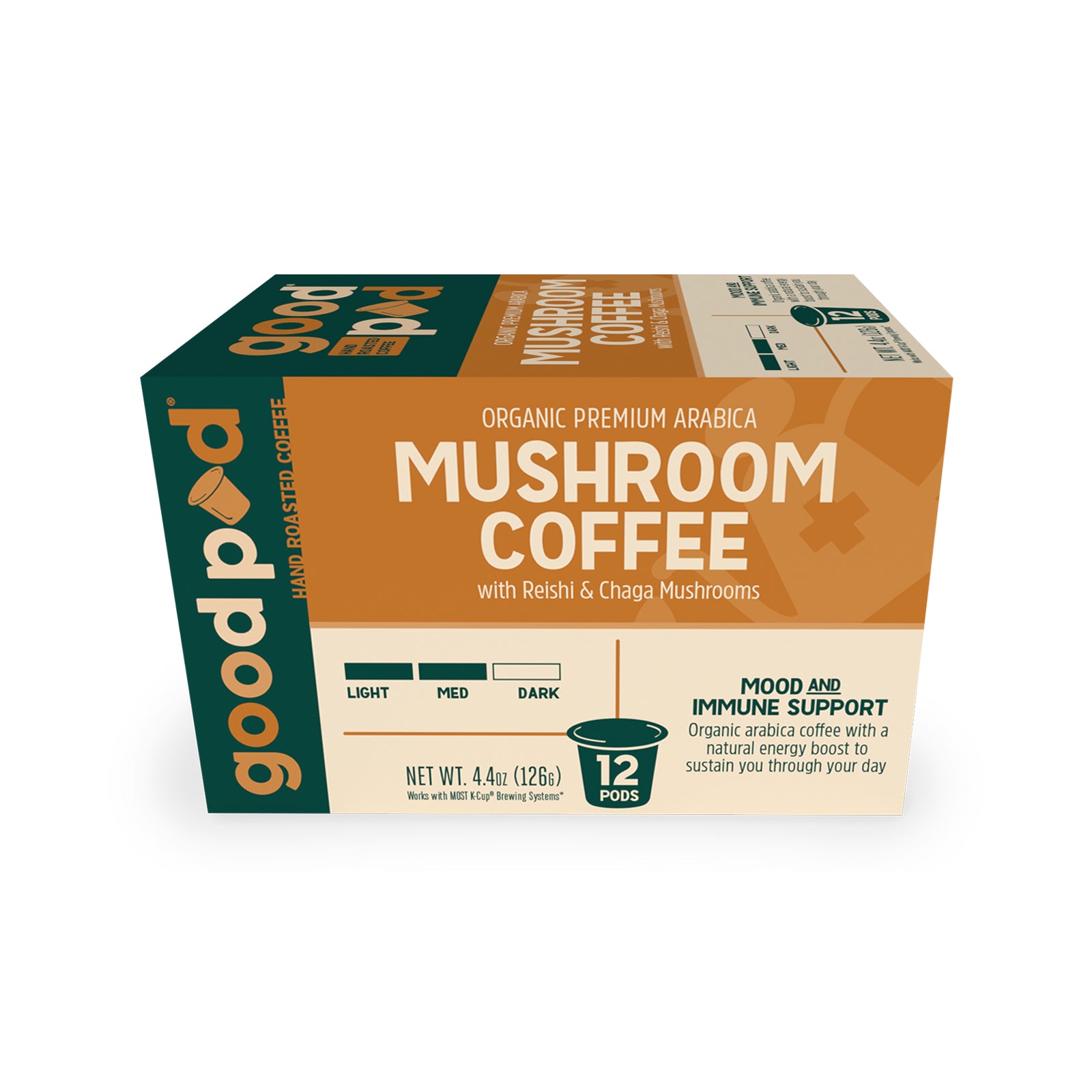
Credit: www.independencecoffee.com
How To Use Chaga And Reishi
Both mushrooms can be used as teas, capsules, powders, or extracts. Here’s how to include them in your daily routine.
Chaga
- Chaga Tea: Add 1-2 teaspoons of Chaga powder to hot water. Steep for 10-15 minutes. Drink 1-2 cups daily.
- Capsules or Extracts: Follow the dose on the label, usually 500-1000mg per day.
- Powder: Mix into smoothies, coffee, or oatmeal.
Reishi
- Reishi Tea: Simmer dried slices in water for 30-60 minutes. The taste is bitter, so many people add honey or ginger.
- Capsules or Extracts: Standard dose is 500-2000mg per day.
- Powder: Add to tea, cocoa, or soup.
If you are new to these mushrooms, start with a small dose and increase slowly. Listen to your body for any changes.
Dosage Guidelines And Safety
Medicinal mushrooms are usually safe, but it’s important to use the right amount and buy from trusted sources.
Recommended Doses
- Chaga: 500-1000mg of extract or powder per day for immune support.
- Reishi: 500-2000mg of extract or powder per day.
Always check the label for instructions, as strengths can vary.
Who Should Be Careful?
- Pregnant or breastfeeding women: Not enough studies for safety.
- People on blood thinners: Both mushrooms can affect blood clotting.
- Autoimmune disease: Reishi can stimulate the immune system, so check with your doctor first.
Possible Side Effects
Most people have no problems, but rare side effects can include:
- Upset stomach
- Dry mouth
- Dizziness
- Allergic reaction (rash, itching)
If you feel unwell, stop taking the mushroom and talk to a health professional.
Quality Matters: How To Choose The Right Product
Not all Chaga and Reishi supplements are the same. Quality can vary a lot between brands. Here’s what to look for:
- 100% Fruiting Body: The “fruiting body” is the main part of the mushroom. Some products use grain or mycelium, which have fewer active compounds.
- Third-Party Testing: Choose brands that test for heavy metals, pesticides, and purity.
- Country of Origin: Chaga from Siberia and Canada, and Reishi from China or Japan, are often highest quality.
- Extraction Method: Dual-extracted (water and alcohol) products contain both water-soluble and fat-soluble compounds.
- No Fillers or Additives: Check the label for unwanted ingredients.
Buying from a trusted source can make a big difference in how well the mushroom works.
Practical Tips For Getting The Most Benefit
If you want to get the best results from Chaga or Reishi, here are some expert tips:
- Take with food: This can help absorption and reduce any stomach upset.
- Be patient: Effects build up over weeks, not days. Try for at least 4-6 weeks.
- Cycle your use: Some people use for 4 weeks, then take 1 week off. This keeps your body sensitive to the effects.
- Stay hydrated: Both mushrooms can be drying if you don’t drink enough water.
- Combine wisely: Some people combine both, but start with one to learn your body’s reaction.
Common Mistakes To Avoid
- Using poor quality products: Cheap brands may have little real mushroom.
- Expecting instant results: These are not magic pills. They support health over time.
- Ignoring possible allergies: Start with a small dose.
- Mixing with medications without advice: Some herbs and drugs can interact.
- Not reading labels: Some products have fillers or little active ingredient.
Chaga Vs Reishi: Real User Experiences
Many people share their experiences online and in health forums. Here are some common stories:
- Chaga users often report more energy, fewer colds in winter, and better skin. Some say it helps with focus and stress.
- Reishi users often feel calmer, sleep better, and have less anxiety. People with allergies sometimes report fewer symptoms.
- Combination users say they get the best of both: Energy from Chaga, calm from Reishi.
Of course, everyone’s body is different. What works for one may not work for another. The only way to know is to try and pay attention to your own results.
Traditional Use And Cultural Importance
Chaga In Siberian And Russian Culture
Chaga has been used for hundreds of years in Siberia and Russia. Locals call it the “Gift from God” or “Mushroom of Immortality. ” Traditional healers used it to treat infections, stomach problems, and even cancer. Chaga tea was a daily drink to stay strong in cold winters.
Reishi In Chinese Medicine
Reishi is a legend in Chinese medicine. Ancient texts call it the “Herb of Spiritual Potency. ” It was reserved for emperors and monks. Reishi was believed to bring long life, wisdom, and protection from evil. Even today, it is used for meditation, stress, and serious illness.
These long traditions add to the respect and mystery around both mushrooms.
The Science Behind Immune Modulation
Both Chaga and Reishi are called “immune modulators. ” What does this mean? Unlike simple “immune boosters” that just turn up the immune system, modulators help your body choose the right response.
For example, if your immune system is weak, a modulator can make it stronger. If it is too strong (like in allergies or autoimmunity), it can calm things down. This is why these mushrooms are special—they help balance, not just boost.
How Beta-glucans Work
Beta-glucans are special sugars found in both Chaga and Reishi. When you take them, they pass through your gut and signal immune cells called macrophages and natural killer cells. These cells then go out and destroy germs, viruses, or even cancer cells.
How Triterpenes And Polyphenols Help
Triterpenes (mainly in Reishi) help reduce inflammation and protect against allergies. Polyphenols (mainly in Chaga) protect your cells from oxidation, which can weaken your immune system over time.
This teamwork explains why both mushrooms are so popular for immune support.

Credit: www.teamiblends.com
Data Table: Active Compounds And Their Immune Effects
To help you understand, here’s a table showing the main active compounds in each mushroom and how they support the immune system.
| Compound | Found In | Main Immune Effect |
|---|---|---|
| Beta-glucans | Chaga, Reishi | Activates white blood cells, improves defense |
| Triterpenes | Reishi | Reduces inflammation, allergy support |
| Polyphenols | Chaga | Protects cells, antioxidant support |
| Ganoderic acids | Reishi | Anti-viral, anti-tumor effects |
| Superoxide Dismutase (SOD) | Chaga | Protects DNA, reduces oxidative damage |
Chaga Vs Reishi: Which Has More Research?
While both mushrooms have been studied, Reishi has more published human studies, especially in China and Japan. Chaga research is growing, especially in Russia and Europe, but much is still in animal or lab studies.
This does not mean Chaga is less effective, just that it is newer to modern science. If you want the most “proven” mushroom for immune support, Reishi is ahead. But Chaga’s high antioxidants make it a strong choice too.
Environmental And Sustainability Concerns
Chaga is wild-harvested, often from old birch trees in remote forests. Over-harvesting can damage forests and reduce wild Chaga. If you buy Chaga, look for sustainable, ethical harvesting.
Reishi is now mostly cultivated on hardwood logs or sawdust. This is more sustainable and means less impact on wild forests.
Combining Chaga And Reishi
Some products mix both mushrooms, aiming to give the best of both worlds. This can be helpful if you want energy, immunity, and relaxation together. But always try one at a time first, so you can notice any reactions.
Mixing can also be costlier, and the taste is stronger. If you combine, start with lower doses.
Who Should Choose Chaga?
Chaga is a strong choice if you:
- Want more energy and focus
- Need high antioxidant support
- Get frequent colds or flu
- Care about skin and aging
- Prefer a coffee-like taste
It is also a top pick for people living in cold climates, or anyone wanting a robust, earthy drink in winter.
Who Should Choose Reishi?
Reishi is a top pick if you:
- Struggle with stress, anxiety, or poor sleep
- Have allergies or autoimmune issues
- Want a balanced immune system, not just stronger
- Need support for heart health or blood pressure
- Prefer a calming, meditative effect
Reishi is also great for people who want a gentle, relaxing daily routine.
How Long To Take Chaga Or Reishi?
Most benefits appear after 4-6 weeks of daily use. Some people take them for months, others just during “flu season. ” If you feel better, you can continue. If not, try another mushroom or check your dose and product quality.
Remember, these are not quick fixes. They support your body over time.
Other Immune-supporting Mushrooms
Chaga and Reishi are the most famous, but others like Maitake, Shiitake, and Turkey Tail also support immunity. Some blends include several mushrooms for wider benefits.
If you want to explore more, talk to a herbalist or doctor who knows about mushrooms.
Real-world Results: Research And Reports
- In 2017, a study in *Phytotherapy Research* found that people taking Reishi for 12 weeks had fewer colds and better white blood cell counts.
- A Russian study found that Chaga tea reduced the number of viral infections in Siberian workers during winter.
- Many cancer clinics in Asia use Reishi as a support for patients, helping them recover faster and with fewer side effects.
These reports show real benefits, but also the need for more studies in bigger groups.
Choosing Between Chaga And Reishi: Step-by-step
If you are still unsure, here is a simple process:
- List your goals: Energy? Sleep? Stress? Allergies?
- Check your health: Any health problems or medications?
- Try one at a time: Start with a trusted product, low dose.
- Track results: Keep a diary for 4-6 weeks.
- Adjust if needed: Try the other mushroom, or a blend.
- Consult your doctor: Especially if you have health issues.
Where To Buy Chaga And Reishi
Buy from trusted health stores, herbalists, or online shops with good reviews. Look for:
- Organic certification
- Third-party lab tests
- Clear ingredient labels
One helpful site for more information is Wikipedia.
Frequently Asked Questions
What Is The Main Difference Between Chaga And Reishi For Immune Support?
Chaga is richest in antioxidants and supports overall cell health. It is energizing and protects against stress and aging. Reishi is best for balancing the immune system, helping with allergies, and calming the mind. Both can help, but Chaga is more stimulating and Reishi more relaxing.
Can You Take Chaga And Reishi Together?
Yes, many people combine them for wider benefits. Start with small amounts to see how your body responds. Combining can give both energy (from Chaga) and calm (from Reishi).

Credit: www.amazon.com
Are There Any Side Effects Or Risks?
Both are safe for most people. Rare side effects include stomach upset or allergies. Avoid if pregnant, breastfeeding, or on blood thinners unless your doctor says it’s okay.
How Long Does It Take To See Results?
Most people notice benefits after 4-6 weeks of daily use. Immune support builds over time, not overnight.
Which Is Better For Stress And Sleep?
Reishi is the best choice for stress and sleep. Its compounds relax the mind and body. Chaga is more energizing and less effective for sleep problems.
The choice between Chaga and Reishi depends on your personal needs. Both are powerful tools for immune support and general health. Try one, track your results, and adjust as needed. With knowledge and patience, you can discover the best mushroom for your health journey.