
Chaga Mushroom For Oral Health: Fighting Bacteria And Gum Disease
Oral health is more than just keeping a bright smile. It’s about fighting off bacteria, protecting your gums, and keeping your whole body healthy. Today, people want safer, natural ways to care for their teeth and gums. One natural remedy getting lots of attention is the chaga mushroom. Known for its powerful antioxidants and immune-boosting effects, chaga mushroom is becoming a popular choice in the search for better oral health.
But is chaga mushroom really effective against oral bacteria and gum disease? Let’s explore how this unique fungus works, what science says, and how you can use it safely in your daily routine. Whether you’re battling gum problems or just looking for a natural boost for your mouth, chaga may offer more benefits than you think.
What Is Chaga Mushroom?
Chaga mushroom (Inonotus obliquus) is a fungus that grows mainly on birch trees in cold climates like Russia, Canada, and parts of the northern United States. It looks like a big, black lump—almost like burnt charcoal—on the outside of a tree.
Inside, it has a deep orange color.
People have used chaga in traditional medicine for hundreds of years, especially in Siberia and Eastern Europe. They often made it into tea to boost energy, fight infections, and promote general health.
What makes chaga special is its high level of antioxidants, especially something called betulinic acid. It also contains polysaccharides, melanin, and other compounds that help the body fight stress and inflammation.
Why Oral Health Matters
Oral health is important for your whole body. Your mouth is the entrance to your digestive and respiratory systems. If you have too many harmful bacteria in your mouth, they can cause problems like gum disease, tooth decay, and even heart disease.
Gum disease (also called periodontal disease) is a serious problem. It starts when plaque—a sticky layer of bacteria—builds up on your teeth. Over time, your gums become red, swollen, and may bleed easily. If you don’t treat it, gum disease can destroy the tissue and bone that support your teeth.
Research shows that about 50% of adults worldwide have some kind of gum disease. So, finding ways to reduce bacteria and keep gums healthy is important for nearly everyone.

Credit: seaweedfordogs.com
How Chaga Mushroom Fights Bacteria In The Mouth
Chaga mushroom is not just another superfood. Scientists have found that it contains several compounds that can attack harmful bacteria in your mouth. Here’s how it works:
- Antibacterial Compounds: Chaga contains betulinic acid and melanin, which can weaken or kill bacteria like *Streptococcus mutans*—a main cause of tooth decay.
- Reduces Inflammation: Swollen, bleeding gums are a sign of inflammation. Chaga’s antioxidants help calm this inflammation, making it harder for bacteria to thrive.
- Boosts Immune Defense: Chaga polysaccharides support your immune system, making your body better at fighting infections, including those in your mouth.
Scientific Evidence
A 2016 study found that chaga extracts reduced the growth of *Streptococcus mutans* in lab tests. Another study in 2020 showed chaga’s effectiveness against other oral bacteria, suggesting it might help prevent plaque and cavities.
Still, most studies are in the early stages. We need more research in humans, but the results so far are promising.
Chaga Mushroom And Gum Disease
Gum disease is caused by a mix of bacteria, inflammation, and a weak immune response. Chaga mushroom may help on all three fronts.
How Chaga Helps Gums
- Reduces Bacterial Plaque: By attacking bacteria, chaga can help lower the sticky plaque that causes gum disease.
- Lowers Inflammation: Chaga’s antioxidants may help swollen gums heal faster.
- Supports Healing: Chaga can help your body grow new tissue, making it easier for gums to repair themselves.
Comparison: Chaga Vs. Common Oral Health Remedies
Let’s see how chaga compares to other popular oral health treatments.
| Remedy | Main Benefit | Side Effects | Antibacterial Action |
|---|---|---|---|
| Chaga Mushroom | Reduces bacteria & inflammation | Rare (allergy possible) | High |
| Chlorhexidine Mouthwash | Strong antibacterial | Stains teeth, taste change | Very High |
| Saltwater Rinse | Soothes gums | None | Low |
| Green Tea | Antioxidant | None | Medium |
Chaga offers a good balance: strong antibacterial power with few side effects, especially compared to chemical mouthwashes.
Key Nutrients In Chaga For Oral Health
Chaga is a powerhouse of natural compounds. Here are the main ones that matter for your mouth:
- Betulinic Acid: Fights bacteria and viruses.
- Polysaccharides: Boosts immune system and helps tissue repair.
- Melanin: Protects cells from damage and supports healing.
- Superoxide Dismutase (SOD): An enzyme that reduces inflammation.
- Phenolic Compounds: These act as antioxidants to protect gums and teeth.
Each of these nutrients plays a role in fighting gum disease and keeping your mouth healthy.
Nutrient Comparison: Chaga Vs. Reishi And Shiitake Mushrooms
| Mushroom | Betulinic Acid | Polysaccharides | Antioxidants |
|---|---|---|---|
| Chaga | High | High | Very High |
| Reishi | Low | Very High | High |
| Shiitake | None | Medium | Medium |
Chaga stands out for its unique mix of betulinic acid and strong antioxidants, making it especially useful for oral health.
How To Use Chaga Mushroom For Oral Health
Chaga can be used in several ways to support your mouth and gums. Here are some of the most effective methods:
1. Chaga Tea
This is the most common way. You can brew dried chaga pieces or powder in hot water (not boiling) for 10-20 minutes. Drink it once or twice a day.
- Tip: Don’t boil chaga, as high heat can destroy some beneficial compounds.
2. Chaga Mouth Rinse
Mix cooled chaga tea and use it as a mouthwash after brushing. Swish for 30-60 seconds, then spit it out.
- Tip: Use it at night before bed for the best effect.
3. Chaga Extract Drops
Some people add a few drops of concentrated chaga extract to water and rinse their mouths.
- Tip: Check the label for purity and avoid extracts with alcohol if you have sensitive gums.
4. Chaga Tooth Powder
A few brands sell tooth powders with chaga. You can use them instead of toothpaste, but make sure the product is safe and free from harmful fillers.
5. Supplements
Chaga capsules or tablets can support your immune system from the inside, which can also help your oral health.
Practical Example
Maria, a 45-year-old teacher, struggled with bleeding gums for years. After adding a daily chaga tea mouth rinse to her routine, she noticed less swelling and bleeding within three weeks. While she still brushes and flosses, chaga gave her an extra boost against gum disease.
Step-by-step: Making Chaga Mouth Rinse At Home
Here’s a simple way to make your own chaga mouthwash:
- Boil 2 cups of water, then cool slightly.
- Add 1 tablespoon of dried chaga chunks or 1 teaspoon of chaga powder.
- Let it steep for 20 minutes.
- Strain and cool the tea.
- Use as a mouth rinse, swishing for 1 minute, twice a day.
This recipe gives you enough for about 3-4 uses. Store in the fridge for up to 2 days.
Potential Side Effects And Safety Tips
Most people can use chaga safely, but there are a few things to keep in mind.
- Allergies: If you are allergic to mushrooms, avoid chaga.
- Blood Thinners: Chaga can slow blood clotting, so talk to your doctor if you take blood-thinning medicine.
- Pregnancy/Breastfeeding: There isn’t enough data on safety, so avoid it unless your doctor says it’s okay.
- Quality Matters: Always buy chaga from a trusted source to avoid contamination or fake products.
Signs To Stop Using Chaga
If you notice a rash, upset stomach, or swelling, stop using chaga and see a doctor.
What Beginners Usually Miss About Chaga For Oral Health
Many people start using chaga without knowing these important points:
- Consistency Is Key: Chaga is not a quick fix. You need to use it regularly—often for weeks—to see benefits in your gums and teeth.
- Not a Replacement for Brushing: Chaga helps, but you still need to brush and floss daily.
- Quality Varies: Wild chaga is often higher in nutrients than farmed or low-quality powders. Poor-quality products may not give results.
- Interactions: Chaga can interact with some medicines. Always check with a healthcare provider if you have health conditions.
- Not All Forms Are Equal: Teas and extracts are better for oral health than capsules, as they touch your gums directly.
The Science Behind Chaga’s Effects On Oral Health
Chaga’s power comes from its unique chemistry. Here’s what happens:
- Destroys Harmful Bacteria: Betulinic acid and melanin break down the cell walls of bacteria, making it hard for them to survive.
- Reduces Gum Inflammation: The antioxidants in chaga lower levels of cytokines—chemicals that cause swelling and pain in gum disease.
- Improves Tissue Healing: Chaga polysaccharides help your body produce more collagen, which is important for gum repair.
Data: Antibacterial Power Of Chaga Extract
In a 2020 lab study, chaga extract reduced bacteria in dental biofilm by up to 70% compared to water. Chlorhexidine, a strong chemical mouthwash, reduced bacteria by about 85%, but chaga had no major side effects.
How Chaga Fits Into A Complete Oral Health Routine
Chaga works best as part of a full oral health routine:
- Brush teeth twice a day with fluoride toothpaste.
- Floss at least once a day.
- Use chaga rinse or tea for extra bacteria control.
- Visit your dentist regularly.
Many dental experts now recommend natural remedies like chaga as a “support,” not a substitute, for basic oral care.
Who Should Consider Using Chaga Mushroom?
Chaga is a smart choice if you:
- Have mild gum disease or frequent mouth ulcers.
- Want to reduce chemical mouthwash use.
- Are interested in natural, plant-based oral care.
- Need a gentle way to support your immune system.
People with strong immune systems, no gum problems, and good dental habits may not need chaga. But for those with oral health issues or at risk for gum disease, it’s worth considering.
Frequently Overlooked Insights About Chaga And Oral Health
Even experienced users sometimes miss these points:
- Chaga works best with healthy habits. If you smoke, eat lots of sugar, or skip brushing, chaga can only do so much.
- The color of chaga tea matters. A deep brown color means you’ve extracted more antioxidants. Weak, pale tea has less benefit.
- Start with a small amount to check for allergies or reactions.
- Store chaga tea in glass, not plastic. Antioxidants can react with plastic, lowering potency.
Chaga And Other Mouth-friendly Mushrooms
Chaga isn’t the only mushroom for oral health. Reishi, shiitake, and maitake also have benefits, but none match chaga’s antibacterial strength.
- Reishi: Best for boosting immunity, less for direct oral bacteria.
- Shiitake: Helps prevent cavities, but is milder than chaga.
- Maitake: Good for general health, not focused on oral care.
Combining chaga with other mushrooms may offer a broader range of benefits, but always start with small amounts to see how your body reacts.
Chaga In Modern Dental Products
A few natural toothpaste and mouthwash brands now include chaga extract. These products claim to reduce plaque, soothe gums, and freshen breath without harsh chemicals.
- Tip: Look for products with real chaga extract, not just “mushroom flavor.” Check the ingredient list.
- Non-obvious insight: Some “chaga” products use fillers or low-quality extracts. Choose brands that provide lab testing or certifications.
The Future Of Chaga In Oral Health
As more people seek natural solutions, chaga is likely to become a bigger part of oral care. Scientists are working on chaga-based mouthwashes, gels, and even dental coatings to fight bacteria and protect gums.
Still, chaga is not a magic bullet. It works best with good dental habits and as part of a broader health plan.
Who Should Avoid Chaga
Chaga is not for everyone. Avoid chaga if you:
- Have mushroom allergies.
- Take blood thinners or diabetes medicine (chaga can lower blood sugar).
- Are pregnant or breastfeeding, unless your doctor says it’s safe.
- Are preparing for surgery, as chaga may affect blood clotting.
If you’re unsure, talk to a dentist or doctor before starting.
How To Choose Quality Chaga Products
With so many chaga options on the market, picking the right one is important.
- Look for Wild-Harvested: Wild chaga is higher in nutrients than farmed.
- Check for Lab Testing: Choose brands that test for heavy metals and mold.
- Buy from Trusted Sellers: Avoid cheap powders with no clear source.
- Read Labels: The only ingredient should be chaga mushroom. Avoid artificial flavors or fillers.
Data: Chaga Product Purity
A study in 2022 found that 30% of chaga products sold online had less than half the claimed betulinic acid levels. Some were contaminated with heavy metals. Trusted brands with lab tests were much safer.
Practical Tips For Getting The Most From Chaga
- Use chaga tea as a rinse after eating sweet foods to cut down bacteria.
- Combine chaga with green tea for double the antioxidant effect.
- Never use chaga as a reason to skip dentist visits.
Even small, steady changes—like adding a nightly chaga rinse—can make a difference over time.
Chaga Mushroom And Children’s Oral Health
Chaga is gentle, but most experts don’t recommend it for young children unless a doctor approves. Kids’ mouths are sensitive, and there’s little research on chaga safety for them.
For teens and adults, chaga can be a safe, effective way to support oral health, as long as you use quality products and follow basic dental routines.
Chaga And Oral Cancer Risk
Some early research suggests that chaga’s antioxidants may help protect cells from damage that can lead to oral cancer. However, these findings are still new, and chaga should not replace regular cancer screenings or treatment.
If you have a family history of oral cancer, adding chaga for extra antioxidant support may be helpful, but always talk to your doctor first.
Chaga And Bad Breath
Bad breath is often caused by bacteria hiding in your mouth. Chaga’s antibacterial action can help reduce these bacteria, leading to fresher breath.
For best results, use a chaga mouth rinse after brushing and flossing at night.
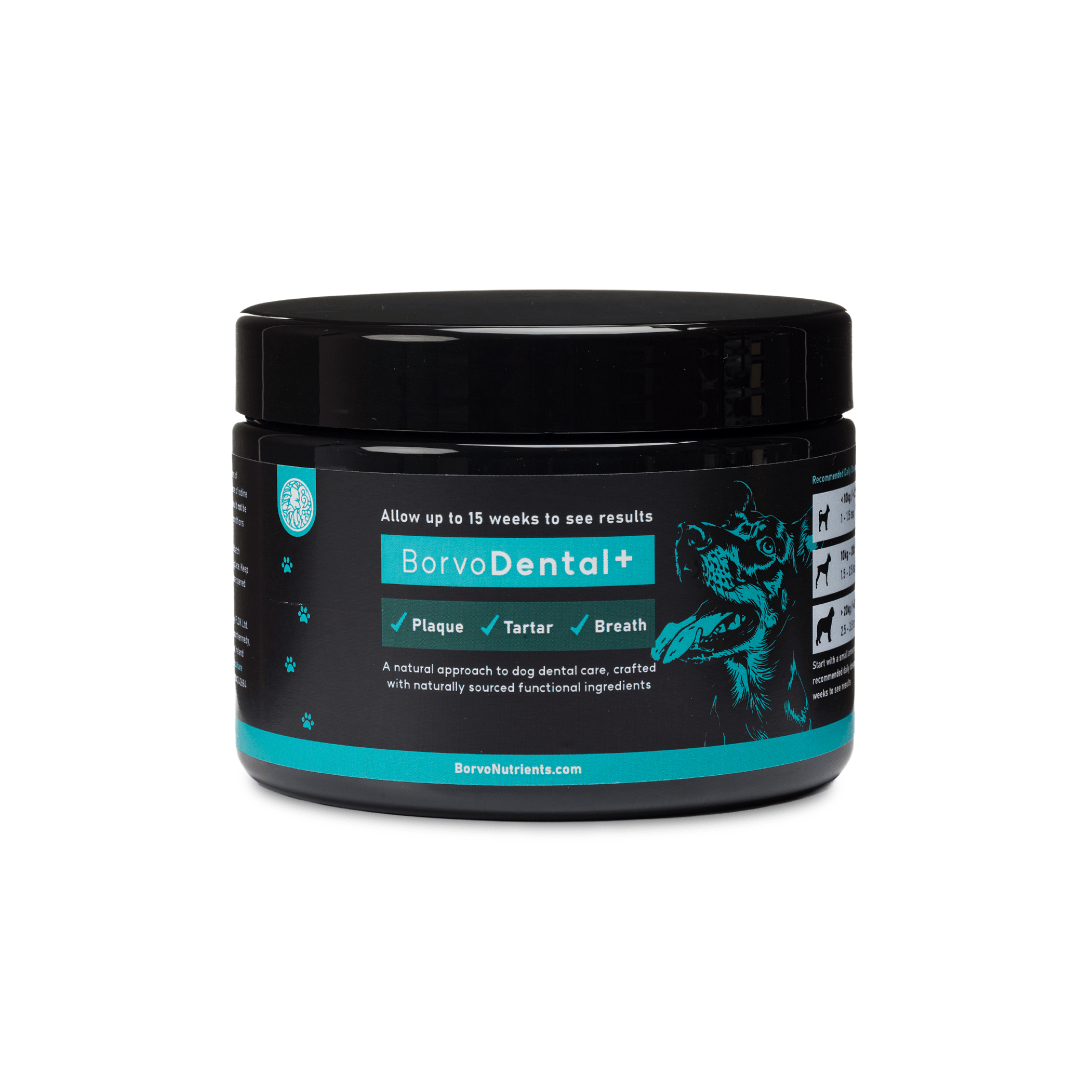
Credit: seaweedfordogs.com
What To Expect When You Start Using Chaga For Oral Health
- First Week: You may notice your mouth feels cleaner, and your gums may bleed less.
- After 2-3 Weeks: Swelling and redness in gums may decrease.
- After 1-2 Months: With regular use, you may see stronger gums and less plaque build-up.
Remember, everyone’s body is different. If you don’t see results, check the quality of your chaga and your overall dental habits.
Chaga And Dental Sensitivity
People with sensitive teeth often find chemical mouthwashes too harsh. Chaga rinse is gentle and soothing, making it a good choice for sensitive gums and teeth.
Just make sure your chaga tea is not too hot, as heat can irritate sensitive areas.
Using Chaga Alongside Dental Treatments
Chaga can be safely used with most dental treatments, including fillings, cleanings, and braces. However, always tell your dentist about any supplements you use.
Some dentists may even recommend chaga as a natural mouth rinse after gum surgery, as it can help reduce swelling and speed healing.
Chaga In Traditional Medicine: A Brief History
Chaga has a long history in Russian, Siberian, and Eastern European medicine. People used it for:
- Treating infections and wounds
- Soothing sore throats and mouth ulcers
- Boosting strength during hard winters
Today, we know that chaga’s old uses often match what science is now discovering about its antibacterial and healing power.
Real-world Stories: Chaga And Oral Health
Many people have shared their experiences with chaga for oral health:
- James, 38: After suffering from gum disease, he added a chaga rinse to his routine and saw less bleeding and faster healing after dental cleanings.
- Priya, 52: She used chaga tea for mouth ulcers and found they healed faster than before.
- Luis, 29: Switched from harsh mouthwashes to chaga and had fewer mouth sores.
While stories like these are encouraging, remember that chaga is a support—not a cure-all.
Where To Learn More About Chaga
For those interested in deeper science, the Wikipedia page on Inonotus obliquus offers a good overview of chaga’s history and research: Wikipedia: Inonotus obliquus.
Frequently Asked Questions
What Is The Best Way To Use Chaga Mushroom For Oral Health?
The best way is to use chaga tea as a mouth rinse. Brew strong chaga tea, cool it, and rinse your mouth for 30–60 seconds after brushing. You can also drink chaga tea or take capsules for general immune support, but rinsing gives the most direct benefit to your gums and teeth.
Can Chaga Mushroom Replace Brushing And Flossing?
No, chaga is a helpful supplement, not a replacement. You still need to brush twice daily and floss once a day. Chaga helps reduce bacteria and inflammation but cannot remove plaque or food particles like brushing and flossing can.
Are There Any Risks Or Side Effects To Using Chaga For Oral Health?
Most people have no problems with chaga, but allergies are possible. People taking blood thinners or with mushroom allergies should avoid chaga. If you notice swelling, rash, or stomach upset, stop using it and talk to a doctor.
How Long Does It Take To See Results With Chaga For Gum Disease?
Most people notice some improvements—like less gum bleeding or swelling—within 2–3 weeks of regular use. For best results, use chaga daily and keep up good dental habits. Severe gum disease always needs a dentist’s help.
Can Children Use Chaga Mushroom For Oral Health?
Chaga is generally safe for adults and older teens, but there’s little research on its use in young children. Always check with a pediatrician or dentist before giving chaga products to children.
Chaga mushroom is a powerful, natural tool for fighting oral bacteria and gum disease. When used properly, it can support healthy gums and teeth, reduce inflammation, and fit easily into your daily routine. Like any health remedy, it works best when combined with good dental care, a healthy diet, and regular checkups.
If you’re interested in natural oral health solutions, chaga mushroom is worth a closer look.

Credit: www.amazon.com