
Osteoporosis is a silent condition that weakens bones over time. Often, people do not realize they have it until a fracture occurs. Many look for ways beyond medication to support bone health. One approach gaining attention is the mushroom protocol for osteoporosis—using specific mushrooms to naturally help maintain bone density. This method combines traditional knowledge with modern research, offering a unique way to care for bones.
This article explores how mushrooms may support bone health, which mushrooms are most effective, how to use them, practical tips, and what science says. If you want a natural, evidence-based way to protect your bones, keep reading. You will learn not only about mushrooms but also how to include them in your daily life for the best results.
Understanding Osteoporosis
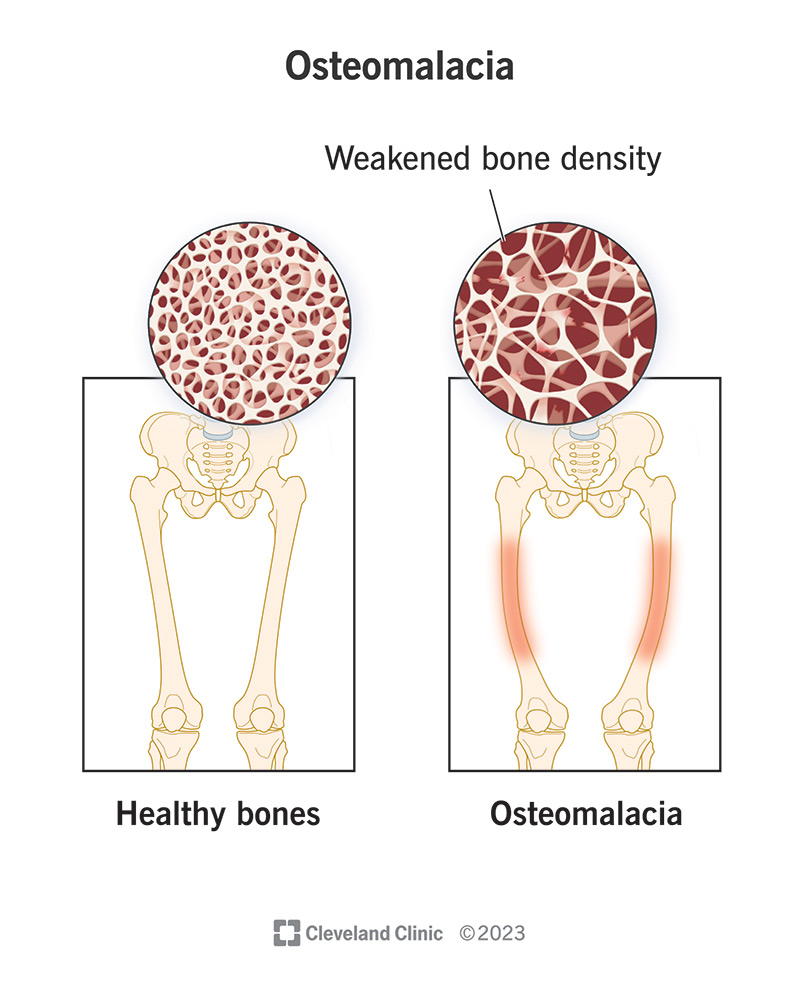
Osteoporosis means “porous bone. ” It is a disease where bones become weak and can break easily. The most common sites for fractures are the hip, spine, and wrist. According to the International Osteoporosis Foundation, more than 200 million people worldwide have osteoporosis.
Women, especially after menopause, are at higher risk, but men can develop it too.
Bone loss happens slowly and silently. Most people notice only after a fall or sudden pain. Many factors increase risk, including age, genetics, low calcium or vitamin D, certain medicines, and lack of exercise.
How Bones Stay Strong
Bones are living tissue. They renew themselves through a process called remodeling. Two main cells do this work:
- Osteoblasts build new bone.
- Osteoclasts break down old bone.
When people are young, bone formation is faster than breakdown. As we age, this balance shifts, and bones lose density. Lifestyle, nutrition, and hormones all affect this process.
Standard Treatments
Doctors often prescribe medicines like bisphosphonates, hormone therapy, or calcium and vitamin D supplements. These can help, but they also have side effects. Many people want more natural options, especially if they have mild bone loss or want to prevent osteoporosis.
This is where functional foods—like certain mushrooms—come in.
Why Mushrooms For Bone Health?
Mushrooms are not just tasty. They are also packed with nutrients and compounds that may help bones. For centuries, traditional medicine in China, Japan, and other countries has used mushrooms to support health, including bones.
Modern science is starting to explain why. Mushrooms contain:
- Polysaccharides (like beta-glucans) that may reduce inflammation
- Vitamin D2 (when exposed to sunlight or UV light)
- Ergothioneine, a unique antioxidant
- Minerals like copper, selenium, and zinc
- Bioactive compounds that can affect bone cells
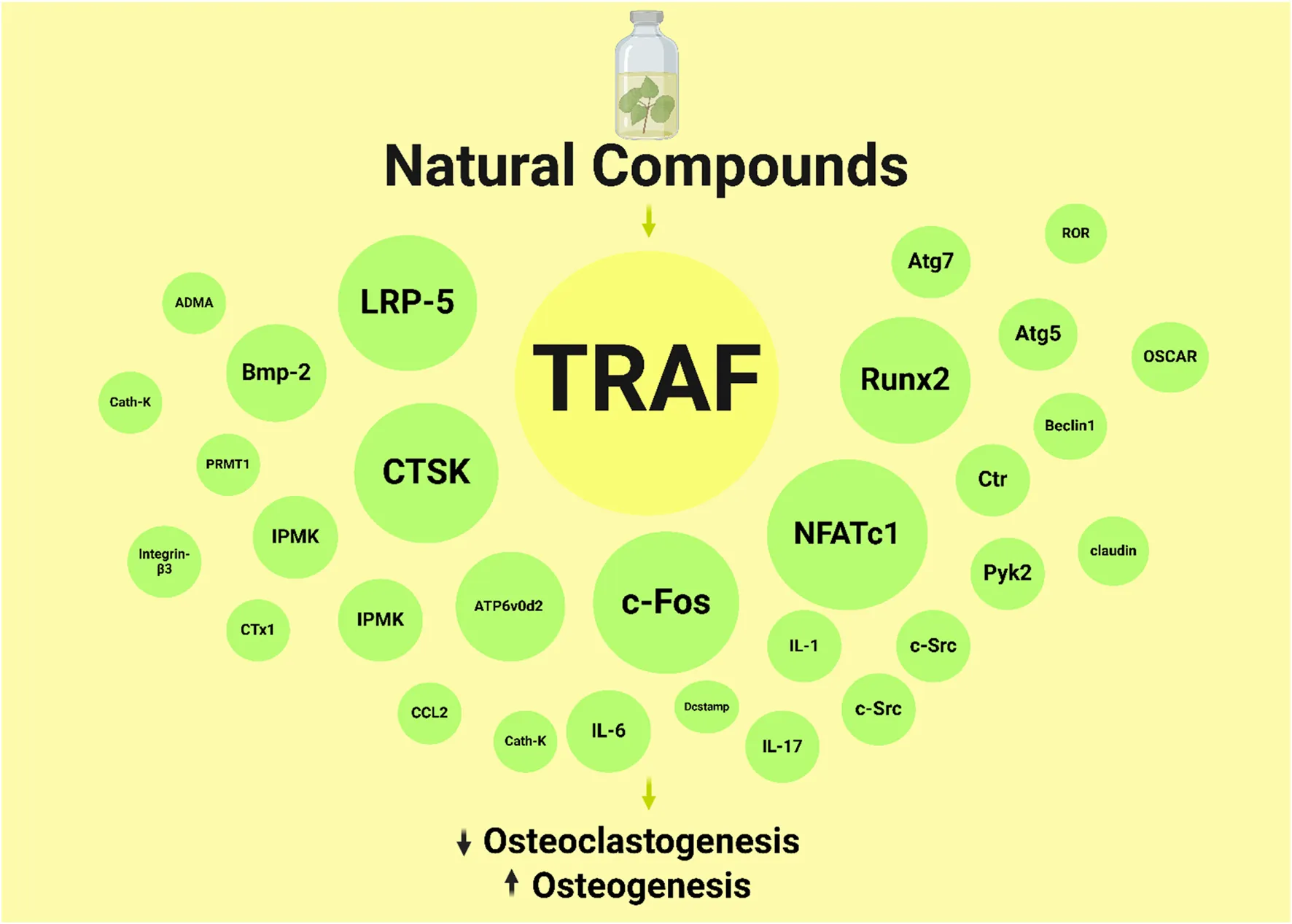
Some mushrooms may help balance the bone remodeling process by supporting osteoblasts or slowing osteoclasts. Others may reduce inflammation and oxidative stress, both linked to bone loss.
What Makes Mushrooms Unique?
Unlike other plants, mushrooms have ergosterol, which turns into vitamin D2 with sunlight. This is important because vitamin D helps the body absorb calcium and keep bones strong. Also, mushrooms offer rare antioxidants and immune-supporting compounds.
One insight many miss: not all mushrooms are equal. Some types contain much higher levels of these helpful compounds.
Key Mushrooms In The Osteoporosis Protocol
Not every mushroom helps bones. Research and tradition point to a few with special benefits. Below are the main mushrooms used in a mushroom protocol for osteoporosis.
1. Shiitake (lentinula Edodes)
Shiitake mushrooms are widely eaten and studied. They contain lentinan and eritadenine, which may help immune function and reduce inflammation. Shiitake also has good levels of vitamin D when sun-dried.
Studies show shiitake can increase alkaline phosphatase, a marker of bone formation. It also contains zinc and copper, minerals important for bone health.
2. Reishi (ganoderma Lucidum)
Reishi is known as the “mushroom of immortality” in China. It contains triterpenes and beta-glucans that may support the immune system and reduce bone loss.
Animal research suggests that reishi extract can slow bone breakdown (osteoclast activity) and reduce inflammation markers linked to osteoporosis. Reishi is often used in powdered or extract form.
3. Maitake (grifola Frondosa)
Maitake is rich in D-fraction, a unique polysaccharide. It has shown promise in supporting bone density by enhancing the formation of osteoblasts.
Some studies suggest that maitake may help regulate calcium balance and support bones, especially in postmenopausal women.
4. Cordyceps (cordyceps Militaris And Cordyceps Sinensis)
Cordyceps is known for boosting energy and endurance, but it may also help bones. Compounds in cordyceps can support bone matrix formation and reduce inflammation. Some research shows it may protect against bone loss in animal models.
5. Lion’s Mane (hericium Erinaceus)
Lion’s mane is famous for nerve health, but it also has antioxidant and anti-inflammatory properties that may help bones. It contains hericenones and erinacines, which may protect bone cells from damage.
6. Oyster Mushroom (pleurotus Ostreatus)
Oyster mushrooms are easy to find and affordable. They are high in ergothioneine and can be a good source of vitamin D2 when exposed to sunlight. Regular consumption may offer mild support for bone maintenance.
7. Chaga (inonotus Obliquus)
Chaga is not a true mushroom but a fungus that grows on birch trees. It contains betulinic acid and high levels of antioxidants. Some studies suggest chaga may reduce oxidative stress and help with calcium absorption.
8. Turkey Tail (trametes Versicolor)
Turkey tail is rich in PSK and PSP polysaccharides, which support immune health. While less studied for bones, its immune effects may reduce inflammation that leads to bone loss.
Mushroom Nutrition Comparison
Here is a comparison of key nutrients in popular edible mushrooms:
| Mushroom | Vitamin D2 (μg/100g, sun-exposed) | Beta-glucans (g/100g) | Copper (mg/100g) | Zinc (mg/100g) |
|---|---|---|---|---|
| Shiitake | 15–40 | 3.5 | 0.9 | 1.0 |
| Oyster | 6–18 | 2.8 | 0.6 | 1.2 |
| Maitake | 28–100 | 2.6 | 0.2 | 1.5 |
| Reishi | Trace | 5.4 | 0.5 | 1.7 |
How The Mushroom Protocol Works
A mushroom protocol for osteoporosis means using certain mushrooms regularly to support bone strength. This can be through food, supplements, or extracts. The idea is to combine the benefits of different mushrooms for a wider effect.
Typical Protocol Steps
1. Choose Your Mushrooms
Pick 2–3 types with the most evidence, such as shiitake, reishi, and maitake.
2. Decide On Form
Fresh, dried, powder, or extract. Some people use capsules for stronger mushrooms like reishi.
3. Set Your Dose
For food mushrooms (shiitake, oyster, maitake): 50–100 grams cooked daily.
For supplements: Follow the label or start with 500 mg/day of extract.
4. Cycle Use
Take mushrooms daily for 2–3 months, then take a short break.
5. Combine With Lifestyle
Mushrooms work best with a healthy diet, weight-bearing exercise, and enough calcium and vitamin D.
Example Daily Plan
- Breakfast: Omelet with sautéed shiitake and oyster mushrooms
- Lunch: Brown rice with maitake
- Evening: Reishi tea (1–2 grams extract)
- Snack: Lion’s mane powder mixed into yogurt
Why Rotation Matters
Rotating mushroom types gives your body a wider range of nutrients and reduces the chance of sensitivity. It also mimics how mushrooms are eaten in traditional diets—not the same kind every day.
Science Behind Mushrooms And Bone Density
Research on mushrooms and bone health is still growing. Most studies are in animals, but results are promising. Here are some highlights.
Shiitake And Bone Formation
A 2014 study found that mice eating shiitake mushrooms had higher bone density and stronger bones. The effect was linked to increased alkaline phosphatase and better calcium balance.
Reishi And Osteoclasts
In a 2017 animal study, reishi extract reduced the activity of osteoclasts (cells that break down bone) and lowered inflammatory markers. This slowed down bone loss.
Maitake And Calcium Balance
Postmenopausal women are at high risk for osteoporosis. One small study showed that maitake powder helped improve calcium metabolism and may support bone density.
Cordyceps And Bone Matrix
A 2018 study in rats found that cordyceps extract increased bone matrix proteins and improved markers for bone formation.
Human Evidence
Human studies are limited but growing. Most evidence is from small trials or traditional use, not large clinical studies. Still, the safety and nutritional value of mushrooms make them a good addition to an osteoporosis plan.
Antioxidants Reduce Bone Loss
Oxidative stress (cell damage from free radicals) speeds up bone loss. Mushrooms like chaga, reishi, and lion’s mane have high levels of antioxidants, which can protect bone cells from this damage.
Key Insight
Many people miss that mushrooms can help with inflammation and oxidative stress, two silent causes of bone loss that are not addressed by calcium alone.
How To Use Mushrooms For Osteoporosis
It’s easy to add mushrooms to your routine, but a few tips make it more effective.
Fresh Or Dried?
Fresh mushrooms are good for food, but drying (especially in sunlight) increases vitamin D2. Dried mushrooms also last longer and are easier to use in teas or soups.
Powder And Extracts
Some medicinal mushrooms, like reishi and chaga, are too tough or bitter to eat fresh. Use them as powders or extracts. Look for hot-water or dual-extracted products for best results.
Cooking Tips
- Cook mushrooms with a little oil to help absorb fat-soluble nutrients.
- Add sun-dried mushrooms to soups or stews to boost vitamin D.
- For powder, mix into smoothies, oatmeal, or yogurt.
Safety And Dosage
Mushrooms are safe for most people when eaten as food. For supplements, start with a low dose and increase slowly. Always buy from trusted brands—mushrooms can absorb heavy metals from soil.
If you have allergies or take immune-suppressing drugs, ask your doctor first.
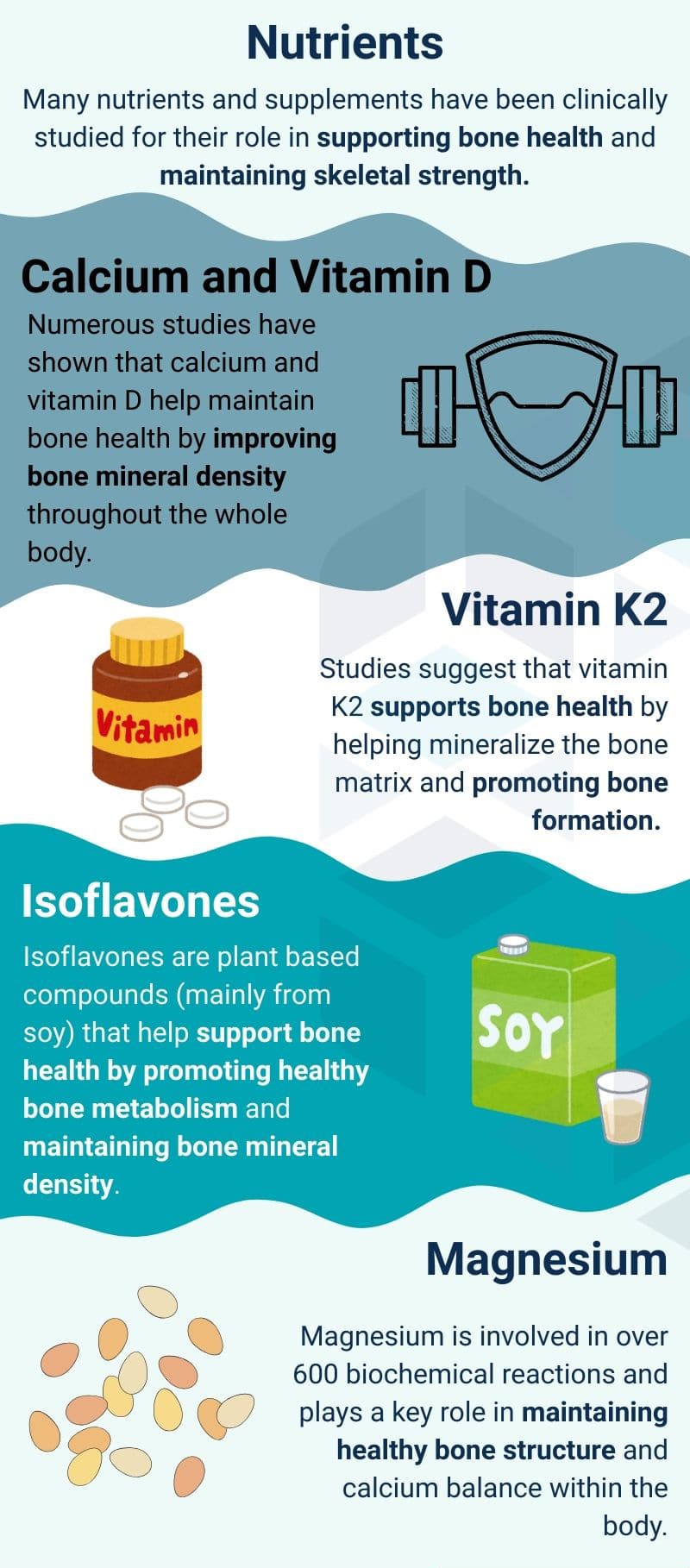
Combining With Other Nutrients
Mushrooms are most effective when combined with:
- Calcium (from food or supplements)
- Vitamin D (from sun, supplements, or mushrooms exposed to UV)
- Magnesium (nuts, seeds, greens)
- Vitamin K2 (fermented foods)
These nutrients work together to build and maintain bone.
Practical Protocol: Getting Started
Here’s a simple, practical plan to try a mushroom protocol for osteoporosis.
Step 1: Choose Your Mushrooms
Pick 2–3 mushrooms based on taste, availability, and evidence:
- Shiitake (for daily food)
- Reishi (as extract or tea)
- Maitake (for soups or stir-fry)
Step 2: Plan Your Meals
Aim for at least one serving of mushrooms daily. Rotate types every few days.
Step 3: Add A Supplement
Consider a reishi or maitake extract, especially if you do not eat mushrooms every day.
Step 4: Combine With Exercise
Weight-bearing exercises like walking, dancing, or yoga help bones use the nutrients from mushrooms.
Step 5: Track Progress
Keep a simple log of your food, exercise, and how you feel. Note any changes in energy, digestion, or bone health markers.
Step 6: Review With Your Doctor
Bring your plan to your doctor, especially if you have other health issues or take medicines.
Example Weekly Protocol
| Day | Mushroom Used | Form | Meal/Time |
|---|---|---|---|
| Monday | Shiitake | Fresh, cooked | Lunch stir-fry |
| Tuesday | Maitake | Dried, soup | Dinner |
| Wednesday | Reishi | Extract, tea | Evening |
| Thursday | Oyster | Fresh, sautéed | Breakfast |
| Friday | Lion’s Mane | Powder | Mixed into yogurt |
| Saturday | Shiitake + Maitake | Mixed, cooked | Lunch |
| Sunday | Reishi | Extract, tea | Evening |
Common Mistakes To Avoid
Many people try mushroom protocols but do not see results because of simple errors. Avoid these mistakes:
1. Not Using Enough Mushrooms
Small amounts may not be enough. Use therapeutic doses, especially with extracts.
2. Choosing The Wrong Type
White button mushrooms are healthy but do not have the same effects as shiitake or reishi.
3. Skipping Vitamin D
Mushrooms only help with vitamin D if they are sun-exposed. Check the label or dry them in sunlight at home.
4. Ignoring Other Nutrients
Bones need more than mushrooms. Combine with calcium, vitamin D, and exercise.
5. Inconsistent Use
Like all natural protocols, results take time. Use mushrooms regularly for at least 2–3 months.
6. Relying On Mushrooms Alone
Mushrooms are a support, not a cure. They work best as part of a full bone health plan.
Real Stories: People Using Mushrooms For Bone Health
Many people have started using mushrooms to support their bones. Here are some real-world examples:
- Anna, age 62: After her doctor warned about bone thinning, Anna added shiitake and maitake to her weekly meals and took reishi tea. After a year, her bone scan was stable, and she felt more energetic.
- Raj, age 55: Raj’s family has a history of osteoporosis. He started eating more mushrooms and walking daily. He noticed less joint pain and better digestion.
- Ming, age 68: Ming uses lion’s mane powder and maitake in soup, combined with tai chi. She feels her balance and strength have improved.
These stories show that mushrooms can be a practical, enjoyable part of a bone-supporting lifestyle.
Buying And Storing Mushrooms
Quality matters. Here’s how to choose and store mushrooms for the protocol:
What To Look For
- Freshness: Firm, not slimy or bruised
- Organic: Reduces the risk of heavy metals or pesticides
- Sun-dried: For higher vitamin D2
- Reputable brands: For extracts and powders
Storage Tips
- Fresh mushrooms: Keep in the fridge in a paper bag, use within 5–7 days.
- Dried mushrooms: Store in a cool, dry place, tightly sealed.
- Powders/extracts: Keep airtight, away from heat and light.
Price Comparison
Medicinal mushroom supplements can be expensive. Food mushrooms like shiitake and oyster are often cheaper and easy to add to meals.
| Mushroom | Form | Average Price (USD/100g) | Notes |
|---|---|---|---|
| Shiitake | Fresh | $2–$4 | Best for cooking |
| Reishi | Powder/Extract | $8–$15 | Use as tea or capsules |
| Maitake | Dried | $6–$12 | Good for soups |
| Lion’s Mane | Powder | $10–$20 | Mix into foods |
Credit: www.frontiersin.org
The Role Of Vitamin D In The Mushroom Protocol
Vitamin D is critical for bone health. It helps the body absorb calcium from food. Mushrooms are one of the few non-animal sources of vitamin D2. However, not all mushrooms have vitamin D—only those exposed to sunlight or UV light.
To boost vitamin D in mushrooms at home:
- Place fresh or dried mushrooms in direct sunlight for 1–2 hours.
- The gill side (bottom) should face up.
- Store as usual and use within a week.
Remember, vitamin D2 from mushrooms is good, but D3 (from sunlight or supplements) is even more effective for most people.
Combining Mushrooms With Other Natural Approaches
Mushrooms are powerful, but they work best with other natural steps:
- Weight-bearing exercise: Walking, jogging, or dancing helps bones stay strong.
- Healthy diet: Include leafy greens, nuts, seeds, and fish for calcium, magnesium, and vitamin K.
- Sun exposure: 10–20 minutes of sunlight helps the body make vitamin D3.
- Avoid smoking and heavy alcohol: Both can speed up bone loss.
Credit: www.lifeextension.com
What The Experts Say
Health professionals are cautious but optimistic. The International Osteoporosis Foundation notes that a mix of diet, exercise, and sometimes supplements is best for bone health. They recognize that mushrooms are safe and nutritious, but more human studies are needed to confirm their effects on osteoporosis.
Still, adding mushrooms is a low-risk, high-benefit step for most people.
For more detailed research on mushrooms and health, see this scientific review.
Frequently Asked Questions
How Long Does It Take To See Results From A Mushroom Protocol For Osteoporosis?
Most people need at least 2–3 months of regular mushroom use to notice changes. Improvements may be subtle, such as better energy or digestion. Bone density changes take longer and are best measured by a doctor. Mushrooms are a long-term support, not a quick fix.
Can I Use Only One Type Of Mushroom For Bone Health?
Using several types is better. Each mushroom offers different nutrients and compounds. Shiitake, reishi, and maitake together cover more bases than just one alone. Rotation also reduces the risk of sensitivity or boredom with taste.
Are Mushroom Supplements As Good As Fresh Mushrooms?
Supplements (like powders or extracts) can be stronger, especially for reishi or chaga. However, fresh mushrooms offer fiber and other nutrients. The best approach is a mix—eat mushrooms as food and add a supplement if needed.
Do Mushrooms Replace Calcium Or Vitamin D Supplements?
No. Mushrooms support bone health, but they do not provide enough calcium or vitamin D on their own. Use them as part of a full plan: healthy diet, enough calcium and vitamin D, exercise, and regular check-ups.
Are There Any Side Effects Or Risks With The Mushroom Protocol?
For most people, mushrooms are safe. Rarely, allergic reactions or stomach upset can occur. Some medicinal mushrooms may interact with immune drugs. Always buy from trusted brands and consult your doctor if you have health concerns.
Protecting your bones is a lifelong process. The mushroom protocol for osteoporosis offers a natural, enjoyable way to support bone density, especially when combined with other healthy habits. With the right knowledge and a little creativity, mushrooms can become a daily ally in your journey to stronger bones.
Credit: my.clevelandclinic.org