
Starting a mushroom CSA (Community-Supported Agriculture) is a bold and rewarding adventure. Imagine supplying your local community with fresh, unique mushrooms every week, building relationships, and sharing the joy of fungi. But how do you move from a simple idea to a successful mushroom CSA?
This guide will walk you through every step, from planning and legal needs to marketing, growing, and customer satisfaction. Even if you’re new to farming or business, you’ll find clear steps, practical tips, and essential insights for creating a sustainable, community-driven mushroom operation.
Understanding The Mushroom Csa Model
A mushroom CSA is a direct partnership between a grower and a group of local supporters. Members, often called “shareholders,” pay in advance for a regular supply of mushrooms. This upfront payment gives you working capital before harvest and shares the risks and rewards of farming with your community.
In return, members get fresh, often rare mushrooms that are hard to find in stores.
Why choose mushrooms for a CSA? Mushrooms have a short growing cycle, can be grown indoors or outdoors, and offer high nutritional value. They also attract foodies, health enthusiasts, and chefs looking for local, gourmet ingredients.
But mushrooms offer even more: their unique textures, flavors, and health benefits make them an exciting choice for home cooks and professionals alike. Some varieties, like lion’s mane, are gaining attention for potential cognitive health benefits, while reishi and turkey tail are valued for their immune-supporting properties. By focusing on mushrooms, you also avoid some of the major pest and weather risks that vegetable farmers face.
Key Differences: Mushroom Csa Vs. Traditional Vegetable Csa
| Aspect | Mushroom CSA | Vegetable CSA |
|---|---|---|
| Crop Cycle | Short (2-8 weeks) | Longer (8-20 weeks) |
| Growing Space | Indoors/Outdoors, vertical possible | Mainly outdoors, horizontal space |
| Harvest Predictability | High with good controls | Weather-dependent |
| Variety | Gourmet & medicinal | Wide (leafy, roots, fruits) |
| Market Niche | Chefs, foodies, health | General consumers |
Another key difference is storage and shelf life. While mushrooms must be handled carefully and consumed relatively quickly, their compact size makes them easier to transport and store in coolers or refrigerators compared to large, bulky vegetables. This can make your CSA more manageable, especially when starting small.
Research And Planning: Laying A Strong Foundation
Before you grow your first mushroom, careful planning is essential. Success depends on understanding your market, your costs, and the unique challenges of fungi.
Market Research
Begin by exploring your local food scene. Talk to chefs, visit farmers’ markets, and join online groups. Ask questions like:
- Which mushrooms are most popular? (Oyster, shiitake, lion’s mane, etc.)
- Are there gaps in local supply?
- What price do people pay for specialty mushrooms?
- How often do potential members want deliveries?
Go beyond the obvious by observing what is not available in stores and restaurants. Sometimes, you’ll find that a certain mushroom is missing from the market simply because no one is growing it locally, not because there is no demand.
A quick survey at a market or a poll in a local food group can reveal interest in varieties like chestnut or pioppino, which are rarely found in supermarkets but loved by chefs.
Tip: Many beginners skip deep market research, but it often reveals hidden demand for exotic or medicinal mushrooms.
Choosing Your Niche
Most successful mushroom CSAs focus on a specific niche. Possible focuses:
- Gourmet mushrooms: Oyster, shiitake, lion’s mane, maitake
- Medicinal mushrooms: Reishi, turkey tail, cordyceps
- Mixed boxes: Rotating varieties each week
You might also consider serving a particular community, such as vegan or vegetarian households, who often look for protein-rich, meaty-textured foods. Or, you could design your CSA to support local schools, meal programs, or health clinics, positioning mushrooms as a fun and educational food.
Non-obvious insight: Some CSAs thrive by offering mushroom “add-ons” to existing vegetable CSAs, sharing infrastructure and customers.
Business Plan Basics
A clear business plan will guide your decisions. Include:
- Production goals (how many pounds per week?)
- Member targets (how many shares will you sell?)
- Pricing structure (per share, by weight, or volume)
- Startup and operating costs
- Timeline (when will you launch, harvest, and deliver?)
- Backup plans for crop failure or surplus
Build in time for learning, especially if you are new to mushrooms. Your first few months may include unexpected problems like contamination, slow colonization, or equipment malfunctions. Anticipate a “ramp up” period before you reach your full production targets.
Don’t forget: Factor in time for education and outreach. Mushrooms are unfamiliar to some; you may need to teach members how to cook or store them.
Being clear about your own skills and resources at the start can save you from overcommitting. For instance, if you have limited refrigeration, you may want to offer smaller shares or stagger pick-up times.
Legal, Financial, And Safety Essentials
Starting any food business requires following laws and maintaining high safety standards. Ignoring these steps can cause big problems later.
Business Structure And Registration
Choose a legal structure (sole proprietorship, LLC, cooperative, etc. ). LLCs are popular for small farms because they limit personal liability.
Register your business with local and state authorities. You may also need a food handler’s permit or special farm license, depending on your location. The process can seem complicated, but many agricultural extension offices offer free guidance on registration, zoning, and permits.
It’s important to double-check zoning regulations, especially if you plan to grow mushrooms in a residential area. Some cities have strict rules about growing and selling food from home, so always verify before investing in equipment.
Insurance
At minimum, get general liability insurance. This protects you if someone gets sick or injured from your mushrooms. If you deliver to restaurants or stores, they may require proof of insurance.
Consider product liability coverage as well, especially if you sell medicinal or supplement products. Even if you trust your process, insurance gives peace of mind and reassures your members.
Food Safety
Mushrooms need careful handling to prevent contamination. Key practices:
- Use clean, food-safe growing materials
- Train staff on handwashing and hygiene
- Store mushrooms at correct temperatures (usually 34–38°F)
- Label and track all batches
Check with your local health department. Some areas require periodic safety inspections.
It’s wise to keep a simple log of each harvest, noting the variety, batch, date, and destination. In the unlikely event of a food safety issue, you’ll be able to trace the source quickly.
Record Keeping And Taxes
Track income, expenses, and member payments using simple accounting software or spreadsheets. Save receipts for all business purchases. Consult a tax expert familiar with agriculture.
Hidden detail: Some grants and loans are available for new farmers or food businesses. Check with your local USDA office or agricultural extension.
Accurate records not only help with taxes, but also make it easier to spot trends, such as which varieties are most profitable or when you need to order more supplies.
Setting Up Your Mushroom Farm
You don’t need acres of land to grow mushrooms. Many CSAs start in garages, basements, or small commercial spaces. The most important thing is to control temperature, humidity, and cleanliness.
Picking A Location
Look for a place with:
- Good ventilation
- Clean, smooth surfaces (easy to sanitize)
- Access to water and electricity
- Space for growing, packing, and storage
Urban option: Some mushroom CSAs operate in shipping containers, unused warehouses, or even under restaurants.
If you’re starting at home, dedicate a separate space for mushroom activities to reduce contamination risk from pets or household dust. Some successful growers use modular “grow tents” within larger rooms, which help maintain humidity and temperature without altering the entire space.
Choosing Mushroom Varieties
Pick varieties based on market demand, your skills, and your climate. Here’s a simple comparison of common CSA mushrooms:
| Mushroom | Growing Time | Flavor Profile | Ease of Cultivation |
|---|---|---|---|
| Oyster | 2–4 weeks | Mild, nutty | Easy |
| Shiitake | 8–12 weeks | Rich, earthy | Medium |
| Lion’s Mane | 3–5 weeks | Seafood-like | Medium |
| Maitake | 8–10 weeks | Earthy, peppery | Challenging |
| Reishi | 12–24 weeks | Bitter, medicinal | Advanced |
Non-obvious insight: Some rare mushrooms, like pioppino or chestnut, have growing cycles and yields that work well for CSAs but are rarely offered by commercial growers.
Consider the post-harvest shelf life too: oyster mushrooms don’t store as long as shiitake, while lion’s mane is delicate and needs careful handling.
Setting Up Growing Systems
Mushrooms can be grown in many ways:
- Bags of sterilized straw or sawdust (most common for oyster and lion’s mane)
- Logs or stumps (ideal for shiitake, outdoors)
- Shelves or racks (vertical growing in small spaces)
You’ll need:
- Clean grow bags or containers
- Substrate (straw, sawdust, or other materials)
- Mushroom spawn (the “seed”)
- Humidity and temperature controls (humidifiers, heaters, fans)
- Lighting (most mushrooms need indirect light)
Tip: Automating humidity and airflow saves time and reduces crop loss.
A small investment in timers, foggers, or exhaust fans can make your operation more consistent and free up time for marketing or member communications. Some growers also use simple home automation tools (like Wi-Fi smart plugs) to control lights and fans remotely.
Managing Environmental Conditions
- Temperature: Most gourmet mushrooms thrive between 55–75°F.
- Humidity: High humidity (80–95%) is crucial during fruiting.
- Light: Indirect or filtered light for a few hours daily.
- Airflow: Fresh air exchange prevents disease and promotes healthy growth.
Monitor conditions with sensors and adjust equipment as needed.
For beginners, a basic thermometer and hygrometer are enough. As you grow, consider data loggers to track trends and spot problems early.
Harvesting And Post-harvest Handling
Harvest mushrooms just before delivery day for maximum freshness. Use clean knives or scissors, and handle gently to avoid bruising. Store in paper bags or breathable containers in a cool fridge.
If you have a surplus, consider drying or freezing mushrooms for later use. Dried mushrooms can become a valuable addition to your CSA boxes, especially during slow periods.
Designing Your Csa Program
A mushroom CSA works best when it matches your capacity and your members’ needs. Design a program that is simple to manage but flexible enough to grow over time.
Setting Share Options
Decide what a “share” includes. Common options:
- Weekly or biweekly boxes: ½ to 2 pounds per delivery
- Full or half shares: For families or singles
- Add-ons: Dried mushrooms, mushroom kits, recipes, or medicinal tinctures
Pro tip: Offer a trial share or “sampler” for new members.
You might also offer themed shares, such as a “chef’s box” with rare varieties or a “wellness share” focusing on medicinal fungi. These options attract different types of customers and let you test new products with minimal risk.
Pricing Your Shares
To set prices, add up your production costs, packaging, delivery, and labor. Then, research local prices for fresh mushrooms. Most CSAs offer shares at a slight discount compared to retail, but you get steady, upfront income.
Example: If gourmet mushrooms sell for $16/lb at local markets, a weekly 1-lb share for 12 weeks might cost $180–$200.
Remember to account for “hidden” costs, such as cleaning supplies, electricity, and your own time. If you plan to offer home delivery, factor in transportation and fuel.
Member Agreements
Create a clear agreement for members. Include:
- What varieties and quantities to expect
- Delivery or pick-up schedule
- Refund and cancellation policies
- Risks (weather, crop failure, etc.)
- Member responsibilities (timely pick-up, returning boxes)
Insight: Transparent agreements reduce confusion and build trust.
Clarity is especially important if you plan to rotate varieties or occasionally substitute products. Let members know up front so they’re not surprised by a box of pioppino instead of shiitake.
Delivery And Pick-up Logistics
Decide how members get their mushrooms:
- On-farm pick-up: Members come to your location
- Central drop points: At farmers’ markets, local shops, or community centers
- Home delivery: More work, but attracts busy customers
Plan routes and times for efficiency. Communicate clearly, especially about holidays or schedule changes.
It’s a good idea to have a backup plan in case of delivery vehicle problems or extreme weather. Some growers partner with local businesses, like bakeries or coffee shops, to act as pick-up points.
Packaging And Presentation
Use eco-friendly packaging when possible. Paper bags or compostable boxes keep mushrooms fresh and align with many CSA values. Include a note or recipe in each box for a personal touch.
Presentation matters more than many realize. Clean, attractive mushrooms in tidy packaging show care and professionalism. Simple branding stickers or a hand-signed note can make a big difference.
Marketing Your Mushroom Csa
You need members to make your CSA sustainable. Effective marketing is about building relationships, educating your community, and showing the value of local fungi.
Building Your Brand
Pick a name and logo that reflect your values. Are you focused on gourmet food, health, or sustainability? Use consistent colors and messaging on your website, social media, and packaging.
Think about what sets you apart—maybe you use only local wood substrates, or you focus on rare varieties. Highlight these details in your branding.
Telling Your Story
Share why you grow mushrooms and what makes your CSA unique. Maybe you’re reviving local food traditions or supporting regenerative farming. Personal stories create connection.
Photos and short videos go a long way. Show yourself at work, your growing process, and happy members. People buy from people, not just businesses.
Online Presence
A simple website is essential. Include:
- CSA details (varieties, schedule, pricing)
- Sign-up form or contact info
- Photos of your mushrooms and farm
- FAQs and recipes
Use social media to post updates, mushroom facts, and cooking ideas. Instagram and Facebook are popular with food lovers.
Also consider joining local food directories and community boards online. A Google Business listing helps people find you easily.
In-person Outreach
Attend local farmers’ markets or food events. Offer samples, answer questions, and collect emails for your list. Partner with local chefs or restaurants to showcase your mushrooms.
Face-to-face interactions build trust. Demonstrating your product in person or through live cooking demos can turn curious shoppers into loyal members.
Member Communication
Send regular emails or texts with harvest updates, recipes, and reminders. Quick, friendly communication boosts retention.
Non-obvious tip: A private Facebook group or WhatsApp chat helps members swap recipes and photos, building community.
Encourage members to share their own cooking tips, photos, and experiences. This creates a “club” feeling and keeps people engaged.
Early-bird And Referral Incentives
Offer discounts for early sign-ups or for members who refer friends. This creates momentum and helps fill your CSA before harvest starts.
You can also offer small bonuses, like a free mushroom kit or a sample of dried mushrooms, for loyal members.
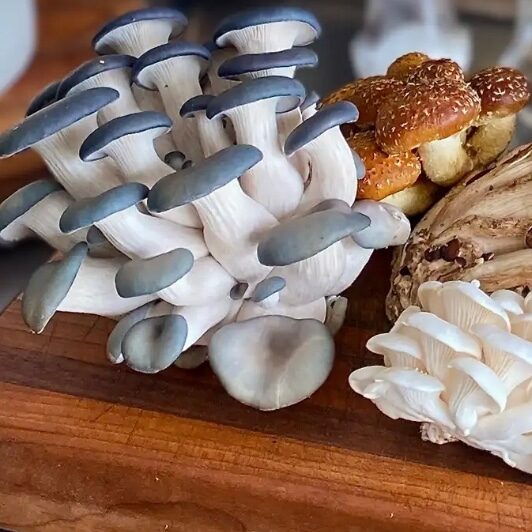
Credit: natickfarm.org
Member Education And Engagement
For many people, mushrooms are mysterious. Teaching your members how to cook, store, and enjoy them is key to satisfaction.
Sharing Recipes And Storage Tips
Include a simple recipe in every box, using that week’s variety. Explain how to store mushrooms (usually in a paper bag in the fridge, not plastic). Share cooking videos or host an online demo.
Rotating recipes keep things interesting and help members use every mushroom, even unusual ones. For example, a lion’s mane “crab cake” recipe can turn a new variety into a favorite.
Educational Events
Host workshops or farm tours. Show how mushrooms grow and let members pick their own. This deepens appreciation and loyalty.
If in-person events aren’t possible, virtual tours or online Q&A sessions are valuable alternatives. Even short videos of your daily routine can fascinate members and increase buy-in.
Seasonal Newsletters
Send updates on what’s growing, interesting mushroom facts, and behind-the-scenes stories. Highlight member feedback and photos.
A newsletter can also include tips for foraging wild mushrooms (with safety warnings), or profiles of local chefs who use your products.
Handling Questions And Problems
Respond quickly if a member gets a “weird” mushroom or has a problem. Mistakes happen—how you handle them matters more than the issue itself.
Share clear guidance on what each mushroom should look, smell, and taste like. This reassures members and prevents confusion.
Special Offers
Offer members early access to new varieties, dried mushrooms, or mushroom kits for home growing.
Insight: Some CSAs thrive by letting members customize their box or swap varieties—just be sure you can handle the logistics.
If you have the capacity, let members choose between a “chef’s mix” or “medicinal mix” each week. Tracking preferences helps you plan future crops.
Scaling Up And Troubleshooting
As your CSA grows, you’ll face new challenges: maintaining quality, managing labor, and keeping members happy. Here’s how to grow sustainably.
Managing Growth
Don’t take on more members than you can reliably supply. Start small, with 10–20 shares, and increase only as your systems improve.
Hire part-time help or partner with another grower if you expand. Keep detailed records of yields and customer feedback to adjust your plans.
A common beginner mistake is scaling too fast and losing quality. Slow, steady growth allows you to build a loyal base and troubleshoot before issues become serious.
Dealing With Crop Failures
Every farmer faces setbacks. If a crop fails due to contamination or weather, communicate honestly with members. Offer refunds, credit for future boxes, or bonus items when harvests are strong.
Build a small buffer into your shares—occasionally substituting with dried or foraged mushrooms if your main crop is short.
Improving Efficiency
Automate where possible (humidifiers, timers, online payments). Review your delivery routes and packing process for time savings.
Batching tasks—like substrate preparation or packaging—can save hours each week. Consider standardized packaging to streamline your workflow.
Gathering Feedback
Ask members for feedback after each season. What did they love? What could be better? Use this input to refine your offerings and improve satisfaction.
Anonymous surveys can help members share honest opinions, leading to meaningful improvements.
Diversifying Your Offerings
Once your main CSA is stable, consider:
- Dried mushrooms or powders
- Mushroom growing kits
- Medicinal mushroom tinctures
- Workshops or farm experiences
This spreads risk and brings in extra income.
You might also partner with other local farmers or artisans to include their products as seasonal “bonus items,” further strengthening your community ties.
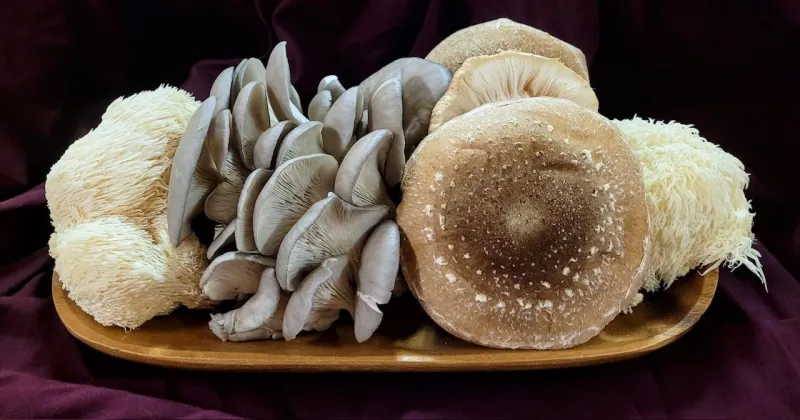
Credit: fourcornersfungi.org
Example Timeline: Launching Your Mushroom Csa
Here’s a sample 12-month timeline for launching a mushroom CSA:
| Month | Key Actions |
|---|---|
| Months 1–2 | Research market, write business plan, secure location |
| Months 3–4 | Buy equipment, test small mushroom batches, set up website |
| Months 5–6 | Open CSA sign-ups, start marketing, build email list |
| Months 7–8 | Begin full-scale mushroom production, finalize member list |
| Months 9–12 | Deliver first CSA shares, gather feedback, adjust as needed |
Tip: Build in extra time for learning and troubleshooting—mushrooms are living systems and will surprise you.
It’s wise to keep a “plan B” for each stage—such as a backup supplier for spawn, or extra substrate on hand—in case of delays.
Common Mistakes And How To Avoid Them
Many mushroom CSAs fail for reasons that are easy to prevent with planning and attention.
- Overpromising yields: Only offer what you know you can grow.
- Ignoring food safety: Even a small lapse can ruin your reputation.
- Poor member communication: Updates and honesty build loyalty.
- Inadequate record keeping: Track every step—from spawn purchase to delivery.
- Skipping education: Teach members how to use what you grow.
- Growing too many varieties: Focus on a few, master them, then expand.
- Underpricing shares: Charge enough to cover your costs and labor.
- Neglecting marketing: Even the best mushrooms won’t sell themselves.
- Lack of contingency plans: Prepare for crop failures or equipment breakdowns.
- Not seeking feedback: Regular input helps you improve and adapt.
Non-obvious detail: Some growers forget about “shoulder seasons” (spring and fall), when outdoor growing is tricky. Plan for indoor production or dried products during these times.
Another detail: Don’t assume all “food-safe” plastics are suitable for high-humidity environments. Test your supplies in small batches before scaling up.
Real-world Examples
Across the world, small mushroom CSAs are thriving. For example, Smallhold in New York started in shipping containers and now partners with local grocers and chefs. In rural communities, growers like Far West Fungi offer subscription boxes, farm tours, and educational events.
Smaller-scale examples include growers who run CSAs with just 20–30 members and focus on one or two varieties, building a loyal base. Many of these growers started with little more than a spare room, a few shelves, and a lot of curiosity.
Lesson: Start with your local community, focus on quality, and grow as demand increases.
Resources And Continuing Education
Mushroom growing is both art and science. Stay updated by joining forums, taking online courses, and reading research. Some useful resources include:
- Local agricultural extension offices
- Mushroom grower associations
- Online groups like the “Mushroom Growers Network”
- Books: “The Mushroom Cultivator” by Paul Stamets
Look for workshops or conferences in your area, and consider joining local farm or food co-ops. Connecting with other growers will help you solve problems faster.
For more in-depth data and research, see Wikipedia’s Mushroom Cultivation page.

Credit: playofsunlight.com
Frequently Asked Questions
How Much Space Do I Need To Start A Mushroom Csa?
You can start with as little as 100–200 square feet, especially if you use vertical shelves. Many growers begin in garages, basements, or small commercial spaces. As your membership grows, you’ll need more room for substrate preparation, fruiting, and packing.
Which Mushrooms Are Best For Beginners?
Oyster mushrooms are the easiest and fastest to grow, making them perfect for CSA beginners. They are forgiving, have high yields, and are popular with customers. Shiitake and lion’s mane require more care but are also good choices once you have experience.
How Do I Price My Mushroom Csa Shares?
Calculate your total costs (materials, labor, packaging, delivery) and divide by the number of shares you can reliably supply. Check prices at local markets for reference. A typical price is $15–$18 per pound, but this depends on your region and the types of mushrooms offered.
What If I Can’t Supply Enough Mushrooms One Week?
Communicate with your members right away. Offer a substitute (like dried mushrooms), a credit for future boxes, or a bonus item when harvests are strong. Most members understand if you are honest and proactive.
Do I Need A Special License To Sell Mushrooms?
In most places, you’ll need a business license and may need food safety training or inspection. Rules vary widely, so check with your local health department or agricultural authority before you start selling.
Starting a mushroom CSA is more than just farming—it’s about building a local food community. With careful planning, clear communication, and a passion for fungi, you can create a business that supports you and your neighbors while bringing delicious, healthy mushrooms to the table.