
Many people search for ways to manage anxiety without relying on heavy medication. The desire for a natural calm leads many to herbal remedies, and one name appears again and again: Reishi mushroom. Used for centuries in Asia, this fungus is now attracting attention in the West as a gentle, side-effect-free option for stress and anxiety. But can Reishi really help you feel more at peace? And is it truly safe?
This article explores everything you need to know about using Reishi mushroom for anxiety. You’ll discover how it works, what the research says, the best ways to use it, and important tips for safety and results. If you are looking for a calm mind without unwanted side effects, read on.
What Is Reishi Mushroom?
Reishi mushroom, also known as Ganoderma lucidum, is a fungus that grows naturally on hardwood trees, especially in warm climates of Asia. In Chinese, it is called “Lingzhi,” which means “spirit plant” or “mushroom of immortality.” People have used Reishi in traditional medicine for over 2,000 years.
The mushroom has a tough, woody texture and a shiny, reddish-brown cap. It is not usually eaten fresh because it is bitter and hard. Instead, people use extracts, powders, teas, and capsules made from the fruiting body or spores.
Reishi contains many active compounds, including triterpenes, beta-glucans, and other polysaccharides. These natural chemicals are believed to help reduce inflammation, boost the immune system, and balance the body’s stress response.
There is more to Reishi than just its main compounds. It also contains sterols, peptides, and various antioxidants. These extra components may help protect your cells from damage caused by stress. Some studies suggest that the polysaccharides in Reishi can help regulate blood sugar and cholesterol, which often become unbalanced during chronic stress or anxiety.
In traditional Chinese medicine, Reishi was considered a tonic for “shen” (spirit), and people believed it could bring emotional stability and inner peace. It was so highly prized that only royalty or the very wealthy could afford it in ancient times.
Today, modern extraction techniques make Reishi more available and affordable for everyone.
Why People Seek Natural Anxiety Relief
Anxiety is one of the most common mental health struggles worldwide. According to the World Health Organization, more than 300 million people suffer from anxiety disorders. Symptoms can include worry, irritability, sleep problems, and even physical issues like headaches or stomach pain.
Prescription medications, such as benzodiazepines and SSRIs, are often used for anxiety. However, these drugs can cause side effects like drowsiness, weight gain, sexual dysfunction, or even addiction. Because of these concerns, many people prefer to try natural options.
Herbal remedies like Reishi mushroom are appealing because they are seen as gentle and less likely to cause harm. But before you try any supplement, it’s important to understand how it works and what to expect.
Another reason people look for natural options is the desire for holistic health. Many want to avoid chemicals or synthetic drugs, aiming to support their body’s own healing abilities. For example, people often report that natural remedies make them feel more “balanced” or in tune with their body, rather than just suppressing symptoms.
Some individuals also find that natural remedies fit better with their lifestyle, especially if they practice yoga, mindfulness, or other wellness routines. They appreciate solutions that don’t interfere with their energy levels or mental sharpness.
Finally, using herbs like Reishi often comes with fewer long-term risks. Unlike medications that may cause dependency, tolerance, or withdrawal, most herbal options can be stopped without a rebound effect. This can be especially important for people who want to manage stress for years, not just a few weeks or months.
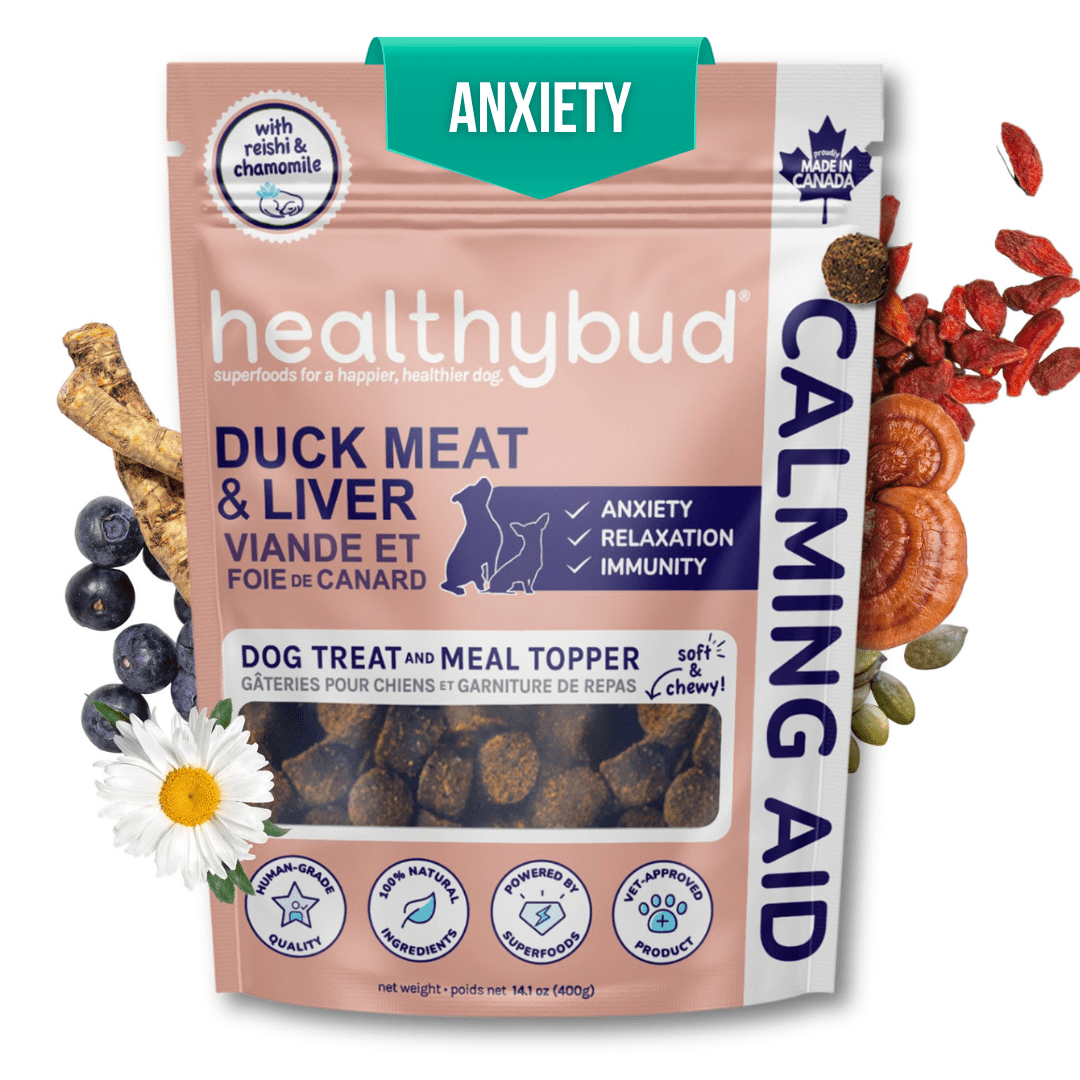
Credit: healthybud.co
How Reishi Mushroom May Help With Anxiety
Ancient Wisdom And Modern Science
For thousands of years, Reishi has been used as a calming tonic. Ancient texts describe it as a way to “nourish the spirit” and reduce worry. Modern researchers are now studying how Reishi affects the brain and body.
Some traditional healers believed that Reishi could “anchor the soul,” especially in times of trouble. This idea may sound mystical, but it matches modern findings about Reishi’s effect on the nervous system and mood. In Japan, Reishi is called “Mannentake” (“10,000 Year Mushroom”), reflecting its reputation for promoting long life and resilience.
Active Compounds And Their Effects
Reishi mushroom contains several compounds believed to impact anxiety:
- Triterpenes: These are natural substances that may calm the nervous system. Some studies suggest they help reduce stress hormones like cortisol.
- Beta-glucans: These are types of polysaccharides that support the immune system and may help with overall body balance.
- Adenosine: This compound can help relax muscles and may support better sleep, which is often disturbed by anxiety.
Besides these, Reishi contains ganoderic acids, which are a type of triterpene. Ganoderic acids are being studied for their ability to protect the liver and brain from toxins. This may indirectly support mental clarity and mood.
Some research also points to Reishi’s antioxidant activity. Chronic anxiety can increase oxidative stress in the body, which may harm brain cells over time. Reishi’s antioxidants may help shield your brain from this damage, supporting long-term mental wellbeing.
The Stress Response
When you feel anxious, your body releases cortisol and other stress hormones. Over time, high levels of these hormones can harm your health. Reishi appears to help regulate the stress response, possibly by supporting the adrenal glands and calming overactive nerves.
The adrenal glands, located above your kidneys, play a central role in your body’s reaction to stress. If they become overworked, you might feel tired yet wired, have trouble sleeping, or experience mood swings. Adaptogens like Reishi help your body “adapt” to stress, rather than just blocking anxiety signals.
This means you may feel more resilient, not just temporarily calm.
It’s worth noting that some people notice less “edginess” or irritability, rather than a dramatic change. The effect is usually subtle but steady, helping you handle daily challenges with more patience.
Research On Reishi And Anxiety
While there is much traditional use and promising animal studies, human research is still limited. However, several small studies and reviews have found that Reishi may:
- Improve mood and feelings of wellbeing
- Reduce fatigue and irritability
- Support better sleep quality
One clinical trial in people with neurasthenia (a condition with anxiety-like symptoms) found that Reishi extract improved mood, reduced tiredness, and helped with sleep after 8 weeks. Another study in breast cancer survivors found that Reishi reduced anxiety and depression scores.
Some additional evidence comes from studies on animals. For example, rats given Reishi extracts showed less anxiety-like behavior in stressful situations. Researchers believe this is partly due to the mushroom’s effect on the GABA system, which is the same calming system targeted by many anti-anxiety drugs.
It’s important to note that while results are positive, more large-scale research is needed to confirm these benefits in people with diagnosed anxiety disorders.
Comparing Reishi Mushroom To Common Anxiety Treatments
How does Reishi compare to other options for anxiety? The chart below highlights key points.
| Treatment | How It Works | Side Effects | Dependency Risk |
|---|---|---|---|
| Reishi Mushroom | Balances stress hormones, calms nerves | Very mild (rare digestive upset) | None known |
| Benzodiazepines | Slows brain activity | Drowsiness, memory issues, addiction | High |
| SSRIs (antidepressants) | Balances serotonin in the brain | Sexual dysfunction, weight gain, sleep problems | Low to moderate |
| Herbal Teas (e.g., Chamomile) | Gentle relaxation | Very mild (rare allergies) | None known |
As you can see, Reishi mushroom stands out for its very mild side effect profile and lack of dependency risk.
Unlike prescription medications, Reishi does not cause “rebound anxiety” if you stop taking it. This is a major advantage for people who want to avoid being tied to a drug for years. Also, while many herbal teas are calming, Reishi offers more long-term benefits, including immune support, which most teas do not provide.
Some people combine Reishi with other gentle remedies, like chamomile or lemon balm, for an added calming effect. This is generally safe but start with small doses to see how you respond.
Benefits Of Reishi Mushroom For Anxiety
1. Natural Stress Relief
Reishi works gently with the body, helping you feel calmer without making you sleepy or foggy. Many users report that after regular use, stressful situations feel less overwhelming.
People often notice they respond to stress differently. Instead of reacting quickly with anger or fear, they can pause and think before acting. This improved emotional resilience is one of the reasons Reishi is used in traditional “shen” (spirit) formulas.
2. Improved Sleep Quality
Sleep and anxiety are closely linked. Reishi’s calming effect may help you fall asleep faster and wake up less during the night. Better sleep supports a more stable mood during the day.
Some users mention that their dreams become more vivid or restful. Others wake up feeling more refreshed, even if their total sleep hours do not change. Good sleep can reduce the “snowball effect” of anxiety, where poor rest leads to worse mood and more worry.
3. No Addiction Or Withdrawal
Unlike prescription drugs, Reishi does not cause physical dependence. You can stop using it without experiencing withdrawal symptoms.
This is especially important for people who have struggled with medication side effects or who want to avoid long-term drug use. Reishi’s gentle profile makes it suitable for ongoing support.
4. Immune System Support
Anxiety can weaken your immune system. Reishi is known for boosting immune health, which may help your body recover from stress more quickly.
Some research suggests that chronic stress lowers white blood cell counts, making you more prone to illness. Reishi’s beta-glucans help activate these immune cells, possibly lowering your risk of getting sick during stressful times.
5. Fewer Side Effects
Most people tolerate Reishi very well. Side effects are rare and usually mild, such as a slight upset stomach or dry mouth.
If you are sensitive to medications or supplements, Reishi’s gentle action is a major plus. Most users experience no side effects at all, even with long-term use.
6. Adaptogenic Qualities
Reishi is considered an adaptogen—a plant that helps the body adapt to stress. This means it works in a gentle, balancing way, rather than simply blocking symptoms.
Adaptogens do not work like sedatives. They support your body’s own stress response, so you are less likely to feel “knocked out” or overly relaxed. This makes Reishi suitable even if you need to stay alert during the day.
Another non-obvious benefit: adaptogens like Reishi may help prevent burnout, not just reduce current anxiety. By supporting your adrenal system, they help you build long-term resilience to stress.
What Does The Research Really Say?
Clinical Evidence
The science on Reishi for anxiety is still new, but several studies show promise:
- In a study with 132 people suffering from neurasthenia, those taking Reishi extract for eight weeks reported less anxiety, fatigue, and depression compared to those taking a placebo.
- A pilot study in breast cancer patients found that Reishi improved anxiety, depression, and overall quality of life.
- Animal studies suggest that Reishi can reduce stress-induced behaviors and lower cortisol levels.
A smaller study in people with chronic fatigue found that Reishi improved mood, focus, and sleep. Some research also suggests potential benefits for people dealing with post-cancer anxiety and fatigue.
Limitations
- Most studies use extracts, not raw mushrooms.
- Dosages and product quality can vary.
- Few large, high-quality trials are available in people with diagnosed anxiety disorders.
It’s also worth noting that many studies include participants with overlapping symptoms—such as fatigue, low mood, and sleep problems—not just anxiety. This means results may differ for people with pure anxiety disorders.
Not-so-obvious Insights
- Reishi works slowly. Most users notice benefits after 2–4 weeks of consistent use, not immediately.
- Quality matters. Many commercial Reishi products are low in active compounds. Always check for extracts with high triterpene and polysaccharide content.
A third insight: Personal response can vary. Some people feel a subtle calm, while others notice better sleep or less irritability. If you do not notice changes after a month, consider adjusting the dose or trying a different brand.
How To Use Reishi Mushroom For Anxiety
Choosing The Right Form
Reishi is available in several forms. Each has pros and cons.
| Form | How to Use | Absorption | Notes |
|---|---|---|---|
| Capsules/Tablets | Swallow with water | Good | Easy, convenient |
| Powder | Mix in drinks or food | Good | May taste bitter |
| Tea | Brew in hot water | Moderate | Traditional method, milder effect |
| Tincture | Drop under tongue or in drink | Very good | Fast-acting, often alcohol-based |
For anxiety, capsules and tinctures are often preferred for convenience and consistent dosing.
Some people enjoy the ritual of making Reishi tea, which can add to the relaxing effect. However, teas may contain less active compound unless you simmer the mushroom for at least 30–60 minutes. Powders and tinctures are more concentrated and easier to add to daily routines.
How Much To Take
There is no official recommended dose for Reishi. However, studies suggest these guidelines:
- Extract (10: 1 or higher): 500–1,500 mg per day, split into 1–2 doses
- Powder: 1–2 grams per day
- Tea: 1–2 cups daily
Always start with the lowest dose and increase slowly to see how your body reacts. It’s best to take Reishi with food to avoid stomach upset.
Practical tip: If you have a sensitive stomach, try taking Reishi after a meal or with a bit of healthy fat (like coconut oil) to improve absorption. If you use powder, mix it into a smoothie or yogurt to mask the bitter taste.
Best Time To Take Reishi
Many people take Reishi in the evening because of its calming effect. However, if you feel tired during the day, try taking it before bed instead.
A few users find Reishi mildly energizing, especially at lower doses. If this happens to you, experiment with timing. You may do better taking it in the morning or early afternoon.
How Long Before You Notice Results?
Reishi is not a quick fix. Most people notice effects after 2–4 weeks of daily use. The calming benefits build up slowly as your body adapts.
Tracking your mood and sleep in a journal can help you notice subtle changes. If you do not feel any effect after a month, check your product’s potency or try a different brand or form.
Possible Side Effects And Safety
Most people can use Reishi without problems, but it’s wise to know what to expect.
Common Side Effects
- Mild stomach upset or diarrhea (rare)
- Dry mouth or throat
- Dizziness (very rare)
These effects are usually mild and go away after a few days.
If you are new to mushrooms or have a sensitive digestive system, start with a small amount and increase slowly. If you experience ongoing discomfort, stop using Reishi and consult a healthcare provider.
Who Should Avoid Reishi?
- Pregnant or breastfeeding women (not enough safety data)
- People taking blood thinners (Reishi may increase bleeding risk)
- Those with low blood pressure (Reishi may lower blood pressure further)
- People with mushroom allergies
If you have a medical condition or take regular medications, always check with your doctor before using any supplement.
People with autoimmune diseases should also use caution, as Reishi stimulates the immune system. If you have conditions like lupus or multiple sclerosis, talk to your doctor first.
Quality And Contamination Concerns
Not all Reishi products are created equal. Some may contain fillers, pesticides, or heavy metals. Choose brands that:
- Use fruiting body (not just mycelium)
- List beta-glucan and triterpene content
- Have third-party lab testing
Another tip is to look for organic certification, which reduces the risk of pesticide contamination. If you are unsure about a product, contact the company and ask for lab results before buying.
Combining Reishi Mushroom With Other Natural Remedies
Some people use Reishi as part of a holistic routine for anxiety. You may get better results by adding:
- Magnesium: Calms nerves and helps with sleep
- Ashwagandha: Another adaptogen known for stress relief
- Meditation or yoga: Supports mind-body relaxation
However, always add new supplements one at a time to watch for reactions.
Other popular combinations include lemon balm for extra relaxation, or passionflower for sleep support. If you use multiple herbs, keep a simple schedule and track how each one affects you.
For best results, combine Reishi with non-supplement habits. Gentle exercise, daily sunlight, and breathing exercises can all boost your mood and support stress resilience.
Real Stories: How People Use Reishi For Calm
Many people around the world share positive experiences with Reishi. Here are a few examples:
- Maria, a 34-year-old teacher, started using Reishi capsules for her social anxiety. After three weeks, she felt less nervous before meetings and slept better at night.
- David, a university student, used Reishi powder in his evening tea. He noticed his racing thoughts slowed down, and he woke up feeling more rested.
- Anna, a nurse, combined Reishi with yoga. She found her mood improved, and she needed less coffee during stressful shifts.
Others report that Reishi helps them handle work deadlines or family stress with more patience. Some parents use Reishi to manage daily worries without feeling drowsy, allowing them to stay engaged with their children.
A few users say that Reishi works best for them when combined with a regular sleep routine or mindfulness practice. It helps them “take the edge off” so they can focus on positive habits.
While these stories are encouraging, everyone’s body is different. It may take time to find the right dose and routine.

Credit: www.amazon.com
Common Mistakes When Using Reishi For Anxiety
Even with the best intentions, some people do not get results. Here are mistakes to avoid:
- Using too little: Some products are weak. Check the label for extract strength.
- Expecting instant results: Reishi builds up slowly. Give it 2–4 weeks.
- Buying low-quality brands: Cheap products may not contain real Reishi or active compounds.
- Ignoring possible interactions: Always check with a healthcare provider if you take medication.
- Overusing: More is not always better. High doses can cause stomach upset.
Another common mistake is switching products too often. Give each new Reishi supplement at least a month before deciding if it works. Also, do not rely on Reishi alone if your anxiety is severe—use it as one part of a broader wellness plan.
How To Choose A High-quality Reishi Supplement
With many options online and in stores, picking the right product is not always easy. Here’s what to look for:
- Fruiting body: The whole mushroom, not just mycelium grown on grain
- Standardized extract: Lists beta-glucan and triterpene content
- No fillers or additives: Pure, clean ingredients
- Third-party testing: Independent lab results for safety and potency
- Clear labeling: Transparent about source and extraction method
Avoid products that do not share ingredient details or use vague language.
If possible, choose brands with a good reputation and customer reviews. Some companies even offer money-back guarantees if you are not satisfied.
An advanced tip: Some high-quality products use a “dual extraction” process (both water and alcohol) to capture the full range of Reishi’s beneficial compounds. This can lead to stronger effects for anxiety and immune support.
Is Reishi Mushroom Right For You?
If you want a natural, gentle approach to managing anxiety, Reishi mushroom is worth considering. It offers unique benefits, including immune support and adaptogenic effects, with a very low risk of side effects or dependency.
However, results take time and depend on product quality. Reishi is not a replacement for professional care if you have severe anxiety or mental health conditions. For mild to moderate stress, it can be a safe and helpful part of a holistic routine.
People with a history of allergies to mushrooms, or those who are pregnant or breastfeeding, should avoid Reishi until more research is available. If you have doubts, talk to your healthcare provider before starting.
Reishi Mushroom Vs. Other Natural Anxiety Remedies
How does Reishi compare to other popular natural options? See the comparison below.
| Remedy | Main Benefit | Side Effects | Best For |
|---|---|---|---|
| Reishi Mushroom | Adaptogenic, immune support | Very mild | Long-term balance, immune health |
| Ashwagandha | Reduces cortisol, energy boost | Stomach upset, drowsiness (rare) | Chronic stress, low energy |
| Valerian Root | Sleep aid, muscle relaxant | Grogginess, vivid dreams | Sleep problems, short-term anxiety |
| L-Theanine (Green Tea) | Focus, relaxation | Very mild | Daytime stress, mental clarity |
Reishi is unique for its adaptogenic and immune-supporting effects, making it a good choice for overall balance.
While ashwagandha and valerian root are great for specific stress types (like fatigue or insomnia), Reishi offers a broader spectrum of benefits, including immune health and gentle mood support.
Practical Tips For Getting The Best Results With Reishi
Here are some strategies for making the most of Reishi for anxiety:
- Be consistent: Take your dose every day, not just when you feel stressed.
- Track your progress: Keep a journal of your mood, sleep, and anxiety levels.
- Combine with healthy habits: Exercise, good sleep, and a balanced diet work together with Reishi.
- Start small: Begin with the lowest dose and increase only if needed.
- Give it time: Expect gradual improvement over several weeks.
An extra tip: Set a reminder on your phone to take Reishi at the same time every day. Consistency helps build up its effects.
If you use Reishi powder, experiment with recipes—add it to smoothies, oatmeal, or homemade energy bars. This can make it easier to stick with your routine.
What Beginners Often Miss
- Reishi is not a quick fix. Many people give up too soon. Be patient and give your body time to adapt.
- Quality can vary a lot. Cheap or generic brands may not contain enough of the right compounds to help with anxiety.
Another common oversight: Not checking for third-party testing. Always choose products with clear lab results to ensure safety and potency.
Where To Learn More
If you want to explore the science behind Reishi, check out the detailed information at the Ganoderma lucidum Wikipedia page.
Frequently Asked Questions
How Long Does It Take For Reishi Mushroom To Work For Anxiety?
Most people notice mild benefits after 2–4 weeks of daily use. The calming effects build up over time, so patience is important.
Can I Take Reishi Mushroom With Other Anxiety Medications?
Reishi is usually safe, but it may interact with blood thinners or medications for blood pressure. Always check with your doctor before combining supplements with prescription drugs.
What Is The Best Form Of Reishi For Anxiety?
Capsules and tinctures are often preferred for accurate dosing and convenience. Look for extracts with high beta-glucan and triterpene content.
Are There Any Serious Side Effects Of Reishi Mushroom?
Serious side effects are very rare. Most people experience no problems, but some may have mild digestive upset or dry mouth. Avoid if pregnant, breastfeeding, or allergic to mushrooms.
Is Reishi Mushroom Safe For Long-term Use?
Yes, Reishi is considered safe for long-term use by most people. However, always buy from trusted brands and check with your healthcare provider if you have health concerns.
—
Finding calm in a busy world is not easy. With its long history and gentle effects, Reishi mushroom offers a natural path to peace of mind. By understanding how to use it correctly and choosing quality products, you can enjoy the benefits—without the side effects of stronger drugs. If you are ready for a new way to support your mental wellbeing, Reishi may be a smart step on your journey.

Credit: www.amazon.com