
Hair loss is a concern for millions of people around the world. Many search for solutions that go beyond shampoos and topical treatments. There is growing interest in how certain natural ingredients can help, especially functional mushrooms. These mushrooms are not just food; they are used for their unique health properties. This article looks at how functional mushrooms may affect hair loss, focusing on DHT (dihydrotestosterone), inflammation, and regrowth. You will learn how these mushrooms work, which ones are most promising, and what science says about their benefits. The goal is to give clear, practical advice so you can make informed decisions.
The Science Of Hair Loss
Hair loss is not just about genetics. It often involves complex factors like hormones and inflammation. The most common type is androgenetic alopecia (male or female pattern baldness). This condition is linked to DHT, a hormone made from testosterone. High DHT levels can shrink hair follicles, making hair thinner and causing it to fall out.
Inflammation also plays a big role. Chronic inflammation can damage hair follicles and slow regrowth. Sometimes, stress, diet, or environmental factors trigger inflammation, making hair loss worse. Understanding these triggers is key to finding effective solutions.
Hair loss can also come from other causes. For example, some people lose hair after major illness, surgery, or childbirth. Even certain medications, like those for cancer, depression, or high blood pressure, can cause hair thinning. Nutritional deficiencies, especially low iron, vitamin D, or zinc, often make hair loss worse.
These factors may not be obvious at first, but they can silently harm your hair over time.
Dht: The Hormonal Link
DHT is a powerful hormone. It attaches to receptors in hair follicles, especially on the scalp. Over time, it causes the follicles to shrink, and the hair grows back thinner and shorter until it stops altogether. Many treatments focus on blocking DHT to slow or stop hair loss.
DHT does not affect all hair equally. It mainly targets the crown and front of the scalp. That is why people with pattern baldness usually lose hair in these areas first. DHT sensitivity is often inherited, so if your parents had hair loss, you may be more likely to have it too.
However, even people without a family history can develop high DHT if their hormone balance is disrupted.
Inflammation: The Silent Saboteur
Inflammation is the body’s response to injury or stress, but when it is chronic, it can harm healthy tissues. In the scalp, inflammation can make follicles weak and slow down the hair growth cycle. Anti-inflammatory strategies are important for anyone dealing with hair loss.
Inflammation can be hard to notice. You may not see redness or swelling, but you might feel itchiness, tenderness, or a burning sensation on your scalp. These are signs that your follicles are under attack. Over time, inflammation creates scar tissue, which makes it even harder for hair to regrow.
Addressing inflammation early can prevent lasting damage.
Functional Mushrooms: A Natural Solution
Functional mushrooms are not the regular mushrooms you find in supermarkets. They include species like Reishi, Cordyceps, Lion’s Mane, Chaga, and Maitake. These mushrooms are used in traditional medicine for their health benefits. Recent studies suggest they may help with hair loss by reducing DHT, lowering inflammation, and supporting hair regrowth.
Functional mushrooms are often called “adaptogens. ” This means they help your body adapt to stress, both physical and emotional. Stress is a major trigger for hair loss, especially for those who notice more shedding after a tough period at work or home.
By helping the body handle stress, functional mushrooms may indirectly protect hair follicles.
What Makes Mushrooms ‘functional’?
Functional mushrooms contain bioactive compounds such as polysaccharides, triterpenes, and beta-glucans. These compounds can boost the immune system, fight inflammation, and regulate hormones. Unlike regular mushrooms, functional mushrooms are used as supplements or extracts, not just food.
Polysaccharides, for example, help balance immune responses, so your body does not overreact and attack its own hair follicles. Triterpenes, found in reishi, help regulate hormones that affect hair growth. Beta-glucans found in maitake and turkey tail have been shown to improve immune health, which is important for scalp health and fighting off fungal or bacterial infections that can worsen hair loss.
How Mushrooms Target Hair Loss
Functional mushrooms work in three main ways:
- Blocking DHT: Some mushrooms may lower DHT levels or block its effects.
- Reducing Inflammation: They contain anti-inflammatory compounds that protect hair follicles.
- Supporting Regrowth: They improve blood flow and nutrient delivery to the scalp, supporting new hair growth.
Another way these mushrooms may help is by supporting the body’s detox systems. Some toxins in food, water, or air can build up in our bodies and negatively affect hair follicles. Mushrooms like chaga and reishi help the liver remove toxins, which can reduce chemical stress on the scalp.
Top Functional Mushrooms For Hair Loss
Many mushrooms have health benefits, but a few stand out for hair loss. Here are the most promising:
1. Reishi (ganoderma Lucidum)
Reishi mushroom is known as the “mushroom of immortality” in Asian medicine. It contains triterpenes, which may help lower DHT. Research shows that reishi extracts can reduce 5-alpha reductase activity, the enzyme that converts testosterone to DHT.
Benefits for hair loss:
- Blocks DHT production
- Reduces scalp inflammation
- Boosts immune function
Practical tip: Reishi is best used as an extract or powder. Consistency matters—results often appear after several months.
Not everyone knows that reishi also helps with sleep quality. Better sleep means lower stress hormones, which can further protect your hair. If you have trouble sleeping, adding reishi to your routine might improve both your rest and your hair health.
2. Cordyceps (cordyceps Sinensis)
Cordyceps is famous for increasing energy and improving oxygen flow. It also contains antioxidants and anti-inflammatory compounds.
Benefits for hair loss:
- Reduces oxidative stress in hair follicles
- Boosts circulation to the scalp
- Supports hormone balance
Practical tip: Cordyceps is often found in capsules or tinctures. Choose products with high purity.
Cordyceps is used by athletes to improve stamina and recovery. Better blood flow delivers more nutrients and oxygen to your scalp, which is critical for growing strong hair. If you notice your scalp feeling cold or your hair growing slowly, cordyceps can help.
3. Lion’s Mane (hericium Erinaceus)
Lion’s Mane is best known for supporting brain health, but it also benefits hair. Its hericenones and erinacines stimulate nerve growth factor, which helps repair damaged follicles.
Benefits for hair loss:
- Repairs follicle damage
- Reduces inflammation
- Supports healthy scalp nerves
Practical tip: Lion’s Mane can be taken as a powder, capsule, or tea. Pair with a healthy diet for best results.
Many people overlook the fact that healthy hair follicles need good communication with the nervous system. Lion’s Mane helps restore this “connection,” which may be why it is especially useful for hair regrowth after stress or trauma.
4. Chaga (inonotus Obliquus)
Chaga is rich in antioxidants, especially melanin. Melanin helps protect skin and hair from UV damage.
Benefits for hair loss:
- Reduces scalp inflammation
- Protects follicles from environmental stress
- Supports healthy hair pigmentation
Practical tip: Chaga is often used in teas and extracts. Look for products with high melanin content.
Chaga has one of the highest antioxidant levels among all foods. If you spend a lot of time outdoors, chaga can help protect your hair and scalp from sun and pollution damage that can speed up hair aging.
5. Maitake (grifola Frondosa)
Maitake contains beta-glucans that support immune health and reduce inflammation.
Benefits for hair loss:
- Strengthens hair follicles
- Reduces inflammatory signals
- Supports overall scalp health
Practical tip: Maitake can be eaten or taken as a supplement. Use alongside other mushrooms for a broad effect.
Few people realize maitake can also help balance blood sugar. High blood sugar is linked to increased DHT and faster hair loss, especially in men. Adding maitake to your routine may help if you have blood sugar concerns.
6. Shiitake (lentinula Edodes)
Shiitake is rich in copper and polysaccharides. Copper is vital for hair color and strength.
Benefits for hair loss:
- Supports healthy hair pigmentation
- Reduces oxidative stress
- Boosts collagen production
Practical tip: Shiitake is easy to add to meals, but extracts offer higher concentrations.
Copper is often forgotten in hair health discussions. If your hair is greying early or feels brittle, shiitake can help support healthy color and texture naturally.
7. Turkey Tail (trametes Versicolor)
Turkey Tail is known for immune support, but it also reduces inflammation.
Benefits for hair loss:
- Protects follicles from immune attacks
- Reduces scalp inflammation
- Supports overall scalp health
Practical tip: Turkey Tail works well in blends with other mushrooms.
Turkey tail is especially helpful if you have autoimmune scalp conditions, such as alopecia areata, where your body attacks its own hair. Its immune-balancing effects can calm this process.
Comparing Functional Mushrooms For Hair Loss
It helps to see how these mushrooms compare. Here is a side-by-side look at their main benefits and active compounds:
| Mushroom | Main Active Compounds | Key Benefit for Hair Loss |
|---|---|---|
| Reishi | Triterpenes, polysaccharides | DHT blocking, anti-inflammatory |
| Cordyceps | Adenosine, cordycepin | Boosts circulation, antioxidant |
| Lion’s Mane | Hericenones, erinacines | Follicle repair, anti-inflammatory |
| Chaga | Melanin, betulinic acid | Protects follicles, antioxidant |
| Maitake | Beta-glucans | Immune support, anti-inflammatory |
| Shiitake | Polysaccharides, copper | Hair pigmentation, antioxidant |
| Turkey Tail | Polysaccharides, phenols | Immune support, anti-inflammatory |
When choosing, remember each mushroom has a slightly different effect. If your main problem is inflammation, focus on maitake or turkey tail. For DHT, reishi is the best option. For regrowth, lion’s mane and cordyceps work well together.
How Functional Mushrooms Affect Dht
The connection between mushrooms and DHT is a key focus. DHT is made by the enzyme 5-alpha reductase. Lowering this enzyme’s activity can help reduce DHT levels.
Reishi And Dht Reduction
Studies show that reishi extract can inhibit 5-alpha reductase. In one study, reishi lowered DHT by up to 50% in lab models. This is similar to how popular hair loss drugs like finasteride work, but without the same risk of side effects.
Reishi is unique because it works gently. Drugs like finasteride can suddenly block DHT, sometimes causing side effects such as low energy or low libido. Reishi’s action is slower and more balanced, so most people do not notice any negative effects.
Other Mushrooms And Dht
While reishi is the most studied for DHT, other mushrooms may indirectly help. Cordyceps and maitake support hormone balance and reduce inflammation, which can lower DHT’s impact on hair follicles.
Non-obvious insight: Many beginners miss that DHT blockers work best when combined with anti-inflammatory strategies. Mushrooms offer both in one package.
Some people try only DHT blockers and get frustrated when they see little improvement. The reason is simple: if inflammation is still present, hair cannot regrow well. Functional mushrooms address both sides, which is why they offer a more complete approach.
Functional Mushrooms And Inflammation
Inflammation is often overlooked in hair loss. Even if DHT is controlled, inflammation can damage follicles. Functional mushrooms contain compounds that fight inflammation at the cellular level.
Beta-glucans: The Anti-inflammatory Power
Beta-glucans are found in maitake, shiitake, and turkey tail. These compounds lower inflammatory signals and boost immune health. They help calm the scalp, making it a better environment for hair growth.
Beta-glucans also help the body respond to infections, which is important if you have dandruff or other scalp issues. A healthy scalp is less likely to shed hair.
Triterpenes And Antioxidants
Reishi’s triterpenes and chaga’s antioxidants protect follicles from stress and pollution. Oxidative stress can weaken hair, so reducing it is essential.
Practical tip: Combining different mushrooms can cover multiple types of inflammation. For example, reishi plus turkey tail offers both DHT blocking and immune support.
For those with sensitive or itchy scalps, this combination can bring noticeable relief and create the right conditions for hair to grow back stronger.
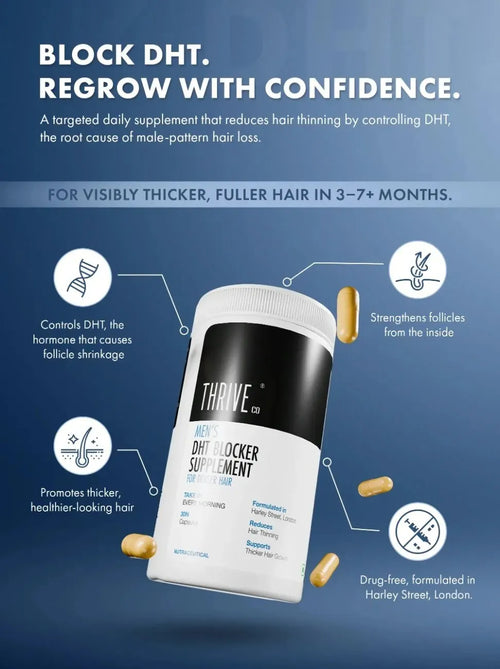
Credit: www.thriveco.in
Functional Mushrooms For Hair Regrowth
Stopping hair loss is important, but regrowing hair is the ultimate goal. Mushrooms support regrowth by improving blood flow, repairing follicles, and boosting cell health.
Lion’s Mane: Nerve Growth Factor
Lion’s Mane stimulates nerve growth factor (NGF), which helps repair damaged follicles. NGF is vital for healthy hair cycles. This mushroom may also help restore hair thickness.
Lion’s Mane can be especially helpful for people who have lost hair due to emotional shock, surgery, or scalp injuries. It helps nerve endings reconnect with hair follicles, which is essential for new growth.
Cordyceps: Boosts Oxygen And Energy
Cordyceps increases ATP (cell energy) and improves oxygen delivery. Healthy follicles need both to grow new hair.
If your hair grows slowly or you notice your scalp often feels cold, poor blood flow may be the issue. Cordyceps can help improve circulation, which brings nutrients and oxygen to the roots.
Chaga And Hair Pigmentation
Chaga’s melanin helps restore hair color and protect from UV damage. This can be important for people with thinning or greying hair.
Chaga’s support for hair color is often missed. If you notice your hair is losing its natural shade, adding chaga to your routine can slow this process.
| Mushroom | Regrowth Mechanism | Best Form |
|---|---|---|
| Lion’s Mane | Nerve repair, follicle regeneration | Extract, powder |
| Cordyceps | Blood flow, energy boost | Capsule, tincture |
| Chaga | Melanin, antioxidant | Tea, extract |
Practical Guide: Using Functional Mushrooms For Hair Loss
It’s not enough to know which mushrooms help. You need a practical plan. Here’s how to use functional mushrooms safely and effectively.
Choosing The Right Form
Mushrooms are available as:
- Extracts: Most potent; concentrated compounds.
- Powders: Easy to mix in drinks or food.
- Capsules: Convenient for daily use.
- Teas: Gentle, but less concentrated.
Non-obvious insight: Extracts often offer higher bioavailability. Powders are good for maintenance, but extracts are better for targeted effects.
When starting, try one form at a time to see how your body reacts. Some people are sensitive to new supplements. If you prefer to avoid pills, teas and powders can be added to smoothies, soups, or coffee.
Dosage And Timing
Dosage varies by mushroom and form. Most people start with:
- Reishi: 500–2000 mg/day
- Cordyceps: 500–1500 mg/day
- Lion’s Mane: 500–1000 mg/day
- Maitake: 300–1000 mg/day
Take mushrooms consistently for at least 3–6 months. Hair growth is slow, so patience is key.
For best results, split your daily dose into two—morning and evening. This keeps active compounds in your system longer. Always follow product instructions and consult your healthcare provider if you have any health issues.
Combining Mushrooms
Mushroom blends can provide multiple benefits. For example, a mix of reishi, cordyceps, and lion’s mane covers DHT blocking, inflammation, and regrowth.
Tip: Look for blends that list the mushroom species and extract ratio (e.g., 10:1 extract).
If you are new to mushrooms, start with one type and add more over time. This helps you track which one gives you the best results.
Lifestyle Factors
Mushrooms work best with healthy habits:
- Eat a balanced diet rich in protein, iron, and zinc.
- Avoid harsh hair treatments and chemical shampoos.
- Manage stress—chronic stress increases inflammation and DHT.
- Exercise to boost blood flow to the scalp.
Good sleep is also important. Hair repair happens mostly at night. Try to get at least 7–8 hours of quality sleep. If stress is a problem, consider meditation or breathing exercises.
Common Mistakes
Many beginners make these mistakes:
- Using mushrooms for only a few weeks—results take months.
- Choosing low-quality products—look for lab-tested extracts.
- Ignoring lifestyle—mushrooms alone can’t fix poor nutrition or stress.
Some also take too high a dose, hoping for faster results. This can cause digestive issues. Always start low and increase slowly.
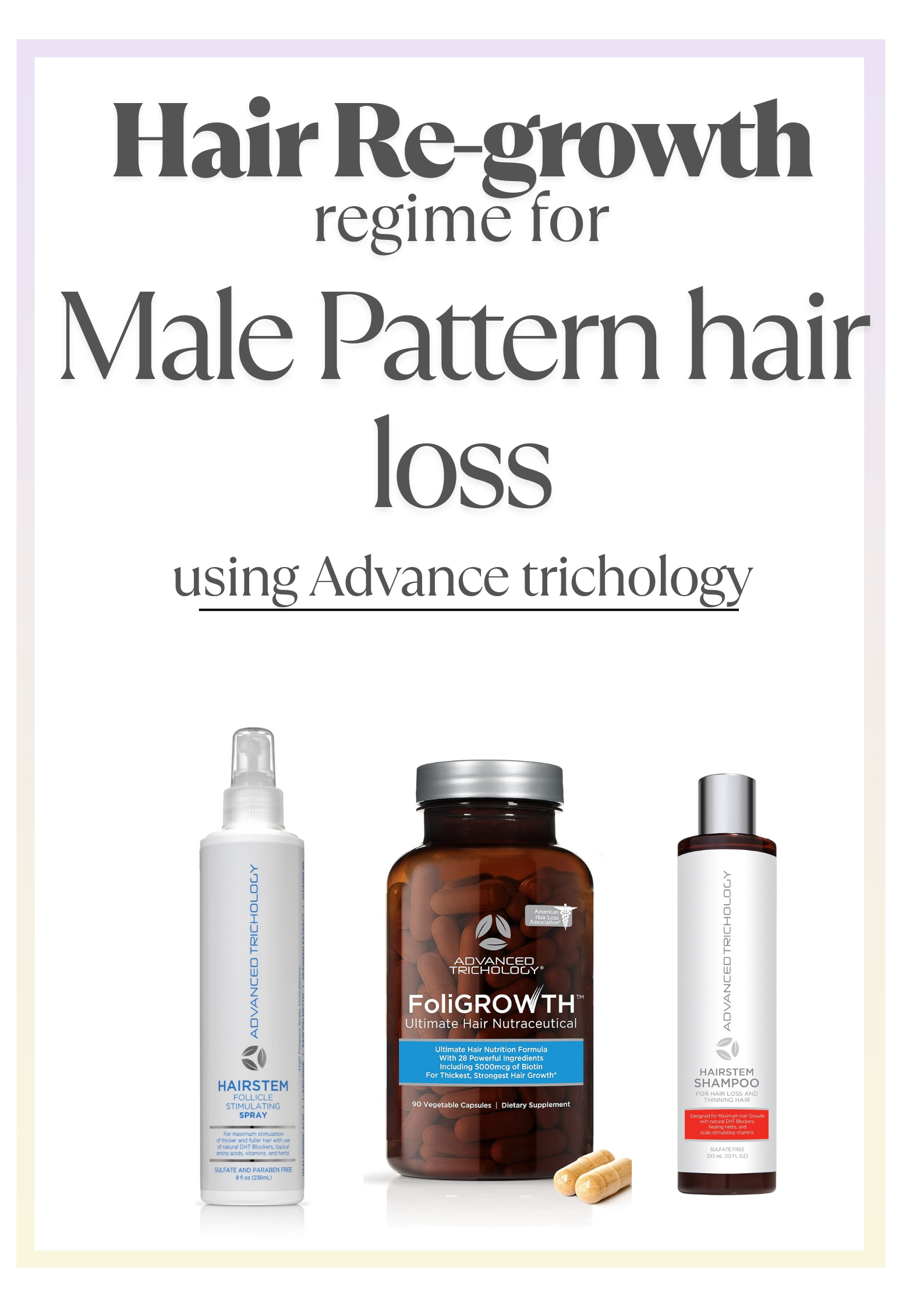
Credit: www.dermatocare.com
Scientific Evidence And Research
Research on functional mushrooms for hair loss is still growing, but there are promising studies.
- Reishi: A 2012 study showed that reishi extract inhibited 5-alpha reductase, lowering DHT production. This is similar to the action of finasteride, a common hair loss drug.
- Lion’s Mane: Animal studies found that lion’s mane promoted nerve growth and repair, which may help restore damaged hair follicles.
- Cordyceps: Human studies show that cordyceps improves oxygen flow and reduces inflammation, supporting scalp health.
While more human studies are needed, the evidence suggests real benefits. For more scientific details, see this research paper.
Some researchers are now testing mushroom-based shampoos and topical lotions. Early results are promising, especially for people with mild to moderate hair loss. As more studies are published, we will understand which combinations and doses work best.
Functional Mushrooms Vs. Conventional Treatments
Hair loss treatments include drugs, shampoos, and supplements. How do mushrooms compare?
| Treatment Type | Main Action | Side Effects | Long-Term Safety |
|---|---|---|---|
| Functional Mushrooms | DHT blocking, anti-inflammatory, regrowth | Low; mild digestive issues | High |
| Finasteride | Blocks DHT | Sexual dysfunction, mood changes | Medium |
| Minoxidil | Improves blood flow | Scalp irritation, heart palpitations | Medium |
| Hair Transplant | Physical regrowth | Pain, infection, scarring | Medium |
Mushrooms offer a natural approach with fewer side effects. They work best as part of a broader plan, not as a miracle cure.
One advantage is that functional mushrooms also benefit other parts of your health, such as immunity, energy, and brain function. Conventional drugs usually target just one problem.

Credit: gomushrooms.com
Who Should Use Functional Mushrooms?
Functional mushrooms are safe for most adults. They are best for people with mild to moderate hair loss, especially those who want to avoid drugs. People with severe hair loss should consult a doctor before starting any supplement.
Note: If you have allergies to mushrooms, avoid these supplements. Pregnant or breastfeeding women should also check with their doctor.
Children and teens should not use mushroom supplements unless recommended by a healthcare provider, as safety has not been well studied in these groups.
Potential Side Effects And Safety
Most functional mushrooms are safe when used as directed. Side effects are rare but can include:
- Mild digestive upset
- Allergic reactions (especially with high doses)
- Interaction with medications (blood thinners, immune drugs)
Always start with a low dose and increase slowly. If you notice any side effects, stop and consult a healthcare professional.
Non-obvious insight: Some mushroom extracts can contain hidden fillers or contaminants. Always buy from reputable brands with third-party testing.
If you take medications for blood pressure, immune problems, or diabetes, talk to your doctor before starting mushrooms, as they can change how your body processes drugs.
Functional Mushrooms: Real-world Stories
Many people have seen improvements in hair health after using functional mushrooms. Here are a few examples:
- Anna, 34: Used a reishi and lion’s mane blend for 6 months. Saw less shedding and new hair growth along her hairline.
- Mark, 48: Added cordyceps to his routine. Noticed thicker hair and improved scalp health after 4 months.
- Jin, 29: Used maitake and shiitake extracts. Saw better hair color and strength, especially after reducing stress.
Some users also report better skin, more energy, and improved focus. This is likely because mushrooms help balance the whole body, not just the hair.
These stories show that results vary. Consistency, quality, and lifestyle are key factors.
Myths And Misconceptions
There are many myths about mushrooms and hair loss:
- “Mushrooms work instantly.” False—results take time.
- “Any mushroom will help.” False—only functional mushrooms have these effects.
- “Mushrooms can replace all treatments.” False—they work best alongside other healthy habits.
Another myth is that mushrooms are dangerous or toxic. In fact, functional mushrooms have been safely used for centuries in traditional medicine around the world.
Future Research And Trends
Interest in functional mushrooms is rising. More studies are looking at their effects on hair loss, especially in combination with other natural ingredients. New formulations may offer even better results.
Emerging trends:
- Combining mushrooms with herbs like saw palmetto or stinging nettle
- Using topical mushroom extracts in shampoos and serums
- Personalized mushroom blends based on genetic tests
Researchers are also testing how mushrooms can help with other types of hair loss, such as alopecia areata and telogen effluvium. Early results look promising, but more large studies are needed.
Frequently Asked Questions
What Is Dht And Why Does It Cause Hair Loss?
DHT stands for dihydrotestosterone. It is a hormone made from testosterone. High DHT levels shrink hair follicles, causing hair to thin and fall out. Blocking DHT can help slow hair loss.
Which Functional Mushroom Is Best For Blocking Dht?
Reishi mushroom is most effective for blocking DHT. It contains triterpenes that reduce the activity of 5-alpha reductase, the enzyme that creates DHT.
How Long Does It Take To See Results From Functional Mushrooms?
Results usually take 3–6 months. Hair growth is slow, and mushrooms work gradually. Consistency is important for best results.
Can I Use Functional Mushrooms With Other Hair Loss Treatments?
Yes, you can combine mushrooms with other treatments like minoxidil or hair-friendly diets. Mushrooms often improve results when used with healthy habits.
Are Functional Mushrooms Safe For Everyone?
Most adults can use functional mushrooms safely. If you have allergies, are pregnant, or take medications, check with your doctor first.
Functional mushrooms offer a promising, natural way to support hair health. They help by blocking DHT, reducing inflammation, and supporting regrowth. While they are not a magic cure, they can make a real difference when used consistently and alongside a healthy lifestyle.
As research grows, these mushrooms may become a key part of hair loss solutions for millions. If you’re looking for a gentle, effective approach, functional mushrooms are worth considering.