
Scaling up mushroom production is a dream for many hobby growers. The process can look simple from the outside—just more bags, more shelves, more mushrooms. But when you move from a small setup to a real commercial operation, everything changes.
Costs multiply, mistakes get expensive, and new challenges appear. Still, thousands of successful mushroom farms around the world prove it’s possible. With the right strategy, your passion for mushrooms can turn into a reliable, profitable business.
If you want to grow beyond your home hobby, you’ll need to rethink every step—from sourcing raw materials to selling your harvest. This guide walks you through everything: planning, infrastructure, legal steps, choosing varieties, scaling production, quality control, marketing, and more. You’ll get practical advice, real examples, and a roadmap you can adapt to your needs. Even if you’re not an expert in agriculture or business, you’ll find clear steps and solutions to help you avoid common pitfalls and make your mushroom business thrive.
Planning Your Commercial Mushroom Business
Turning a hobby into a business starts with a clear plan. Many new growers skip this, thinking their passion and knowledge are enough. But without a plan, it’s easy to run into trouble.
First, set your goals. Do you want a small, part-time income, or a full-scale commercial farm? Write down your target market: Are you selling to local restaurants, supermarkets, or farmers’ markets? Next, research your area. Are there already many mushroom farms? What types of mushrooms are most popular?
A common beginner mistake is underestimating costs. List every expense you can think of—substrate, bags, shelves, climate control, labor, packaging, and delivery. Then, check your expected income based on market prices. Don’t forget hidden costs like equipment repairs, failed crops, or delays in sales.
Finally, consider the scale. Many experts suggest starting with a pilot batch at a larger scale (for example, 100-200 kg per week) before investing everything in a big facility. This lets you find weaknesses in your process with lower risk.
Legal And Regulatory Steps
Commercial mushroom farming is a real business, and that means legal responsibilities. Missing these can stop your operation, or even cause heavy fines.
First, check your country’s and region’s agriculture regulations. You may need a business license, a food safety certificate, or registration with local authorities. For example, in the US and EU, food safety regulations are strict—inspectors may visit your facility to check cleanliness and traceability.
If you plan to sell to supermarkets or restaurants, you’ll likely need to meet extra rules for food handling and packaging. This can include regular lab testing for pathogens, clear labeling, and traceability systems (knowing exactly where each batch came from).
Another important point is zoning and building codes. Your mushroom farm may need to be located on land zoned for agriculture or food production. If you’re using a part of your home, check local rules first—some areas do not allow commercial activities in residential zones.
It’s smart to talk with a local agricultural extension officer or a business lawyer before investing in a commercial-scale operation.

Credit: www.midwestgrowkits.com
Choosing The Right Mushroom Varieties
The next step is deciding which mushrooms to grow. Your choice will affect everything—production methods, equipment needs, market price, and risk.
Some of the most popular commercial mushrooms include:
- Oyster mushrooms (Pleurotus species): Easy to grow, fast cycles, high yield, popular in local markets.
- Button mushrooms (Agaricus bisporus): Most common worldwide, but need precise climate control, higher investment.
- Shiitake mushrooms (Lentinula edodes): High value, require longer incubation, woody substrates.
- King oyster (Pleurotus eryngii): Larger, meatier, growing demand in gourmet restaurants.
- Enoki, Lion’s mane, Maitake, and others: Niche markets, often fetch higher prices but may be harder to grow at scale.
When choosing, ask these questions:
- What is the market demand in your area?
- Can you get reliable, disease-free spawn for your chosen variety?
- Do you have the right climate, or will you need heavy climate control?
- How long is the growing cycle? Shorter cycles mean more harvests per year.
Many commercial growers start with oyster mushrooms because they’re forgiving and sell well. Once you master your process, you can add other varieties. This reduces risk and lets you test new markets without a full switch.
Infrastructure: From Home Setup To Commercial Farm
Scaling up means more than just adding shelves. You need to rethink your infrastructure for efficiency, safety, and cost.
Facility Layout And Design
A good layout minimizes labor and reduces contamination risk. At the hobby level, you can work anywhere. At commercial scale, every step needs its own space:
- Substrate preparation area: Clean and separate from growing rooms to avoid contamination.
- Inoculation room: Sterile as possible, with good air filtration.
- Incubation area: Dark, climate-controlled, with space for batch rotation.
- Fruiting chambers: Humidity and temperature controlled, easy to clean and harvest.
- Packaging and cold storage: Near the exit for quick delivery.
Plan for workflow efficiency—materials should move in one direction, from raw to finished product, with no backtracking.
Climate Control
Mushrooms need the right temperature, humidity, and CO2 levels at each stage. At small scale, you might use home heaters, humidifiers, or open windows. For commercial scale, invest in:
- Industrial humidifiers and dehumidifiers
- Air exchange systems (fans, HEPA filters)
- Automated temperature control (air conditioners, heating systems)
Automated systems save labor and keep conditions stable, reducing crop losses.
Substrate Handling Equipment
Mixing substrate by hand is slow and inconsistent. For larger production, use:
- Drum mixers or cement mixers for bulk substrate
- Pasteurization units (hot water tanks, steamers, or chemical baths)
- Bagging machines for filling grow bags quickly
Some growers invest in conveyor belts or trolleys to move heavy bags, reducing injuries and speeding up work.
Example Facility Size Comparison
Here’s a comparison of facility needs for different scales:
| Scale | Weekly Output | Space Needed | Labor Needed | Climate Control |
|---|---|---|---|---|
| Hobby | 5-10 kg | 1 room (10-20 m²) | 1 person | Basic |
| Small Commercial | 50-200 kg | 50-100 m² | 1-2 people | Partial automation |
| Full Commercial | 500+ kg | 200+ m² | 3+ people | Full automation |
Sourcing Materials And Spawn At Scale
At small scale, you can buy bags, substrate, and spawn from hobby suppliers. At commercial scale, the price and quality of these materials matter much more.
Substrate
The substrate is the food for your mushrooms. Popular choices include:
- Straw (wheat, rice, barley): Cheap and common, but needs pasteurization.
- Hardwood sawdust: Used for shiitake and some specialty mushrooms.
- Coffee grounds, corn cobs, cottonseed hulls: Alternative sources, often region-dependent.
Buying in bulk saves money, but you must ensure consistent quality. Wet, moldy, or contaminated substrate can ruin an entire crop. Build relationships with reliable suppliers, and always check deliveries.
Spawn
High-quality spawn is key to success. Avoid using old or contaminated spawn—it can lead to weak growth or crop failure.
For larger operations, you can:
- Buy commercial spawn in bulk from certified labs.
- Learn to make your own spawn (advanced, needs sterile lab and skills).
- Set up contracts with local labs for regular delivery.
Always test new spawn on a small batch before using it in your whole farm.
Packaging And Consumables
At scale, packaging becomes a major cost. Choose materials that keep mushrooms fresh and look professional. Many markets require food-grade plastic, but some buyers prefer eco-friendly options.
Tip: Order in bulk, but store packaging in a clean, dry area to avoid mold or pests.
Scaling Up Production: Step-by-step Process
Scaling is not just about doing more—it’s about doing smarter. Here’s how to scale up without losing control.
1. Standardize Your Process
Write down every step, from substrate mixing to harvesting. Use checklists and simple instructions. This lets you train new workers and keep quality stable.
2. Increase Batch Sizes Gradually
Don’t jump from 10 kg to 1,000 kg in one month. Double your batch size, fix new problems, then scale again. This reduces risk and helps you adapt your systems.
3. Automate Where Possible
Labor is expensive and inconsistent. Simple automation—like bagging machines, misting systems, or conveyor belts—can double your output with less effort.
4. Monitor And Record Everything
Keep records for:
- Temperature and humidity logs
- Substrate recipes and batch numbers
- Spawn sources and dates
- Harvest weights and quality
This helps you spot problems early and prove quality to buyers.
5. Build A Team
As you grow, you’ll need help. Hire workers who are reliable and can follow instructions. Train them well—cleanliness and consistency are more important than speed.
Quality Control And Contamination Management
One of the biggest challenges when scaling up is contamination. What worked in your hobby setup might fail at scale, where one bad batch can infect the whole room.
Cleanliness
- Clean all surfaces regularly with food-safe disinfectants.
- Wear clean clothes and hair covers in the growing area.
- Wash hands before handling substrate or mushrooms.
Air Quality
- Use HEPA filters if possible, especially in inoculation rooms.
- Avoid fans that blow unfiltered air across the room.
Batch Isolation
- Keep different batches in separate rooms or shelves.
- If you spot contamination (green, black, or pink molds), remove the affected bags immediately.
Testing
- Test your mushrooms for pathogens regularly, especially if selling to the public.
- Some buyers will require lab certificates for each batch.
Financial Management And Cost Control
Many new commercial growers underestimate the importance of financial management. A profitable farm tracks every dollar and keeps costs under control.
Track All Expenses
Use a spreadsheet or accounting software to log every expense—spawn, substrate, labor, utilities, packaging, and transport. This helps you find areas to cut costs.
Estimate Production Costs Per Kilogram
Knowing your cost per kg helps you set prices and identify waste. For example, if it costs you $2. 00 to produce 1 kg of mushrooms, but you sell for $1. 80, you’ll lose money on every sale.
Compare Major Costs
Here’s a typical cost breakdown for a small commercial oyster mushroom farm (per kg basis):
| Cost Item | Estimated $/kg | Notes |
|---|---|---|
| Spawn | $0.50 | Depends on supplier and variety |
| Substrate | $0.30 | Bulk pricing reduces cost |
| Labor | $0.40 | Can be reduced by automation |
| Utilities (energy, water) | $0.20 | Climate control is a big factor |
| Packaging | $0.15 | Food-grade plastic or paper |
| Transport | $0.10 | Local deliveries |
| Total | $1.65 |
Tip: Review costs every month to spot changes or opportunities to save.
Control Cash Flow
Mushroom farming often involves big upfront costs and delayed income (since crops take weeks to mature). Build a cash reserve to cover expenses during slow periods. Don’t depend on a single buyer—diversify your sales channels.
Marketing And Sales: Finding Your Customers
Growing mushrooms is only half the business—you also need to sell them. Many new commercial growers struggle here, expecting buyers to come to them.
Know Your Market
Research local demand. Visit restaurants, stores, and markets. Ask what types of mushrooms they buy, how much, and at what price. Try to find gaps in the market (for example, no one supplies fresh shiitake).
Branding And Packaging
At commercial scale, professional branding makes a big difference. Design attractive labels with:
- Your farm name and logo
- Product type (fresh oyster mushrooms, shiitake, etc.)
- Harvest date
- Storage instructions
Eye-catching, clean packaging inspires trust and can win buyers from competitors.
Sales Channels
Some common channels for commercial mushroom growers:
- Farmers’ markets: Direct sales, highest prices, but requires your time.
- Restaurants and cafes: Consistent orders, but often lower prices and strict quality demands.
- Supermarkets and groceries: Large volume, need regular supply and food safety certification.
- Online sales: Growing market, especially for specialty mushrooms and grow kits.
- Wholesale distributors: Buy in bulk, but prices are lowest.
Don’t rely on just one channel. Start with a few, then focus on those that bring the best profit.
Building Relationships
Visit buyers in person. Bring samples, explain your process, and show your passion. Many chefs and store owners love working with local growers who offer freshness and reliability.
Non-obvious insight: Offer to provide storage tips or simple mushroom recipes to your buyers—this builds trust and encourages repeat orders.
Risk Management And Problem Solving
Scaling up always brings new risks. The best commercial growers are good problem solvers and stay prepared for surprises.
Common Risks
- Crop failure from contamination or poor spawn
- Price drops in the local market
- Labor shortages or unreliable workers
- Equipment breakdowns (fans, humidifiers, pasteurizers)
- Regulatory changes (new food safety laws)
Solutions
- Diversify: Grow more than one mushroom type or sell to multiple markets.
- Keep backups: Have extra equipment (fans, pumps), and a list of trusted workers.
- Insurance: Consider farm or crop insurance if available in your area.
- Stay informed: Join local grower groups or online forums to learn about trends and new threats.
Practical tip: Keep detailed records of every problem and your solution. This builds your own “troubleshooting guide” for the future.
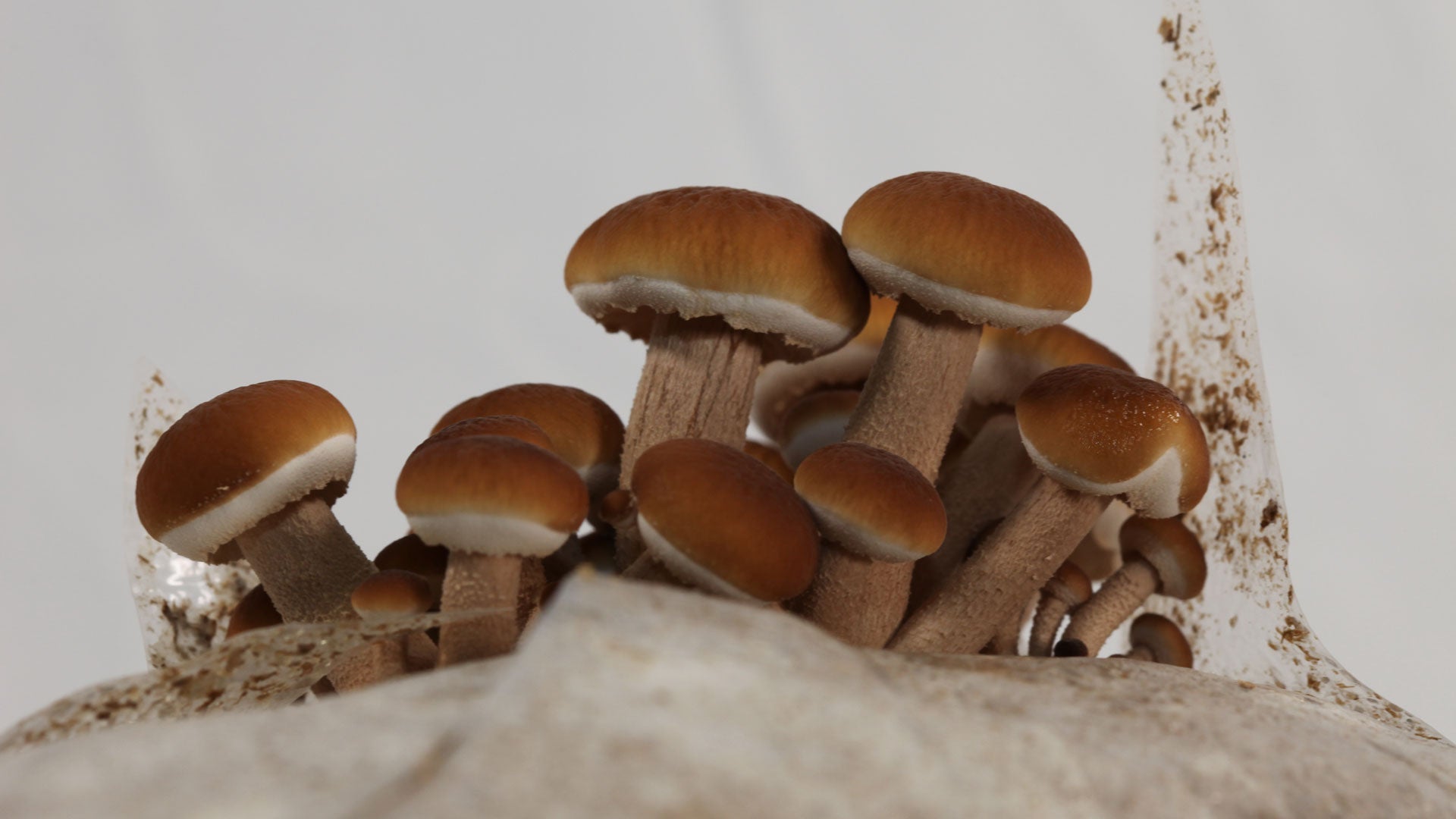
Credit: www.redwoodmushroomsupply.com
Environmental And Social Responsibility
Modern consumers and buyers care about the impact of their food. Commercial mushroom farming can be very sustainable if managed well.
Waste Management
Mushroom farms create waste, especially spent substrate. Instead of throwing it away, use it as compost for local farmers or gardeners. Some farms even sell their spent substrate as a soil amendment.
Energy And Water Use
Automated climate control uses energy and water. Invest in efficient systems and consider renewable options (solar panels, rainwater collection).
Worker Safety
Provide protective gear (masks, gloves) and regular training. Safe, happy workers are more productive and stay longer.
Community Engagement
Partner with local organizations or schools to teach about mushrooms and sustainable farming. This builds goodwill and can attract new buyers.
Scaling Up: Real-world Case Study
To show what scaling up looks like, here’s a simplified case based on real farms.
GreenCap Mushrooms started as a hobby in a garage, producing 5 kg/week of oyster mushrooms. After 2 years, demand from local restaurants grew, so they decided to scale up.
Steps taken:
- Rented a 100 m² warehouse
- Invested in bulk substrate and commercial spawn contracts
- Bought a drum mixer, bagging machine, and industrial humidifier
- Hired one full-time worker
- Gained food safety certification
- Launched a website with online ordering
Results after 1 year:
- Weekly output: 180 kg
- Sold to 12 restaurants and 2 supermarkets
- Average price: $4/kg
- Net profit margin: 25%
- Expanded to shiitake mushrooms in year 3
The key to their success? Careful planning, gradual scaling, and strong relationships with buyers.

Credit: lykyn.com
Advanced Tips For Sustainable Growth
As your farm grows, keep improving. Here are two insights many miss:
- Invest in Research and Development: Test new substrate mixes, mushroom varieties, or growing techniques on a small scale. This can give you a competitive edge and reduce costs.
- Data-Driven Decisions: Use digital tools to track yields, quality, and sales. Analyzing data helps you spot trends, forecast demand, and avoid mistakes.
Also, keep learning from other growers. Visit successful farms, attend conferences, and read scientific papers. The mushroom industry changes fast, and staying informed helps you stay ahead.
For more technical and up-to-date information on mushroom cultivation, you can check resources like Wikipedia’s Mushroom Cultivation page.
Frequently Asked Questions
What Is The Best Mushroom Variety For Commercial Production?
Oyster mushrooms are often the best starting point. They grow fast, are less demanding, and have strong market demand. Once your process is stable, consider adding shiitake or specialty varieties for higher profits.
How Much Money Do I Need To Start A Small Commercial Mushroom Farm?
For a small operation (producing 50-200 kg per week), initial costs usually range from $5,000 to $25,000. This covers rent, equipment, substrate, spawn, and basic climate control. Costs vary by location and chosen scale.
How Do I Prevent Contamination When Scaling Up?
Focus on cleanliness, good airflow, and batch isolation. Invest in HEPA filters for sensitive areas, and train your staff in hygiene practices. Test every new batch of spawn on a small scale before full use.
What Is The Biggest Mistake Beginners Make When Scaling Up?
Many try to grow too fast without standardizing their process or understanding their costs. This leads to lost crops, wasted money, or missed sales. Gradual scaling and careful record-keeping prevent most problems.
Can I Run A Commercial Mushroom Farm Part-time?
Yes, but only at a small scale. As you grow, daily attention is needed for climate control, harvesting, and sales. Many successful growers start part-time, then move to full-time as demand grows.
Scaling up mushroom production is a journey with real challenges, but also great rewards. With clear planning, smart investment, and a focus on quality, your hobby can become a thriving business that feeds your community and brings you lasting success.