
Shiitake mushrooms have quietly become a favorite in kitchens around the world. Not only do they bring an earthy, umami-rich taste to food, but they also offer an impressive list of health benefits. Many cooks and health seekers now call shiitake the most versatile medicinal mushroom you can keep in your kitchen. But why is shiitake so special, and how can you make the most of it in your daily life? Let’s explore the unique power of this mushroom, from flavor to healing, and discover why it stands out among all other fungi.
The Unique Flavor Power Of Shiitake
One of the first things you notice about shiitake is its bold, savory taste. When you cook with shiitake, it transforms simple dishes into something rich and satisfying. The mushroom’s flavor profile is often described as umami, which is sometimes called the “fifth taste” after sweet, salty, sour, and bitter.
Unlike button or cremini mushrooms, shiitake has a deeper, almost meaty taste. This quality makes it perfect for both vegetarian and meat-based dishes. Its chewy texture means it holds up well in stir-fries, soups, and sautés. Even when dried and rehydrated, shiitake keeps its strong flavor, making it a pantry staple.
Many chefs use shiitake to replace meat in recipes, thanks to its hearty bite and rich taste. It can be grilled, roasted, or stewed, and always brings a satisfying depth to the dish. For people looking to cut down on animal products but not on flavor, shiitake is a clear winner.
A Rich History Of Healing
Shiitake mushrooms have a long tradition in Asian medicine. For over a thousand years, people in China and Japan have used shiitake not just as food, but also as a remedy. Ancient texts mention shiitake as a tonic for health and longevity.
Today, modern science is catching up with tradition. Shiitake contains several compounds that support the body’s immune system, fight inflammation, and even help lower cholesterol. The mushroom’s healing power is one reason why it’s found in both kitchens and supplement stores.
What makes shiitake different from other medicinal mushrooms like reishi or chaga is its balance between food and medicine. While some mushrooms are too bitter or woody for everyday cooking, shiitake is both delicious and beneficial. You get health support without having to swallow pills or drink strange teas.

Credit: www.annandachaga.com
Nutritional Brilliance: What’s Inside Shiitake?
When you look at shiitake’s nutrition profile, it’s easy to see why it’s called a superfood. Shiitake is low in calories but high in vitamins, minerals, and fiber. Here’s a closer look at the nutrients you get from 100 grams of raw shiitake mushrooms:
| Nutrient | Amount | % Daily Value (Approx.) |
|---|---|---|
| Calories | 34 kcal | 2% |
| Protein | 2.2 g | 4% |
| Fiber | 2.5 g | 10% |
| Vitamin B5 | 3.9 mg | 78% |
| Vitamin D | 0.2 mcg | 1% |
| Copper | 0.9 mg | 45% |
| Selenium | 2.5 mcg | 5% |
| Zinc | 1.0 mg | 9% |
What stands out most is the high amount of vitamin B5 (pantothenic acid) and copper. These nutrients support energy production and healthy blood. Shiitake is also one of the few plant sources of vitamin D, especially if exposed to sunlight before harvest. While the vitamin D content is not as high as in supplements, it adds up if you eat shiitake often.
Another advantage is the presence of beta-glucans—special fibers that support the immune system. These fibers also help lower cholesterol and balance blood sugar. Many people miss the fact that cooking shiitake does not destroy these fibers, so you can enjoy the health benefits in cooked dishes.
Shiitake Vs. Other Medicinal Mushrooms
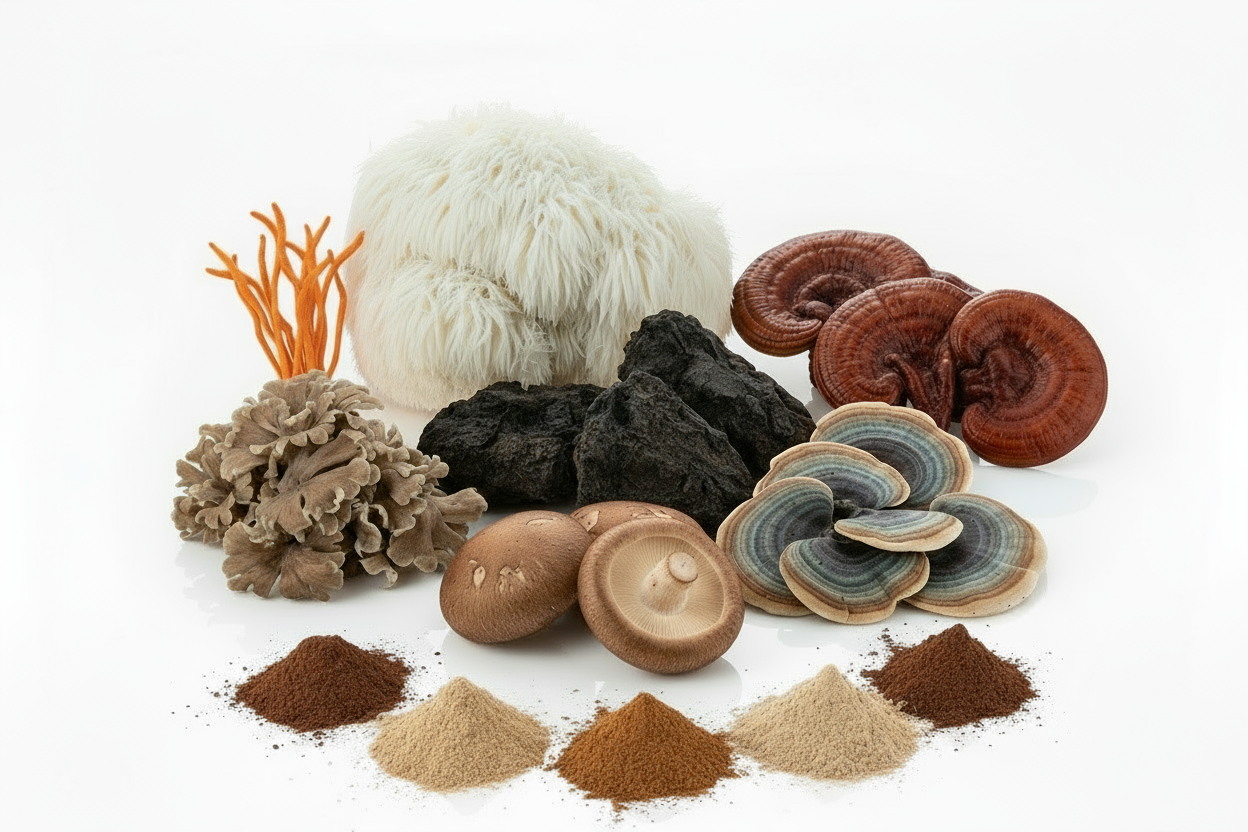
You may have heard about other powerful mushrooms like reishi, lion’s mane, or cordyceps. Each has its own special health effects, but shiitake is unique because it fits so easily into everyday meals.
Here’s a look at how shiitake compares to other popular medicinal mushrooms:
| Mushroom | Main Benefit | Common Use | Kitchen Versatility |
|---|---|---|---|
| Shiitake | Immune, heart, flavor | Cooking & medicine | Very High |
| Reishi | Stress, immune, sleep | Tea, powder | Low |
| Lion’s Mane | Brain support | Cooking, powder | Medium |
| Cordyceps | Energy, stamina | Capsules, tea | Low |
| Maitake | Blood sugar, immune | Cooking | High |
While reishi and cordyceps are popular for their health claims, they are often too bitter or woody for regular cooking. Shiitake, in contrast, is both delicious and medicinal. You can add it to almost any dish, from eggs to pasta, and still get its health advantages.
Credit: www.annandachaga.com
Cooking With Shiitake: Endless Possibilities
If you ask a chef which mushroom they use most in the kitchen, shiitake is often the answer. Its wide range of uses is why many call it the most versatile. Here are some of the top ways you can use shiitake at home:
- Stir-fries – Shiitake slices cook quickly and add meaty texture to any vegetable or meat stir-fry.
- Soups and broths – The mushroom’s deep flavor enriches broths, miso soup, and noodle dishes.
- Grilled or roasted – Whole caps hold up well on the grill or in the oven, soaking up marinades and becoming even tastier.
- Risotto and pasta – Sautéed shiitake adds a rich taste to rice and pasta dishes.
- Pizza topping – For a twist on classic pizza, use shiitake instead of pepperoni or sausage.
- Stuffed mushrooms – Large shiitake caps can be filled with grains, cheese, or herbs and baked.
- Vegan “bacon” – Thin strips, seasoned and baked, become crispy and smoky, perfect for plant-based diets.
- Salads – Lightly sautéed shiitake brings warmth and flavor to green salads.
- Egg dishes – Add to omelets, frittatas, or scrambled eggs for extra nutrition.
- Dumplings and spring rolls – Chopped shiitake adds depth to fillings and pairs well with other vegetables.
Many people don’t realize that the stems, though tougher than the caps, can be used in broths for extra flavor. Don’t throw them out—just simmer and strain for a delicious mushroom stock.
Shiitake’s Role In Global Cuisines
Shiitake’s popularity is not limited to Asia. Over time, it has spread to kitchens worldwide. In Japanese cooking, shiitake is used in dishes like nabemono (hot pot), ramen, and tempura. In Chinese cuisine, it stars in stir-fries, steamed buns, and herbal soups.
Western chefs love shiitake for its ability to replace meat or boost the flavor of vegetarian dishes. In France, shiitake is often sautéed with butter and garlic. In Italy, you’ll find it in risottos and pasta sauces.
Surprisingly, shiitake even appears in Latin American cooking, where it’s added to tacos, quesadillas, and salsas for an earthy twist. Its adaptability makes it a global favorite.
Powerful Compounds In Shiitake
Most people know mushrooms are healthy, but few understand why. Shiitake contains many special compounds that give it both flavor and healing properties. Here are some of the main bioactive ingredients:
- Lentinan: A unique beta-glucan fiber that boosts immune cells and is studied for cancer support.
- Eritadenine: Helps lower cholesterol by blocking its absorption in the body.
- Ergothioneine: An antioxidant that protects cells from stress and aging.
- Polysaccharides: Support gut health and help control blood sugar.
What’s special is that these compounds remain stable during cooking, so you don’t lose them when preparing shiitake in meals. In fact, some nutrients are easier to absorb after cooking.
A non-obvious insight: If you want more vitamin D from shiitake, leave the fresh mushrooms in sunlight for an hour before cooking. This simple step increases their vitamin D content dramatically.
Shiitake For Immunity And Disease Prevention
Science now confirms what traditional medicine has said for centuries: shiitake is good for your immune system. The main reason is lentinan, the mushroom’s famous beta-glucan. Studies show that lentinan can:
- Stimulate white blood cells to fight viruses and bacteria
- Reduce inflammation in the body
- Support recovery from illness
In Japan, lentinan is even used as part of cancer therapy. It is given alongside chemotherapy to help patients recover faster and improve their quality of life.
Another key point is shiitake’s effect on cholesterol. The compound eritadenine helps the body remove LDL (“bad”) cholesterol, supporting a healthy heart.
Few people realize that eating shiitake a few times a week can make a real difference in immune function, especially during cold and flu season.
Shiitake For Gut Health And Digestion
A healthy gut is linked to strong immunity, clear skin, and balanced mood. Shiitake supports gut health in several ways:
- The mushroom’s fiber feeds good bacteria in your gut, helping them grow.
- Beta-glucans act as prebiotics, supporting a balanced microbiome.
- Shiitake is low in fat and easy to digest, making it suitable for sensitive stomachs.
Some research shows that shiitake can help reduce constipation and improve regularity. For people with digestive problems, adding shiitake to soups or stews is a gentle way to get more fiber.
An often-missed tip: Use both the caps and stems in broths. The extra fiber in the stems supports digestion even more.
Shiitake For Plant-based And Special Diets
With more people choosing vegetarian, vegan, and gluten-free diets, shiitake has become a kitchen hero. Here’s why:
- Protein boost: While not as high as beans or tofu, shiitake adds extra protein to plant-based meals.
- Umami flavor: Many plant-based dishes lack the “meaty” taste people crave. Shiitake fills this gap without animal products.
- Gluten-free: Naturally free of gluten, shiitake is safe for people with celiac disease.
- Low in calories: Great for weight management.
Shiitake also works well in low-carb and keto recipes. Since it’s low in sugar and starch, it fits into many special diets without a problem.
Many cooks miss the fact that dried shiitake is just as nutritious as fresh, and often has an even stronger flavor. It also lasts for months in your pantry.
Credit: antioxi-supplements.com
Shiitake In Supplement Form: Pills, Powders, And Extracts
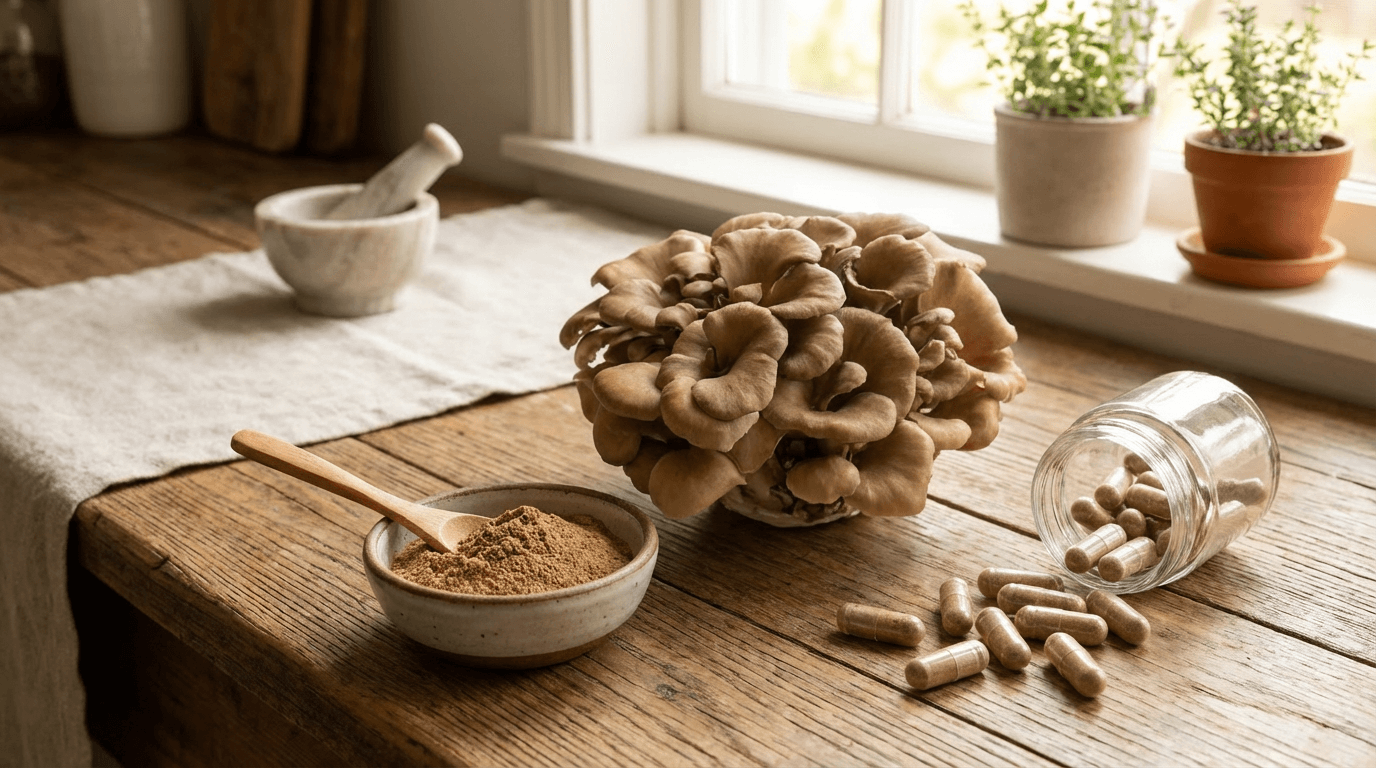
You don’t have to eat shiitake only as a food. There are many shiitake supplements on the market, including capsules, powders, and extracts. These are made from the whole mushroom or from concentrated compounds like lentinan.
Supplements can be useful if you want a higher dose of the mushroom’s active ingredients or if you don’t have fresh shiitake nearby. They’re popular for supporting immunity, heart health, and general wellness.
However, supplements are not a replacement for whole food. You get the full range of nutrients, fiber, and taste only when you cook with shiitake. If you do choose a supplement, look for trusted brands and products tested for quality.
A little-known tip: Some powders can be stirred into soups, stews, or smoothies. This is an easy way to add extra nutrition without changing the flavor too much.
Dried Vs. Fresh Shiitake: Which Is Better?
Both forms have their place in the kitchen. Fresh shiitake is juicy, tender, and has a milder taste. It’s perfect for quick sautés, grilling, or adding to salads. Dried shiitake, on the other hand, has a more concentrated, smoky flavor.
It’s ideal for long-cooked dishes like soups, stews, and braises.
Here’s a quick comparison:
| Feature | Fresh Shiitake | Dried Shiitake |
|---|---|---|
| Flavor | Mild, earthy | Strong, smoky |
| Texture | Soft, tender | Chewy, firm after soaking |
| Shelf Life | 1 week (refrigerated) | Months (pantry) |
| Best Uses | Quick-cook dishes | Soups, broths, slow-cook |
| Nutrition | High | High (may increase after soaking) |
A non-obvious insight: Save the soaking water from dried shiitake and use it as a base for soups or sauces. It’s packed with flavor and nutrients.
How To Choose And Store Shiitake
Getting the best from shiitake starts with choosing quality mushrooms. When buying fresh shiitake, look for:
- Firm, plump caps without wrinkles
- A light, earthy smell
- Dry (not slimy) surfaces
Avoid mushrooms that feel sticky or have dark spots. For dried shiitake, choose whole caps that are not broken or dusty.
Storage tips:
- Fresh shiitake: Keep in a paper bag in the fridge. Use within a week.
- Dried shiitake: Store in a cool, dry place. They keep for several months.
To rehydrate dried shiitake, soak them in warm water for 20–30 minutes. Squeeze out extra water before cooking.
A common mistake is to throw away the tough stems of shiitake. Instead, freeze them and use for making broth.
Shiitake Allergies And Safety
Shiitake is safe for most people, but a few may have an allergy or sensitivity. Rarely, eating raw or undercooked shiitake can cause a skin reaction called shiitake dermatitis—an itchy rash. Cooking destroys the compound that causes this reaction.
To stay safe:
- Always cook shiitake before eating.
- Try a small amount first if you’ve never eaten it before.
- If you have a mushroom allergy, ask your doctor before adding shiitake to your diet.
For most people, shiitake is well-tolerated and brings only benefits.
Sustainable And Easy To Grow
Another reason for shiitake’s popularity is its sustainability. Shiitake grows well on logs or sawdust, often indoors or in small spaces. This means you can even grow your own at home with a kit.
Shiitake farming uses less land and water compared to animal protein. It can be part of a more eco-friendly diet.
Many beginners miss the fact that homegrown shiitake often tastes better and has more nutrients than store-bought. Plus, growing your own mushrooms is fun and educational.
Shiitake In Traditional And Modern Medicine
For centuries, shiitake has been used in both food therapy and formal medicine. In China, it’s part of herbal formulas to boost energy, fight infections, and support long life. In Japan, extracts of shiitake are used in hospitals as part of cancer care.
Modern research confirms many of these uses. For example, studies show that shiitake extracts can:
- Reduce tumor size (in some animal studies)
- Improve recovery after illness
- Lower blood pressure and cholesterol
You can read more about shiitake’s medicinal uses on Wikipedia.
It’s important to remember that while shiitake is powerful, it’s not a cure-all. It works best as part of a balanced diet and healthy lifestyle.
Cooking Tips And Common Mistakes
Getting the best from shiitake is simple, but a few tips can help:
- Clean mushrooms with a damp cloth, not under running water. They absorb water quickly.
- Slice caps evenly for even cooking.
- Use high heat for sautéing to bring out the umami flavor.
- Add shiitake near the end of soup cooking to keep their texture.
- Don’t overcook—shiitake can become rubbery if cooked too long.
Common mistakes to avoid:
- Discarding the soaking water from dried shiitake—this is pure flavor.
- Not removing the tough stems before cooking caps (but save stems for broth).
- Using shiitake raw in salads—always cook for safety and taste.
Shiitake Recipes For Every Kitchen
You don’t need special skills to use shiitake. Here are three simple recipes to get you started:
1. Shiitake Stir-fry
- 1 cup fresh shiitake, sliced
- 1 bell pepper, sliced
- 2 tbsp soy sauce
- 1 tsp sesame oil
- 1 clove garlic, minced
- 1 tsp ginger, minced
Heat sesame oil in a pan. Add garlic and ginger, cook until fragrant. Add shiitake and bell pepper, stir-fry for 3–4 minutes. Add soy sauce and cook 1 more minute. Serve with rice or noodles.
2. Shiitake Miso Soup
- 4 dried shiitake, soaked and sliced
- 3 cups vegetable broth
- 2 tbsp miso paste
- 1 green onion, chopped
- 1/2 block tofu, cubed
Bring broth to a boil. Add shiitake and tofu, simmer 5 minutes. Stir in miso paste and green onion. Serve hot.
3. Shiitake Risotto
- 1 cup arborio rice
- 2 cups fresh shiitake, sliced
- 1/2 onion, chopped
- 3 cups vegetable stock
- 2 tbsp olive oil
- 1/4 cup grated cheese (optional)
Heat oil, sauté onion and shiitake until soft. Add rice, stir 1 minute. Add stock, 1/2 cup at a time, stirring until absorbed. Repeat until rice is creamy. Stir in cheese if desired.
These recipes show just how easy it is to make shiitake part of your weekly meals.
The Economic Value Of Shiitake
Shiitake is not only a culinary and medicinal star—it’s also valuable for farmers and small businesses. Worldwide, shiitake is the second most cultivated mushroom after button mushrooms.
Asia produces over 80% of the world’s shiitake, but small growers in North America and Europe are catching up. Local, fresh shiitake is often more flavorful and can command a higher price at markets.
The growing popularity of plant-based diets has also increased demand for shiitake. Many restaurants now feature shiitake dishes, and grocery stores stock both fresh and dried forms.
A little-known fact: Shiitake farming can be profitable on a small scale, especially if you sell at farmers’ markets or to local chefs.
Shiitake For Kids And Families
Children often love the mild, nutty taste of shiitake. Adding mushrooms to family meals is a great way to boost nutrition without complaints.
Tips for serving shiitake to kids:
- Chop mushrooms small and mix into pasta or rice.
- Blend cooked shiitake into sauces or soups for picky eaters.
- Use as a pizza topping for a fun twist.
Shiitake is safe for children as long as it is cooked well.
Environmental And Ethical Benefits
Choosing shiitake is a step toward a more sustainable food system. Mushroom farming produces less carbon and uses fewer resources than raising animals.
For those concerned about ethics, shiitake is a plant-based food that supports both your health and the planet. Many organic and fair-trade options are available at stores and markets.
Shiitake’s Future: Research And Innovation
Scientists continue to study shiitake for new uses. Recent research looks at its:
- Potential to fight cancer
- Role in healthy aging and brain function
- Ability to improve the gut microbiome
Innovations include new varieties with higher vitamin D, powders for easy use, and even shiitake-based meat substitutes.
As interest in natural health grows, shiitake is likely to become even more important in both kitchens and medicine.
Frequently Asked Questions
What Makes Shiitake Different From Other Mushrooms?
Shiitake stands out for its rich umami flavor, chewy texture, and high content of special compounds like lentinan and eritadenine. It’s both a delicious food and a proven medicinal ingredient, which is rare among mushrooms.
Can I Eat Shiitake Raw?
It’s best to cook shiitake before eating. Raw shiitake can cause stomach upset and rarely, a skin rash called shiitake dermatitis. Cooking destroys the compounds that cause these problems and makes shiitake safe and tasty.
How Often Should I Eat Shiitake For Health Benefits?
Most studies suggest that eating shiitake 2–3 times a week can support immunity and heart health. Even small amounts in regular meals can make a difference over time.
Are Dried Shiitake As Healthy As Fresh?
Yes, dried shiitake keep most of their nutrients and even have a stronger flavor. Soaking them before cooking brings back their texture, and the soaking water is rich in nutrients.
Can I Grow Shiitake At Home?
Absolutely! Shiitake can be grown on logs or sawdust blocks at home, even in small spaces. Many garden stores sell easy-to-use kits. Homegrown shiitake are fresh, tasty, and cost-effective.
Shiitake’s perfect balance of flavor, nutrition, and healing power makes it a must-have for any kitchen. Whether you cook every day or just want to boost your health, this mushroom fits every diet, cuisine, and lifestyle. Give shiitake a try, and discover the world’s most versatile medicinal mushroom for yourself.