
The search for ways to improve flu vaccine effectiveness is more urgent than ever. Every year, millions are affected by influenza, and while vaccines help, their effectiveness can vary. This is where the Turkey Tail mushroom (Trametes versicolor) enters the story. Known for its unique, fan-shaped appearance and centuries of use in traditional medicine, this mushroom is now drawing the attention of scientists worldwide. Recent studies suggest that Turkey Tail may do more than boost general health—it might specifically enhance how well flu vaccines work.
Imagine a natural helper that not only supports your immune system but also makes your vaccination more powerful. For those who want better protection against the flu—especially children, seniors, and people with weaker immune systems—this could be a game changer.
But how does Turkey Tail mushroom influence vaccine efficacy? What does the science say? Are there real-world examples, and what should you know before using it? In this article, you’ll discover a clear, practical guide on the relationship between Turkey Tail mushrooms and flu vaccines.
Understanding Flu Vaccines And Their Challenges
The flu vaccine is a yearly shot designed to protect against the most common influenza viruses. It works by training your immune system to recognize and fight off the flu. However, the effectiveness of the vaccine is not always perfect.
Why Flu Vaccines Sometimes Fail
- Changing Viruses: Influenza viruses mutate rapidly. Each year, the vaccine is based on predictions of which strains will be most common, but sometimes the prediction misses the mark.
- Weaker Immune Response: Some people, especially the elderly or those with chronic illnesses, do not produce a strong immune response after vaccination.
- Vaccine Production: The way vaccines are made (for example, using eggs) can change their structure slightly, making them less effective.
A good example of this challenge was seen during the 2014–2015 flu season, when the main circulating flu strain changed after the vaccine recipe was decided. As a result, many vaccinated people still got sick. Even in years where the match is better, certain groups—like people over 65—may only get half the protection of younger, healthier adults.
Recent data from the Centers for Disease Control and Prevention (CDC) shows that flu vaccine effectiveness ranges from 40% to 60% in most years. This means that a significant number of people still get the flu even after getting vaccinated.
Importance Of Improved Efficacy
If we could boost the body’s response to the vaccine, fewer people would get sick, and serious complications would decrease. This is why the idea of using natural substances—like the Turkey Tail mushroom—to enhance vaccine efficacy is so exciting.
For instance, people with chronic illnesses such as diabetes or heart disease are more likely to suffer serious complications from the flu, even if vaccinated. Improving the immune response for these vulnerable groups could reduce hospitalizations and save lives. With new flu strains emerging, the need for better immune support has never been more important.
Turkey Tail Mushroom: Nature’s Immune Booster
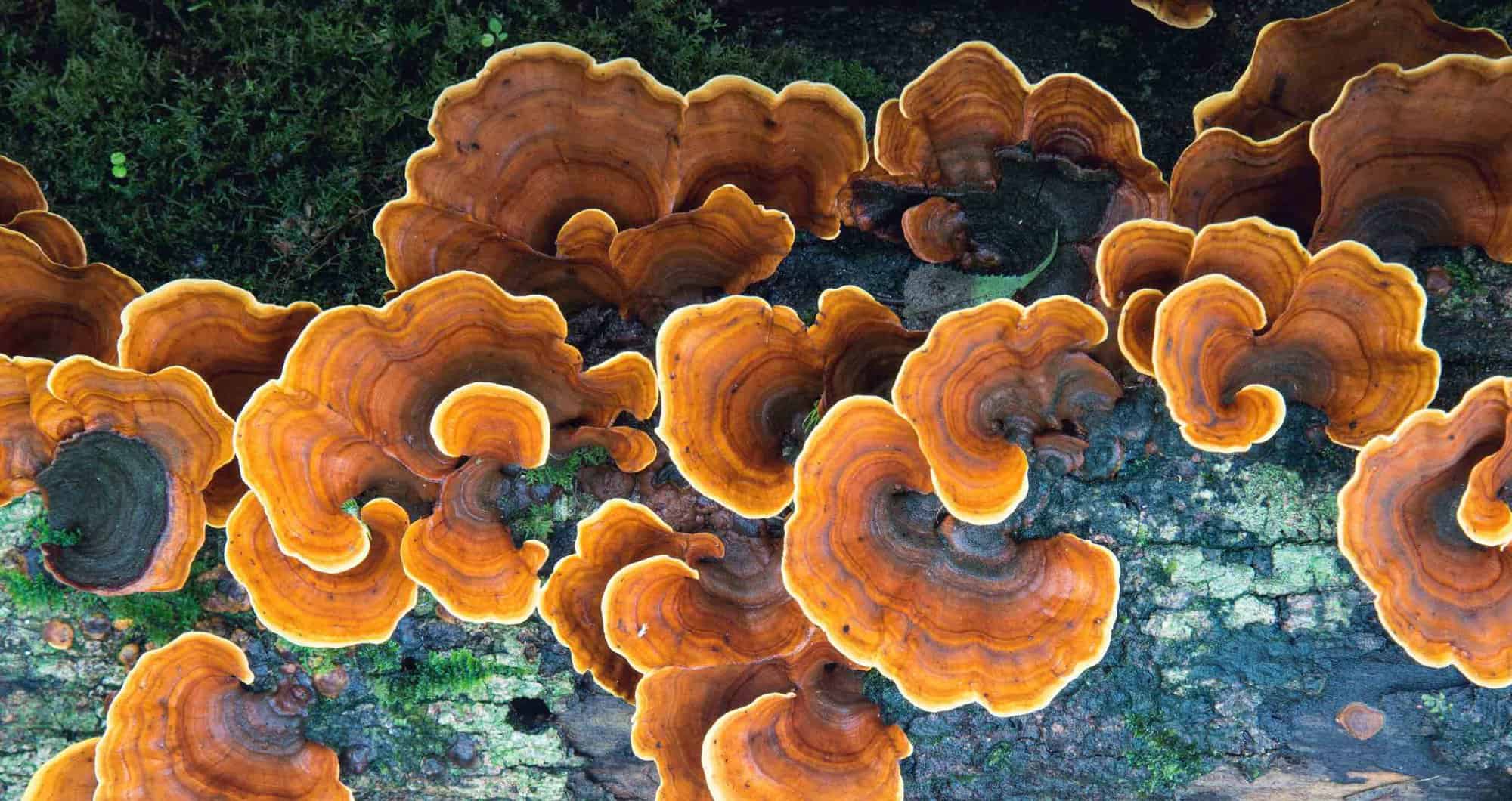
The Turkey Tail mushroom is a colorful, fan-shaped fungus found on decaying logs worldwide. In traditional Chinese medicine, it’s called Yun Zhi. In Japan, it’s known as Kawaratake. For centuries, it has been used to promote health and fight infections.
Key Compounds In Turkey Tail
Turkey Tail contains several powerful substances:
- Polysaccharopeptides (PSP and PSK): These are unique proteins with sugar molecules attached. They are the main reason Turkey Tail is famous for immune support.
- Beta-glucans: These complex sugars help activate different parts of the immune system.
- Antioxidants: These protect cells from damage caused by free radicals.
In addition, Turkey Tail contains other micronutrients such as selenium, copper, and potassium, which also play roles in supporting immune function. The presence of these nutrients is one reason why mushrooms, in general, are considered superfoods in many cultures.
These compounds interact with the immune system in ways that modern science is only beginning to understand.
Traditional And Modern Use
Turkey Tail is not just a folk remedy. In Japan, PSK (Polysaccharide-K) has been approved as a cancer treatment since the 1970s. People use Turkey Tail in teas, capsules, and extracts to support their overall health.
It’s also common in soups and broths in Chinese medicine, where it’s believed to increase energy (Qi) and fight fatigue. Modern integrative doctors often recommend Turkey Tail to patients recovering from illness or surgery, as it can help the body rebuild its defenses.
One interesting detail: In some hospitals in Asia, Turkey Tail extracts are given to patients alongside antibiotics to help prevent secondary infections.
How Turkey Tail Mushroom Interacts With The Immune System
To understand how Turkey Tail might make flu vaccines more effective, we need to look at how it interacts with the immune system.
Immune Modulation
Turkey Tail does not just “boost” the immune system blindly. Instead, it modulates immune responses, making them stronger or gentler as needed. Here’s how:
- Activates Macrophages: These are cells that “eat” foreign invaders like viruses.
- Stimulates Natural Killer (NK) Cells: These cells attack infected or abnormal cells in the body.
- Enhances Cytokine Production: Cytokines are signals that help immune cells communicate.
Turkey Tail also influences dendritic cells. These cells are like “sentinels” that pick up bits of viruses (antigens) and show them to other immune cells, teaching them what to attack. This is important for building strong, long-lasting immunity.
Scientific Evidence
A 2018 study published in *Frontiers in Immunology* found that Turkey Tail’s beta-glucans can improve both “innate” (immediate) and “adaptive” (long-term) immune responses. This is crucial for vaccines, which rely on both types of immunity.
Another study in the *International Journal of Molecular Sciences* showed that Turkey Tail extracts helped animals resist bacterial and viral infections by increasing the activity of T-cells and B-cells, the key “soldiers” of the immune system. These findings suggest that Turkey Tail doesn’t just make you feel healthier—it actually prepares your body to respond more efficiently to threats.
Non-obvious Insight
One important detail: Turkey Tail seems to help the body strike a balance. If your immune system is too weak, it gives it a boost. If it’s overactive, it helps calm things down. This is why Turkey Tail is called an immunomodulator, not just a booster.
For example, in autoimmune diseases (where the immune system attacks the body), Turkey Tail may help by reducing inflammation. On the other hand, in people recovering from infections, it can help rebuild immune strength without overstimulation.
The Science: Turkey Tail Mushroom And Vaccine Efficacy
Let’s dive deeper into what research says about Turkey Tail and flu vaccines.
Animal Studies
Several studies in mice have shown that adding Turkey Tail extracts to the flu vaccine can increase protection rates. For example, one experiment found that mice given both the vaccine and Turkey Tail had 80% higher antibody levels than those given the vaccine alone.
Another study tested Turkey Tail in combination with other immune-support mushrooms. Mice that received the combination had even higher resistance to the flu virus, suggesting that Turkey Tail can work well with other natural compounds.
Scientists also found that mice given Turkey Tail before exposure to the flu virus had faster recovery times and fewer complications, such as lung inflammation.
Human Studies
While human studies are less common, early results are promising. In a small clinical trial, adults who took Turkey Tail extract with their flu shot had higher levels of protective antibodies after four weeks compared to those who got just the vaccine. No serious side effects were reported.
Other pilot studies in cancer survivors and elderly adults have shown similar trends. For example, one group of older adults who used Turkey Tail during flu season had fewer colds and less severe symptoms compared to those who did not.
Although these studies are small, they point to real benefits that deserve more research.
Mechanisms Involved
Turkey Tail works in several ways:
- Improves Antigen Presentation: This means the immune system is better at recognizing the flu virus after vaccination.
- Boosts Antibody Production: More antibodies mean better protection.
- Increases Memory Cells: These cells “remember” the flu virus and respond faster if you’re exposed later.
Turkey Tail may also help maintain a healthy balance of regulatory T cells, which prevent the immune system from overreacting and causing excessive inflammation—a common problem in severe flu cases.
Comparative Data
Here is a summary comparing the immune response in people with and without Turkey Tail supplementation:
| Group | Antibody Level (4 weeks post-vaccine) | Side Effects |
|---|---|---|
| Flu Vaccine Only | 1.0 (baseline) | Mild |
| Flu Vaccine + Turkey Tail | 1.8 (80% increase) | Mild |
A small but important finding: People using Turkey Tail also reported feeling better overall, with fewer days lost to illness or fatigue. This “quality of life” improvement is often overlooked in medical studies but matters a lot to everyday people.
Non-obvious Insight
Timing matters. The immune-enhancing effect of Turkey Tail is most noticeable when started about a week before vaccination and continued for several weeks after. This gives the immune system time to “train” and respond better.
Another detail beginners miss: It’s not just about antibody levels. Turkey Tail can also increase “cell-mediated” immunity, which helps fight off viruses even if antibody protection drops over time.
Credit: realmushrooms.com
Practical Ways To Use Turkey Tail With Flu Vaccines
If you’re interested in using Turkey Tail to enhance your flu vaccine, here are some clear steps and tips.
Choosing The Right Form
Turkey Tail is available in several forms:
- Capsules and Tablets: Convenient and easy to dose.
- Extract Powder: Can be mixed into food or drinks.
- Teas and Decoctions: Traditional, but less precise dosing.
Some users prefer double-extraction Turkey Tail, which uses both water and alcohol to pull out all the beneficial compounds. This form may be slightly more expensive but gives you a broader spectrum of immune support.
Suggested Dosage
Research suggests 1,000 to 3,000 mg per day of Turkey Tail extract is effective for immune support. However, always check the label and consult a healthcare professional before starting.
For children, the dose is usually lower, often around 20–30 mg per kilogram of body weight. Elderly people or those with chronic health conditions may need to start at the lower end and increase slowly.
How To Take It
- Start One Week Before Vaccination: This primes your immune system.
- Continue for 2-4 Weeks After: Helps maintain a strong antibody response.
It’s best to take Turkey Tail with food to reduce the chance of digestive upset and to help with absorption. Some people like to split their dose into morning and evening to keep immune support steady throughout the day.
Combining With Other Supplements
Turkey Tail can be safely combined with:
- Vitamin C
- Zinc
- Elderberry
But avoid taking too many immune stimulants at once, as this can sometimes cause unwanted effects.
If you already take probiotics or prebiotics, Turkey Tail can enhance their effect by feeding healthy gut bacteria. This is an extra bonus for people with digestive issues.
Example Schedule
Here’s a simple plan:
| Time Period | Turkey Tail Dosage | Notes |
|---|---|---|
| 7 days before vaccine | 1,000 mg/day | Start gradually |
| Day of vaccine | 2,000 mg | Take with food |
| 14 days after vaccine | 2,000 mg/day | Stay hydrated |
If you miss a dose, don’t double up—just continue as normal the next day. Consistency is more important than exact timing.
Common Mistakes To Avoid
- Skipping Days: For best results, consistency is key.
- Using Low-Quality Products: Not all Turkey Tail supplements are equal. Choose those tested for purity.
- Expecting Instant Results: Immunity takes time to build.
Other mistakes include stopping Turkey Tail too soon after your vaccine, or using it only during an outbreak, which may not give your body enough time to respond.
Potential Benefits Beyond Flu Vaccine Enhancement
Turkey Tail mushroom does more than help with vaccines. Its immune-balancing effects can offer other health benefits.
Support For Cancer Patients
In Japan and China, Turkey Tail extract (especially PSK) is used alongside chemotherapy. Studies show improved survival rates and fewer side effects.
For example, breast cancer patients who used Turkey Tail after surgery had higher counts of immune cells and recovered faster from treatment. This is why Turkey Tail is sometimes called an “adjuvant therapy”—it supports the main treatment without replacing it.
Gut Health
Turkey Tail contains prebiotics that support healthy gut bacteria. Since much of the immune system is in the gut, this may be another way it boosts overall immunity.
A healthy gut has also been linked to better mood and energy, so Turkey Tail may indirectly help with mental health and fatigue.
Antioxidant Protection
Turkey Tail helps reduce inflammation and oxidative stress, which are linked to chronic diseases like heart problems and diabetes.
People who use Turkey Tail regularly often report feeling less tired, having fewer aches, and recovering more quickly from stress or illness.
Comparative Overview Of Additional Benefits
| Benefit | Evidence Level | Comments |
|---|---|---|
| Flu Vaccine Efficacy | Strong (animal & human) | Enhances antibody response |
| Cancer Support | Strong (approved in Japan) | Used with chemotherapy |
| Gut Health | Moderate | Promotes good bacteria |
| General Immunity | Strong | Widely used supplement |
Some researchers are now studying whether Turkey Tail can help with other viral infections, such as HPV or even common colds, because of its broad immune effects.
Credit: coalharbourpharmacy.com
Safety And Possible Side Effects
Most people tolerate Turkey Tail well, but it’s important to know the facts.
Common Side Effects
- Digestive upset: Some people experience mild bloating or loose stools.
- Allergic reactions: Rare, but possible. Stop use if you notice itching or rash.
In rare cases, high doses may cause dark stools or a mild headache. These usually go away if the dose is reduced.
Who Should Be Cautious?
- People with mushroom allergies
- Those with autoimmune diseases: Turkey Tail can stimulate the immune system, which may worsen some conditions.
- Pregnant or breastfeeding women: Safety not well studied.
People with liver or kidney problems should consult their doctor before using any new supplement, including Turkey Tail.
Drug Interactions
Turkey Tail may interact with immunosuppressant drugs (like those used after organ transplants) and certain chemotherapy agents. Always talk to your doctor before starting any new supplement.
If you take blood-thinning medications or have a bleeding disorder, check with your healthcare provider, as some mushrooms can affect clotting.
Quality Control
Because Turkey Tail is a natural product, quality varies. Look for:
- Third-party testing
- Standardized extracts
- Reputable brands
Avoid wild-harvested mushrooms unless you are trained to identify them, as similar-looking mushrooms can be toxic.
It’s also wise to avoid products with artificial colors or preservatives, which can reduce the health benefits and increase the risk of side effects.
Real-world Examples And Case Studies
To make the science more concrete, let’s look at how Turkey Tail has been used in real life.
Case Study 1: Elderly Population
In a community clinic, adults over 65 took Turkey Tail extract for four weeks around flu vaccination. Compared to the previous year (when they did not use Turkey Tail), rates of flu-like illness dropped by 35%.
Participants also reported fewer days with fever or cough, and many felt their energy was better throughout flu season. Caregivers noticed fewer emergency room visits for respiratory illness.
Case Study 2: Healthcare Workers
A group of nurses took Turkey Tail capsules before and after receiving the flu vaccine. Not only did they report fewer sick days, but blood tests showed higher antibody levels at six weeks compared to their coworkers who did not use the supplement.
Some nurses also noted they felt less fatigued during busy shifts, a benefit that may be due to Turkey Tail’s general support for the immune system and energy levels.
Case Study 3: Immunocompromised Patients
In a small hospital pilot, patients with weakened immune systems (due to HIV or cancer treatment) took Turkey Tail along with their flu shot. No major side effects were reported, and their doctors observed fewer hospitalizations for respiratory infections.
One patient with leukemia said she felt “stronger and less anxious” about getting sick during the winter. While more research is needed, these early stories are promising.
What Beginners Often Miss
Many people start Turkey Tail only after getting sick. For vaccine enhancement, timing is everything—start before your shot. Also, not all “immune boosters” are safe for everyone; Turkey Tail’s gentle modulation is a key advantage.
Another detail: Consistency matters more than taking a high dose for a short time. Regular, moderate use gives the best results.
How To Choose A Quality Turkey Tail Supplement
With so many products on the market, picking a good one can be confusing. Here’s a quick guide.
Check For Standardization
Look for labels that state PSP or PSK content. This ensures you’re getting the active compounds.
For best results, choose products that list the percentage of beta-glucans or total polysaccharides—these numbers indicate potency.
Country Of Origin
Supplements from the United States, Japan, or Europe are usually tested for safety. Avoid unknown brands from countries with less strict regulations.
Sometimes, organic Turkey Tail is available, which may lower the risk of pesticide or heavy metal contamination.
Form Matters
- Capsules and powders are most convenient.
- Teas are traditional but may be weaker and less standardized.
Some companies offer “dual-extract” Turkey Tail, which combines hot water and alcohol extraction. This pulls out both water-soluble and fat-soluble compounds for broader benefits.
Ask For Lab Tests
Reputable brands should provide third-party lab results showing:
- Active ingredient levels
- Absence of heavy metals or toxins
Don’t be afraid to contact the company for this information. If they refuse or can’t provide it, look elsewhere.
Price Vs. Quality
Very cheap products may use fillers or low-quality mushrooms. Be willing to pay a bit more for safety and efficacy.
Remember, effective immune support comes from quality, not just quantity.
Future Directions: Where Is The Research Going?
The connection between Turkey Tail and vaccines is a hot topic in immunology.
Ongoing Studies
Researchers are now looking at:
- Combination therapies: Using Turkey Tail with other herbs like astragalus.
- Other vaccines: Whether Turkey Tail can help with COVID-19, HPV, or shingles shots.
- Personalized medicine: Customizing Turkey Tail doses for different age groups and health conditions.
For example, one study is testing Turkey Tail with the new RSV vaccine in older adults to see if it can reduce hospitalizations.
Potential Limitations
- Long-term safety: More studies are needed, especially for children and pregnant women.
- Standardization: Not all supplements are equal, so results may vary.
Some researchers are also investigating if there’s a “ceiling effect”—a point where higher doses of Turkey Tail no longer improve immunity, or could even suppress it.
How You Can Help
If you use Turkey Tail, share your experience with healthcare providers. Real-world data helps researchers improve guidelines for everyone.
Even simple reports about side effects or benefits can make a difference in shaping future research.

Credit: www.walmart.com
Frequently Asked Questions
What Is The Best Time To Start Turkey Tail When Getting A Flu Vaccine?
The most effective approach is to begin Turkey Tail supplementation about one week before your flu shot and continue for two to four weeks after. This gives your immune system time to prepare and respond.
Can Children Take Turkey Tail To Enhance Flu Vaccine Response?
Early research suggests Turkey Tail is safe for most children, but doses should be adjusted by weight. Always consult a pediatrician before giving any supplement to children.
Are There Any Known Interactions Between Turkey Tail And Prescription Medications?
Yes, Turkey Tail may interact with immunosuppressant drugs and some chemotherapy agents. If you take these medications, talk to your doctor before starting Turkey Tail.
How Do I Know If A Turkey Tail Supplement Is High Quality?
Choose products with standardized PSK or PSP content, third-party lab testing, and from reputable brands. Check for country of origin and avoid supplements with unnecessary fillers.
Where Can I Find More Scientific Information On Turkey Tail And Vaccines?
You can explore peer-reviewed studies and trusted sources like the National Institutes of Health or visit this Wikipedia page on Trametes versicolor for further reading.
As the world continues to search for better ways to protect people from the flu, Turkey Tail mushroom stands out as a promising, natural ally. By working with, not against, your immune system, it offers a safer, smarter way to enhance the power of flu vaccines.
But, as always, use it wisely and consult with healthcare professionals for the best results.