
Turkey Tail For Ulcerative Colitis: Clinical Evidence And Protocols
Ulcerative colitis is a chronic inflammatory disease of the colon. It causes symptoms like stomach pain, diarrhea, and sometimes blood in stool. For many people, living with this condition means constant discomfort, strict diets, and regular medication. Some even need surgery. Modern medicine offers relief, but not always a cure. That’s why many people are looking for new, natural ways to help manage their symptoms. One such option that is gaining attention is the turkey tail mushroom.
You might have heard about turkey tail for immune health or cancer support. But what about its use for ulcerative colitis? Can this colorful fungus really help? And what does science say about it? This article will explore what turkey tail is, the clinical evidence for its use in ulcerative colitis, how it may work, and practical protocols for those considering it.
We’ll also look at possible risks, expert opinions, and answer common questions. If you or someone you know is struggling with ulcerative colitis, these insights could be helpful on your journey to better gut health.
What Is Turkey Tail Mushroom?
Turkey tail, known scientifically as Trametes versicolor, is a mushroom that grows on dead logs and trees. Its name comes from the colorful bands on the cap, which look like the tail feathers of a turkey. People have used turkey tail in traditional Chinese and Japanese medicine for centuries. It’s best known as a natural immune booster.
The key compounds in turkey tail are polysaccharopeptides (PSP) and polysaccharide-K (PSK). These are types of complex sugars that may influence the immune system and gut health. The mushroom is not usually eaten whole, but is dried and made into powders, capsules, or extracts.
Turkey tail has become popular for its possible effects against infections, cancer, and more recently, digestive diseases like ulcerative colitis. But how does it relate to gut inflammation?
Ulcerative Colitis: Understanding The Challenge
Ulcerative colitis is part of a group of diseases called inflammatory bowel disease (IBD). The immune system attacks the lining of the colon, leading to chronic inflammation. This can cause ulcers, bleeding, and pain.
Symptoms include:
- Frequent diarrhea, sometimes with blood or mucus
- Abdominal cramps and pain
- Weight loss and fatigue
- Urgent need to use the bathroom
The exact cause is not fully understood. Genetics, environment, and the gut microbiome all play a role. Doctors often use drugs like steroids, immunosuppressants, or biologics to control symptoms. But these can have side effects, and not everyone responds well.
That’s why the search for safe, natural therapies is growing. Many people with ulcerative colitis are interested in complementary therapies that might help reduce inflammation, support the immune system, or restore gut balance.
Why Is Turkey Tail Considered For Ulcerative Colitis?
Researchers are interested in turkey tail for ulcerative colitis for several reasons. First, its compounds (PSP and PSK) have shown immune-modulating effects in lab studies. This means they can help control overactive immune responses, which is the root problem in ulcerative colitis.
Second, turkey tail appears to influence the gut microbiome—the collection of bacteria in the gut. A healthy microbiome is essential for controlling inflammation. Some studies suggest turkey tail can increase good bacteria and decrease harmful ones.
Third, turkey tail contains antioxidants and other compounds that may protect the gut lining and help it heal. All of these effects could, in theory, help manage ulcerative colitis symptoms or even lower the risk of flare-ups.
But it’s important to go beyond theory. What does clinical evidence actually say?
Clinical Evidence: What Do Studies Show?
Human Studies
Direct studies of turkey tail in people with ulcerative colitis are still limited, but there are some promising results from related research:
1. Cancer Patients With Gut Inflammation
In Japan, PSK (a turkey tail extract) has been used for decades alongside chemotherapy. Some patients with colon cancer and pre-existing inflammatory bowel disease reported lower rates of gut inflammation after taking PSK. However, these studies were not specific to ulcerative colitis alone.
2. Psp And Gut Immune Function
A 2017 clinical trial tested PSP from turkey tail in healthy adults. It found increased levels of certain immune cells and better balance in gut bacteria after eight weeks. While these were healthy people, such changes are thought to be beneficial for people with IBD.
3. Indirect Evidence From Other Mushrooms
Some mushrooms, like reishi and shiitake, have shown benefits in small trials for IBD symptoms. Because turkey tail shares some of the same active compounds, researchers believe it may have similar effects, but more direct studies are needed.
4. Safety In Long-term Use
Studies on cancer patients using turkey tail extracts for months or even years have found very few side effects. This suggests it is safe for long-term use, which is important for chronic diseases like ulcerative colitis.
Animal And Lab Studies
Most of the detailed evidence comes from animal or cell studies, which help us understand how turkey tail might work:
- Reducing Colon Inflammation
Mice with chemically-induced colitis (a model for ulcerative colitis) were given turkey tail extract. The treated mice had less colon damage, fewer ulcers, and reduced levels of inflammatory markers.
- Strengthening the Gut Barrier
Turkey tail appeared to boost the proteins that keep the gut lining tight. This is important, because a weak gut barrier allows harmful substances to leak in and trigger inflammation.
- Balancing Gut Bacteria
Studies found that turkey tail increased beneficial bacteria like Lactobacillus and Bifidobacterium while lowering harmful strains. This shift is linked to less inflammation in the colon.
- Antioxidant Effects
The mushroom’s antioxidants helped protect gut cells from oxidative stress, which is common in ulcerative colitis.
Summary Table: Turkey Tail Evidence For Ulcerative Colitis
Here’s a quick comparison of key findings from human and animal studies:
| Study Type | Key Result | Relevance to UC |
|---|---|---|
| Human (Cancer Patients) | Lower gut inflammation with PSK | Possible benefit, but not UC-specific |
| Human (Healthy Adults) | Better immune balance, gut bacteria | May support gut health in UC |
| Animal (Colitis Model) | Less colon damage, inflammation | Direct support for UC benefits |
| Lab (Cell Studies) | Gut barrier strengthened, less oxidative stress | Important for UC management |
What’s Missing In The Research?
- No large, high-quality clinical trials directly testing turkey tail in people with ulcerative colitis.
- Most results are indirect, but the evidence for immune and gut benefits is growing.
- More research is needed to confirm the best dose, form, and long-term effects.

Credit: www.cell.com
How Turkey Tail May Work: Mechanisms Explained
Understanding how turkey tail might help ulcerative colitis can guide its use. Here are the main ways it seems to work:
1. Immune System Balance
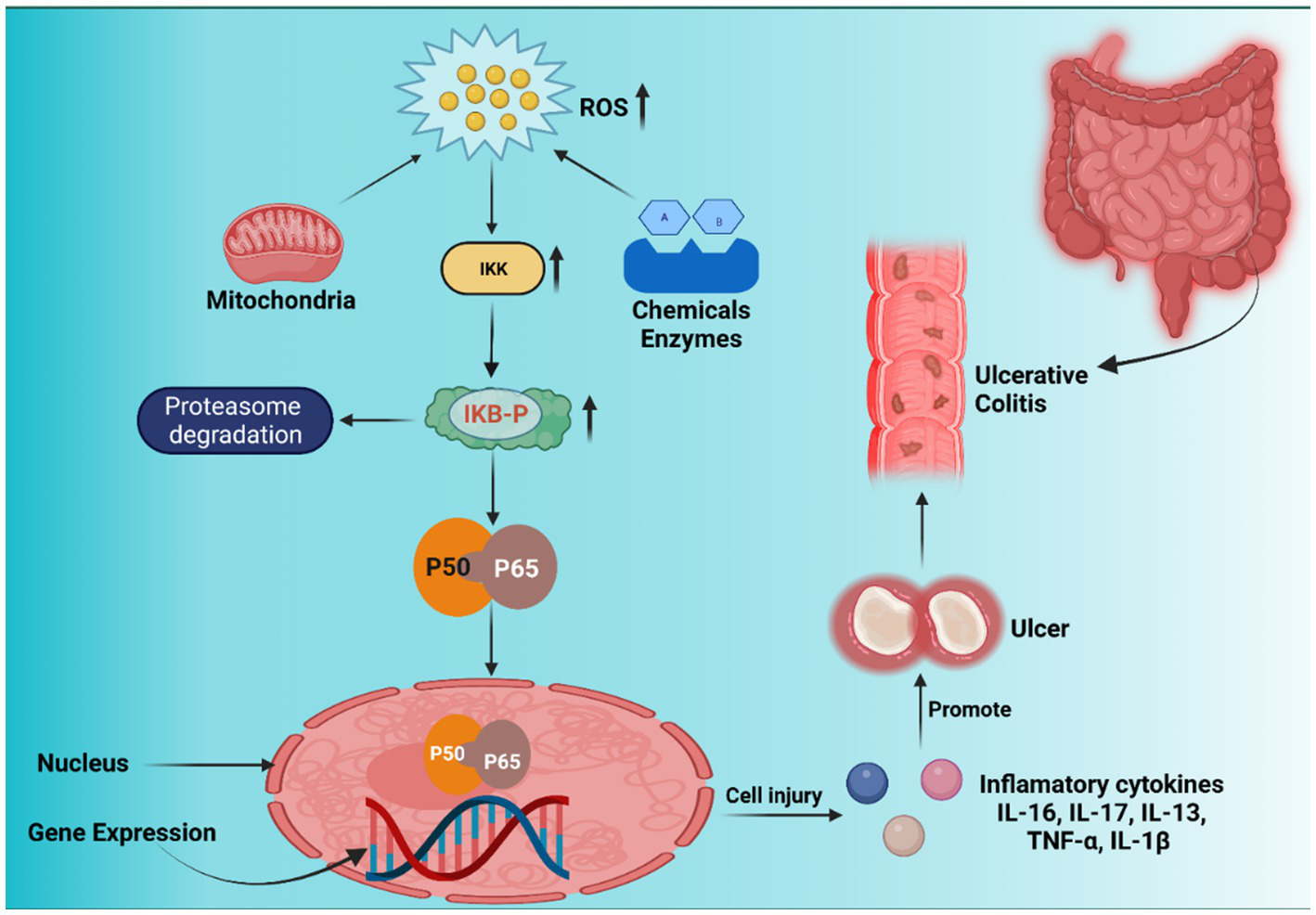
Ulcerative colitis is driven by an overactive immune response in the colon. Turkey tail contains compounds that can:
- Increase regulatory immune cells, which calm inflammation.
- Lower the activity of inflammatory chemicals like TNF-alpha and IL-6.
- Support the immune system without suppressing it completely.
This is important because regular immune-suppressing drugs can leave people open to infections. Turkey tail may help restore balance rather than shut down the immune response.
2. Gut Microbiome Support
The gut microbiome is very different in people with ulcerative colitis. Bad bacteria can take over, increasing inflammation. Turkey tail acts as a prebiotic—it feeds good bacteria and helps them grow. In animal studies, this led to:
- More beneficial bacteria (e.g., Lactobacillus)
- Fewer harmful strains (e.g., Clostridium)
- Less inflammation in colon tissue
This microbiome shift could be a key reason for turkey tail’s potential benefits.
3. Gut Barrier Protection
The colon lining is like a wall. In ulcerative colitis, this wall breaks down, allowing toxins and bacteria to enter. Turkey tail may help by:
- Boosting proteins like occludin and claudin, which keep the wall tight
- Promoting the growth of cells that repair the lining
- Reducing oxidative stress, which damages the barrier
4. Antioxidant Activity
Ulcerative colitis involves high levels of oxidative stress—damage from free radicals. Turkey tail contains antioxidants like phenols and flavonoids that:
- Neutralize harmful molecules
- Support the healing of inflamed tissues
5. Anti-tumor Potential
People with ulcerative colitis have a higher risk of colon cancer over time. Turkey tail’s PSK and PSP have shown anti-tumor effects in cancer studies, suggesting a possible extra benefit for long-term gut health.
Turkey Tail Protocols For Ulcerative Colitis
If you are considering turkey tail for ulcerative colitis, you need a safe and effective protocol. While there is no official guideline, expert recommendations and clinical studies offer some direction.
Choosing The Right Form
Turkey tail is available in several forms:
- Capsules: Easy to use and measure.
- Powders: Can be mixed into food or drinks.
- Extracts: Liquid extracts may be more concentrated.
Most clinical studies use standardized extracts, because these guarantee a certain amount of active compounds (PSK or PSP).
Common Dosages
Clinical studies have used a wide range of doses. For general immune support, doses of 1,000–3,000 mg per day are common. Cancer studies sometimes use even higher doses (up to 6,000 mg per day), but this is not always necessary for gut health.
A typical starting protocol for ulcerative colitis might look like:
- Start with 1,000 mg per day of a standardized turkey tail extract.
- Take with food to reduce the risk of stomach upset.
- Increase to 2,000–3,000 mg per day if tolerated and after consulting a healthcare provider.
When To Take Turkey Tail
- Divided doses (e.g., 1,000 mg twice daily) may help keep levels steady.
- Take at the same times each day for best results.
- Consistency is important; benefits may take weeks to appear.
How Long To Use
Most benefits, such as changes in gut bacteria or immune balance, take at least 4–8 weeks to show. For chronic conditions like ulcerative colitis, ongoing use may be needed.
Combining With Other Therapies
Turkey tail can be used alongside most standard ulcerative colitis medications. However, you should always inform your doctor before starting any supplement, especially if you are on immunosuppressive drugs. There are no known serious interactions, but studies are limited.
Practical Example Protocol
| Step | Action | Details |
|---|---|---|
| 1 | Choose Form | Standardized capsule or powder, 1,000 mg PSK/PSP per serving |
| 2 | Start Dose | 1,000 mg daily, with food |
| 3 | Adjust Dose | Increase to 2,000–3,000 mg if tolerated |
| 4 | Duration | Use for at least 8 weeks, then reassess |
| 5 | Monitor | Track symptoms, stool changes, and side effects |
Other Tips For Using Turkey Tail
- Buy from reputable brands that test for heavy metals and contaminants.
- Check for standardization (look for PSK or PSP content on the label).
- Store in a cool, dry place.
- Avoid if you have a mushroom allergy.
- If you have surgery planned, stop use at least 2 weeks before, as turkey tail may affect blood clotting.

Credit: www.frontiersin.org
Potential Side Effects And Risks
Turkey tail is considered very safe when used at normal doses. Most studies report only mild side effects, if any. However, everyone is different, and side effects can happen.
Possible Side Effects
- Digestive upset: Nausea, bloating, or diarrhea, especially with high doses.
- Dark stools: May occur due to mushroom pigments, but should not cause blood in stool.
- Mild allergic reactions: Rash or itching, especially in those with mushroom sensitivity.
Serious Risks (rare)
- Liver enzyme changes: Very rare, but possible in people with liver disease.
- Worsening of autoimmune symptoms: If the immune system is overly activated.
- Drug interactions: Possible with immune-suppressing drugs or blood thinners.
Who Should Avoid Turkey Tail?
- People with known allergies to mushrooms.
- Pregnant or breastfeeding women (safety is not established).
- People with organ transplants or those taking strong immune suppressants, unless cleared by a doctor.
Monitoring For Side Effects
It’s smart to start with a low dose and watch for changes:
- Monitor for new rashes, swelling, or breathing problems (rare).
- If stomach symptoms become severe, stop use and consult a healthcare provider.
- Keep regular medical check-ups and blood tests if you use turkey tail long-term.
Non-obvious Insights For Beginners
Many newcomers to turkey tail make simple mistakes that reduce its benefits. Here are two key insights:
- Quality matters more than quantity. Many cheap turkey tail products are made from mycelium (the root part) grown on grain, not the fruiting body. These have much less PSK/PSP and fewer benefits. Always look for products made from the fruiting body and standardized for active compounds.
- Benefits are gradual, not instant. People often expect quick relief, but turkey tail works slowly by changing the gut microbiome and calming the immune system. Give it at least 1–2 months before judging results, and track your progress.
Comparing Turkey Tail To Other Natural Therapies For Ulcerative Colitis
Many people with ulcerative colitis try different natural options. How does turkey tail compare to other popular choices?
| Therapy | Key Action | Evidence Strength | Notes |
|---|---|---|---|
| Turkey Tail | Immune balance, microbiome support | Moderate (animal, some human) | Safe, needs more clinical trials |
| Probiotics | Increases good gut bacteria | Strong (many trials) | Best for mild UC, effects vary |
| Curcumin | Anti-inflammatory | Moderate (some trials) | May help when combined with meds |
| Aloe Vera | Soothes gut lining | Weak (few trials) | Can cause diarrhea in some |
| Fish Oil (Omega-3) | Reduces inflammation | Mixed (some positive, some negative) | May thin blood, interact with drugs |
Turkey tail is unique because it supports both the immune system and the microbiome, two key factors in ulcerative colitis. It’s not a replacement for medication, but may be a helpful addition.
Real-world Experiences And Expert Opinions
Many people with ulcerative colitis are now sharing their experiences with turkey tail. Some report fewer flare-ups, better digestion, and more energy after several weeks of use. Others notice no big change, which may be due to differences in product quality or personal biology.
Functional medicine doctors and some gastroenterologists are beginning to recommend turkey tail, especially for patients interested in natural options. The main advice is to use it as part of a complete plan, not as a stand-alone cure.
A leading expert in medicinal mushrooms, Dr. Sandra Carter, says:
“Turkey tail offers a promising, low-risk way to support gut health in IBD. But it works best alongside a healthy diet, stress management, and regular medical care. “
Practical Tips For Best Results
If you decide to try turkey tail for ulcerative colitis, here are some practical tips:
- Start slow: Begin with a small dose and increase gradually.
- Track your symptoms: Keep a food and symptom diary to see if turkey tail is helping.
- Choose quality products: Look for third-party testing and fruiting body extracts.
- Combine with lifestyle changes: Diet, exercise, and stress reduction make a big difference.
- Stay in touch with your doctor: Don’t stop prescribed meds without advice.
Frequently Asked Questions
What Is The Best Form Of Turkey Tail For Ulcerative Colitis?
Capsules and powders made from the fruiting body of turkey tail are best, as they contain higher levels of the active compounds (PSK and PSP). Look for products that are standardized and tested for quality. Liquid extracts are also effective if labeled with their PSK/PSP content.
How Long Does It Take To See Results From Turkey Tail?
Most people need to use turkey tail for at least 4–8 weeks before noticing any changes. Improvements may include fewer flare-ups, less stomach pain, and better stool quality. The benefits build slowly, so patience and consistency are important.
Credit: www.frontiersin.org
Can Turkey Tail Replace My Ulcerative Colitis Medication?
No. Turkey tail should not replace prescription drugs unless your doctor approves. It can be a helpful complement to standard therapy, but stopping medication suddenly can be dangerous. Always discuss changes with your healthcare team.
Are There Any Risks Of Using Turkey Tail Long-term?
Turkey tail is very safe for most people, even with long-term use. Mild digestive upset is possible, and rare allergic reactions can happen. People with liver disease, mushroom allergies, or those on immune-suppressing drugs should use caution and consult a doctor.
Where Can I Find More Information About Turkey Tail Research?
A good starting point is the Wikipedia page on Trametes versicolor, which summarizes history, research, and references. For the latest clinical studies, check medical journals or talk to a healthcare provider familiar with medicinal mushrooms.
Living with ulcerative colitis can be tough, but new options like turkey tail offer hope. While the science is still growing, the mushroom’s immune and microbiome benefits make it an exciting tool for many people. If you choose to try turkey tail, do it wisely—choose quality, be patient, and work with your doctor for the best outcome.