
Lion’s Mane Powder Vs Capsules: A Side-by-side Comparison
Lion’s mane mushroom has become a popular supplement for people interested in brain health, focus, and natural ways to improve well-being. But if you’re just starting out, you’ll notice that lion’s mane comes in many forms—powder and capsules are the most common. Choosing between them can be confusing, especially if you want the best results without wasting money. This article breaks down the real differences, advantages, and drawbacks of lion’s mane powder and capsules. You’ll find clear answers and practical tips, even if you’re new to supplements.
What Is Lion’s Mane?
Lion’s mane (Hericium erinaceus) is a white, shaggy mushroom that grows on trees. In traditional Chinese and Japanese medicine, it’s been used for centuries to support memory, focus, and nerve health. Today, modern research suggests lion’s mane contains compounds called hericenones and erinacines that may support brain cells and nerves.
Supplements use dried and processed lion’s mane. These come mainly as powder or in capsule form. Both forms promise similar benefits, but how you take them can change how well they work for you.
While lion’s mane is best known for its possible cognitive benefits, it’s also being studied for its effects on mood, immune function, and even gut health. Some people use it to support recovery after nerve injuries or for gentle energy without caffeine.
This broad range of uses is one reason the mushroom has become so popular as a supplement.
Another detail beginners often miss: lion’s mane is an adaptogen. Adaptogens help your body handle stress in a balanced way. So, the benefits may be subtle but noticeable over time, especially if you take it daily.
The Forms: Powder Vs Capsules
Lion’s mane powder is simply ground dried mushroom. Sometimes it’s made from whole mushrooms, other times from extracts (which may be stronger). Powders can be mixed into drinks, food, or smoothies.
Capsules are pre-measured doses of lion’s mane powder or extract inside a small shell, usually made from gelatin or a plant-based material. You swallow capsules like a regular pill with water.
It’s important to realize that both forms can vary in strength. Some powders are more concentrated because they use extraction processes. Capsules can also use extracts, but not always. Because of this, you can’t just compare by looking at the form—you have to check the label for the type of lion’s mane used.

Credit: fungi.com
How Are They Made?
Understanding how each form is produced helps you know what you’re getting.
Lion’s Mane Powder Production
The mushroom is harvested, cleaned, and dried. It’s then ground into a fine powder. Some companies use hot water extraction to increase the concentration of active compounds. The powder is tested for quality, then packaged.
Key points:
- Can be whole mushroom or extract
- Sometimes blended with other mushrooms (read labels)
- No added fillers in pure powder
The hot water extraction process is important because it helps release beta-glucans and other compounds that are locked inside the mushroom’s tough cell walls. Not every company uses this step, but it’s often listed on high-quality products. If you want the strongest effects, look for powder that mentions “hot water extract” or “dual extraction” (which means both water and alcohol were used).
Another thing to watch for: some powders come from mycelium grown on grain. These often have more starch and less of the active compounds, so you might get less benefit. Always check for “fruiting body” on the label, as this is the actual mushroom, not just the underground part.
Capsule Production
Capsules start with the same powder or extract. The powder is measured for each capsule and filled into small shells. Some products include extra ingredients like anti-caking agents or fillers to help with manufacturing.
Key points:
- Convenient, pre-measured doses
- May contain additives
- Capsule shell can be animal-based or vegan
While capsules are easy to use, their quality depends on both the powder inside and the shell outside. Some capsule shells use gelatin (from animals), while others use cellulose (plant-based), which is suitable for vegans. If you have dietary restrictions or allergies, double-check the capsule ingredients.
Non-obvious insight: Not all capsules are made with pure extract. Some use regular powder, so check the label for “extract” if you want a stronger dose.
Comparing Nutrition And Potency
People often think capsules are more powerful, but that’s not always true. The potency depends on the source, extraction method, and dose.
Potency Side-by-side
| Form | Typical Dose | Concentration | Absorption |
|---|---|---|---|
| Powder | 1–2 grams (1–2 tsp) | Whole or extract (varies) | High, especially in hot drinks |
| Capsules | 500–1000 mg per capsule | Whole or extract (varies) | Good, but slower than liquid |
Most capsules contain 500–1000 mg (0. 5–1 gram) per serving. Powders often allow you to take higher doses, up to 2–3 grams, if needed.
If you’re following research-backed doses, you’ll notice studies often use 1–3 grams of lion’s mane extract per day. It’s easier to reach these amounts with powder, unless you want to take several capsules at once.
Hidden detail: Some powders are made from “mycelium on grain,” which has less active compound. Look for “fruiting body” on the label for the most benefits.
Another beginner mistake is ignoring the extract ratio. For example, a 10:1 extract means ten parts mushroom were used to make one part powder, so it’s much stronger. If your capsule says “extract” and gives a ratio, you might need a smaller dose.
Taste And Convenience
Taste and convenience can make a big difference in your daily routine. Lion’s mane powder has a mild, earthy flavor. Some people like it in coffee or smoothies, while others find it hard to mask.
Capsules are tasteless. You simply swallow them with water. This can be a big advantage if you dislike mushroom flavors or want something quick.
Practical Comparison
- Powder: Flexible but can taste earthy; best for mixing with food or drinks.
- Capsules: Easy, quick, and portable; no taste or mess.
If you’re sensitive to tastes, you may want to try mixing powder into flavored drinks like chai, cocoa, or protein shakes. Some people even add it to soups or stews. Just remember, heat can help release the good compounds, so hot drinks are a great choice.
Pro tip: If you travel often or have a busy schedule, capsules are more reliable. But if you enjoy making lattes or smoothies, powder gives you more control.
Absorption And Bioavailability
How your body absorbs lion’s mane makes a difference in how well it works. Liquids and powders generally absorb faster than capsules because they start breaking down in your mouth and stomach right away. Capsules need time to dissolve, especially if you have digestive issues.
However, the difference in effect is small for most people. Both forms are absorbed well, especially if taken with food.
If you have digestive problems, slow stomach emptying, or take certain medications, capsules might take longer to break down. For most people, this delay is only a few minutes, but it might matter if you want fast effects.
Beginners often miss: Hot drinks (like coffee or tea with powder) may help release more beneficial compounds compared to capsules taken with cold water.
One extra detail: pairing lion’s mane with healthy fats, like coconut oil or nut milk, may help absorption of certain compounds. Try adding powder to a latte made with plant-based milk for a small boost.
Dosing Accuracy
Getting the right dose is important for safety and effectiveness.
- Powder: You measure each serving yourself. This is flexible but can lead to mistakes if you don’t use a scale or spoon.
- Capsules: Each one contains a set amount. You always know how much you’re taking.
If you want precise, repeatable doses, capsules are the easiest option. If you want to experiment or adjust your dose, powder is better.
A common mistake is “eyeballing” your powder dose, which can lead to taking too little or too much. If you use powder regularly, consider buying a small scale, or use the same measuring spoon each time.
Extra tip: Always start with a low dose, especially if you’re new to lion’s mane. Increase slowly to find what works best for you.
Price Comparison
Cost can be a big factor, especially if you plan to use lion’s mane long-term.
Typical Pricing
| Form | Average Price (per 60 servings) | Cost per Gram |
|---|---|---|
| Powder | $25–$40 | $0.30–$0.50 |
| Capsules | $30–$60 | $0.50–$0.80 |
Powder is often cheaper per serving, especially if you buy larger bags. Capsules cost more due to extra processing and packaging.
Also, when comparing price, remember to check the concentration. Some capsules are only half as strong as the powder, so you might need to take twice as many to get the same benefit.
What many people miss: Some capsules use lower-quality powder, so price isn’t the only thing to check—look for extracts and fruiting body content.
Another savings tip: buying in bulk or during sales can bring the cost per serving down, especially for powder.
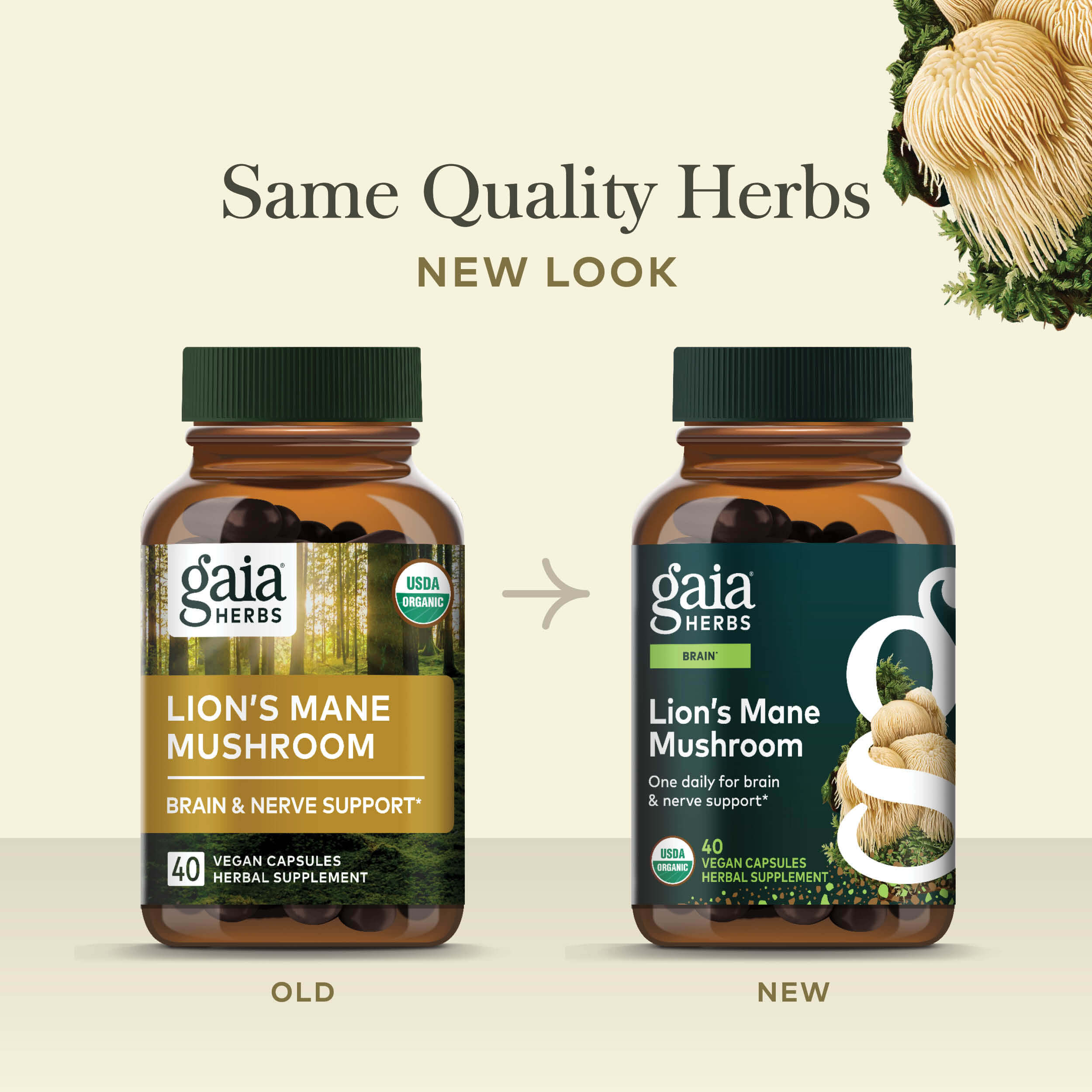
Credit: www.gaiaherbs.com
Shelf Life And Storage
Both forms last a long time if stored correctly. Powder should be kept in a cool, dry place and tightly sealed. Exposure to air and moisture can reduce its quality over time.
Capsules are more protected because the shell keeps out air and moisture. This can make them last a few months longer than loose powder.
If you’re storing powder for several months, you might notice it can clump if exposed to humidity. Using a silica gel pack (often included in packaging) helps keep powder dry.
Non-obvious detail: If you live in a hot or humid place, capsules are less likely to spoil or clump than powder.
Flexibility Of Use
If you like to cook or make your own recipes, powder is more flexible. You can add it to coffee, soup, oatmeal, smoothies, or even baked goods. Capsules can only be swallowed, so you have less freedom.
Some people open capsules and add the powder to drinks, but this is less cost-effective and you’re paying extra for the capsule itself.
With powder, you can easily adjust your dose for different family members. For example, you might want a smaller amount for a child or someone new to supplements.
Practical insight: Powder is better for families or anyone making large batches, while capsules are best for people who want a simple routine.
Who Should Choose Powder?
Lion’s mane powder is ideal if you:
- Enjoy mixing supplements into drinks or food
- Want to adjust your dose each day
- Prefer better value for money
- Don’t mind a mild mushroom taste
- Like making lattes, smoothies, or recipes with supplements
People who want to experiment with higher doses or combine lion’s mane with other supplements often choose powder. It’s also easier to share with family or friends.
Another advantage: some people use lion’s mane in their pre-workout or post-workout shakes, or even in homemade energy bars. Powder makes these custom blends possible.
Who Should Choose Capsules?
Capsules are best for you if:
- You want convenience and no taste
- You travel or take supplements on the go
- You need exact, repeatable doses
- You dislike measuring powders
- You have a busy lifestyle
Many people start with capsules because they fit easily into daily routines. There’s no mess or guesswork, and it’s easy to remember to take them.
Capsules are also a good choice for anyone who dislikes the texture of powder, or who finds it hard to swallow powder in water or juice.
Side Effects And Safety
Both forms are generally safe if you use them as directed. Side effects are rare but can include stomach upset, diarrhea, or allergic reactions. These are more likely if you take high doses or have mushroom allergies.
- Powder: Larger doses may cause more digestive issues, especially on an empty stomach.
- Capsules: Usually gentler, but the capsule shell can sometimes cause minor stomach discomfort.
Always check the ingredient list for fillers or additives if you have allergies.
If you’re taking other medications, especially for diabetes or blood clotting, talk to your doctor first. Lion’s mane may affect blood sugar or interact with certain drugs.
Important: Consult your doctor before starting lion’s mane, especially if you are pregnant, breastfeeding, or have medical conditions.
Additives And Purity
Not all products are created equal. Some powders and capsules have fillers, sweeteners, or other mushrooms mixed in. This can lower quality or cause unwanted effects.
How to check purity:
- Look for “fruiting body” and “no fillers” on the label.
- Buy from reputable companies that test for heavy metals and contaminants.
- Check for third-party lab testing.
Capsules are more likely to have extra ingredients, but some powders are also mixed with rice or oats. Always read the label carefully.
Also, check if the product is organic. Organic certification means fewer pesticides and cleaner growing methods, which is important with mushrooms.
Environmental Impact
If you care about sustainability, both forms have pros and cons.
- Powder: Usually comes in larger bags with less packaging waste. Some brands use compostable or recyclable materials.
- Capsules: More packaging per serving, plus capsule shells (gelatin or plant-based) may have an environmental footprint.
If you want to reduce waste, choose bulk powder in eco-friendly packaging.
Another point to consider: mushroom farming can be sustainable if done well. Some brands grow mushrooms indoors using renewable energy or recycle growing materials. Look for brands that mention their environmental efforts if this matters to you.
Quality And Brand Transparency
High-quality lion’s mane should be:
- Made from fruiting body (not just mycelium)
- Extracted with hot water or alcohol for higher potency
- Tested for heavy metals, pesticides, and microbes
Trustworthy brands provide lab reports or certificates of analysis. If a company hides ingredient details or test results, consider another option.
Beginner tip: Third-party testing is a strong sign of a quality supplement.
It’s also helpful to check customer reviews—not just for taste, but for effectiveness and company service. Brands that answer customer questions and are open about their processes tend to offer better products.
Travel And Storage
Capsules win if you travel often. They don’t spill or make a mess, and you can carry a week’s supply in a small bottle. Powder can be messy and is harder to measure on the go.
If you plan to keep supplements at work or in your bag, capsules are safer and more discreet.
Non-obvious advantage: Airlines allow capsules in carry-on bags, while powder may need extra checks.
For longer trips, capsules are also less likely to be damaged by heat or moisture, which is helpful if you’re traveling to different climates.
Mixing And Stacking With Other Supplements
Powder is easier to mix with other supplements, such as collagen, protein, or other mushroom powders. This is useful if you’re making custom blends for brain health, energy, or immunity.
Capsules limit you to the ingredients inside. If you want to “stack” lion’s mane with other powders, you’ll need to open each capsule or buy a blend.
Some advanced users mix lion’s mane with cordyceps (for energy), reishi (for calm), or chaga (for immunity). Powder gives you the freedom to create your own stack.
Taste And Texture In Food
Lion’s mane powder works best in recipes with strong flavors. Coffee, hot chocolate, and smoothies can cover the mushroom taste. In water or plain milk, the earthy flavor is more noticeable.
Capsules avoid this completely, but you lose the chance to add extra nutrition to your meals.
You can also bake lion’s mane powder into muffins, pancakes, or energy balls. Heat won’t destroy the main beneficial compounds, so feel free to experiment.
Common Myths And Misunderstandings
- Myth: Capsules are always stronger than powder.
- Fact: Strength depends on extraction and dosage, not form.
- Myth: All lion’s mane is the same.
- Fact: Quality varies by source, processing, and type (fruiting body vs mycelium).
- Myth: You can’t overdose on lion’s mane.
- Fact: Very high doses can cause stomach upset or interact with medications.
Another misunderstanding is that “organic” always means better. While organic is good, extraction method and testing are just as important for potency and safety.
How To Read Supplement Labels
Supplements can be confusing. Here’s what to look for on a lion’s mane label:
- Fruiting body: Indicates the most active compounds.
- Extract ratio: Higher ratios (like 10:1) mean more concentrated.
- Serving size: Check how much lion’s mane per scoop or capsule.
- Additives: Look for extra ingredients.
- Testing: Third-party lab reports mean better safety.
If you see “mycelium on grain” or “rice powder,” the product may have less of the key active compounds. Aim for products that are clear about their content.
Scientific Evidence And Effectiveness
Studies show lion’s mane may support cognitive function, nerve growth, and immune health. Most research uses extracts, not whole powder. That means capsules labeled “extract” may be closer to what studies used.
Some key findings:
- Lion’s mane may support mild memory problems in older adults.
- Animal studies show improved nerve repair and reduced anxiety.
- Human studies are small, and effects vary by dose and form.
For more, see this Wikipedia article on Hericium erinaceus.
It’s worth noting that while early research is promising, lion’s mane is not a cure or treatment for any disease. Effects can take time—several weeks to months—to notice, and not everyone will respond the same way.
Popular Brands And Their Differences
There are many brands, but not all are equal. Here’s what sets them apart:
- Quality control: Top brands test for purity and potency.
- Source: Some grow mushrooms in China, others in the US or Europe.
- Extraction method: Hot water, alcohol, or no extraction.
- Packaging: Eco-friendly vs. single-use plastics.
Choose brands that clearly explain their sourcing and testing.
Some brands also offer blends with other mushrooms. If you want pure lion’s mane, check that the product isn’t mixed with cheaper ingredients.
How To Start With Lion’s Mane
If you’re new, start with a small dose for 1–2 weeks. Watch for any side effects. Increase slowly if needed.
- Powder: Start with 0.5 gram (about 1/4 teaspoon) daily.
- Capsules: Start with 1 capsule (usually 500–1000 mg) per day.
Take with food for better absorption.
It can help to keep a simple journal of how you feel—energy, focus, mood—so you can notice any changes over time.
Adjusting Your Routine
Everyone is different. Some people feel a boost in focus or mood after a week, others notice effects after a month. Adjust based on how you feel.
If you don’t like the taste of powder, try capsules. If you need larger doses, powder is usually cheaper.
Consistency is key. Taking lion’s mane at the same time each day—morning with breakfast, or blended into a daily coffee—may help you remember and get the best results.
Real-world Examples
Jane, a busy teacher, uses capsules because she needs something quick for her morning routine. She keeps a bottle in her bag and never worries about spills.
Alex, a fitness coach, prefers powder. He mixes it into his post-workout smoothie and adjusts the dose based on his training days.
Maria, who has a sensitive stomach, found that taking lion’s mane powder with a meal helped avoid any digestive discomfort. She enjoys experimenting with different recipes, adding the powder to breakfast oatmeal or homemade protein bars.
Both get the benefits of lion’s mane, but their choices fit their lifestyle.
Credit: realmushrooms.com
Summary Table: Lion’s Mane Powder Vs Capsules
Here’s a quick overview for easy reference.
| Feature | Powder | Capsules |
|---|---|---|
| Taste | Mild, earthy, can be masked | No taste |
| Convenience | Needs mixing, can be messy | Very easy, portable |
| Price per Dose | Lower | Higher |
| Flexibility | High (mix, cook, stack) | Low (pre-set dose only) |
| Dosing Accuracy | Depends on measuring | Always accurate |
| Shelf Life | Good, but sensitive to air | Longer, more stable |
| Additives | Usually fewer | Possible fillers |
| Suitability | Best for home, recipes | Best for travel, busy life |
The Bottom Line: Which Is Better?
There’s no one-size-fits-all answer. If you want flexibility, value, and enjoy making healthy recipes, powder is the best choice. If you want convenience, consistent dosing, and no flavor, capsules are the way to go.
Always check the quality of the product—fruiting body, extract ratio, and third-party testing matter more than the form.
Remember, your needs might change over time. Some people start with capsules for convenience and switch to powder later, or use both depending on their routine.
Frequently Asked Questions
Is Lion’s Mane Powder More Effective Than Capsules?
Effectiveness depends on the quality, extraction, and dose—not just the form. Powders may work faster if mixed into hot drinks, but capsules are just as good if they use high-quality extract.
Can I Open Lion’s Mane Capsules And Use The Powder Inside?
Yes, you can open capsules and mix the powder into food or drinks. This gives flexibility, but it’s more expensive than buying bulk powder.
Are There Any Side Effects To Taking Lion’s Mane Supplements?
Most people tolerate lion’s mane well. Possible side effects include stomach upset, diarrhea, or allergic reactions. Start with a small dose to check your reaction.
How Should I Store Lion’s Mane Powder And Capsules?
Keep both forms in a cool, dry place away from sunlight. Seal powder tightly to avoid moisture. Capsules are more stable but still need to be kept dry.
Is Lion’s Mane Safe To Take Every Day?
For most healthy adults, daily use is safe. Always follow the dosage instructions and consult a healthcare provider if you have any medical conditions.
Lion’s mane can be a great addition to your wellness routine. Whether you choose powder or capsules, make sure to buy from reputable brands and start slow. With a little research, you’ll find the form that fits your life and helps you reach your health goals.