
Chaga mushroom, often called the “King of Medicinal Mushrooms,” has fascinated health enthusiasts for centuries. People talk about its potential to boost immunity, fight oxidative stress, and even support healthy aging. But with all the excitement, one critical topic is often overlooked: chaga mushroom dosage and safety. How much should you take? How safe is it for everyone? And what do you need to know before making chaga part of your daily routine?
This guide will answer every question you might have about using chaga safely and effectively. Whether you’re new to medicinal mushrooms or looking to fine-tune your regimen, you’ll find practical insights, expert tips, and clear answers, all in simple language.
What Is Chaga Mushroom?
Chaga mushroom is a fungus that grows mainly on birch trees in cold climates. Its scientific name is Inonotus obliquus. Unlike the mushrooms you see in grocery stores, chaga looks like a dark, rough mass. It has been used for centuries in Russia, Siberia, and northern Europe as a folk remedy.
Chaga is packed with nutrients like beta-glucans, melanin, triterpenoids, and antioxidants. Many people use it as a tea, powder, or extract. Today, chaga is found in supplement stores worldwide.
Chaga’s appearance is unique. Instead of a soft cap and stem, it forms a hard, black crust. Inside, it’s golden-brown and corky. This “sclerotium” grows for years on a tree before harvest. Foragers often search for chaga in forests during winter, when its dark surface is easier to spot against white snow.
Because chaga only grows in cold climates, it’s less common in warm countries.
Another interesting point is that chaga is not a true mushroom in the traditional sense. It’s technically a “fungal mass,” but people call it a mushroom for convenience. The nutrients inside are concentrated by the tree’s sap, giving chaga its powerful properties.
Why People Take Chaga: The Main Benefits
Chaga mushrooms are not just a trend. Researchers and traditional healers suggest several real benefits:
- Immune support: Chaga may help your body fight off infections by supporting immune cells.
- Antioxidant power: Its high antioxidant content helps protect cells from free radical damage.
- Inflammation balance: Some studies show chaga may reduce inflammation in the body.
- Blood sugar regulation: Early research suggests chaga might help keep blood sugar levels steady.
- Liver health: Some animal studies show that chaga can help protect the liver from toxins.
Beyond these, some people use chaga for skin health, believing its antioxidants help reduce signs of aging like wrinkles or dull skin. Others report feeling more energetic or less stressed, although these effects are mostly anecdotal.
Chaga’s immune support comes from beta-glucans, which help the body’s defense system stay alert. Its antioxidants—including melanin—are thought to be more potent than those in other mushrooms. Chaga’s triterpenoids may also protect cells from damage, especially in stressful environments. For people living in polluted cities or facing daily stress, chaga’s antioxidant boost can be valuable.
Even with these potential benefits, dosage and safety are critical. Too little may have no effect, and too much may cause unwanted problems.
Forms Of Chaga: How People Consume It
Chaga comes in several forms. The way you take chaga affects its potency and safety.
| Form | Common Use | Absorption | Notes |
|---|---|---|---|
| Tea | Traditional, gentle | Moderate | Easy to prepare, mild taste |
| Powder | Added to drinks/foods | Good | Needs careful dosing |
| Extract (liquid/capsule) | Supplements, concentrated | High | Potent, standardized dosing |
| Raw chunks | DIY tea/infusions | Variable | Harder to measure dosage |
Key insight: Extracts often have much higher levels of active compounds than teas or powders. Always check the label for concentration and serving size.
Chaga tea is simple and popular, especially in Russia and Finland. Powder is easy to mix in smoothies or coffee. Extracts are favored by people who want precise dosing and strong effects. Raw chunks are mostly used by traditionalists who enjoy brewing their own tea and value the ritual.
Some companies sell “double extracts,” using both alcohol and water to pull out different compounds. Alcohol extracts get more triterpenoids, while water extracts are rich in beta-glucans. This combination is thought to offer the broadest benefits.
Chaga Dosage: How Much Is Safe And Effective?
There is no official recommended dose for chaga mushroom. Dosage depends on the form, your health, and the reason you’re taking it. Here’s what research and tradition suggest:
1. Chaga Tea
Traditional chaga tea uses about 1–2 teaspoons of dried mushroom chunks or powder per cup (250 ml) of hot water. Most people drink one or two cups per day.
- Mild use: 1 cup daily
- Regular use: 2 cups daily
Boil for at least 15–20 minutes to extract more active compounds. Longer boiling (up to 1 hour) increases potency.
Some people simmer chaga for several hours to make a “concentrate” and then store it in the fridge. This method is common in Siberian households. The longer you simmer, the darker and richer the tea becomes. However, extremely long boiling can increase oxalate levels, so moderation is wise.
2. Chaga Powder
Chaga powder is more concentrated than tea. The typical serving is 1–2 grams (about ½ to 1 teaspoon) per day.
- Beginners: Start with 1 gram daily
- Experienced users: Up to 2 grams daily
Do not use more than 3 grams daily unless a healthcare provider advises.
Powder can be mixed into oatmeal, yogurt, or baked goods. It’s important to stir well, as chaga powder can clump. If you use powder in hot drinks, add it after heating to preserve nutrients.
3. Chaga Extract
Extracts come in capsules, tinctures, and liquids. They often show the amount of polysaccharides or beta-glucans on the label.
- Standardized extract: 250–500 mg per day is common
- Double extract: Some products use both water and alcohol extraction, making them stronger. Start at the lower end of the range.
Check the beta-glucan content. A good extract has at least 10–20% beta-glucans.
Extracts are ideal for people who want a strong, reliable dose. They’re also easier to carry while traveling.
4. Raw Chaga Chunks
Raw chaga is less precise. For tea, use 3–5 grams of chunks per 250 ml of water.
- General use: 3 grams per cup
- Stronger brew: Up to 5 grams per cup
Don’t eat raw chaga chunks directly, as they are hard to digest.
If you’re making tea from chunks, weigh them for accuracy. Some users grind chunks into powder for faster extraction.
5. Chaga Capsules
Most chaga capsules contain 500–1,000 mg (0.5–1 gram) per capsule.
- Common dose: 1 capsule once or twice daily
Always follow the instructions on the product label.
Capsules are convenient for busy people and those who dislike the taste of chaga tea. Check for fillers or additives—pure chaga is best.
Typical Dosage Comparison
Here’s a quick comparison for clarity:
| Form | Low Dose | Typical Dose | Upper Limit |
|---|---|---|---|
| Tea | 1 cup (1 tsp) | 2 cups (2 tsp) | 3 cups (3 tsp) |
| Powder | 1 gram | 2 grams | 3 grams |
| Extract | 250 mg | 500 mg | 1,000 mg |
| Raw Chunks | 3 grams | 5 grams | 7 grams |
Practical insight: Start with the lowest dose to check for any reaction. Increase slowly if needed.
If you’re switching forms (for example, from tea to extract), remember that extracts are stronger. Adjust your dose downward to avoid side effects.
Factors That Affect Chaga Dosage
Not everyone should take the same amount of chaga. Several factors can change what’s safe and effective.
Age And Body Weight
- Adults: Safe ranges are based on adult use. Children should not use chaga unless a doctor says it’s safe.
- Body size: Heavier people may need a slightly higher dose, but always start low.
Older adults may be more sensitive to chaga, especially if they have kidney or liver concerns. If you’re over 65, start with half the usual dose and monitor closely.
Health Conditions
- Autoimmune diseases: Chaga may stimulate the immune system. If you have a condition like lupus or multiple sclerosis, talk to your doctor.
- Diabetes: Chaga can lower blood sugar. Check with a healthcare provider if you use diabetes medicine.
- Bleeding disorders: Chaga may affect blood clotting. Use caution if you have bleeding risks.
People with allergies or asthma should watch for any unusual reactions. If you have digestive problems (like IBS), chaga can cause upset stomach in rare cases.
Other Medications
Chaga can interact with several types of medicine:
- Blood thinners (like warfarin)
- Insulin or diabetes drugs
- Immunosuppressants
Always check with a doctor before starting chaga if you use these medicines.
Even herbal supplements (like ginger or turmeric) can interact with chaga, especially if they affect blood or immunity.
Pregnancy And Breastfeeding
There is not enough research on chaga’s safety during pregnancy or breastfeeding. It’s best to avoid it unless your doctor approves.
Some traditional practices use chaga for postpartum recovery, but this is not supported by modern studies. Safety comes first.
How To Take Chaga Safely
Chaga is powerful. Use these tips to make your experience safe:
- Start small: Begin with the lowest recommended dose for your chosen form.
- Monitor your body: Watch for any side effects, especially in the first week.
- Use reliable brands: Choose products with clear labels and third-party testing.
- Avoid raw use: Always cook or extract chaga. Raw chaga is hard to digest and may contain harmful compounds.
- Cycle your use: Take breaks after a few weeks. For example, use chaga for 3 weeks, then stop for 1 week.
- Store properly: Keep chaga in a cool, dry place to prevent mold or spoilage.
Hidden risk: Wild chaga can absorb heavy metals from polluted environments. Buy from trusted sources to avoid contamination.
If you have a sensitive stomach, try chaga with food. This can reduce digestive upset. Don’t mix chaga with alcohol or energy drinks—these combinations can stress your liver.
For tea, strain well. Tiny particles can irritate your throat or stomach. If you use powder, blend it well to avoid clumps.
Chaga Mushroom Safety: What Science Says
Chaga is generally safe for most adults when used in moderate amounts. But it’s not risk-free. Here’s what science and tradition reveal:
Common Side Effects
Most people do not experience side effects. Possible minor effects include:
- Upset stomach
- Diarrhea
- Dry mouth
- Skin rash (rare)
These usually stop when you reduce the dose or stop use.
Some people notice a change in urine color after drinking strong chaga tea. This is harmless and fades quickly.
Serious Risks
Some risks need special attention:
- Kidney stones: Chaga is high in oxalates, which can increase kidney stone risk, especially in people with kidney problems.
- Immune stimulation: If you have an autoimmune disease, chaga may worsen symptoms.
- Bleeding risk: Chaga may slow blood clotting, which is dangerous before surgery or with blood-thinning medicine.
If you plan surgery, stop chaga at least two weeks before. If you have a family history of kidney stones, use chaga only after checking with your doctor.
Allergic Reactions
True allergy to chaga is rare but possible. Signs include itching, swelling, or breathing problems. Stop immediately if you notice these.
Special Note On Oxalates
Chaga contains a high amount of oxalates—natural compounds that can form crystals in the kidneys. If you have a history of kidney stones or kidney disease, avoid chaga or speak with a nephrologist first.
If you want to lower oxalate intake, choose extracts made with water and alcohol. These often have fewer oxalates than strong teas.
How Long Does It Take For Chaga To Work?
Chaga is not a quick fix. Effects build up over time. Most people need to use chaga daily for 2–4 weeks before noticing results.
- Immune support: May take 2 weeks to feel a difference
- Energy and well-being: Some notice changes after 1–2 weeks
- Inflammation or skin health: May take 4 weeks or more
If you feel no benefit after 1 month, reassess your dose or form, or consider stopping.
Some users report subtle changes—like better sleep or less stress—before stronger effects appear. Keep realistic expectations.
Mistakes To Avoid When Using Chaga
Many beginners make the same mistakes. Avoid these for best results:
- Taking too much too soon: High doses do not mean faster results and can lead to side effects.
- Ignoring interactions: Always check your medications and health conditions first.
- Using untested products: Not all chaga is equal. Some products have fillers or low-quality chaga.
- Skipping breaks: Continuous use without breaks may reduce benefits or increase risks.
- Expecting instant results: Chaga works slowly. Patience is key.
Expert tip: If you’re using chaga for a specific reason (like immune support), keep a simple health journal to track any changes.
Some people combine chaga with many supplements at once, hoping for faster results. This can overload your system and make it hard to know what’s working. Start with one new supplement at a time.
Who Should Not Take Chaga?
While chaga is safe for most, some people should avoid it:
- Pregnant or breastfeeding women: Not enough safety data
- Children: No established safety
- People with kidney disease or history of kidney stones
- Those with autoimmune diseases (unless a doctor approves)
- People before surgery or with bleeding disorders
- Anyone allergic to mushrooms
If in doubt, ask a healthcare provider.
If you have multiple health concerns, avoid chaga until you have clear guidance. Safety always comes first.
Combining Chaga With Other Supplements
Chaga is often used with other herbs and mushrooms, but combinations can be tricky.
Safe Combinations
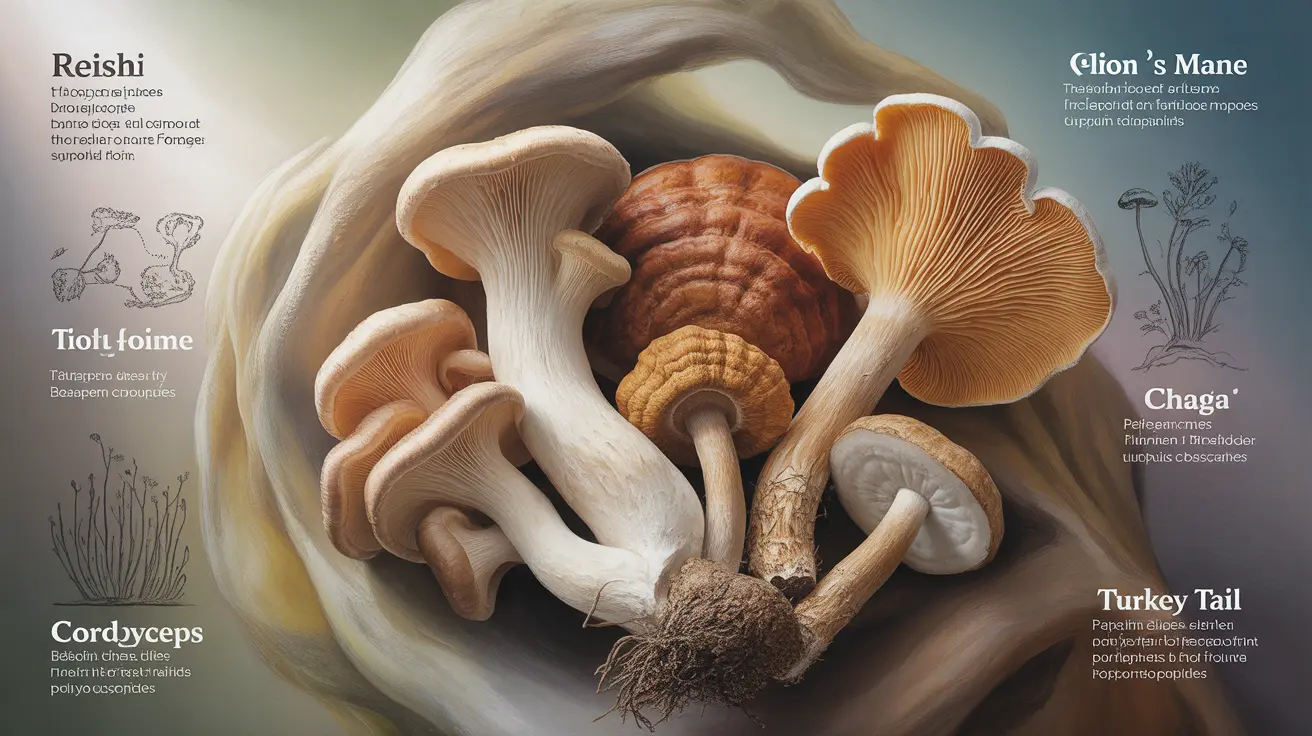
- Reishi, lion’s mane, cordyceps: Often combined for broader benefits
- Vitamin C: May help with absorption
Chaga and reishi together are popular for stress and immune support. Lion’s mane adds brain health. Cordyceps boosts energy. This “mushroom stack” is common in Asia and North America.
Caution Required
- Other immune boosters: Too many can overstimulate the immune system
- Supplements that thin blood: Like fish oil or garlic, which increase bleeding risk
Start with one supplement at a time to watch for unwanted effects.
If you use herbs like echinacea or astragalus, monitor for allergy or stomach upset. Some herbs and mushrooms amplify each other, so dosing matters.
How To Choose A Quality Chaga Product
The supplement market is full of options. Here’s how to spot the best chaga:
- Source and origin: Look for chaga from clean, cold regions (Siberia, Canada, Scandinavia).
- Third-party testing: Products should be tested for heavy metals, pesticides, and purity.
- Extraction method: Dual or hot water extraction is best for most benefits.
- Clear labels: The label should list the amount of chaga (mg/grams), extraction ratio, and active compounds like beta-glucans.
- Organic certification: Organic chaga is less likely to have contaminants.
Non-obvious tip: Some brands mix chaga with other mushrooms. If you want pure chaga, check the ingredient list carefully.
Ask for a certificate of analysis (COA) if unsure. This document shows lab testing results.
How Chaga Compares To Other Medicinal Mushrooms
Chaga is not the only medicinal mushroom. Here’s how it stacks up:
| Mushroom | Main Benefit | Best Use | Common Form |
|---|---|---|---|
| Chaga | Antioxidant, immune support | Daily health, skin, aging | Tea, extract |
| Reishi | Relaxation, stress support | Sleep, stress | Extract, capsule |
| Lion’s Mane | Brain health | Cognitive support | Powder, capsule |
| Cordyceps | Energy, endurance | Sports, fatigue | Capsule, extract |
Key takeaway: Chaga is best for antioxidants and overall health, while other mushrooms target stress, brain, or energy.
If you want to combine mushrooms, start with a blend that lists each mushroom’s amount. This helps you avoid overdosing any single type.
What Science Says: Research Highlights
Chaga has been studied in animals and test tubes, but human studies are still limited.
- Antioxidant activity: Chaga extract shows very high antioxidant power, sometimes higher than blueberries or acai.
- Immune effects: Animal studies show that chaga increases certain immune cells and can help fight infections.
- Cancer research: Early lab studies found chaga compounds may slow cancer cell growth, but more human research is needed.
- Blood sugar: Some animal studies found that chaga helps reduce blood sugar spikes.
Chaga’s melanin is unique. It protects the mushroom—and possibly your cells—from damage caused by UV light or pollution. Some skincare companies now add chaga extract to creams.
For more detailed scientific information, check this Wikipedia article.
How To Prepare Chaga Tea (step-by-step)
Making chaga tea is simple, but a few tricks can boost the benefits.
You Will Need:
- Chaga chunks or powder: 3–5 grams per cup
- Water: 250 ml (1 cup)
- Pot or saucepan
Instructions:
- Break chaga into small pieces (if using chunks).
- Add chaga and water to the pot.
- Bring to a boil, then reduce to a low simmer.
- Simmer for 20–60 minutes. The longer, the stronger.
- Strain and enjoy warm. Add honey or lemon if you like.
Tip: You can re-use chaga chunks 2–3 times until the color fades.
For extra flavor, add ginger or cinnamon during simmering. Chaga tea can be stored in the fridge for up to 3 days.
When To Take Chaga: Timing Tips
Chaga can be used morning or afternoon. Here are some tips:
- Morning: Good for energy and antioxidant support.
- Afternoon: May help with focus and well-being.
- Evening: Usually safe, but some people feel more alert and may want to avoid right before bed.
Take chaga with or without food. Some people report better absorption with a small meal.
If you have trouble sleeping, avoid chaga late at night. Otherwise, timing is flexible.

Credit: herbtobody.com
Storing Chaga Correctly
Proper storage keeps chaga fresh and safe:
- Keep in an airtight container
- Store in a cool, dry place
- Avoid sunlight and moisture
- Use within 1 year for best potency
If you notice mold, odd smells, or a bitter taste, throw it away.
If you buy in bulk, divide into smaller jars to keep the main supply fresh.
Chaga Mushroom And Traditional Medicine
Chaga is a superstar in Russian and Siberian folk medicine. People have used it for:
- Stomach problems
- Infections
- Ulcers
- General health
Modern science is just starting to catch up with these traditional uses.
Interesting fact: In World War II, chaga tea was used as a coffee substitute in Russia due to its earthy flavor.
In Siberia, chaga tea is offered to guests as a sign of respect and hospitality. Some healers use chaga poultices for skin wounds or apply chaga water to sore eyes.

Credit: antioxi-supplements.com
The Bottom Line: Should You Try Chaga?
Chaga mushroom offers real promise for immune support, antioxidants, and overall well-being. Most healthy adults can use it safely if they:
- Start with low doses
- Use quality products
- Watch for side effects
- Take breaks
But it’s not a miracle cure or risk-free. People with certain health conditions should use extra caution or avoid chaga completely.
If you’re interested in natural health and want to try chaga, talk to your doctor first—especially if you take other medicines. Remember, consistency and patience are key for results.
Frequently Asked Questions
Is Chaga Mushroom Safe For Daily Use?
For most adults, chaga is safe when used in moderate amounts (1–2 grams powder or 1–2 cups tea daily). Take breaks every few weeks. People with kidney issues, autoimmune diseases, or those on blood thinners should avoid or consult a doctor.
How Long Does It Take To See Effects From Chaga?
Most people need to use chaga for 2–4 weeks to notice changes, such as better energy or immune support. Results vary based on the form and your health.
Can Chaga Interact With Medications?
Yes. Chaga may interact with blood thinners, diabetes medicines, and immune drugs. Always check with your doctor before starting chaga if you take any prescription medicine.
What Is The Best Way To Take Chaga?
Chaga tea is the most traditional and gentle method. Extracts or capsules are more concentrated and easier to measure. Choose the form that fits your lifestyle and health needs.
Does Chaga Have Any Side Effects?
Most side effects are mild, such as upset stomach or diarrhea. Rare risks include kidney stones, allergic reactions, or increased bleeding. Always start with a small dose and watch your body’s response.
With this guide, you’re ready to make informed decisions about chaga mushroom dosage and safety. Enjoy the journey to better health—wisely and safely.
Credit: www.getlabtest.com