Radiation therapy is a powerful tool used to fight cancer, but its side effects can be tough. Nausea, fatigue, skin issues, and a weakened immune system are common problems. These effects can make everyday life difficult for patients. Many people are now looking to natural options, like mushrooms, to help manage these side effects and improve their quality of life.
Medicinal mushrooms have been used for thousands of years in traditional medicine, especially in Asia. Today, scientists are studying how certain mushrooms can help with cancer care. Some mushrooms contain compounds that may reduce inflammation, boost the immune system, and protect healthy cells.
This article will show you how to use mushrooms for radiation therapy side effect management. You will learn about the types of mushrooms, how they work, how to use them safely, and what the research says. You will also find practical tips and answers to common questions.
Understanding Radiation Therapy And Its Side Effects
Radiation therapy uses high-energy rays to destroy cancer cells. While it can be very effective, it also damages some healthy cells around the tumor. This damage leads to side effects that can appear during treatment or even months later.
Common Side Effects
- Fatigue: Most patients feel tired and weak, sometimes for weeks after treatment.
- Skin problems: Redness, dryness, itching, and peeling are common in the treated area.
- Nausea and vomiting: Especially if the abdomen is treated.
- Loss of appetite: Some people lose interest in food, which can lead to weight loss.
- Low blood counts: Radiation can lower white blood cells, making infections more likely.
- Mouth and throat problems: If the head or neck is treated, sores or dry mouth may appear.
- Digestive issues: Diarrhea or constipation can occur, especially with abdominal radiation.
These side effects can be short-term or last longer. Managing them well is important for staying strong during cancer treatment.
Why Mushrooms For Radiation Therapy Side Effect Management?
Medicinal mushrooms are not the same as the button mushrooms in salads. They include species like shiitake, reishi, turkey tail, cordyceps, and maitake. These mushrooms contain special compounds, such as beta-glucans, triterpenoids, and polysaccharides, that may support the body in several ways.
Key Benefits
- Immune support: Some mushrooms help increase white blood cells and boost immune function.
- Anti-inflammatory effects: They can reduce swelling and pain.
- Antioxidant properties: Mushrooms may protect cells from damage.
- Gut health: Certain types help maintain a healthy gut, which is important for overall wellness.
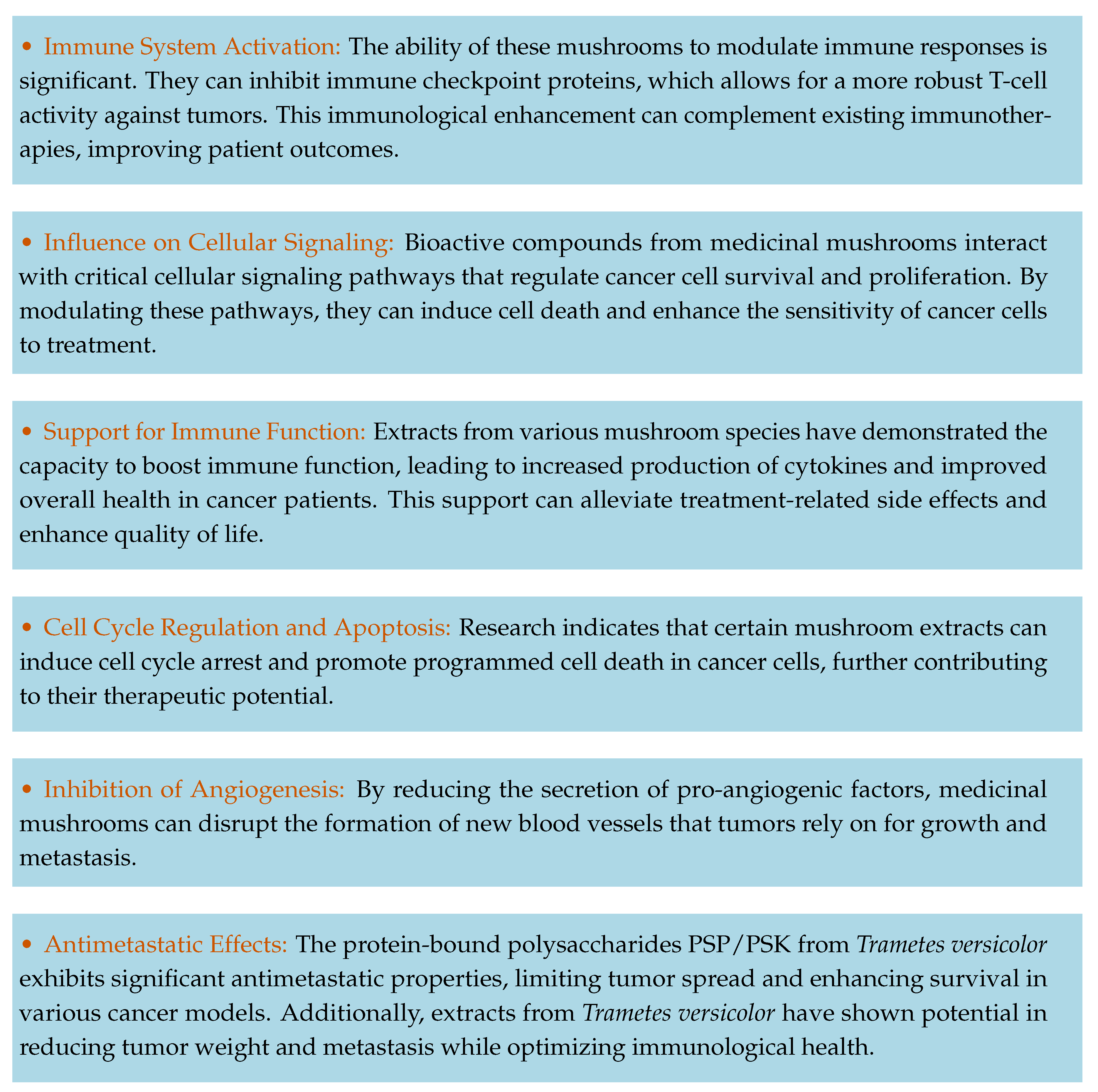
Research shows that adding medicinal mushrooms to cancer care can help lessen side effects and speed recovery. However, they are not a replacement for medical treatment. Always talk to your doctor before starting any supplement.
The Most Effective Mushrooms For Managing Side Effects
Some mushrooms stand out for their potential in supporting people during radiation therapy. Here are the most studied and recommended types:
1. Reishi (ganoderma Lucidum)
Reishi is known as the “mushroom of immortality” in traditional Chinese medicine. It has a long history of use for boosting health and longevity.
How Reishi Helps
- Increases white blood cells, especially in people with cancer.
- Reduces inflammation and may help lower fatigue.
- Supports liver health, which is often stressed during radiation.
Studies show that reishi can help improve immune function and may even reduce anxiety and depression in cancer patients. Some research suggests it can help with sleep problems caused by treatment.
How To Use
Reishi is mostly taken as a capsule, powder, or tea. The taste is bitter, so many prefer capsules. Typical doses range from 1. 5 to 9 grams per day, depending on the extract strength.
2. Turkey Tail (trametes Versicolor)
Turkey tail is famous for its colorful, fan-shaped appearance. It is one of the most well-researched medicinal mushrooms for cancer support.
How Turkey Tail Helps
- Contains a compound called PSK (polysaccharide-K) that stimulates the immune system.
- May reduce the risk of infections after radiation lowers white blood cells.
- Some evidence suggests it improves survival rates when used with standard cancer treatments.
A Japanese study showed that patients who took turkey tail extract had fewer relapses and lived longer after cancer treatment.
How To Use
Turkey tail is available as capsules, powders, and teas. The usual dose is 2 to 3 grams of extract per day. It can be mixed into smoothies or warm drinks.
3. Shiitake (lentinula Edodes)
Shiitake mushrooms are well-known in cooking but also have strong medicinal value.
How Shiitake Helps
- Rich in lentinan, a substance that may boost immune activity.
- Helps fight fatigue and supports gut health.
- May protect against infections when blood counts are low.
Shiitake extracts are sometimes used in Japan as part of cancer therapy to help reduce side effects and infections.
How To Use
Fresh or dried shiitake can be added to meals. Supplements and extracts are also available. A common dose is 6 to 16 grams of dried mushroom per day or 1 to 3 grams of extract.
4. Maitake (grifola Frondosa)
Maitake means “dancing mushroom” in Japanese. People have prized it for its healing properties for centuries.
How Maitake Helps
- Contains beta-glucans that support immune cells.
- May help the body recover faster from fatigue and low energy.
- Supports healthy blood sugar, which is important during cancer treatment.
Some studies suggest maitake can improve quality of life by reducing weakness and supporting weight maintenance.
How To Use
Maitake is eaten fresh in food or taken as powder or capsules. Doses range from 3 to 7 grams daily, depending on the form.
5. Cordyceps (cordyceps Sinensis/militaris)
Cordyceps is unique because it grows on insects in the wild. Today, most cordyceps supplements are grown in labs.
How Cordyceps Helps
- Boosts energy and reduces treatment-related fatigue.
- Supports lung and kidney health, organs often affected by radiation.
- May help reduce inflammation and improve exercise tolerance.
A Chinese study found that cordyceps supplements helped cancer patients feel less tired and improved their ability to do daily activities.
How To Use
Cordyceps is usually taken as a powder or capsule. The standard dose is 1 to 3 grams per day.
6. Lion’s Mane (hericium Erinaceus)
Lion’s mane is known for its brain-boosting effects, but it also has anti-inflammatory and immune-supporting benefits.
How Lion’s Mane Helps
- Supports nerve health, which can be affected by some cancer treatments.
- May reduce anxiety and depression linked to treatment.
- Supports gut health and digestion.
Some research shows lion’s mane may help patients recover from “chemo brain” and mental fatigue.
How To Use
Available as capsules, powders, or fresh mushrooms. Dosage varies, but 1 to 3 grams per day is common.
How These Mushrooms Compare
Here’s a quick overview of the key benefits of each mushroom and their most common forms:
| Mushroom | Main Benefit | Common Form | Typical Dose |
|---|---|---|---|
| Reishi | Immune boost, less fatigue | Capsule, tea, powder | 1.5–9g/day |
| Turkey Tail | Immune support, infection control | Capsule, powder, tea | 2–3g/day |
| Shiitake | Gut health, infection defense | Fresh, capsule, extract | 6–16g/day fresh, 1–3g extract |
| Maitake | Energy, immune function | Fresh, powder, capsule | 3–7g/day |
| Cordyceps | Energy, lung support | Capsule, powder | 1–3g/day |
| Lion’s Mane | Nerve health, mood | Capsule, powder, fresh | 1–3g/day |
How Mushrooms Help With Specific Radiation Therapy Side Effects
Different mushrooms target different problems. Here’s how they can help you manage the most common side effects of radiation therapy:
Fatigue
Cordyceps and maitake are especially good at fighting fatigue. Their polysaccharides help your body produce more energy at the cellular level. Patients in several studies reported feeling more energetic and less tired after taking these mushrooms for a few weeks. Lion’s mane may also help by supporting brain function and mood.
Low Immunity And Infection Risk
Reishi, turkey tail, and shiitake all boost white blood cells, which defend against infection. Turkey tail’s PSK has been shown to help the immune system recover faster after radiation. This can lower your risk of catching a cold or more serious infections when your immune system is at its weakest.
Nausea And Digestive Issues
Shiitake and lion’s mane support healthy gut bacteria, which can reduce nausea and help your digestive system recover. Maitake can also help balance blood sugar, which sometimes drops during treatment and leads to queasiness. Some patients find that adding mushrooms to soups or broths is an easy way to eat when their appetite is low.
Skin Problems
Reishi has anti-inflammatory and wound-healing properties. Some people use creams with reishi extract to soothe radiation burns or dry skin. There’s less research here, but anecdotal reports are positive. Lion’s mane may also help with nerve-related skin issues.
Mental Health And “chemo Brain”
Lion’s mane is unique because it contains compounds that support nerve growth. This may help with memory, focus, and mood problems that can come after radiation. Reishi is known for calming effects and can help with sleep and anxiety.
Appetite Loss And Weight Management
Maitake and shiitake can help keep your appetite steady. By supporting digestion and gut health, they make it easier to eat well and maintain your weight. People who eat more mushrooms during treatment often report fewer problems with weight loss or malnutrition.
Comparison Of Mushrooms For Different Side Effects
Here’s a summary of which mushroom helps most with each side effect:
| Side Effect | Best Mushrooms | Supporting Evidence |
|---|---|---|
| Fatigue | Cordyceps, Maitake, Lion’s Mane | Clinical studies, patient reports |
| Low immunity | Reishi, Turkey Tail, Shiitake | Lab studies, Japanese trials |
| Nausea, gut issues | Shiitake, Maitake, Lion’s Mane | Animal and human studies |
| Skin problems | Reishi, Lion’s Mane | Traditional use, early research |
| Mental health | Lion’s Mane, Reishi | Human trials, case reports |
| Appetite loss | Maitake, Shiitake | Dietary studies |
Credit: www.preprints.org
How To Choose And Use Mushroom Supplements
Choosing the right mushroom product is important. Not all supplements are created equal, and quality can vary.
What To Look For
- Type of mushroom: Make sure the supplement contains the species you want (e.g., Ganoderma lucidum for reishi).
- Full-spectrum extracts: Products should include both the fruiting body and mycelium for best results.
- Beta-glucan content: Look for products that list beta-glucan percentage (at least 20% is good).
- No fillers: Avoid products with starch, grain, or unnecessary additives.
- Third-party testing: Good brands test for purity and heavy metals.
Forms Of Mushroom Supplements
- Capsules/tablets: Convenient and easy to dose.
- Powders: Can be mixed into drinks or food.
- Teas: Traditional way, but taste can be strong.
- Liquid extracts: Faster absorption but sometimes contain alcohol.
How To Use Mushrooms Safely
- Start slow: Begin with a low dose to see how your body reacts.
- Take with food: This helps absorption and reduces the chance of stomach upset.
- Stay consistent: Most benefits appear after several weeks of daily use.
- Watch for allergies: Rare, but possible. Stop if you have a rash, stomach pain, or trouble breathing.
- Tell your doctor: Always share supplement use with your medical team. Mushrooms can interact with some medications.
Practical Tips For Adding Mushrooms To Your Diet
- Add fresh shiitake or maitake to soups, stir-fries, or stews.
- Mix powder into oatmeal, smoothies, or yogurt.
- Brew reishi or turkey tail tea and drink once or twice a day.
- Try mushroom coffee blends for a gentle daily boost.
Scientific Evidence: What The Research Says
Medicinal mushrooms are getting more attention from scientists. Here are some key findings:
- Turkey tail extract (PSK) is approved in Japan as part of cancer therapy. A review of 8,000 patients found it improved survival in several types of cancer.
- Reishi was shown to increase white blood cells in patients with advanced cancer, helping them fight infections better.
- Shiitake extract (lentinan) is used in Japan to reduce chemotherapy and radiation side effects, especially infection risk.
- Cordyceps improved energy and physical function in people with cancer-related fatigue in Chinese studies.
- Lion’s mane was found to improve cognitive function and mood in older adults.
While more large-scale studies are needed, the results so far are promising. The key is to use mushrooms as a supportive therapy, not a replacement for standard cancer care.
For more on the science behind mushrooms in cancer care, visit the National Cancer Institute.
Credit: www.pacehospital.com
Real-world Examples And Success Stories
Many patients have found relief from radiation side effects by adding mushrooms to their routine.
- Anna, a breast cancer survivor, started taking turkey tail capsules during radiation. She says, “I felt less tired and didn’t get any infections, even when my white counts dropped.”
- Michael, who had throat cancer, used reishi tea to help with sleep and anxiety. “It helped me relax and my skin healed faster than expected.”
- Linda, in her 60s, added shiitake to her meals during treatment. “I had fewer stomach problems and was able to keep eating well.”
It’s important to remember that everyone is different. What works for one person may not work for another. Discuss any new supplement with your healthcare provider before starting.
Possible Risks And Precautions
While medicinal mushrooms are generally safe, there are some things to consider:
- Allergic reactions: Rare but possible. Symptoms include rash, itching, or breathing problems.
- Drug interactions: Mushrooms may interact with blood thinners, immune drugs, or blood pressure medication.
- Digestive upset: High doses can cause nausea or diarrhea in some people.
- Not for everyone: If you have an autoimmune disease or are on immunosuppressants, use with caution.
Always buy from trusted sources and check for quality certifications. If you notice any side effects, stop use and talk to your doctor.
Credit: www.mdpi.com
Two Non-obvious Insights About Mushrooms And Radiation Therapy
- Mushrooms may help restore gut bacteria damaged by radiation. Radiation can harm the gut microbiome, leading to digestive problems and low immunity. Some mushrooms, like shiitake and lion’s mane, support the growth of healthy bacteria, speeding up recovery.
- The timing of mushroom use matters. Taking mushrooms both before and after radiation may give better results. Starting a few weeks before treatment can help strengthen your immune system, making it more resilient during and after therapy.
Common Mistakes To Avoid
- Starting high doses too quickly: This can upset your stomach. Always build up slowly.
- Mixing too many types at once: Begin with one or two mushrooms to see how you respond.
- Ignoring medical advice: Mushrooms are supportive, not a cure. Never stop prescribed treatment.
- Buying low-quality products: Cheap supplements may not contain real medicinal mushrooms or enough active ingredients.
- Not reading ingredient labels: Look out for fillers or allergens.
Integrating Mushrooms With Other Side Effect Management Strategies
Medicinal mushrooms work best as part of a larger care plan. Combine them with:
- Good nutrition: Eat a balanced diet with fruits, vegetables, and proteins.
- Physical activity: Gentle exercise can reduce fatigue and boost mood.
- Hydration: Drink plenty of water to help your body recover.
- Rest: Prioritize sleep and relaxation.
- Medical support: Use all prescribed medications and attend follow-up visits.
If you’re interested in using mushrooms, ask your care team for advice. Some hospitals offer integrative oncology services that include guidance on herbs and supplements.
Frequently Asked Questions
What Is The Best Mushroom To Use During Radiation Therapy?
The best mushroom depends on your main side effect. Reishi is great for immune support and reducing fatigue. Turkey tail is excellent for boosting white blood cells and fighting infection. Cordyceps helps with energy, while lion’s mane is best for mental health and nerve support. Many people use a combination based on their needs.
Are Medicinal Mushrooms Safe To Use With Radiation Therapy?
Most medicinal mushrooms are safe when used as directed. However, they may interact with some medications, especially immune drugs and blood thinners. Always consult your doctor before starting any new supplement during cancer treatment.
How Long Does It Take To See Results From Mushroom Supplements?
Some people notice improvement within a few days, especially with energy and gut health. However, most benefits appear after 2 to 4 weeks of consistent use. It’s important to take mushrooms daily for the best results.
Can I Eat Fresh Mushrooms Instead Of Taking Supplements?
Eating fresh mushrooms like shiitake and maitake is healthy and offers some benefits. However, supplements are usually more concentrated and provide higher doses of active compounds. For therapeutic effects, extracts or capsules are often more effective.
Where Can I Find Reliable Mushroom Supplements?
Look for brands that provide third-party testing, list beta-glucan content, and use whole mushroom extracts. Health food stores, integrative medicine clinics, and reputable online shops are good places to start. Avoid products with fillers or unclear labeling.
Radiation therapy can be challenging, but you have options to manage its side effects. Medicinal mushrooms offer a natural, science-backed way to support your body and improve your quality of life during and after treatment. With the right knowledge and the support of your healthcare team, you can use mushrooms safely and effectively as part of your recovery journey.