
Turkey Tail Vs Reishi Vs Chaga: The Ultimate Immune Mushroom Showdown
Mushrooms are not just food—they’re powerful allies for health. For centuries, people have used medicinal mushrooms in Asia, Europe, and beyond to boost their immune systems and promote well-being. But today, three mushrooms stand out above the rest: Turkey Tail, Reishi, and Chaga. You may see these names on supplement bottles, in wellness blogs, or even as ingredients in coffee and tea. But what makes each one special? How do you choose between them if your goal is better immune health?
This deep dive will compare Turkey Tail, Reishi, and Chaga from every angle. You’ll learn their histories, how they work in the body, key nutrients, research findings, taste, safety, and how to use them for the best results. By the end, you’ll have a clear answer to which mushroom is best for your needs—and why the answer isn’t the same for everyone.
The Power Of Medicinal Mushrooms
People have turned to mushrooms for health for thousands of years. Traditional Chinese Medicine considers them “superior” herbs, meaning they can be used long-term for vitality, balance, and longevity. Modern science now confirms many of these claims, especially for immune support.
Medicinal mushrooms contain beta-glucans, triterpenes, polysaccharides, and antioxidants—natural compounds that help the immune system work smarter, not harder. But each species has its own unique chemical makeup and health benefits.
Let’s meet the three main contenders in the immune mushroom showdown.
Turkey Tail: The Immune System’s Cheerleader
Turkey Tail (Trametes versicolor) gets its name from its colorful, fan-shaped bands that resemble a turkey’s tail feathers. Found on dead logs around the world, it’s one of the most studied mushrooms for immune health.
Key Nutrients And Compounds
- Polysaccharide-K (PSK): A unique protein-bound polysaccharide shown to support immune function.
- Polysaccharide-Peptide (PSP): Another potent immune modulator found only in Turkey Tail.
- Beta-glucans: Complex sugars that help activate the body’s natural defenses.
- Antioxidants: Help fight free radicals and oxidative stress.
Scientific Research And Evidence
Turkey Tail is famous for its role in cancer support. In Japan and China, extracts like PSK and PSP have been approved as adjunct treatments for cancer patients for over 30 years. Some key research highlights include:
- Immune Modulation: Studies show Turkey Tail can increase activity of natural killer (NK) cells, T-cells, and macrophages—key players in the immune system.
- Cancer Recovery: A meta-analysis of clinical trials found that patients given Turkey Tail extract after surgery or chemotherapy had improved survival rates and better quality of life.
- Gut Health: Turkey Tail’s prebiotic fibers may help grow beneficial gut bacteria, which play a huge role in immunity.
Taste, Form, And How To Use
Turkey Tail is tough and woody—unsuitable for eating raw or cooked. It’s commonly used as:
- Powder or capsules for supplements
- Hot water extracts (teas, tinctures)
- Blended powders in smoothies or coffee
The taste is mild, earthy, and slightly bitter.
Not-so-obvious Insights
- PSK and PSP are unique to Turkey Tail—you won’t find these specific immune compounds in other mushrooms.
- Most mushroom supplements use the fruiting body (the above-ground part), but many Turkey Tail products use both the fruiting body and mycelium (the root-like structure). Quality and potency can vary, so check labels for these details.
Reishi: The Mushroom Of Immortality
Reishi (Ganoderma lucidum), often called the “mushroom of immortality,” has a long history in Chinese medicine. It was once reserved for emperors and the elite. Today, it’s prized for its calming effects and support for both immunity and stress.
Key Nutrients And Compounds
- Triterpenes: Bitter compounds that support liver health and calm inflammation.
- Beta-glucans: Stimulate the immune system.
- Polysaccharides: Support overall wellness and defense.
- Sterols and Peptides: May help regulate blood pressure and cholesterol.
Scientific Research And Evidence
Modern studies suggest Reishi offers a broad spectrum of benefits:
- Immune Balance: Reishi helps modulate the immune system, making it more responsive when needed and calming it when overactive (important for allergies and autoimmune issues).
- Anti-Cancer: Some lab studies show Reishi extracts can slow the growth of certain cancer cells and improve the quality of life for cancer patients.
- Stress Relief: Reishi is considered an adaptogen, meaning it helps the body adapt to stress and supports mental clarity.
One clinical trial found that people with chronic fatigue syndrome who took Reishi reported less fatigue and better mood compared to placebo.
Taste, Form, And How To Use
Reishi is hard and bitter—rarely eaten as food. It’s usually available as:
- Teas or decoctions
- Capsules or tablets
- Tinctures (alcohol-based extracts)
- Powders for mixing into drinks
Its flavor is very bitter, earthy, and strong—often described as “medicinal. ”
Not-so-obvious Insights
- Reishi’s triterpenes are only present in alcohol extracts, not water extracts. If you want the full calming and anti-inflammatory benefits, look for dual-extract or tincture products.
- Reishi is best taken in the evening for its relaxing effects. Many people report better sleep and less nighttime anxiety.
Chaga: The Antioxidant King
Chaga (Inonotus obliquus) grows mainly on birch trees in cold northern forests. It looks more like burnt charcoal than a mushroom, but it’s packed with health-promoting compounds.
Key Nutrients And Compounds
- Beta-glucans: Support immune health.
- Melanin: Gives Chaga its dark color and acts as a powerful antioxidant.
- Polyphenols: Help reduce inflammation and support cell health.
- Triterpenes and Betulinic acid: Unique compounds from birch bark absorbed by Chaga.
Scientific Research And Evidence
Chaga’s reputation is built on its antioxidant power:
- Oxidative Stress: Chaga has among the highest antioxidant scores of any food, helping neutralize free radicals and reduce cell damage.
- Immune Support: Studies show Chaga may increase the production of certain immune cells, boosting defense against infections.
- Blood Sugar and Cholesterol: Early research suggests Chaga may help regulate blood sugar and lower LDL (“bad”) cholesterol.
A 2015 study found that Chaga extract increased the lifespan of mice by reducing inflammation and protecting cells from damage.
Taste, Form, And How To Use
Chaga is hard like wood and must be extracted before use. It’s often found as:
- Tea (hot water extracts)
- Powder for smoothies or coffee
- Capsules or tablets
- Tinctures (for alcohol-soluble compounds)
Chaga has a mild, slightly sweet, earthy flavor—some say like vanilla or birch.
Not-so-obvious Insights
- Chaga’s main antioxidants (melanin and polyphenols) are sensitive to heat—so long, hard boiling can reduce their potency. Shorter, gentler extractions preserve more benefits.
- Wild-harvested Chaga is richer in nutrients than farmed Chaga. But overharvesting is a real concern, so look for sustainable sources.
Comparing Turkey Tail, Reishi, And Chaga Side By Side
It’s hard to choose the best immune mushroom without a direct comparison. The table below gives a quick overview of how Turkey Tail, Reishi, and Chaga stack up:
| Mushroom | Main Immune Compounds | Unique Benefits | Best Use | Taste | Form |
|---|---|---|---|---|---|
| Turkey Tail | PSK, PSP, Beta-glucans | Strong cancer research, gut health | Immune recovery, daily support | Mild, earthy, slightly bitter | Powder, capsule, tea |
| Reishi | Triterpenes, Beta-glucans | Stress relief, sleep, immune balance | Evening use, adaptogen | Bitter, strong, medicinal | Tea, tincture, capsule |
| Chaga | Beta-glucans, Melanin, Polyphenols | Antioxidant, anti-inflammatory | Oxidative stress, daily wellness | Mild, earthy, vanilla-like | Tea, powder, capsule |
The Science Behind Immune Support
All three mushrooms support the immune system, but they do so in different ways.
- Turkey Tail is like a coach, helping the immune system spot and destroy threats more efficiently. Its special polysaccharides (PSK and PSP) act as messengers, alerting immune cells to respond quickly.
- Reishi acts as a balancer. If your immune system is overactive (as in allergies or autoimmune conditions), it helps calm things down. If it’s weak, it boosts activity.
- Chaga focuses on protection. By fighting oxidative stress and reducing inflammation, it helps keep cells healthy and less prone to disease.
Some people combine these mushrooms for a full spectrum of immune support, but even alone, each has a unique strength.
Credit: uk.naturecan.com
Deep Dive: Turkey Tail’s Immune Power
Turkey Tail’s greatest claim to fame is its use in cancer therapy. In Japan, the extract known as PSK (polysaccharide-K) is a registered anti-cancer drug. It’s not a cure, but it’s used alongside chemotherapy and radiation to help patients recover faster and reduce side effects.
- PSK boosts the activity of immune cells like T-cells and NK cells, which are essential for finding and attacking abnormal cells.
- In a study of over 1,000 gastric cancer patients, those who took PSK lived longer and had fewer recurrences than those who didn’t.
- Turkey Tail’s prebiotic fibers feed healthy gut bacteria, which play a big role in immune health. A healthy gut means a stronger, more balanced immune system.
Turkey Tail is also a favorite for people recovering from illness or looking for gentle, daily immune support.
Deep Dive: Reishi’s Balancing Act
If you deal with stress, insomnia, or allergies, Reishi might be your best pick. Its triterpenes are especially good at calming inflammation and helping the body relax.
- Reishi has been shown to reduce allergy symptoms by calming overactive immune responses.
- In animal studies, Reishi extracts helped reduce anxiety and improved sleep quality.
- Unlike most mushrooms, Reishi is an adaptogen—meaning it helps your body handle stress better. This can make your immune system less likely to get overwhelmed during tough times.
People with autoimmune issues sometimes use Reishi to help their immune system “learn” to stop attacking healthy tissue, though this should be done under medical supervision.
Deep Dive: Chaga’s Antioxidant Riches
Chaga is often called the “King of Mushrooms” for its antioxidant content. It’s especially high in melanin, the same pigment that protects human skin from UV damage.
- One lab test found Chaga’s antioxidant power to be 25 times higher than blueberries, making it one of the best foods for fighting free radicals.
- Chaga contains betulinic acid, a compound it absorbs from birch trees. Betulinic acid has shown anti-inflammatory and anti-tumor activity in lab studies.
- People in Siberia and Scandinavia traditionally drank Chaga tea to stay healthy through harsh winters and to support immune health.
Chaga is a favorite for those wanting to protect their cells and support general wellness every day.
Safety And Side Effects
Medicinal mushrooms are generally safe for most people, but there are some important things to know.
Turkey Tail
- Rarely causes side effects. Some people report mild digestive upset or darkened stools.
- People on immune-suppressing drugs should consult a doctor first.
Reishi
- High doses or long-term use can cause dry mouth, dizziness, upset stomach, or rashes.
- Reishi thins the blood slightly, so people on blood thinners should use caution.
Chaga
- Chaga is high in oxalates, which can be a problem for people with kidney stones or kidney disease.
- Chaga may lower blood sugar, so people with diabetes should monitor their levels closely.
Tip: Always start with a small dose and increase slowly. If you take medication or have a health condition, talk to your doctor before adding any mushroom supplement.
Choosing The Right Mushroom For You
With so many benefits, how do you pick the right mushroom?
- For cancer recovery, immune weakness, or gut health: Turkey Tail is the top choice. Its unique compounds and strong clinical research make it a leading immune booster.
- For stress, anxiety, allergies, or sleep problems: Reishi is best. Its adaptogenic and calming effects support both mind and body.
- For overall wellness, antioxidant support, or inflammation: Chaga is the winner. Its powerful antioxidants help protect and repair your cells.
Some supplement brands combine all three mushrooms for broad-spectrum support, but using a single mushroom can help you target your main health goals.
How To Take Medicinal Mushrooms
Getting the most from medicinal mushrooms means choosing the right product and method:
- Extracts vs. Powders: Hot water or dual (water + alcohol) extracts are more potent than plain powders. Extracts pull out more of the beneficial compounds.
- Capsules, Powders, or Teas: Capsules are convenient. Powders can be added to drinks or food. Teas and tinctures offer traditional preparation and may be stronger.
- Dosage: Typical daily doses are 1–3 grams of extract or 2–4 grams of powder. Check product labels for specific amounts.
- Timing: Reishi is best in the evening. Turkey Tail and Chaga can be taken any time.
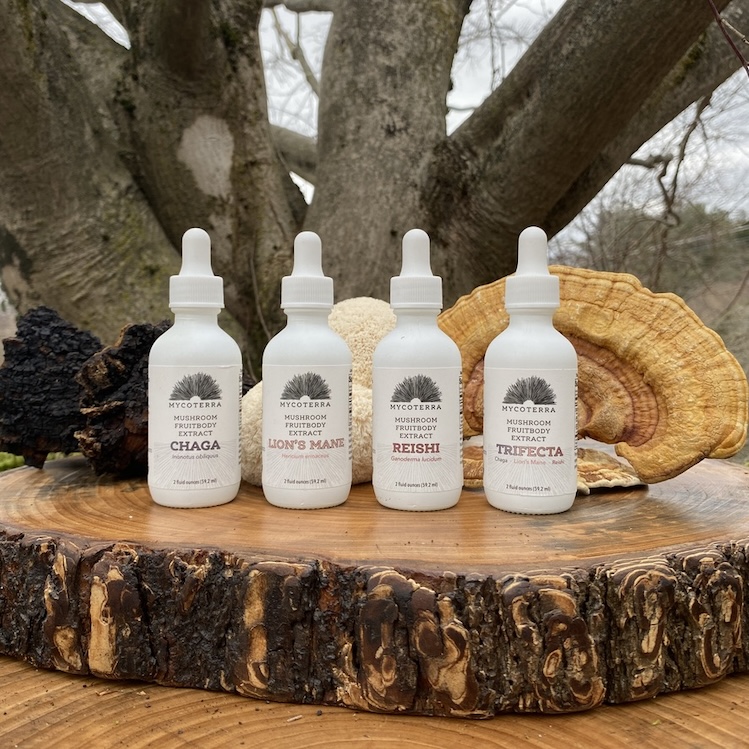
- Quality Matters: Look for products that clearly state the part of the mushroom used (fruiting body vs. mycelium), extraction method, and third-party testing.
Credit: www.mycoterrafarm.com
Quality And Sourcing: What To Look For
Not all mushroom supplements are created equal. Here’s how to get the best results:
| What to Check | Why It Matters |
|---|---|
| Fruiting body vs. mycelium | Fruiting bodies often contain more active compounds |
| Extraction method | Hot water extracts are best for beta-glucans; alcohol extracts for triterpenes |
| Third-party testing | Ensures purity and absence of contaminants |
| Sustainable harvesting | Protects wild populations and environment |
| Clear labeling | Transparency about ingredients and dosages |
One mistake beginners make is buying the cheapest supplement without checking for quality. Poor-quality products may lack active compounds or could be contaminated with heavy metals or pesticides.
Unique Benefits: Beyond Immunity
While all three mushrooms support immunity, each offers special benefits:
- Turkey Tail: Prebiotic fibers for gut health, possible anti-viral effects.
- Reishi: Liver support, mood regulation, and potential blood sugar balancing.
- Chaga: Skin health thanks to melanin, support for healthy aging.
Some athletes use Reishi for recovery, while people with digestive issues prefer Turkey Tail for its gut benefits. Chaga drinkers often notice clearer skin and less inflammation.
Practical Tips For Beginners
If you’re new to medicinal mushrooms, here’s how to get started:
- Start with one mushroom to see how your body reacts.
- Try powders in smoothies or coffee if you don’t like capsules.
- Mix mushrooms with food—soups, broths, or oatmeal—for a gentle introduction.
- Be patient: It can take several weeks to notice full benefits.
- Rotate mushrooms every few months to avoid “plateauing” in effect.
The Role Of Mushrooms In Traditional And Modern Medicine
Turkey Tail, Reishi, and Chaga have been used by different cultures for centuries:
- Turkey Tail is found in ancient Chinese and Japanese texts as a remedy for lung and liver health.
- Reishi was called “Lingzhi” in China and was so prized that it appears in royal artwork.
- Chaga has been used by Siberian shamans and the Khanty people of Russia for immune and digestive health.
Today, research continues to uncover new compounds and benefits. For more on the history and research behind these mushrooms, see the Medicinal Mushroom Wikipedia page.
Common Mistakes When Using Medicinal Mushrooms
- Using raw or unextracted mushrooms: Many beneficial compounds are locked inside mushroom cell walls. Hot water or alcohol extraction is needed to make them bioavailable.
- Expecting instant results: Medicinal mushrooms work best over time, not as quick fixes.
- Ignoring dosage and quality: Too little or poor-quality products won’t give results.
- Not rotating or cycling: The body can get “used to” certain adaptogens. Switching mushrooms every few months can maintain their effects.
Who Should Avoid These Mushrooms?
While most people tolerate medicinal mushrooms well, some should avoid them or use caution:
- Pregnant or breastfeeding women: Safety is not well studied.
- People on immune-suppressing drugs: Talk to your doctor first.
- Those with mushroom allergies: Avoid all mushroom supplements.
- People with kidney disease: Chaga’s oxalates can worsen kidney issues.
If you notice rashes, digestive upset, or other side effects, stop use and consult a healthcare provider.
Real-world Examples: How People Use These Mushrooms
- A breast cancer survivor in Japan used Turkey Tail extract alongside chemotherapy and reported fewer infections and faster recovery.
- A busy professional found that taking Reishi in the evening improved sleep and helped manage work stress.
- A fitness enthusiast added Chaga powder to morning smoothies for extra antioxidants and noticed better post-workout recovery.
These stories reflect what research and tradition suggest: the right mushroom can make a real difference in daily health.
Frequently Asked Questions
What Is The Best Mushroom For Immune Support?
All three mushrooms—Turkey Tail, Reishi, and Chaga—support immune health, but Turkey Tail has the most clinical research for boosting immunity, especially during recovery from illness. Reishi balances the immune system, and Chaga provides strong antioxidant protection.
Are There Any Side Effects To Taking Medicinal Mushrooms?
Most people tolerate these mushrooms well. Mild side effects can include digestive upset, dry mouth, or rashes. Chaga may raise oxalate levels, which is a concern for those with kidney stones. Always start with a small dose.
Can I Take Turkey Tail, Reishi, And Chaga Together?
Yes, many supplements combine these mushrooms for a broader range of benefits. However, it’s wise to start with one and add others slowly, watching for any side effects or interactions with medications.
How Long Does It Take To See Results From Medicinal Mushrooms?
It can take 2–4 weeks of regular use to notice benefits like more energy, better immune function, or improved sleep. Mushrooms work gradually by supporting and balancing the body.
What’s The Best Form To Take: Powder, Capsule, Tea, Or Tincture?
Extracts—especially hot water or dual extracts—are most effective. Powders are convenient for food and drinks, while tinctures offer fast absorption. Capsules are best for those who want no taste. Choose based on your lifestyle and taste preferences.

Credit: drinkneubrain.com
Final Thoughts
Turkey Tail, Reishi, and Chaga are three of the world’s most powerful immune-boosting mushrooms. Each brings its own set of strengths: Turkey Tail for robust immune support and gut health, Reishi for stress relief and balance, and Chaga for antioxidant protection and daily wellness.
The key is matching the right mushroom to your personal health goals—and always choosing high-quality, well-extracted products. With patience and smart use, these mushrooms can help you build a stronger, more resilient body for life. Whether you’re looking for recovery, better sleep, or everyday vitality, the ultimate immune mushroom is the one that fits your needs best.