
Recovering from antibiotics can feel like a slow uphill walk for your body, especially your gut. Many people don’t realize how much antibiotics can disturb your inner balance. They save lives by killing harmful bacteria, but they also wipe out the good ones that keep your digestion strong and your immune system ready. That’s why more people now look for ways to restore their gut after antibiotics. One natural option attracting attention is the turkey tail mushroom. With centuries of traditional use and modern science backing its benefits, turkey tail might be the secret to regaining your gut health—faster than you expect.
This article dives deep into how turkey tail mushroom can help you restore gut flora after antibiotics, why it works, and how to use it. Along the way, you’ll learn what most beginners miss, such as timing, dosing, and combining turkey tail with other foods. By the end, you’ll have all the answers for getting your gut back on track—without confusion.
The Gut Flora Crisis After Antibiotics
Antibiotics are designed to fight infection, but they often act like a wildfire in your gut. Most people believe only the bad bacteria die, but in reality, antibiotics reduce good bacteria too. This loss opens space for harmful microbes to grow and can cause:
- Digestive upset: Diarrhea, bloating, stomach pain
- Weaker immunity: More colds and infections
- Mood swings: The gut-brain axis is disrupted
- Food sensitivities: Trouble digesting foods you once enjoyed
Research shows that even a short course of antibiotics can reduce gut diversity for weeks or months. Some strains of good bacteria never return without help. That’s why acting quickly after antibiotics can make a big difference.
Many people are surprised that the gut contains trillions of bacteria—more cells than in your entire body. These bacteria don’t just help digest food; they also make vitamins, train your immune system, and even help control appetite and mood. When antibiotics disrupt this complex world, the effects can be wide-reaching. For example, you might notice you get sick more easily or crave more sugar. Even skin problems like rashes or eczema can flare up after antibiotics, showing just how connected your gut is to your overall health.
What Is Turkey Tail Mushroom?
The turkey tail mushroom (scientific name: Trametes versicolor) grows on decaying wood all over the world. It gets its name from its beautiful, striped appearance—like the tail of a wild turkey. For centuries, healers in China and Japan have used turkey tail for its immune-boosting and digestive-supporting properties.
Modern research confirms these traditional uses. Turkey tail is now widely studied for its ability to help the immune system, support cancer recovery, and—most importantly for our topic—restore gut flora.
Nutritional Profile
Turkey tail is rich in:
- Polysaccharides: Especially beta-glucans, which feed good bacteria
- Antioxidants: Help repair cells and reduce inflammation
- Prebiotics: Natural fibers that fuel probiotic bacteria
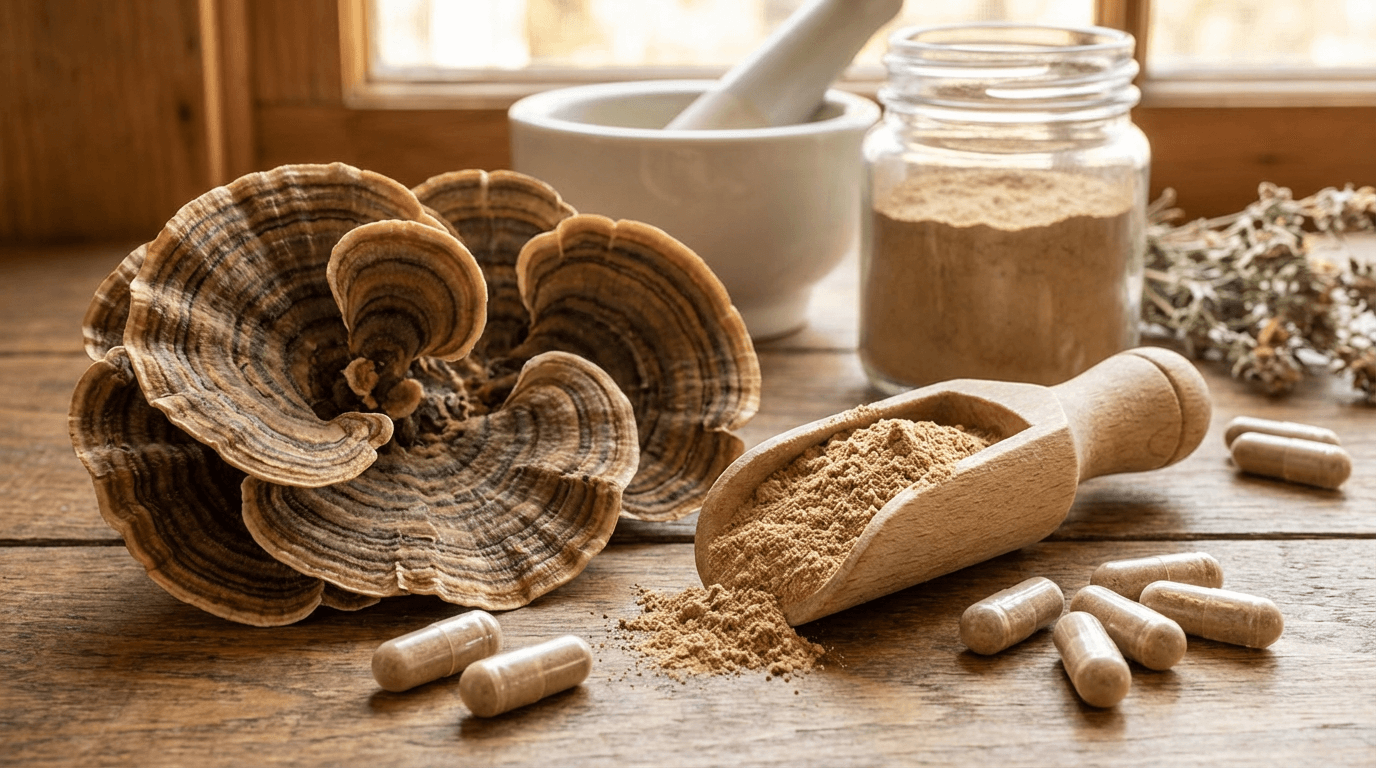
Unlike some mushrooms, turkey tail is tough and woody, so it’s usually taken as a powder, capsule, or tea.
What most people miss is that turkey tail also contains unique compounds called triterpenoids and phenols, which are known to support overall cell health. While you won’t get many vitamins or minerals from turkey tail, its fibers and bioactive compounds offer targeted benefits for your gut and immune system. In Asian medicine, it’s often combined with other herbs for a “synergy effect,” but even alone, turkey tail stands out for gut recovery.
How Antibiotics Damage Gut Flora
To understand turkey tail’s power, it helps to know what antibiotics do to your gut. Here’s a simplified look at the process:
- Broad destruction: Antibiotics kill both harmful and helpful bacteria.
- Lower diversity: Fewer types of bacteria survive. Good strains like Lactobacillus and Bifidobacterium often drop sharply.
- Opportunists thrive: Harmful bacteria and yeast can multiply quickly, leading to problems like Clostridium difficile infection or Candida overgrowth.
- Barrier weakness: With fewer good bacteria, your gut wall can become “leaky,” letting toxins pass into your bloodstream.
Restoring the balance is not just about adding probiotics. You need to feed the good bacteria and create the right environment for them to grow. This is where turkey tail comes in.
An important detail: When the gut barrier is weakened, your body can react to foods and chemicals that never bothered you before. This is why some people develop new allergies or sensitivities after a course of antibiotics. It’s not just about digestion—your entire immune system gets affected. Another thing people often overlook is that the gut makes most of your serotonin, a brain chemical that affects mood. When the bacteria are out of balance, your mood can shift, sometimes leading to anxiety or low motivation.
Why Turkey Tail Mushroom Helps Restore Gut Flora
Turkey tail mushroom is unique because it acts as a prebiotic—it doesn’t just add bacteria, it feeds and supports them. Here’s how it works:
- Beta-glucans: These complex sugars are food for beneficial bacteria. They help them multiply and crowd out harmful microbes.
- Polysaccharide-K (PSK) and Polysaccharide-P (PSP): These compounds have been shown in studies to increase the growth of Bifidobacterium and Lactobacillus.
- Reduces inflammation: Turkey tail’s antioxidants help calm the gut, making it easier for good bacteria to take hold.
- Supports immune defense: A healthy gut is your first line of defense against illness. Turkey tail strengthens this barrier.
Many people miss that turkey tail works best when combined with other gut-friendly habits. Taking the mushroom alone is good, but pairing it with the right foods multiplies the benefits.
Another insight: Turkey tail’s fibers are not digested in your stomach or small intestine. Instead, they reach the colon, where they act as “food” for your gut microbes. This targeted delivery makes turkey tail especially effective for rebuilding the lower gut, where most antibiotic damage occurs. The antioxidants in turkey tail can also help with the repair of the gut lining itself, not just the bacteria living there.
Turkey Tail Mushroom Vs. Probiotics: What’s The Difference?
It’s easy to confuse prebiotics with probiotics. Both are important, but they do different jobs.
| Feature | Turkey Tail Mushroom (Prebiotic) | Probiotic Supplements |
|---|---|---|
| Main Action | Feeds good bacteria | Adds live bacteria |
| Survival in Gut | Resistant to stomach acid | Many bacteria die before reaching the colon |
| Long-Term Benefit | Supports lasting changes in gut flora | May need daily use to maintain effect |
| Used After Antibiotics? | Very effective | Helpful, but needs prebiotics to work best |
The key insight: Turkey tail helps probiotics work better. If you only take probiotics but don’t feed them, they may not last. Turkey tail acts as the “fertilizer” for your gut garden.
Here’s a practical example: Imagine planting seeds (probiotics) in dry, poor soil. Without nutrients (prebiotics), few seeds will grow. But if you add compost (turkey tail), the seeds have a better chance to thrive. This is why combining turkey tail with probiotic foods or supplements is more effective than either alone.
Scientific Research: How Turkey Tail Restores Gut Health
Turkey tail is not just a folk remedy. Many studies now show its real effects on the gut after antibiotics.
Human And Animal Studies
- A 2017 study gave turkey tail extract to mice after antibiotics. The result: Gut bacteria diversity returned faster compared to mice who got no mushroom.
- Another study in humans found that turkey tail increased levels of Bifidobacterium and Lactobacillus within two weeks. These are the same bacteria often destroyed by antibiotics.
- Research in cancer patients (who often get strong antibiotics) showed that turkey tail reduced diarrhea and gut inflammation while improving immune markers.
Researchers also found that PSK, one of the main compounds in turkey tail, helped prevent the overgrowth of Clostridium difficile, a dangerous bacteria that can cause severe diarrhea after antibiotics. This shows turkey tail not only helps good bacteria, but also keeps bad bacteria in check.
Mechanisms Explained
Scientists believe turkey tail works by:
- Feeding good bacteria with its unique polysaccharides
- Blocking the growth of harmful bacteria that take over after antibiotics
- Repairing the gut lining so bacteria can re-colonize safely
One non-obvious insight: Turkey tail doesn’t “add” bacteria like a probiotic. Instead, it creates the perfect conditions for your body’s own good bacteria to recover.
Researchers are now exploring whether turkey tail can help people who suffer from antibiotic-associated diarrhea or even prevent it in the first place. While more studies are needed, early results are promising, especially for people with weakened immune systems or chronic gut issues.
How To Take Turkey Tail Mushroom After Antibiotics
Not all turkey tail products are equal, and timing matters. Here’s how to use turkey tail for best results.
Choosing The Right Form
Turkey tail is available as:
- Powder: Easy to mix into drinks or smoothies
- Capsules: Convenient for daily use
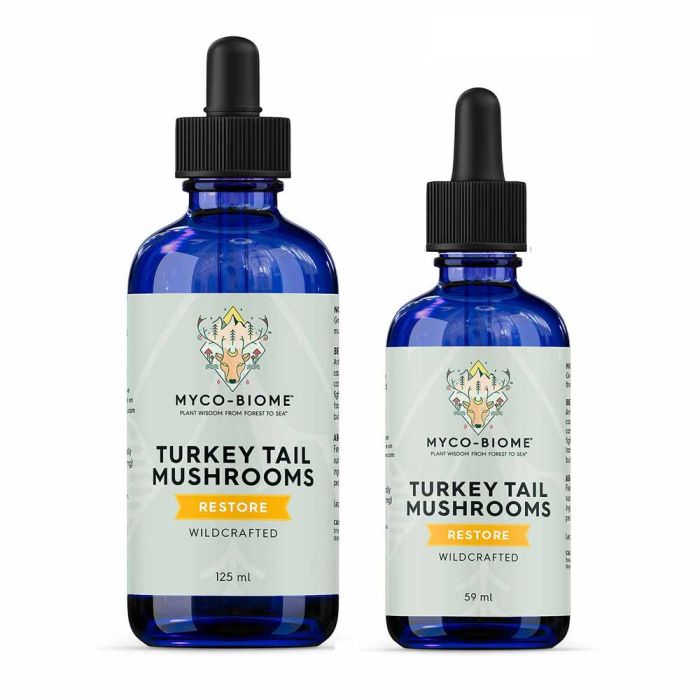
- Extracts: Usually stronger, taken in drops or small amounts
- Tea: Traditional but less potent unless brewed for a long time
Look for:
- “Whole fruiting body” (not just mycelium)
- Standardized for beta-glucan content (ideally 30% or more)
- Third-party tested for purity (no heavy metals or contaminants)
Be aware that some cheap products are mostly fillers or “mycelium on grain,” which contains fewer active compounds. Always check the label and, if possible, look for brands that share lab results.
Dosage Guidelines
For gut support after antibiotics, typical doses are:
- Powder/capsules: 1,000–3,000 mg per day (split into 2–3 doses)
- Extract: 1–2 ml per day (follow label instructions)
- Tea: 1–2 cups per day (use 3–5 grams dried mushroom per cup, simmer at least 1 hour)
Start low and increase gradually to avoid stomach upset.
If you’re new to turkey tail, begin with half the usual dose for the first few days. This gives your gut time to adjust to the extra fiber. People with sensitive stomachs often do better with capsules or extracts, as they are easier to digest than tea or powder.
Timing And Duration
- Start turkey tail the day after finishing antibiotics
- Continue for at least 2–4 weeks
- For ongoing gut issues, up to 12 weeks may be needed
Pro tip: Don’t take turkey tail at the exact same time as antibiotics. Wait until your antibiotic course is done.
Some gut experts recommend taking turkey tail with a small meal containing healthy fat, like avocado or olive oil. This can help your body absorb the mushroom’s antioxidants and other fat-soluble compounds.
Combining Turkey Tail With Other Gut-healing Foods
Turkey tail works best when you support your gut in other ways. Here’s how to build a “recovery plan”:
- Add fermented foods: Yogurt, kefir, sauerkraut, and kimchi supply live probiotics.
- Eat more fiber: Beans, oats, and vegetables act as extra prebiotics.
- Stay hydrated: Water helps flush out toxins and keeps gut lining healthy.
- Limit sugar and alcohol: These feed bad bacteria and yeast.
- Get enough sleep: Gut bacteria recover faster with good rest.
Combining turkey tail with these habits gives your gut the best chance to bounce back quickly.
If you want to go further, add other prebiotic foods like garlic, onions, asparagus, and bananas. These work alongside turkey tail to feed a wide variety of good bacteria. A simple meal plan might include oatmeal with berries for breakfast, a salad with beans for lunch, and stir-fried veggies and brown rice for dinner—plus your turkey tail supplement.
Another non-obvious tip: Try to eat meals at regular times each day. Gut bacteria have their own “clock,” and regular eating patterns help them recover and multiply after antibiotic stress.
Common Mistakes When Using Turkey Tail After Antibiotics
Most beginners make at least one of these mistakes:
- Taking turkey tail during antibiotics: The medicine can destroy the mushroom’s benefits. Wait until your antibiotics are finished.
- Using low-quality products: Cheap powders often contain fillers and little active ingredient. Look for tested, reputable brands.
- Ignoring diet: Relying only on supplements, while eating poorly, slows recovery.
- Stopping too soon: Gut flora takes weeks to rebuild. Consistency is key.
- Not drinking enough water: Turkey tail’s fiber needs water to work in the gut.
A surprising mistake: Some people expect instant results. Gut healing is slow and steady—it’s normal to need 2–4 weeks for real changes.
Another mistake is skipping turkey tail on busy days or when traveling. Gut bacteria like routine, so try to take your supplement at the same time every day. If you miss a dose, just continue as soon as you remember—don’t double up.
Turkey Tail Mushroom: Side Effects And Safety
Turkey tail is generally safe, but you should know:
- Mild digestive changes: Some people get more gas or loose stools at first. This usually passes.
- Allergic reactions: Rare, but possible if you are allergic to mushrooms.
- Interactions: If you have an immune disorder, are pregnant, or take immune drugs, talk to your doctor first.
Don’t use wild-foraged turkey tail unless you are sure of the species—many lookalikes exist.
Who Should Avoid Turkey Tail?
- People with mushroom allergies
- Anyone with a transplanted organ (immunosuppressed)
- Children under 2 years old (not well studied)
When in doubt, consult your healthcare provider.
If you have a sensitive stomach, try starting with a smaller dose or take turkey tail with food. Most mild side effects disappear as your gut gets used to the extra fiber and the new balance of bacteria.
Credit: antioxi-supplements.com
Real-life Experiences: Stories From People Who Used Turkey Tail
Hearing from real users can be encouraging. Here are some examples:
- Anna, age 34: “After a strong antibiotic for strep throat, I was bloated and tired for weeks. I started turkey tail powder in my morning smoothie. Within 10 days, my digestion felt normal again.”
- Miguel, age 52: “I travel for work and get sick often. My doctor recommended turkey tail after antibiotics. I noticed fewer colds and less stomach trouble compared to before.”
- Sara, age 28: “I combined turkey tail capsules with kefir and lots of veggies. The difference in my energy and mood was huge after just two weeks.”
One thing most people notice: Recovery is faster and more complete when they stick to turkey tail and a gut-friendly diet.
Another common thread is improved energy and mental clarity. Several users have reported that they felt less foggy and more focused after getting their gut bacteria back in balance. This makes sense, since the gut and brain communicate closely—a healthy gut often means a sharper mind.
How Long Does It Take To Restore Gut Flora After Antibiotics?
Recovery time depends on:
- Type and length of antibiotic: Stronger or longer treatments cause more disruption.
- Age and overall health: Younger, healthier people usually bounce back faster.
- Diet and lifestyle: Eating well, managing stress, and sleeping enough all help.
With turkey tail and good habits:
- Mild antibiotic course: 2–3 weeks to feel normal
- Strong or repeated antibiotics: 4–12 weeks for full recovery
Some bacteria may never return on their own. That’s why ongoing support with prebiotics like turkey tail is smart.
It’s important to listen to your body during this time. If you notice steady improvement but still have mild symptoms, keep up your recovery plan. For people with gut issues before antibiotics, full recovery may take longer, but many see steady progress each week.
Credit: www.healthfulpets.co.uk
Turkey Tail And Other Medicinal Mushrooms: How They Compare
Turkey tail is not the only mushroom that helps the gut, but it’s one of the best for post-antibiotic recovery. Here’s a comparison with other popular medicinal mushrooms:
| Mushroom | Main Benefit | Best Use After Antibiotics? |
|---|---|---|
| Turkey Tail | Restores gut flora, immune support | Yes, top choice |
| Reishi | Reduces inflammation, calms nerves | Helpful, but not as direct for gut |
| Lion’s Mane | Supports brain and nerves | Not focused on gut flora |
| Chaga | Antioxidant, supports immunity | Some benefit, but less studied for gut |
| Cordyceps | Boosts energy and stamina | Not gut-specific |
Non-obvious tip: Some people combine turkey tail with reishi or chaga for broader immune support, but for gut flora after antibiotics, turkey tail is the best-researched choice.
If you want to try a blend, start with turkey tail as your base. You can add small amounts of reishi for stress reduction or chaga for extra antioxidants, but don’t substitute these for turkey tail when your main goal is gut recovery.
Turkey Tail Mushroom: Myths Vs. Facts
With so much hype online, it’s easy to get confused. Let’s clear up a few myths:
- Myth: “Turkey tail replaces all probiotics.”
Fact: It helps, but works best with a balanced diet and sometimes a probiotic supplement.
- Myth: “You’ll feel better in a day.”
Fact: Gut recovery takes time, usually weeks, even with turkey tail.
- Myth: “All turkey tail products are the same.”
Fact: Quality varies greatly. Some are mostly filler. Always check for beta-glucan content and third-party testing.
- Myth: “Turkey tail is only for cancer patients.”
Fact: While often used in cancer support, turkey tail is safe and useful for many people, especially after antibiotics.
Another myth is that turkey tail mushrooms have a strong, unpleasant taste. In reality, the powder and capsules are usually mild—tea can be earthy, but blends well with ginger or lemon. If you don’t like the taste, capsules are an easy solution.

Credit: theorganicdogshop.com
Practical Steps: Your Post-antibiotic Recovery Plan
If you want to restore your gut flora quickly and safely after antibiotics, here’s a practical roadmap:
- Finish antibiotics as prescribed. Never stop early.
- Wait at least 2 hours after your last antibiotic dose before starting turkey tail.
- Begin turkey tail (powder, capsule, or extract) at a low dose.
- Add fermented foods daily—yogurt, kefir, sauerkraut, or kimchi.
- Eat high-fiber foods—beans, whole grains, vegetables.
- Stay hydrated—aim for at least 8 glasses of water per day.
- Limit sugar, alcohol, and processed foods for at least 2 weeks.
- Continue turkey tail for 2–4 weeks, or longer if you had a strong antibiotic.
- Monitor your symptoms—improvements usually start within 1–2 weeks.
- Consult a doctor if you have ongoing stomach pain, fever, or persistent diarrhea.
A surprising insight: Many people see the best results by starting with a half-dose for the first 3 days, then increasing to the full amount. This gives your gut time to adjust.
If you’re unsure about which turkey tail product to buy, ask for advice at a reputable health food store or read online reviews from users who have similar health goals. Keep your plan simple and consistent—small daily habits are more powerful than big changes you can’t maintain.
Where To Buy Turkey Tail Mushroom
You can find turkey tail online, at health stores, or sometimes in supermarkets. Look for:
- Certified organic products
- “Whole fruiting body” on the label
- At least 30% beta-glucans
- Third-party testing results (often posted on company websites)
Avoid products with “mycelium on grain” as the main ingredient—they’re often cheaper but contain less of the active compounds.
For more on what to look for, see this resource on medicinal mushroom quality.
If you prefer tea, buy dried turkey tail slices from a trusted herbal supplier. If you want convenience, capsules are best. Always check the expiration date and store your mushroom supplements in a cool, dry place.
Turkey Tail: Beyond The Gut
While this article focuses on gut health, turkey tail has other proven benefits:
- Immune system support: Used as a cancer therapy support in Japan
- Antioxidant protection: Helps your body resist damage from free radicals
- Liver health: Some studies show better liver function with turkey tail
These extra effects make turkey tail a valuable addition to your wellness routine, especially after illness.
People recovering from surgery, chemotherapy, or chronic fatigue also use turkey tail to boost their resilience. While results vary, many find that their overall energy and resistance to infections improve with regular use.
Frequently Asked Questions
Is Turkey Tail Mushroom Safe To Take With Other Supplements Or Medications?
Turkey tail is safe for most people when used as directed. If you take immune-suppressing drugs, have a transplant, or are pregnant, check with your doctor first. It usually works well with probiotics and other gut-friendly supplements.
How Soon After Antibiotics Should I Start Turkey Tail?
Begin turkey tail immediately after finishing your antibiotics—the next day is ideal. Don’t take it during your antibiotic course, as the medicine can reduce its effectiveness.
Can Children Use Turkey Tail Mushroom To Restore Gut Flora?
There’s limited research in children. For ages 2 and up, small doses may be safe, but always check with a pediatrician first. Do not give turkey tail to babies or toddlers without medical advice.
How Long Should I Take Turkey Tail After Antibiotics?
Most people benefit from 2–4 weeks of turkey tail after antibiotics. For strong or repeated courses, up to 12 weeks may be helpful. Watch your symptoms and adjust as needed.
What Are The Signs That My Gut Flora Is Improving?
Common signs include better digestion (less bloating, less diarrhea), more energy, improved mood, and fewer colds or infections. Changes are usually gradual over 1–3 weeks.
Regaining your gut health after antibiotics is not just possible—it can be faster and more complete with the right support. Turkey tail mushroom is one of the most effective, natural tools for restoring your inner balance. With smart choices, patience, and a little help from nature, your gut can recover—and you’ll feel the difference from the inside out.