
The story of Reishi mushroom is a journey through time, culture, and science. For over two thousand years, this unique fungus has been prized in Asia, especially in China, for its supposed power to support health and longevity. Today, Reishi has found a new role in the world of nootropics, where people use it hoping to boost brain health, focus, and mood. How did Reishi go from ancient legend to modern supplement? Let’s explore the fascinating history, cultural significance, and scientific evolution of this remarkable mushroom.
Ancient Roots: Reishi In Early Chinese Civilization
The earliest known use of Reishi—called Lingzhi in Chinese—dates back to the Han Dynasty, around 200 CE. Ancient texts like the “Shen Nong Ben Cao Jing” (Divine Farmer’s Materia Medica) describe Lingzhi as the “mushroom of immortality” and place it among the highest class of herbs. Unlike common mushrooms used for food, Reishi was rare, often found only in deep forests on decaying hardwoods.
Ancient Chinese believed Reishi could:
- Prolong life
- Increase wisdom
- Promote calmness and spiritual power
Finding a wild Reishi was considered a sign of good fortune. Emperors and the elite would send expeditions into remote mountains to harvest these mushrooms, which were then used in teas, tinctures, and medicines. Art and literature from this era often show Lingzhi as a symbol of health, spiritual power, and divine connection.
Reishi was not just used for physical health. It was also seen as a tool for spiritual growth. Shamans and monks sometimes used Reishi in ceremonies or meditation to clear the mind and reach higher states of awareness. The mushroom’s unique appearance, with its shiny, reddish cap, made it easy to recognize and added to its mysterious reputation.
Over centuries, stories and legends grew around Reishi. Some believed it could heal almost any sickness or even grant immortality. In fact, some emperors were so obsessed with finding Reishi that they sent entire teams into dangerous forests just to search for a single mushroom.
Paintings from the Han and Tang dynasties sometimes show court officials presenting Lingzhi to the emperor as a rare and special gift.
Non-obvious insight: Unlike many herbal medicines of the time, Reishi was rarely cooked or eaten as food. Its tough, woody texture made it difficult to chew or digest, so people used it mainly in teas or ground into powder for mixing with other herbs.
Reishi In Taoism And Traditional Chinese Medicine
Taoist alchemists were among the first to document Reishi’s use for spiritual purposes. They believed it could open the mind and help reach immortality, both physically and spiritually. Lingzhi was part of rituals, meditation practices, and even depicted in Taoist art, often in the hands of immortals.
In Traditional Chinese Medicine (TCM), Reishi is classified as a “superior herb.” This means it is considered safe for long-term use and beneficial to many organs. TCM practitioners used it to:
- Strengthen the “Qi” (life force)
- Calm the mind
- Support heart and lung health
- Reduce coughs and asthma
Reishi was often combined with other herbs to balance its effects and tailored to an individual’s needs. Even today, many TCM formulas include Lingzhi for its gentle, broad action.
TCM texts often mention that Reishi helps harmonize the body and spirit. Practitioners believed that by supporting the heart and calming the mind, Reishi helped both emotional and physical health. It was often recommended for people under stress, those recovering from illness, or older adults wishing to stay strong and alert.
Many famous Taoist figures are shown holding Lingzhi in art and sculpture. For example, the “Eight Immortals,” a group of legendary Taoist sages, are sometimes depicted offering or carrying Reishi as a symbol of their wisdom and supernatural abilities.
Reishi’s role in TCM is unique because it is considered non-toxic and suitable for almost everyone. Unlike some strong herbs, which can have side effects or need to be cycled, Reishi is seen as gentle and safe. This reputation for safety made it a popular choice for long-term wellness and prevention, not just for treating illness.
A detail beginners often miss: In TCM, the way Reishi is prepared matters. Whole mushrooms are often sliced and simmered for hours to extract the helpful compounds. Quick teas or capsules may not provide the same traditional benefits unless they use concentrated extracts.
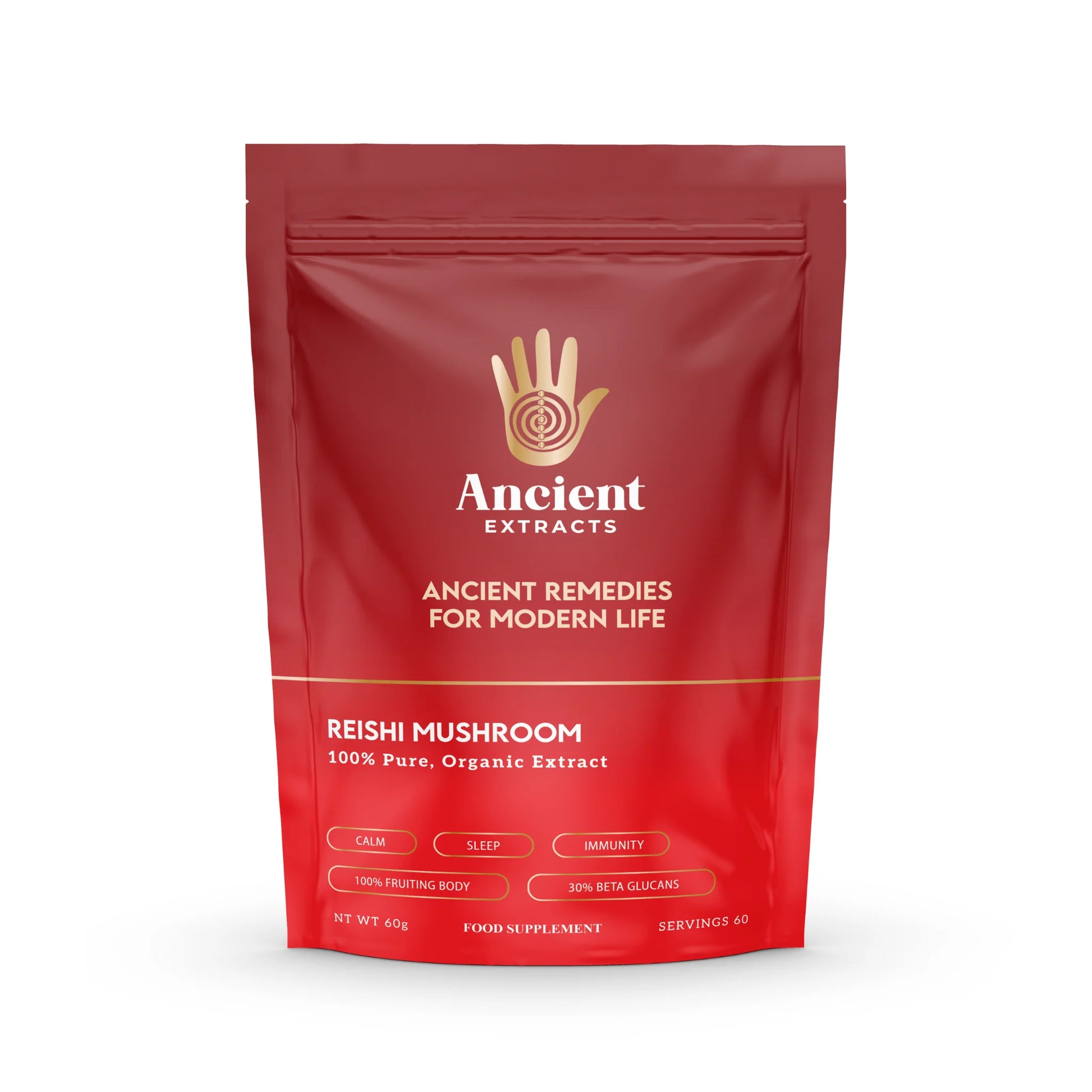
Credit: www.vitavoice.co.uk
Spread Across Asia: Japan, Korea, And Beyond
Although Reishi’s roots are in China, its reputation spread across Asia. In Japan, it’s known as Reishi or Mannentake (“10,000-year mushroom”), and in Korea, as Yeongji. Each culture developed its own ways of using and honoring this fungus.
Japan: The Art Of Cultivation
For centuries, Reishi was rare because it was hard to find in the wild. In 1972, a Japanese scientist named Shigeaki Mori developed a reliable method for cultivating Reishi on logs and sawdust. This breakthrough made the mushroom widely available for the first time.
Japanese researchers began studying Reishi’s effects on the immune system and overall health. The mushroom became part of many kampo (Japanese herbal medicine) formulas, used for everything from fatigue to immune support.
Japan’s careful approach to cultivation set a new standard for quality. The Japanese method involved choosing the right tree species, controlling humidity and temperature, and waiting patiently for the mushrooms to mature. This attention to detail helped preserve the traditional reputation of Reishi while making it available to more people.
Japanese culture also embraced Reishi as a symbol of perseverance and long life. The mushroom appears in Japanese art and folklore, sometimes as a gift from the gods or a reward for heroic deeds. Today, Japan remains a leader in mushroom research, with universities and companies still studying Reishi’s possible health benefits.
Korea: Royal And Folk Medicine
In Korea, Yeongji was both a royal and a folk remedy. It was reserved for kings and aristocrats, but over time, knowledge of its uses spread to common people. Korean herbal texts list it as a tonic for energy, sleep, and longevity.
Even today, Reishi extracts are popular in Korean health shops.
Reishi’s use in Korea was shaped by both Chinese influence and local traditions. Royal families kept secret recipes that included Reishi, ginseng, and other rare herbs. In villages, people would make simple teas or soups with Reishi, often using it to help those recovering from illness or stress.
In modern Korea, Reishi is sometimes given as a gift for important occasions, such as weddings or milestone birthdays. It is seen as a way to wish someone good health and a long life. Korean companies produce a wide variety of Reishi products, from traditional decoctions to modern capsules and drinks.
Southeast Asia And The West
As trade grew, Reishi found its way into Southeast Asian traditional medicine and eventually to the West. In Vietnam, Thailand, and Malaysia, local names and uses appeared, showing the mushroom’s flexibility and appeal.
In these regions, Reishi was adapted into local herbal traditions. For example, in Vietnam, Reishi tea is still used as a remedy for liver health and stress. In Thailand, it is sometimes combined with other local herbs for a broader effect.
In the West, Reishi arrived much later, mostly in the 20th century. Early Western interest focused on its supposed cancer-fighting and immune-boosting properties. Today, health food stores and online shops sell Reishi in many forms, from extracts to mushroom coffees.
One detail often missed: Traditional uses in Asia usually involved whole mushrooms and long decoctions, not quick capsules or instant drinks. Modern products can be convenient, but the traditional approach can offer different benefits.
Symbolism And Cultural Impact
Lingzhi is more than a medicine; it is a powerful symbol. In Chinese art, the distinctive “cloud-like” shape of the Reishi cap is used in paintings, jewelry, and even architecture.
Common symbolic meanings include:
- Longevity: Often given as a birthday gift to elders
- Divine power: Seen in the hands of gods and immortals
- Good fortune: Used in weddings and important ceremonies
The mushroom’s unique shape, color, and rarity made it a favorite motif for scholars, poets, and craftsmen. Today, you can still find Lingzhi designs in temples and modern art.
In traditional Chinese homes, Lingzhi might appear as a wood carving or painting meant to attract health and good luck. During important holidays, families sometimes display images or sculptures of Lingzhi as a sign of respect for ancestors and a wish for future blessings.
Lingzhi is also connected with Daoist philosophy, which values harmony with nature and the pursuit of spiritual growth. The mushroom’s ability to grow in dark, hidden places is sometimes seen as a metaphor for hidden wisdom or the inner journey.
Even outside Asia, designers have picked up on Reishi’s unique look. Jewelry makers use its swirling shapes, and tattoo artists create Lingzhi-inspired designs for those who want to carry a symbol of health and transformation.
Non-obvious insight: In some Chinese gardens, stones and sculptures are shaped to resemble Reishi caps, blending art, symbolism, and nature in a single form.

Credit: www.amazon.com
Modern Science Meets Ancient Wisdom
With the rise of modern science, researchers started to examine the claims made about Reishi. Early studies focused on its chemical components, especially polysaccharides and triterpenes. These compounds are believed to have various health benefits, including immune support, anti-inflammatory action, and antioxidant effects.
Key Compounds In Reishi
- Polysaccharides: Known for immune-modulating effects
- Triterpenes: Linked to anti-inflammatory and anti-cancer properties
- Peptidoglycans: May support immune health
Recent lab and animal studies suggest that Reishi extracts might:
- Help balance the immune system
- Reduce fatigue
- Lower inflammation
- Support liver and heart health
However, while laboratory results are promising, large human clinical trials are limited. Most evidence in humans is still early-stage, and more research is needed to confirm these effects.
Scientists have isolated hundreds of unique compounds in Reishi. Polysaccharides, especially beta-glucans, are thought to help the immune system respond more effectively to threats. Triterpenes, which give Reishi its bitter taste, may help reduce inflammation and support organ health.
Researchers have also studied Reishi for its possible effects on blood sugar, cholesterol, and even mood. Some animal studies suggest it may protect brain cells from damage or help regulate hormones related to stress. However, translating these findings to human health takes time and careful research.
A common misconception: People sometimes expect immediate results from Reishi supplements. In reality, many of the benefits seen in studies come from long-term use and may not be dramatic or obvious at first.
Reishi’s Entry Into The World Of Nootropics
In the last decade, nootropics—substances that claim to boost cognitive function—have become popular. Reishi is now marketed not just as a tonic, but as a brain-support supplement. Why did this shift happen?
Modern Claims For Reishi As A Nootropic
People today use Reishi hoping to:
- Improve focus and memory
- Reduce stress and anxiety
- Support better sleep and recovery
- Protect the brain from aging
Some small studies and user reports suggest Reishi may help reduce feelings of stress and support mental clarity. This could be because of its calming effects and possible influence on brain chemicals like GABA.
Reishi is not a stimulant. Instead, it may help the brain by reducing the negative effects of stress, which can damage memory, focus, and sleep over time. By supporting calmness and emotional balance, Reishi may help people perform better mentally, especially in high-pressure situations.
Some people report feeling more “centered” or less anxious when using Reishi regularly. Others say it helps them sleep more deeply, which is important for memory and learning. While these effects are subtle, they can add up over weeks or months.
A non-obvious insight: The nootropic effects of Reishi might be most noticeable in people who struggle with stress, anxiety, or poor sleep. If your main problem is fatigue or burnout, Reishi may support recovery rather than give a quick mental boost.
Comparing Reishi To Other Nootropics
How does Reishi stack up against popular synthetic and natural nootropics? Here’s a quick look:
| Compound | Main Effect | Natural/Synthetic | Evidence in Humans |
|---|---|---|---|
| Reishi (Ganoderma lucidum) | Stress reduction, immune support | Natural | Limited, but promising |
| Lion’s Mane | Memory, nerve growth | Natural | Moderate |
| Bacopa Monnieri | Memory, cognitive speed | Natural | Good |
| Noopept | Focus, memory | Synthetic | Limited |
| Caffeine | Alertness | Natural/Synthetic | Strong |
Many people combine Reishi with other mushrooms and herbs for a “stacked” approach to brain health. This is similar to how TCM used multi-herb formulas centuries ago.
Stacking Reishi with Lion’s Mane, for example, may offer both calming and brain-boosting effects. Some users add Bacopa or Rhodiola for extra support. The idea is to create balance: Reishi for calm and immune support, other herbs for memory or focus.
Non-obvious tip: When combining nootropics, start with low doses and add one new substance at a time. This helps you notice what works for your body and avoids side effects.
How Reishi Is Grown And Harvested Today
Modern Reishi is mostly cultivated, not wild-harvested. This ensures a more consistent supply and better quality control. There are two main methods:
- Log cultivation: Wood logs are inoculated with Reishi spores and kept in controlled conditions. This method produces mushrooms closest to wild Reishi, but it’s slow and more expensive.
- Substrate cultivation: Sawdust or grain is used as a growing medium. This is faster, cheaper, and allows for large-scale production.
Both methods can produce high-quality mushrooms if handled well. However, some experts believe log-grown Reishi has a richer profile of beneficial compounds.
Cultivators must pay attention to the type of wood, humidity, and temperature. The mushrooms can take several months to grow and develop their shiny, colorful cap. After harvesting, they are usually dried and sliced for use in teas, extracts, or powders.
A detail many beginners miss: The part of the mushroom used matters. The fruiting body (the cap and stem) contains most of the beneficial compounds studied in traditional and modern research. The mycelium (the underground “roots”) is easier to grow quickly but may not have the same benefits.
Quality Matters: What To Look For
Because supplements are not always regulated, quality can vary. When choosing Reishi products, check for:
- Extract ratio: A 10:1 extract means 10 parts mushroom were used to make 1 part powder.
- Beta-glucan content: Higher beta-glucan means more active polysaccharides.
- Third-party testing: Look for lab-tested products, free from heavy metals and contaminants.
Non-obvious insight: Many commercial Reishi products use only the mycelium (root-like structure) instead of the fruiting body (the actual mushroom cap). Most traditional and scientific studies focus on the fruiting body, so check labels carefully.
Also, look for brands that provide information on where and how the mushrooms are grown. Some companies use organic methods and test for pesticides, which can be important for safety and effectiveness.
Beginners often overlook the importance of storage. Reishi powder and extracts should be kept in airtight containers away from heat and light to preserve their active compounds.
Reishi In Modern Health Supplements
Today, you’ll find Reishi in many forms:
- Capsules and tablets
- Powder for drinks or smoothies
- Liquid extracts and tinctures
- Coffee and tea blends
Some products combine Reishi with other mushrooms like Cordyceps or Lion’s Mane for broader effects. While Reishi is generally safe, some people may experience side effects like dry mouth, upset stomach, or rare allergic reactions.
Reishi coffee and tea blends are especially popular for those who want the benefits of mushrooms with familiar flavors. These products often contain small amounts of Reishi, so the effects may be milder than concentrated extracts.
Liquid tinctures are favored by people who want fast absorption and easy dosing. Powders are versatile and can be added to recipes or smoothies, but the taste is quite bitter and earthy.
A practical tip: If you are sensitive to taste, choose capsules or tablets. If you enjoy experimenting, try adding Reishi powder to soups or broths, similar to traditional methods.
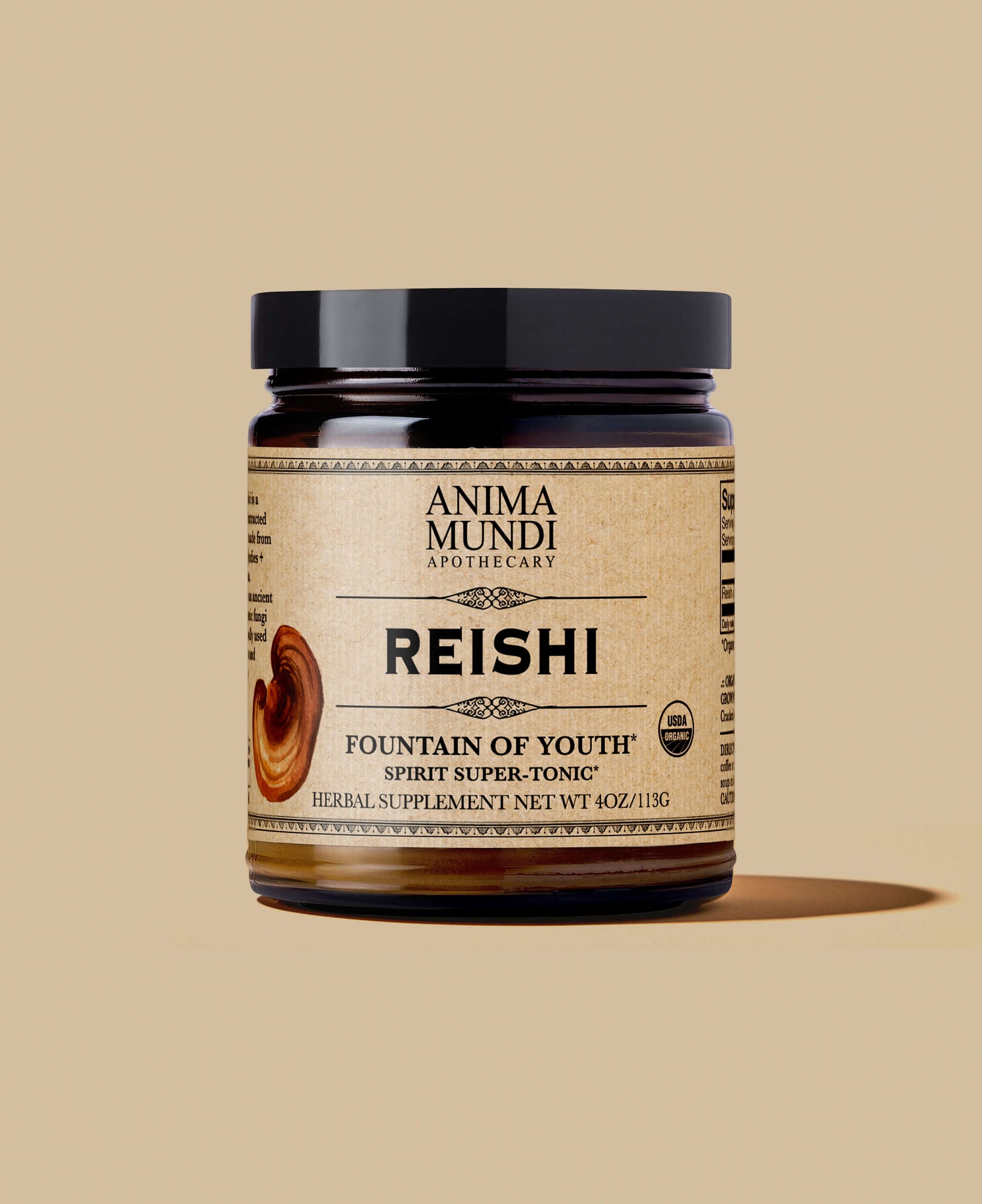
Credit: animamundiherbals.com
Scientific Studies And Modern Evidence
Over 2,000 studies have been published on Ganoderma lucidum. Here’s what researchers have found so far:
- Immune System: Some studies suggest Reishi can help activate certain immune cells and support immune balance.
- Anti-Fatigue: A study in breast cancer patients found Reishi reduced fatigue and improved well-being.
- Stress and Sleep: Animal studies and some small human trials show calming effects and improved sleep quality.
- Antioxidant Activity: Reishi contains compounds that fight oxidative stress, which is linked to aging and disease.
However, most studies are small, and results can be mixed. The strongest evidence so far is for immune support and reducing fatigue. The brain-boosting effects are promising but need more research.
In clinical settings, some researchers use Reishi alongside other treatments to support recovery and quality of life, especially in Asia. For example, Reishi extracts are sometimes used in hospital settings in Japan and China as part of traditional therapy for chronic illnesses.
A detail often overlooked: Animal studies show many positive effects, but human biology is more complex. What works in mice or cells does not always work the same way in people. This is why large, well-designed clinical trials are important for confirming benefits.
Comparing Ancient Beliefs And Modern Findings
| Ancient Claim | Modern Scientific Evidence |
|---|---|
| Prolongs life | No direct evidence, but may support healthy aging |
| Calms the mind | Some support for stress reduction and better sleep |
| Strengthens Qi (life force) | May support the immune system and energy levels |
| Protects organs (heart, liver, lungs) | Some animal studies show benefits, human data limited |
| Boosts wisdom and spiritual power | Not measurable by modern science |
Non-obvious insight: While many supplements use the term “immune booster,” Reishi is better described as an immune modulator—it helps balance immune function, not just increase it.
Legal Status And Regulation
In most countries, Reishi is sold as a dietary supplement rather than a medicine. This means:
- Companies cannot claim it “cures” diseases
- Quality and potency can vary
- Consumers must research brands and products
Regulations differ between countries. For example, in Japan and China, some Reishi extracts are approved as part of traditional medicine systems. In the US and Europe, it’s mainly available as a supplement.
In some places, Reishi extracts with specific formulas are used in hospitals under doctor supervision. In others, anyone can buy and use Reishi without a prescription. This difference can affect the quality and safety of products available.
A practical warning: Because supplements are less regulated than medicines, some products may contain fillers, less Reishi than promised, or even heavy metals. Always buy from trusted brands with good reviews and clear labeling.
Practical Guide: How To Use Reishi Safely
If you’re thinking of trying Reishi, here are some practical tips:
- Start small: Begin with a low dose (500–1,000 mg per day) to check for side effects.
- Choose the right form: Extracts are usually stronger than simple powders.
- Be patient: Benefits may take a few weeks to appear, especially for energy and stress.
- Consult a doctor: If you have health conditions or take medications, check with your healthcare provider first.
- Store properly: Keep Reishi supplements in a cool, dry place to protect active compounds.
Common mistake: Expecting fast, dramatic effects. Reishi works gradually and is best used for long-term support, not as a quick fix.
Non-obvious advice: If you are using other herbs or medications, keep a diary to track how you feel. This can help you and your doctor notice benefits or possible side effects over time.
Cultural Legacy: Reishi In Art, Literature, And Modern Life
The image of Reishi remains strong in Asian culture. Its shape appears in:
- Chinese temple carvings
- Jade and wood sculptures
- Modern jewelry and fashion
Poets and writers use Lingzhi as a metaphor for wisdom and endurance. Even in modern movies and TV, Reishi sometimes appears as a symbol of mystical power.
In recent years, artists and designers have revived Lingzhi imagery in everything from home décor to tattoos, connecting ancient wisdom with present-day style.
This cultural legacy keeps Reishi relevant, not just as a supplement, but as a symbol of hope and resilience. Its presence in art and stories reminds people of the power of nature and the value of ancient traditions.
In China, some luxury tea sets include a Lingzhi motif, and wedding gifts sometimes feature Lingzhi carvings for good luck. The mushroom’s unique shape and story make it a popular choice for people who want to celebrate health, wisdom, or transformation.
Future Directions: Research And Innovation
As interest in mushrooms grows, scientists are exploring new ways to use Reishi:
- Bioactive extracts: Isolating specific compounds for targeted effects
- Biotechnology: Using Reishi enzymes in industry and medicine
- Brain health research: Studying its effects on memory, focus, and aging
Some researchers are even looking at Reishi’s potential in cancer support and metabolic health. While it’s not a cure-all, its many compounds offer exciting possibilities for future medicine.
Scientists are also looking for ways to improve Reishi cultivation, such as using better growing media or new technology to boost the levels of helpful compounds. The hope is to create extracts that are more effective and easier to study.
For the latest research, you can check resources like the Wikipedia entry on Ganoderma lucidum.
Frequently Asked Questions
What Is The Main Difference Between Wild And Cultivated Reishi?
Wild Reishi grows naturally on hardwood trees in forests, making it rare and sometimes more expensive. Cultivated Reishi is grown on logs or sawdust under controlled conditions. While both can be effective, some experts believe wild Reishi may have a broader range of compounds.
However, cultivated Reishi is more consistent in quality and easier to find.
Wild Reishi often has a stronger taste and tougher texture. Some traditional healers believe wild mushrooms have extra “energy” from their natural environment, but scientific studies mainly support both types for their beneficial compounds.
Is Reishi Safe For Everyone To Use?
Most people can use Reishi safely, especially in moderate amounts. However, it can interact with blood-thinning medications and affect people with certain allergies. Pregnant or breastfeeding women, and people with immune disorders, should consult a healthcare professional before using Reishi.
Reishi may also lower blood pressure or affect blood sugar, so people with diabetes or heart conditions should be cautious. Signs of a reaction can include rash, stomach upset, or dizziness—stop use if you notice these.
How Long Does It Take To Feel The Effects Of Reishi?
Some people notice calming or sleep-support effects within a few days. Other benefits, like immune support or increased energy, may take weeks or months. Reishi is best used as a long-term supplement, not for quick results.
If you are using Reishi for stress, try keeping a journal of your mood and sleep quality to see gradual changes.
Can Reishi Really Boost Brain Function?
Reishi is not a stimulant like caffeine. It may help brain function by reducing stress, supporting better sleep, and possibly protecting brain cells. Its nootropic effects are subtle and build over time, rather than giving an immediate boost.
For best results, combine Reishi with healthy habits like good sleep, exercise, and balanced nutrition.
How Do I Choose A Good Reishi Supplement?
Look for products that list the extract ratio, beta-glucan content, and use the fruiting body. Choose brands with third-party lab testing for safety and potency. Avoid products that use only mycelium or have unclear labeling.
Also check for certifications like organic, non-GMO, or allergen-free if these are important to you.
The journey of Reishi from ancient forests to modern science shows how a humble mushroom can inspire awe, hope, and discovery. Whether you’re seeking better health, a calm mind, or just a connection to centuries of wisdom, Reishi’s story is as rich and complex as the mushroom itself. Its blend of tradition, culture, and ongoing research ensures that Reishi will remain a fascinating part of both history and the future of wellness.