
Mushroom foraging is more than a walk in the woods. For many, it is a way to connect with nature, find delicious wild food, and enjoy a peaceful hobby. But as mushroom hunting becomes more popular, questions about ethical harvesting and sustainability grow. Wild mushrooms are not just food; they are part of complex forest ecosystems. Picking the wrong way or in the wrong place can harm nature, endanger rare species, and even break the law.
This article explores the ethics of mushroom foraging and gives clear guidance on how to practice sustainable harvesting. We will look at the impact of foraging on ecosystems, practical methods for picking responsibly, common mistakes, and how to respect both nature and local communities. Whether you are new to mushroom hunting or have years of experience, understanding these principles helps protect wild fungi for the future.
Why Ethical Mushroom Foraging Matters
Foraging wild mushrooms has a long history. In many cultures, it is a tradition passed down through generations. Today, more people are interested in wild foods, natural health, and outdoor activities. This growing interest brings new pressures. Overharvesting, habitat loss, and careless picking can cause real damage. Some mushroom species are slow to reproduce or have specific environmental needs. If they disappear, the loss is not just culinary—it can harm wildlife, soil health, and even trees that rely on fungal partners.
Sustainable mushroom foraging is about more than rules. It is about understanding how our actions affect the forest. Ethical foragers help ensure that wild mushrooms, and all the life that depends on them, will be around for future generations.
Understanding Mushroom Ecology
To forage ethically, it helps to know how mushrooms live. Mushrooms are only the fruiting bodies of larger organisms called fungi. The main part of a fungus is the mycelium, which is a network of tiny threads (hyphae) hidden in the soil or wood. The visible mushroom is only a small part of the whole.
Fungi play key roles in nature:
- They decompose dead plants and trees, recycling nutrients.
- Some form mycorrhizal relationships with plants, helping roots absorb water and minerals.
- They create food for insects and animals.
When a mushroom is picked, the mycelium usually stays safe underground. But heavy picking, soil damage, or breaking the mycelium can hurt future growth. Some rare mushrooms are also very sensitive to disturbance.
Key Principles Of Sustainable Harvesting
Ethical foraging is based on a few simple ideas. Following these helps protect both mushrooms and their habitats.
- Know your mushrooms: Only pick what you can identify with confidence. Some edible mushrooms look like toxic species. Never guess, and always use a reliable guide.
- Harvest only what you need: Take small amounts—enough for a meal or two, never bags full. Leave plenty behind for wildlife and reproduction.
- Leave rare species alone: If you find a mushroom that is uncommon or protected, admire it and move on. Do not disturb threatened species.
- Minimize impact: Use a knife to cut mushrooms at the base, or gently twist them out. Avoid ripping up soil or leaf litter. Stay on paths where possible.
- Follow local laws and guidelines: Foraging rules vary widely. Some parks and forests ban mushroom picking. Others allow limited harvesting for personal use. Always check and respect regulations.
- Respect private and traditional lands: Never forage on private property without permission. Learn about indigenous rights and traditional uses where you forage.
- Share your knowledge: Teach others about sustainable picking. Help beginners avoid mistakes.
These principles are not just about protecting mushrooms. They are about being part of a healthy, respectful relationship with nature.
Legal And Social Aspects Of Foraging
Rules for mushroom foraging can be complex. In some countries, wild mushrooms are open to all. In others, picking is tightly controlled or even banned. Many areas have rules to protect rare species or sensitive habitats.
Common Laws And Regulations
- Permit requirements: Some parks require a permit for foraging. These may limit the amount, species, or time of year for picking.
- Protected areas: Many nature reserves and national parks ban picking entirely.
- Bag limits: There may be limits on how much you can collect per day.
- Species restrictions: Some mushrooms are protected by law. Picking or damaging them can lead to fines.
Social Responsibilities
Foraging is not just about what is legal. It is also about respect for others.
- Avoid picking mushrooms in areas used by many people, such as near trails or picnic spots.
- Be discreet and tidy; do not leave litter or damage plants.
- Understand local traditions and be sensitive to indigenous practices.
Sustainable Harvesting Methods
How you pick mushrooms matters as much as where and how many you take. Here are proven techniques for responsible collecting.
Using The Right Tools
A small knife is the best tool for most mushrooms. Cutting the stem at the base helps avoid damage to the underground mycelium. Some foragers use baskets, which allow spores to fall as you walk, helping spread fungi.
Picking Techniques
- Cut or twist: For most species, cut the mushroom cleanly at the base. For some, gently twist and pull. Avoid pulling up soil or roots.
- Leave the smallest and oldest: Take only middle-sized, healthy specimens. Leave young mushrooms to grow and old ones to release spores.
- Scatter soil and debris: If you expose soil, cover the spot with leaves or moss to protect the mycelium.
Harvesting In Moderation
Never clear an area of all mushrooms. A good rule is the “one in three” principle: take no more than one out of every three mushrooms in a patch. Some experts suggest even less.
Avoiding Sensitive Areas
Some habitats are more vulnerable than others:
- Wetlands, old-growth forests, and alpine meadows often have rare species. Avoid picking here unless you are sure it is allowed and sustainable.
- Stick to common areas, such as managed woodlands or places where mushrooms are abundant.
Comparing Harvesting Methods
The effect of different picking methods has been studied. Research shows that gentle harvesting (cutting or twisting) has little effect on future mushroom crops if done with care. However, raking, digging, or removing leaf litter can cause long-term harm.
Here is a comparison of harvesting impacts:
| Method | Impact on Mycelium | Future Mushroom Growth |
|---|---|---|
| Cutting at base | Low | No significant effect |
| Twisting and pulling | Low–Moderate | No significant effect if gentle |
| Digging/raking | High | Often reduces yield |
| Clearing all mushrooms | Moderate | Reduces spore spread |
Recognizing And Protecting Rare Mushrooms
Some wild mushrooms are endangered or protected by law. These species are often slow-growing or have very specific needs. Foragers must learn to recognize and avoid them.
Examples Of Protected Mushrooms
- Amanita caesarea (Caesar’s mushroom): Rare in parts of Europe.
- Boletus regius (Royal bolete): Listed as vulnerable in several countries.
- Tricholoma matsutake (Matsutake): Overharvested in Asia; now endangered in some regions.
If you find a rare or unusual mushroom, do not pick it. Take a photo for identification, but leave it to grow and spread its spores.
The Role Of Foragers In Conservation
Responsible mushroom hunters can help protect fungi. Here are ways you can contribute:
- Report rare finds: Some organizations track populations of rare species. Sharing your observations can support conservation.
- Remove trash: Pick up litter in forests to help keep habitats healthy.
- Spread spores: Use baskets for collecting. As you walk, spores can fall and help new mushrooms grow.
- Educate others: Share knowledge about ethical foraging in your community.
Foragers often notice changes in local forests before scientists do. Your observations can be valuable for research.
How Mushroom Foraging Supports Biodiversity
When done right, mushroom foraging can help forests. By leaving old or damaged mushrooms, you allow them to release spores and keep the population strong. Picking only common species in moderation has little impact. In some places, careful foraging even helps control invasive species.
However, overharvesting or careless picking can tip the balance. Removing too many mushrooms at once can reduce food for wildlife and limit reproduction. Sustainable practices keep both fungi and other forest life healthy.
The Cultural Side Of Mushroom Foraging
Foraging is not just about food. In many countries, it is a social activity and a way to connect with tradition. In Eastern Europe, Scandinavia, and Japan, families often go mushroom hunting together. There are festivals, recipes, and folklore tied to wild mushrooms.
But with popularity comes risk. When crowds rush to collect valuable mushrooms, competition grows. Some people use rakes or disturb habitats to get more mushrooms quickly. This can lead to conflict and damage.
Balancing Tradition And Sustainability
- Learn from elders and experienced foragers who know local forests.
- Share the harvest fairly; do not take more than your share.
- Respect community rules and the needs of others.
Common Mistakes In Mushroom Foraging
Even well-meaning foragers can cause harm if they are not careful. Here are mistakes to avoid:
- Overharvesting: Taking too many mushrooms from one spot reduces future growth and food for animals.
- Damaging mycelium: Digging, raking, or pulling up roots can kill the fungus below ground.
- Ignoring rare species: Picking rare or protected mushrooms can threaten local populations.
- Leaving trash: Litter in the forest harms wildlife and spoils the experience for others.
- Not checking regulations: Foraging in protected areas or without permission can lead to fines and damage trust.
How To Identify Common Vs. Rare Species
Learning to tell common mushrooms from rare ones is a skill. Most guides focus on edible vs. toxic, but for ethical foraging, you must also know what is abundant.
Characteristics Of Common Mushrooms
- Grow in large groups or patches
- Seen in the same area year after year
- Not listed as threatened or protected
Characteristics Of Rare Mushrooms
- Only one or two found in a large area
- Unusual color, shape, or habitat
- Listed in local conservation guides
A good field guide or app can help. Joining a local mycology club is also helpful for learning from experts.
Comparing Wild And Cultivated Mushrooms
Some popular edible mushrooms are grown commercially, reducing pressure on wild populations. Others are only found in the wild. Here is a comparison:
| Mushroom Type | Wild Only | Cultivated | Conservation Concerns |
|---|---|---|---|
| Chanterelle (Cantharellus cibarius) | Yes | No | Overharvesting risk |
| Porcini (Boletus edulis) | Yes | No | Moderate risk |
| Shiitake (Lentinula edodes) | No | Yes | Low risk |
| Oyster mushroom (Pleurotus ostreatus) | Yes | Yes | Low risk |
| Matsutake (Tricholoma matsutake) | Yes | No | High risk |
Whenever possible, choose cultivated mushrooms for frequent use. Save wild foraging for special occasions and always harvest with care.
The Impact Of Climate Change On Mushroom Foraging
Climate change is altering forests and fungi. Warmer temperatures, droughts, and changes in rainfall affect when and where mushrooms grow. Some species are appearing earlier in the year or shifting to new regions. Others are disappearing from traditional spots.
Foragers may need to adapt:
- Look for new mushroom seasons and changing habitats.
- Be cautious with rare finds—climate stress can make populations more fragile.
- Support conservation efforts to protect habitats from logging or development.
How To Share The Forest With Wildlife
Mushrooms are food for animals too. Deer, squirrels, insects, and birds all rely on fungi, especially in fall. Ethical foraging means leaving enough behind for wildlife.
Tips for sharing:
- Forage in moderation; never clear an area.
- Avoid picking all the largest mushrooms—these often feed animals or spread the most spores.
- Observe animal signs and avoid disturbing nests or dens.
Community Science And Fungi
Many foragers now help scientists by recording their finds. Community science projects (also called citizen science) collect valuable data on mushroom populations, climate change, and new species.
How to get involved:
- Use apps like iNaturalist to record and share observations.
- Join local mushroom clubs or conservation groups.
- Report unusual or rare finds to scientists.
Your foraging can help protect fungi and the forests they support.
The Future Of Mushroom Foraging
Interest in wild mushrooms shows no sign of slowing down. Restaurants, foodies, and herbalists all seek rare, wild fungi. But with popularity comes responsibility.
The best future for foraging is one where everyone takes only what they need, respects the forest, and passes on good practices. Laws and education will play a role, but so will the personal ethics of each forager.
Practical Tips For Beginners
If you are new to mushroom foraging, here are tips for a safe and ethical start:
- Learn with an expert: Go with someone experienced, join a club, or take a course.
- Start with easy species: Some mushrooms, like morels or chanterelles, are easier to identify safely.
- Double-check everything: Use at least two guides for identification. If in doubt, leave it.
- Bring the right gear: A small knife, basket, and field guide are essential.
- Record your finds: Keep notes or photos to track what you discover.
- Respect the forest: Leave no trace, pick gently, and follow all rules.
Credit: lykyn.com
Economic And Ethical Dilemmas
In some regions, wild mushrooms are big business. Commercial pickers may collect tons each year, selling to markets and restaurants. This can lead to overharvesting, habitat damage, and conflicts with local foragers.
Balancing Profit And Sustainability
- Support regulations that limit commercial harvests in sensitive areas.
- Choose local, small-scale sellers who pick responsibly.
- Avoid buying wild mushrooms out of season or from unknown sources.
Case Study: Matsutake Mushrooms In Japan
The matsutake is a prized wild mushroom in Japan, valued for its aroma and taste. Overharvesting and habitat loss have made it rare and expensive. In response, Japanese law now protects matsutake habitats, and foragers must follow strict rules. This example shows how demand can threaten species, and why strong rules and community action matter.
Credit: mycopunks.com
Global Perspectives On Mushroom Foraging
Laws and traditions vary worldwide.
- In North America, many public lands allow foraging for personal use, but not for sale.
- In Scandinavia, the “everyman’s right” allows picking mushrooms freely, but with care.
- In some Asian countries, traditional harvesting is common, but pressure from markets puts rare species at risk.
Learning local rules and customs is key wherever you forage.
Scientific Research On Harvesting Impacts
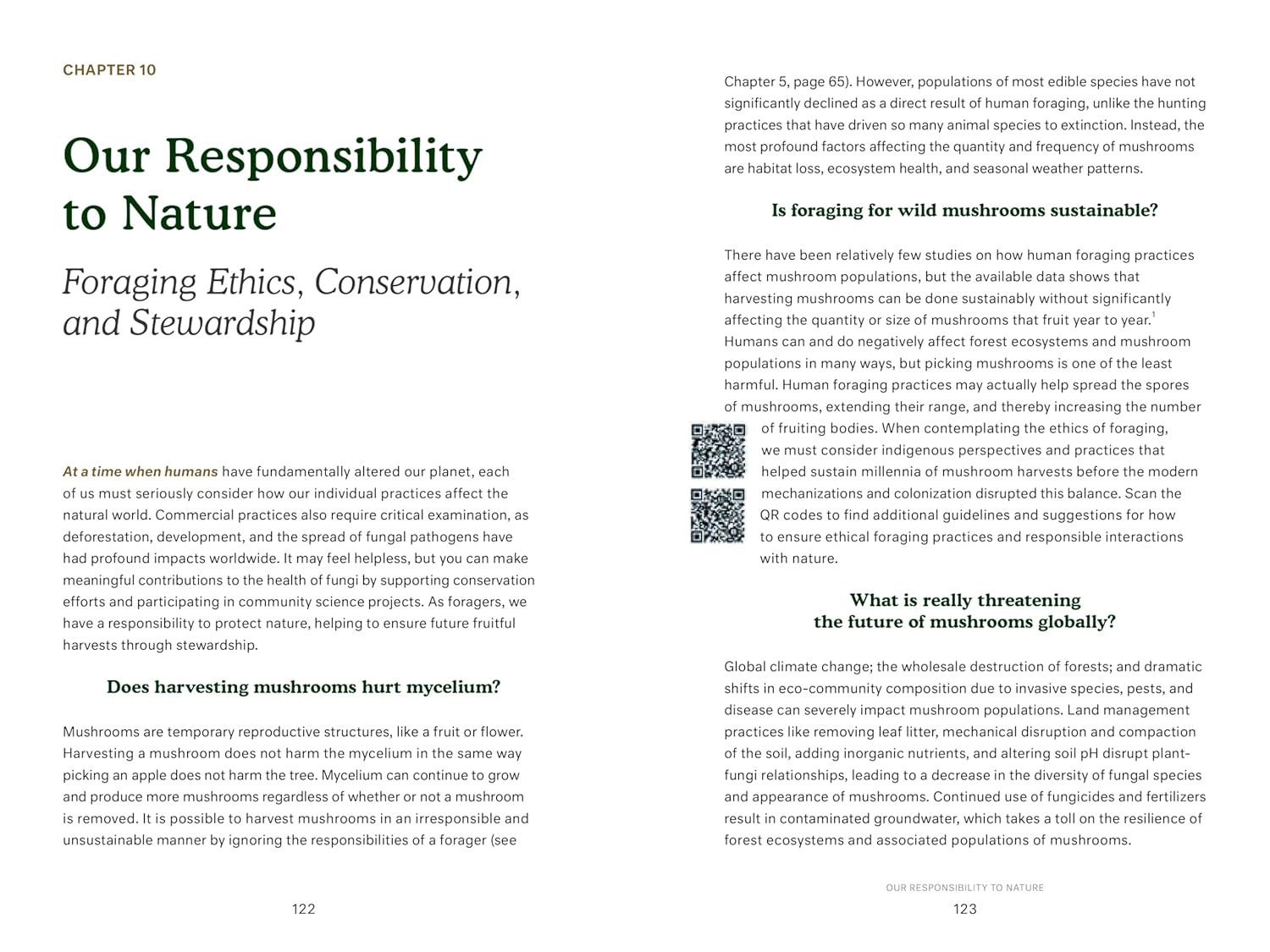
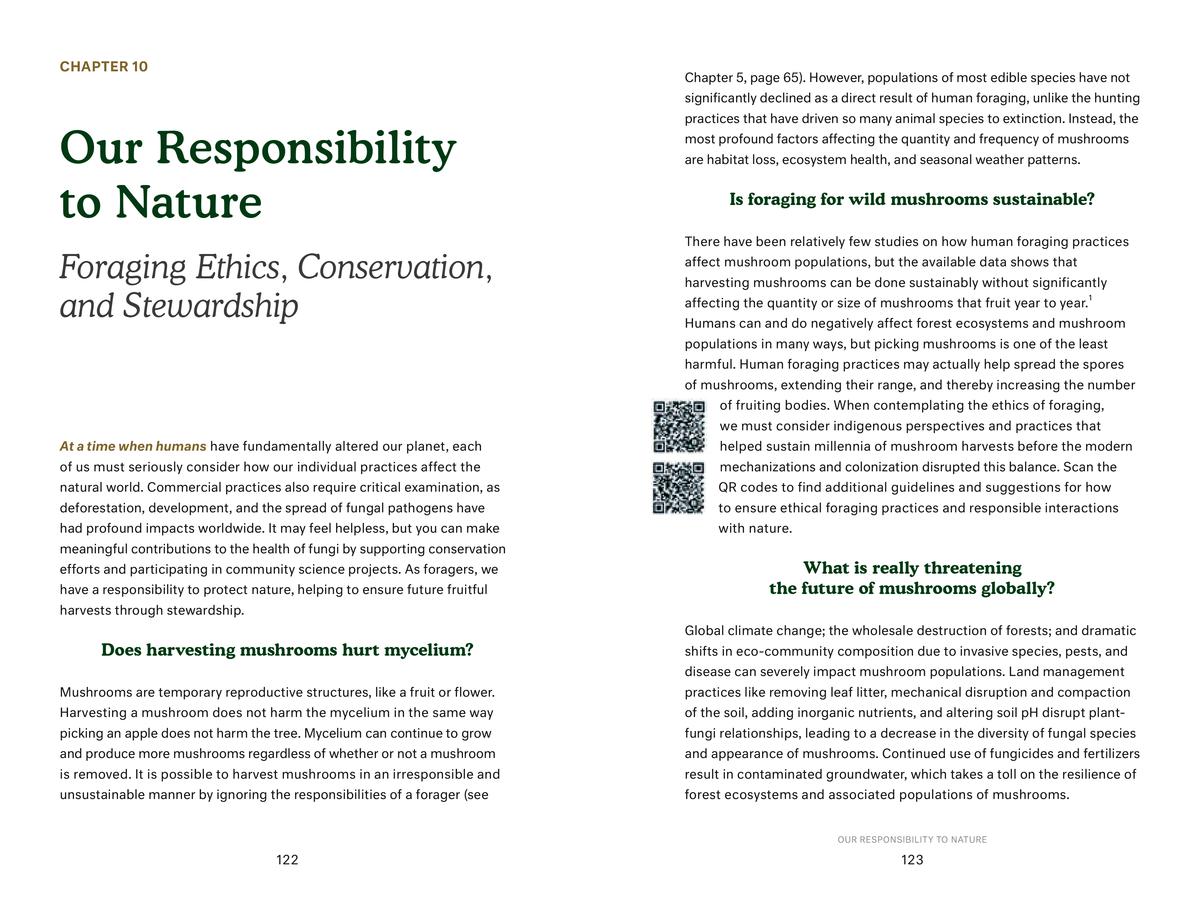
Studies show that, if done properly, personal foraging does not harm wild mushroom populations. However, commercial-scale picking, raking, and habitat destruction do cause problems. Sustainable practices are backed by science as the best way forward.
For a deeper look, see research from Wikipedia on wild mushrooms and other academic sources.
How To Handle And Store Wild Mushrooms
Proper handling keeps mushrooms fresh and avoids waste.
- Clean gently with a brush or cloth; avoid washing unless necessary.
- Store in a paper bag, not plastic, to prevent moisture build-up.
- Use within a few days or dry for longer storage.
Wasting wild mushrooms is not ethical—pick only what you will use.
Teaching Children About Ethical Foraging
Mushroom hunting is a great way to teach kids about nature. Start with basic rules:
- Look, don’t touch (until they learn to identify safely)
- Respect all living things
- Leave rare or unknown mushrooms alone
- Pick up litter and care for the forest
Good habits learned young will last a lifetime.
Credit: farleysbookshop.com
Sustainable Foraging: A Global Challenge
As forests shrink and more people seek wild foods, sustainable foraging is a worldwide issue. Solutions include:
- Better education for foragers
- Stronger laws in sensitive areas
- Research and community science projects
- Support for traditional, respectful harvesting
Everyone has a role, from governments to individual pickers.
A Final Thought: Foraging As Stewardship
Mushroom foraging is not just a hobby—it is a form of stewardship. Ethical pickers are caretakers of the forest, not just visitors. By following sustainable practices, respecting laws, and sharing knowledge, we ensure that wild mushrooms will continue to be part of our forests and culture.
Frequently Asked Questions
What Is The Best Way To Harvest Mushrooms Without Harming The Environment?
The best way is to use a small knife to cut mushrooms at the base, avoid disturbing soil, and take only what you need. Leave rare and old mushrooms in place, and always follow local rules.
How Do I Know If A Mushroom Species Is Rare Or Protected?
Check local field guides, conservation lists, or ask experts in your area. If you see only one or two in a large area, or if the mushroom is listed in guides as rare, leave it undisturbed.
Can I Forage Mushrooms In National Parks Or Reserves?
Rules vary. Many national parks ban mushroom foraging to protect sensitive habitats. Always check the rules for the area before you pick.
What Should I Do If I See Someone Foraging Irresponsibly?
If it is safe, politely share information about sustainable practices and local rules. You can also report illegal or damaging activity to park rangers or authorities.
How Can I Help Protect Wild Mushrooms For The Future?
Pick responsibly, educate others, support local conservation efforts, and get involved in community science. Every small action helps keep forests and fungi healthy.
Mushroom foraging can be safe, ethical, and rewarding if done with care and respect for nature. By choosing sustainable practices, you help protect both the wild mushrooms and the forests they call home.