
Cordyceps mushrooms have a long history in traditional Chinese and Tibetan medicine. In recent years, these unusual fungi have become popular as dietary supplements. Many people hope to boost energy, athletic performance, and even immune health with cordyceps. However, the supplement market can be confusing and full of bold claims.
Not all cordyceps products are equal, and some may not work at all. If you want to buy a cordyceps supplement, it’s important to know what to look for, what to avoid, and how to understand product labels. This guide breaks down everything you need to know—so you can make a smart, confident choice.
What Are Cordyceps?
Cordyceps is a genus of parasitic fungi found mainly in Asia. There are over 400 species, but only a few are used in supplements. The most famous is Cordyceps sinensis, now called Ophiocordyceps sinensis. In nature, this fungus grows on caterpillar larvae high in the Himalayas. Cordyceps militaris is another species, easier to cultivate and widely used in supplements.
Traditional medicine has used cordyceps for centuries to treat fatigue, kidney problems, and low libido. In some stories, herders in Tibet noticed that their yaks became more energetic after eating wild cordyceps, which led to its use in human health.
Modern interest began after Chinese runners broke world records in the 1990s, with coaches claiming cordyceps helped their recovery and stamina. This brought cordyceps into the global spotlight, and researchers began to study its compounds more closely.
Today, most cordyceps supplements do not use wild-harvested fungi. Instead, they rely on cultivated mycelium or fruiting bodies grown in labs. This matters for quality and effectiveness. Wild cordyceps is so rare that even in China it is considered a luxury item and is often reserved for special gifts or traditional medicine, rather than supplements.
Key Compounds In Cordyceps
Cordyceps contains many active compounds, but cordycepin (3′-deoxyadenosine) and polysaccharides are most studied. Cordycepin may support energy and immune function. Polysaccharides are believed to have antioxidant and anti-inflammatory effects. Other important compounds include adenosine, ergosterol, and mannitol.
Each compound plays a unique role. For example, adenosine helps relax blood vessels and improve circulation, while ergosterol acts as an antioxidant. Mannitol may help support kidney health. These compounds work together, which is why whole fruiting body extracts are often preferred for a full range of benefits.
Some supplements list their polysaccharide content, but very few mention cordycepin content. Beginners often overlook this, but cordycepin is considered one of the “powerhouse” compounds, especially for energy and endurance.
Why Take Cordyceps Supplements?
People choose cordyceps for many reasons. Some research suggests possible benefits, though more human studies are needed.
- Increased energy and endurance: Cordyceps may boost ATP production, which is the main energy currency in your cells. Athletes and busy professionals alike seek this effect.
- Immune support: Some polysaccharides in cordyceps can help regulate immune responses. Early studies show that it may enhance the activity of white blood cells.
- Antioxidant properties: Cordyceps has compounds that fight free radicals. This may help protect cells from damage and aging.
- Better respiratory function: Some studies link cordyceps with better oxygen use. For example, people with mild asthma or bronchitis sometimes report easier breathing after regular use.
- Blood sugar support: Early research shows it may help control blood glucose. Animal studies have found that cordyceps can improve insulin sensitivity.
However, not every supplement delivers the same results. Quality, species, and how the cordyceps is grown all make a big difference. For example, a supplement made mostly of grain-based mycelium may not deliver the same effects as one made from pure fruiting body extract.
Non-obvious insight: While cordyceps is often marketed for energy, many users also report better mood and focus. This is likely due to its effect on cellular energy and the brain’s use of oxygen, but these benefits are rarely highlighted on labels.
Types Of Cordyceps Supplements
Cordyceps comes in several forms. Each has pros and cons. Understanding these helps you pick the right one for your needs.
Capsules And Tablets
These are the most common forms. Capsules are easy to swallow and let you control your dosage. Tablets are usually more compressed and may have fillers.
Capsules are popular because they mask the earthy taste of cordyceps. They’re also portable, making them easy to use at work or at the gym. However, always check the “other ingredients” list—some capsules contain extra fillers or binders that may not be necessary.
Powders
Powders can be mixed into drinks, smoothies, or food. They’re flexible but can have a strong, earthy taste.
Powders allow you to adjust your dose easily. Some people add cordyceps powder to coffee, protein shakes, or oatmeal. However, the flavor can be bitter or “mushroomy,” which some people dislike. If you want more control over your intake and don’t mind the taste, powders are a good choice.
Liquid Extracts
Extracts are highly concentrated and absorbed quickly. They can be taken directly or mixed into water.
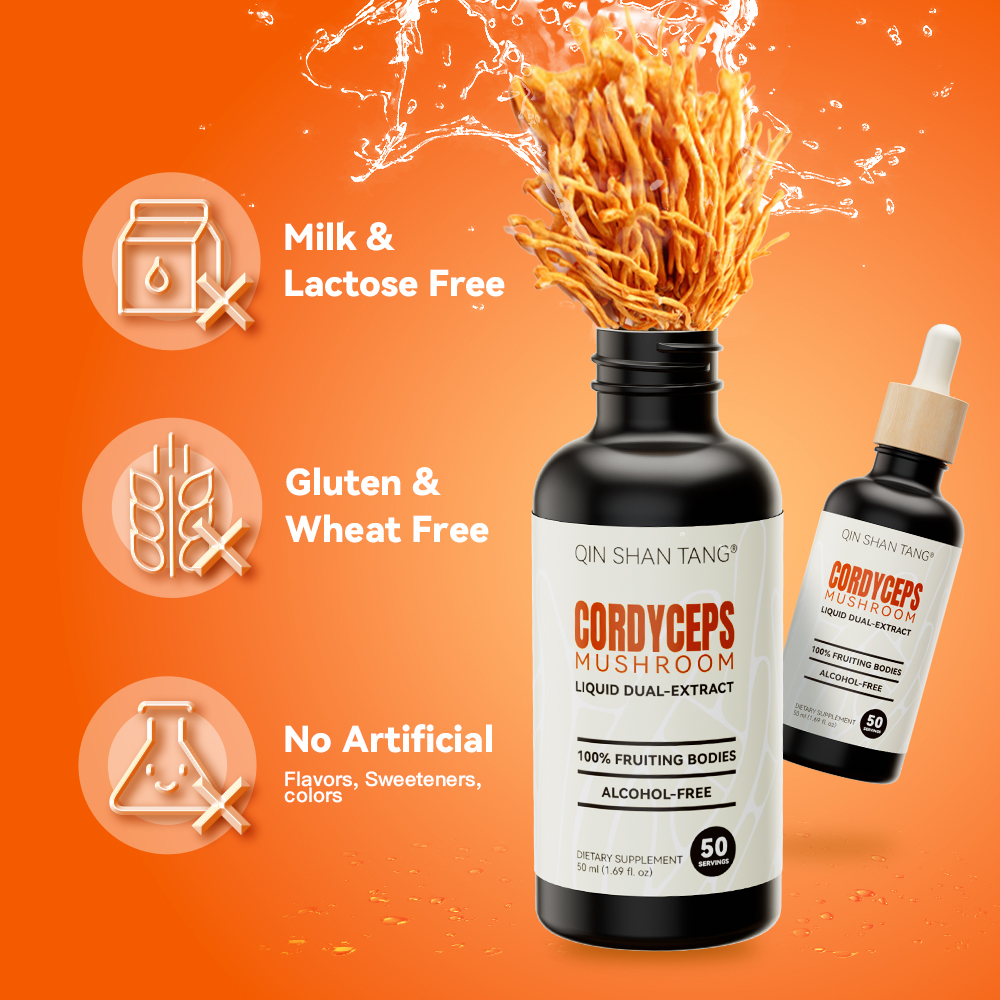
Liquid extracts are often dual-extracted, which means you get both water-soluble and alcohol-soluble compounds. They’re convenient if you want fast absorption or want to avoid swallowing pills. But taste can be strong, and dosage must be measured carefully, as extracts are potent.
Gummy Supplements
A newer form, gummies make cordyceps more appealing but usually have added sugars and lower dosages.
Gummies are great if you dislike swallowing pills or powders. They’re often used as an introduction to cordyceps but rarely provide enough for athletic or medical benefits. Watch out for added sugar, artificial flavors, and low actual cordyceps content.
Teas And Coffees
Some brands blend cordyceps with tea or coffee. These offer a convenient way to add cordyceps to your routine but may provide less control over dosage.
This form is popular in Asia, where cordyceps tea is a traditional drink. However, check the label—some drinks have very little real cordyceps. If you want a reliable daily dose, capsules or standardized powders are usually better.
Mycelium Vs. Fruiting Body: What’s The Difference?
One of the most important things to check is whether the supplement uses mycelium or fruiting body.
- Mycelium: This is the root-like network that grows in the substrate (like grain or rice). It’s cheaper and easier to grow in large quantities.
- Fruiting body: This is the part that looks like a mushroom, harvested when mature. In nature, this is the part with the highest concentration of active compounds.
Supplements using only mycelium may contain a lot of filler from the growing medium. Fruiting body extracts usually have more cordycepin and other key compounds.
Comparing Mycelium And Fruiting Body Supplements
Here’s a side-by-side look:
| Feature | Mycelium | Fruiting Body |
|---|---|---|
| Potency | Usually lower | Usually higher |
| Main Compounds | Fewer, more starch | More cordycepin, polysaccharides |
| Price | Lower | Higher |
| Labeling | Often says “mycelium on grain” | States “fruiting body extract” |
If you want the most benefits, look for fruiting body extracts. If a product uses mycelium, check how much grain or filler is included.
Non-obvious insight: Some brands mix a small amount of fruiting body with mostly mycelium and market it as “full spectrum.” This can sound good but often means you’re getting mostly cheap mycelium with very little fruiting body. Always check the ingredient breakdown.
Wild-harvested Vs. Cultivated Cordyceps
Wild cordyceps is rare and expensive. Most supplements use cultivated varieties. Here’s what you need to know:
- Wild cordyceps: Grows naturally on caterpillar larvae in the Himalayas. It’s extremely costly—over $20,000 per kilogram—and is often faked.
- Cultivated cordyceps: Grown in labs using liquid or solid substrates. Cordyceps militaris is usually cultivated on rice or other grain. It’s much more affordable and consistent in quality.
Because wild-harvested cordyceps is so rare, any cheap supplement claiming to use it is likely not genuine.
Practical tip: If the price seems too good to be true for “wild cordyceps,” it almost certainly is. Genuine wild cordyceps is mostly sold in small, whole pieces for traditional medicine—not in mass-market pills.
Key Factors To Consider When Buying Cordyceps
Not all cordyceps products are created equal. Here are the most important things to check before you buy.
1. Species Used
Check the species on the label. Most products use Cordyceps militaris. This species is well-studied, contains high levels of cordycepin, and can be grown without bugs. Ophiocordyceps sinensis is almost never found in supplements due to cost and sustainability.
Practical tip: If a label does not mention the species, be cautious. “Cordyceps” alone is not enough.
2. Fruiting Body Content
Look for products that specify “fruiting body,” “whole mushroom,” or “100% fruiting body extract.” Avoid those that only mention “mycelium on grain” or do not state the part used.
3. Extraction Method
Cordyceps can be extracted with hot water, alcohol, or both. Extraction improves the availability of active compounds.
- Hot water extraction: Best for polysaccharides.
- Alcohol extraction: Good for cordycepin and other fat-soluble compounds.
- Dual extraction: Uses both methods and is considered the best for a full spectrum of benefits.
Products that don’t mention extraction may be simple ground-up powder, which is harder for your body to use.
4. Standardized Levels Of Active Compounds
Check for standardized extracts. These guarantee a set amount of active ingredients, like “30% polysaccharides” or “1% cordycepin.”
Products without standardization can vary widely in potency. This means one batch may work well, and the next might be weak.
5. Third-party Testing
Look for brands that offer third-party lab testing. Reliable companies test for:
- Heavy metals
- Microbes
- Pesticides
- Potency (cordycepin, polysaccharides)
Some brands publish lab results on their website. This is a good sign of transparency. If you can’t find any testing information, contact the company directly—reputable brands will share it.
6. Additives And Fillers
Check the ingredient list. The best supplements contain only cordyceps and a capsule (or powder). Avoid products with:
- Artificial colors
- Sweeteners
- Unnecessary fillers (like magnesium stearate or silica in large amounts)
Some fillers are used in tiny amounts to help with manufacturing, but they should never be the main ingredient.
7. Country Of Origin
Supplements made in countries with strict quality standards (like the USA, Canada, or EU countries) are generally safer. Some products from China or other regions may not meet these standards.
8. Dosage And Serving Size
Typical daily dosages for cordyceps are 1,000–3,000 mg (1–3 grams). The right amount depends on the extract strength and your needs.
Check the label for:
- Amount of cordyceps per serving
- Number of servings per container
Beware of products with very low dosage or unclear serving information.
Non-obvious insight: Some brands use serving sizes that look impressive (for example, “one scoop”), but the real amount of active cordyceps is much lower than you need. Always check the actual cordyceps content—not just the total weight.
9. Price Vs. Value
High-quality cordyceps is not cheap. If a product is much less expensive than others, it may be mostly grain filler or poor quality.
Non-obvious insight: Some brands use “proprietary blends” to hide how much cordyceps is really in the product. This is a red flag.
10. Brand Reputation
Choose established brands with good reviews and clear contact information. Look for companies with a history in the supplement industry.
Practical tip: Search for independent reviews, not just testimonials on the brand’s own site.
11. Allergen Information
If you have allergies, check for warnings about gluten, soy, or other allergens. Some cordyceps is grown on wheat or soy-based substrates.
12. Vegan Or Vegetarian Status
Most cordyceps militaris is vegan, but if you are strict, check the label for capsule ingredients and substrate information.
13. Return Policy And Customer Support
A good brand will offer a money-back guarantee or easy returns. Responsive customer support is a sign the company stands behind its product.
14. Expiry Date And Storage
Check the expiration date. Old supplements lose potency. Store cordyceps in a cool, dry place away from sunlight.
15. Certifications
Look for certifications like:
- GMP (Good Manufacturing Practices)
- Organic
- Non-GMO
- USDA Organic (for US products)
Certifications show extra steps to ensure quality.
Non-obvious insight: “Organic” does not always mean better, but it does reduce the risk of pesticide contamination, especially if the cordyceps is grown outdoors.

Credit: www.amazon.com
Common Buyer Mistakes
Even smart shoppers can make mistakes. Here are some to avoid:
- Falling for marketing hype: Claims like “miracle cure” or “ancient secret” are red flags.
- Ignoring the species: Make sure the label says Cordyceps militaris or another real species.
- Choosing only by price: Cheap supplements often mean low potency or lots of fillers.
- Overlooking extraction method: Non-extracted powders may be less effective.
- Missing the mycelium vs. fruiting body difference: This affects potency and value.
Non-obvious insight: Some products use “mushroom complex” blends with little actual cordyceps. Always check the cordyceps amount per serving.
Practical tip: If you see “proprietary blend,” be cautious. Brands often use this to hide low amounts of active ingredients.
Comparing Popular Cordyceps Supplements
To see how different supplements stack up, here’s a sample comparison.
| Brand | Species | Fruiting Body | Standardized | Third-Party Tested | Price (per 60 capsules) |
|---|---|---|---|---|---|
| Brand A | C. militaris | Yes | Polysaccharides 30% | Yes | $29.99 |
| Brand B | C. militaris | No (mycelium) | No | No | $19.99 |
| Brand C | Not stated | No info | No | No | $12.99 |
| Brand D | C. militaris | Yes | Cordycepin 1% | Yes | $34.99 |
Look for products similar to Brand A or D for the best value and effectiveness.

Credit: www.amazon.com
How To Read Cordyceps Supplement Labels
Labels can be confusing, but they offer important clues.
- Species: Should say Cordyceps militaris (best) or Ophiocordyceps sinensis.
- Part used: Look for “fruiting body” or “whole mushroom.”
- Extraction: “Dual-extracted” or “hot water/alcohol extract” is best.
- Active ingredients: Standardization to a set percentage is a plus.
- Other ingredients: Should be minimal.
- Testing and certifications: Look for seals or QR codes linking to lab reports.
If a label is vague or uses only buzzwords, it’s better to choose another brand.
Practical tip: Take a photo of the label and check online for more information if you’re unsure. Many brands provide extra details on their websites.
How To Use Cordyceps Supplements
It’s important to take cordyceps the right way for best results.
Dosage Guidelines
- General wellness: 1,000–2,000 mg per day
- Athletic support: 2,000–3,000 mg per day
Start low and increase slowly. Some people are sensitive to mushrooms.
If you’re new to cordyceps, begin with half the usual dose for the first week. This gives your body time to adjust. After that, you can increase to the full recommended amount.
When To Take
Cordyceps is not a stimulant, but some feel more energy after taking it. Most people take it in the morning or before exercise. It can be taken with or without food.
If you’re using cordyceps for endurance, try taking it 30–60 minutes before activity. For general wellness, a consistent time each day helps build a routine.
How Long Until You See Results?
Some effects, like energy support, might be noticed in a few days. Others, like immune support, may take weeks. Consistency is key—take it daily for best results.
Can You Combine Cordyceps With Other Supplements?
Yes, cordyceps is often used with other mushrooms (like reishi or lion’s mane) or adaptogens. But avoid combining with too many stimulants.
Cordyceps pairs well with ashwagandha, rhodiola, and other adaptogens for stress support. However, combining with caffeine or other energy boosters can cause jitteriness in sensitive people.
Practical tip: Start with cordyceps alone, then add other supplements one at a time. This helps you track what works best for you.
Who Should Avoid Cordyceps?
Cordyceps is usually safe for most adults. However, some people should not use it without medical advice:
- Pregnant or breastfeeding women (not enough research)
- People with autoimmune diseases
- People on blood-thinning medications
- Children (unless a doctor says it’s safe)
Always check with your doctor if you have a medical condition.
Non-obvious insight: Cordyceps can slightly lower blood sugar. If you have diabetes or low blood sugar issues, monitor your levels carefully.
Real-world User Experiences
People use cordyceps for different reasons. Here are a few common themes from real users:
- Athletes report better endurance and faster recovery, especially for cardio sports.
- Busy professionals say they feel less tired and more focused.
- Older adults often notice better stamina for daily activities.
- People with health concerns sometimes use cordyceps to support immune health, though results vary.
Some users find cordyceps helps them get through long workdays or intense workouts. A few report deeper sleep and better resilience to stress. On the other hand, a small number of users notice no change, especially if the supplement is low potency or not taken consistently.
Practical tip: Keep a simple journal when you start using cordyceps. Note your energy, mood, and any side effects. This helps you decide if it’s right for you.
Credit: plantin.alibaba.com
How Cordyceps Compares To Other Medicinal Mushrooms
Cordyceps is unique, but it’s often compared to other fungi.
| Mushroom | Main Benefit | Best For |
|---|---|---|
| Cordyceps | Energy & endurance | Active lifestyles, athletes |
| Reishi | Relaxation, immune support | Stress, sleep |
| Lion’s Mane | Focus & brain health | Students, professionals |
| Chaga | Antioxidant | General wellness |
Cordyceps stands out for its effect on energy and stamina.
Non-obvious insight: For a balanced approach, some people use a combination of mushrooms. For example, cordyceps in the morning for energy, lion’s mane for focus, and reishi at night for relaxation.
Safety, Side Effects, And Interactions
Cordyceps is generally safe, but some people may notice:
- Mild digestive upset
- Dry mouth
- Nausea
Serious side effects are rare. Always start with a low dose to check your reaction.
Cordyceps can interact with:
- Immunosuppressant drugs
- Blood thinners
If you take any medication, discuss with your doctor first.
Non-obvious insight: People with mushroom allergies should avoid cordyceps. Even though it’s rare, allergic reactions can happen.
Where To Buy Cordyceps Supplements
You can find cordyceps at health food stores, supplement shops, and online retailers. For better safety and quality:
- Choose brands with transparent sourcing and lab testing
- Buy from reputable sites or stores
- Check for clear labeling, certifications, and return policies
If possible, buy directly from the brand’s official website. This reduces the risk of counterfeit or expired products, which sometimes show up on large online marketplaces.
For more in-depth research, you can visit Wikipedia’s Cordyceps page.
Frequently Asked Questions
What Is The Best Time To Take Cordyceps Supplements?
Most people take cordyceps in the morning or before physical activity. It’s not a stimulant, but many feel more energy and focus. You can take it with or without food, depending on your preference.
Is Cordyceps Safe For Long-term Use?
Current research shows cordyceps is safe for long-term use in healthy adults when taken at recommended dosages. However, if you notice side effects or have a medical condition, consult your doctor.
How Can I Tell If A Cordyceps Supplement Is High Quality?
Look for fruiting body extracts, standardized active compounds (like polysaccharides or cordycepin), third-party lab testing, and clear labeling. Avoid products with mostly mycelium on grain or proprietary blends.
Can Cordyceps Help With Athletic Performance?
Some studies suggest cordyceps may improve endurance and recovery by boosting ATP production and oxygen use. However, results vary from person to person, and more research is needed.
Are There Any Drug Interactions With Cordyceps?
Cordyceps may interact with blood thinners, immunosuppressants, or diabetes medications. Always check with your doctor if you’re taking prescription drugs.
Cordyceps supplements can be a useful addition to your health routine, but not all products are created equal. By focusing on fruiting body extracts, clear species labeling, and trusted brands, you can enjoy the possible benefits of this ancient fungus—without falling for marketing tricks or low-quality fillers. Take your time, read labels carefully, and invest in the best for your health.