
Nootropic mushrooms have captured the attention of health enthusiasts, students, and busy professionals worldwide. If you’ve heard about these powerful fungi but don’t know where to begin, you’re not alone. The world of nootropic mushrooms can seem complex, with scientific names, different benefits, and many products on the market.
But learning about them doesn’t have to be confusing. This guide will help you understand what nootropic mushrooms are, how they work, and which ones are best for beginners. You’ll also get tips on how to choose, use, and combine these mushrooms for optimal results.
What Are Nootropic Mushrooms?
Nootropic mushrooms, sometimes called “smart mushrooms,” are types of fungi believed to support brain health. The word nootropic refers to substances that may enhance mental function, such as memory, focus, and clarity. Mushrooms in this category contain natural compounds that interact with the brain and body in unique ways.
It’s important to note that not all mushrooms have these effects. Out of thousands of mushroom species, only a small group is known for nootropic or cognitive benefits. These mushrooms are not magic pills, but consistent use can support a sharper mind and a calmer mood.
Many people use them as part of a healthy lifestyle, often alongside other good habits like sleep, exercise, and balanced nutrition.
Why Are People Interested In Nootropic Mushrooms?
In today’s fast-paced world, mental performance matters more than ever. People face constant information, long work hours, and stress. Many look for natural ways to increase focus, reduce anxiety, and improve memory. Nootropic mushrooms offer a plant-based option that may help without the harsh side effects of some synthetic drugs.
Research on these mushrooms is growing. Early studies and centuries of traditional use suggest potential benefits for the brain and nervous system. For example, some mushrooms contain compounds that may:
- Support nerve growth and repair
- Protect brain cells from aging
- Balance mood and reduce stress
- Boost mental energy without jitters
Unlike caffeine or prescription stimulants, these mushrooms often work gently and gradually. This makes them attractive for those seeking steady improvement, not quick fixes.
How Do Nootropic Mushrooms Work?
Nootropic mushrooms contain unique molecules like polysaccharides, triterpenes, and beta-glucans. These compounds interact with the brain and body in different ways. For example, some support the creation of nerve growth factor (NGF), a protein that helps nerves grow and repair. Others have antioxidant or anti-inflammatory effects, which can protect brain cells from damage.
The most well-known nootropic mushrooms, such as Lion’s Mane and Cordyceps, have been studied for their ability to boost mental clarity and support the nervous system. Each mushroom has its own mix of active ingredients, so effects can vary.
For beginners, it’s useful to know that many of these mushrooms have been used in traditional medicine for centuries. Modern science is just starting to confirm what healers in Asia, North America, and other regions have known for generations.
Top 7 Nootropic Mushrooms To Consider
Let’s look at the most popular nootropic mushrooms, their main benefits, and how beginners can start using them.
1. Lion’s Mane (hericium Erinaceus)
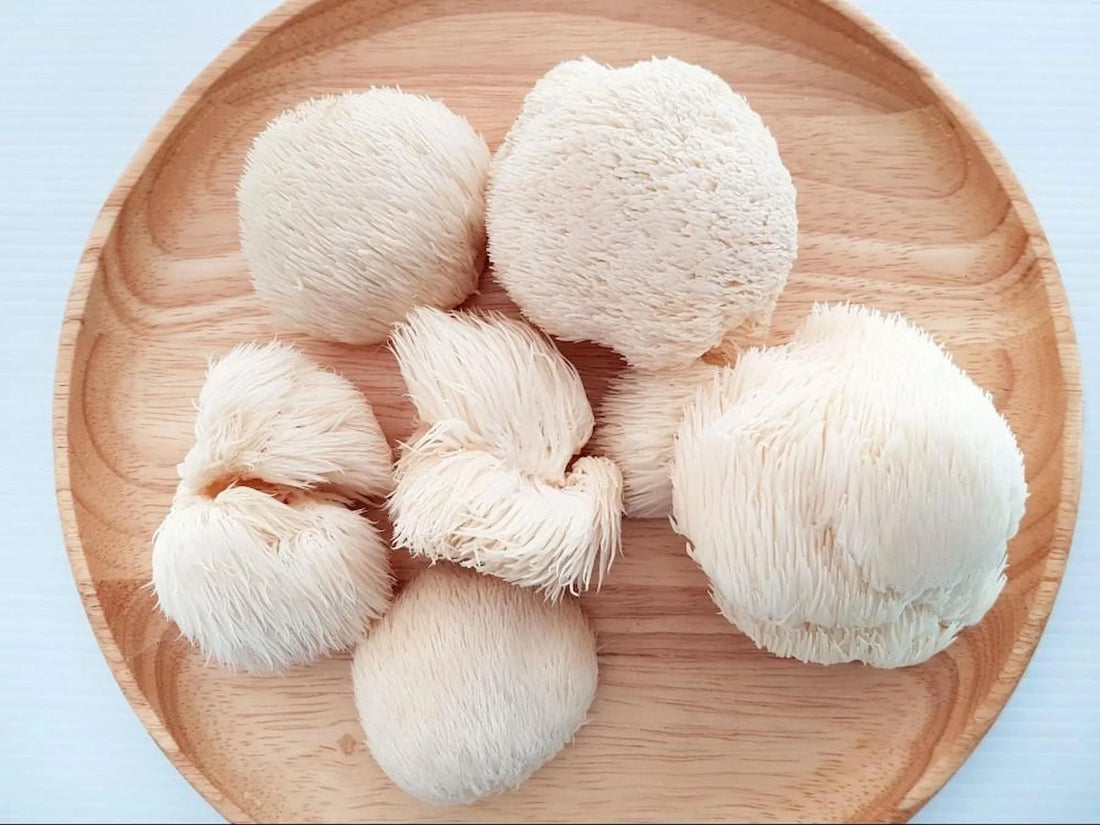
Lion’s Mane is famous for its shaggy appearance and brain-boosting effects. It has been used in Chinese and Japanese medicine for centuries. Modern research suggests it may help:
- Improve memory and learning
- Support focus and mental clarity
- Reduce mild anxiety and depression
Lion’s Mane contains compounds called hericenones and erinacines that stimulate NGF production in the brain. This may help repair nerves and support brain health as we age.
Beginners often notice subtle improvements in focus and mental energy after 2–4 weeks of regular use. Lion’s Mane is usually well-tolerated and can be taken as a powder, capsule, or tea.
2. Reishi (ganoderma Lucidum)
Known as the “mushroom of immortality,” Reishi is more famous for reducing stress than directly boosting focus. However, it plays a key role in supporting mental performance by:
- Lowering anxiety and stress
- Promoting relaxation and better sleep
- Supporting immune health
Reishi’s calming effects are linked to compounds called triterpenes. These help regulate the nervous system and may reduce the harmful effects of chronic stress. Many people use Reishi in the evening to unwind, as poor sleep and high stress can ruin mental clarity.
3. Cordyceps (cordyceps Militaris, Cordyceps Sinensis)
Cordyceps is unique because it grows on insects in the wild, but most supplements use lab-grown forms. It’s popular with athletes and those seeking more energy. Cordyceps may:
- Boost physical and mental stamina
- Improve oxygen use and circulation
- Support recovery from fatigue
The main active compound, cordycepin, helps the body produce ATP, the molecule that powers cells. This can lead to more consistent energy and better endurance, both physically and mentally.
4. Chaga (inonotus Obliquus)
Chaga looks more like burnt charcoal than a typical mushroom, but it’s packed with antioxidants. It has been used in Siberian and Northern European traditions for centuries. Key benefits include:
- Fighting oxidative stress in the brain
- Supporting immune function
- Reducing inflammation
Chaga’s high levels of melanin and superoxide dismutase may protect brain cells from damage. While it’s not a direct cognitive enhancer, it creates the conditions for better mental performance over time.
5. Maitake (grifola Frondosa)
Maitake is often known as the “hen of the woods.” It’s popular in cooking but also valued for its health benefits. Maitake is rich in beta-glucans, which can:
- Support immune health
- Help regulate blood sugar
- Indirectly improve brain function by reducing inflammation
Lower inflammation means the brain can operate more smoothly. Maitake is usually gentle on the stomach and is easy to add to food or take as a supplement.
6. Shiitake (lentinula Edodes)
Best known as a culinary mushroom, Shiitake also has nootropic value. It contains compounds like lentinan that may:
- Support immune function
- Improve circulation and heart health
- Protect the brain from damage
Shiitake’s benefits for the brain are more subtle, but when used regularly, it can help maintain overall health, which supports mental clarity.
7. Turkey Tail (trametes Versicolor)
Turkey Tail is recognized by its colorful, fan-shaped appearance. It’s valued for its high content of polysaccharide-K (PSK) and polysaccharide-peptide (PSP). These compounds may:
- Boost immune response
- Improve gut health (which affects brain health)
- Support recovery from illness
Healthy gut bacteria are linked to better mood and cognitive performance. Turkey Tail helps create this balance.
Comparing Popular Nootropic Mushrooms
It’s helpful to see how these mushrooms compare in terms of their main benefits, active compounds, and best uses.
| Mushroom | Main Benefit | Key Compound | Best For |
|---|---|---|---|
| Lion’s Mane | Memory & Focus | Hericenones, Erinacines | Students, Professionals |
| Reishi | Stress Relief | Triterpenes | High-Stress Lifestyles |
| Cordyceps | Energy Boost | Cordycepin | Athletes, Fatigue Recovery |
| Chaga | Antioxidant Protection | Melanin, SOD | Immune Support |
| Maitake | Immunity & Inflammation | Beta-glucans | Inflammation Control |
| Shiitake | Overall Health | Lentinan | Dietary Support |
| Turkey Tail | Gut & Immune Health | PSK, PSP | Digestion Support |
Forms Of Nootropic Mushroom Supplements
Mushroom supplements come in many forms. Each has its advantages and drawbacks, so it’s important to pick the one that fits your lifestyle and goals.
1. Powders
These are made by drying and grinding the mushroom fruiting bodies or mycelium. Powders can be mixed into:
- Smoothies
- Coffee or tea
- Food (like soup or oatmeal)
Powders give you flexibility in dosing, but the taste can be strong or earthy. Always check the label to ensure you’re getting the active part of the mushroom.
2. Capsules And Tablets
Capsules are convenient and tasteless. They’re ideal for people who want a set dose and easy daily use. However, you may need to take several capsules to reach the recommended amount.
3. Liquid Extracts
Extracts (tinctures) are made by soaking mushrooms in alcohol or water to draw out active compounds. They’re easy to add to drinks and are quickly absorbed. The downside is the strong taste, and some people may be sensitive to the alcohol base.
4. Teas
Some mushrooms, like Reishi and Chaga, are often sold as teas. The process involves simmering the mushroom in hot water to extract its benefits. Teas are relaxing and traditional but may not be as concentrated as other forms.
5. Gummies And Functional Foods
Newer products include gummies, chocolate bars, or snack blends with added mushroom powder. These are convenient but can contain added sugar or less active compound per serving.

Credit: www.amazon.com
Which Form Is Best For Beginners?
For most people, capsules or powders are the easiest starting points. Capsules provide consistent dosing with no taste, while powders offer flexibility if you want to mix them into food. Liquid extracts work well for those who want fast absorption or who dislike swallowing pills.
Here’s a simple comparison:
| Form | Pros | Cons | Best For |
|---|---|---|---|
| Powder | Flexible, can add to food | Strong taste, messier | Home users, smoothie fans |
| Capsule | No taste, easy to carry | Fixed dose, may need several | Busy people, travelers |
| Liquid Extract | Fast absorption | Alcohol taste, cost | Quick effect seekers |
| Tea | Soothing ritual | Lower strength | Relaxation, tradition |
How To Choose Quality Nootropic Mushroom Supplements
Not all mushroom products are created equal. Many on the market are weak, poorly made, or use the wrong part of the mushroom. To get the best results, pay attention to these factors:
1. Fruiting Body Vs. Mycelium
The fruiting body is the visible part of the mushroom above ground. The mycelium is the root-like network underground. Most studies on benefits use the fruiting body, which is richer in active compounds. Some cheaper products use only mycelium grown on grain, which has less nootropic value.
Look for labels that say “fruiting body extract” for the most potent effects.
2. Extraction Method
Hot water or dual-extraction (water and alcohol) pulls out different compounds. For example, beta-glucans dissolve in hot water, while triterpenes need alcohol. The best products often use dual-extraction and state this clearly on the label.
3. Beta-glucan Content
Beta-glucans are a marker of mushroom quality. Good supplements list the percentage of beta-glucans (for example, “30% beta-glucans”). Avoid products that mention only “polysaccharides,” as this can include cheap fillers.
4. Third-party Testing
Reputable companies test their products for heavy metals, mold, and actual active compounds. Look for brands that provide lab results or certificates of analysis. This protects you from contaminants and ensures you get what you pay for.
5. Country Of Origin
Some regions have stricter quality controls than others. Mushrooms grown in the US, Canada, or Europe are often safer than those from unknown sources.
6. Additives And Fillers
High-quality supplements should contain only mushrooms (or a small amount of carrier). Avoid those with added sugar, artificial flavors, or unnecessary fillers.
Credit: supremecbd.uk
How To Start Using Nootropic Mushrooms
If you’re new to these mushrooms, start simple. Here’s a step-by-step approach:
- Choose one mushroom (Lion’s Mane is a popular starting point).
- Pick a form (capsule or powder).
- Start with a low dose (follow the label or begin with half the suggested amount).
- Take consistently (daily, at the same time).
- Give it time — effects are often subtle and build over weeks.
- Pay attention to changes in focus, memory, mood, or energy.
- Adjust if needed; you can try another mushroom or a blend after a few weeks.
Example Starting Routine
- Week 1: Take one capsule of Lion’s Mane with breakfast.
- Week 2: If no side effects, increase to the full dose.
- Week 3: Add a second mushroom (like Reishi in the evening) if desired.
Are Nootropic Mushrooms Safe?
Most nootropic mushrooms are safe for healthy adults when used as directed. They have a long history of traditional use with few side effects. However, there are some important points:
- Some people may feel digestive upset, dry mouth, or mild headaches at first.
- Allergies are rare but possible. Start with a small dose to test your reaction.
- If you have a medical condition, are pregnant, or take medication (especially immune-suppressing drugs), consult your doctor before starting.
Avoid wild mushrooms unless you are an expert, as some species are toxic.
Common Mistakes Beginners Make
It’s easy to make errors when starting with nootropic mushrooms. Here are pitfalls to avoid:
- Expecting instant results — Effects are gradual, not overnight.
- Using poor-quality products — Cheap brands often contain little active compound.
- Ignoring the label — Taking too much or too little reduces benefits.
- Skipping days — Consistency is key for nootropics.
- Mixing too many at once — Start with one or two mushrooms to see what works for you.
Combining Nootropic Mushrooms For Better Results
Some people blend two or more mushrooms to cover different needs. For example, you might use Lion’s Mane for focus in the morning, and Reishi for relaxation at night. This is called stacking.
Here are a few popular combinations:
- Lion’s Mane + Cordyceps: For mental energy and sharp focus
- Reishi + Chaga: For stress relief and immune support
- Turkey Tail + Shiitake: For gut and overall health
It’s best to start with single mushrooms and add others after a few weeks, so you can notice the effects of each.
Real-world Examples And Data
Interest in nootropic mushrooms has grown rapidly in recent years. According to a 2022 report, the global medicinal mushroom market is expected to reach over $18 billion by 2027, driven by the demand for natural wellness products.
A study published in the International Journal of Molecular Sciences (2021) found that Lion’s Mane could improve mild cognitive impairment in older adults after 12 weeks of use.
Professional athletes, tech workers, and even students have begun sharing their experiences with mushroom supplements on social media. Many describe better focus, steadier energy, and less stress — although results vary from person to person.
Two Insights Beginners Often Miss
- Synergy with Lifestyle: Nootropic mushrooms work best as part of a healthy routine. If you eat poorly, sleep little, or are always stressed, results may be weaker. Combining mushrooms with good sleep, exercise, and diet maximizes benefits.
- Importance of Extraction: Many beginners buy “raw” mushroom powders, not realizing that active compounds are locked inside the cell walls. Without proper extraction (hot water or alcohol), much of the benefit is lost. Always check for extract-based supplements.
How To Store And Use Nootropic Mushrooms
Store powders and capsules in a cool, dry place, away from sunlight. Seal tightly to keep out moisture. Use within six to twelve months for the best potency.
If using powders, mix with hot water or add to recipes. Some mushrooms, like Reishi and Chaga, taste bitter; blending with cocoa or coffee can help. Always follow dosing guidelines on the label.
Who Should Not Use Nootropic Mushrooms?
While safe for most, some people should avoid these mushrooms:
- Those with mushroom allergies
- People with autoimmune diseases (unless approved by a doctor)
- Pregnant or breastfeeding women (due to limited data)
- Anyone on immunosuppressive medications
If you’re unsure, consult a healthcare provider first.
Where To Buy Nootropic Mushrooms
Buy from trusted brands that provide lab testing and clear information. You can find these mushrooms at:
- Health food stores
- Online supplement shops
- Herbal apothecaries
Avoid buying wild mushrooms or unknown brands from unreliable sources.
For more scientific details and ongoing research about nootropic mushrooms, visit the Wikipedia medicinal mushroom page.
Frequently Asked Questions
What Is The Best Nootropic Mushroom For Focus And Memory?
Lion’s Mane is widely considered the top choice for focus and memory. Studies suggest it supports nerve growth and may improve learning and mental clarity, especially with regular use.
Can You Combine Different Nootropic Mushrooms?
Yes, many people stack mushrooms for broader benefits. Start with one, then add others as needed. For example, Lion’s Mane in the morning for focus, Reishi at night for relaxation. Introduce new mushrooms one at a time to track your response.
Are Nootropic Mushrooms Safe For Daily Use?
For most healthy adults, daily use is safe and often recommended for best results. However, always follow dosing instructions and consult a doctor if you have health conditions or take medication.
How Long Does It Take To Notice Effects From Nootropic Mushrooms?
Most people notice subtle effects within 2–4 weeks of consistent use. Benefits may include better focus, steadier mood, and improved energy. Effects are gradual and build over time.
What Should I Look For In A Quality Mushroom Supplement?
Choose products with the fruiting body, clearly stated beta-glucan content, and third-party testing. Avoid cheap fillers, and check for dual-extraction methods for maximum potency.
Nootropic mushrooms can be a gentle yet powerful way to support your mental performance and overall well-being. Start small, choose quality, and let your experience guide you as you explore these fascinating fungi. With patience and care, you may find your mind clearer, calmer, and more focused than ever.
Credit: www.mushroomrevival.com