
Mushrooms have fascinated people for centuries, not only for their flavors but also for their health-promoting abilities. Among thousands of edible mushrooms, shiitake and oyster mushrooms stand out as two of the most popular types worldwide. Both are widely used in professional kitchens and home cooking. But beyond their similar appearances and shared popularity, these mushrooms are quite different in taste, texture, nutrition, and medicinal benefits.
If you are curious about which mushroom best suits your cooking style, your health goals, or simply your taste buds, this detailed guide will help you understand the real culinary and medicinal differences between shiitake and oyster mushrooms. Get ready to explore their origins, flavor profiles, nutritional value, health effects, and even how to grow them at home.
Whether you’re an experienced cook or just starting with mushrooms, you’ll find answers to common questions and discover practical tips that most people miss.
Origins And History
Shiitake Mushroom
The shiitake mushroom (Lentinula edodes) is native to East Asia, especially Japan, China, and Korea. The name “shiitake” comes from the Japanese words “shii” (a type of tree) and “take” (mushroom), because these mushrooms traditionally grew on fallen shii trees. Historical records show that shiitake mushrooms have been cultivated for over 1,000 years in China. In Japan, their cultivation dates back to at least the 14th century. Shiitake mushrooms held such value in ancient times that they were given as gifts to emperors and used in traditional ceremonies.
Shiitake mushrooms are deeply connected to Asian culture, not only as food but as traditional medicine. In Chinese medicine, they were believed to boost longevity and were included in herbal remedies. Their cultivation spread from the mountains of China to Japan, where farmers developed new methods to grow them on logs, making shiitake more widely available.
The mushroom’s popularity in the West increased in the 20th century as Asian cuisine gained international fame.
Oyster Mushroom
The oyster mushroom (Pleurotus ostreatus) is named for its oyster-shaped cap and resemblance to real oysters. Unlike shiitake, oyster mushrooms are found all over the world, including Asia, Europe, and North America. They were first described in scientific literature in 1775. In the wild, oyster mushrooms grow on decaying hardwood trees, especially beech and poplar. While not as ancient as shiitake in cultivation history, oyster mushrooms became popular in Europe during World War I, when they were grown as a survival food. Today, they are one of the most widely cultivated mushrooms after button and shiitake mushrooms.
Oyster mushrooms are known for their adaptability. They can grow on a wide range of organic materials, which helped them spread quickly in both commercial and home cultivation. Their fast growth cycle and resilience made them a practical choice for mushroom farmers, especially in regions with limited resources.
Today, new varieties such as pink, yellow, and blue oyster mushrooms add color and variety to markets and kitchens around the world.
Appearance And Texture
Both shiitake and oyster mushrooms have a distinctive look, but once you know what to look for, it’s easy to tell them apart.
Shiitake Appearance
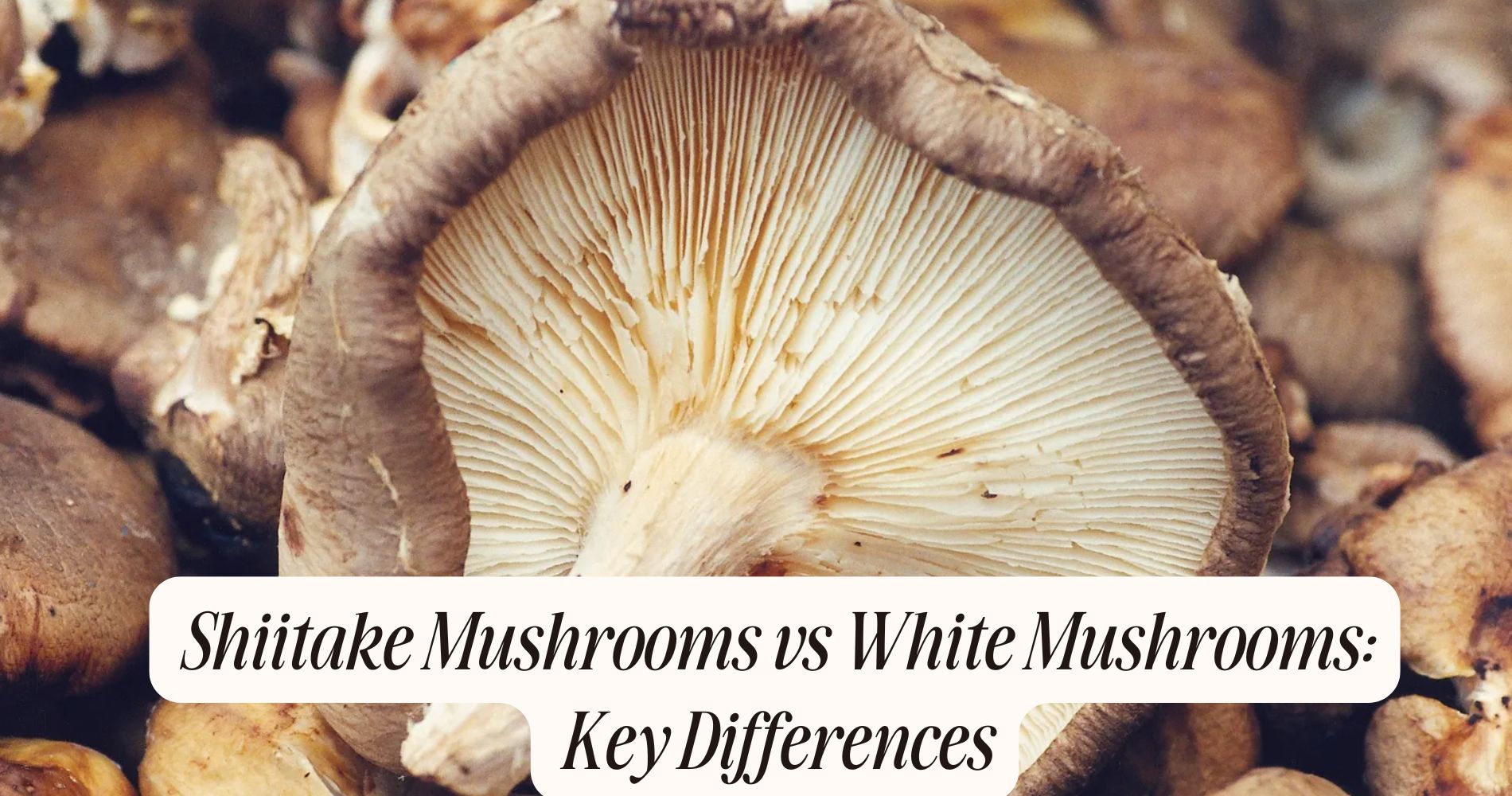
Shiitake mushrooms have a brown, umbrella-shaped cap that ranges from 5 to 10 centimeters wide. The surface is often slightly scaly or cracked, especially when grown outdoors. Under the cap, you’ll see white gills and a tough, woody stem. The flesh is thick and firm.
As shiitake mushrooms mature, the cap edges curl downward, and the color may lighten. If you look closely, the cracks or “crazing” on the cap are more common in high-quality shiitake, especially those grown outdoors. These cracks are considered a sign of premium mushrooms in Japanese markets.
Oyster Mushroom Appearance
Oyster mushrooms feature a fan-shaped or oyster-like cap that can be white, gray, yellow, pink, or even blue, depending on the variety. Caps are usually 5 to 25 centimeters wide. The gills run down the short, sometimes almost nonexistent stem. The flesh is soft, delicate, and often thinner than shiitake.
Oyster mushrooms often grow in clusters, overlapping each other like shelves on a tree. Their caps are usually smooth, and the edge can be wavy or flat. Some varieties, like the king oyster (Pleurotus eryngii), have a thick stem and small cap, which is quite different from the typical oyster mushroom shape.
Texture Differences
- Shiitake: Chewy, meaty, and dense. The stem is usually too tough to eat and is often removed before cooking. When dried and rehydrated, shiitake become even more savory and chewy, making them excellent for stews and braised dishes.
- Oyster: Tender, velvety, and more fragile. The whole mushroom, including the short stem, is usually edible. When cooked, oyster mushrooms shrink quickly and become silky, blending well into sauces or soups.
Extra insight: For the best mouthfeel, slice shiitake caps thickly and oyster mushrooms into large pieces. This helps each type hold its texture during cooking.

Credit: lykyn.com
Flavor Profile: Shiitake Vs. Oyster
The difference in flavor between shiitake and oyster mushrooms is one of the reasons why chefs choose one over the other for specific dishes.
Shiitake Flavor
Shiitake mushrooms are famous for their rich umami taste. They have deep, earthy, almost smoky notes, making them a favorite for adding depth to soups, stir-fries, and stews. When cooked, their flavor intensifies, and they can sometimes mimic the taste of meat, which is why they’re popular in vegetarian cooking.
A unique aspect of shiitake’s flavor is the presence of guanylate, a natural compound that boosts the umami sensation. When combined with foods high in glutamate (like soy sauce), the umami effect is even stronger. Some people describe shiitake as having a slightly woody or caramelized note when roasted.
Oyster Mushroom Flavor
Oyster mushrooms have a milder, sweeter flavor with a slight hint of anise. Their taste is more delicate, making them suitable for lighter dishes. They easily absorb the flavors of sauces and seasonings, and their tender texture allows them to cook quickly.
Depending on the variety, the flavor can change: pink oyster mushrooms have a slightly seafood-like taste, while golden oysters are nuttier. The subtle flavor makes oyster mushrooms an ideal base for dishes where you want mushrooms to complement, not overpower, the other ingredients.
Non-obvious insight: If you want to highlight the unique flavor of oyster mushrooms, cook them simply with a bit of olive oil and salt. Over-seasoning can mask their gentle taste.
Culinary Uses
Both mushrooms are versatile, but their unique characteristics make them better suited for certain recipes.
Cooking With Shiitake Mushrooms
Shiitake mushrooms are often used in Asian cuisine, especially in Japanese, Chinese, and Korean dishes. Here are some popular ways to use them:
- Stir-fries: Their meaty texture holds up well to high heat. Add them to dishes with beef, chicken, or tofu to enhance flavor.
- Soups and broths: Add depth and umami, especially in miso soup or ramen. They’re also used in hot pots and clear broths.
- Braised dishes: Absorb flavors from sauces and seasonings. Try braising in soy sauce, ginger, and garlic for a classic side.
- Grilled or roasted: Their firm texture makes them ideal for skewers or roasted vegetable medleys. Marinate first for best results.
- Vegetarian meat substitute: Sliced shiitake can replace beef or pork in some recipes. Their flavor stands out in vegan “bolognese” or mushroom burgers.
Tip: Dried shiitake mushrooms are commonly used in Asian cooking. Rehydrating them before use brings out even more flavor. The soaking water is also full of umami and can be used as a base for soup or sauces.
Extra advice: When using dried shiitake, remove the stems after soaking. These can be tough but are excellent for making stocks.
Cooking With Oyster Mushrooms
Oyster mushrooms adapt well to many cuisines due to their mild taste and tender texture. Common uses include:
- Sauteed as a side dish: Quick to cook and pairs well with garlic and herbs. Try simply sautéing in olive oil and finishing with fresh parsley or thyme.
- Added to pasta: Their delicate flavor complements creamy or tomato-based sauces. Slice and toss with linguine, cream, and a squeeze of lemon.
- Stir-fries: Blend well with vegetables, tofu, or seafood. They cook fast, so add them near the end to keep their texture.
- Vegan “scallops” or “calamari”: Their shape and texture allow creative plant-based recipes. Slice thick king oyster stems into rounds, score, and pan-sear for a seafood alternative.
- Soups and risottos: Add a soft, silky bite. They work especially well in creamy mushroom risotto or Asian noodle soups.
Practical insight: Oyster mushrooms release a lot of water during cooking. For a better texture, cook them in a hot, dry pan first to evaporate excess moisture before adding fats or seasonings.
Non-obvious tip: If you want crispy edges, don’t stir oyster mushrooms too much. Let them sit in the pan to caramelize.
Comparison Of Culinary Uses
Here is a side-by-side view to help you choose the right mushroom for your next meal:
| Feature | Shiitake Mushroom | Oyster Mushroom |
|---|---|---|
| Main Cuisine | Asian (Japanese, Chinese, Korean) | Global (Asian, European, American) |
| Texture | Meaty, chewy | Tender, delicate |
| Flavor | Earthy, umami, smoky | Mild, slightly sweet, subtle anise |
| Best Cooking Methods | Stir-fry, braise, grill, soup | Sauté, stir-fry, soup, pasta |
| Common Substitutes | Portobello, cremini | Enoki, king oyster |
Extra insight: While both mushrooms can add umami to vegetarian dishes, shiitake’s robust flavor holds up better in long-cooked recipes, while oyster mushrooms shine in quick sautés or as a topping.
Nutritional Value
Both shiitake and oyster mushrooms are low in calories, high in fiber, and rich in important nutrients. However, their nutritional content does differ in some areas.
Shiitake Mushroom Nutrition
A 100-gram serving of raw shiitake mushrooms provides:
- Calories: 34 kcal
- Protein: 2.2 g
- Fat: 0.5 g
- Carbohydrates: 7 g
- Fiber: 2.5 g
- Vitamin D: 18 IU (can be higher if exposed to sunlight)
- B Vitamins: Especially B2 (riboflavin), B3 (niacin), and B5 (pantothenic acid)
- Minerals: Copper, selenium, manganese, zinc
Notable benefit: Shiitake are a rare plant source of vitamin D, especially when sun-dried. They also have significant levels of polysaccharides, compounds linked to immune health.
Shiitake mushrooms are also a source of essential amino acids, making them a good addition to plant-based diets. Their copper content supports blood vessels and nerves, while selenium acts as a powerful antioxidant.
Oyster Mushroom Nutrition
A 100-gram serving of raw oyster mushrooms contains:
- Calories: 33 kcal
- Protein: 3.3 g
- Fat: 0.4 g
- Carbohydrates: 6 g
- Fiber: 2.3 g
- Vitamin D: 28 IU (varies by type and exposure)
- B Vitamins: High in B2, B3, and folate (B9)
- Minerals: Iron, potassium, phosphorus, magnesium
Unique aspect: Oyster mushrooms contain ergothioneine, an antioxidant amino acid not found in most vegetables.
Oyster mushrooms are also a source of iron, which helps carry oxygen in the blood, and potassium, which supports heart and muscle function. Their folate content is especially useful for pregnant women and those needing to boost this vitamin.
Nutrition Comparison Table
For a quick glance, here’s how the two mushrooms stack up:
| Nutrient (per 100g) | Shiitake | Oyster |
|---|---|---|
| Calories | 34 kcal | 33 kcal |
| Protein | 2.2 g | 3.3 g |
| Fat | 0.5 g | 0.4 g |
| Carbohydrates | 7 g | 6 g |
| Fiber | 2.5 g | 2.3 g |
| Vitamin D | 18 IU | 28 IU |
| B Vitamins | B2, B3, B5 | B2, B3, B9 |
| Minerals | Copper, selenium, zinc | Iron, potassium, phosphorus |
Non-obvious insight: The nutritional content of mushrooms can change with cooking and drying. Dried shiitake, for example, are much higher in vitamin D and umami compounds than fresh.
Medicinal Benefits And Research
Both mushrooms are used in traditional and modern medicine, but the types of benefits and supporting evidence differ. Here’s what science says about their medicinal properties.
Shiitake Mushroom: Medicinal Properties
Immune System Support
Shiitake mushrooms contain unique polysaccharides, especially lentinan, which has shown immune-boosting effects. Studies suggest lentinan can help the body fight viruses and bacteria by supporting white blood cells. In some countries, lentinan is used as an adjunct therapy for cancer, especially to boost immunity during chemotherapy.
A study published in the Journal of the American College of Nutrition showed that regular consumption of shiitake mushrooms improved immune markers in healthy adults, including higher numbers of gamma delta T-cells and reduced inflammation.
Heart Health
Shiitake mushrooms have compounds (eritadenine and sterols) that may lower cholesterol and reduce artery plaque. Regular consumption may help lower the risk of heart disease.
Adding shiitake to a balanced diet may help manage cholesterol for those at risk, but it is not a replacement for medication or professional medical advice.
Antiviral And Antimicrobial Effects
Research shows shiitake extracts can inhibit the growth of several bacteria and viruses, although most results are from lab studies, not human trials.
Anti-cancer Potential
Lentinan and other compounds in shiitake are being studied for their possible cancer-fighting properties. Some research suggests they can slow tumor growth or improve survival when used alongside conventional treatments.
Skin And Oral Health
Shiitake mushrooms contain copper, which supports healthy skin and collagen production. Their natural compounds may also help fight gum disease and reduce inflammation in the mouth.
Oyster Mushroom: Medicinal Properties
Antioxidant Power
Oyster mushrooms are rich in ergothioneine and beta-glucans, which act as antioxidants. These help reduce oxidative stress and may lower the risk of chronic diseases.
Some studies have shown that oyster mushrooms help decrease markers of oxidative stress in people with high cholesterol or diabetes.
Immune Modulation
Beta-glucans in oyster mushrooms can stimulate the immune system, helping the body defend itself against infections and possibly cancer. Some studies show that oyster mushrooms can increase the activity of natural killer cells, which fight viruses and tumors.
Cholesterol Reduction
Animal and human studies suggest that oyster mushrooms can help lower LDL (bad) cholesterol. This is due to their content of lovastatin, a compound similar to cholesterol-lowering drugs.
Blood Sugar Regulation
Some research indicates that oyster mushrooms may help stabilize blood sugar levels, making them a good choice for people with diabetes or prediabetes.
Antibacterial And Antiviral
Extracts from oyster mushrooms can inhibit the growth of certain bacteria and viruses. While more research is needed, these properties are promising for natural medicine.
Medicinal Comparison Table
Here’s a summary of key medicinal benefits:
| Benefit | Shiitake | Oyster |
|---|---|---|
| Immune Support | Strong (lentinan) | Moderate (beta-glucans) |
| Cholesterol Lowering | Yes (eritadenine) | Yes (lovastatin) |
| Antioxidant Effect | Moderate | High (ergothioneine) |
| Anti-cancer | Promising | Some evidence |
| Blood Sugar Control | Some evidence | Stronger evidence |
| Antibacterial | Yes | Yes |
What Beginners Often Miss
- Preparation matters: Many beneficial compounds in shiitake and oyster mushrooms are more available after cooking. For example, polysaccharides in shiitake are easier to absorb from cooked mushrooms.
- Variety selection: Not all oyster mushrooms are the same. Pink, golden, and blue oyster mushrooms have slightly different nutritional and medicinal profiles.
- Synergy with other foods: Combining mushrooms with vitamin C-rich foods (like bell peppers or lemon juice) can help absorb more nutrients, especially iron from oyster mushrooms.

Credit: lykyn.com
Growing Shiitake And Oyster Mushrooms
Would you like to grow your own mushrooms at home? Both types are popular for home cultivation, but the methods differ.
Growing Shiitake Mushrooms
Shiitake mushrooms grow best on hardwood logs (such as oak) or sterilized sawdust blocks.
Steps:
- Drill holes in logs and insert shiitake spawn (inoculation).
- Seal holes with wax.
- Place logs in a shady, humid area.
- Wait 6–18 months for the first mushrooms to appear. After that, logs can produce mushrooms for up to 5 years.
Tips:
- Shiitake mushrooms need patience. The long wait is worth it for the flavor and yield.
- Keep logs moist; drying out can stop growth.
- Shiitake grown on logs outdoors usually have better flavor and texture than those grown on sawdust indoors.
Growing Oyster Mushrooms
Oyster mushrooms are much faster and easier to grow. They thrive on a variety of substrates, including straw, coffee grounds, cardboard, or sawdust.
Steps:
- Pasteurize substrate to kill unwanted microbes.
- Mix in oyster mushroom spawn.
- Place in a plastic bag or container with holes for air.
- Keep warm and moist; mushrooms appear in 2–4 weeks.
Tips:
- Oyster mushrooms are great for beginners.
- They can be grown indoors, even in small spaces.
- Try using recycled materials like cardboard or coffee grounds for a sustainable project.
Non-obvious insight: Oyster mushrooms produce a natural compound that can break down toxins in their growing medium, making them useful for “mycoremediation” (using fungi to clean environments). This property is being researched for cleaning up oil spills and contaminated soils.
Price, Availability, And Storage
Shiitake Mushrooms
- Price: Usually more expensive due to longer cultivation times.
- Availability: Widely available fresh or dried in supermarkets, especially in Asian markets.
- Storage: Fresh shiitake keep for 7–10 days in the fridge. Dried shiitake last for months if stored in a cool, dry place.
Shiitake mushrooms are often sold both fresh and dried. The dried form is more concentrated in flavor and can be a more economical choice for people who use mushrooms often.
Oyster Mushrooms
- Price: Generally cheaper, especially if locally grown.
- Availability: Found in most grocery stores, farmers’ markets, and Asian stores. Fresh oyster mushrooms are more delicate and can spoil quickly.
- Storage: Best used within 3–5 days. Store in a paper bag in the refrigerator to avoid excess moisture.
Oyster mushrooms are best bought fresh and used quickly. If you need to store them longer, consider sautéing and freezing, which keeps their texture better than freezing raw.
Practical tip: Dried mushrooms are more concentrated in flavor and nutrients. Soaking before use is essential.
Safety And Allergies
Both mushrooms are safe for most people when cooked. However, there are a few things to keep in mind.
- Raw consumption: Shiitake mushrooms can cause a skin reaction called “shiitake dermatitis” if eaten raw or undercooked. Always cook shiitake thoroughly.
- Digestive issues: Some people find oyster mushrooms hard to digest if eaten in large amounts.
- Allergies: Rare, but possible for both types. Symptoms include itching, stomach upset, or breathing issues.
Non-obvious insight: The stems of both mushrooms are high in fiber but tough. Save them for making stock instead of throwing them away. This is a simple way to get more nutrients and reduce kitchen waste.
Extra safety tip: If you forage wild mushrooms, never eat them unless you are 100% sure of their identification, as some lookalikes can be toxic.
Sustainability And Environmental Impact
Mushroom farming is considered eco-friendly compared to raising animals or growing many types of crops.
- Shiitake: Grown on logs or sawdust, making use of wood waste. This process helps recycle agricultural byproducts.
- Oyster: Can be grown on almost any plant-based waste, including coffee grounds and straw.
Oyster mushrooms are especially valued for their ability to grow quickly and break down organic waste, making them a favorite for sustainable agriculture projects.
Non-obvious insight: Oyster mushrooms can even help restore damaged soil and break down pollutants, offering environmental benefits beyond food production.
Choosing Between Shiitake And Oyster Mushrooms
If you still cannot decide between these two delicious mushrooms, consider these factors:
- Flavor and texture: For a deep, meaty taste, choose shiitake. For a milder, softer bite, go for oyster.
- Cooking time: Oyster mushrooms cook faster; shiitake need more time.
- Nutrition: Both are healthy, but oyster mushrooms are higher in protein, while shiitake provide more unique immune compounds.
- Home growing: Oyster mushrooms are easier and faster for beginners.
- Price: Oyster mushrooms are usually more affordable and accessible.
Expert tip: Many chefs combine both mushrooms in recipes to get the best of both worlds—shiitake for depth and umami, oyster for softness and subtle sweetness.
Another insight: If you’re sensitive to strong flavors, start with oyster mushrooms and gradually add shiitake to your dishes as your palate adapts.
Frequently Asked Questions
What Is The Main Taste Difference Between Shiitake And Oyster Mushrooms?
Shiitake mushrooms have a strong umami and earthy flavor, almost meaty, while oyster mushrooms are milder and slightly sweet with a delicate hint of anise. This makes shiitake better for dishes that need a bold mushroom taste, and oyster mushrooms ideal for lighter recipes.
Are There Any Health Risks To Eating Shiitake Or Oyster Mushrooms?
Both are safe for most people when cooked. However, raw shiitake can cause a rare skin rash called “shiitake dermatitis.” Oyster mushrooms may cause digestive discomfort if eaten in large amounts. Allergies are rare but possible with both.
Which Mushroom Is Better For Immune Support?
Shiitake mushrooms are known for their lentinan content, which has strong immune-boosting properties. Oyster mushrooms also help the immune system, mainly due to their beta-glucans, but shiitake have been studied more for this effect.
Can I Use Shiitake And Oyster Mushrooms Interchangeably In Recipes?
You can swap them in many dishes, but remember the difference in texture and flavor. Shiitake provide a stronger taste and firmer bite, while oyster mushrooms are softer and milder. For best results, choose based on the dish’s flavor profile.
How Can I Store Mushrooms To Keep Them Fresh Longer?
Keep both types in the refrigerator, preferably in a paper bag to allow air flow and prevent sogginess. Shiitake mushrooms last up to 10 days; oyster mushrooms last about 3–5 days. Dried shiitake can be stored for months in a cool, dry place.
Mushrooms like shiitake and oyster offer a world of flavors and health benefits. Whether you are a chef, a home cook, or simply looking to improve your diet, understanding the culinary and medicinal differences between these two mushrooms will help you enjoy them to the fullest. For more details on mushroom nutrition and research, see the Wikipedia Mushroom page. Enjoy exploring these unique fungi in your kitchen and beyond!
Credit: well-gummies.com