
Shiitake For Heart Health: How Eritadenine Lowers Cholesterol
Shiitake mushrooms have been part of East Asian cuisine and traditional medicine for centuries. Today, science is uncovering why these flavorful fungi offer more than just taste. Shiitake’s unique compounds are now drawing attention for their effects on heart health, especially for lowering cholesterol levels. At the heart of this benefit is a natural substance called eritadenine. But how exactly does eritadenine work? Is eating shiitake enough, or do you need special extracts to see results? And what else should you know before using shiitake for your heart?
This guide explores the science and practical sides of using shiitake mushrooms for a healthier heart. You’ll discover what makes eritadenine special, how it works in your body, and how to use shiitake safely and effectively. Along the way, you’ll find insights often missed by beginners—like which forms of shiitake are most potent, and why preparation matters. By the end, you’ll know if shiitake could be a useful part of your own cholesterol-lowering plan.
Shiitake Mushrooms: More Than Just A Food
Shiitake mushrooms, known as Lentinula edodes, are native to East Asia but are now grown worldwide. They are famous for their meaty texture and rich flavor. But beyond taste, they contain unique compounds that make them valuable for health.
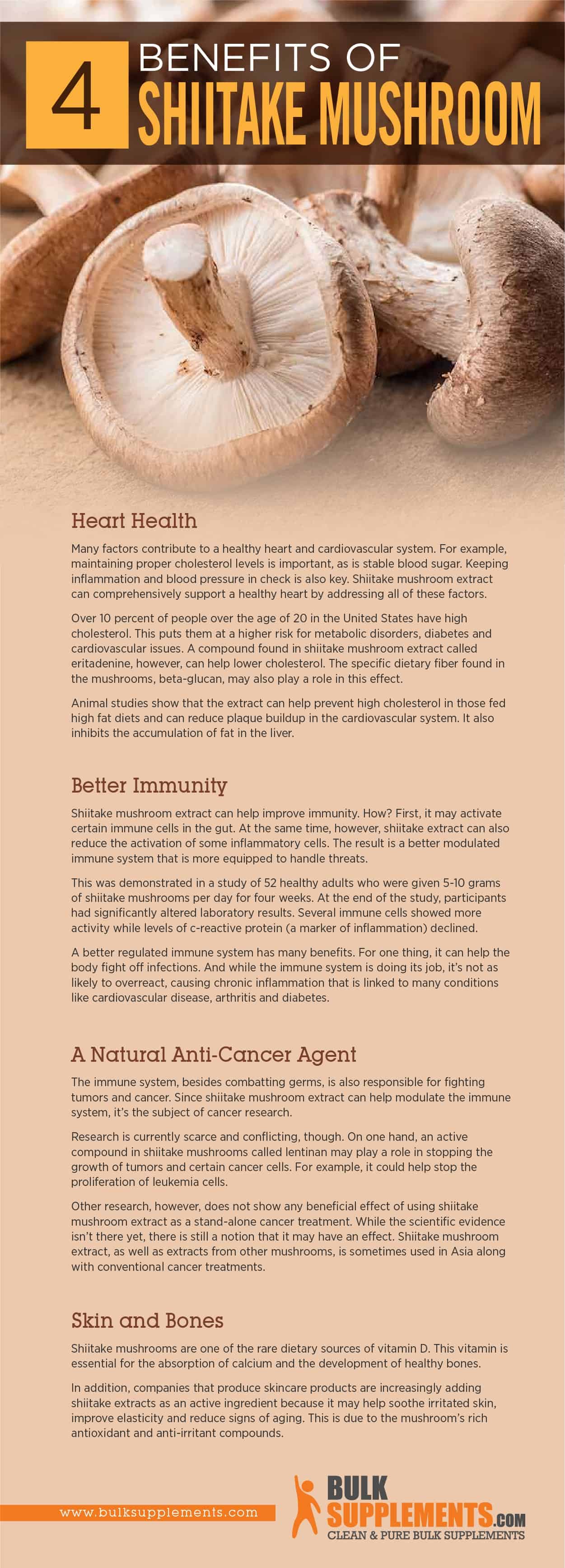
Shiitake mushrooms are low in calories but rich in vitamins, especially B vitamins (like B2, B3, and B5), minerals such as copper, selenium, and zinc, and dietary fiber. But the real star for heart health is the rare compound called eritadenine.
It’s important to note that not all mushrooms have eritadenine. This compound is found in high amounts only in shiitake. This is why shiitake stands out when it comes to supporting cardiovascular health.
People have used shiitake for centuries in soups, teas, and remedies. In traditional Chinese and Japanese medicine, these mushrooms were valued for boosting energy and longevity. Today, research is confirming that some of these beliefs were right, especially for heart support.
The Heart And Cholesterol: Why It Matters
Your heart works non-stop, pushing blood through your body. For the heart to stay healthy, the blood vessels must stay clear and flexible. Cholesterol plays a key role here. While your body needs some cholesterol, having too much—especially the “bad” kind—can lead to problems.
LDL cholesterol (low-density lipoprotein) is often called “bad cholesterol.” When LDL levels are high, it can build up on blood vessel walls. This buildup forms plaques that narrow the arteries and make it harder for blood to flow. Over time, this raises your risk of heart disease, heart attacks, and stroke.
HDL cholesterol (high-density lipoprotein) is known as “good cholesterol.” It helps carry cholesterol away from the arteries and back to the liver, where it can be broken down.
Many things affect cholesterol: genes, diet, lifestyle, and more. Medicines like statins are often used to lower cholesterol, but they can have side effects. This is why people are interested in natural ways—like shiitake mushrooms—to support healthy cholesterol levels.
It’s important to remember that lowering cholesterol is not just about the numbers. It’s about protecting your blood vessels and heart for the long term.

Credit: cookingwithyoshiko.com
Eritadenine: The Cholesterol-lowering Star In Shiitake
Eritadenine is a compound found almost only in shiitake mushrooms. Discovered in the 1970s, it’s now known as one of the most powerful natural cholesterol-lowering agents from a food source. But what is eritadenine, and how does it work?
Eritadenine is a type of adenine derivative (adenine is one of the building blocks of DNA and RNA). Its structure allows it to interact with the body’s metabolism, especially how the liver handles fats and cholesterol.
One key point: eritadenine is not destroyed by normal cooking. This means that eating cooked shiitake still gives you its benefits, unlike some nutrients that are lost with heat.
But how does eritadenine lower cholesterol? The answer lies in how your body processes fats.
How Eritadenine Works In The Body
Eritadenine works in a different way from most cholesterol-lowering drugs. Instead of blocking cholesterol absorption, it changes how the liver handles certain fats.
Here’s what happens step by step:
- Liver Enzyme Action: Eritadenine boosts the activity of enzymes that help break down cholesterol and fats. This increases the removal of LDL (“bad”) cholesterol from the blood.
- Phospholipid Metabolism: It changes the way the liver processes phospholipids—special fats that are part of cell membranes. This shift leads the liver to use more cholesterol, lowering its levels in the blood.
- Bile Acid Production: Eritadenine can increase the production of bile acids from cholesterol. Bile acids are used to digest fats, so more of them means the body uses up more cholesterol.
- Gene Expression: Some studies show eritadenine can affect genes linked to cholesterol and fat metabolism. This means the effects can last longer, not just for a few hours after eating.
All these actions combine to lower total cholesterol, especially LDL. At the same time, eritadenine does not seem to lower HDL (“good”) cholesterol. This is important, because you want to keep HDL high to protect your heart.
A less obvious insight: Eritadenine’s effect is not just about blocking cholesterol like some medicines do. It actually encourages the body to use cholesterol more efficiently. This is why shiitake can be a gentle, long-term support for heart health, not a quick fix.
Credit: community.bulksupplements.com
Evidence From Scientific Studies
You might wonder: Do these effects work in real people, not just in theory? Over the past 40 years, many studies have looked at shiitake and eritadenine.
Animal Studies
Animal studies often use rats or mice to test how foods affect cholesterol. In these tests, animals are fed a high-cholesterol diet, then given shiitake or eritadenine.
- In one classic study, rats fed shiitake powder had up to 25% lower total cholesterol compared to those not given the mushroom.
- Rats given purified eritadenine saw drops of 30% or more in LDL cholesterol within a few weeks.
- These effects were even stronger when the animals ate a high-fat diet, suggesting shiitake helps most when cholesterol is already high.
Human Studies
Human research is more limited but growing:
- In a small Japanese study, people with high cholesterol ate 9 grams of dried shiitake daily (about 90 grams fresh) for four weeks. Their LDL cholesterol dropped by 7-12% on average.
- Another study used shiitake extracts and saw improvements in total cholesterol, LDL, and even triglyceride levels.
- Researchers also found that people who ate shiitake regularly had healthier cholesterol profiles than those who did not, even after adjusting for other factors like age and diet.
Comparison To Other Foods
How does shiitake stack up against other cholesterol-lowering foods? Here’s a quick look:
| Food | Main Active Compound | Typical LDL Reduction (%) |
|---|---|---|
| Shiitake Mushroom | Eritadenine | 7-30 |
| Oats | Beta-glucan | 5-10 |
| Soy | Isoflavones | 3-8 |
| Almonds | Plant sterols | 4-6 |
As you can see, shiitake mushrooms can match or even beat other heart-healthy foods, especially when enough is consumed regularly.
Non-obvious Insights
Most beginners miss two facts:
- The cholesterol-lowering effect depends on the amount eaten. Small amounts (like one or two slices) are not enough for strong benefits.
- Effects build up over time. Eating shiitake once a week is not likely to help; regular use for several weeks is needed for results.
How Much Shiitake To Eat For Heart Health
One of the most common questions is: How much shiitake do I need to lower cholesterol?
Research suggests the following:
- Dried Shiitake: 9 to 15 grams per day (about 90-150 grams fresh, since fresh mushrooms are 90% water).
- Fresh Shiitake: 100 grams (about 1 cup, sliced) daily is a practical goal.
- Shiitake Powder or Extract: 1 to 2 grams of concentrated powder can match the effect of a larger amount of fresh mushroom.
For most people, 5-7 servings per week is enough to see changes in cholesterol after 4-6 weeks.
It’s important to spread your intake through the week, not just eat a huge amount once in a while. Shiitake’s effects are gentle and build up slowly.
How To Add Shiitake To Your Diet
There are many tasty ways to include shiitake:
- Stir-fry: Add sliced shiitake to vegetable or meat stir-fries.
- Soups: Drop dried or fresh shiitake into broths or noodle soups.
- Grilled: Marinate and grill whole caps for a meaty side dish.
- Powder: Mix shiitake powder into smoothies, dips, or sauces.
- Omelets: Fold sautéed shiitake into eggs for a heart-healthy breakfast.
A practical tip: If you use dried shiitake, soak them in water for 30 minutes before cooking to soften them and release more nutrients.
Shiitake Extracts And Supplements
While eating whole mushrooms is best, many people use shiitake extracts or supplements. These products concentrate the active compounds, making it easier to get a higher dose of eritadenine.
Types Of Shiitake Supplements
- Powdered Extracts: Usually made from dried shiitake, standardized for eritadenine content.
- Capsules/Tablets: Easy to take, but check the label for how much shiitake (and eritadenine) each dose provides.
- Liquid Extracts: Fast-absorbing, but taste can be strong.
Not all supplements are equal. Some use the whole fruiting body (the part you eat), while others use mycelium (the root-like part). Eritadenine is found mainly in the fruiting body, so check the source.
How To Choose A Good Supplement
Look for:
- Standardized eritadenine content: The label should say how much eritadenine is in each dose.
- No fillers or artificial colors: Pure extracts are best.
- Third-party testing: Ensures quality and safety.
A common mistake is to buy supplements that do not list eritadenine content. These may not deliver the cholesterol-lowering effect you want.
How Supplements Compare To Whole Mushrooms
| Form | Eritadenine Content | Ease of Use | Taste |
|---|---|---|---|
| Fresh Shiitake | Medium | Requires cooking | Rich, umami flavor |
| Dried Shiitake | High (per gram) | Needs soaking | Strong, smoky |
| Powder/Extract | Very High | Easy (add to food/drinks) | Mild or neutral |
| Capsules/Tablets | Varies (check label) | Very easy | None |
Safety And Side Effects
Shiitake mushrooms are generally safe when eaten as food. However, there are some things to keep in mind, especially if you plan to use large amounts or supplements.
Possible Side Effects
- Shiitake dermatitis: Rarely, eating a lot of raw or undercooked shiitake can cause a rash called shiitake dermatitis. It looks like red, itchy lines on the skin. Cooking well prevents this.
- Digestive upset: Some people get gas or mild stomach upset, especially when eating large amounts for the first time. Start with small servings and increase slowly.
- Allergic reactions: Very rare, but possible. If you have mushroom allergies, avoid shiitake.
Drug Interactions
Shiitake is not known to interact with most medicines. But always talk to your doctor if you:
- Take blood thinners (like warfarin)
- Are on cholesterol-lowering drugs (statins)
- Have a history of liver or kidney problems
It’s wise to avoid very high doses of supplements unless under medical supervision.
Who Should Be Careful
- Pregnant or breastfeeding women: There is not enough research on high-dose shiitake supplements in these groups.
- Children: Ordinary food amounts are safe, but don’t give supplements without a doctor’s advice.
A non-obvious tip: If you have a sensitive stomach, cook shiitake thoroughly and avoid eating large amounts raw. This makes digestion easier and reduces the risk of side effects.
Other Heart Benefits Of Shiitake
Eritadenine is not the only heart-healthy compound in shiitake mushrooms. These mushrooms contain several other substances that support cardiovascular health.
Beta-glucans
Shiitake has a special type of fiber called beta-glucans. These help lower cholesterol by:
- Binding cholesterol in the gut so less is absorbed
- Feeding good gut bacteria, which can reduce inflammation
Beta-glucans are well-studied for heart health, and shiitake is a decent source, though not as high as oats.
Sterols
Ergosterol, a plant sterol in shiitake, helps block cholesterol absorption in the gut. This is another way shiitake can reduce overall cholesterol.
Antioxidants
Shiitake contains lentinan and other antioxidants. These help fight oxidative stress, which can damage blood vessels and lead to heart disease.
Potassium
Shiitake is a good source of potassium, a mineral that helps lower blood pressure by balancing sodium in the body.
Anti-inflammatory Effects
Chronic inflammation can harm the heart. Shiitake extracts have been shown to reduce inflammatory markers in the blood.
Summary Table: Shiitake’s Heart-healthy Compounds
| Compound | Main Heart Benefit |
|---|---|
| Eritadenine | Lowers LDL cholesterol |
| Beta-glucans | Reduces cholesterol absorption |
| Ergosterol | Blocks cholesterol uptake |
| Potassium | Helps lower blood pressure |
| Lentinan (antioxidant) | Protects blood vessels |
Practical Tips For Using Shiitake For Heart Health
Knowing about shiitake is one thing—using it wisely is another. Here are some practical, experience-based tips:
1. Use Both Fresh And Dried Shiitake
Dried shiitake is higher in eritadenine by weight, but fresh mushrooms are easier to cook and taste milder. Mix both in your weekly meals for variety.
2. Cook Properly
Cooking breaks down tough fibers and releases more nutrients. Sauté, grill, or boil for at least 5 minutes. Avoid eating large amounts raw.
3. Read Supplement Labels Carefully
Only buy supplements that list the eritadenine content. Avoid products with fillers or hidden ingredients.
4. Combine With Other Heart-healthy Foods
Shiitake works best when part of an overall heart-healthy diet. Combine with oats, nuts, olive oil, and plenty of vegetables for maximum effect.
5. Give It Time
Natural remedies are not instant. Expect to see changes in cholesterol after 4-6 weeks of regular use.
6. Don’t Overdo It
More is not always better. Eating massive amounts of shiitake won’t help and may upset your stomach. Stick to recommended amounts.
7. Track Your Progress
If you use shiitake for cholesterol, check your levels before and after a few months. This helps you see if it’s working for you.
8. Try New Recipes
Shiitake is versatile. Try shiitake risotto, mushroom tacos, or even shiitake tea for variety.
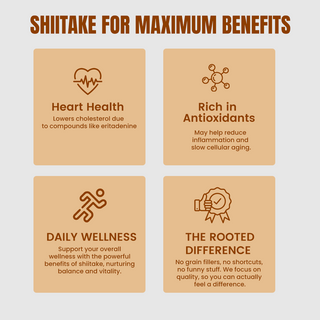
A practical insight: If you dislike the texture of mushrooms, try powdered shiitake in soups or smoothies. You’ll get the benefits without chewing mushrooms.
Credit: www.rootedactives.com
Comparing Shiitake With Statins And Other Cholesterol Drugs
Some people wonder if shiitake can replace cholesterol-lowering drugs. The answer is not simple.
- Statins lower LDL by 20-60% but can cause side effects like muscle pain and liver problems.
- Shiitake lowers LDL by 7-30% (in studies), but with fewer side effects.
For people with very high cholesterol or heart disease, statins are usually needed. Shiitake can be a helpful addition to medicines, not always a replacement.
Always talk to your doctor before stopping or changing any medicine.
Can Shiitake Help Everyone?
Shiitake works best for people with:
- Mild to moderate high cholesterol
- Interest in natural approaches
- No mushroom allergies
It may not work as well if cholesterol is extremely high, or if genetics play a big role. In these cases, medicines and other treatments may also be needed.
Myths And Facts About Shiitake And Cholesterol
Let’s clear up some common myths:
- Myth: “Eating a few shiitake mushrooms once in a while lowers cholesterol.”
Fact: You need regular, consistent intake to see effects.
- Myth: “Raw shiitake is more potent.”
Fact: Cooking does not destroy eritadenine and is safer for digestion.
- Myth: “All mushroom supplements work the same.”
Fact: Only shiitake (not button, portobello, or oyster) contains high eritadenine.
- Myth: “Shiitake can replace cholesterol medicines for everyone.”
Fact: Shiitake is a helpful addition, but not always a replacement.
The Future Of Shiitake And Heart Health
Research on shiitake and eritadenine is still growing. Scientists are looking at:
- New ways to extract and concentrate eritadenine
- Using shiitake with other natural compounds for stronger effects
- Long-term studies in humans to see how well shiitake works over years
Some studies also suggest shiitake may help lower blood sugar and reduce weight gain—both important for heart health. As more research is published, shiitake’s role in heart care may grow.
If you want to dive deeper into the technical science of shiitake and cholesterol, check out this Wikipedia page on eritadenine.
Frequently Asked Questions
What Is Eritadenine, And Why Is It Important?
Eritadenine is a unique compound found mainly in shiitake mushrooms. It helps lower cholesterol by changing how the liver processes fats, leading to less “bad” cholesterol in the blood. It is important because it offers a natural way to support heart health without strong side effects.
How Long Does It Take For Shiitake To Lower Cholesterol?
You may see results after 4 to 6 weeks of regular shiitake use (at least 5 servings per week). The effect builds up slowly over time. Consistency is key—eating shiitake once in a while is not enough.
Can I Just Take Shiitake Supplements Instead Of Eating The Mushrooms?
Yes, shiitake supplements (like powders or capsules) can provide eritadenine, but make sure the product lists the amount per dose. Whole mushrooms offer other nutrients and fiber, so eating them is best if possible. If you use supplements, follow the label and do not exceed recommended doses.
Are There Any Risks To Eating Shiitake Mushrooms Daily?
For most people, daily shiitake is safe. Rare side effects include mild stomach upset or a rash if eaten raw. People with mushroom allergies, pregnant women, or children should be more careful. Cooking shiitake well reduces risks.
Does Shiitake Help With Other Heart Problems Besides Cholesterol?
Yes, shiitake also contains beta-glucans, antioxidants, and potassium. These can help lower blood pressure, reduce inflammation, and protect blood vessels. Shiitake supports overall heart health, not just cholesterol.
Shiitake mushrooms, and especially their powerful compound eritadenine, give you a natural tool for better heart health. Used wisely, they can lower cholesterol, fit into many recipes, and offer benefits that go beyond numbers on a lab test. For many, shiitake is more than just a delicious food—it’s a small daily step toward a stronger heart.