
Many people struggle with sleep. You may have tried counting sheep, turning off screens, or drinking warm milk, but sometimes it’s not enough. When natural options come up, two herbs often stand out: reishi mushroom and valerian root. Both have long histories in traditional medicine for helping with relaxation and sleep. But which is really better for sleep? If you want to choose the right one for yourself, it’s important to look closely at how each works, their benefits, possible side effects, and what science says.
This guide compares reishi and valerian root in detail, so you can make a confident, informed choice. You’ll discover how each herb affects sleep, what the research shows, who should avoid them, and practical tips for use. Whether you’re new to herbal remedies or just want better sleep, you’ll find clear answers here.
What Is Reishi Mushroom?
Reishi mushroom (scientific name: Ganoderma lucidum) is a fungus that grows mostly on hardwood trees. In China, it’s known as Lingzhi, and it’s famous in traditional Asian medicine as the “mushroom of immortality.” People use it for many reasons, but one of the most common is to support better sleep and reduce stress.
Reishi usually comes as powders, capsules, teas, or extracts. It’s not a mushroom you eat in food because it tastes bitter and has a tough texture. Instead, people take it as a supplement.
Traditional Uses And History
For over 2,000 years, reishi has been part of traditional medicine in China, Japan, and Korea. It was once so rare that only royalty could use it. Healers believed it boosted energy, calmed the mind, and promoted long life. Reishi was also used for coughs, asthma, and to support the immune system.
Active Compounds
Reishi contains unique chemicals called triterpenes, polysaccharides, and peptidoglycans. These compounds are believed to be responsible for its health effects. Triterpenes may help with relaxation and mood, while polysaccharides are thought to support the immune system.
How Reishi Affects Sleep
Many people use reishi to improve sleep quality. Some research suggests reishi may help you fall asleep faster, sleep longer, and feel more rested in the morning. It seems to work by:
- Lowering stress levels
- Reducing anxiety
- Balancing hormones linked to sleep
But reishi is not a sedative. It works gently, over time, by helping your body manage stress and return to a healthy sleep pattern. This is different from herbs that make you feel drowsy right away.
What Is Valerian Root?
Valerian root comes from the Valeriana officinalis plant, which grows in Europe and Asia. It has a strong, earthy smell and has been used for over 2,000 years to support sleep and relaxation. In ancient Greece and Rome, healers used valerian for “nervousness” and to help people sleep.
You’ll find valerian root in teas, capsules, tinctures, and extracts. It’s often combined with other calming herbs like lemon balm or passionflower.
Traditional Uses And History
Valerian has been popular in European folk medicine since the Middle Ages. It was even used during World War I to ease stress from air raids. Today, it remains one of the most common herbal remedies for insomnia and anxiety.
Active Compounds
Valerian root contains many chemicals, but the most important for sleep are valerenic acid and valepotriates. These interact with brain receptors, especially GABA (gamma-aminobutyric acid), which helps calm nerve activity and promote relaxation.
How Valerian Root Affects Sleep
Valerian works mainly by increasing GABA activity in the brain. This has a calming effect, making it easier to fall asleep. Unlike prescription sleeping pills, valerian does not force the body to sleep, but instead helps relax the nervous system so sleep comes more naturally.
People often feel sleepy within an hour of taking valerian. For some, the effect is gentle, while others may notice stronger drowsiness.
Comparing Reishi And Valerian Root: Key Differences
To make it easier to see how reishi and valerian root compare, here’s a quick look at their main features:
| Feature | Reishi Mushroom | Valerian Root |
|---|---|---|
| Type | Medicinal mushroom | Herbal root |
| Main Effect | Reduces stress, supports overall balance | Promotes relaxation, direct sleep aid |
| Speed of Action | Gradual, takes days/weeks | Faster, often within hours |
| Traditional Use | Asian medicine | European medicine |
| How Taken | Capsules, powder, tea | Tea, capsules, tincture |
| Main Compounds | Triterpenes, polysaccharides | Valerenic acid, valepotriates |
| Common Side Effects | Digestive upset, dry mouth | Drowsiness, headache, vivid dreams |
| Best For | Chronic stress, mild sleep issues | Falling asleep quickly, occasional insomnia |
Scientific Evidence: What Does Research Say?
While both reishi and valerian root have a long history, modern science has started to look at how they really work for sleep.
Research On Reishi Mushroom
Most studies on reishi are small or done on animals, but some human research exists:
- A 2012 study in the journal Phytotherapy Research found that reishi extract improved sleep time and quality in rats.
- In a small human study, people who took reishi for four weeks reported better sleep and less fatigue.
Researchers think reishi’s effects come from its ability to lower inflammation and balance the stress response. It may also help adjust the body’s circadian rhythm (your natural sleep-wake cycle).
However, large, high-quality studies are still missing. Most experts agree that reishi’s sleep benefits are real but may take weeks to notice.
Research On Valerian Root
Valerian has been studied more for sleep than reishi. Some key findings:
- A review of 16 studies in the American Journal of Medicine found that valerian improved sleep quality and made it easier to fall asleep.
- Another review in 2020 showed valerian helped people with mild insomnia but was less effective for severe cases.
Valerian works by boosting GABA levels, which calm the brain. Some people feel results the first night, while others need a week or two.
Not every study agrees, though. Some research shows only mild benefits, and a few found no effect. This may be due to differences in valerian quality, dose, or how people respond.
Which Has Stronger Evidence?
Valerian root has more scientific studies supporting its use for sleep, especially for falling asleep quickly. Reishi is promising, especially for stress-related sleep issues, but needs more research in humans.
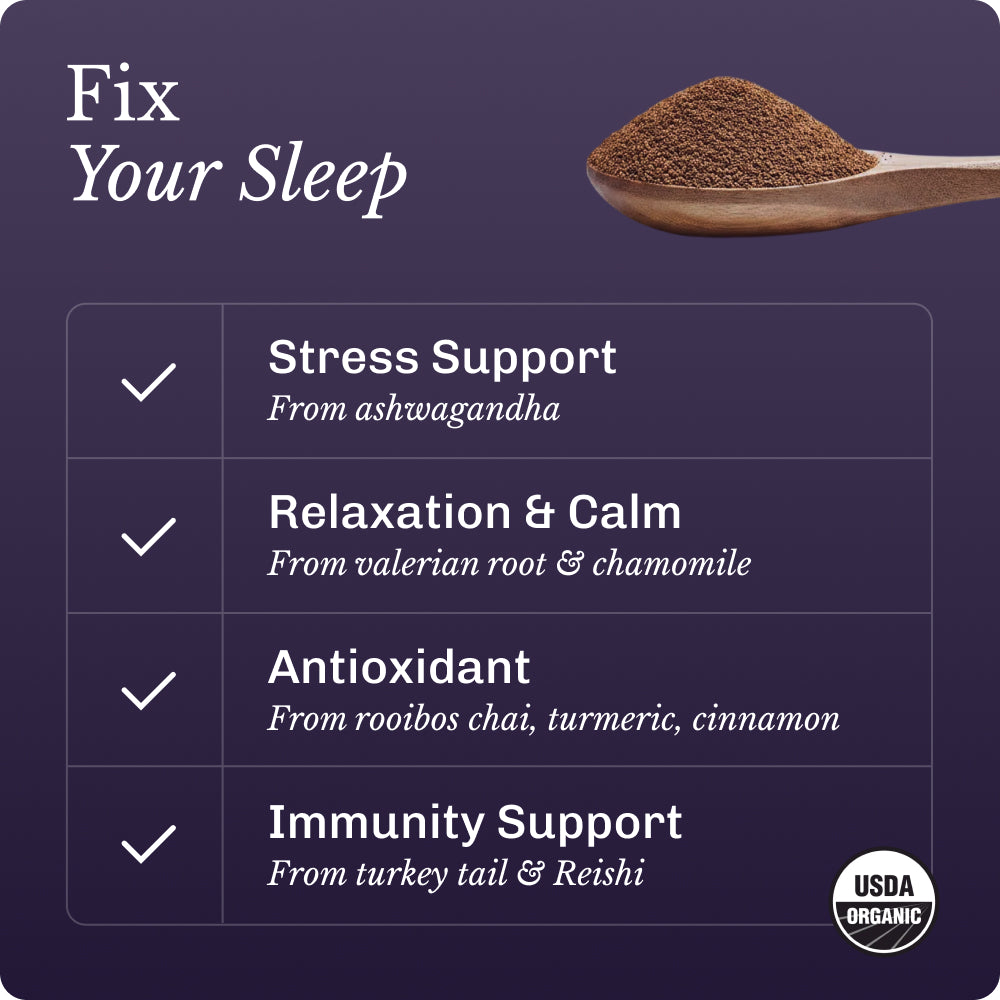
Credit: mudwtr.com
How Reishi And Valerian Root Work In The Body
Understanding how these herbs affect your body can help you choose the right one.
Reishi Mushroom’s Effects
Reishi works through several pathways:
- Reduces cortisol: High stress raises cortisol, which can disrupt sleep. Reishi helps lower it.
- Promotes relaxation: By reducing anxiety, reishi calms the mind.
- Supports immunity: Poor sleep weakens the immune system, and reishi helps balance it.
But reishi is not a direct sedative. It works by supporting your body’s ability to relax and sleep naturally.
Valerian Root’s Effects
Valerian acts mostly on the brain:
- Boosts GABA: This is a neurotransmitter that slows nerve activity and calms the mind.
- Shortens sleep onset: Many people fall asleep faster after valerian.
- Reduces nighttime waking: Some people stay asleep longer.
Valerian’s effects are more direct and often faster than reishi, but can feel stronger and sometimes cause drowsiness the next day.
Who Should Choose Reishi Mushroom?
Reishi is a good choice if you:
- Struggle with stress or anxiety: If your sleep problems are due to worry or chronic stress, reishi’s calming effects may help.
- Want long-term balance: Reishi is best for people looking for steady, gentle improvement over weeks, not instant results.
- Have other health concerns: Reishi supports immunity and may help with allergies, fatigue, or mild inflammation.
- Prefer no drowsiness: If you want to avoid feeling sleepy during the day, reishi is less likely to cause this.
Practical Tip: Start with a low dose, as some people may feel mild digestive discomfort at first. Reishi is safe for daily, long-term use when taken as recommended.
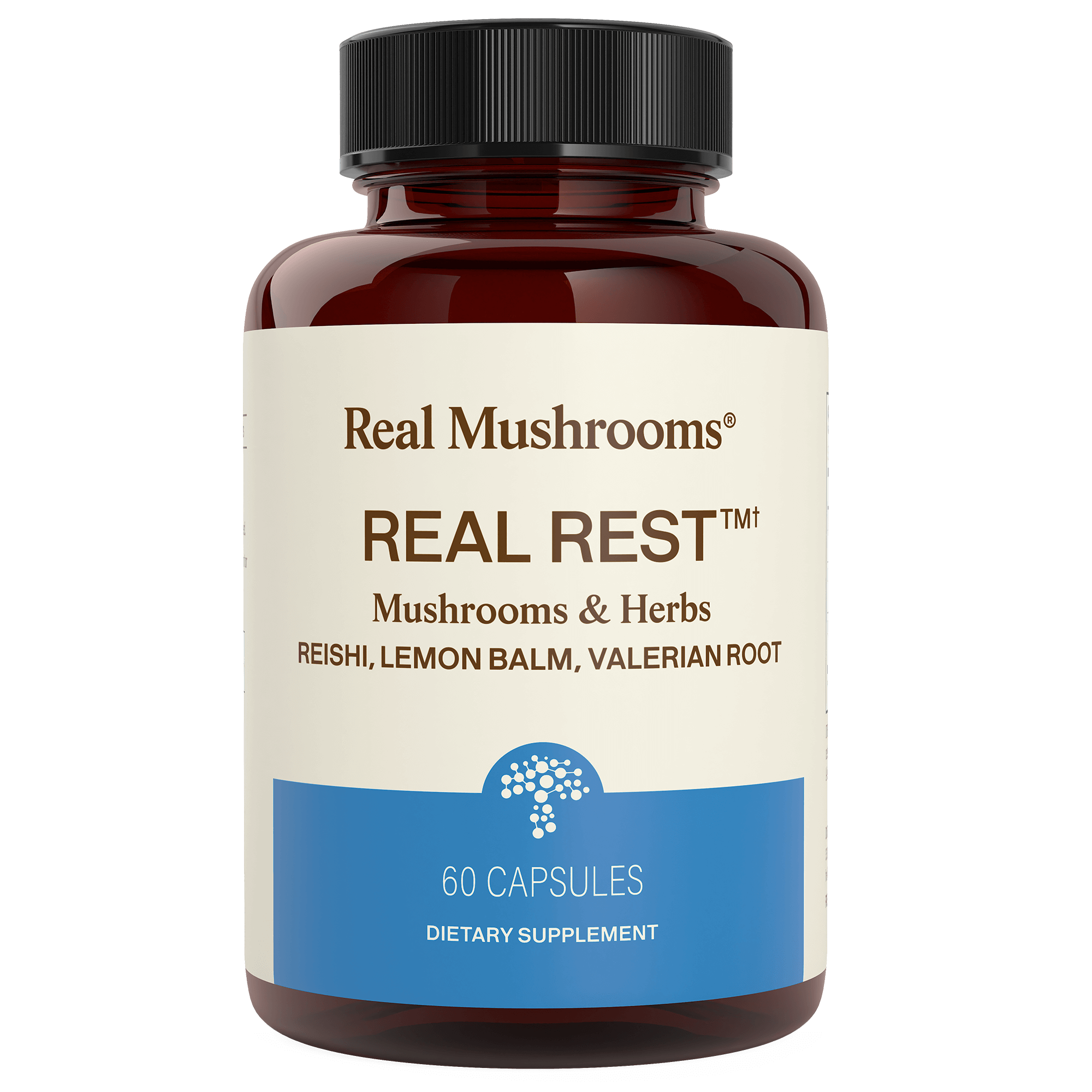
Credit: realmushrooms.com
Who Should Choose Valerian Root?
Valerian root is better if you:
- Have trouble falling asleep fast: If you lie awake for a long time, valerian’s direct relaxing effects may help.
- Need quick results: Valerian often works within hours or days, not weeks.
- Have occasional insomnia: If you only have sleep problems sometimes (for example, from travel or stress), valerian is a good short-term option.
- Prefer traditional herbal teas: Many people enjoy valerian tea before bed.
Practical Tip: Start valerian on a night when you don’t need to be alert early the next morning, as it can cause morning drowsiness for some people.
Safety And Side Effects
Both reishi and valerian are generally safe for most adults, but they have some differences in side effects.
Reishi Mushroom Side Effects
Reishi is well tolerated but can cause:
- Stomach upset (nausea, diarrhea)
- Dry mouth or throat
- Skin rash (rare)
- Dizziness (rare)
These effects are more likely with high doses or poor-quality supplements. Allergic reactions are rare. Reishi should be avoided by people with bleeding disorders or those taking blood thinners, as it may affect clotting.
Valerian Root Side Effects
Valerian can cause:
- Drowsiness the next morning
- Headache
- Vivid dreams or nightmares
- Stomach upset
Some people feel groggy after valerian, especially with higher doses or if combined with alcohol or other sedatives. Valerian is not recommended for pregnant or breastfeeding women, or for children under 3.
Comparing Side Effects
Here’s a quick side-by-side look:
| Side Effect | Reishi Mushroom | Valerian Root |
|---|---|---|
| Drowsiness | Rare | Common |
| Stomach upset | Possible | Possible |
| Allergic reaction | Very rare | Rare |
| Headache | Rare | Possible |
| Next-day grogginess | Unlikely | Possible |
| Interaction with medications | Blood thinners, immune drugs | Sleep drugs, alcohol |
Non-obvious insight: Some people feel more energized after reishi, especially early on. This is not a sign it’s not working—reishi balances the body, and some notice less fatigue before deeper sleep improves.
Dosage And How To Take
Reishi Mushroom Dosage
The right dose depends on the product. Common amounts are:
- Powdered extract: 1–3 grams per day, mixed in water or tea
- Capsules: 1–2 capsules (usually 500 mg each) daily
- Tincture: 1–2 droppers, as directed
Reishi works best when taken for at least 4 weeks. Take it in the evening or split between morning and night.
Valerian Root Dosage
Valerian is usually taken 30–60 minutes before bed:
- Tea: 1–2 teaspoons dried root steeped for 10 minutes
- Capsules: 400–900 mg
- Tincture: 1–3 mL
Do not combine valerian with alcohol or other sedatives. It’s best not to use valerian every night for months in a row—take breaks to avoid building tolerance.
Non-obvious insight: For both herbs, quality matters more than quantity. Cheap supplements may not contain enough active compounds. Always choose products from trusted brands, ideally with third-party testing.
Common Mistakes When Using Reishi Or Valerian Root
Even natural herbs can be used incorrectly. Here are mistakes to avoid:
- Expecting instant results from reishi. It works slowly. Give it at least 2–4 weeks.
- Taking valerian too close to wake-up time. This increases the risk of morning grogginess.
- Mixing with alcohol or sedatives. Both herbs can increase the effects of other relaxants. This is not safe.
- Using poor-quality products. Low-quality supplements may be contaminated or too weak.
- Ignoring allergies or health conditions. Always check with a doctor if you have a bleeding disorder (reishi) or are pregnant (valerian).
Combining Reishi And Valerian Root: Is It Safe?
Some people wonder if they can take both reishi and valerian together. There is no strong evidence that combining them is unsafe, and some herbal blends do include both. However, it’s smart to:
- Start with one herb and see how your body reacts
- Use lower doses if combining
- Avoid if you are on sedative drugs or have medical conditions
Combining may gently support sleep without the risk of strong drowsiness, as reishi balances and valerian relaxes. Still, always consult a healthcare provider before mixing herbs, especially if you take medications.
Reishi Vs Valerian Root: Which Is Better For Sleep?
So, which wins? The answer depends on your needs:
- For quick sleep or occasional insomnia: Valerian root is usually better. It works fast and helps you fall asleep.
- For stress-related sleep issues or long-term support: Reishi mushroom is best. It helps your body handle stress and improves sleep quality over time.
- For sensitive people: If you don’t like feeling drowsy, reishi is gentler.
- For deep, immediate sleep: Valerian is stronger but may cause grogginess.
Some experts recommend trying valerian first if you need fast results. If you prefer a gentle, holistic approach and have other health goals, reishi may be better.
Practical Tips For Better Sleep With Reishi Or Valerian
- Set a regular sleep routine. Herbs work better with good sleep habits.
- Avoid screens an hour before bed. This helps your brain wind down.
- Try herbal teas. Both reishi and valerian teas are calming rituals.
- Watch for side effects. Start with low doses, especially if new to herbal supplements.
- Don’t use herbs as a crutch. If sleep problems last more than 2–3 weeks, see a doctor.
Real-life example: Maria, a busy teacher, used valerian for jet lag after international travel. She fell asleep faster but felt groggy in the morning. Later, she switched to reishi, and after three weeks noticed less anxiety and deeper sleep without morning fog.
How To Choose Quality Products
The herbal supplement market is huge, but not all products are equal. Here’s how to choose wisely:
- Look for standardized extracts. These guarantee a set amount of active compounds.
- Check for third-party testing. This shows the product is free of contaminants.
- Avoid products with fillers or artificial colors.
- Read reviews and check company reputation.
- Choose organic or wild-crafted when possible.
For more on supplement safety, check the NIH Office of Dietary Supplements.
Who Should Avoid Reishi Or Valerian Root?
Reishi mushroom should be avoided by:
- People with bleeding disorders
- Those on blood-thinning medication
- Pregnant or breastfeeding women (safety unknown)
- People with autoimmune diseases (reishi may stimulate immunity)
Valerian root should be avoided by:
- Pregnant or breastfeeding women
- Children under 3 years old
- People taking other sedatives or alcohol
- Those with liver problems (rare liver damage reported in high doses)
Always talk with a healthcare provider before starting any new supplement, especially if you have chronic illness or take other medicines.
Cultural And Lifestyle Differences
Reishi and valerian reflect different traditions:
- Reishi fits well into Asian-inspired wellness routines, often combined with meditation, tea ceremonies, and long-term health goals.
- Valerian suits European herbal traditions, where calming teas and tinctures are part of daily life for stress and sleep.
Some people find one approach feels more comfortable or matches their beliefs and habits.
Beyond Sleep: Other Health Benefits
While sleep is the main focus, both herbs offer extra benefits.
Reishi Mushroom
- Supports the immune system
- May reduce inflammation
- May help with allergy symptoms
- Promotes overall vitality
Valerian Root
- May reduce anxiety
- Eases mild muscle cramps
- Can help with tension headaches
However, these effects are less studied than their sleep benefits.
Legal Status And Regulation
Both reishi and valerian are legal in most countries and sold as dietary supplements. In the United States and Europe, they are not regulated as strictly as prescription drugs. This means quality can vary. Always buy from trusted sources.
Reishi Vs Valerian Root: Quick Reference Guide
If you want a fast answer, here’s a summary:
| Best For | Reishi Mushroom | Valerian Root |
|---|---|---|
| Quick sleep onset | No | Yes |
| Long-term sleep quality | Yes | Sometimes |
| Stress-related insomnia | Yes | Maybe |
| Daytime drowsiness | Rare | Possible |
| Immune support | Yes | No |
| Immediate results | No | Yes |
| Safety for long-term use | Good (with breaks) | Take breaks |
Frequently Asked Questions
Is It Safe To Take Reishi And Valerian Root Together?
In most cases, combining reishi and valerian is safe for healthy adults, as their effects are complementary. However, start with small doses and watch for unexpected drowsiness. Always consult your doctor if you take other medications or have chronic health conditions.
How Long Does It Take For Reishi Or Valerian Root To Work?
Valerian root often works within 30–60 minutes for sleep, but some people need a week or more for full effects. Reishi works more slowly; most people notice better sleep in 2–4 weeks of daily use.
Can I Develop A Tolerance To Reishi Or Valerian Root?
Valerian can cause tolerance if used every night for months. Take breaks (for example, use for 2 weeks, then pause). Reishi is less likely to cause tolerance but take breaks every few months to avoid adaptation.
Are There Any Serious Side Effects?
Serious side effects are rare. Valerian may cause next-day drowsiness or interact with sedatives. Reishi can cause digestive upset or interact with blood thinners. Allergic reactions are very rare for both.
Which Herb Is Better For Anxiety And Sleep?
For anxiety-linked sleep problems, reishi may be better for long-term balance, while valerian helps calm nerves quickly. Some people use both, but start with one to see which suits you best.
Good sleep is a foundation for health, mood, and energy. Whether you choose reishi, valerian root, or a mix of both, listen to your body and give your chosen herb time to work. Always focus on overall sleep hygiene, and consult a healthcare professional for lasting or severe sleep issues. With the right approach, restful nights are closer than you think.

Credit: www.amazon.com