
Reishi Polysaccharides: The Compounds Behind The Calming Effect
If you have ever searched for natural ways to reduce stress or improve your mood, you may have heard of Reishi mushroom. Known as the “mushroom of immortality” in traditional Chinese medicine, Reishi has built a reputation for supporting relaxation, better sleep, and even emotional balance. But why does this mushroom help so many people feel calmer and less stressed? The answer lies in a group of special compounds called Reishi polysaccharides.
These unique molecules are not only responsible for many of Reishi’s health effects, but they also play a central role in its calming and stress-reducing abilities. In this article, you will discover what Reishi polysaccharides are, how they work, and why they matter if you want to feel more relaxed naturally.
We will explore their science, benefits, and how you can use them safely and effectively. By the end, you will understand why Reishi is more than just a trendy supplement—it’s a deeply researched, ancient tool for calm and well-being.
What Are Reishi Polysaccharides?
Polysaccharides are large, complex carbohydrates made from many smaller sugar molecules joined together. In Reishi mushrooms (scientifically known as Ganoderma lucidum), these polysaccharides are some of the most active and studied compounds. They are mainly found in the mushroom’s cell walls, and each type can have different effects on the human body.
Some key points about Reishi polysaccharides:
- They make up around 10–20% of the dried mushroom’s weight.
- The main types are beta-glucans, heteropolysaccharides, and glycoproteins.
- They are water-soluble, meaning they dissolve in hot water and are often extracted using teas or broths.
- Over 200 different polysaccharides have been identified in Reishi mushrooms.
The structure of these polysaccharides gives them unique health properties. For example, beta-glucans are famous for supporting the immune system and reducing inflammation, while other polysaccharides help balance the body’s stress response.
You might picture polysaccharides as tiny “building blocks” that create a supportive shield in your body. Think of them as the “fiber” of the mushroom, but much more powerful than the fiber in your morning cereal. The different shapes and linkages of the sugars in Reishi polysaccharides are what let them interact with so many parts of your body, from your gut to your brain.
Some researchers believe that the unique patterns of these sugar chains are why Reishi is so different from other medicinal mushrooms. For example, the beta-glucans in Reishi are more branched, which may give them stronger immune and anti-stress effects compared to other fungi.
Scientists still study how these patterns work, but it’s clear that not all mushroom polysaccharides are the same.
How Reishi Polysaccharides Affect The Body
To understand the calming effect, you need to see how Reishi polysaccharides interact with different systems in your body. Here are the main ways they work:
1. Balancing The Stress Response
Our bodies have a system called the HPA axis (hypothalamic-pituitary-adrenal axis) that controls our reaction to stress. This system releases hormones like cortisol when you are stressed or anxious.
Reishi polysaccharides help regulate the HPA axis in a few ways:
- They lower the production of stress hormones, especially when the body is under chronic stress.
- They boost the body’s ability to recover after a stressful event.
- They help prevent the negative effects of long-term high cortisol, such as poor sleep and mood swings.
For example, people under ongoing work stress often have high cortisol, which can make it hard to relax, sleep, or even think clearly. Reishi polysaccharides seem to help “reset” this stress response, making it easier for your body to return to a calm state after a hard day.
Researchers have found that animals given Reishi polysaccharides show lower levels of stress hormones after being exposed to stressful situations. In humans, this effect may show up as fewer headaches, less tension, and an easier time winding down in the evening.
2. Supporting The Nervous System
The calming effect of Reishi is also linked to its action on the nervous system. Studies show that:
- Reishi polysaccharides may boost the activity of GABA, a neurotransmitter that calms the brain and reduces anxiety.
- They protect nerve cells from damage caused by oxidative stress, which can worsen anxiety and depression.
- They encourage better sleep by supporting a relaxed state in the brain.
When your nervous system is overactive, you may feel jumpy, restless, or unable to sleep. By gently increasing GABA levels, Reishi polysaccharides can help your mind shift from “fight or flight” to “rest and digest. ” This is why many people notice that their thoughts slow down and their body feels less tense after using Reishi for a few weeks.
Some researchers believe that Reishi’s effect on sleep comes partly from its ability to help the brain make more natural melatonin, the hormone that signals your body it’s time to rest.
3. Modulating The Immune System
Stress affects the immune system, often making people more likely to get sick. Reishi polysaccharides:
- Balance immune responses, preventing both overactivity (which can cause inflammation) and underactivity (which leads to illness).
- Reduce inflammation, which is linked to anxiety and low mood.
- Promote the release of calming molecules (like interleukin-10) that help the body relax.
Chronic inflammation is now known to affect not just the body but also the mind. People with ongoing inflammation often report brain fog, irritability, or low energy. By keeping inflammation under control, Reishi polysaccharides support not just your immune system but also your mood and focus.
What’s unique about Reishi is that it doesn’t simply “boost” the immune system—it helps fine-tune it. This means it can be helpful for people who are often sick as well as those who experience allergy-like symptoms from an overactive immune response.
4. Reducing Oxidative Stress
Oxidative stress is an imbalance between harmful molecules (free radicals) and the body’s ability to neutralize them. Too much oxidative stress can make anxiety and stress feel worse. Reishi polysaccharides are strong antioxidants that:
- Remove free radicals from the body.
- Protect cells from damage.
- Lower the inflammation that can affect mood and mental health.
Oxidative stress is often called “rusting from the inside. ” It can damage brain cells, slow down thinking, and make it harder for your body to bounce back from stress. The antioxidant effect of Reishi polysaccharides is one reason why people often report feeling “clearer” and more focused after using this mushroom for a while.
One interesting detail: Reishi’s antioxidants don’t just protect your brain—they also help your heart, liver, and other organs handle daily stress. This “whole body” effect is part of why Reishi has been prized for longevity in traditional medicine.
Key Types Of Polysaccharides In Reishi
Reishi mushrooms contain many different polysaccharides. Here are the most important ones for the calming effect:
| Polysaccharide Type | Main Actions | Calming Effect |
|---|---|---|
| Beta-glucans | Immune regulation, antioxidant, anti-inflammatory | Balances stress hormones, reduces anxiety |
| Heteropolysaccharides | Anti-stress, supports nervous system | Promotes relaxation, supports sleep |
| Glycoproteins | Cell signaling, boosts brain health | Improves mood, supports calm mind |
| Alpha-glucans | Energy storage, immune support | Indirect calming by supporting overall health |
Each type works a bit differently, but together, they create a powerful combination for mental and physical relaxation.
You may notice that some of these polysaccharides, like beta-glucans, are also found in oats and barley. But the beta-glucans in Reishi have a special branching structure that lets them interact with the immune system more powerfully. Glycoproteins are another unique part of Reishi, acting almost like “messengers” that tell cells how to respond to stress.
When you use a full-spectrum Reishi extract, you get the benefit of these different polysaccharides working together. This synergy means the calming effect is usually stronger than taking a single isolated compound.
Scientific Research On Reishi Polysaccharides
Many studies have looked at how Reishi polysaccharides affect stress, anxiety, and mood. Here are some key findings:
- In animal studies, Reishi extracts rich in polysaccharides reduced anxiety-like behavior and helped animals recover faster after stressful events.
- Human trials have found that people taking Reishi supplements report better sleep and lower levels of stress-related fatigue.
- One study published in the journal Phytotherapy Research found that after 8 weeks of Reishi supplementation, participants with neurasthenia (a condition with symptoms of fatigue and anxiety) showed significant improvement in mood and energy.
- Polysaccharides from Reishi have been shown to reduce levels of pro-inflammatory cytokines, molecules that can worsen anxiety and depression.
- Research in older adults has shown improvements in mental well-being and less tension after taking Reishi for several weeks.
It is important to note that most studies use standardized Reishi extracts with high levels of polysaccharides, not just simple dried mushrooms. The results are promising, but more large-scale human studies are needed for final proof.
Some studies have also shown that Reishi polysaccharides can improve sleep quality in people with insomnia, possibly by increasing the amount of time spent in deep, restorative sleep. In animal models, Reishi has been shown to reverse the effects of chronic stress, such as weight loss and memory problems.
A detail most people miss: Some research suggests that Reishi may support the growth of new nerve cells (neurogenesis), especially in the hippocampus—a brain area involved in mood and memory. This may explain why regular Reishi use can help not just with stress but also with mental clarity and emotional stability.

Credit: www.amazon.com
How Reishi Polysaccharides Create A Calming Effect
You may wonder, “How does a mushroom help me feel less stressed?” The answer is in the way Reishi polysaccharides work on multiple levels. Here’s a step-by-step look:
- Regulate Stress Hormones: By balancing the HPA axis, Reishi polysaccharides prevent spikes in stress hormones and help the body recover faster after stress.
- Boost Calming Neurotransmitters: They encourage more GABA activity, making you feel relaxed and less anxious.
- Reduce Inflammation: Lower inflammation in the brain and body often leads to better mood and less irritability.
- Protect Brain Cells: By removing free radicals, they keep nerve cells healthy, which is key for clear thinking and emotional balance.
- Support Deep Sleep: Better sleep helps the body recover from stress, and Reishi makes it easier to fall asleep and stay asleep.
These effects do not happen overnight. Most people notice the calming benefits after taking Reishi polysaccharides regularly for several weeks.
It’s not just the “main” systems that benefit. Some evidence shows that Reishi polysaccharides can even help regulate blood sugar, which, when balanced, supports stable energy and mood throughout the day. This is another way Reishi helps you avoid the highs and lows that can come with chronic stress.
Real-world Benefits: Beyond Just Feeling Calm
While the main focus is on the calming effect, Reishi polysaccharides offer many other health benefits:
- Immune Support: They help the immune system fight infections and recover from illness.
- Better Sleep Quality: Many people report deeper, more restful sleep.
- Improved Focus: By reducing stress and inflammation, Reishi can help with mental clarity.
- Physical Endurance: Some athletes use Reishi polysaccharides to recover faster after workouts.
- Healthy Aging: The antioxidant effects protect cells from damage, which may slow the aging process.
These extra benefits make Reishi polysaccharides a popular supplement for overall wellness, not just stress relief.
Some users also notice better skin health, fewer colds, and an easier time managing allergy symptoms. This is likely because of Reishi’s role in balancing inflammation and supporting the immune system.
A less obvious benefit: People who use Reishi often say they feel more “even” emotionally. That means fewer mood swings, less irritability, and a steadier response to daily challenges. This emotional resilience is one reason Reishi is valued in both traditional and modern medicine.
How To Use Reishi For Calming Effects
If you want to try Reishi for its calming benefits, here are some important points:
Forms Of Reishi Supplements
Reishi comes in several forms:
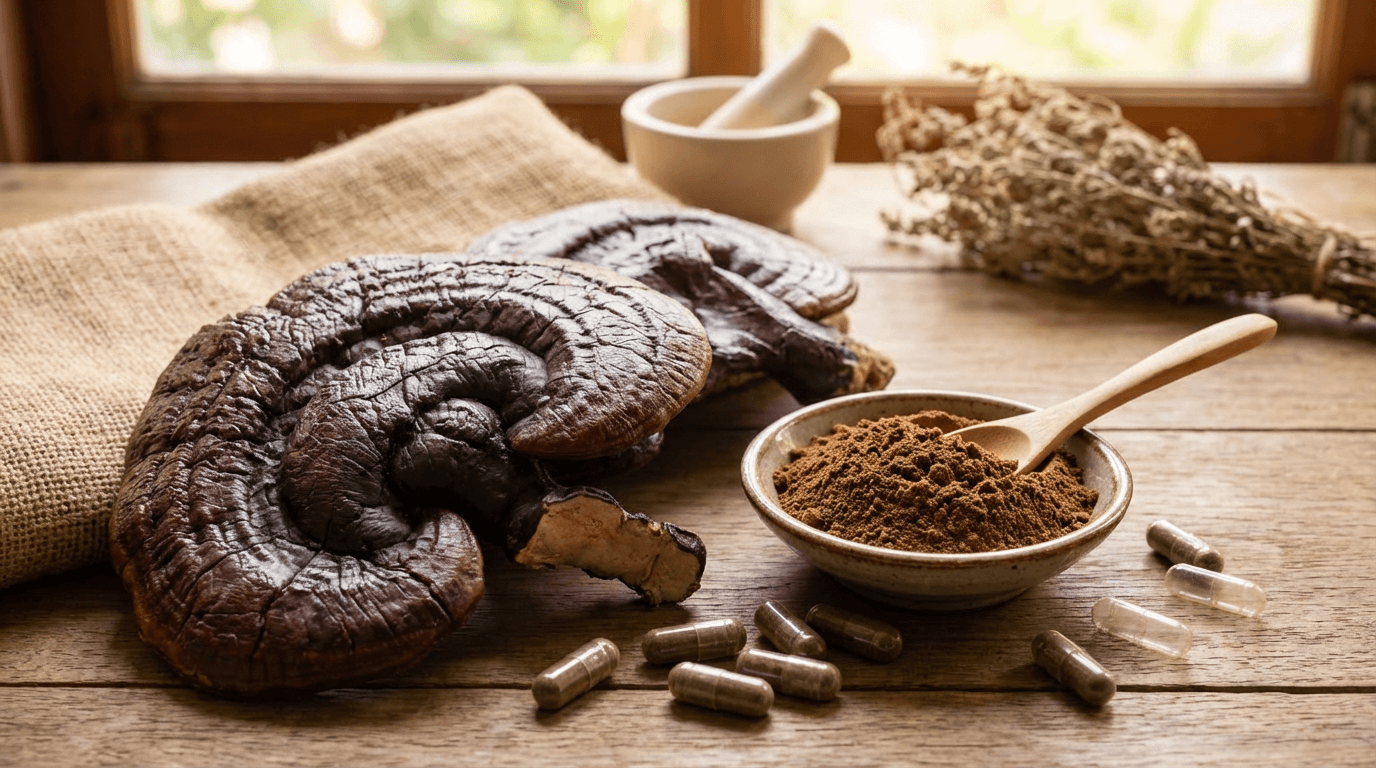
- Powder: Dried and ground mushroom, often added to smoothies or drinks.
- Capsules/Tablets: Easy to take, often contain standardized polysaccharide extracts.
- Liquid Extracts: Concentrated and quick to absorb.
- Teas: Traditional method, but less concentrated than extracts.
Each form has pros and cons. Powders and capsules are convenient, while teas are traditional but may not provide high polysaccharide levels unless prepared carefully.
A practical tip: If you use powder, mix it with warm drinks (not boiling) to help your body absorb the polysaccharides. Liquid extracts are often best for people with sensitive digestion, as they are easier to absorb.
Dosage And Timing
There is no “one-size-fits-all” dose, but most studies use between 1,000 and 3,000 mg of Reishi extract per day, standardized to contain at least 20% polysaccharides.
Tips for best results:
- Take Reishi at the same time each day, ideally in the evening for better sleep.
- Start with a low dose and increase gradually to avoid digestive upset.
- For tea, simmer dried Reishi slices in hot water for at least 30 minutes to extract the polysaccharides.
Some people split their dose, taking half in the morning and half in the evening, especially if they want both daytime calm and better sleep. If you have a sensitive stomach, take Reishi with food.
What To Look For In A Good Reishi Supplement
Not all Reishi products are created equal. Here’s how to choose a quality supplement:
| Feature | Why It Matters |
|---|---|
| Standardized polysaccharide content | Ensures you get enough active compounds |
| Extracted from fruiting body, not mycelium | Fruiting body has more beta-glucans and beneficial polysaccharides |
| Third-party testing | Confirms purity and safety |
| Clear labeling | Should show % polysaccharides and extraction method |
A common mistake is buying cheap Reishi made from mycelium grown on grain, which can have much lower levels of beneficial polysaccharides.
Another detail: High-quality Reishi may cost more, but it often lasts longer because you need a smaller dose to get results. Always check for independent lab tests to be sure your supplement is free from heavy metals or pesticides.
Non-obvious Insights: What Most Beginners Miss
- Not All Beta-Glucans Are Equal: Many mushrooms contain beta-glucans, but those from Reishi have a unique structure that gives stronger anti-stress effects. Simply choosing any “beta-glucan” supplement is not the same as using Reishi polysaccharides.
- Synergy With Other Compounds: Reishi also contains triterpenes and peptides, which work together with polysaccharides for stronger effects. Some extracts remove these, making them less effective for stress relief.
- Extraction Method Matters: Hot water extraction is best for polysaccharides, while alcohol extraction is better for triterpenes. High-quality supplements often combine both methods.
- Long-Term Use Is Key: The calming effect is subtle and builds over time. Using Reishi for just a few days will not deliver the full benefit. Consistency over weeks or months is important.
- Gut Health Connection: Reishi polysaccharides act as prebiotics, feeding healthy gut bacteria. A healthy gut produces more calming neurotransmitters, like serotonin, which adds to the overall relaxing effect.
Additionally, many people don’t realize that what you eat and drink with your Reishi supplement can affect absorption. Avoid taking it with very acidic drinks (like citrus juice) that can break down the polysaccharides before your body absorbs them.
Safety And Side Effects
Reishi is considered safe for most people, but there are some points to remember:
- Mild digestive upset (nausea, diarrhea) can occur, especially with high doses.
- Rare allergic reactions have been reported.
- People on blood thinners or with bleeding disorders should avoid Reishi, as it can slow blood clotting.
- Pregnant or breastfeeding women should consult a doctor before using Reishi.
If you experience any unusual symptoms, stop taking Reishi and talk to a healthcare professional.
One extra point: If you are taking medication for blood pressure or immune-related conditions, check with your doctor. Reishi can sometimes interact with these drugs, although serious problems are rare.
Who Should Consider Using Reishi Polysaccharides?
Reishi polysaccharides can help many people, especially those who:
- Experience frequent stress or anxiety.
- Have trouble sleeping due to racing thoughts.
- Want a natural way to support their mood.
- Seek immune support during stressful times.
However, Reishi is not a substitute for medical treatment in cases of severe anxiety or depression. Always consult a doctor for serious mental health concerns.
People who travel often, work night shifts, or go through periods of high pressure (such as exams or busy work seasons) may also benefit from Reishi’s balancing effects.
How Reishi Polysaccharides Compare To Other Calming Supplements
Many supplements claim to reduce stress. Here’s how Reishi polysaccharides compare to some popular options:
| Supplement | Main Action | Calming Power | Extra Benefits |
|---|---|---|---|
| Reishi polysaccharides | Balances stress hormones, supports immune system | Strong, builds over time | Immune support, sleep, antioxidants |
| Ashwagandha | Reduces cortisol, adapts to stress | Strong, quick effect | Improves energy |
| Valerian root | Boosts GABA activity | Strong, fast sleep aid | Mainly for sleep |
| Magnesium | Relaxes muscles, calms nerves | Moderate, depends on deficiency | Supports heart and muscles |
Reishi stands out for its combination of calming, immune-supporting, and antioxidant properties. Unlike some herbs, it does not cause drowsiness or dependence.
In practice, many people combine Reishi with other gentle adaptogens like ashwagandha or Rhodiola for a broader stress-management approach. Always start with one supplement at a time to see how your body responds.
Practical Tips For Getting The Most From Reishi Polysaccharides
- Take with food to avoid stomach upset.
- Combine with calming lifestyle habits (like meditation or gentle exercise) for best results.
- Store supplements in a cool, dry place to protect polysaccharides from breaking down.
- Track your mood and sleep over several weeks to notice subtle changes.
- If using Reishi tea, simmer long enough (at least 30 minutes) to extract enough polysaccharides.
Remember, high-quality Reishi is an investment. Cheap, poorly made supplements often fail to deliver noticeable results.
Another tip: If you are sensitive to caffeine, avoid taking Reishi with coffee or black tea, as these can reduce the relaxing effect. Try Reishi in the evening with a calming herbal tea instead.

Credit: antioxi-supplements.com
The Role Of Reishi In Traditional And Modern Medicine
Reishi mushroom has been used for over 2,000 years in traditional Chinese medicine, where it is called Lingzhi. Ancient texts described it as a “spirit-calming” herb, used for people with nervousness, insomnia, and irritability.
Modern medicine is now catching up, with research confirming many of these traditional uses. The polysaccharides are the main reason Reishi works so well for calming the mind and body. As more studies are published, doctors and herbalists are recommending Reishi for stress support, sleep, and overall resilience.
For those who want a natural approach, Reishi offers a bridge between ancient wisdom and modern science.
You might be surprised to learn that in Japan and China, Reishi extracts are sometimes used in hospitals as part of recovery programs for patients dealing with chronic fatigue, insomnia, or even cancer. This “official” use highlights the trust that some healthcare systems place in Reishi’s calming and restorative powers.
What To Avoid: Common Mistakes With Reishi Polysaccharides
- Using Too Low a Dose: Many people buy weak products or take too little to see benefits. Use standardized extracts with clear dosing.
- Expecting Instant Results: The calming effect builds slowly. Give it at least 2–4 weeks.
- Ignoring Product Quality: Mycelium-based, untested, or poorly labeled Reishi is often ineffective.
- Mixing With Strong Sedatives: While Reishi is gentle, avoid combining it with prescription sedatives unless your doctor approves.
- Stopping Too Soon: If you feel no change after a week, keep going. Benefits may appear subtly over time.
Another error is not storing Reishi supplements correctly—keep them away from heat and moisture to protect the polysaccharides.
Who Should Avoid Reishi Polysaccharides?
Certain groups should be careful or avoid Reishi:
- People with bleeding disorders (Reishi may slow blood clotting)
- Those on anticoagulant medication
- Pregnant or nursing women (not enough safety data)
- Individuals with mushroom allergies
Always check with your doctor before starting any new supplement, especially if you have medical conditions or take other medications.
Children and older adults can use Reishi, but doses may need to be lower. For sensitive individuals, it’s always safest to start with a small amount and build up slowly.
Combining Reishi With Other Calming Strategies
Reishi works best as part of a wider self-care plan. For maximum results:
- Practice mindfulness or meditation to lower stress.
- Get regular, gentle exercise like walking or yoga.
- Eat a balanced diet rich in fruits, vegetables, and healthy fats.
- Maintain a regular sleep schedule.
- Limit caffeine and alcohol, which can worsen anxiety.
Many people find that Reishi is the extra support they need to feel calm, clear, and resilient in a busy world.
Don’t forget the power of social connection—spending time with loved ones, even for a short walk, can enhance Reishi’s calming effect. If you journal or track your mood, you may notice your emotional ups and downs become less sharp over time with regular use.
Credit: antioxi-supplements.com
Where To Learn More
For those who want to dive deeper into the research, the National Institutes of Health and scientific journals offer many studies on Reishi polysaccharides. A useful starting point is the Wikipedia page on Ganoderma lucidum, which summarizes much of the current knowledge.
If you want to read clinical studies, search for “Reishi polysaccharides” in PubMed or Google Scholar. This can help you stay up-to-date as new research comes out.
Frequently Asked Questions
What Are The Main Calming Compounds In Reishi Mushroom?
The main calming compounds are Reishi polysaccharides, especially beta-glucans and heteropolysaccharides. These molecules help regulate stress hormones, support the nervous system, and reduce inflammation, which together promote a sense of calm.
How Long Does It Take For Reishi Polysaccharides To Work?
Most people notice subtle calming effects after 2–4 weeks of regular use. The benefits build over time, especially for sleep and stress resilience. Immediate results are rare, so patience and consistency are important.
Can I Take Reishi Polysaccharides With Other Supplements?
Yes, Reishi is safe to combine with most other calming supplements, such as magnesium or ashwagandha. However, always check with a healthcare provider if you take prescription medications or have health concerns.
Are There Any Side Effects From Taking Reishi Polysaccharides?
Side effects are rare but may include mild digestive upset (nausea, diarrhea) or allergic reactions in sensitive individuals. People with bleeding disorders or on blood thinners should avoid Reishi, as it may slow blood clotting.
Is Reishi Safe For Long-term Use?
Research and traditional use suggest that Reishi is safe for long-term use in healthy adults. However, always choose high-quality supplements and take breaks if any unusual symptoms appear.
In today’s fast-paced world, finding safe and natural ways to relax is more important than ever. Reishi polysaccharides offer a time-tested, science-backed solution for those seeking calm, better sleep, and resilience against stress. By working on multiple levels—balancing hormones, supporting the brain, and protecting your cells—Reishi does more than just “take the edge off.” It helps your body and mind find true balance. With the right product, patience, and self-care, Reishi can become a trusted ally in your journey to a calmer, healthier life.