
Reishi Gummies Vs Capsules Vs Tinctures: Which Delivers Best?
Reishi mushrooms have gained a global reputation as a natural superfood. Known as the “mushroom of immortality” in traditional Chinese medicine, reishi is now available in many forms, including gummies, capsules, and tinctures. But which form delivers the most benefits? With so many choices, it’s easy to get confused. Each method affects how your body absorbs the mushroom’s compounds—and how you experience its effects.
This article explains the real differences between reishi gummies, capsules, and tinctures. You’ll learn how each form is made, how your body processes them, and which one might suit your needs best. We’ll look at scientific data, user experiences, and practical tips, so you can make an informed decision.
If you want to get the most from your reishi supplement, read on.
What Is Reishi And Why Does Form Matter?
Reishi (Ganoderma lucidum) is a medicinal mushroom used in Asia for over 2,000 years. It’s famous for supporting immunity, reducing stress, and promoting overall wellness. Scientists have found that reishi contains triterpenoids, polysaccharides, and peptidoglycans. These are the compounds believed to give reishi its health benefits.
But here’s something beginners often miss: the way you take reishi affects how much of these compounds your body can actually use. This is called bioavailability—the amount of an active ingredient that enters your blood and has an effect. Gummies, capsules, and tinctures all deliver reishi differently, so the form you choose is not just about taste or convenience.
Another point many people overlook is that each form can interact differently with your body’s metabolism. For example, some people may have trouble absorbing nutrients from capsules if they have digestive problems, while others may be sensitive to the alcohol found in tinctures.
Choosing the right form can make a bigger difference than most people realize.
How Reishi Gummies, Capsules, And Tinctures Are Made
Before comparing, it helps to know how each form is produced. The process changes the final product and its potential benefits.
Reishi Gummies
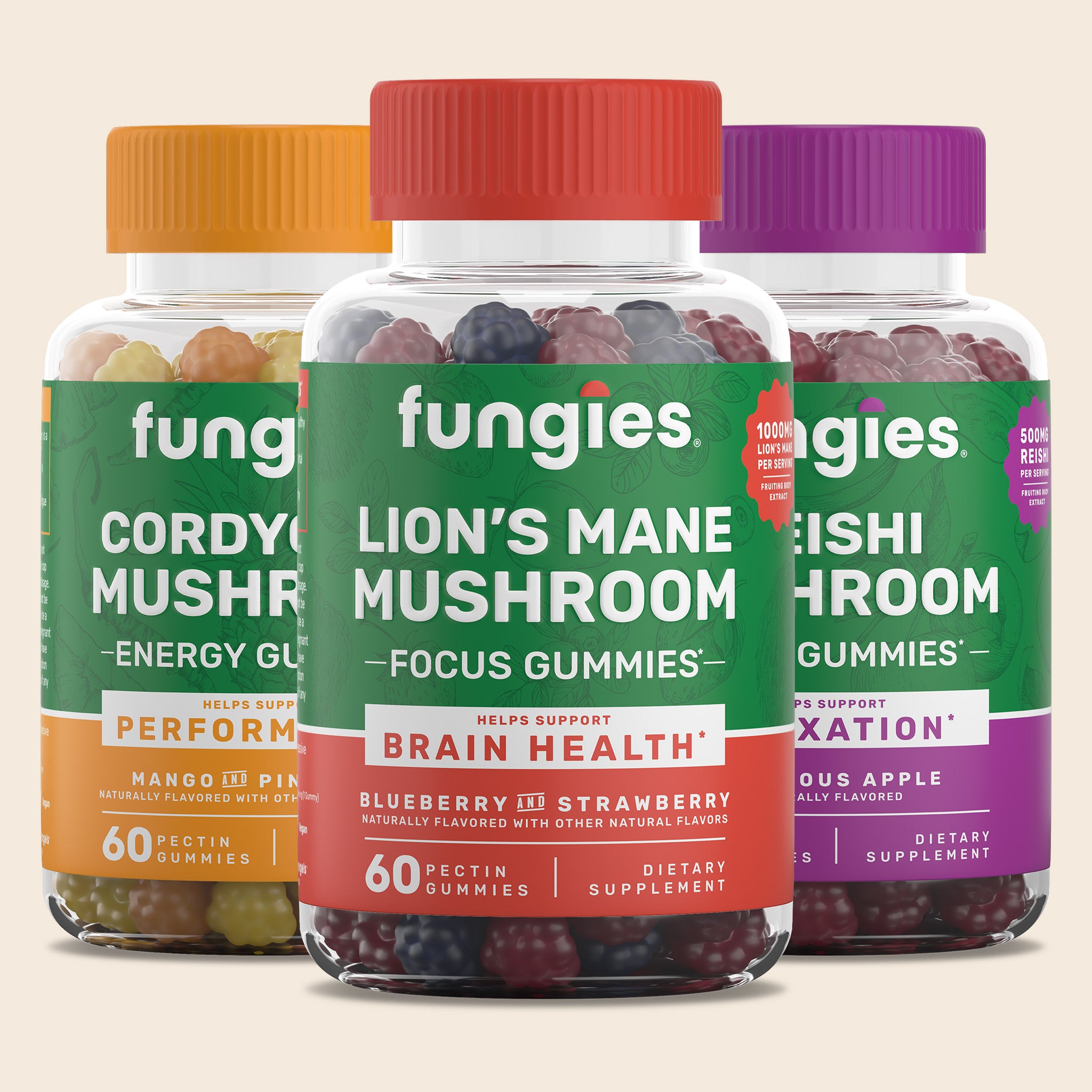
Gummies use a reishi extract mixed with sweeteners, gelatin or pectin, and flavorings. The extract is cooked into a gel, poured into molds, and set until firm. Some brands use only fruit juice and pectin for vegan options.
Gummies are designed to mask the strong, earthy flavor of reishi, making them easy for children and taste-sensitive adults to consume. However, the manufacturing process often requires heating, which can degrade some of the mushroom’s delicate compounds. The type of sweetener used (cane sugar, corn syrup, or stevia) can also affect the final taste, texture, and even the absorption of reishi in your digestive system.
Key points:
- Usually include added sugars or alternative sweeteners.
- Often contain lower doses of reishi per serving than capsules or tinctures.
- Extra ingredients can affect absorption and shelf life.
- Heating during production may lower some active ingredients.
- Great for people who want to avoid the bitter taste of mushroom extracts.
Reishi Capsules
Capsules are usually filled with powdered reishi extract, mycelium powder, or ground whole mushroom. The powder is sealed in either gelatin or vegetarian capsules.
Modern capsule production aims to preserve as many active compounds as possible. Some brands use a process called dual extraction, which means they extract both water-soluble and alcohol-soluble compounds before drying the extract into a powder. This gives you a broader profile of reishi’s benefits.
Key points:
- Can deliver a higher dose per serving.
- Usually have fewer extra ingredients.
- Powder may be hot water or dual-extract, affecting potency.
- Capsule shell material (gelatin or plant-based) may impact absorption slightly.
- Easy to standardize dosage for consistent daily use.
Reishi Tinctures
Tinctures are liquid extracts made by soaking reishi mushrooms in alcohol (and sometimes water) for weeks. This extracts both water-soluble and alcohol-soluble compounds.
Some tinctures use only alcohol, while others use a mix of alcohol and water. This difference matters because some reishi compounds dissolve better in water, while others need alcohol. Glycerin-based tinctures are an alcohol-free option, though they may not extract as wide a range of compounds.
Key points:
- Alcohol helps release certain triterpenoids.
- Liquid form allows for fast absorption under the tongue.
- Some tinctures use glycerin instead of alcohol for a milder taste.
- Extraction method (single or dual) changes the final nutrient profile.
- Glass bottles require careful storage.
Absorption And Bioavailability: Which Form Wins?
Bioavailability means how much of the reishi’s active ingredients your body actually absorbs and uses. This is where the biggest differences happen.
Gummies
Gummies must be digested in your stomach, just like food. The gel matrix slows down how quickly reishi is released and absorbed. Also, stomach acids can break down some active compounds before they reach your bloodstream.
Some sweeteners and fillers in gummies can further slow or block absorption. For example, high levels of fiber or certain sugar alcohols may reduce how much reishi your body can use. If you eat gummies with a heavy meal, absorption might be even slower.
- Estimated absorption: Moderate to low
- Onset time: Slow (30-60 minutes)
- Best for: People who dislike pills or strong mushroom taste
- Real-life tip: Chewing gummies thoroughly helps start digestion but doesn’t fully offset the slower absorption.
Capsules
Capsules dissolve in the stomach, releasing their contents. If the capsule is made of gelatin, it may dissolve faster than veggie capsules. The powder is then digested and absorbed.
Taking capsules with food that contains some healthy fat (like avocado or olive oil) may boost absorption of fat-soluble compounds such as triterpenoids. But if you have digestive problems, absorption might not be as complete.
- Estimated absorption: Moderate
- Onset time: Moderate (20-40 minutes)
- Best for: Accurate dosing, higher potency
- Extra tip: Drinking a full glass of water with capsules helps them dissolve and move through your digestive tract.
Tinctures
Tinctures can be taken directly under the tongue (sublingually). This allows some compounds to enter the bloodstream quickly, skipping the digestive process. Alcohol helps extract more triterpenoids, which are less soluble in water.
If you hold the tincture under your tongue for 30-60 seconds, absorption is even higher. Tinctures can also be mixed into drinks, but then they are absorbed more like gummies or capsules, losing some speed.
- Estimated absorption: High (especially under tongue)
- Onset time: Fast (5-15 minutes)
- Best for: Fast effects, highest potency, people with digestive issues
- Practical insight: The initial taste can be strong, but rinsing your mouth with water after helps.
Here’s a quick comparison:
| Form | Absorption Speed | Bioavailability | Typical Dose (mg) |
|---|---|---|---|
| Gummies | Slow | Moderate to Low | 100-500 |
| Capsules | Moderate | Moderate | 500-2000 |
| Tinctures | Fast | High | 250-1000 |
Potency And Dosage: How Much Reishi Do You Get?
Not all forms deliver the same amount of active ingredients. Potency can be affected by extraction methods, added ingredients, and even the mushroom part used (fruiting body vs. mycelium).
Gummies
Most reishi gummies contain between 100 mg and 500 mg of reishi extract per serving. However, because of space limits (and the need for flavor), it’s rare to find strong gummies. Many brands also use less potent mycelium rather than fruiting body, which may lower the health benefits.
Some gummies list their reishi content as “extract” but do not specify the extraction ratio or type. Always look for brands that provide this information—otherwise, you might be getting a very weak product.
- Tip for buyers: If a gummy tastes very sweet and has little or no mushroom flavor, it’s likely lower in actual reishi extract.
Capsules
Capsules usually range from 500 mg to 2000 mg per serving. They can be made with whole mushroom powder, hot water extract, or dual-extract. Dual-extract capsules provide both water-soluble and alcohol-soluble compounds, offering wider benefits.
Some brands even offer standardized capsules, meaning each serving contains a set amount of a specific active compound (like 30% polysaccharides). This helps ensure you get the same potency every time.
- Practical insight: If you need to take higher doses for immune support, capsules are usually the most efficient way.
Tinctures
The potency of tinctures is measured in extract ratio (e.g., 1:2 means 1 part mushroom, 2 parts liquid) or mg per ml. High-quality tinctures can deliver 250-1000 mg per dose, but absorption is often more efficient. You may need fewer milligrams because more is actually used by your body.
Some tinctures also combine reishi with other adaptogenic herbs, which can have a synergistic effect. Always check the label for the actual amount of reishi per serving.
- Non-obvious point: Because tinctures are absorbed faster, you might notice effects with a lower dose compared to capsules or gummies.
Taste And Convenience: What Suits Your Lifestyle?
Let’s be honest—taste and convenience matter. If you dislike the flavor or find the form hard to use, you’re less likely to take your supplement regularly.
Gummies
Pros:
- Taste sweet, easy to chew.
- Fun and approachable, especially for kids.
- No need for water.
Cons:
- Often high in sugar or sweeteners.
- Lower potency means more servings for the same effect.
- Can melt in hot weather.
- Not suitable for strict keto or low-sugar diets.
A common beginner mistake is to treat gummies like candy. It’s important to keep them out of reach of children and follow the recommended dosage.
Capsules
Pros:
- Tasteless and odorless.
- Easy to carry and store.
- Precise dosing.
- Can be taken with other supplements.
Cons:
- Some people find pills hard to swallow.
- May cause mild stomach upset in sensitive users.
- Needs water for swallowing.
A practical tip: If you have trouble swallowing capsules, try taking them with a spoonful of yogurt or applesauce.
Tinctures
Pros:
- Can be added to drinks or taken alone.
- Fast-acting and adjustable dosage.
- High absorption.
- Good for people who dislike swallowing pills.
Cons:
- Bitter, earthy taste (especially alcohol-based).
- Alcohol content may not suit everyone.
- Glass bottles are fragile.
- Not as portable for travel.
Some people find that adding tinctures to hot tea or juice helps mask the flavor. Just remember, adding to hot liquids may reduce some heat-sensitive compounds.
Here’s a side-by-side look:
| Form | Taste | Convenience | Suitability |
|---|---|---|---|
| Gummies | Sweet, fruity | High | Kids, taste-sensitive |
| Capsules | Neutral | High | Adults, pill users |
| Tinctures | Earthy, bitter | Moderate | Quick effects, custom dose |
Health Benefits: What Does The Science Say?
All forms of reishi can offer health benefits, but the effectiveness depends on how much of the active compounds reach your bloodstream. Key benefits supported by research include:
- Immune support: Reishi polysaccharides help balance immune cells.
- Stress relief: Triterpenoids can support mood and relaxation.
- Sleep improvement: Some studies find reishi may improve sleep quality.
- Anti-inflammatory effects: Both triterpenoids and polysaccharides reduce inflammation.
However, clinical research often uses extracts (as in capsules or tinctures), not gummies. Gummies may offer less reliable results due to lower potency and added ingredients.
Another detail: Studies often use “standardized” extracts, which means the exact amount of polysaccharides or triterpenoids is known. This makes it easier to compare results and ensure consistent benefits—something gummies rarely guarantee.
Clinical Evidence
- A study published in the Journal of Ethnopharmacology found that reishi extract improved immune markers in adults after 12 weeks of use.
- Another study showed that reishi tinctures helped reduce fatigue in people with chronic illnesses.
- Some early research suggests that regular reishi use may help maintain healthy cholesterol and blood sugar levels, but more studies are needed.
It’s important to note that most studies use higher doses than those found in gummies. Tinctures and capsules are closer to the forms used in clinical trials.

Credit: www.amazon.com
Safety, Side Effects, And Who Should Be Careful
Reishi is considered safe for most people when used as directed. However, there are some things to watch out for.
Possible Side Effects
- Digestive upset: Nausea, dry mouth, or stomach pain (more common with capsules).
- Allergic reactions: Rare, but possible in sensitive individuals.
- Blood thinning: Reishi can mildly thin the blood, so caution is needed if you take anticoagulant drugs.
- Drowsiness: Some users report feeling sleepy after taking reishi, especially tinctures or higher doses.
Special Considerations
- Pregnancy and breastfeeding: Not enough evidence for safety; consult your doctor.
- Liver disease: Rare reports of liver problems with high doses; avoid if you have liver issues.
- Children: Gummies may appeal to kids, but check the dose and ingredients.
- Alcohol sensitivity: Tinctures often use alcohol, which might not be suitable for everyone.
One non-obvious tip: if you are sensitive to alcohol, choose glycerin-based tinctures or stick with capsules/gummies.
Another insight: If you have a mushroom allergy or sensitivity to molds, start with a very small dose and increase slowly under medical supervision.
Cost And Value For Money
Price varies widely based on form, brand, and potency. Let’s break down the typical cost per serving and what you’re really paying for.
Gummies
- Usually the most expensive per mg of reishi.
- You’re also paying for flavoring, sugar, and packaging.
- Best for occasional use or those who need a gentle introduction.
- May require multiple servings to reach an effective dose, increasing cost.
Capsules
- Good value per mg, especially in bulk.
- More concentrated, so you need fewer servings.
- Dual-extract capsules may cost more but deliver more benefits.
- Buying larger bottles usually saves money per serving.
Tinctures
- Can be pricey upfront, but high absorption means you may use less.
- Potent and versatile, but not always cost-effective for large daily doses.
- Glass packaging adds to cost but is recyclable.
A price comparison:
| Form | Typical Cost per 30 Servings | Estimated Cost per 1000 mg |
|---|---|---|
| Gummies | $15 – $30 | $4 – $8 |
| Capsules | $20 – $40 | $1.50 – $3 |
| Tinctures | $25 – $50 | $2 – $5 |
Non-obvious insight: Many people focus on the bottle price, but the cost per mg of active extract is what really matters for long-term use. Lower price per serving doesn’t always mean better value if the product is weak or poorly absorbed.
Pros And Cons Summary: At A Glance
Let’s quickly sum up the main strengths and weaknesses.
Reishi Gummies
Pros:
- Great taste, easy to take.
- Appeals to people who dislike pills.
- Portable and child-friendly.
Cons:
- Low potency.
- Added sugars or sweeteners.
- Not suitable for strict diets.
- May need several gummies for real effect.
Reishi Capsules
Pros:
- High potency.
- Accurate dosing.
- Few extra ingredients.
- Best value for regular use.
Cons:
- Some people dislike swallowing pills.
- Absorption depends on digestive health.
- Not suitable for people with swallowing difficulties.
Reishi Tinctures
Pros:
- Fast absorption.
- Can be added to drinks.
- Adjustable dose.
- Suitable for those with digestive problems.
Cons:
- Strong taste.
- Alcohol content may be an issue.
- Glass bottles less portable.
- Must be measured with a dropper.
How To Choose The Best Form For You
There’s no one-size-fits-all answer. The best form depends on your goals, preferences, and health needs.
Consider Your Health Goals
- For immune support: Capsules or tinctures offer higher, more reliable doses.
- For stress or sleep: Tinctures work faster, which can help if you need quick results.
- For daily wellness: Gummies are fine for light support, but not as potent.
- For long-term use: Capsules are cost-effective and easy to standardize.
Think About Your Lifestyle
- On the go: Capsules are most portable.
- At home: Tinctures can be customized and mixed with drinks.
- Flavor-sensitive: Gummies or capsules are better than tinctures.
- Sharing with family: Gummies are easiest for everyone to try.
Check The Ingredient List
- Look for fruiting body extract over mycelium for higher quality.
- Avoid unnecessary fillers or artificial colors.
- For tinctures, check if it’s alcohol or glycerin-based.
- Check for third-party testing and transparent sourcing.
Start With A Test
Some people react differently to each form. Try a small amount first to check for sensitivity, especially with tinctures.
- If you experience any side effects, stop use and consult a healthcare professional.
- For best results, keep a diary of how you feel with each form.
Common Mistakes To Avoid
- Choosing by taste alone: Gummies may taste better, but may not deliver enough reishi for real effects.
- Ignoring extraction method: Hot water and dual-extracts are better than simple ground powder.
- Not checking for added sugar: Gummies can contain more sugar than you expect.
- Assuming all products are equal: Quality and potency vary a lot between brands.
- Taking too high a dose too soon: Start with the recommended dose and monitor for side effects.
- Not reading the label: Some products mix reishi with other mushrooms or herbs, which may affect results.
User Experiences: What Real People Say
Gummies
Users love the taste and convenience, especially for travel or work. Some report mild effects on mood and sleep, but many say they need to take more than the suggested dose to notice real changes.
Some parents use gummies as an easy way to introduce reishi to children, but often mention the need to watch sugar intake. A few users mention mild digestive discomfort if they eat too many gummies at once.
Capsules
Most users choose capsules for potency and simplicity. They report steady improvements in energy, immunity, and sleep after 2-3 weeks. A few mention mild stomach upset if taken without food.
Long-term users like the ability to adjust their dose easily, and many combine reishi capsules with other mushroom supplements. Some people with sensitive stomachs recommend taking capsules with meals.
Tinctures
Tincture users are often looking for fast effects. Many say they feel calmer or sleepier within 15-30 minutes. The taste is a common complaint, but some get used to it over time. People with digestive issues often prefer tinctures because they don’t irritate the stomach.
Some users appreciate the ability to adjust their dosage drop by drop. Others mix tinctures into coffee or smoothies to make the taste more pleasant.
Credit: eatfungies.com
Scientific Research And Expert Opinions
Leading herbalists and mycologists generally recommend tinctures or capsules for serious health support. Gummies are seen as a fun option, but not the most effective.
A review in the journal Phytochemistry highlights that alcohol-based tinctures extract more triterpenoids, which are linked to anti-inflammatory effects. Capsules with dual-extracts offer a wide range of polysaccharides and triterpenoids.
New research is also exploring how different extraction methods affect reishi’s benefits. For example, some studies are investigating whether combining reishi with vitamin C or healthy fats can further boost absorption, especially for capsules.
For more detailed scientific information, you can check Wikipedia’s page on Ganoderma lucidum.
Sustainability And Ethical Considerations
The form of reishi you choose can also have an impact on the environment.
- Gummies: Often come in plastic jars, use more packaging, and may include non-biodegradable ingredients.
- Capsules: Can be purchased in bulk, reducing packaging waste.
- Tinctures: Usually come in glass bottles, which are recyclable but heavier to ship.
Also, look for brands that use organic reishi and avoid products made only from mycelium grown on grain. These are less potent and less sustainable.
Some ethical brands use renewable energy for production and support sustainable mushroom farming. Supporting these brands can have a positive impact beyond your own health.
Comparing Top Brands
Brand quality can make a big difference. Here’s what to look for:
- Third-party testing: Ensures the product contains what it claims.
- Transparent sourcing: Look for details about where and how the mushrooms are grown.
- Full-spectrum extracts: Provide a wider range of beneficial compounds.
- Clear labeling: Look for the type of reishi used and extraction method.
Some leading brands offer all three forms, but their best-reviewed products are usually capsules or tinctures. Always check user reviews and lab reports before buying.
- Practical tip: If a brand does not provide lab results, it’s better to choose another one with more transparency.
Frequently Asked Questions
What Is The Difference Between Reishi Fruiting Body And Mycelium In Supplements?
The fruiting body is the actual mushroom, rich in triterpenoids and polysaccharides. Mycelium is the root-like network that grows underground or on grain. Fruiting body extracts are usually more potent and better studied. Many gummies and low-cost capsules use mycelium because it’s cheaper, but it offers fewer health benefits.
Can I Take Reishi Gummies, Capsules, And Tinctures Together?
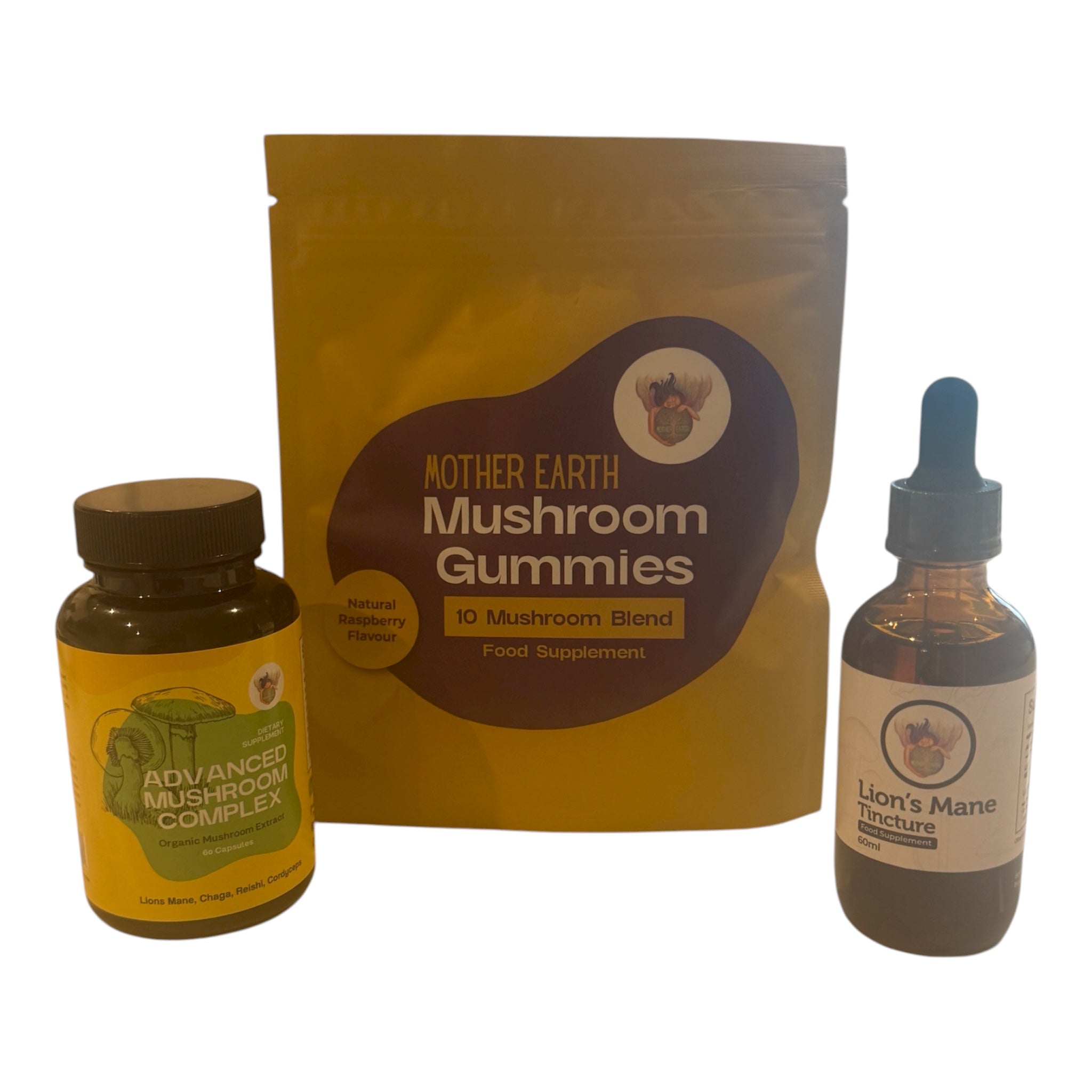
Yes, but be careful not to exceed recommended daily doses. Combining forms can be helpful if you want both taste and potency, but always watch for possible side effects, especially if you’re new to reishi.
Credit: motherearth.ie
How Long Does It Take To Feel The Effects Of Reishi?
It depends on the form and your body. Tinctures can work in as little as 15 minutes for stress or sleep, while capsules and gummies may take days or weeks for immune support. Consistent daily use is key for best results.
Are There Any Drug Interactions With Reishi Supplements?
Reishi may interact with blood thinners, blood pressure medication, and some immune drugs. Always check with your doctor before adding any supplement, especially if you take prescription medication.
Do Reishi Gummies Contain As Many Active Ingredients As Capsules Or Tinctures?
Usually not. Gummies tend to have lower doses due to taste and texture limits. They are good for mild support or those who dislike pills, but for strong health effects, capsules or tinctures are better choices.
Choosing between reishi gummies, capsules, and tinctures comes down to your health goals, preferences, and budget. Tinctures offer the fastest and most potent effects, while capsules give you reliable, high-dose support. Gummies are best for those who want a tasty, easy way to start.
Remember to check the ingredients, extraction methods, and sourcing to get the best results. With the right form, reishi can become a powerful ally in your wellness journey.