Reishi And the Vagus Nerve: How Mushrooms Activate the Relaxation Response
The search for natural ways to reduce stress and improve relaxation is more popular than ever. Many people feel tense, anxious, or overwhelmed. It’s not just work or personal life—our environment and fast-paced lifestyle create extra pressure. But what if a simple mushroom could help your body relax? Reishi, an ancient medicinal fungus, is getting attention for its calming effects. Scientists are now exploring how reishi interacts with the vagus nerve, the body’s “relaxation switch.” This article uncovers how reishi may activate your body’s natural relaxation response and why the vagus nerve is so important for feeling calm, balanced, and resilient.
What Is The Vagus Nerve?
The vagus nerve is one of the most important nerves in your body. It’s the longest cranial nerve, starting in the brainstem and traveling down through the chest and abdomen. Think of it as a communication highway, sending signals between your brain and major organs like the heart, lungs, and gut.
Key Functions Of The Vagus Nerve
- Controls heart rate: Helps slow down your heartbeat when you need to relax.
- Regulates breathing: Supports calm, deep breathing.
- Affects digestion: Sends signals that help your stomach and intestines work smoothly.
- Manages inflammation: Helps control immune system activity.
- Influences mood: Impacts how you feel emotionally.
When your vagus nerve works well, your body stays balanced. If it’s not active enough, you might feel tense, anxious, or even have digestive issues.
The Relaxation Response
The vagus nerve is a major part of the parasympathetic nervous system, which controls the “rest and digest” state. When this system is active, your body feels calm and safe. Blood pressure drops, your heart beats slowly, and digestion improves. This is called the relaxation response. It’s the opposite of the “fight or flight” response, which makes you alert but stressed.
Understanding Reishi: The Mushroom Of Immortality
Reishi (Ganoderma lucidum) is a glossy, red-brown mushroom that grows on hardwood trees. In China and Japan, it’s called “Lingzhi” and has been used for over 2,000 years as a tonic for health and longevity. People call it the “mushroom of immortality” because it was believed to boost life span and overall well-being.
What Makes Reishi Special?
Reishi contains unique compounds, including:
- Triterpenes: Help lower stress, reduce inflammation, and support the immune system.
- Polysaccharides: Boost immunity and protect cells.
- Beta-glucans: Balance blood sugar and cholesterol.
- Sterols and peptides: Contribute to heart and liver health.
These compounds work together to make reishi a powerful adaptogen—a natural substance that helps the body handle stress.
Traditional Uses
- Calm the mind
- Improve sleep
- Strengthen immunity
- Enhance energy
- Support liver health
How Does The Vagus Nerve Control Stress?
To understand how reishi helps, it’s important to know how the vagus nerve manages stress.
When you face a challenge, your body activates the sympathetic nervous system (“fight or flight”). Your heart races, breathing quickens, and muscles tense. Once the threat is gone, the vagus nerve signals your body to relax. This shift is key for recovery and overall health.
Vagal Tone: Why It Matters
Vagal tone is a measure of how well your vagus nerve works. High vagal tone means your body can switch from stress to relaxation quickly. Low vagal tone means you may stay tense longer, even after stress is gone.
People with high vagal tone often have:
- Lower blood pressure
- Better mood
- Stronger immunity
- Faster recovery from stress
Improving vagal tone is linked to better physical and mental health.
Reishi And The Vagus Nerve: The Connection
How can a mushroom affect your nervous system? Recent research shows that reishi’s compounds interact with body systems connected to the vagus nerve.
Reishi’s Effects On The Nervous System
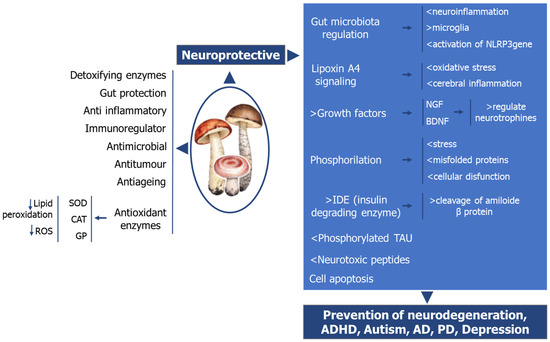
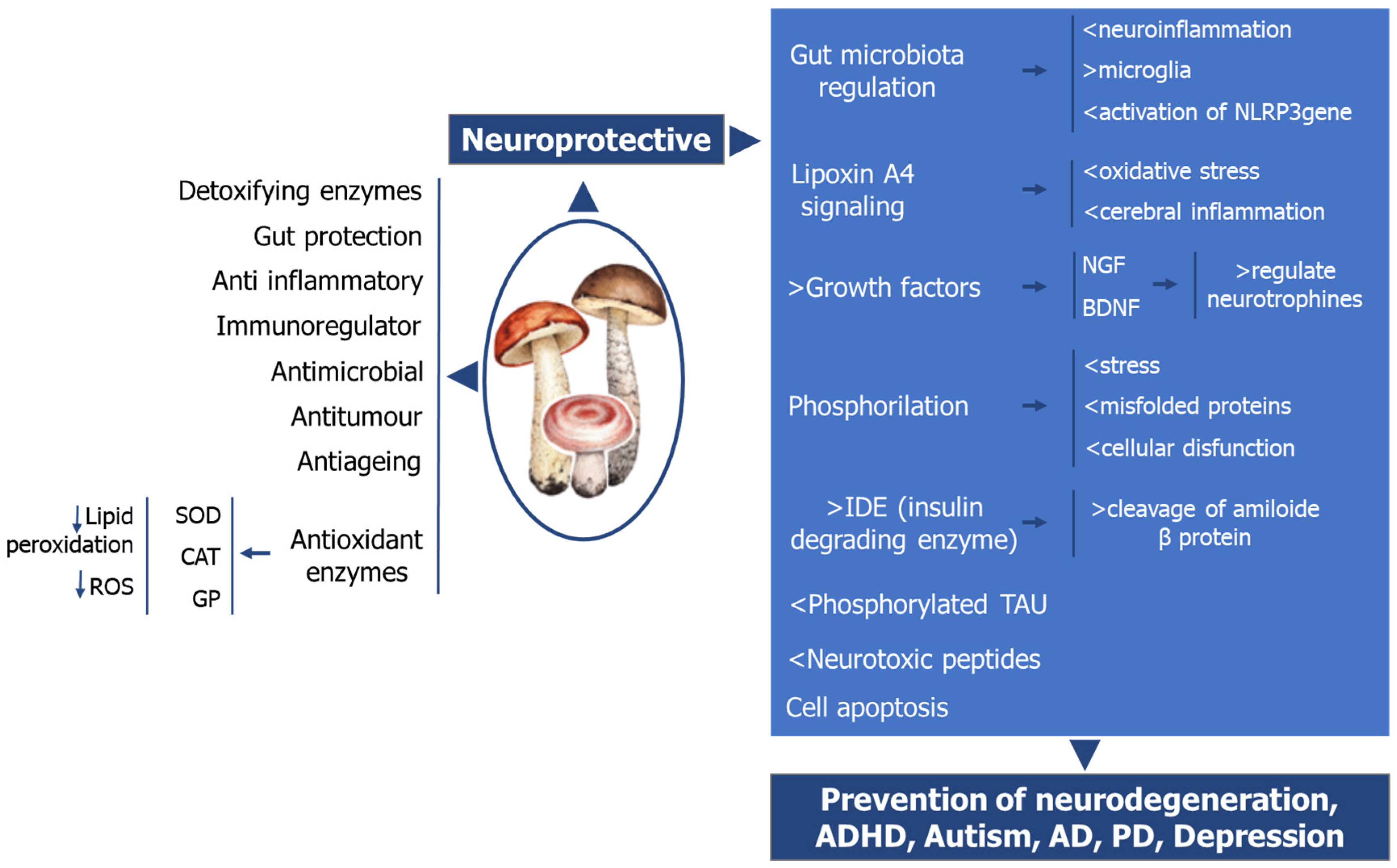
- Modulates neurotransmitters: Reishi helps balance chemicals like GABA and serotonin, which calm the brain.
- Reduces inflammation: Chronic inflammation can disturb the vagus nerve. Reishi’s anti-inflammatory actions protect nerve function.
- Lowers stress hormones: Studies show reishi can reduce cortisol, the “stress hormone.”
- Supports heart rate variability (HRV): HRV is a sign of vagal tone. Reishi may improve HRV, making it easier to relax.
Scientific Studies
A 2021 study published in *Frontiers in Pharmacology* found that reishi extracts increased vagal activity in animal models, leading to lower heart rates and blood pressure. Another study in *Phytotherapy Research* showed that people taking reishi reported lower anxiety and better sleep, both signs of improved vagal tone.
While more human studies are needed, early research is promising.
Credit: www.mdpi.com
How Reishi Activates The Relaxation Response
Reishi does not act like a sedative. Instead, it gently supports the body’s own systems for stress recovery.
Mechanisms In Action
- Stimulates GABA receptors: GABA is a calming neurotransmitter. Reishi boosts GABA activity, which may help the vagus nerve signal relaxation.
- Reduces cytokines: These are inflammatory messengers that can “block” the vagus nerve. Reishi’s anti-inflammatory power keeps signals flowing.
- Balances the HPA axis: This system controls stress hormones. Reishi helps keep it in balance, so the body returns to a relaxed state faster.
Comparing Reishi With Other Relaxation Methods
Below is a comparison of reishi with other common relaxation techniques:
| Method | How It Works | Speed of Effect | Supports Vagus Nerve? |
|---|---|---|---|
| Reishi Mushroom | Balances brain chemicals, reduces inflammation | Gradual (weeks) | Yes |
| Deep Breathing | Directly stimulates vagus nerve | Immediate | Yes |
| Meditation | Calms mind, lowers stress hormones | Short to long-term | Yes |
| Prescription Sedatives | Suppresses nervous system activity | Fast | No (not directly) |
Reishi works best as a long-term supporter, while breathing and meditation give faster but shorter effects.
Non-obvious Benefits Of Reishi For Relaxation
Most people know reishi is good for immunity, but its effects on the vagus nerve offer extra advantages:
- Supports gut health: The vagus nerve connects your brain and gut. Reishi’s prebiotic fibers feed good gut bacteria, which send calming signals back to the brain.
- Improves sleep quality: Better vagal tone means easier sleep. Reishi helps you fall asleep faster and stay asleep longer.
- Reduces “wired but tired” feeling: Many people feel exhausted but can’t relax. Reishi helps break this cycle by balancing nervous system activity.
- Boosts emotional resilience: With regular use, you may notice you bounce back from stress more quickly.

Credit: www.sciencedirect.com
How To Use Reishi For Relaxation
You don’t need to eat raw mushrooms to get the benefits. Reishi is available in many forms:
- Powders
- Capsules
- Extracts (liquid or alcohol-based)
- Teas
Dosage And Timing
Most studies use doses between 500 mg to 3,000 mg per day of reishi extract. Start low, especially if you’re new to mushrooms, and increase as your body adjusts.
Best time to take: Evening, 1-2 hours before bed. This timing supports sleep and allows your body to relax overnight.
Combining With Other Practices
For best results, combine reishi with other vagus nerve activators:
- Deep breathing exercises
- Gentle yoga or stretching
- Mindfulness or meditation
- Listening to calming music
These methods work together, amplifying the relaxation effect.
Safety, Side Effects, And Who Should Avoid Reishi
Reishi is considered safe for most people, but it’s powerful and can interact with some medications.
Possible Side Effects
- Dry mouth or throat
- Mild digestive upset (nausea, diarrhea)
- Dizziness (rare, often at high doses)
- Skin rash (very rare)
Who Should Be Careful
- Pregnant or breastfeeding women
- People with low blood pressure (reishi may lower it further)
- Anyone on blood-thinning medication
- Those with mushroom allergies
Always talk to your doctor before starting any new supplement, especially if you have health conditions or take medication.
The Science: What Research Says About Reishi And The Vagus Nerve
Scientific interest in reishi’s effect on the nervous system is growing. Here’s a closer look at the research.
Human Studies
- A 2019 randomized trial in Japan found that adults taking reishi for eight weeks had lower anxiety scores and improved sleep compared to a placebo group.
- In a clinical study with 48 participants, those who took reishi extract showed higher heart rate variability, a sign of better vagal activity.
Animal Studies
- Mice given reishi extract had lower cortisol (stress hormone) levels and calmer behavior in stress tests.
- Rats showed improved vagus nerve signaling after reishi supplementation, according to a 2020 study in Journal of Ethnopharmacology.
Lab Studies
- Reishi’s triterpenes and polysaccharides were shown to protect nerve cells from inflammation and oxidative stress.
Research Gaps
While results are promising, most studies use animal models or small human groups. Larger trials are needed to confirm the benefits.
For more on reishi research, see this NIH review.
Practical Guide: Building A Relaxation Routine With Reishi
If you want to use reishi to support your vagus nerve and relaxation, consistency is key. Here’s a step-by-step approach:
- Choose your product: Capsules are easiest for daily use, but teas and extracts can be more relaxing in the evening.
- Start with a low dose: 500 mg per day is a good start. Increase slowly.
- Take at the same time each day: Evening is best for sleep and deep relaxation.
- Combine with deep breathing: Do 5 minutes of slow breathing after taking reishi.
- Track your results: Note changes in mood, sleep, or stress level over 2-4 weeks.
Sample Daily Routine
- Morning: Gentle stretching or meditation
- Evening: Take reishi capsule or tea, followed by deep breathing
- Before bed: Journal or read something calming
This routine helps reishi’s effects build up, making relaxation easier over time.
Comparing Reishi With Other Medicinal Mushrooms
Reishi is not the only mushroom with relaxing properties, but it stands out for its strong effect on the vagus nerve. Here’s a comparison with other popular medicinal mushrooms:
| Mushroom | Main Benefit | Effect on Vagus Nerve | Best For |
|---|---|---|---|
| Reishi | Relaxation, immune support | Strong | Stress, sleep |
| Lion’s Mane | Brain health, memory | Mild | Focus, mental clarity |
| Chaga | Antioxidant, anti-aging | Weak | Immune boost |
| Cordyceps | Energy, stamina | None | Physical performance |
For deep relaxation and vagus nerve support, reishi is the top choice.
Real-life Experiences: What Users Report
Many people share positive stories about using reishi for relaxation. Here are a few examples:
- Anxiety relief: “After two weeks, I noticed less tension and fewer anxious thoughts. I could handle daily stress much better.”
- Better sleep: “I started sleeping through the night after adding reishi tea to my routine.”
- Calm energy: “I feel more grounded and less reactive, even when work is busy.”
Not everyone feels the effects right away. For some, it takes 2-4 weeks of consistent use. A few users report no change; this is normal, as everyone’s body is different.
The Mind-gut-vagus Axis: How Reishi Helps The Whole System
The connection between the brain, gut, and vagus nerve is called the mind-gut-vagus axis. This network controls mood, digestion, and the stress response. Reishi supports all three parts:
- Gut: Feeds healthy bacteria, reduces inflammation
- Vagus nerve: Enhances signaling, supports relaxation
- Brain: Balances neurotransmitters for calm mood
When this axis works well, you feel calmer, digest better, and bounce back from stress faster.
Tips For Maximizing The Benefits Of Reishi
To get the most from reishi, keep these tips in mind:
- Buy from reputable brands: Quality varies. Look for third-party tested products.
- Use consistently: Effects build up over weeks, not days.
- Pair with healthy lifestyle: Nutrition, exercise, and sleep matter too.
- Try different forms: Capsules, teas, and extracts can have slightly different effects.
- Be patient: Notice small changes in mood, sleep, and stress.
Two Insights Many Beginners Miss
- Reishi works best when you’re under moderate, not extreme, stress. If you’re severely anxious or have panic attacks, reishi alone is not enough—you need medical support.
- The effects are subtle. You may not feel a dramatic “kick.” Instead, notice if you recover from stress faster, sleep better, or feel less reactive.
Common Mistakes With Reishi And Relaxation
- Taking too much, too soon: High doses can cause stomach upset. Start slow.
- Expecting instant results: Reishi builds up in your system. Give it time.
- Ignoring lifestyle factors: Mushrooms help, but can’t fix poor diet or lack of sleep.
- Mixing with sedatives: Avoid using reishi with prescription sleep drugs unless your doctor says it’s safe.
Who Should Consider Reishi For Vagus Nerve Support?
- People who feel “always on” and have trouble winding down
- Those with mild anxiety or trouble sleeping
- Anyone looking to support their stress recovery naturally
- People interested in mind-gut health
If you have chronic health conditions or take medication, ask your doctor before use.
When To Expect Results
Most people notice some changes in 2-4 weeks of daily use. Signs include:
- Falling asleep faster
- Waking up less at night
- Feeling more emotionally stable
- Fewer digestive upsets from stress
For best results, combine reishi with other relaxation practices.
Credit: www.mdpi.com
Latest Trends: Reishi In Modern Wellness
Reishi is now found in:
- Functional coffees and teas
- Relaxation supplements
- Vegan protein powders
- Herbal blends for sleep
Many spas and wellness centers offer reishi-infused drinks for stress relief.
Some companies use dual-extract reishi (water and alcohol extraction) for higher potency. Check product labels for “fruiting body” rather than “mycelium” for maximum benefit.
The Bottom Line: Reishi, The Vagus Nerve, And Relaxation
The ancient reishi mushroom is more than just an immune booster. By supporting the vagus nerve, it helps your body shift out of stress and into relaxation. The effects are gentle but real—better sleep, calmer mood, and a stronger response to daily challenges. For most people, reishi is a safe, natural way to enhance the relaxation response and support long-term resilience.
If you’re looking for a holistic way to manage stress, combining reishi with mindful breathing, movement, and good sleep habits can create a powerful relaxation routine. While reishi is not a magic cure, it’s a valuable ally for anyone wanting to feel calmer, more balanced, and healthier in body and mind.
For more research on medicinal mushrooms, visit the Fungi Perfecti blog.
Frequently Asked Questions
What Is The Best Way To Take Reishi For Relaxation?
Capsules and extracts are the easiest forms for daily use. For a calming ritual, try reishi tea in the evening. Start with a low dose (500 mg), and increase slowly as your body adjusts. Consistency is more important than the form—take it at the same time each day for best results.
How Long Does It Take To Feel Reishi’s Effects On Stress And Relaxation?
Most people notice benefits in 2 to 4 weeks of daily use. Effects are gradual and subtle. Look for signs like better sleep, less anxiety, or a faster recovery from daily stress. Some people may feel effects sooner, while others need more time.
Can Reishi Replace Meditation, Breathing Exercises, Or Therapy?
No, reishi should not replace other relaxation methods. It works best as a support, not a substitute. Combine reishi with deep breathing, meditation, and healthy lifestyle choices for the strongest relaxation response. For severe stress or anxiety, seek help from a professional.
Are There Any Risks Or Side Effects Of Using Reishi?
Reishi is generally safe, but some people may experience mild digestive upset, dry mouth, or dizziness. Avoid high doses, and talk to your doctor if you take medications, are pregnant, or have a mushroom allergy. Reishi can interact with blood thinners and blood pressure medicine.
Does Reishi Interact With The Vagus Nerve Directly?
Reishi’s compounds do not “turn on” the vagus nerve directly. Instead, they support the body’s systems—reducing inflammation, balancing neurotransmitters, and lowering stress hormones—so the vagus nerve can work more effectively. This helps your body activate the natural relaxation response.
By understanding how reishi and the vagus nerve work together, you can make smarter choices for relaxation, resilience, and long-term health.