
Pre-diabetes is a wake-up call for many. It is a sign that your blood sugar levels are higher than normal, but not yet in the diabetes range. The good news? Early action can help you avoid type 2 diabetes altogether. While most people focus on diet, exercise, and sometimes medications, an exciting area of research is emerging: the use of medicinal mushrooms as part of a protocol for pre-diabetes.
This article explores how mushrooms might support early intervention, which types show the most promise, how to use them, and what science says so far. You will find practical strategies, clear comparisons, and honest answers to common questions. If you are looking for natural ways to support your health before diabetes develops, read on.
Understanding Pre-diabetes And Its Risks
Pre-diabetes means your blood glucose is higher than it should be, but not high enough to be diagnosed as diabetes. Doctors often use a fasting blood sugar test or an HbA1c test to check for this condition. People with pre-diabetes have a greater risk of developing type 2 diabetes, heart disease, and stroke.
The scary part is that many people with pre-diabetes do not feel sick. There are usually no clear symptoms. According to the Centers for Disease Control and Prevention (CDC), more than 96 million American adults have pre-diabetes, but over 80% of them do not know it.
Key Numbers To Know
- Fasting Blood Sugar: 100–125 mg/dL (pre-diabetes)
- HbA1c: 5.7%–6.4% (pre-diabetes)
- Risk: Up to 70% of people with pre-diabetes may develop diabetes if they do not change their lifestyle.
Why Early Intervention Matters
Without changes, pre-diabetes can turn into full diabetes within a few years. But with the right steps, you can often reverse it. Early intervention is more effective than waiting until diabetes develops.
What Are Medicinal Mushrooms?
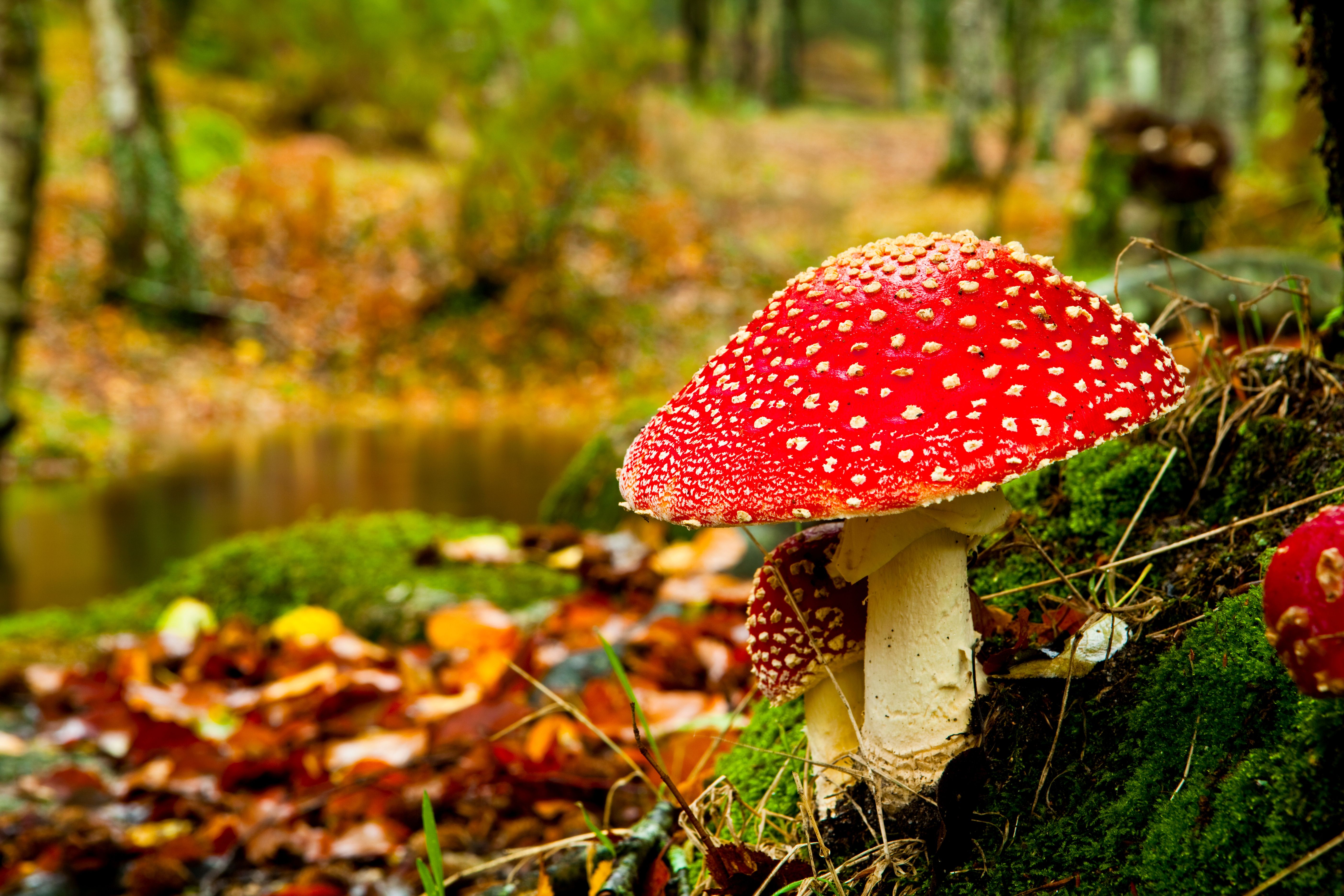
Medicinal mushrooms are not the same as the white button mushrooms you see in salads. They are special types, used in traditional medicine for hundreds of years, especially in Asia. Modern science is now studying these mushrooms for their effects on blood sugar, immunity, and more.
Some of the most researched mushrooms for blood sugar are:
- Reishi (Ganoderma lucidum)
- Cordyceps (Cordyceps sinensis and Cordyceps militaris)
- Lion’s Mane (Hericium erinaceus)
- Maitake (Grifola frondosa)
- Shiitake (Lentinula edodes)
- Turkey Tail (Trametes versicolor)
- Chaga (Inonotus obliquus)
- White Button Mushroom (Agaricus bisporus)
These mushrooms contain beta-glucans, polysaccharides, and other compounds that may help regulate blood sugar and reduce inflammation.
Credit: www.dvm360.com
How Mushrooms Work For Pre-diabetes
Mushrooms do not replace healthy eating, exercise, or medical advice. But research suggests they may help in several ways:
- Supporting Insulin Sensitivity: Some mushrooms can help your body respond better to insulin. This means your blood sugar is more likely to stay in the normal range.
- Reducing Inflammation: Chronic inflammation is a hidden driver of blood sugar problems. Mushrooms have natural anti-inflammatory compounds.
- Antioxidant Effects: Mushrooms fight oxidative stress, which can damage cells and worsen insulin resistance.
- Improving Gut Health: A healthy gut can improve how your body handles sugar. Many medicinal mushrooms act as prebiotics, feeding good bacteria in your gut.
- Helping With Weight Management: Some mushrooms can help reduce appetite or support fat loss, which is important for reversing pre-diabetes.
Let’s look at how each mushroom works and which ones may be most effective.
Top Mushrooms For Pre-diabetes
Reishi (ganoderma Lucidum)
Reishi is often called the “mushroom of immortality.” In traditional Chinese medicine, it is used to balance the body and calm stress. Modern studies suggest that reishi can:
- Lower blood sugar by improving insulin sensitivity
- Reduce inflammation linked to metabolic syndrome
- Support liver health, important for blood sugar control
A 2016 study found that diabetic mice given reishi extract had lower blood glucose and healthier insulin levels. While more research in humans is needed, early signs are promising.
Cordyceps (cordyceps Sinensis And Cordyceps Militaris)
Cordyceps grows on caterpillars in the wild, but is now mostly cultivated. It is famous for boosting energy and stamina. For pre-diabetes, cordyceps may:
- Lower fasting blood sugar and HbA1c
- Improve how the body uses insulin
- Increase ATP (cell energy), which can help with exercise
Animal studies show that cordyceps can reduce blood sugar spikes after meals. Some small human studies suggest it may help people with metabolic syndrome.
Lion’s Mane (hericium Erinaceus)
Lion’s mane is best known for its effects on the brain and nerves, but it also affects blood sugar. Research has found:
- It may reduce nerve damage linked to high blood sugar
- Can improve gut health, which supports blood sugar control
- Has antioxidant and anti-inflammatory effects
A 2013 study found that lion’s mane extract lowered fasting blood sugar in diabetic rats. It also protected the pancreas, which makes insulin.
Maitake (grifola Frondosa)
Maitake is rich in a compound called D-fraction, which has been studied for its immune and blood sugar effects. Maitake may:
- Lower blood sugar by helping insulin work better
- Support weight management
- Improve cholesterol levels
Human studies are limited but show that maitake extracts can reduce blood glucose after meals.
Shiitake (lentinula Edodes)
Shiitake is popular in Asian cooking and contains eritadenine, which can help lower cholesterol. For pre-diabetes, shiitake:
- May reduce blood sugar spikes after eating
- Supports gut bacteria, which helps with glucose control
- Contains beta-glucans for immune and metabolic health
Turkey Tail (trametes Versicolor)
Turkey tail is a powerful immune booster. Its main compound, PSK, is used in Japan as a cancer therapy. For blood sugar:
- Supports gut health and immunity
- May reduce inflammation that worsens insulin resistance
While not as direct as other mushrooms, turkey tail can be part of a supportive protocol.
Chaga (inonotus Obliquus)
Chaga is high in antioxidants called polyphenols. It grows on birch trees and is used in teas. Studies show that chaga:
- Lowers blood sugar in animal studies
- Reduces oxidative stress linked to pre-diabetes
- Supports immune health
White Button Mushroom (agaricus Bisporus)
This common mushroom is often ignored for medicinal use, but it still has benefits:
- Contains compounds that may improve insulin sensitivity
- Supports weight loss and gut health
Regularly eating white button mushrooms may help lower risk factors for metabolic syndrome.
Comparing Mushroom Effects For Pre-diabetes
To see how these mushrooms stack up, compare their key benefits:
| Mushroom | Blood Sugar Control | Insulin Sensitivity | Anti-Inflammatory | Gut Health |
|---|---|---|---|---|
| Reishi | Strong | Strong | Strong | Moderate |
| Cordyceps | Moderate | Strong | Moderate | Low |
| Lion’s Mane | Moderate | Moderate | Strong | Strong |
| Maitake | Strong | Strong | Moderate | Moderate |
| Shiitake | Moderate | Moderate | Moderate | Strong |
| Turkey Tail | Low | Low | Strong | Strong |
| Chaga | Moderate | Low | Strong | Low |
| White Button | Low | Moderate | Low | Moderate |
How To Build A Mushroom Protocol For Pre-diabetes
A “mushroom protocol” means using mushrooms in a planned, consistent way as part of your overall health strategy. Here is how to build one:
Step 1: Choose Quality Mushroom Products
Not all mushroom products are equal. Look for:
- Extracts (not just ground mushroom powder)
- Clear labeling (species, part used, extraction method)
- Organic or third-party tested for heavy metals and pesticides
- Beta-glucan content (higher is better for blood sugar)
Some products use only the mycelium (the root part), but the fruiting body (the actual mushroom) is usually richer in active compounds.
Step 2: Pick The Right Mushrooms
For pre-diabetes, the best choices are reishi, maitake, cordyceps, and lion’s mane. You can use one or combine two or more. Stacking mushrooms sometimes gives better results.
Step 3: Decide On The Form
You can take mushrooms as:
- Capsules
- Powders (to mix in drinks or food)
- Teas or tinctures
- Whole cooked mushrooms (for some types)
Supplements are usually more concentrated than food.
Step 4: Set The Dosage
There is no single “best” dose. Most studies use:
- Reishi: 1,000–3,000 mg extract daily
- Cordyceps: 1,000–3,000 mg daily
- Lion’s Mane: 500–3,000 mg daily
- Maitake: 500–2,000 mg daily
Start low to see how your body reacts. Increase if needed.
Step 5: Monitor Your Progress
Keep track of:
- Fasting blood sugar
- HbA1c (every 3–6 months)
- Energy and focus
- Weight and waist size
Share your results with your healthcare provider.

Credit: www.cell.com
Combining Mushrooms With Other Early Interventions
No supplement can do it all. Mushrooms work best when combined with proven pre-diabetes strategies:
- Healthy Diet: Focus on high-fiber foods, lean proteins, and healthy fats. Limit sugar and processed carbs.
- Exercise: Aim for at least 150 minutes of moderate exercise per week.
- Stress Reduction: Chronic stress raises blood sugar. Consider meditation, deep breathing, or gentle yoga.
- Sleep: Poor sleep increases insulin resistance. Adults need 7–8 hours per night.
- Weight Loss: Even losing 5–10% of your body weight can improve blood sugar control.
Mushrooms are an “add-on” that can give you an extra edge.
Are Mushroom Protocols Safe?
Medicinal mushrooms are considered safe for most people when used as directed. But there are things to watch out for:
- Allergies: If you are allergic to mushrooms, avoid all forms.
- Digestive Upset: Some people get bloating or mild stomach upset, especially at high doses.
- Drug Interactions: Mushrooms can interact with blood thinners, immunosuppressants, or diabetes medications. Always check with your doctor.
- Quality: Poor-quality products may contain contaminants.
If you are pregnant, breastfeeding, or have an autoimmune disease, talk to your healthcare provider before starting.
Common Mistakes When Using Mushrooms For Pre-diabetes
Many beginners miss these points:
- Using Too Little: Some people try tiny doses and expect big results. Most studies use higher amounts of extract.
- Choosing Low-Quality Products: Not all brands are honest about what is inside. Look for reputable companies with lab testing.
- Skipping Other Interventions: Mushrooms alone cannot fix poor diet or lack of exercise.
- Expecting Overnight Results: Mushrooms work slowly, often over weeks or months.
- Ignoring Your Doctor: Always share your supplement plan with your healthcare provider.
Practical Tips For Success
Here are some real-world tips to make your mushroom protocol more effective:
- Try reishi or lion’s mane in the evening, as they may help with sleep and mood.
- Use cordyceps before exercise for an energy boost.
- Rotate mushrooms every 1–2 months to see which work best for you.
- Mix mushroom powders into coffee, smoothies, or soups for easy use.
- Keep a journal to track changes in energy, mood, and blood sugar.
What Does The Science Say?
Research on medicinal mushrooms is growing. Here are some highlights:
- A 2019 review in the journal Nutrients found that beta-glucans from mushrooms improve insulin sensitivity and lower fasting blood sugar.
- A 2017 trial with type 2 diabetes patients using maitake extract showed reduced blood glucose after meals.
- Cordyceps was shown in a 2018 study to lower fasting glucose and improve lipid profiles in rats with metabolic syndrome.
- Lion’s mane protected the pancreas and reduced nerve damage in diabetic mice, according to a 2016 study.
However, most studies are small and use animals, not humans. Human trials are still limited but increasing each year. For more details, see this research summary from the National Institutes of Health.
How Mushrooms Compare To Other Natural Approaches
Mushrooms are only one part of the natural pre-diabetes toolkit. How do they compare to other popular options?
| Approach | Main Benefit | Evidence Level | Side Effects |
|---|---|---|---|
| Mushrooms | Regulate blood sugar, reduce inflammation | Moderate (growing studies) | Low (mild digestive issues) |
| Cinnamon | Lower fasting glucose, antioxidant | High (many human trials) | Low (high doses may harm liver) |
| Berberine | Improve insulin sensitivity | High (human trials, similar to metformin) | Moderate (GI upset) |
| Alpha Lipoic Acid | Reduce nerve pain, support glucose | Moderate | Low |
| Chromium | Support insulin action | Moderate | Low |
Non-obvious insight: Mushrooms may work better in combination with these other supplements, especially cinnamon and chromium, but you should always check for interactions.
Sample Daily Mushroom Protocol For Pre-diabetes
Here is an example of how you might use mushrooms in your daily routine. This is for educational purposes only.
Morning:
- 1,000 mg cordyceps extract (capsule or powder)
- 1,000 mg maitake extract
Afternoon:
- 500 mg lion’s mane extract
- 1 cup green tea
Evening:
- 1,000 mg reishi extract (or tea)
Throughout Day:
- Drink plenty of water
- Eat balanced meals with vegetables and protein
- Track blood sugar as recommended by your doctor
You can adjust the timing and doses based on your response and any advice from your healthcare provider.
Who Should Not Use A Mushroom Protocol?
Some people should avoid medicinal mushrooms:
- Anyone with a mushroom allergy
- People on immunosuppressant drugs
- Those with autoimmune diseases (unless cleared by a doctor)
- Pregnant or breastfeeding women (lack of safety data)
- Children (unless under medical supervision)
If you are unsure, start with a low dose and watch for any side effects.
The Role Of The Gut Microbiome In Pre-diabetes
Here is a fact most people miss: Your gut bacteria can affect your blood sugar. Medicinal mushrooms act as prebiotics, feeding good bacteria and improving gut health.
- A diverse gut microbiome helps reduce insulin resistance.
- Mushrooms like shiitake and turkey tail are especially good for gut health.
Scientists are still learning how the gut and blood sugar interact, but supporting your microbiome with mushrooms may give you an extra advantage.
Real-life Examples: How People Use Mushroom Protocols
Many people with pre-diabetes are now adding mushrooms to their routine. Here are a few examples:
- A middle-aged man with pre-diabetes started using reishi and maitake daily, along with walking and a lower-carb diet. After 6 months, his fasting glucose dropped from 112 to 98 mg/dL.
- A woman in her 50s added lion’s mane and cordyceps to help with energy and focus. She noticed her afternoon energy crashes decreased, and her HbA1c improved slightly.
- A younger person used a mix of shiitake and turkey tail to improve gut health. They felt less bloated, and their doctor said their cholesterol and blood sugar were better.
Everyone is different. Mushrooms are most effective when part of a bigger plan.

Credit: www.sciencedirect.com
Early Intervention Vs. Waiting: The Cost Of Delay
Some people wait until they are diagnosed with diabetes to make changes. This is a mistake. Early action:
- Reduces your risk of full diabetes by up to 58%
- Lowers your risk of heart attack and stroke
- Saves money on future medical costs
Mushrooms alone cannot replace these benefits, but as part of a full protocol, they can help you start strong.
How To Talk To Your Doctor About Medicinal Mushrooms
Many doctors are open to natural approaches if you bring clear information. Here are tips for talking to your provider:
- Bring studies or articles showing the benefits of mushrooms for pre-diabetes.
- Share your full supplement list to check for interactions.
- Ask about safe doses and timing with any medications.
- Request regular blood sugar tests to track progress.
Doctors may not know every detail about mushrooms, but they can help you use them safely.
The Future Of Mushrooms In Diabetes Prevention
Interest in mushrooms is rising fast. Scientists are now:
- Testing mushroom extracts in larger human trials
- Studying how mushrooms affect gut bacteria and immunity
- Looking for the best combinations and doses
In a few years, you may see mushroom-based supplements as a standard part of pre-diabetes care.
Frequently Asked Questions
Can Mushrooms Cure Pre-diabetes?
No, mushrooms cannot cure pre-diabetes. They are a helpful tool, but you must also focus on healthy eating, exercise, and other lifestyle changes. Mushrooms can support your body, but they are not a replacement for medical advice.
How Long Does It Take To See Results From A Mushroom Protocol?
Most people need at least 4–12 weeks to notice changes. Mushrooms work slowly and gently. Track your blood sugar over time and be patient. Results also depend on your diet, activity, and other factors.
Are There Any Side Effects From Taking Medicinal Mushrooms?
Side effects are rare but can include digestive upset, allergic reactions, or mild headaches. Start with a low dose to see how your body responds. If you have a medical condition or take medications, talk to your doctor first.
Can I Use Mushrooms With Other Diabetes Supplements?
Yes, many people combine mushrooms with supplements like cinnamon, berberine, or chromium. But always check for interactions and ask your healthcare provider for guidance.
Where Can I Find High-quality Mushroom Products?
Look for products that are organic, third-party tested, and clearly labeled with the mushroom species and extraction method. You can find these at health food stores, online retailers, and some pharmacies. For more information, see this expert resource on mushroom extracts.
—
Taking control of pre-diabetes is one of the best investments you can make in your health. Mushroom protocols offer a promising, natural way to support your journey—especially when used alongside proven lifestyle changes. With smart choices, consistent action, and the right support, you can often prevent diabetes and enjoy better energy, focus, and well-being for years to come.