
Acid reflux and GERD (gastroesophageal reflux disease) have become more common in recent years. Many people feel a burning pain, chest discomfort, or bitter taste after eating. For some, it’s just a mild annoyance. For others, it affects daily life, sleep, and even mood. While medicines help, they often come with side effects or only give temporary relief. That’s why more people are searching for natural solutions to soothe the esophagus and get long-term comfort. One promising area is the mushroom protocol—using specific medicinal mushrooms to help manage acid reflux and GERD. Recent studies, traditional wisdom, and thousands of personal stories suggest mushrooms may offer gentle, lasting relief.
This article explores how certain mushrooms can support digestive health, calm inflammation, and possibly heal the esophagus lining. We’ll look at the science, best mushroom choices, how to use them safely, practical recipes, and what to expect. If you’re tired of burning pain and want a holistic approach, keep reading to learn how mushrooms might change your acid reflux journey.
Understanding Acid Reflux And Gerd
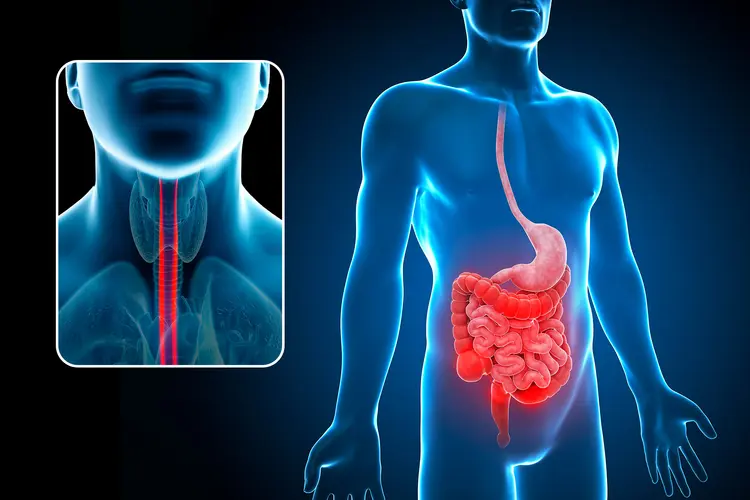
Most people know the feeling of heartburn—that burning in the chest after a big meal or spicy food. Heartburn is a symptom of acid reflux, which happens when stomach acid flows back up into the esophagus. The esophagus is a tube that connects your mouth to your stomach. Its lining is sensitive and not built to handle strong stomach acid.
When acid flows up often, it can damage the esophagus. If this happens more than twice a week, doctors call it gastroesophageal reflux disease (GERD). Symptoms include:
- Burning pain in the chest (heartburn)
- Sour or bitter taste in the mouth
- Trouble swallowing
- Chronic cough or sore throat
- Feeling like food is stuck
Over time, GERD can lead to more serious problems like ulcers, scarring, and even a higher risk of esophageal cancer.
Why Acid Reflux Happens
Several factors increase the risk of acid reflux and GERD:
- Weak lower esophageal sphincter (LES): This muscle usually closes tightly after you eat. If it weakens, acid escapes.
- Obesity: Extra weight puts pressure on the stomach.
- Hiatal hernia: Part of the stomach pushes up into the chest.
- Certain foods: Spicy, fatty, or acidic foods often trigger symptoms.
- Smoking and alcohol: Both relax the LES.
- Stress: Can make digestion slower and worsen symptoms.
Conventional Treatments: Benefits And Limitations
Doctors usually recommend:
- Antacids: These give quick relief but do not fix the cause.
- H2 blockers and proton pump inhibitors (PPIs): Reduce acid production. Long-term use may cause vitamin deficiencies, gut problems, and increase infection risk.
- Surgery: For severe cases.
Medicines can help, but many people want a safer, long-term solution. That’s where natural remedies like medicinal mushrooms come in.
The Science Behind Medicinal Mushrooms
Medicinal mushrooms have been used for thousands of years in Traditional Chinese Medicine (TCM) and other cultures. Only recently have scientists begun to study their effects using modern methods. Some mushrooms contain bioactive compounds that may help with inflammation, tissue healing, and immune support.
Key Properties Of Medicinal Mushrooms
- Anti-inflammatory: Mushrooms like Reishi and Lion’s Mane have compounds that reduce inflammation. This helps soothe the irritated esophagus.
- Antioxidant: Many mushrooms are rich in antioxidants, which protect cells from damage.
- Prebiotic fiber: Helps grow healthy gut bacteria, which can improve digestion.
- Immune modulation: Some mushrooms boost the immune system, helping the body heal.
Evidence And Studies
- A 2020 review in the journal Nutrients found that Reishi** (Ganoderma lucidum) can reduce inflammation and protect mucous membranes.
- Lion’s Mane (Hericium erinaceus) may help repair nerve and tissue damage, according to animal studies.
- Turkey Tail (Trametes versicolor) supports gut health by feeding beneficial bacteria.
While research on mushrooms for acid reflux is still new, the science behind their healing properties is strong. Many people already use them for gut health and report fewer symptoms.
How Mushrooms May Help Acid Reflux And Gerd
Medicinal mushrooms work in several ways to support people with acid reflux and GERD:
1. Soothing The Esophagus
The lining of the esophagus is thin and easily damaged by acid. Mushrooms like Lion’s Mane contain compounds called hericenones and erinacines. These help stimulate nerve growth and may speed up tissue healing. Regular use could help repair the esophagus lining over time.
2. Reducing Inflammation
Chronic inflammation in the esophagus keeps the burning and pain going. Mushrooms like Reishi and Chaga are famous for their anti-inflammatory effects. They can help calm the tissue, making it less sensitive to acid.
3. Supporting Gut Health
A healthy gut digests food better and may reduce acid reflux. Mushrooms are rich in beta-glucans and other fibers that feed good bacteria. A balanced gut microbiome may mean less gas, bloating, and pressure on the stomach.
4. Modulating Stomach Acid
Some evidence suggests mushrooms can help balance stomach acid production. For example, Cordyceps is used in traditional medicine to support digestion and energy, and some studies suggest it may help regulate acid levels.
5. Strengthening The Immune System
A stronger immune system helps the body heal from damage. Mushrooms like Turkey Tail and Maitake help regulate immune responses, which is useful if the esophagus is inflamed or injured.
Best Mushrooms For Acid Reflux And Gerd
Not all mushrooms offer the same benefits. Here’s a closer look at the most promising choices for soothing the esophagus and managing acid reflux.
| Mushroom | Main Benefit | How It Helps GERD |
|---|---|---|
| Reishi | Anti-inflammatory | Reduces esophagus irritation |
| Lion’s Mane | Nerve and tissue repair | Speeds healing of esophagus lining |
| Chaga | Antioxidant | Protects cells from acid damage |
| Turkey Tail | Gut support | Boosts good bacteria for digestion |
| Cordyceps | Energy & balance | May help regulate acid |
| Maitake | Immune support | Helps with healing and inflammation |
Reishi (ganoderma Lucidum)
Reishi is called the “mushroom of immortality” in Asia. It contains triterpenoids and polysaccharides, both known for their anti-inflammatory effects. People with GERD often have ongoing inflammation in the esophagus, and Reishi may help calm this. Animal studies show it can protect mucous membranes and may even help prevent ulcers from forming.
Lion’s Mane (hericium Erinaceus)
This white, shaggy mushroom is well known for its effects on the nervous system. Lion’s Mane supports the growth of new nerves and can help heal tissue. For those with acid reflux, this is important because repeated acid exposure can damage the esophagus lining.
Lion’s Mane may help speed up the repair process, reducing pain and discomfort.
Chaga (inonotus Obliquus)
Chaga is a dark, woody mushroom found on birch trees. It’s extremely high in antioxidants, which protect cells from damage. For people with acid reflux, Chaga may help reduce oxidative stress in the esophagus, making it less sensitive to acid.
Turkey Tail (trametes Versicolor)
Turkey Tail is colorful and shaped like a fan. Its main benefit comes from prebiotic fibers that feed healthy bacteria in the gut. A better gut microbiome means smoother digestion and less pressure on the stomach, which can lower acid reflux episodes.
Cordyceps (cordyceps Militaris And Sinensis)
Cordyceps is known for boosting energy and helping the body adapt to stress. Some traditional uses include supporting digestion and balancing stomach acid. While research is still growing, some people with GERD report fewer symptoms when using Cordyceps regularly.
Maitake (grifola Frondosa)
Maitake is rich in beta-glucans, which help regulate the immune system. A balanced immune response supports healing of the esophagus and reduces ongoing inflammation, both important for people with chronic reflux.

Credit: www.pangeacoffee.us
How To Use Mushrooms For Acid Reflux: The Protocol
Using mushrooms for acid reflux isn’t as simple as eating them in a salad. Most medicinal mushrooms are tough and woody, or their beneficial compounds are locked inside thick cell walls. The best way is to use extracts, powders, or teas made from the fruiting bodies (the above-ground parts).
Step 1: Choose Quality Mushroom Products
- Look for organic mushroom powders or extracts.
- Check for third-party testing for purity and heavy metals.
- The label should say “fruiting body,” not just “mycelium on grain.”
- Capsules, powders, and liquid extracts are all good options.
Step 2: Dosage And Timing
There is no single dose that fits everyone. Most studies use:
- Reishi: 1–3 grams per day (powder or extract)
- Lion’s Mane: 500–3000 mg per day
- Chaga: 500–1000 mg per day
- Turkey Tail: 1–3 grams per day
- Cordyceps: 1–3 grams per day
- Maitake: 500–2000 mg per day
Start with the lowest dose and increase slowly. Take mushrooms with meals, as this can help protect the stomach and improve absorption.
Step 3: Combine With Other Digestive Supports
The mushroom protocol works best when combined with other healthy habits:
- Eat small, frequent meals
- Avoid trigger foods (spicy, fatty, acidic)
- Don’t lie down right after eating
- Manage stress through breathing or meditation
- Consider adding other soothing foods like aloe vera juice or slippery elm
Step 4: Track Your Progress
Keep a simple journal of your symptoms, what you eat, and your mushroom intake. This helps you notice what works and what doesn’t.
Example Daily Protocol
- Morning: 1 gram Lion’s Mane powder in warm water
- With lunch: 1 gram Reishi or Chaga extract
- With dinner: 1 gram Turkey Tail or Maitake powder
Adjust based on how your body feels. Some people do best with just one mushroom, while others combine two or three.
Making Mushroom Teas And Tonics At Home
While capsules and powders are convenient, making mushroom teas gives a gentle, soothing effect—perfect for people with sensitive stomachs. Here’s how to prepare a basic mushroom tea:
Basic Mushroom Tea Recipe
Ingredients:
- 1–2 teaspoons dried mushroom slices or powder (Reishi, Chaga, or Lion’s Mane)
- 2 cups filtered water
Instructions:
- Place mushrooms and water in a small pot.
- Bring to a boil, then reduce heat to low.
- Simmer for 30–60 minutes. The longer, the stronger.
- Strain and let cool slightly.
- Drink warm, optionally adding honey or ginger for taste.
Tip: You can reuse the mushroom slices for a second batch, but it will be weaker.
Soothing Mushroom And Ginger Tonic
Ginger is known to help with nausea and digestion, making it a great partner for mushrooms.
Ingredients:
- 1 teaspoon Lion’s Mane powder
- 1 teaspoon Reishi slices
- 1 thumb-sized piece of fresh ginger, sliced
- 3 cups water
Instructions:
- Add all ingredients to a pot.
- Simmer gently for 45 minutes.
- Strain and enjoy warm.
Drink this tonic after meals for best results.
Potential Side Effects And Safety
Most medicinal mushrooms are safe for healthy adults, but there are a few things to keep in mind:
- Mild digestive upset: Some people feel bloating or loose stools when starting mushrooms. Start slow.
- Allergies: Rare, but possible. Stop if you notice rashes, itching, or swelling.
- Drug interactions: If you take blood thinners, immune-suppressing drugs, or diabetes medicine, talk to your doctor first.
- Not for everyone: Pregnant or breastfeeding women, and those with mushroom allergies, should avoid.
Non-obvious insight: Some mushroom powders have a strong, earthy taste that may trigger mild nausea for sensitive people. Mixing with ginger or mint tea can help mask the flavor and settle the stomach.
How Mushrooms Compare To Conventional Treatments
Medicinal mushrooms are not a replacement for emergency care or prescribed medicine, but they offer unique benefits:
| Approach | How It Works | Common Side Effects | Long-Term Benefits |
|---|---|---|---|
| Medicinal Mushrooms | Reduce inflammation, support healing, balance gut | Mild digestive upset (rare) | Possible tissue repair, better gut health |
| Antacids | Neutralize stomach acid | Bloating, diarrhea, kidney issues (rare) | Temporary relief, no healing |
| PPIs/H2 Blockers | Reduce acid production | Headache, nutrient loss, infection risk | Can cause dependency, gut imbalance |
| Surgery | Physical barrier to acid | Pain, infection, long recovery | Permanent, but with risks |
Non-obvious insight: While antacids and acid blockers work quickly, they may reduce stomach acid too much. This can make it harder to digest food and absorb nutrients, which might cause more problems in the long run.
Credit: www.webmd.com
Combining Mushrooms With Lifestyle Changes
No single remedy works alone. The most effective way to manage acid reflux is a holistic approach. Mushrooms are just one part of the puzzle.
Key Lifestyle Tips
- Eat slowly: Chew food well and take your time.
- Stay upright after meals: Don’t lie down for at least two hours.
- Raise your bed head: Sleeping with your head elevated can reduce night reflux.
- Lose weight if needed: Even a small weight loss can reduce symptoms.
- Stop smoking: Smoking weakens the LES muscle.
- Reduce alcohol and caffeine: Both can trigger reflux.
- Manage stress: Meditation, yoga, or simple breathing exercises help.
Combining these habits with the mushroom protocol can give you the best chance of long-term relief.
Real Stories And Case Examples
Many people have tried mushrooms for acid reflux with good results, but every journey is unique.
Sarah’s Story
Sarah struggled with GERD for five years. She tried PPIs, diet changes, and even considered surgery. After reading about medicinal mushrooms, she started taking Lion’s Mane and Reishi powder daily. Within two months, she noticed less burning after meals and could eat more foods without symptoms.
She says, “It’s not a miracle, but my esophagus feels calmer, and I sleep better. ”
Mark’s Experience
Mark used to wake up coughing at night from acid reflux. He switched to a plant-based diet and added Chaga tea in the evenings. After six weeks, his night symptoms decreased, and he felt less tired. He still avoids large meals at night, but feels that Chaga makes his throat less sensitive.
What Can We Learn?
- Mushrooms may take weeks to show results—be patient.
- Combining mushrooms with diet changes works better than using them alone.
- Tracking symptoms helps you see progress.
Common Mistakes And How To Avoid Them
When starting a mushroom protocol for acid reflux, beginners often make these mistakes:
- Using the wrong type: Not all mushrooms help with reflux. Choose the ones listed above.
- Low quality products: Many supplements use fillers or only mycelium (the root part), not the fruiting body. Always check the label.
- Starting too strong: High doses can upset the stomach. Begin with a small amount.
- Not giving it enough time: Mushrooms act slowly. Stick with the protocol for at least 6–8 weeks before judging results.
- Ignoring other triggers: Mushrooms help, but junk food, stress, or smoking can undo the benefits.
- Mixing with acidifying foods: Some people add mushroom powder to citrus juice, which may worsen reflux. Use water or non-acidic drinks.
Practical Tips For Success
- Set reminders: It’s easy to forget your daily mushroom dose. Use an app or sticky note.
- Try different forms: If tea tastes too strong, try capsules or mix powder into smoothies.
- Record your meals: Some foods interact with mushrooms and change their effects.
- Consult a professional: If you have other health conditions, check with a doctor or herbalist.
Non-obvious insight: Some people respond better to a rotating protocol—using one type of mushroom for two weeks, then switching to another. This keeps your body from adapting and may improve results.

Credit: www.pangeacoffee.us
Where To Buy And What To Look For
With so many mushroom products available, making the right choice is important.
- Reputable brands: Look for companies with good reviews and clear sourcing.
- Third-party testing: Ensures the product is free from heavy metals and pesticides.
- Full-spectrum extracts: These use both fruiting body and mycelium, but fruiting body is best.
- No added sugars or fillers: Pure mushroom, nothing else.
For more on mushroom quality and sourcing, see this guide from the National Institutes of Health.
The Future Of Mushrooms In Digestive Health
Interest in medicinal mushrooms is growing. New studies are testing their effects on gut inflammation, immune health, and even the gut-brain axis. While more human research is needed, the early results are promising.
If you are curious about long-term gut health, mushrooms may become a regular part of your routine. They are not a cure for GERD, but they may help manage symptoms and support healing.
Frequently Asked Questions
What Is The Best Mushroom For Acid Reflux?
Lion’s Mane is a popular choice because it helps repair the esophagus lining and supports nerve growth. Reishi is also excellent for calming inflammation. Many people combine the two for best results.
How Long Does It Take For Mushrooms To Work For Gerd?
Most people need to use mushrooms daily for 6–8 weeks to notice real changes. Some feel better in a few days, but deep healing takes time.
Can I Eat Regular Edible Mushrooms For Acid Reflux?
Common mushrooms like button, shiitake, and oyster are healthy but do not have the same concentration of healing compounds as medicinal types. They are good for general health but may not be strong enough for soothing GERD.
Are There Any Dangers In Using Mushroom Supplements?
Medicinal mushrooms are safe for most people. However, those with allergies, immune disorders, or who take certain medications should check with a doctor first. Always start with a small dose to watch for any side effects.
Should I Stop My Gerd Medicine When Starting The Mushroom Protocol?
Do not stop any prescribed medicine without talking to your doctor. Mushrooms can be used alongside most GERD treatments. Over time, as symptoms improve, your doctor may help you reduce or stop other medicines safely.
Taking the first step toward healing acid reflux and GERD can feel overwhelming. By including mushrooms in your daily routine and making small changes to your habits, you can support your body’s natural healing process. With patience and the right approach, many people find real, lasting relief. If you’re ready to try a mushroom protocol for acid reflux and GERD, start slow, choose quality products, and listen to your body. Your journey toward a soothed, healthier esophagus begins now.