
Microdosing Lion’s Mane: Is Less Really More For Cognitive Enhancement?
======================================================================
People are always searching for ways to improve their minds. Some take smart drugs, others practice meditation, and many look for healthy foods or supplements. In recent years, microdosing—taking a small amount of a substance—has become popular, not just with psychedelics, but also with natural products like Lion’s Mane mushroom. Supporters say microdosing Lion’s Mane helps memory, focus, and mental clarity without big side effects. But is taking a tiny dose really better for your brain than a larger one? Or is this just another trend with more hype than science?
This article takes a close look at microdosing Lion’s Mane. We’ll explore what Lion’s Mane is, how microdosing works, the research behind it, and whether less is truly more for cognitive enhancement. You’ll also find practical advice, key insights, and answers to common questions. If you’re curious about Lion’s Mane and want real answers, you’re in the right place.
What Is Lion’s Mane Mushroom?
Lion’s Mane (Hericium erinaceus) is a unique, white mushroom that looks like a lion’s mane. It grows on hardwood trees in Asia, Europe, and North America. For centuries, traditional Chinese medicine has used Lion’s Mane to support the mind and body. Today, people use it in capsules, powders, teas, and even coffees.
Lion’s Mane is famous for its potential effects on the brain and nerves. Scientists have found that compounds in this mushroom, such as hericenones and erinacines, may help the brain grow new cells and protect old ones. These compounds are often called nootropics—substances that may boost mental performance.
Many people now use Lion’s Mane for:
- Memory support
- Focus and attention
- Mood improvement
- Nerve health
But does the science support these claims? And does microdosing make a difference?
Lion’s Mane mushrooms are also a source of antioxidants and beta-glucans, which may help reduce inflammation and support the immune system. While the focus here is on the brain, these other benefits might make Lion’s Mane attractive to people looking for all-around wellness.
Lion’s Mane is not just for supplements—some people cook with it, adding fresh mushrooms to stir-fries or soups. The flavor is mild, with a texture a bit like crab or lobster, making it a favorite for plant-based recipes. However, most studies and user reports focus on concentrated extracts, since these contain higher levels of the active compounds.
How Microdosing Works
Microdosing means taking a much smaller amount than the usual dose—often about 1/10th or less. The idea is to get subtle benefits without strong effects or side effects. Most people think of microdosing with psychedelic drugs, but now many try it with herbs and mushrooms like Lion’s Mane.
With Lion’s Mane, a microdose is usually between 50–250 mg per day. That’s much less than the 500–1000 mg (or even more) found in standard supplements. Some people take these small amounts every day, while others take them for a few days, then pause.
Why microdose? Supporters say:
- It gives a gentle, steady boost to the mind.
- It avoids stomach upset or other side effects.
- It may build up benefits over time.
But is there proof that smaller is better? Or do you need a bigger dose for real change?
Microdosing is not just about the amount—it’s also about the experience. Many people who microdose aim for benefits they barely notice, instead of the obvious “kick” of a full dose. Some report that microdosing helps them stay calm and steady, especially when dealing with daily stress or long work hours.
Unlike high doses, which can sometimes cause jitteriness or digestive issues, microdosing feels more like a gentle background support.
One less obvious advantage of microdosing is flexibility. Because the effects are mild, you can adjust your dose up or down, or even skip days, without a big crash in energy or mood. This makes it easier to fit into a busy life, especially if you are sensitive to supplements.

Credit: www.myprotein.com
Lion’s Mane And The Brain: What The Science Says
Key Compounds
Lion’s Mane contains hericenones (in the fruiting body) and erinacines (in the mycelium). Both can help the brain make more nerve growth factor (NGF), a protein that supports brain cell health, repair, and growth. Higher NGF is linked to better memory, learning, and brain aging.
NGF is especially important for aging brains. As we get older, NGF levels can drop, which may slow down memory and thinking. Compounds in Lion’s Mane cross the blood-brain barrier and may help support healthy NGF activity in the brain.
This is a big reason why Lion’s Mane is of interest to researchers studying neurodegenerative diseases, such as Alzheimer’s and Parkinson’s.
Lion’s Mane also contains antioxidants that may help lower inflammation in the brain. Chronic inflammation is linked to “brain fog,” slow thinking, and even mood problems. By fighting inflammation, Lion’s Mane may help keep the brain sharp.
Research Highlights
- Animal Studies: Rats given Lion’s Mane often show better memory and learning. Some studies find they grow new brain cells in the hippocampus (the memory center).
- Human Studies: A few small studies show older adults taking Lion’s Mane do better on memory tests after 8–16 weeks. Most studies use doses of 1,000–3,000 mg per day—not microdoses.
- Mood Effects: One study found that women with mild anxiety and depression felt better after taking 2,000 mg per day for 4 weeks.
So far, most studies use larger doses. There is little research on microdosing Lion’s Mane. This means most claims about microdosing come from personal stories, not science.
Most researchers believe that consistent use is important, as changes in the brain—such as growth of new neurons—take time. In animal experiments, it often takes weeks for Lion’s Mane to show effects. This may explain why users who microdose often only notice subtle changes after several weeks.
Table: Lion’s Mane Research At A Glance
| Study | Dose | Length | Main Result |
|---|---|---|---|
| Older adults (Japan, 2009) | 3,000 mg/day | 16 weeks | Improved cognitive scores |
| Women with mood issues (Japan, 2010) | 2,000 mg/day | 4 weeks | Reduced anxiety, depression |
| Rats with memory loss (2011) | Varied | Several weeks | Better learning, more brain cells |
Most studies use full doses—not microdoses. Scientists still need to test if microdosing works the same way.
It’s also worth noting that real-world results can depend on the form of Lion’s Mane (powder, extract, capsule), the part of the mushroom used, and the presence of other ingredients. Some extracts focus on the fruiting body, which has more hericenones, while others use mycelium, which can have more erinacines.
This difference can affect results.
Why Microdose Lion’s Mane?
Many people try microdosing Lion’s Mane for different reasons. Here’s why some choose less over more:
1. Gentle Mental Boost
Some say a small amount makes them feel more alert and focused, but not “wired” or overstimulated.
In practice, this means you might notice you can concentrate on a task a little longer or recall information a bit more easily, but without the rush or crash of stimulants like caffeine.
2. Fewer Side Effects
High doses of Lion’s Mane can sometimes cause digestive upset—stomach pain, bloating, or diarrhea. Microdoses rarely cause these problems.
People with sensitive stomachs, or those new to nootropics, often find microdosing is a way to “test the waters” without committing to a full dose that could cause discomfort.
3. Daily Use Is Easier
Since microdoses don’t cause strong effects, they’re easier to use every day, even with coffee or other supplements.
This makes microdosing more practical for people with busy routines. It also means you don’t have to change your diet or schedule to fit in a new supplement.
4. Cost Savings
Smaller doses last longer, saving money over time.
Especially with high-quality Lion’s Mane extracts, which can be expensive, using less per day stretches your supply and lowers the cost per month.
5. Avoiding Tolerance
Some believe that using less helps avoid “tolerance”—where the effects fade if you use too much for too long.
Another benefit is that microdosing may help you “reset” your body’s response to Lion’s Mane if you’ve taken larger doses in the past and no longer notice the effects.
It’s important to know that these reasons are based mostly on personal stories, not large scientific studies.
Some people also microdose as a way to combine Lion’s Mane with other supplements (like L-theanine, ashwagandha, or even small amounts of caffeine) to create their own balanced “stack” for mental performance.
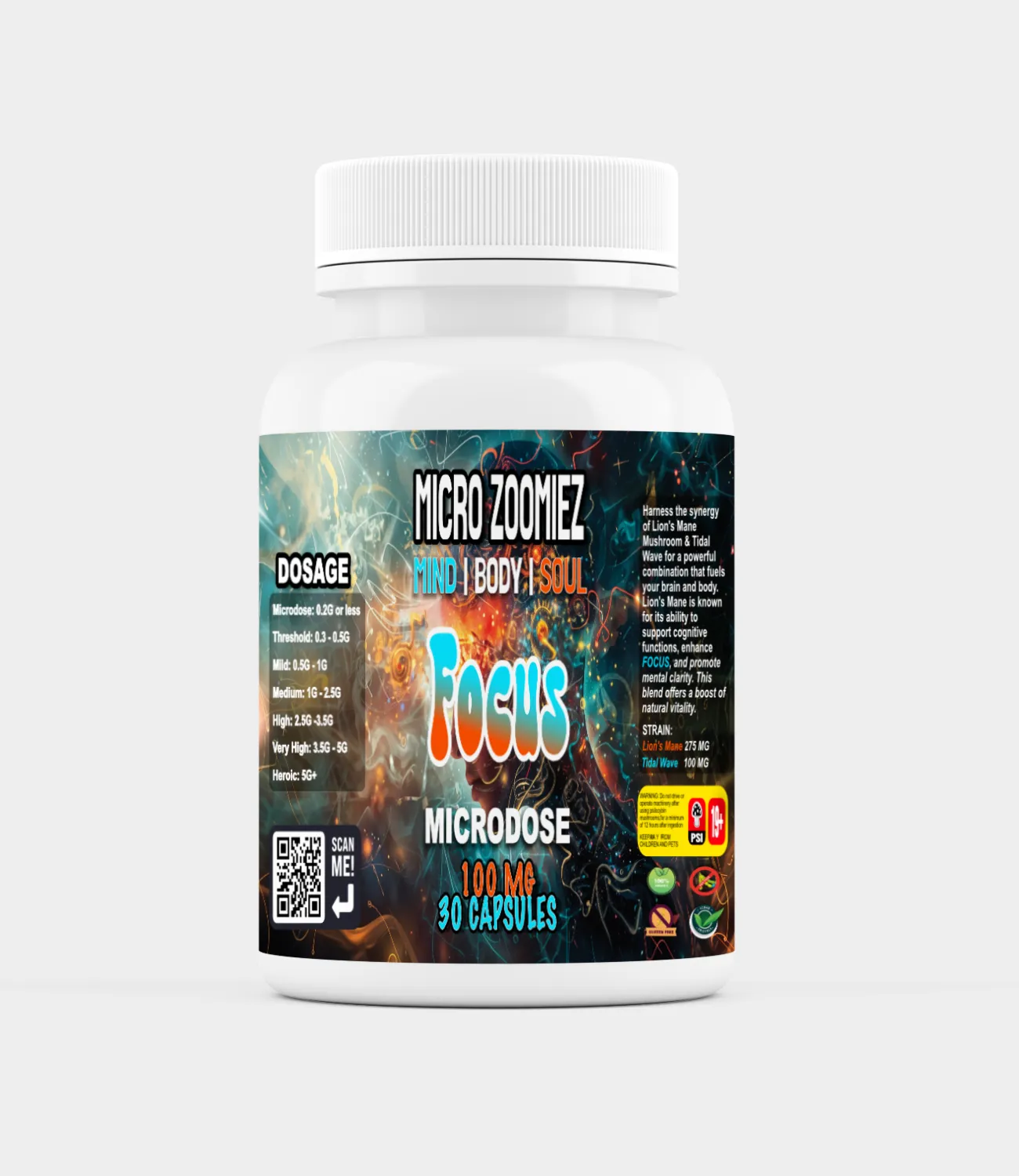
Credit: microzoomiez.ca
How To Microdose Lion’s Mane
If you want to try microdosing, it’s important to do it safely and wisely. Here’s a practical guide:
1. Choose The Right Product
Lion’s Mane comes as powder, capsules, tinctures, and even mushroom coffee. Look for:
- Organic or wild-harvested sources
- Clear label on the amount of Lion’s Mane per serving
- Fruiting body extract (not just mycelium), as it contains more active compounds
Quality matters. Some cheaper products use mostly mycelium grown on grain, which can dilute the active compounds. If possible, check for third-party lab results showing the levels of hericenones and erinacines.
2. Decide Your Microdose
A common microdose is 50–250 mg per day. Start with 50 mg and increase slowly if needed.
- If you buy capsules, check the label. Some brands offer 500 mg or 1000 mg per capsule. You may need to split capsules or use a scale.
- For powders, use a micro-scoop or small measuring spoon.
If you’re not sure about your sensitivity, it’s better to start at the lower end. For tinctures, follow the label’s instructions and calculate the amount per dropper.
3. Create A Schedule
Most people microdose using one of these patterns:
- 1 day on, 1 day off (to avoid tolerance)
- 4 days on, 3 days off (the “Fadiman protocol”)
- Every day (some prefer daily, especially at very low doses)
Keep a simple journal to track how you feel—energy, focus, mood, sleep, and any side effects.
Writing a daily note only takes a minute, but it can help you spot patterns or subtle improvements that are easy to miss.
4. Combine Wisely
Lion’s Mane is safe with most foods and drinks. Some people combine it with coffee for a balanced effect. Others add it to smoothies or tea.
- Avoid combining with strong stimulants or other nootropics until you know how it affects you.
For a simple start, try Lion’s Mane on its own for at least a week. This helps you know what changes are due to Lion’s Mane, not something else.
5. Listen To Your Body
If you feel any negative effects—digestive upset, headaches, or changes in sleep—lower your dose or stop for a few days.
If you notice any improvement, try to pinpoint when and how it happens (for example, do you feel more focused in the morning, or is your memory better in the evening? ). This can help you find your best dose and timing.
Microdosing Vs. Standard Dosing: What’s The Difference?
Some people wonder if microdosing is really better than taking a full dose. Here’s what makes them different:
| Microdosing | Standard Dosing |
|---|---|
| 50–250 mg per day | 500–3000 mg per day |
| Gentle, subtle effects | Stronger, faster effects |
| Low risk of side effects | Higher risk of digestive upset |
| Cheaper over time | More expensive |
| Less research support | More research support |
Non-obvious insight: Some people find that a low dose works better for daily focus, while a higher dose is best for deep work or studying. It’s not always “less is more” for everyone—sometimes, the right dose depends on your goal.
Another difference is timing. Some users report that microdosing works best when taken first thing in the morning, while standard doses are sometimes split between morning and afternoon. The “best” time can be different for each person.
Potential Benefits Of Microdosing Lion’s Mane
Supporters of microdosing often report several benefits. While these are not all proven by big studies, they are widely shared.
1. Improved Focus And Attention
People say they can work longer without distraction. They notice a “clearer mind,” making it easier to finish tasks.
Some users mention that microdosing helps with tasks that require long-term attention, like writing, coding, or organizing. For example, a student might find it easier to study for an hour without losing focus.
2. Better Memory
Some users find it easier to remember names, ideas, or lists after a few weeks of microdosing.
This benefit is usually not immediate. People often notice small changes, like recalling a detail from a meeting or remembering where they left their keys.
3. Mood Support
A few people report feeling less anxious or stressed, with a more positive outlook.
The mood effects are usually mild, but for people who feel low or worried, even a subtle lift can make a difference in daily life.
4. Creative Thinking
Artists, writers, and problem-solvers sometimes use microdosing to spark new ideas.
This might be because Lion’s Mane helps reduce brain fog, making it easier to connect ideas or approach problems in a new way.
5. Brain Health
Because Lion’s Mane may boost NGF, some hope it helps protect the brain from aging or stress.
Some people use Lion’s Mane as a long-term “insurance policy” for their brain, especially if they have a family history of memory loss.
Insight for beginners: The effects are usually subtle, not dramatic. It’s easy to expect a big change right away, but microdosing often works slowly, if at all.
One helpful tip: If you don’t notice anything after a month, try changing your dose or timing, or check the quality of your supplement.
Risks And Side Effects
Lion’s Mane is generally safe for most people, especially in small amounts. But there are some things to keep in mind:
1. Digestive Issues
Some people get stomach pain, nausea, or loose stools, especially with higher doses.
With microdosing, these problems are less common, but it’s still important to pay attention to your body.
2. Allergies
Rarely, someone may have an allergic reaction—itching, rash, or trouble breathing. Stop use and see a doctor if this happens.
If you have known allergies to mushrooms or mold, it’s best to be careful.
3. Medication Interactions
Lion’s Mane may interact with blood-thinning drugs or diabetes medicines. If you take these, talk to your doctor first.
Also, if you have a medical condition or take prescription drugs, always check with a healthcare professional before starting any new supplement.
4. Not Enough Research
There are few studies on long-term use or microdosing in humans. Most stories are from users, not doctors.
This means we don’t yet know the full range of benefits—or risks—of daily microdosing over many years.
5. Not For Everyone
Pregnant or breastfeeding women, and people with mushroom allergies, should avoid Lion’s Mane unless a doctor says it’s okay.
Uncommon risk: A tiny group of people report vivid dreams or changes in sleep. This is rare but worth noting.
If you notice sleep changes—either better or worse—consider adjusting your dose or taking Lion’s Mane earlier in the day.
Who Should Consider Microdosing Lion’s Mane?
Microdosing is not for everyone, but it may be worth trying if you:
- Want a gentle way to support focus or memory
- Have had trouble with higher doses (stomach upset)
- Are interested in nootropics but want to start slow
- Prefer a “less is more” approach
You should not try microdosing if you:
- Have mushroom allergies
- Are pregnant or breastfeeding
- Take certain medicines (blood thinners, diabetes drugs) without a doctor’s advice
Microdosing can be a good fit for people who are “experimenters”—those who like to test what works for them, pay attention to their body, and make changes as needed. If you want a dramatic effect right away, you may be disappointed.
Common Mistakes And How To Avoid Them
If you’re new to microdosing Lion’s Mane, it’s easy to make mistakes. Here’s what to watch out for:
1. Starting Too High
Some people begin with a full dose and get side effects. Start low—50 mg is enough to test your response.
2. Expecting Fast Results
Microdosing works slowly. Don’t expect magic in a day or two. Give it 2–4 weeks.
3. Using Poor-quality Products
Cheap or fake products may not contain real Lion’s Mane. Choose trusted brands with third-party testing.
4. Ignoring Your Body
If you feel worse, stop. Not everyone benefits from Lion’s Mane.
5. Mixing Too Many Supplements
Trying several new things at once makes it hard to know what’s working. Add one at a time.
6. Not Tracking Changes
Keep a simple journal. Write how you feel each day. Small changes are easy to miss.
A less obvious mistake is inconsistent use. If you skip days randomly, it’s hard to see any pattern. Try to follow your chosen schedule for at least a month before judging results.
Real-world Experiences: What Users Say
Online forums, blogs, and social media are full of personal stories about microdosing Lion’s Mane. These are not the same as scientific studies, but they can show trends.
- Software developers report fewer “brain fog” days and better focus.
- Writers say they get “unstuck” more easily.
- Students mention less test anxiety and more energy for study.
- Older adults hope for memory support, though results vary.
Some users feel nothing, even after weeks. Others notice subtle changes, like remembering appointments or names more easily. A few people say it helps their mood or reduces social anxiety.
Caution: Personal stories can be powerful, but they’re not proof. Placebo effects (when you feel better just because you expect to) are common.
What’s interesting is that some people report benefits only after stopping Lion’s Mane for a few days—they suddenly notice their focus or energy drop, which suggests the supplement was helping in a subtle way.
Comparing Lion’s Mane To Other Nootropics
How does Lion’s Mane compare to other popular brain boosters? Here’s a quick look:
| Supplement | Main Benefit | Typical Dose | Microdosing Possible? |
|---|---|---|---|
| Lion’s Mane | Memory, focus, nerve health | 500–3,000 mg | Yes |
| Rhodiola Rosea | Stress, fatigue | 200–600 mg | Sometimes |
| Bacopa Monnieri | Memory, learning | 300–500 mg | Rarely |
| L-Theanine | Calm, focus | 100–200 mg | Yes |
| Caffeine | Alertness | 50–200 mg | Yes |
Lion’s Mane stands out because it may actually help the brain grow new cells—not just boost focus for a few hours.
Unlike caffeine or L-theanine, which have quick, short-term effects, Lion’s Mane may work best over weeks or months. This makes it more like an “investment” in your brain, rather than a quick fix.
The Science Behind “less Is More”
Some users and experts believe that smaller doses can sometimes be better. Why?
- Hormesis: This is a scientific idea where a small stress (like a little heat or a small dose of a plant) makes the body stronger.
- Avoiding Side Effects: Lower doses mean fewer problems.
- Long-Term Use: Small, regular amounts may be safer for daily use.
But the “less is more” idea does not work for everyone. Some people need a bigger dose to feel anything. Others do best with tiny amounts.
Non-obvious insight: If you’re sensitive to caffeine, you may also be sensitive to Lion’s Mane. Start with a low dose and see how you feel.
One reason microdosing might work for some is that the body can sometimes respond better to gentle, regular signals rather than strong, short bursts. For example, some plants and herbs seem to “teach” the body to adapt, making you more resilient over time.
Should You Try Microdosing Lion’s Mane For Cognitive Enhancement?
Here are some key points to consider before starting:
- There’s limited science on microdosing Lion’s Mane for the brain. Most research uses bigger doses.
- Microdosing is probably safe for most healthy adults.
- Effects are usually subtle and take time.
- The quality of the product matters more than the dose.
If you want to experiment, start low, go slow, and track your results. It’s not a magic bullet, but for some, it’s a gentle way to support brain health.
If you want a more immediate or strong effect, you might prefer standard dosing, but watch out for side effects. If you’re looking for gradual, easy-to-manage changes, microdosing might be a better fit.
Practical Tips For Success
Here are some real-world tips to get the most from microdosing Lion’s Mane:
- Buy from trusted sources with third-party testing.
- Start with 50 mg and increase only if needed.
- Track your results—memory, focus, mood, sleep.
- Take breaks—1–2 days off each week can help.
- Combine with healthy habits—sleep, exercise, good food.
- Be patient—benefits may take weeks to notice.
For best results, try to keep your daily routine steady. Good sleep, regular exercise, and a balanced diet can all improve how your brain responds to Lion’s Mane.
Another tip: If you’re combining Lion’s Mane with coffee, try taking Lion’s Mane first, then coffee 30–60 minutes later. Some users say this order feels smoother and less jittery.
Looking Ahead: The Future Of Microdosing Lion’s Mane
As more people try microdosing, researchers may study it more. For now, the idea that “less is more” is based on personal experience, not hard science. But the trend is growing, and new studies may soon tell us more.
Lion’s Mane is also attracting interest from doctors and therapists who work with older adults or people recovering from nerve injuries. As research expands, we may learn more about the best doses and timing—not just for brain health, but for mood, sleep, and even creativity.
If you want the latest science, keep an eye on websites like Examine.com, which reviews research on supplements.

Credit: www.amazon.com
Frequently Asked Questions
What Is Microdosing Lion’s Mane?
Microdosing Lion’s Mane means taking a very small amount—usually 50–250 mg per day—of the mushroom supplement. The goal is to get gentle, daily brain support without strong effects or side effects.
How Long Does It Take To See Results From Microdosing Lion’s Mane?
Most people who feel benefits notice them after 2–4 weeks of regular use. Changes are usually subtle, like slightly better focus or memory, not dramatic shifts.
Is Microdosing Lion’s Mane Safe?
For most healthy adults, microdosing Lion’s Mane is safe. Side effects are rare but can include mild stomach upset. Avoid if you have mushroom allergies or take certain medicines (like blood thinners) without your doctor’s advice.
Can I Take Lion’s Mane With Coffee Or Other Supplements?
Yes, many people combine Lion’s Mane with coffee or other nootropics like L-theanine. Start with one new supplement at a time to see how you feel.
Do I Need To Cycle Or Take Breaks From Microdosing Lion’s Mane?
It’s a good idea to take regular breaks—like 1–2 days off each week—to avoid building tolerance and to see if you notice any change when you pause.
Lion’s Mane is an ancient mushroom with modern potential. Microdosing may offer gentle support for your mind, but it’s not a cure-all. As with any supplement, start low, choose quality, and pay attention to your own results. If you’re curious, microdosing Lion’s Mane might just be worth a try.