
Living with Sjogren’s syndrome can feel like a daily struggle. The constant dryness in your eyes and mouth, the discomfort, and the fatigue make even simple things harder. Many people search for relief beyond standard medicine. In recent years, medicinal mushrooms have gained attention as a natural support for immune health and symptom relief, especially for autoimmune conditions like Sjogren’s. But what do these mushrooms really offer? Are they safe and effective? This guide dives deep into how medicinal mushrooms may help with dry eyes, dry mouth, and the immune challenges of Sjogren’s syndrome.
Understanding Sjogren’s Syndrome
Sjogren’s syndrome is a chronic autoimmune disorder. Your immune system, which should protect you, attacks your body’s own moisture-producing glands. The most common symptoms are dry eyes and dry mouth, but it often affects joints, skin, and even organs like the liver and kidneys.
The exact cause is still unknown. Most experts think it involves a mix of genetic and environmental factors. About 90% of patients are women, usually between 40 and 60 years old. Studies suggest it affects around 0.1% to 0.6% of the population worldwide.
Common treatments include artificial tears, saliva substitutes, and immune-suppressing drugs. However, these do not always solve the problem and may come with side effects. That’s why many are turning to complementary approaches such as medicinal mushrooms.
Medicinal Mushrooms: What Are They?
Medicinal mushrooms are not the mushrooms you put on pizza or in salads. These are fungi used for centuries in traditional medicine—especially in China, Japan, and Eastern Europe. They contain unique compounds that can impact human health.
Some well-known medicinal mushrooms include:
- Reishi (Ganoderma lucidum)
- Cordyceps (Cordyceps sinensis)
- Lion’s Mane (Hericium erinaceus)
- Turkey Tail (Trametes versicolor)
- Chaga (Inonotus obliquus)
- Maitake (Grifola frondosa)
- Shiitake (Lentinula edodes)
These mushrooms are rich in beta-glucans, triterpenoids, and polysaccharides—natural substances known to support immune health, reduce inflammation, and protect cells from damage.
How Medicinal Mushrooms May Help Sjogren’s Syndrome
Medicinal mushrooms are not a cure for Sjogren’s syndrome. However, research suggests they can help manage symptoms and support overall well-being. Let’s explore how they may target the main issues: dry eyes, dry mouth, and immune system imbalance.
Supporting Immune Balance
Sjogren’s involves an overactive immune system attacking healthy tissues. Some medicinal mushrooms contain compounds that can modulate the immune response—not just boost it, but help it work more normally. This is important for autoimmune conditions.
For example, reishi and turkey tail mushrooms are shown to help balance immune cells called T-cells and cytokines. This may reduce the attack on moisture glands and ease symptoms.
Reducing Inflammation
Chronic inflammation is a key part of Sjogren’s. Mushrooms like chaga and shiitake have been studied for their ability to lower inflammatory markers. Their antioxidants may also protect tissues from further damage.
Enhancing Moisture Production
While no mushroom can fully replace lost gland function, some compounds in cordyceps and lion’s mane may support nerve health and gland activity. This could help with saliva and tear production, offering some relief for dry mouth and dry eyes.
Protecting Glands And Tissues
Oxidative stress can harm the glands that produce tears and saliva. Mushrooms like maitake and chaga are rich in antioxidants, which may help protect these tissues and slow damage.
The Top Medicinal Mushrooms For Sjogren’s Syndrome
Not all mushrooms offer the same benefits. Here are the key medicinal mushrooms that have the strongest evidence and traditional use for supporting people with Sjogren’s syndrome.
Reishi (ganoderma Lucidum)
Known as the “mushroom of immortality,” reishi is famous for its immune-modulating and anti-inflammatory effects. Scientific studies show it can help balance immune function, reduce fatigue, and protect tissues from oxidative damage.
Key compounds: Triterpenes, polysaccharides
Potential benefits for Sjogren’s:
- May reduce overactive immune response
- Supports gland health
- May help with fatigue
Research example: A study in the journal *Immunological Investigations* found that reishi extracts could modulate immune function in autoimmune disease models.
Cordyceps (cordyceps Sinensis)
Cordyceps is best known for improving energy and oxygen use. It also contains compounds that can support gland health and reduce inflammation. Some research suggests it may boost saliva and tear production.
Key compounds: Cordycepin, adenosine
Potential benefits for Sjogren’s:
- May improve dry mouth and dry eyes by supporting gland activity
- Reduces fatigue and boosts stamina
- Lowers inflammatory markers
Lion’s Mane (hericium Erinaceus)
Lion’s Mane is famous for supporting nerve health. Since nerve damage may play a role in Sjogren’s symptoms, Lion’s Mane could help protect nerves that control tear and saliva glands.
Key compounds: Hericenones, erinacines
Potential benefits for Sjogren’s:
- Promotes nerve growth and repair
- May help restore some gland function
- Supports mental clarity and mood
Turkey Tail (trametes Versicolor)
Turkey Tail contains polysaccharide-K (PSK), a compound known for supporting immune balance. It has been studied mainly in cancer and viral infections, but the immune-modulating effects may be helpful in Sjogren’s.
Key compounds: Polysaccharide-K, polysaccharide-peptide
Potential benefits for Sjogren’s:
- Balances immune response
- May help reduce the attack on moisture glands
- Supports gut health (important for immunity)
Chaga (inonotus Obliquus)
Chaga grows on birch trees and is packed with antioxidants. It is used to fight inflammation and protect cells from stress.
Key compounds: Betulinic acid, melanin, polysaccharides
Potential benefits for Sjogren’s:
- Fights oxidative stress in glands and tissues
- May reduce joint and gland inflammation
- Supports overall energy
Maitake (grifola Frondosa)
Maitake is rich in D-fraction, a special beta-glucan with immune-supporting effects. It may help the immune system work better without overreacting.
Key compounds: D-fraction beta-glucans
Potential benefits for Sjogren’s:
- Helps balance immune system
- Supports blood sugar (important, as Sjogren’s can increase diabetes risk)
- May help with fatigue
Shiitake (lentinula Edodes)
Shiitake is not just a food but also a powerful medicinal mushroom. It contains lentinan, which supports immune health and may reduce inflammation.
Key compounds: Lentinan, eritadenine
Potential benefits for Sjogren’s:
- Supports immune balance
- May help fight infections (people with Sjogren’s are at higher risk)
- Supports liver health
Comparing Key Medicinal Mushrooms For Sjogren’s Syndrome
To help you see the differences and similarities, here is a comparison of main medicinal mushrooms for Sjogren’s:
| Mushroom | Main Benefit | Key Compounds | Common Use |
|---|---|---|---|
| Reishi | Immune modulation, anti-inflammatory | Triterpenes, polysaccharides | Fatigue, immune balance |
| Cordyceps | Energy, gland support | Cordycepin, adenosine | Fatigue, dry mouth/eyes |
| Lion’s Mane | Nerve protection | Hericenones, erinacines | Nerve health, mental clarity |
| Turkey Tail | Immune balance | PSK, polysaccharide-peptide | Immunity, gut health |
| Chaga | Antioxidant, anti-inflammatory | Betulinic acid, melanin | Oxidative stress, inflammation |
| Maitake | Immune support, blood sugar | D-fraction beta-glucans | Immunity, metabolic health |
| Shiitake | Immune support, liver health | Lentinan, eritadenine | Immunity, infection resistance |
How Medicinal Mushrooms May Improve Dry Eyes
Dry eyes are one of the most uncomfortable symptoms of Sjogren’s syndrome. The body’s tear glands produce less moisture, leading to irritation, redness, and blurry vision. Standard treatments include artificial tears and gels, but these offer only short-term relief.
Medicinal mushrooms may offer extra support in a few ways:
- Reducing inflammation around the tear glands, which may help them function better
- Protecting nerves that control the glands (especially Lion’s Mane)
- Supporting overall immune balance so the attack on glands is less severe
For example, studies on reishi have shown it can lower levels of pro-inflammatory cytokines, which may reduce swelling and damage around the eyes. Cordyceps has been used traditionally in eye health formulas in Chinese medicine.
Practical Tips For Using Mushrooms For Dry Eyes
- Start with a blend: Many supplements combine reishi, cordyceps, and lion’s mane for a broader effect.
- Use alongside eye drops: Do not replace your prescribed treatments. Mushrooms are supportive, not a cure.
- Give it time: Effects on dry eyes are usually gradual. It may take several weeks to notice changes.
How Medicinal Mushrooms May Help Dry Mouth
Dry mouth (xerostomia) in Sjogren’s is due to immune attack on the salivary glands. This causes difficulty swallowing, speaking, and increases the risk of cavities and oral infections.
Medicinal mushrooms may help by:
- Reducing inflammation in the salivary glands (chaga, shiitake)
- Supporting nerve health that controls saliva production (lion’s mane)
- Balancing the immune system to reduce gland damage (reishi, turkey tail)
Some animal studies suggest that cordyceps extracts can stimulate saliva production, though more human research is needed.
Tips For Using Mushrooms For Dry Mouth
- Stay hydrated: Mushrooms are not a substitute for drinking water.
- Combine with oral hygiene: Use mushrooms as part of a broader oral care routine.
- Monitor for side effects: Some people may experience mild digestive upset at first.
The Role Of Medicinal Mushrooms In Immune Health
Sjogren’s is an autoimmune disease. This means the immune system is confused and attacks healthy tissue. Most medicinal mushrooms do not simply “boost” immunity—they help regulate it.
Beta-glucans in reishi, maitake, and shiitake communicate with immune cells, helping them recognize the difference between friend and foe. This “smart” modulation is why mushrooms are studied in both autoimmune and infectious diseases.
Key insight: Beginners often think immune-boosting is always good. In autoimmune disease, the goal is immune balance, not just stimulation. Medicinal mushrooms are unique in that they can help calm an overactive immune system.

Credit: www.frontiersin.org
Dosage, Forms, And How To Use Medicinal Mushrooms
Medicinal mushrooms are available in many forms:
- Powders: Easy to mix into drinks or food.
- Capsules: Convenient and good for consistent dosing.
- Extracts: Usually more concentrated, often dual-extracted for both water- and fat-soluble compounds.
- Teas: Traditional, but less potent.
Suggested Dosages
There is no official dosage for Sjogren’s syndrome, but most studies use the following ranges (always consult your doctor before starting):
- Reishi: 1-3 grams per day of extract
- Cordyceps: 1-2 grams per day
- Lion’s Mane: 1-3 grams per day
- Turkey Tail: 1-3 grams per day
- Chaga: 1-3 grams per day
- Maitake: 1-2 grams per day
- Shiitake: 1-2 grams per day
Comparison Of Forms
Here is a simple comparison of the main supplement forms:
| Form | Strength | Convenience | Cost |
|---|---|---|---|
| Powder | Medium-High | Moderate | $$ |
| Capsule | High | High | $$$ |
| Extract (liquid) | Very High | High | $$$$ |
| Tea | Low | Low | $ |
Non-obvious tip: Look for “fruiting body” extracts, not just “mycelium,” as these usually contain more of the active compounds needed for immune support.
Safety And Side Effects
Medicinal mushrooms are generally safe for most people when used in normal amounts. However, there are some things to watch for:
- Mild digestive upset (gas, bloating) is possible, especially at higher doses.
- Allergic reactions are rare but can occur, especially in people allergic to fungi.
- Interactions with immune-suppressing drugs: If you take medication to suppress your immune system, talk to your doctor before using mushrooms. They may change how your medicine works.
Pregnant or breastfeeding women and people with severe allergies should be extra cautious.
Insider insight: Not all products are equal. Some supplements are low-quality or contain fillers. Always choose products tested for heavy metals and contaminants.
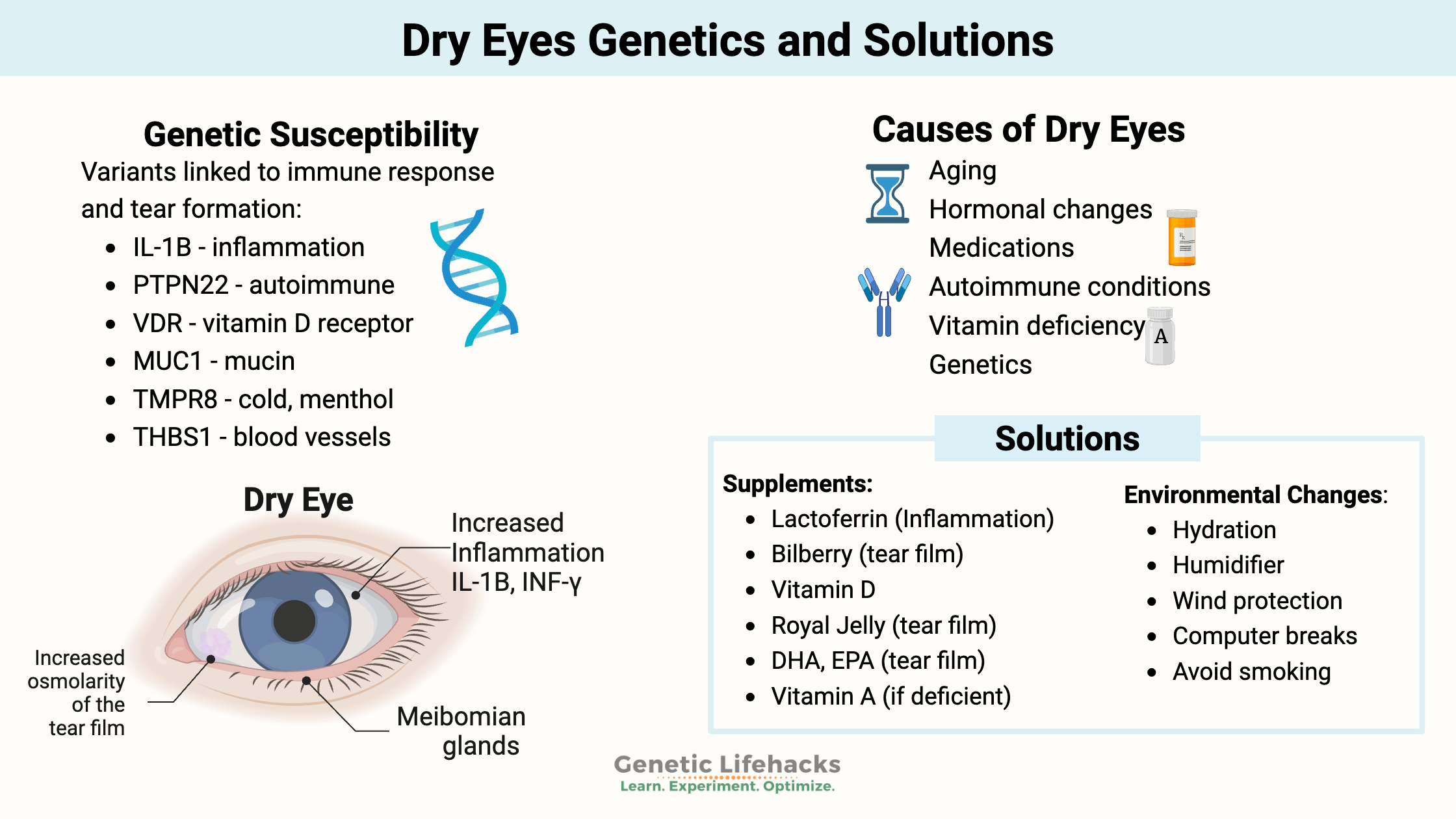
Credit: www.geneticlifehacks.com
Practical Ways To Add Medicinal Mushrooms To Your Routine
You don’t have to eat mushrooms all day to get the benefits. Here are some easy ways to add them:
- Smoothies: Blend a scoop of mushroom powder with fruits and greens.
- Coffee or tea: Many brands make mushroom coffee or add powder to your herbal tea.
- Soups and broths: Add dried or powdered mushrooms to soups.
- Capsules: Take with breakfast for consistent daily use.
- Baking: Mix mushroom powder into healthy muffins or energy bars.
Personal tip: Start with one type, such as reishi or lion’s mane, and see how your body responds. Then, consider adding others.
Medicinal Mushrooms And Other Natural Approaches For Sjogren’s
Medicinal mushrooms work best when combined with other natural approaches. Here are some strategies that can help:
- Omega-3 supplements (fish oil) can reduce inflammation and help with dry eyes.
- Vitamin D is often low in autoimmune disease and supports immune health.
- Probiotics and gut health support may further balance the immune system.
- Gentle exercise (walking, yoga) supports energy and reduces joint pain.
It’s important to work with your healthcare provider to create a plan that’s safe and tailored for you.
Current Research And Evidence
While many people report benefits from medicinal mushrooms, scientific studies are still ongoing. Most research is in early stages or comes from studies on animals or other autoimmune diseases.
- A 2019 review in Frontiers in Pharmacology found that reishiand cordyceps** had anti-inflammatory and immune-modulating effects in autoimmune models.
- Small trials in humans show reishi can improve fatigue and immune symptoms, but not enough large studies exist for Sjogren’s specifically.
- Some evidence suggests lion’s mane may help repair nerve damage in dry eye disease, but this is still experimental.
Non-obvious insight: The lack of large clinical trials doesn’t mean mushrooms are ineffective—it shows that more research is needed. Many traditional uses are now being explored by modern science.
For more details on medicinal mushrooms and immune health, you can visit the National Institutes of Health.
Choosing High-quality Medicinal Mushroom Products
Not all mushroom supplements are created equal. Here’s what to look for:
- Fruiting body: This part of the mushroom contains the most active compounds.
- Dual extraction: Ensures you get both water- and fat-soluble components.
- Third-party testing: Look for proof of testing for heavy metals and contaminants.
- No fillers: Avoid products with grains, rice, or unnecessary additives.
Check the supplement label and the company’s reputation. If possible, ask your healthcare provider or a knowledgeable herbalist for recommendations.

Credit: www.frontiersin.org
Realistic Expectations And Tracking Progress
Medicinal mushrooms are not a quick fix. Most people notice subtle changes over weeks or months, not days. It’s helpful to keep a symptom journal. Track your dry eyes, dry mouth, and overall energy before and after starting.
If you notice improvement, that’s a good sign. If not, you may need to adjust the type, dose, or form—or consider other strategies.
Key point: Combine mushrooms with healthy habits for best results. Diet, hydration, sleep, and stress management all play a role in immune health.
Common Mistakes When Using Medicinal Mushrooms
Beginners often make these errors:
- Expecting overnight results: Mushrooms work slowly and subtly.
- Using low-quality products: Cheap powders often lack real benefits.
- Taking too many types at once: Start with one or two and see how your body reacts.
- Ignoring interactions: Always check with your doctor if you’re on medication.
- Stopping too soon: Consistency is key—give it at least 6–12 weeks.
Who Should Avoid Medicinal Mushrooms?
While safe for most, some people should avoid or be cautious:
- People with fungal allergies
- Those on immune-suppressing medications (consult your doctor)
- Pregnant or breastfeeding women (lack of safety data)
- People with chronic kidney disease (some mushrooms like chaga are high in oxalates)
If you notice any side effects, stop use and consult your doctor.
Case Examples: Real People, Real Experiences
Maria, 48, Sjogren’s syndrome for 5 years: After adding reishi and lion’s mane capsules, Maria noticed less fatigue and milder dry mouth within 2 months. She still uses artificial tears but says her eyes feel “less scratchy.”
John, 55, recently diagnosed: John tried cordyceps and maitake powder in smoothies. After 3 months, he reported better energy and less joint pain, but mouth dryness stayed the same.
Sonia, 39, on immune-suppressing medication: Sonia talked to her doctor before starting turkey tail. She uses a low dose and hasn’t noticed side effects. Her main benefit is fewer colds and better gut health.
Key insight: Results vary. Some people notice big improvements, others only subtle changes. Personalization matters.
The Future Of Medicinal Mushrooms And Autoimmunity
As research grows, medicinal mushrooms are likely to play a bigger role in supporting people with autoimmune diseases like Sjogren’s. Scientists are studying how specific compounds can target immune pathways, reduce inflammation, and protect nerves.
What’s clear is that these mushrooms offer a unique blend of immune support, antioxidant protection, and gland health—all important for managing Sjogren’s.
If you want to learn more about medicinal mushrooms and immune modulation, check out the Wikipedia page on medicinal mushrooms.
Frequently Asked Questions
What Are The Best Medicinal Mushrooms For Sjogren’s Syndrome?
The top choices are reishi, cordyceps, and lion’s mane because they support immune balance, reduce inflammation, and may help with dry eyes and mouth. Turkey tail, chaga, maitake, and shiitake are also useful for overall immune and gland support.
How Long Does It Take To See Benefits From Medicinal Mushrooms?
Most people notice subtle changes after 4–12 weeks of daily use. Mushrooms work gradually, not overnight. Consistency is important for results.
Are Medicinal Mushrooms Safe With Other Sjogren’s Medications?
Generally, mushrooms are safe, but they may interact with immune-suppressing drugs. Always check with your doctor before adding them to your routine, especially if you take prescription medication.
Can I Use Medicinal Mushrooms If I Have Other Autoimmune Diseases?
Yes, many people with autoimmune conditions use medicinal mushrooms for support. However, results vary. Start with low doses and monitor for any changes in symptoms.
Where Can I Find High-quality Medicinal Mushroom Supplements?
Look for products made from the fruiting body, that are dual-extracted, and third-party tested for safety. Trusted health stores and reputable online brands are good sources. For more guidance, visit the National Institutes of Health.
—
Medicinal mushrooms offer hope and support for those living with Sjogren’s syndrome. While they are not a cure, their unique properties may help manage symptoms like dry eyes, dry mouth, and immune imbalance. By choosing quality products, using them consistently, and working with your healthcare provider, you can add these ancient remedies to your modern wellness plan. Remember: progress is often slow, but small steps can add up to big improvements in comfort and quality of life.