
Medicinal Mushrooms For Hepatitis: Liver Recovery Support Explored
Hepatitis is a global health issue that affects millions of people every year. This disease, which causes inflammation of the liver, can lead to serious problems such as liver scarring, liver failure, or even cancer if not managed well. Many patients search for ways to support their liver, hoping for faster recovery or better long-term health. In recent years, interest has grown around medicinal mushrooms as a natural option for liver support, especially in hepatitis management.
Medicinal mushrooms have been used in traditional medicine for centuries, especially in Asia. Today, scientists are studying these mushrooms to see how they can help people with liver diseases like hepatitis. This article explores the science, practical use, benefits, and safety of using medicinal mushrooms for liver recovery.
By the end, you will understand how these powerful fungi might fit into hepatitis management, what to expect, and the important points to consider before using them.
Hepatitis And The Liver: The Challenge
Hepatitis is not just one disease. The term covers several viruses (such as hepatitis A, B, C, D, and E), as well as non-viral causes like alcohol or autoimmune reactions. All types of hepatitis damage the liver, which is the body’s main organ for filtering toxins, making proteins, and storing nutrients.
When the liver is inflamed, it cannot work well. Symptoms can include fatigue, jaundice (yellowing of the skin), dark urine, abdominal pain, and more. Over time, chronic hepatitis can lead to cirrhosis (liver scarring) or liver cancer.
Treating hepatitis is complex. Standard treatments include antiviral drugs, immune modulators, and lifestyle changes. However, these treatments can have side effects or may not work for everyone. This is why many people look for supportive therapies that help the liver heal and protect it from further damage.
Medicinal Mushrooms: What Makes Them Special?
Medicinal mushrooms are not the same as the common mushrooms you find in salads or pizzas. These are special types of fungi with compounds that have health benefits beyond basic nutrition. Some of the most famous medicinal mushrooms include Reishi, Cordyceps, Turkey Tail, Chaga, and Lion’s Mane.
These mushrooms contain unique substances such as polysaccharides, triterpenes, and beta-glucans. Research shows that these compounds can:
- Boost the immune system
- Reduce inflammation
- Protect cells from damage
- Help the liver remove toxins
What makes medicinal mushrooms interesting for hepatitis is their potential to both support the immune system and protect liver cells from further harm.

Credit: www.amazon.com
How Medicinal Mushrooms Help The Liver
The liver is a tough organ, but it needs help when fighting hepatitis. Medicinal mushrooms can support liver health in several ways:
- Antioxidant activity: Mushrooms contain antioxidants that help reduce oxidative stress, which is high in hepatitis.
- Immune support: Some mushrooms help balance the immune system, which is important because hepatitis often involves both infection and immune reactions.
- Liver cell protection: Compounds in medicinal mushrooms can protect liver cells (hepatocytes) from damage.
- Anti-inflammatory effects: Reducing liver inflammation can help slow or stop further injury.
Let’s explore the best-studied medicinal mushrooms and what the research says about their effects on hepatitis and liver recovery.
Key Medicinal Mushrooms For Hepatitis
Reishi (ganoderma Lucidum)
Reishi is known as the “mushroom of immortality” in Chinese medicine. Its main active compounds are triterpenoids and polysaccharides. These substances have been shown in lab studies and animal tests to:
- Reduce liver inflammation
- Lower markers of liver damage (such as ALT, AST)
- Help the immune system fight viruses
One animal study found that Reishi extracts protected mice from liver injury caused by chemicals and viruses. Another study in hepatitis B patients suggested that Reishi may help normalize liver enzymes. However, more large human studies are needed.
Practical Use
Reishi is often used as a powdered extract or tea. It has a bitter taste, but supplements are widely available. Standard doses range from 1. 5 to 9 grams of dried mushroom per day.
Non-obvious insight: Some people think more is better, but very high doses of Reishi can cause digestive upset or even allergy-like reactions. Starting low and increasing slowly is safer.
Cordyceps (cordyceps Sinensis And Cordyceps Militaris)
Cordyceps is famous for its energy-boosting effects, but it also supports liver function. The main active compounds are cordycepin and polysaccharides.
Studies show Cordyceps can:
- Lower liver enzyme levels in hepatitis patients
- Reduce liver scarring (fibrosis) in animal models
- Improve immune response, which is important in viral hepatitis
A clinical study from China found that patients with chronic hepatitis B who took Cordyceps had better liver function compared to those who did not.
Practical Use
Cordyceps is available as capsules, powders, or tinctures. Typical doses are 1-3 grams per day.
Non-obvious insight: Not all Cordyceps products are the same. The wild variety is expensive and often faked. Look for products made from lab-grown Cordyceps militaris for safety and consistency.
Turkey Tail (trametes Versicolor)
Turkey Tail is rich in polysaccharide-K (PSK) and polysaccharide-peptide (PSP), which are strong immune modulators.
Research highlights include:
- Stimulating immune cells to fight hepatitis viruses
- Protecting liver cells from toxins in lab studies
- Used as an adjunct therapy in cancer patients to support the liver during chemotherapy
While most studies are on cancer, the immune-boosting effects of Turkey Tail may help hepatitis patients control viral activity.
Practical Use
Turkey Tail is usually taken as a powder, capsule, or tea. Common doses are 2-3 grams daily.
Non-obvious insight: Turkey Tail can interact with immune-suppressing drugs. Always check with a doctor if you are on medication for autoimmune hepatitis.
Chaga (inonotus Obliquus)
Chaga grows mainly on birch trees and is packed with antioxidants like superoxide dismutase (SOD) and betulinic acid.
Lab studies show Chaga can:
- Reduce oxidative stress in the liver
- Lower inflammation markers
- Help repair liver tissue after injury
Chaga is less studied in viral hepatitis but is promising for general liver support.
Practical Use
Chaga is often made into a tea or extract. It has a mild, earthy taste. Standard doses range from 500 mg to 1. 5 grams per day.
Non-obvious insight: Chaga is high in oxalates, which can be a problem for people with kidney stones. If you have kidney issues, use Chaga with caution.
Lion’s Mane (hericium Erinaceus)
Lion’s Mane is best known for nerve health but also supports the liver. It contains hericenones and erinacines.
Recent research suggests Lion’s Mane can:
- Decrease liver fat buildup (important in hepatitis C and non-alcoholic hepatitis)
- Reduce inflammation in liver tissue
- Help regenerate damaged liver cells in animal studies
Practical Use
Lion’s Mane is available as capsules, powders, and teas. A typical dose is 500 mg to 3 grams daily.
Non-obvious insight: Lion’s Mane may boost nerve repair, which can help with nerve-related hepatitis symptoms, such as numbness or tingling.
Shiitake (lentinula Edodes)
Shiitake is popular in cooking, but also has liver-protective effects due to lentinan.
Research finds Shiitake:
- Lowers liver fat and cholesterol
- Supports the immune system
- May help reduce hepatitis virus activity in lab studies
Practical Use
Shiitake can be eaten fresh or taken as an extract. Therapeutic doses are usually 1-2 grams per day.
Non-obvious insight: Eating raw Shiitake can cause a skin rash in some people. Cooking or using extract forms avoids this problem.
Maitake (grifola Frondosa)
Maitake is rich in beta-glucans, which help balance immune activity.
Lab studies show Maitake:
- Protects liver cells from damage
- Reduces inflammation
- Helps regulate blood sugar, which is important because hepatitis can affect metabolism
Practical Use
Maitake is available as a powder, capsule, or cooked fresh. Common doses are 1-3 grams per day.
Non-obvious insight: Maitake can lower blood sugar, so people on diabetes medication should monitor closely.
Poria (poria Cocos)
Poria is a traditional Chinese medicine mushroom, used mainly to reduce swelling and support the spleen and liver.
Studies show Poria:
- Reduces liver swelling in hepatitis models
- Supports detoxification
- Acts as a mild diuretic to help manage fluid retention (ascites) in liver disease
Practical Use
Poria is usually taken as a powder or in herbal formulas. Doses are 5-15 grams per day.
Non-obvious insight: Poria is often combined with other herbs. Alone, it is mild, but it can boost the effect of other liver-supporting remedies.
Agaricus Blazei Murill
Known as the “mushroom of the gods,” this mushroom contains strong immune-boosting polysaccharides.
Studies suggest it:
- Helps control hepatitis virus levels in animal models
- Reduces liver enzyme markers in hepatitis patients
- May help with fatigue and quality of life in chronic hepatitis
Practical Use
Usually found as a dried extract. Common doses are 1-3 grams daily.
Non-obvious insight: Some people can have allergic reactions to Agaricus products, so start with a small dose.
Comparing Medicinal Mushrooms For Liver Support
It can be confusing to choose which mushroom is best for hepatitis and liver recovery. Below is a comparison of the most popular options based on main benefits and caution points.
| Mushroom | Main Benefit | Best For | Key Caution |
|---|---|---|---|
| Reishi | Anti-inflammatory, immune support | Viral hepatitis, general liver health | May cause digestive upset in high doses |
| Cordyceps | Energy, liver enzyme reduction | Fatigue, chronic hepatitis | Wild Cordyceps often faked |
| Turkey Tail | Immune modulation | Immune support during hepatitis | Can interact with immune drugs |
| Chaga | Antioxidant protection | Oxidative stress, liver detox | High in oxalates (kidney risk) |
Scientific Evidence: What The Studies Say
Medicinal mushrooms are popular, but what does science say about their use in hepatitis and liver recovery?
- A 2016 review in “World Journal of Gastroenterology” found that Ganoderma lucidum extracts improved liver function and reduced inflammation in both animal and human studies.
- A double-blind study in hepatitis B patients showed that Cordyceps sinensis improved liver enzyme levels and reduced symptoms after 3 months of use.
- Turkey Tail (PSK) is approved in Japan as a supplement for cancer patients, but studies also show benefits for immune function in hepatitis.
- Agaricus blazei Murill was shown to lower ALT and AST levels in chronic hepatitis patients in a Brazilian clinical study.
While most of the research is still early, and many studies are small or animal-based, the results are promising. More large-scale, controlled human trials are needed to confirm these benefits.
Non-obvious insight: Many clinical trials use mushroom extracts, not whole mushrooms. The active ingredient and quality of the supplement matter a lot for results.
Credit: realmushrooms.com
How To Use Medicinal Mushrooms Safely
Medicinal mushrooms are not magic cures. They are best used as part of a comprehensive hepatitis care plan, not as a replacement for medical treatment. Here’s how to use them safely:
- Talk to your doctor: Always check with your healthcare provider before starting any supplement, especially if you have hepatitis or take medicine.
- Choose quality products: Look for extracts with clear ingredient lists, third-party testing, and good reviews.
- Start small: Begin with a low dose and watch for side effects like stomach upset, rash, or allergy.
- Monitor liver tests: Have your doctor check your liver enzymes regularly to track progress.
- Avoid mixing with certain drugs: Some mushrooms can interact with immune drugs, diabetes medicine, or blood thinners.
Dosage And Forms
Medicinal mushrooms come in different forms:
- Powder: Easy to add to smoothies or food.
- Capsules: Convenient and tasteless.
- Teas or decoctions: Traditional but sometimes bitter.
- Extracts: High concentration, usually in drops or tinctures.
The best form depends on your needs and taste. Extracts are usually more powerful than powders.
Potential Risks And Side Effects
While medicinal mushrooms are generally safe, there are risks:
- Allergic reactions: Some people get rashes, swelling, or breathing problems.
- Digestive upset: Nausea, diarrhea, or bloating can occur, especially with high doses.
- Interactions: Mushrooms can interact with medicines for the immune system, blood sugar, or blood pressure.
- Contamination: Poor-quality products may contain heavy metals, pesticides, or mold.
Non-obvious insight: Not all “natural” mushroom supplements are safe. Some imported products have been found to contain toxins or be mislabeled. Always check for third-party testing.
Medicinal Mushrooms Vs. Standard Treatments
Medicinal mushrooms should not replace standard hepatitis treatments like antiviral drugs or immune modulators. Instead, they can be a supportive therapy to:
- Boost recovery
- Reduce side effects of drugs
- Improve energy and well-being
Here’s a simple comparison:
| Standard Treatment | Medicinal Mushrooms |
|---|---|
| Directly targets hepatitis virus | Supports immune system and liver cells |
| Can have side effects (fatigue, nausea) | Generally well-tolerated, mild side effects |
| Prescription required | Available over the counter |
| Essential for stopping disease progression | Helpful for recovery, but not a cure |
Non-obvious insight: Combining medicinal mushrooms with standard treatment may help reduce drug side effects, but always under a doctor’s supervision.
Practical Tips For Adding Mushrooms To Your Routine
If you decide to try medicinal mushrooms for hepatitis support, here are some practical tips:
- Start with one mushroom: Try one type first to see how your body reacts.
- Add slowly: Increase the dose over a week to minimize side effects.
- Keep a symptom diary: Track any changes in energy, digestion, or hepatitis symptoms.
- Buy from trusted brands: Look for reviews and certifications.
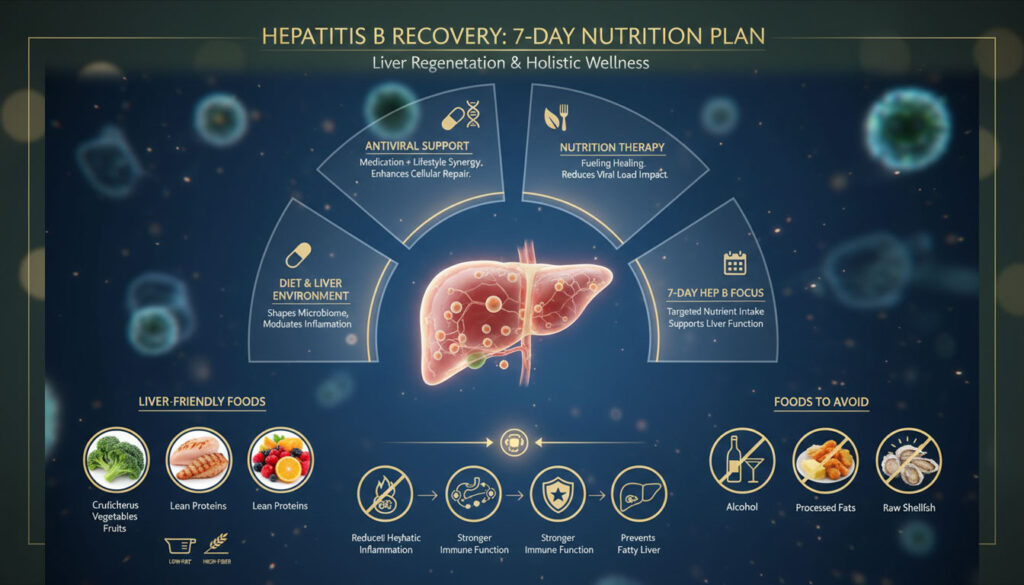
- Combine with healthy habits: Mushrooms work best with a liver-friendly diet (low alcohol, less fat, more vegetables), regular exercise, and enough sleep.
Non-obvious insight: Some people blend different mushrooms for a “synergy effect,” but this is not always better. Simpler can be safer.
Credit: www.healthcareontime.com
Who Should Avoid Medicinal Mushrooms?
Not everyone should use medicinal mushrooms. People who should avoid them include:
- Those with mushroom allergies
- People on immune-suppressing drugs (transplant or autoimmune hepatitis patients)
- Pregnant or breastfeeding women (not enough safety data)
- People with chronic kidney disease (especially with Chaga)
If you are unsure, always ask a healthcare professional.
The Future Of Medicinal Mushrooms In Liver Health
Interest in medicinal mushrooms is growing fast. Scientists are now studying their genetics, growing methods, and how they work inside the body. In the future, we may see:
- New mushroom-based medicines for liver disease
- Custom blends for different types of hepatitis
- More clinical trials proving benefits in humans
For now, mushrooms are best used as an adjunct therapy—something to help, not replace, medical treatment.
Frequently Asked Questions
What Is The Best Medicinal Mushroom For Hepatitis?
There is no single “best” mushroom for hepatitis because different types have different benefits. Reishi, Cordyceps, and Turkey Tail are the most researched for liver support. Some people respond better to one than another. It is safe to start with Reishi or Cordyceps, but always consult a doctor.
Can Medicinal Mushrooms Cure Hepatitis?
No, medicinal mushrooms cannot cure hepatitis. They can help support liver health, reduce inflammation, and boost the immune system, but they do not kill the hepatitis virus. Use them as a supportive therapy, not a replacement for standard treatment.
Are Medicinal Mushrooms Safe To Use With Hepatitis Medications?
In many cases, medicinal mushrooms are safe to use with hepatitis medicine, but some can interact with drugs (especially immune modulators or blood thinners). Always check with your healthcare provider before combining them.
How Long Does It Take To See Benefits From Medicinal Mushrooms?
Some people notice more energy or better digestion within a few weeks. For liver enzyme improvements or reduced inflammation, it can take 2-3 months of regular use. Results depend on the individual, the type of mushroom, and the severity of hepatitis.
Where Can I Find High-quality Medicinal Mushrooms?
Look for products from reputable brands with third-party testing. Buy from trusted health stores or online shops with good reviews. For more information on choosing quality supplements, see this resource from the ConsumerLab.
Medicinal mushrooms offer an exciting area of natural support for people with hepatitis and those seeking better liver health. While they are not a cure, their antioxidant, immune-balancing, and liver-protective effects are supported by tradition and growing scientific evidence. When used wisely and with medical guidance, they can be a valuable addition to a liver recovery plan.
Always prioritize safety, quality, and open communication with your healthcare team.