
Maitake Vs Shiitake: Which Mushroom Offers More Health Benefits?
If you walk into a health food store or a bustling Asian market, you’re likely to see two mushrooms standing out—maitake and shiitake. Both have unique shapes, flavors, and long histories in traditional medicine, but which one is actually better for your health? This question isn’t just about taste; it’s about the real nutritional and medicinal value these mushrooms offer. Understanding the differences could help you make smarter choices for your meals and your wellness.
Many people use these mushrooms in soups, stir-fries, or supplements, hoping to boost their immunity, improve energy, or manage blood sugar. But while both have loyal fans, the science behind their health benefits is not always clear to most people.
In this article, we’ll dive deep into the nutritional profiles, active compounds, health effects, and practical uses of maitake and shiitake. By the end, you’ll know exactly which mushroom best fits your health goals—and why.
What Are Maitake And Shiitake Mushrooms?
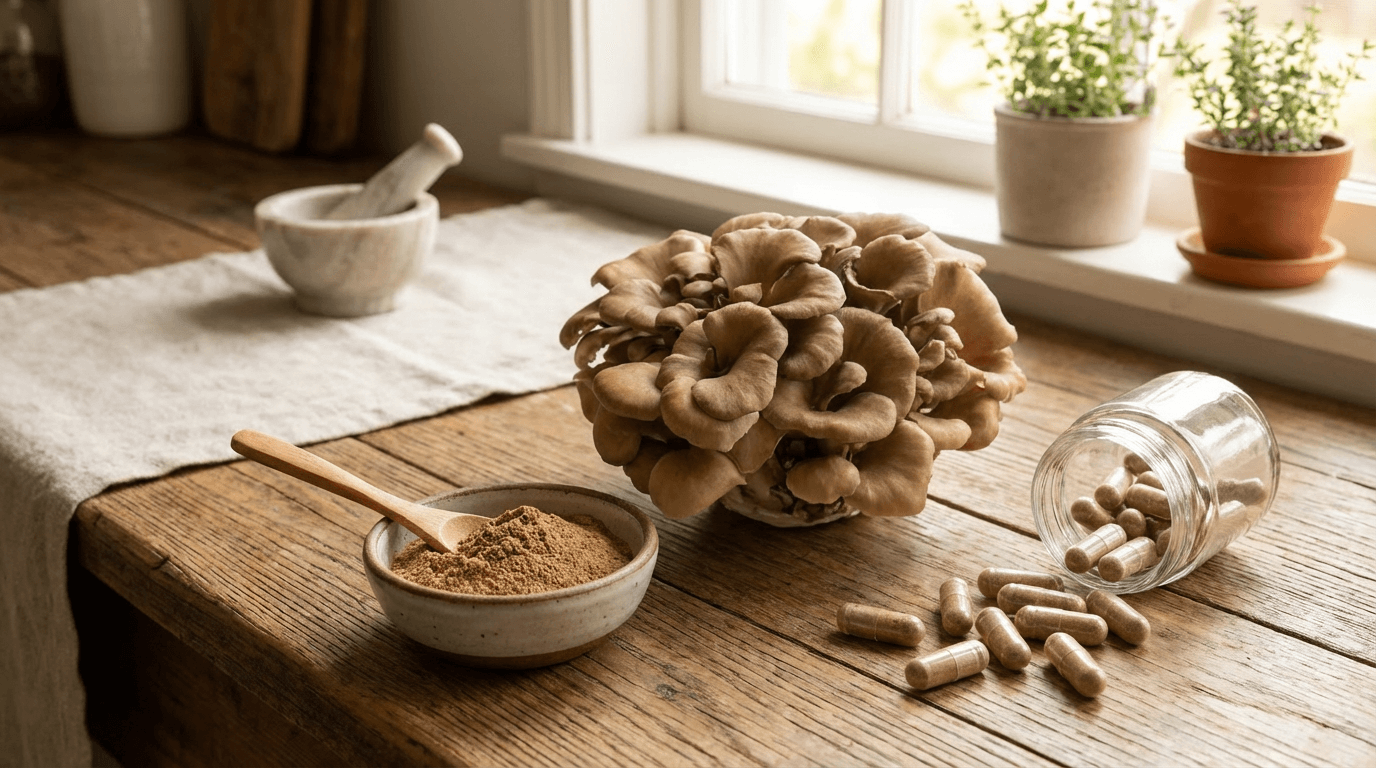
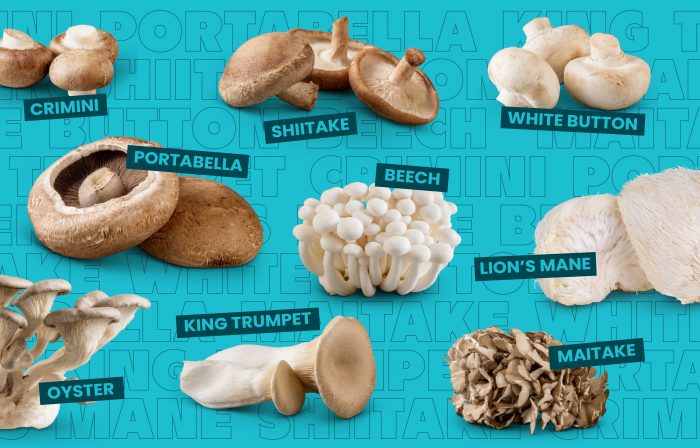
Maitake, known as the “hen of the woods,” is a frilly mushroom found at the base of oak trees in parts of Asia and North America. Its name means “dancing mushroom” in Japanese, inspired by how excited people once felt upon discovering it in the wild. Maitake has a rich, earthy flavor and a texture that holds up well in cooking. The ruffled, layered appearance makes it easy to spot in the wild, although many people now buy it cultivated.
Maitake is still harvested wild in Japan and the United States, especially in autumn. Foragers often see finding a large maitake cluster as a lucky event, since some can weigh several kilograms. In Japanese culture, maitake has been used not just as food but also in teas and extracts to support overall health.
Shiitake, on the other hand, is the “fragrant mushroom” in Japanese. With its dark brown, umbrella-shaped cap, shiitake has a savory, almost smoky taste. Native to East Asia, shiitake mushrooms have been cultivated for centuries and are now grown worldwide. Shiitake is traditionally grown on logs, and in China and Japan, you’ll often find old-style mushroom farms with rows of hardwood logs stacked in shady woods.
Today, most shiitake are grown on sawdust blocks indoors, making them widely available all year. Shiitake is a key part of Japanese, Chinese, and Korean cooking, often used in broths, dumplings, and vegetable dishes. The mushroom’s stems are tough, so most recipes use only the cap, but the stems can be saved to flavor stocks.
Both mushrooms have made their way into Western kitchens, but their roots are in traditional Asian medicine, where they were valued for much more than just their taste. Ancient texts describe both mushrooms as “tonics” for longevity and vitality, and modern science is now investigating these claims.
Nutritional Profiles: Maitake Vs Shiitake
At first glance, both mushrooms offer low calories and high nutrients, but the details reveal some differences.
| Nutrient (per 100g, raw) | Maitake | Shiitake |
|---|---|---|
| Calories | 31 | 34 |
| Protein | 1.9g | 2.2g |
| Carbohydrates | 6.97g | 6.8g |
| Dietary Fiber | 2.7g | 2.5g |
| Fat | 0.2g | 0.5g |
| Vitamin D | 28 IU | 18 IU |
| Potassium | 203mg | 304mg |
| Niacin (B3) | 6.5mg | 3.9mg |
| Folate (B9) | 21mcg | 13mcg |
Maitake is slightly lower in calories and higher in niacin and folate, while shiitake contains more potassium and a bit more protein. Both are good sources of vitamin D—especially when exposed to sunlight during growth—but maitake usually has a slight edge.
The high potassium in shiitake is helpful for balancing sodium intake, which supports heart and kidney health. The dietary fiber in both mushrooms helps with feeling full and keeping digestion regular, making them useful for weight management or for people who want to eat more plant-based foods.
Key Non-obvious Insight
Many beginners overlook niacin and folate when choosing mushrooms. These B vitamins are crucial for energy, brain health, and cell growth. Maitake’s higher content can make a subtle but important difference if you’re looking for these nutrients.
Another often missed detail: the vitamin D content in mushrooms can be much higher if they are exposed to sunlight or UV light after harvesting. Some commercial mushrooms are intentionally exposed to UV to boost vitamin D even further.
Unique Active Compounds
Beyond basic nutrition, both mushrooms contain special compounds that give them their powerful health effects.
Maitake
- Beta-glucans (especially D-fraction): These are complex sugars that support immune health and may help fight tumors.
- Grifolan: Another type of beta-glucan with immune-modulating properties.
- Ergosterol: A compound that can be converted to vitamin D2.
- Antioxidants: Such as vitamin C, phenolic compounds, and flavonoids.
Maitake’s D-fraction is a hot topic in research. Some studies suggest it can both stimulate the immune system and slow down tumor growth. Grifolan, another beta-glucan, may help balance the immune system, making it active against infections but less likely to overreact.
Shiitake
- Lentinan: A unique beta-glucan with strong immune-boosting and anti-cancer properties.
- Eritadenine: Known to lower cholesterol levels.
- Polysaccharides: Help balance immune function.
- Copper and selenium: Essential trace minerals, often higher in shiitake than in maitake.
Lentinan is used as an injectable medicine in some countries, and research continues on its use for cancer patients. Eritadenine, found only in shiitake, is a key reason why shiitake is linked to better cholesterol levels.
Unique Fact
Shiitake contains lentinan, which has been studied in Japan as a supportive treatment for cancer. Maitake’s D-fraction is also being researched for similar effects, but lentinan’s use in medicine is more established.
A less obvious point: both mushrooms have natural compounds that can help balance the body’s inflammatory response—helpful not just for fighting illness but also for managing allergies and autoimmune issues.
Immune System Support
One of the main reasons people eat maitake or shiitake is for their immune-boosting effects.
Maitake
Maitake’s beta-glucans can stimulate white blood cells, such as macrophages and natural killer (NK) cells. These cells help the body find and destroy viruses, bacteria, and even tumor cells. Some studies suggest maitake extracts may improve the immune response in people with weakened immunity, such as cancer patients or those with chronic illnesses.
What’s interesting is that maitake does not simply “boost” the immune system; it helps balance it. If your immune system is overactive (as in allergies or autoimmune conditions), maitake may help calm things down, while still supporting the body’s ability to fight infections.
This adaptogenic quality is rare in foods.
Shiitake
Shiitake’s lentinan is even more famous in the medical world. It’s been used as an injectable drug in Japan to support cancer therapy. Lentinan increases the production of immune cells and helps regulate inflammation. Eating shiitake mushrooms or taking supplements can also boost immune markers in healthy people.
Interestingly, shiitake’s effects on the immune system seem to last longer than just the period you eat them. Some studies show immune benefits continuing for several weeks after stopping daily shiitake.
Practical Example
A small study showed that people eating about 5-10g of dried shiitake daily for four weeks had better immune function and less inflammation. Maitake extracts have also shown similar benefits, but more research is needed on whole mushrooms, not just supplements.
Non-obvious Insight
Many people believe cooking destroys these immune compounds. However, beta-glucans and lentinan are heat-stable, so sautéing or simmering won’t ruin their benefits. The key is not to overcook for long periods.
Another tip: pairing these mushrooms with a small amount of fat (like olive oil) in cooking can help your body absorb fat-soluble compounds, such as certain antioxidants.
Credit: antioxi-supplements.com
Heart Health And Cholesterol
Both mushrooms are believed to help the heart, but they act in different ways.
Maitake
Research shows that maitake can reduce cholesterol and triglycerides in animal studies. This effect is likely due to its beta-glucans, which bind to cholesterol in the gut, preventing absorption. There is also evidence that maitake may lower blood pressure by relaxing blood vessels.
Some studies suggest maitake can slow the oxidation of LDL cholesterol, which is one cause of clogged arteries. Oxidized LDL is more dangerous than regular LDL, so this effect could be important for long-term heart health.
Shiitake
Shiitake’s unique compound eritadenine is well-studied for lowering cholesterol. It works by speeding up the removal of cholesterol from the blood. Human studies are limited, but some show that eating shiitake regularly can reduce total cholesterol and LDL (bad) cholesterol.
Shiitake also contains sterols and fiber, which add to its cholesterol-lowering effects. Including shiitake in your diet several times a week may have a cumulative effect over time.
Head-to-head Comparison
| Effect | Maitake | Shiitake |
|---|---|---|
| Cholesterol-lowering | Good | Excellent (due to eritadenine) |
| Blood pressure support | Possible | Less evidence |
| Heart-protective antioxidants | Strong | Strong |
If your main goal is to manage cholesterol, shiitake mushrooms may have a slight advantage because of eritadenine.
Extra Detail
Some people combine both mushrooms in their diet, using maitake for blood pressure support and shiitake for cholesterol. For best results, also focus on other heart-healthy habits like limiting processed foods and staying active.
Blood Sugar And Diabetes Support
High blood sugar is a global health problem, and some mushrooms can help.
Maitake
Animal studies show that maitake can lower blood sugar levels by improving insulin sensitivity. The D-fraction in maitake seems to help the body use insulin more efficiently, which is important for preventing or managing diabetes.
In small human studies, maitake extract helped lower post-meal blood sugar levels in people with type 2 diabetes. This effect was stronger when maitake was combined with a balanced diet and regular exercise.
Shiitake
Shiitake has some effect on blood sugar, but it is not as strong as maitake. The fiber in shiitake slows down sugar absorption, which helps, but the active compounds do not directly improve insulin action as powerfully as maitake.
Shiitake’s mild effect can still be helpful for people trying to prevent blood sugar spikes after meals, especially when replacing higher-carb foods.
Example
A study in diabetic mice found that maitake extracts reduced blood sugar by up to 25% after a meal, compared to a much smaller effect from shiitake.
Non-obvious Insight
Many people focus only on blood sugar numbers, but insulin sensitivity is just as important. Maitake’s support for insulin action means it could help prevent diabetes, not just manage it.
Another overlooked fact: mushrooms are very low in carbohydrates, so they are a smart addition to low-carb or diabetic-friendly diets.

Credit: www.amazon.com
Cancer-fighting Properties
Both mushrooms are widely studied for their possible anti-cancer effects.
Maitake
Maitake D-fraction is being researched for its ability to slow tumor growth and boost chemotherapy effects. Early studies in humans and animals show it may improve survival rates and reduce side effects of cancer treatment, especially in breast and lung cancers.
There is also some evidence that maitake may help reduce fatigue and improve quality of life in cancer patients, possibly by supporting immune recovery after treatment.
Shiitake
Lentinan from shiitake is approved in Japan as a supportive therapy for cancer. It’s not a cure, but it helps the immune system fight cancer and may make chemotherapy work better. Lentinan is most studied for stomach and colorectal cancers.
Shiitake extracts are often used alongside standard cancer treatments in Asia, but less so in the West. Lentinan’s ability to boost immune cell numbers and activity is considered important for people with weakened immunity.
Important Note
Eating mushrooms is not a replacement for medical treatment. However, both maitake and shiitake are among the most promising natural options for supporting cancer therapy.
Non-obvious Insight
Most research uses concentrated extracts, not whole mushrooms. Eating the mushrooms still helps, but the exact dose needed for anti-cancer effects is much higher than what you’d eat in a normal meal.
Some experts recommend including mushrooms as part of a cancer-preventive diet, but for medical support, always talk to your doctor about proper dosing and interactions.
Antioxidant Power
Every day, your body faces stress from pollution, poor diet, and aging. Antioxidants help fight this stress.
Maitake
Maitake is packed with phenolic compounds and vitamin C. These antioxidants fight free radicals, which can damage cells and speed up aging or disease.
Studies show maitake can increase the body’s own antioxidant enzymes, such as superoxide dismutase (SOD) and glutathione peroxidase. These enzymes are like internal “clean-up crews” for harmful molecules.
Shiitake
Shiitake also contains antioxidants, such as selenium and ergothioneine. These help protect the liver, brain, and other organs from oxidative damage.
Ergothioneine is a unique antioxidant found in mushrooms that some call a “longevity vitamin. ” Shiitake is one of the best food sources.
Key Difference
Selenium is often low in plant foods, but shiitake is a rare exception. If you need more selenium in your diet, shiitake is a better choice.
Another practical point: combining different antioxidant-rich foods (like mushrooms, berries, and leafy greens) provides broader protection than eating just one type.
Gut Health And Prebiotics
Good gut health is the foundation for overall wellness.
Maitake
The fiber and beta-glucans in maitake act as prebiotics, which feed healthy gut bacteria. A strong gut microbiome can improve digestion, immunity, and even mood.
Recent studies suggest that maitake’s prebiotics may help increase the number of beneficial bacteria like Bifidobacteria and Lactobacilli, which are linked to better gut health and lower inflammation.
Shiitake
Shiitake also has prebiotic fiber, but it’s especially rich in chitin. This is a tough fiber that some people find hard to digest, but it feeds a unique group of gut bacteria.
Some researchers believe that regular shiitake consumption may help diversify the gut microbiome, which is linked to better resilience against infections and allergies.
Practical Tip
If you have digestive problems, try starting with small amounts of either mushroom, as the fiber can cause gas or bloating at first.
Another tip: including a variety of plant fibers in your diet (not just mushrooms) helps support a more balanced and robust gut microbiome.
Skin, Hair, And Bone Health
Both mushrooms offer nutrients for beauty and strong bones.
Maitake
Maitake contains vitamin D2, which helps the body use calcium for strong bones and teeth. The B vitamins also support healthy skin and hair.
People who get little sunlight, such as those in northern climates, may need more vitamin D. Maitake is one of the few plant sources that can help fill this gap.
Shiitake
Shiitake is a rare plant source of copper, which is needed for making collagen and melanin. This helps keep your skin firm and your hair color rich.
Shiitake also provides selenium, which protects the skin from environmental damage and helps prevent premature aging.
Example
If you’re vegan or vegetarian, including shiitake in your diet can help fill the gap for copper and selenium, which are harder to get from plants.
Another benefit: the polysaccharides in mushrooms help keep skin hydrated and may reduce the appearance of wrinkles over time.
Anti-inflammatory Effects
Chronic inflammation is behind many health problems, from arthritis to heart disease.
Maitake
Studies show maitake can reduce inflammatory markers in the body. This effect may help with conditions like rheumatoid arthritis or chronic pain.
Maitake’s antioxidants and beta-glucans work together to cool down excessive inflammation, which is important for long-term wellness.
Shiitake
Shiitake also has anti-inflammatory properties, but some people may react to a compound called lentin in the raw mushroom, which can cause skin rashes (known as “shiitake dermatitis”) if not cooked.
Lentinan and other polysaccharides in shiitake help lower inflammation in the gut, which may benefit people with digestive disorders.
Non-obvious Insight
Always cook shiitake mushrooms to remove lentin and avoid skin irritation. Maitake is generally safe raw, but cooking improves digestibility.
Another tip: adding anti-inflammatory foods like mushrooms to your diet works best when combined with other healthy habits, such as regular exercise and stress reduction.
Possible Side Effects And Safety
While both mushrooms are safe for most people, it’s good to know the risks.
Maitake
- Very safe when cooked.
- Rarely, large amounts can cause upset stomach or lower blood sugar too much.
- People with mushroom allergies should avoid.
Some case reports suggest maitake can interact with diabetes medications. If you take medicine to lower blood sugar, watch for symptoms of low blood sugar (dizziness, sweating).
Shiitake
- Can cause “shiitake dermatitis” if eaten raw or undercooked.
- Some people may have mild digestive upset.
- Contains purines, which can raise uric acid (a concern for those with gout).
If you have a history of gout or high uric acid, limit your intake of shiitake and discuss with your doctor.
Practical Advice
If you’re new to these mushrooms, start with small servings. People with immune disorders, pregnant women, or those on medication should consult a doctor before taking supplements.
Watch for any allergic reactions, like itching or swelling, especially if you have never eaten these mushrooms before.
Culinary Uses And Taste
Both mushrooms are delicious, but they shine in different dishes.
Maitake
- Has a woodsy, earthy flavor.
- Keeps its texture in soups, stir-fries, and roasted dishes.
- Great grilled, sautéed, or added to risotto.
Maitake’s ruffled edges crisp up nicely when roasted, making it a favorite for plant-based “bacon” or crunchy salad toppings.
Shiitake
- Has a meaty, umami taste.
- Perfect in Asian soups, stir-fries, and noodle dishes.
- Dried shiitake is very flavorful and often used in broths.
Rehydrated dried shiitake is packed with flavor and can be sliced and added to ramen or hot pot.
Cooking Tips
- Clean mushrooms with a damp cloth, not water (they soak up liquid).
- Remove tough stems from shiitake before cooking.
- Don’t overcook; 5-10 minutes is enough for most recipes.
For even more flavor, try marinating mushrooms briefly before cooking. Adding a splash of soy sauce or a pinch of salt while sautéing can bring out their natural umami.
Maitake Vs Shiitake Supplements
Many people take maitake or shiitake as powders, capsules, or extracts.
Maitake Supplements
- Often standardized for “D-fraction” or beta-glucans.
- Used for immune support, blood sugar control, and as a cancer therapy support.
- Quality varies by brand—choose products tested for purity.
Some maitake supplements are designed to be taken with food for better absorption, while others are made as teas or tinctures.
Shiitake Supplements
- May be labeled as “lentinan” or shiitake extract.
- Used for immunity and cholesterol support.
- Some supplements use whole mushroom powder; others use concentrated extracts.
If you choose a shiitake supplement, check if it lists the amount of lentinan or polysaccharides per serving.
Caution
Supplements are stronger than food. Follow dosing instructions and buy from reputable brands. If you have allergies or health conditions, check with a healthcare provider.
Supplements should not replace a balanced diet. For most people, eating the whole mushroom is safer and provides more nutritional variety.
Credit: www.mushroomcouncil.com
Price, Availability, And Sustainability
Choosing between maitake and shiitake may also depend on what’s available and affordable.
Maitake
- More expensive and less common than shiitake.
- Available fresh at specialty stores or farmer’s markets.
- Grows in the wild (foraged in autumn).
Cultivated maitake has become more common in recent years, but prices can still be higher than shiitake due to slower growth and lower yields.
Shiitake
- Widely available fresh or dried.
- Usually cheaper and easy to find in supermarkets.
- Can be grown at home on logs or sawdust blocks.
Dried shiitake is a pantry staple in many Asian kitchens and can be stored for months.
Sustainability
Both mushrooms have a small environmental footprint compared to animal foods. Shiitake is especially sustainable due to efficient indoor farming.
Growing mushrooms at home is also an eco-friendly hobby that provides fresh food and reduces packaging waste.
Maitake Vs Shiitake: Which Should You Choose?
There’s no simple winner—both mushrooms are excellent for health. The best choice depends on your needs:
- For immunity and cancer support, both are strong, with shiitake’s lentinan being more established in medical use.
- For cholesterol, shiitake has a slight edge.
- For blood sugar and insulin sensitivity, maitake is better.
- For copper and selenium, shiitake wins.
- For niacin and folate, maitake is superior.
- For taste, it’s personal—try both and see which you prefer.
If possible, include both in your diet. Their unique nutrients and compounds work together for even greater benefits.
Mixing maitake and shiitake in recipes, such as a mushroom stir-fry or soup, combines their flavors and health benefits. Variety in your diet is key to getting the full spectrum of nutrients and active compounds.
Frequently Asked Questions
What Are The Main Health Benefits Of Maitake Mushrooms?
Maitake mushrooms support the immune system, help regulate blood sugar, and may lower cholesterol and blood pressure. They also offer antioxidants and B vitamins that are good for energy and overall health.
Are Shiitake Mushrooms Better Than Maitake For Heart Health?
Shiitake contains eritadenine, which is especially good for lowering cholesterol. If your main goal is heart health, shiitake may offer more benefit in this area, but maitake also helps by reducing cholesterol and blood pressure.
Can I Eat Maitake And Shiitake Mushrooms Raw?
Shiitake should always be cooked to avoid possible skin irritation from lentin. Maitake is safer raw, but cooking improves taste and digestibility for both mushrooms.
Are These Mushrooms Safe For Everyone?
Most people can enjoy maitake and shiitake without problems. Those with allergies to mushrooms, immune disorders, or who are pregnant should talk to a doctor before eating large amounts or taking supplements.
Where Can I Find More Scientific Information About These Mushrooms?
For deeper research, visit the National Institutes of Health (NIH) for peer-reviewed studies on maitake and shiitake mushrooms.
Maitake and shiitake are not just tasty—they are nutritional powerhouses with centuries of traditional use and strong science behind them. Whether you want to support your immune system, manage cholesterol, or simply enjoy new flavors, both mushrooms deserve a spot in your kitchen.
Try them, experiment with recipes, and enjoy the benefits of adding these remarkable foods to your diet.