
Maitake Mushroom Side Effects: What To Know Before Starting
Maitake mushrooms have gained popularity worldwide as a superfood. Many people include them in their diet for health benefits or use them as supplements. Maitake, also known as “hen of the woods,” is famous for its earthy flavor and possible immune-boosting properties.
However, like any natural remedy, it is important to understand the possible side effects before starting. While maitake is considered safe for most people, it can still cause unwanted reactions, especially if you have certain health conditions or take specific medications.
Knowing the risks and how to use maitake safely can help you make better decisions about your health.
What Is Maitake Mushroom?
Maitake mushrooms, scientifically called Grifola frondosa, are native to China, Japan, and North America. They grow at the base of oak, elm, or maple trees, forming large clusters with layers of gray-brown caps. People have used maitake in traditional medicine for centuries to support the immune system and promote general health. In recent years, maitake has become popular as a health food and supplement. You can find it fresh, dried, in capsules, or as extracts.
Maitake contains beta-glucans, which are complex sugars thought to have health effects. It also provides vitamins B and D, potassium, fiber, and antioxidants. These nutrients make maitake attractive for people looking to improve their diet or support immune function.
Common Side Effects Of Maitake Mushroom
For most healthy adults, maitake mushroom is safe when eaten as food. However, using large amounts or concentrated supplements can sometimes cause side effects. Here are the most common ones:
1. Digestive Upset
Some people experience stomach discomfort after eating maitake, especially in high amounts or supplement form. Common symptoms include:
- Bloating
- Gas
- Nausea
- Diarrhea
- Stomach cramps
Digestive issues often appear when people are not used to eating mushrooms or when they take high doses. Usually, these symptoms are mild and go away after reducing the amount or stopping use.
2. Allergic Reactions
While rare, allergic reactions to maitake can occur. People with mushroom allergies are at higher risk. Signs of an allergic reaction may include:
- Itching
- Rash or hives
- Swelling of the lips, face, or throat
- Difficulty breathing
A severe allergic reaction (anaphylaxis) is a medical emergency. If you experience any of these symptoms, seek help immediately.
3. Blood Sugar Changes
Maitake may lower blood sugar levels. This can be a problem for people with diabetes or those taking medication to control blood sugar. Symptoms of hypoglycemia (low blood sugar) include:
- Shakiness
- Sweating
- Dizziness
- Confusion
- Fast heartbeat
If you use diabetes medicine, adding maitake could increase your risk of low blood sugar. Always monitor your blood sugar closely and talk to your doctor before adding maitake.
4. Blood Pressure Changes
Some studies suggest maitake might lower blood pressure. For people with low blood pressure or those taking medicine for high blood pressure, this could be risky. Signs of low blood pressure include:
- Dizziness when standing up
- Fainting
- Fatigue
If you have blood pressure concerns, consult your doctor before using maitake supplements.
5. Skin Reactions
Rarely, maitake can cause skin rashes or irritation. This can happen with both eating the mushroom and taking supplements. If you notice new skin problems after starting maitake, stop using it and see a doctor.
Less Common And Serious Side Effects
While most reactions are mild, there are a few rare but serious side effects to be aware of.
1. Interaction With Immune System
Maitake is known for supporting the immune system. However, this effect can be a problem for people with autoimmune diseases (like lupus, multiple sclerosis, or rheumatoid arthritis). In these conditions, the immune system attacks the body’s own tissues. Boosting the immune response with maitake could make symptoms worse.
People who have had organ transplants or are on immune-suppressing drugs should also be careful. Maitake might reduce the effects of these medications.
2. Bleeding Risk
Maitake may affect blood clotting. This is especially important for people taking blood thinners like warfarin or aspirin. Signs of abnormal bleeding include:
- Easy bruising
- Nosebleeds
- Bleeding gums
- Blood in urine or stool
If you are scheduled for surgery, it is wise to stop maitake use at least two weeks before the operation.
3. Pregnancy And Breastfeeding
There is not enough research on the safety of maitake during pregnancy or breastfeeding. Some experts suggest avoiding maitake supplements during these times because of unknown risks to the baby. Eating small amounts of cooked maitake as part of a normal diet is likely safe, but large doses or concentrated extracts should be avoided.
4. Hormonal Effects
Maitake may affect hormonal balance. Some animal studies suggest it could influence estrogen levels. This might be a concern for people with hormone-sensitive conditions, like breast or ovarian cancer. While human studies are limited, it is best to use caution and consult a doctor.
Risks For Specific Groups
Different people react differently to maitake mushroom. If you belong to any of the following groups, you should be extra careful.
1. People With Diabetes
As mentioned earlier, maitake can lower blood sugar. If you have diabetes, especially if you use insulin or other medications, you may be at risk for hypoglycemia. Always check with your doctor and monitor your blood sugar more often if you try maitake.
2. People On Blood Pressure Medication
If you take medicine for high blood pressure, adding maitake could cause your blood pressure to go too low. Symptoms like dizziness or fainting should not be ignored. Adjustments to your medication may be needed.
3. People With Bleeding Disorders
Anyone with a bleeding disorder (like hemophilia) or those taking blood thinners should be cautious. Maitake’s effect on blood clotting can increase the risk of bleeding.
4. People With Immune Disorders
If you have an autoimmune disease or are taking medicine that suppresses your immune system, maitake could affect your treatment. Always consult your healthcare provider first.
5. Pregnant And Breastfeeding Women
Due to limited safety data, it is best for pregnant and breastfeeding women to avoid maitake supplements. Eating maitake as a normal food in small amounts is generally safe, but large doses should be avoided.
6. Children
There is not enough evidence to say maitake is safe for children, especially as a supplement. Young children may be more sensitive to the effects. Speak to a pediatrician before giving maitake to children.
Maitake Mushroom And Drug Interactions
Maitake mushroom can interact with several types of medication. These interactions can increase side effects or reduce the effectiveness of your medicines.
Common Drug Interactions
- Diabetes medications: Maitake may increase the effects of these drugs, causing low blood sugar.
- Blood pressure medications: Maitake can add to the effects of these medications, possibly leading to low blood pressure.
- Blood thinners (anticoagulants and antiplatelets): Maitake may increase bleeding risk.
- Immunosuppressants: Maitake can reduce the effectiveness of drugs that lower immune system activity.
- Hormone-sensitive drugs: Possible hormonal effects of maitake may interfere with some treatments.
How To Avoid Problems
- Always tell your doctor about all supplements you are taking.
- If you start using maitake, monitor for new symptoms.
- Do not stop or change your medication dose without medical advice.
| Drug Type | Possible Maitake Interaction | What to Watch For |
|---|---|---|
| Diabetes Drugs | Increased risk of low blood sugar | Shakiness, sweating, confusion |
| Blood Pressure Drugs | Lower blood pressure | Dizziness, fainting |
| Blood Thinners | Higher bleeding risk | Easy bruising, nosebleeds |
| Immunosuppressants | Reduced drug effectiveness | Worsening autoimmune symptoms |
Maitake Dosage And Safe Use
One of the main causes of side effects is taking too much maitake, especially in supplement form. Here’s what you need to know about using maitake safely.
Typical Dosages
- As food: Eating 50–100 grams (1.7–3.5 oz) of cooked maitake mushroom per day is generally safe for most adults.
- As extract or supplement: Doses vary, but most studies use 500–2,500 mg of maitake extract daily.
Always start with a low dose and watch for side effects. If you notice any problems, lower the amount or stop use.
Who Should Avoid Maitake Supplements?
- People with mushroom allergies
- Those taking blood thinners or diabetes medicine (without doctor advice)
- Anyone with low blood pressure
- Pregnant or breastfeeding women
- Children, unless directed by a healthcare provider
Signs You Should Stop Using Maitake
If you notice any of the following after starting maitake, stop use and see a doctor:
- Severe allergic reactions (swelling, difficulty breathing)
- Unexplained bruising or bleeding
- Strong stomach pain, vomiting, or diarrhea
- Signs of low blood sugar or blood pressure
:max_bytes(150000):strip_icc()/VWH-GettyImages-1062111646-2ff83b4c658241ea88fff6f6d0f7fb6a.jpg)
Credit: www.verywellhealth.com
How To Reduce Side Effects
If you want to try maitake mushroom but worry about side effects, here are steps to make it safer:
- Start small: Begin with a low dose, such as a few bites of cooked maitake or half the recommended supplement dose.
- Cook thoroughly: Cooking maitake makes it easier to digest and reduces the risk of stomach upset.
- Try with food: Take maitake with a meal to lower the chance of digestive problems.
- Monitor your body: Pay attention to any changes or symptoms, especially when you first start.
- Talk to your doctor: If you take medication or have health conditions, get professional advice before using maitake regularly.
Scientific Research On Maitake Side Effects
Most research on maitake looks at its benefits, not its risks. Still, a few studies report on side effects and safety.
- A 2010 study in people with type 2 diabetes found that maitake extract lowered blood sugar but also increased the risk of hypoglycemia when combined with diabetes drugs.
- Animal studies have shown that high doses of maitake can cause changes in liver enzymes, though this is rare in humans.
- Several clinical trials using maitake extract for cancer patients reported mild side effects like diarrhea, nausea, and skin rash, but no serious health problems.
However, many studies are small, and long-term safety is not well known. More research is needed to understand all possible risks.

Credit: antioxi-supplements.com
Maitake Mushroom Compared To Other Medicinal Mushrooms
People often use maitake along with other mushrooms like shiitake, reishi, or cordyceps. Each mushroom has its own benefits and risks.
Here’s a comparison of common side effects:
| Mushroom Type | Common Side Effects | Serious Risks |
|---|---|---|
| Maitake | Digestive upset, blood sugar changes | Bleeding, allergic reactions (rare) |
| Shiitake | Skin rash (“shiitake dermatitis”), stomach upset | Allergic reactions (rare) |
| Reishi | Dry mouth, dizziness, stomach upset | Liver toxicity (high doses/long-term use) |
| Cordyceps | Nausea, diarrhea | Interactions with immune drugs |
This comparison shows that maitake is similar to other medicinal mushrooms in both its mild and more serious risks. Always research each type before use.
How To Choose Quality Maitake Products
With so many maitake products on the market, choosing a safe and high-quality option is important. Poor-quality supplements may increase the risk of side effects.
Here’s what to look for:
- Reputable brands: Choose companies with good reviews and clear labeling.
- Third-party testing: Look for products tested by independent labs for quality and purity.
- Clear ingredients: The label should list the exact amount of maitake and any other ingredients.
- Avoid unnecessary additives: Some supplements contain fillers, artificial colors, or preservatives that may increase side effects.
- Check for allergens: Make sure the product is free from common allergens if you have sensitivities.
Real-life Examples And Case Reports
Learning from real-life cases can help you understand what to watch for.
- A 55-year-old man taking maitake supplements for immune support developed severe bruising and nosebleeds. He was later found to be taking a blood thinner for heart disease. When he stopped maitake, the bleeding stopped.
- A woman with type 2 diabetes tried maitake extract to help control her blood sugar. She started feeling dizzy and weak. Her doctor found her blood sugar was dangerously low. She adjusted her diabetes medication and stopped the mushroom supplement.
- In Japan, several people with mushroom allergies reported skin rashes and swelling after eating maitake. Most cases were mild, but one person needed emergency care.
These examples show the importance of knowing your health history and checking with a healthcare professional before trying new supplements.
Practical Tips For Maitake Use
If you want to enjoy maitake’s benefits while avoiding problems, follow these tips:
- Use maitake as part of a balanced diet—not as a replacement for medical treatment.
- Cook maitake before eating. Raw mushrooms are harder to digest and may cause more stomach issues.
- Avoid taking maitake supplements on an empty stomach.
- Read all labels and instructions carefully.
- If you have a sensitive stomach, try a small amount first.
- Keep a health diary. Note any changes in your energy, digestion, or mood after starting maitake.
How To Recognize And Respond To Side Effects
If you think you are having a side effect from maitake, act quickly:
- Mild symptoms (such as stomach upset): Stop using maitake and see if symptoms improve within a few days.
- Moderate symptoms (like rash or ongoing diarrhea): Contact your doctor for advice.
- Severe symptoms (such as trouble breathing, swelling, or bleeding): Seek emergency care immediately.
Do not restart maitake unless your doctor says it is safe.
Debunking Maitake Safety Myths
There are some common myths about maitake and its side effects:
- “It’s natural, so it’s always safe.” Even natural foods and herbs can cause side effects or interact with medications.
- “You can take as much as you want.” More is not always better; high doses may increase risks.
- “If you don’t feel bad, it’s safe for everyone.” People react differently, and some side effects may not show up right away.
Being informed helps you use maitake wisely and safely.
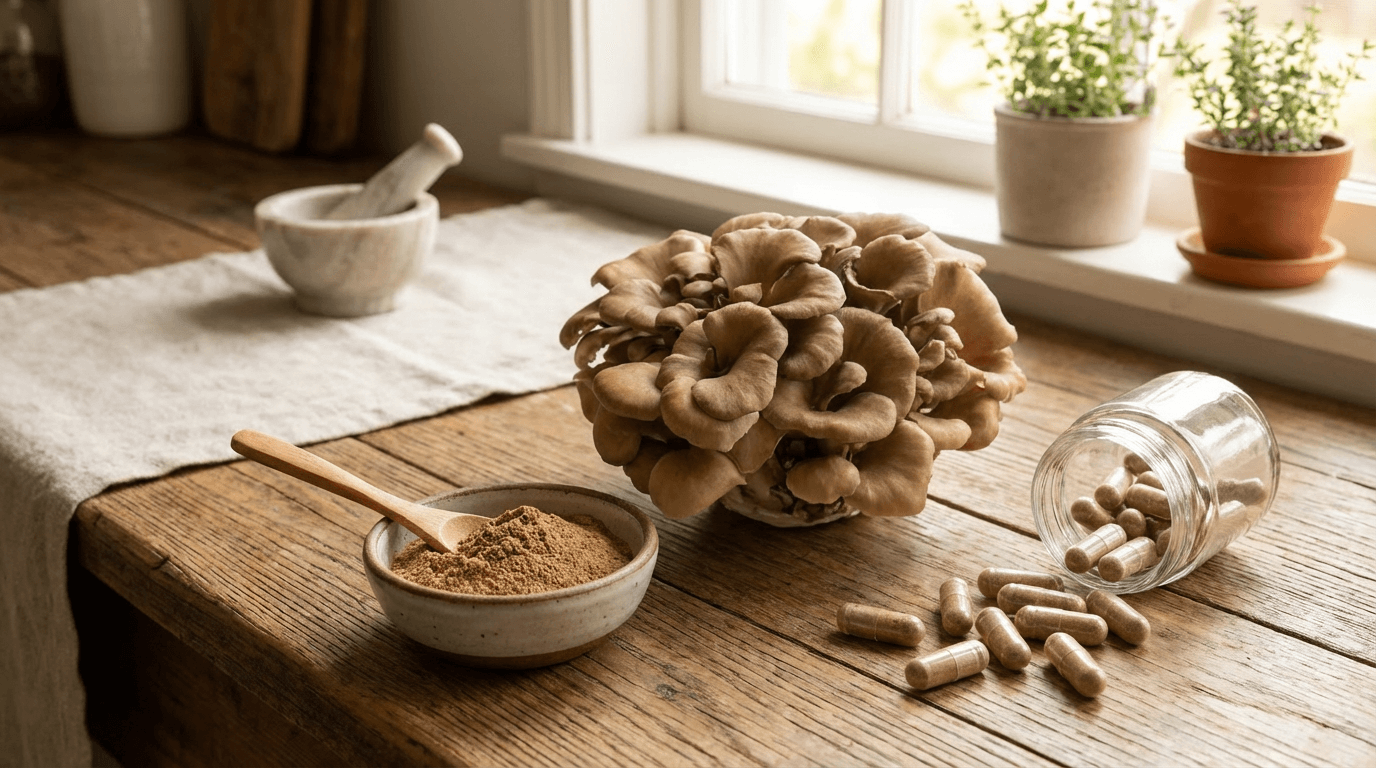
Credit: antioxi-supplements.com
When To See A Doctor
You should talk to a healthcare professional before starting maitake if:
- You take prescription medications, especially for diabetes, blood pressure, or blood thinning.
- You have a chronic illness or immune disorder.
- You are pregnant, breastfeeding, or planning surgery.
- You notice new or strange symptoms after eating maitake.
A doctor or pharmacist can help you decide if maitake is safe for you.
Summary Of Key Points
- Maitake mushroom is generally safe as food, but supplements can cause side effects.
- Common side effects include digestive upset, allergic reactions, blood sugar and blood pressure changes, and bleeding risk.
- Certain groups, such as people with diabetes, those taking blood thinners, and those with immune conditions, should use caution.
- Maitake can interact with several medications and may not be safe for everyone.
- Choose high-quality products and start with small doses.
- Always talk to your doctor if you have health concerns or take medications.
For more in-depth information on maitake mushrooms, you can read the scientific summary at Wikipedia: Grifola frondosa.
Frequently Asked Questions
What Are The Most Common Side Effects Of Maitake Mushroom?
The most common side effects are stomach upset, such as bloating, gas, diarrhea, and nausea. These are usually mild and go away after reducing the dose or stopping use. Some people may also notice changes in blood sugar or blood pressure.
Can Maitake Mushroom Interact With My Medications?
Yes, maitake can interact with diabetes medicines, blood pressure drugs, blood thinners, and immune-suppressing medications. These interactions can be dangerous. Always check with your doctor before adding maitake if you take any of these drugs.
Is Maitake Mushroom Safe For Pregnant Or Breastfeeding Women?
There is not enough research to confirm that maitake is safe during pregnancy or breastfeeding. It is best to avoid maitake supplements during these times. Small amounts of cooked maitake as food are likely safe, but large doses should be avoided.
How Can I Reduce The Risk Of Side Effects When Trying Maitake?
Start with a small amount, cook the mushroom well, and take it with food. Watch your body for new symptoms. Choose high-quality products and talk to your doctor if you have health problems or take medications.
When Should I Stop Using Maitake And See A Doctor?
Stop maitake immediately and get medical help if you notice severe allergic reactions, bleeding, ongoing stomach pain, or signs of low blood sugar or blood pressure. For mild symptoms, stop use and speak with your healthcare provider.
Maitake mushrooms can be a healthy addition to your diet, but only when used wisely. Knowing the side effects and risks helps you make safer choices for your health. If you have any doubts, always seek advice from a trusted medical professional.