
Maitake For Weight Management: How Beta-glucans Influence Satiety
If you have ever struggled to manage your weight, you know how important it is to feel full and satisfied after meals. Many diets fail because hunger returns too soon, making it easy to overeat. In recent years, researchers have been looking into natural foods that might help people feel fuller for longer. One mushroom, the maitake, has attracted attention for its potential impact on satiety, the feeling of fullness that stops us from eating more than we need.
But what makes maitake special in the world of weight management? The secret lies in its high content of beta-glucans. These unique dietary fibers are not only good for your immune system, but they also play a critical role in how full you feel after eating. In this article, we will explore what maitake mushrooms are, how beta-glucans work in the body, and why they could be a powerful tool for anyone looking to control their weight naturally. You will also learn about real-life examples, scientific studies, and practical tips for adding maitake to your diet.
What Are Maitake Mushrooms?
Maitake mushrooms, also known as “hen of the woods” or by their scientific name Grifola frondosa, are edible fungi native to the mountains of Japan and North America. They are prized for their unique, frilly appearance and earthy flavor. More than just a culinary delight, maitake has been used in traditional Eastern medicine for centuries.
Maitake contains several valuable nutrients, including polysaccharides, vitamins B and D, copper, potassium, and antioxidants. However, the main reason for its popularity in health circles is its high level of beta-glucans, a type of soluble fiber with proven health benefits. These mushrooms are usually found fresh in specialty markets, but you can also buy them dried or in supplement form.
Many people add maitake to soups, stir-fries, or even teas. Unlike some other medicinal mushrooms, maitake is soft and tasty, making it easy to include in daily meals. Its texture and flavor are often compared to roasted chicken, which explains the nickname “hen of the woods.
“
Understanding Beta-glucans
Beta-glucans are naturally occurring polysaccharides found in the cell walls of bacteria, fungi (like maitake), yeasts, and cereals such as oats and barley. In maitake, beta-glucans have a unique structure that makes them especially effective in influencing human health.
There are different forms of beta-glucans, but the ones from mushrooms have a branching structure called 1,3/1,6 beta-linkages. This structure is believed to be responsible for many of their health effects.
Here are some key features of beta-glucans:
- Soluble fiber: They dissolve in water and form a gel-like substance in the gut.
- Immune support: Beta-glucans are known for boosting the immune system.
- Blood sugar and cholesterol: They can help control blood sugar spikes and lower cholesterol levels.
- Satiety: Most importantly for weight management, beta-glucans slow down digestion and influence hormones that control hunger.
Maitake mushrooms have one of the highest concentrations of beta-glucans among edible fungi, making them an excellent source for those looking to improve their diet naturally.
The Science Of Satiety
Satiety is the state of feeling satisfied or full after eating. It is controlled by a complex system that involves the brain, gut, and hormones. When you eat, your stomach stretches, and chemicals are released in your intestines that signal your brain to stop eating.
Some key hormones involved in satiety include:
- Leptin: Tells your brain you have enough energy stored.
- Ghrelin: Stimulates hunger.
- Peptide YY and GLP-1: Reduce appetite and slow down digestion.
Foods high in fiber, protein, and water tend to increase satiety. That is why eating a salad before your main meal or drinking water can help you eat less overall. Beta-glucans, as a form of soluble fiber, are particularly effective because they create a thick gel in the gut, which slows down the emptying of the stomach and the absorption of nutrients.
The result? You feel full for longer, and your blood sugar stays more stable.
How Beta-glucans From Maitake Influence Satiety
The connection between maitake’s beta-glucans and weight management mainly comes down to how these fibers interact with your digestive system.
Slowing Gastric Emptying
When you eat foods high in beta-glucans, such as maitake mushrooms, the fibers mix with water and swell up. This forms a thick gel that slows the movement of food from your stomach to your intestines, a process called gastric emptying. When food stays in the stomach longer, you feel full for a longer period after eating.
Modulating Satiety Hormones
Beta-glucans can also affect the release of hormones like GLP-1 and peptide YY. These hormones send signals to your brain that you are full. Studies have shown that when people eat meals high in beta-glucans, their bodies release more of these hormones, leading to a reduced desire to eat later.
Impact On Blood Sugar Levels
Stable blood sugar levels are important for controlling hunger. When your blood sugar spikes and then crashes, you often feel hungry soon after eating. Beta-glucans slow the absorption of sugars from your meal, leading to a gentler rise and fall in blood glucose.
This prevents sudden hunger and cravings, making it easier to stick to a healthy eating plan.
Enhancing The Gut Microbiome
Beta-glucans are also prebiotics, which means they feed the good bacteria in your gut. A healthy gut microbiome has been linked to better weight control, as it can influence how calories are absorbed and how hunger is regulated.
Real-world Example
Consider someone who adds a serving of maitake mushrooms to their lunch every day. Instead of feeling hungry two hours after eating, they may find that they can last until their next meal without snacking. This small change can lead to fewer calories consumed over time, supporting weight management efforts.
Research Evidence: Maitake, Beta-glucans, And Weight Management
Many studies have looked into the effects of beta-glucans on satiety and weight control, both in animals and humans. While some research focuses on oat or barley beta-glucans, maitake’s unique structure may offer similar or even better effects.
Animal Studies
In several animal studies, mice fed diets rich in maitake beta-glucans gained less weight compared to those without these fibers, even when eating the same number of calories. These mice also had lower blood sugar levels and healthier gut bacteria.
Human Studies
A few clinical trials have tested the effect of mushroom beta-glucans on human appetite and body weight. One small study found that overweight adults who took maitake extract for eight weeks lost more weight than those on a placebo. Another study showed that meals with added mushroom beta-glucans led to higher satiety ratings and a reduced desire for snacks in the hours after eating.
Comparing Maitake To Other Beta-glucan Sources
Below is a simple comparison of beta-glucan content in common foods:
| Food Source | Beta-Glucan Content (g per 100g) | Type of Beta-Glucan |
|---|---|---|
| Maitake Mushrooms | 0.5–1.5 | 1,3/1,6 |
| Oats | 3–6 | 1,3/1,4 |
| Barley | 2–8 | 1,3/1,4 |
| Shiitake Mushrooms | 0.2–0.8 | 1,3/1,6 |
While oats and barley have more total beta-glucans, maitake offers a unique structure that may have stronger effects on the immune system and satiety signals.
Not-so-obvious Insight
Many beginners think only the amount of beta-glucan matters. In reality, the type and structure are crucial for how your body responds. Maitake’s 1,3/1,6 branching is more active in some health pathways than the 1,3/1,4 found in grains.
Another thing people miss is that beta-glucans from mushrooms are less likely to cause bloating or digestive upset compared to some grain fibers, especially for those sensitive to gluten.
Practical Ways To Add Maitake To Your Diet
If you want to use maitake for weight management, you do not need to overhaul your entire diet. Small, consistent changes are more effective.
Choosing Fresh Vs. Supplements
You can find maitake fresh, dried, or in capsules. Fresh maitake is best for cooking and offers more nutrients. Dried is good for soups and stews, while supplements are convenient if you do not like the taste or cannot find the mushroom locally.
Cooking Ideas
- Add to soups: Maitake holds up well in broths and gives a rich flavor.
- Stir-fries: Sauté with vegetables and lean protein for a filling meal.
- Oven-roasted: Toss with olive oil and roast for a hearty side dish.
- Egg dishes: Mix into omelets or scrambled eggs for extra fiber.
- Mushroom tea: Steep dried maitake in hot water for a savory drink.
Sample Serving Size
A typical serving is about 50–100 grams of fresh maitake, which gives you a meaningful amount of beta-glucans without overloading calories.
Combining With Other Foods
For even better results, pair maitake with other high-fiber or high-protein foods. For example, a maitake stir-fry with tofu or beans will keep you satisfied longer than eating maitake alone.
Watch Out For These Mistakes
- Overcooking: Too much heat can break down some of the beta-glucans.
- Ignoring portion size: Maitake is healthy, but eating huge amounts will add calories.
- Relying only on supplements: Whole foods offer more benefits than extracts alone.
Beta-glucans And Other Health Benefits
While satiety is a major reason to eat maitake, beta-glucans have other positive effects:
- Immune support: They help activate white blood cells that fight infections.
- Cholesterol reduction: Soluble fibers bind cholesterol in the gut, lowering blood levels.
- Blood sugar control: Slow release of glucose means fewer spikes and crashes.
- Gut health: Beta-glucans feed beneficial bacteria, which can influence body weight and inflammation.
Because of these wide-ranging effects, maitake is often recommended as part of a balanced, plant-rich diet.
Maitake Vs. Other Mushrooms For Weight Management
Maitake is not the only mushroom with beta-glucans, but it stands out for its high content and unique structure. How does it compare to popular options like shiitake, reishi, or oyster mushrooms?
| Mushroom | Beta-Glucan Structure | Main Benefit | Satiety Effect |
|---|---|---|---|
| Maitake | 1,3/1,6 | Satiety, immune support | Strong |
| Shiitake | 1,3/1,6 | Cholesterol, immune | Moderate |
| Reishi | 1,3/1,6 | Stress, immune | Low |
| Oyster | 1,3/1,6 | Antioxidants, heart | Moderate |
Maitake’s strong satiety effect is likely due to the higher and more bioactive beta-glucan content, making it an excellent choice for weight management.
Safety, Side Effects, And Who Should Avoid Maitake
Maitake mushrooms are generally safe for most people when eaten as food. However, there are a few things to keep in mind:
- Allergic reactions: Rare, but possible, especially for people allergic to other mushrooms.
- Blood sugar lowering: Maitake can enhance the effects of diabetes medication, so monitor levels closely.
- Surgery: Because maitake may affect blood sugar and immune function, stop using high doses at least two weeks before surgery.
- Pregnancy and breastfeeding: There is not enough research, so use only in food amounts.
Most people can eat maitake a few times a week without any problems. If you are taking medication, especially for blood sugar or immune system, talk to your doctor first.
Beta-glucans In Context: Not A Magic Bullet
It is important to see maitake and beta-glucans as one tool in your weight management plan, not a cure-all. No food can replace the basics of healthy eating, portion control, and regular exercise.
Some people expect quick results from adding maitake or taking beta-glucan supplements. In reality, the effects are subtle but real. Over weeks and months, feeling a little fuller after meals can add up to fewer calories and more weight lost or maintained.

Credit: www.biowaynutrition.com
How To Shop For Quality Maitake
With the rising popularity of maitake, not all products are equal. Here’s what to look for:
- Freshness: Fresh maitake should be firm, moist, and free of slimy spots.
- Origin: Choose mushrooms from reliable growers, preferably organic.
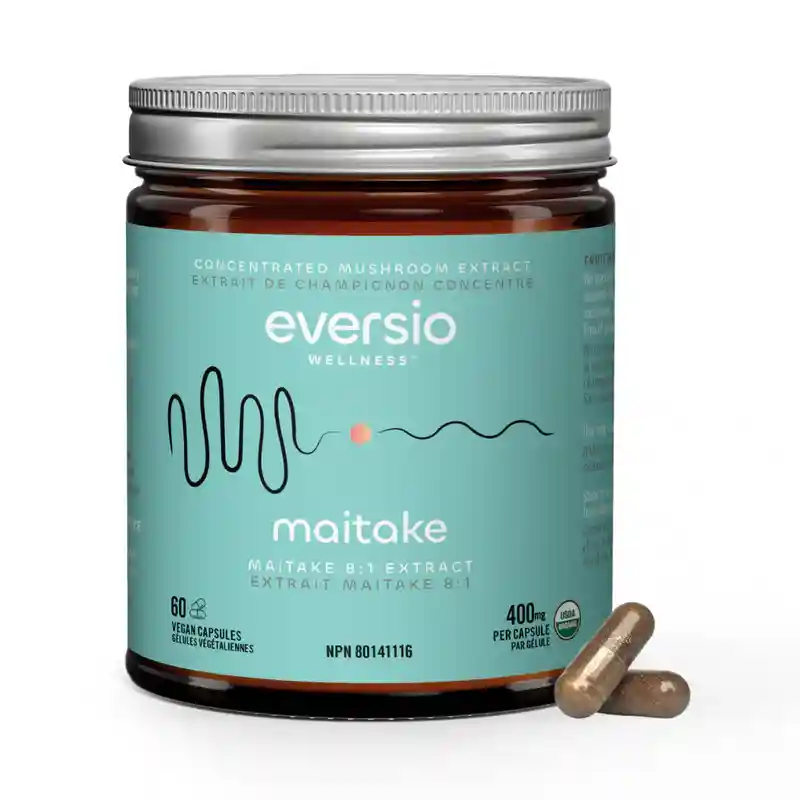
- Supplements: Check for “fruiting body” on the label; avoid products made only from mycelium, as these have less beta-glucan.
- No fillers: Pure dried maitake or extract is better than products mixed with rice or other fillers.
Combining Maitake With Lifestyle Changes
For the best results, maitake should be part of a bigger plan. Here’s how to make the most of it:
- Eat maitake before or with meals: This maximizes its effect on satiety hormones.
- Pair with protein: Combining with eggs, beans, or lean meat increases fullness even more.
- Practice mindful eating: Take time to chew and enjoy your food, which helps your brain catch up with your stomach’s signals.
- Stay hydrated: Beta-glucans work best when you drink enough water.
Credit: www.eversiowellness.com
Common Myths About Maitake And Weight Loss
Many claims about maitake are true, but some are exaggerated. Let’s clear up a few myths:
- Myth: Maitake melts fat away. Fact: It supports satiety but does not burn fat directly.
- Myth: You must eat maitake every day. Fact: Even a few servings per week can help, especially when combined with other healthy habits.
- Myth: Supplements are always better than food. Fact: Whole maitake provides more nutrients and is safer for long-term use.
- Myth: Only maitake works. Fact: Other mushrooms and fibers can also help, but maitake is especially powerful due to its unique beta-glucan structure.
Case Study: Weight Management With Maitake
Take the example of Lina, a 42-year-old woman trying to lose weight. She added maitake mushrooms to her dinner three times a week. Over two months, she reported feeling less hungry in the evenings and reduced her late-night snacking. She lost 3 kilograms, even though she did not change anything else in her routine.
Lina’s story shows that small changes, like adding maitake, can have a real impact over time.
Beta-glucan-rich Recipes For Satiety
Here are two practical ways to include maitake in your meals:
Maitake Stir-fry
- 100g fresh maitake, torn into pieces
- 1 cup broccoli florets
- 1 small carrot, sliced
- 1 tablespoon olive oil
- 1 clove garlic, minced
- 1 tablespoon low-sodium soy sauce
Heat the oil in a pan. Add garlic and maitake, sauté 3 minutes. Add broccoli and carrots, cook until tender. Splash with soy sauce and serve over brown rice.
Maitake Soup
- 80g dried maitake
- 1 liter vegetable broth
- 1 small onion, chopped
- 2 cloves garlic, minced
- 1 teaspoon ginger
- 1 cup tofu, cubed
Soak maitake in water for 20 minutes. In a pot, sauté onion, garlic, and ginger. Add maitake and broth, simmer 15 minutes. Add tofu, cook 5 more minutes. Enjoy warm.
Both recipes offer a filling, nutritious meal that can help control hunger throughout the day.
Economic And Environmental Benefits
Maitake is not only good for health, but also for the planet. Growing maitake uses less water and energy compared to animal protein. It can be cultivated on agricultural waste, making it a sustainable choice for environmentally conscious eaters.
In many places, maitake is also affordable compared to other superfoods or supplements. This makes it accessible for people on a budget who still want to manage their weight naturally.
Credit: www.eversiowellness.com
The Bottom Line: Maitake As A Satiety Superfood
Maitake mushrooms are more than just a trendy ingredient. Their high content of beta-glucans makes them a smart addition for anyone struggling with hunger and weight management. By slowing digestion, balancing blood sugar, and increasing satiety hormones, maitake can help you eat less without feeling deprived.
Remember, the benefits build up over time. Consistency is key—try to include maitake in your meals regularly, but don’t expect instant results. Combining maitake with a balanced diet, exercise, and other healthy habits gives you the best chance for long-term weight control.
For those looking for a natural, whole-food way to support satiety and manage weight, maitake mushrooms are a safe and effective choice. To learn more about the science behind beta-glucans, you can check this Wikipedia article on beta-glucans.
Frequently Asked Questions
What Are Beta-glucans And Why Are They Important For Weight Management?
Beta-glucans are soluble fibers found in maitake mushrooms and other foods. They slow digestion, help control blood sugar, and trigger hormones that make you feel full. This can reduce hunger and help with weight management over time.
How Much Maitake Should I Eat To Notice Satiety Benefits?
A typical serving is 50–100 grams of fresh maitake (or about 5–10 grams dried). Eating this amount a few times a week can support satiety, especially when combined with other high-fiber foods.
Can I Use Maitake Supplements Instead Of Whole Mushrooms?
Supplements can help if you do not like the taste of maitake or cannot find it fresh. Look for products made from the fruiting body, not just mycelium, for higher beta-glucan content. Whole mushrooms, however, offer more nutrients and are less likely to cause side effects.
Are There Any Side Effects From Eating Maitake?
Maitake is safe for most people when eaten as food. Some may experience mild digestive upset if eating large amounts. If you take medication for blood sugar or immune conditions, consult your doctor before using maitake supplements.
Is Maitake Better Than Other Mushrooms For Weight Management?
Maitake has a high level of bioactive beta-glucans, making it one of the best mushrooms for supporting satiety and weight control. Other mushrooms like shiitake and oyster also help, but maitake’s unique fiber structure gives it an edge.
Adding maitake to your regular meals is a simple, effective way to help manage your weight while enjoying delicious and healthy food.