
Lion’s Mane Mushroom And Gut Health: The Surprising Brain-gut Link
Imagine a mushroom that does more than just add flavor to your meals—it could boost your brain and heal your gut at the same time. That’s the promise of the Lion’s Mane mushroom. In recent years, this strange, shaggy fungus has become popular among health enthusiasts, herbalists, and even doctors. But what is it about Lion’s Mane that makes it so special, and how does it connect the brain and gut?
The story of Lion’s Mane is not just about nutrition. It’s about the fascinating relationship between your digestive system and your mind, called the brain-gut axis. Scientists are discovering that what happens in your gut can change how your brain works—and vice versa. And Lion’s Mane may play a key role in this link.
This article will guide you through the science, the benefits, and the practical side of using Lion’s Mane for both gut health and mental clarity. We’ll explore its effects, how to use it, what to watch out for, and what the latest research says.
If you care about your digestion, mood, or mental performance, this mushroom is worth your attention.
What Is Lion’s Mane Mushroom?
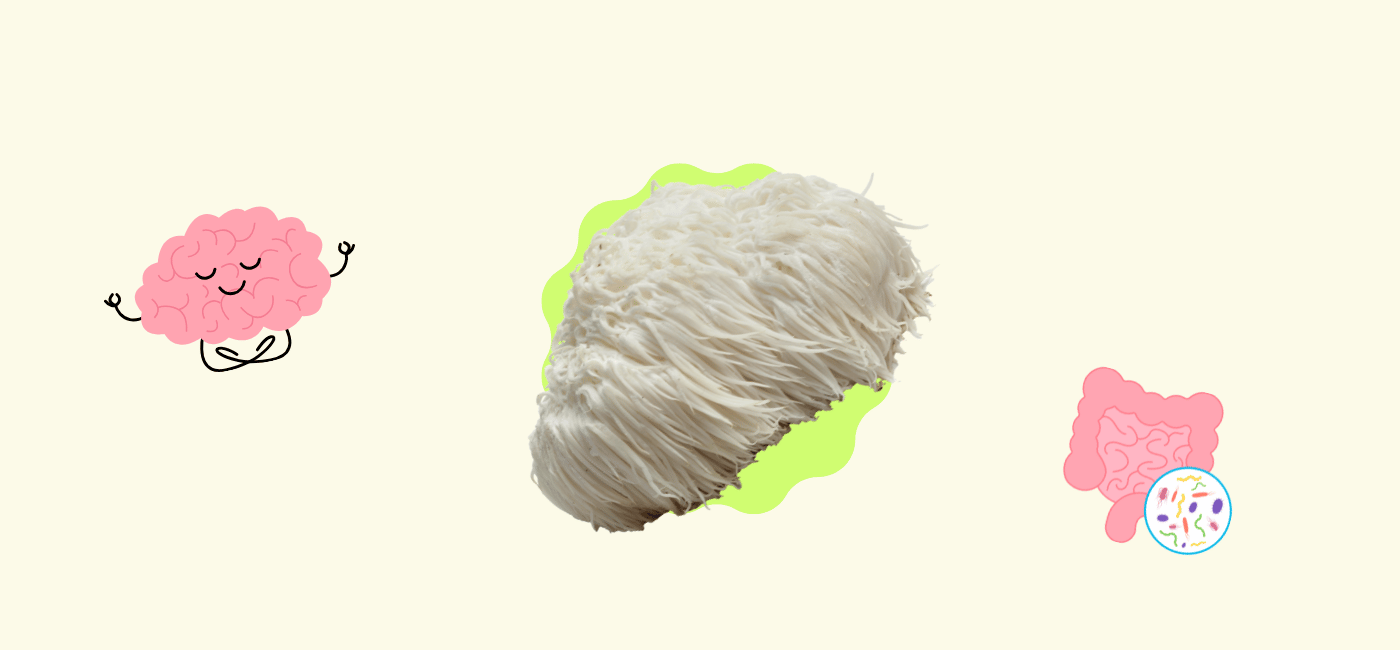
Lion’s Mane mushroom, or Hericium erinaceus, is an edible fungus that grows on hardwood trees. Its white, shaggy appearance makes it look like a lion’s mane, giving it its name. In traditional Chinese and Japanese medicine, it has been used for centuries to treat stomach problems, nerves, and even cancer.
The mushroom contains special compounds that set it apart from other fungi. These include hericenones and erinacines, which are believed to support nerve growth and brain health. Lion’s Mane can be eaten fresh, cooked, or dried, and is also available as powders, capsules, and extracts.
One unique thing about Lion’s Mane is its taste and texture. It is often compared to seafood, especially crab or lobster, making it a popular meat substitute in vegetarian dishes.
The Brain-gut Axis: A Two-way Street
Your gut and brain are in constant conversation. This complex network is called the brain-gut axis. It involves nerves, hormones, immune cells, and even the bacteria in your digestive system.
When your gut is healthy, it sends positive signals to your brain. If your gut is irritated or inflamed, it can lead to anxiety, depression, or brain fog. This is why scientists sometimes call the gut our “second brain. ”
Key parts of the brain-gut axis include:
- The vagus nerve, which connects the gut and brain directly.
- The enteric nervous system, a vast network of nerves in your digestive tract.
- Gut microbiota—the trillions of bacteria, fungi, and viruses living in your intestines.
Research shows that changes in the gut can affect mood, stress levels, memory, and even decision-making. Similarly, stress or poor mental health can trigger digestive issues like irritable bowel syndrome (IBS).

Credit: creators.spotify.com
How Lion’s Mane Supports Brain And Gut Health
Lion’s Mane is gaining attention for its unique ability to support both the gut and the brain. This mushroom doesn’t just treat symptoms—it can help address the root causes by improving communication between these two organs.
Compounds That Make A Difference
Lion’s Mane contains bioactive compounds, including:
- Hericenones (mainly in the fruiting body)
- Erinacines (mainly in the mycelium)
- Beta-glucans (powerful polysaccharides)
- Sterols
- Amyloids
These compounds have been shown in studies to reduce inflammation, encourage nerve growth, and balance the immune system.
Effects On The Gut
Lion’s Mane may help your gut in several ways:
- Supports Gut Lining: It can help repair the lining of your intestines, which is important for people with “leaky gut” or inflammatory bowel conditions.
- Reduces Inflammation: The mushroom’s anti-inflammatory properties can lower swelling and pain in the gut.
- Balances Microbiota: Lion’s Mane may encourage the growth of good bacteria, which improves digestion and immune defense.
- Relieves Digestive Issues: Some studies show improvements in symptoms like stomach ulcers, bloating, and constipation.
Effects On The Brain
For your brain, Lion’s Mane offers:
- Stimulates Nerve Growth Factor (NGF): NGF is a protein vital for the growth and survival of neurons. Lion’s Mane boosts NGF, supporting brain repair.
- Improves Mood and Memory: Users often report better focus, less anxiety, and improved recall.
- Protects Against Degeneration: Studies suggest it may help prevent or slow diseases like Alzheimer’s and Parkinson’s.
- Reduces Brain Inflammation: Chronic inflammation in the brain can lead to depression and cognitive decline. Lion’s Mane fights this inflammation.
The Brain-gut Link In Action
The real magic happens in how Lion’s Mane supports both sides of the brain-gut axis. By improving gut health, it reduces signals of stress to the brain. By strengthening brain function, it lowers the chance of stress-related gut problems. This creates a positive cycle of health.
Scientific Studies: What Does The Research Say?
There’s growing evidence that Lion’s Mane can be a powerful tool for both gut and brain health. Let’s look at some of the most important studies.
Animal Studies
Much of the research begins with animals, where scientists can carefully control conditions.
- A study in mice showed that Lion’s Mane extract helped heal stomach ulcers by protecting the gut lining and lowering inflammation.
- Another study found that rats given Lion’s Mane had better memory and less anxiety, linked to changes in their gut bacteria.
Human Research
Human trials are more limited but promising.
- In a Japanese study, older adults with mild cognitive impairment took Lion’s Mane extract for 16 weeks. Their scores on cognitive tests improved, but dropped back after stopping the supplement.
- In patients with chronic gastritis (long-term stomach inflammation), Lion’s Mane helped reduce symptoms and improved healing.
- Some small studies suggest benefits for mood, such as lower depression and anxiety, possibly due to reduced inflammation in both the brain and gut.
Microbiome Research
Recent studies focus on how Lion’s Mane affects the gut microbiome—the community of bacteria and other microbes in your intestines.
- Research in mice found that Lion’s Mane increased the number of beneficial bacteria like Lactobacillus and Bifidobacterium, which are linked to better digestion and mood.
- These changes in gut bacteria may explain some of the mushroom’s effects on both mental and digestive health.
Comparing Lion’s Mane With Other Functional Mushrooms
How does Lion’s Mane stack up against other popular mushrooms like Reishi, Cordyceps, and Turkey Tail? Here’s a quick comparison:
| Mushroom | Main Benefit | Brain Health | Gut Health |
|---|---|---|---|
| Lion’s Mane | Nerve growth, memory | Strong | Strong |
| Reishi | Immune support | Mild | Moderate |
| Cordyceps | Energy, stamina | Mild | Low |
| Turkey Tail | Gut flora, immunity | Low | Strong |
Lion’s Mane is unique for its strong effects on both brain and gut, while most other mushrooms focus on just one area.
Credit: getpow.co
How Lion’s Mane Affects The Gut Microbiome
The gut microbiome is like a garden of bacteria, fungi, and viruses that help you digest food, fight germs, and even influence your mood. A healthy, balanced microbiome is key for both digestion and mental health.
Lion’s Mane works in several ways:
- Feeds Good Bacteria: The mushroom’s polysaccharides act as prebiotics, feeding friendly bacteria.
- Reduces Harmful Microbes: Compounds in Lion’s Mane can suppress bad bacteria that cause inflammation.
- Improves Barrier Function: A healthy microbiome strengthens the intestinal wall, reducing “leaky gut” problems.
- Modifies Brain Signals: Bacteria in your gut produce neurotransmitters like serotonin and dopamine. Lion’s Mane supports bacteria that help make these chemicals, improving mood and stress tolerance.
Real-world Example
One study found that after just three weeks of Lion’s Mane supplementation, mice had increased populations of Lactobacillus and less inflammation in the gut. This led to better behavior scores in anxiety and memory tests.
These effects may also happen in humans, especially people with digestive issues, stress, or mood disorders.
Lion’s Mane For Digestive Disorders
People with digestive problems are often the first to notice the benefits of Lion’s Mane. Here are some of the most common conditions it may help:
1. Gastritis And Stomach Ulcers
Chronic gastritis involves long-term irritation of the stomach lining. Studies show that Lion’s Mane can reduce inflammation and help the stomach heal.
2. Inflammatory Bowel Disease (ibd)
IBD includes Crohn’s disease and ulcerative colitis. While more research is needed, Lion’s Mane’s anti-inflammatory and gut-healing actions suggest it may offer relief.
3. Irritable Bowel Syndrome (ibs)
IBS is a common problem with symptoms like pain, bloating, and diarrhea. Lion’s Mane may help by calming inflammation and balancing gut bacteria.
4. Leaky Gut Syndrome
When the gut lining becomes too “leaky,” toxins and germs can get into the bloodstream. Lion’s Mane supports the repair of this lining, reducing symptoms like fatigue, food sensitivities, and brain fog.
5. General Digestive Health
Even if you don’t have a diagnosed disease, Lion’s Mane can support regularity, reduce bloating, and improve nutrient absorption.
Credit: seaweedfordogs.com
Lion’s Mane For Mental Performance And Mood
The brain benefits of Lion’s Mane are just as exciting as the gut effects.
Boosting Memory And Focus
Lion’s Mane is famous for stimulating nerve growth factor (NGF), which supports learning and memory. Users often report sharper focus, better recall, and more mental energy after a few weeks of use.
Fighting Anxiety And Depression
Many people with anxiety or depression also have gut issues. Lion’s Mane tackles both, reducing inflammation and balancing brain chemicals like serotonin. In studies, people taking Lion’s Mane showed lower scores for depression and anxiety.
Protecting Against Brain Diseases
Early research suggests Lion’s Mane could help prevent or slow diseases like Alzheimer’s and Parkinson’s. It does this by protecting neurons from damage and supporting the brain’s natural repair processes.
Supporting Recovery After Injury
There are also reports of Lion’s Mane helping people recover from brain injuries, concussions, or nerve damage. While more studies are needed, this makes it a promising tool for overall brain health.
How To Use Lion’s Mane For Gut And Brain Health
If you want to try Lion’s Mane, it’s important to choose the right form, dose, and timing. Here’s what you need to know.
Forms Of Lion’s Mane
Lion’s Mane is available in several forms:
- Fresh mushrooms (for cooking)
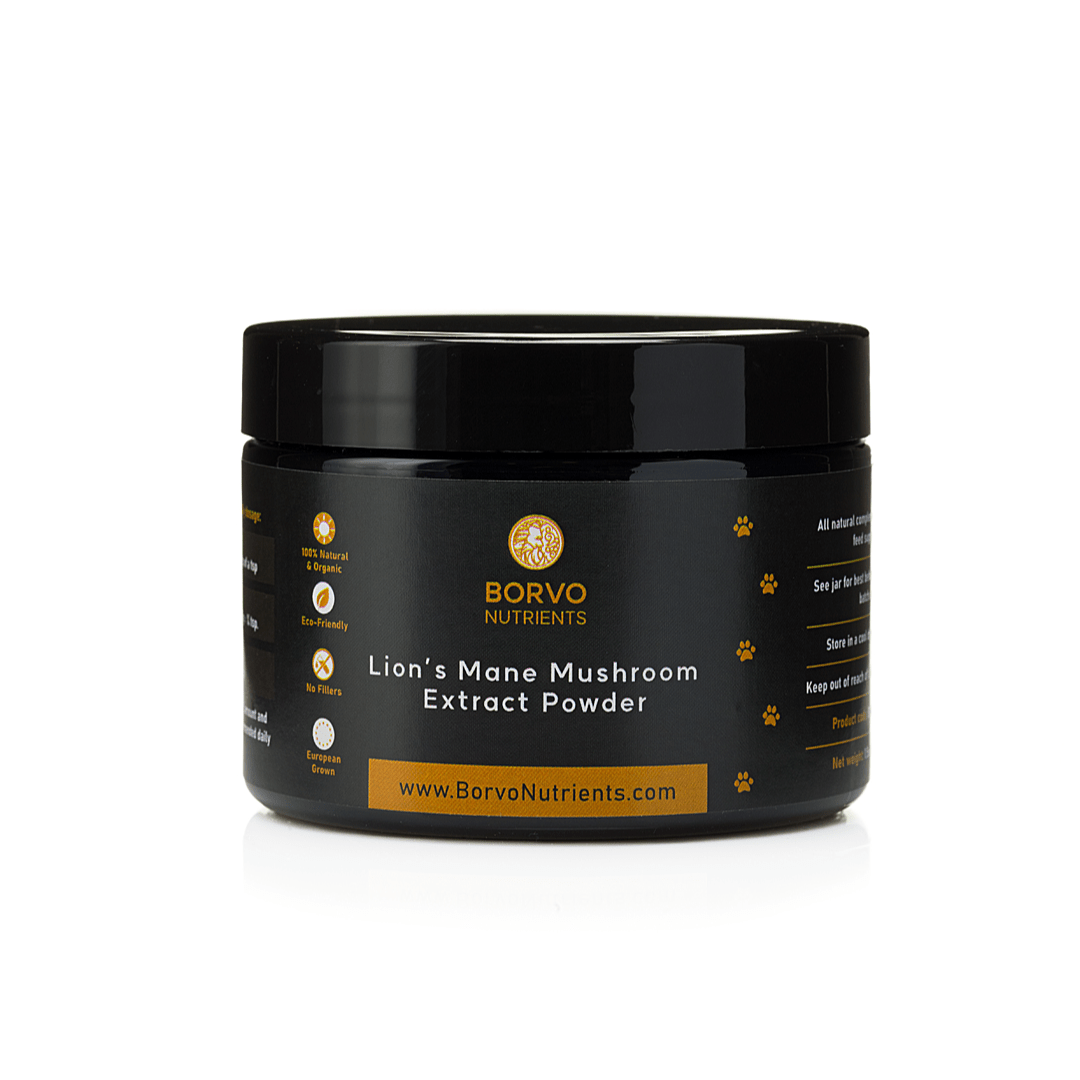
- Dried powder (can be added to smoothies, coffee, or tea)
- Capsules and tablets (easy for daily use)
- Tinctures and extracts (liquid, often more concentrated)
Each form has pros and cons. Fresh mushrooms offer the full spectrum of nutrients but are harder to find. Extracts and powders are convenient and often more potent.
Dosage Guidelines
There is no official “best” dose, but most research uses these ranges:
- Powdered extract: 500–3,000 mg per day
- Capsules: Follow manufacturer’s instructions, usually 1–3 per day
- Tinctures: 1–2 dropperfuls per day
Start with a low dose and increase slowly to see how your body reacts.
How To Take It
You can add Lion’s Mane powder to coffee, tea, smoothies, or even oatmeal. Capsules are best with food to help absorption. For gut health, some people take it before meals; for brain health, morning or midday is ideal.
Cooking With Lion’s Mane
If you find fresh Lion’s Mane at a market, try sautéing it with olive oil and garlic. The texture is similar to crab meat and works well in stir-fries, soups, or as a meat substitute.
Combining With Other Supplements
Some people combine Lion’s Mane with:
- Probiotics: For extra gut support
- Omega-3s: To further boost brain health
- Adaptogens: Like ashwagandha for stress management
However, always talk to your doctor before combining supplements, especially if you have health conditions or take medication.
Safety, Side Effects, And Who Should Avoid Lion’s Mane
Lion’s Mane is generally safe, but it’s important to know the possible risks.
Side Effects
Most people have no problems with Lion’s Mane. Mild side effects may include:
- Stomach discomfort
- Nausea
- Skin rash (rare)
If you notice any allergic reaction, stop using it and seek medical help.
Who Should Avoid It
Certain groups should be careful:
- People with mushroom allergies: Avoid Lion’s Mane.
- Pregnant or breastfeeding women: Safety is not well studied.
- People taking blood thinners: Lion’s Mane may increase bleeding risk.
Always consult your healthcare provider before starting any new supplement.
Quality Matters
Not all Lion’s Mane products are equal. Look for:
- Certified organic products
- Clear labeling of hericenone/erinacine content
- Third-party testing for purity
Cheap or low-quality products may contain fillers or contaminants.
Comparing Popular Lion’s Mane Products
For shoppers, here’s a comparison of three common product types:
| Form | Strength | Ease of Use | Best For |
|---|---|---|---|
| Powder | Medium-High | Mixes with food/drink | Daily support |
| Capsule | Medium | Very easy | Busy lifestyle |
| Extract/Tincture | High | Dropper, fast | Quick effects |
Choose the form that fits your routine and health goals.
Practical Tips For Getting The Most From Lion’s Mane
Making Lion’s Mane a part of your daily routine is easy, but a few tips can help you get the best results.
1. Consistency Is Key
Lion’s Mane’s effects build over time. Take it daily for at least 2–3 weeks to notice benefits.
2. Pair With A Healthy Diet
A mushroom supplement works best with a balanced diet rich in fiber, vegetables, and fermented foods. This gives your gut bacteria everything they need.
3. Stay Hydrated
Good hydration helps your gut absorb nutrients and your brain function at its best.
4. Track Your Symptoms
Keep a journal of your mood, focus, and digestive health. This helps you see changes and adjust your dose if needed.
5. Beware Of Overhyped Claims
Lion’s Mane is powerful, but it’s not a miracle cure. Use it as part of a healthy lifestyle, not as a replacement for medical advice.
Non-obvious Insights For Beginners
Many people new to Lion’s Mane overlook these facts:
- Gut Healing Takes Time: Improvements in gut health may take longer to notice than changes in mood or focus. Give it at least a month before judging results.
- Not All Forms Are Equal: Some products use only the mycelium (root-like part), while others use the fruiting body. Fruiting bodies usually have more active compounds for brain-gut benefits.
- Synergy With Other Mushrooms: Combining Lion’s Mane with other medicinal mushrooms can offer broader immune and digestive support, but effects may vary by person.
How The Brain-gut Link Changes Your Health
Understanding and supporting the brain-gut axis can transform your well-being.
Improved Mood And Stress Resistance
A healthy gut helps regulate stress hormones and produces calming neurotransmitters. With Lion’s Mane, many people feel less anxious and more resilient to daily challenges.
Better Digestion And Immunity
A balanced brain-gut axis means fewer digestive problems and a stronger immune system. Lion’s Mane supports this by reducing inflammation and feeding good bacteria.
Sharper Thinking And Memory
By boosting nerve growth and lowering inflammation, Lion’s Mane helps your brain stay clear and focused. This is especially valuable for students, busy professionals, and older adults.
A New Approach To Whole-body Health
Instead of treating the brain and gut as separate, Lion’s Mane invites you to care for both. This holistic approach often produces better results than focusing on just one system.
Real-life Stories: Experiences With Lion’s Mane
Many people have shared their results with Lion’s Mane for gut and brain health.
- Sarah, a teacher, used to struggle with bloating and brain fog. After adding Lion’s Mane capsules to her morning routine, she noticed fewer digestive issues and better focus within a month.
- David, recovering from a mild concussion, found that Lion’s Mane powder in his smoothie helped speed up his thinking and reduced his anxiety.
- Maria, who has mild IBS, tried Lion’s Mane tea for three months. Her gut symptoms improved, and she felt less stressed at work.
These are personal stories, not medical advice, but they show the potential of this unique mushroom.
Where To Learn More
If you want to dive deeper into the science of the brain-gut axis or functional mushrooms, you can read research summaries at the National Institutes of Health.
Frequently Asked Questions
What Is The Best Way To Take Lion’s Mane For Gut Health?
The best way is usually a powdered extract or capsule taken daily with food. This helps the active compounds absorb better and reach your gut. You can also add the powder to smoothies or tea. Fresh Lion’s Mane can be cooked and eaten, but it’s harder to find.
How Long Does It Take To Notice Benefits From Lion’s Mane?
Most people notice changes in mental clarity or mood within 2–3 weeks. Gut health improvements, like better digestion or less bloating, may take 4–6 weeks of daily use. Consistency is important for best results.
Can Lion’s Mane Help With Anxiety And Depression?
Yes, studies suggest that Lion’s Mane can help lower anxiety and depression. It does this by reducing inflammation and supporting the gut-brain axis, which helps balance brain chemicals like serotonin.
Is Lion’s Mane Safe For Everyone?
Lion’s Mane is generally safe, but people with mushroom allergies, pregnant or breastfeeding women, and those on blood thinners should avoid it or consult a doctor first. Mild side effects like stomach upset or a rash are rare but possible.
How Does Lion’s Mane Compare To Probiotics For Gut Health?
Both Lion’s Mane and probiotics support a healthy gut but in different ways. Probiotics add good bacteria directly, while Lion’s Mane feeds your own good bacteria and repairs the gut lining. Using both together can offer extra benefits.
Lion’s Mane mushroom is more than a trend—it’s a powerful tool for those who want to support both their brain and gut naturally. By understanding the brain-gut link and using Lion’s Mane wisely, you can take a big step toward better health, inside and out.