
For many families and individuals affected by autism spectrum disorder (ASD), the search for effective support never stops. Mainstream treatments often help, but many people keep looking for natural ways to improve cognitive function, communication, and social skills. One interesting possibility is the use of Lion’s Mane mushroom (Hericium erinaceus)—a unique medicinal fungus long valued in Asian traditional medicine. In recent years, scientific research has begun to explore Lion’s Mane’s effects on the brain, especially its potential for supporting neural health. But can it really make a difference for people on the autism spectrum? This article takes a deep dive into what we know, what is still being studied, and what families should consider before trying Lion’s Mane as a supplement.
Understanding Autism Spectrum Disorder
Autism spectrum disorder is a complex neurodevelopmental condition. It affects how a person communicates, interacts, and processes information. Symptoms often appear in early childhood, but they can look very different from one person to another.
Most people with ASD have challenges in:
- Social communication (understanding tone, gestures, or emotions)
- Repetitive behaviors or routines
- Sensory sensitivities
The Centers for Disease Control and Prevention (CDC) estimates that about 1 in 36 children in the U.S. have been identified with ASD. Boys are about 4 times more likely than girls to be diagnosed. The causes of autism are not fully understood, but research suggests a mix of genetic and environmental factors.
Brain Changes In Autism
Many studies have shown that brains of people with ASD may develop differently. Common findings include:
- Unusual connections between brain regions
- Changes in how neurons (brain cells) grow and communicate
- Differences in brain chemicals like serotonin and GABA
Because of these changes, scientists are very interested in ways to support neural growth and improve communication between brain cells.
What Is Lion’s Mane Mushroom?
Lion’s Mane is a large, white, shaggy mushroom that grows on hardwood trees in North America, Europe, and Asia. Its scientific name is Hericium erinaceus. In traditional Chinese and Japanese medicine, it has been used for centuries to support digestive health and brain function.
What makes Lion’s Mane special is its content of two unique types of compounds:
- Hericenones (mostly found in the fruiting body)
- Erinacines (mainly in the mushroom’s mycelium)
These molecules can cross the blood-brain barrier—a protective filter that keeps many substances out of the brain—and may encourage the growth and repair of nerve cells.
Traditional Uses And Modern Interest
People have used Lion’s Mane for digestive problems, ulcers, and to boost memory. Modern research is now looking at its potential for:
- Improving memory and focus
- Reducing anxiety and depression
- Supporting nerve repair in injuries and diseases
- Possibly slowing some neurodegenerative conditions
How Lion’s Mane Works: The Science Of Neural Support
The most exciting thing about Lion’s Mane is its ability to boost nerve growth factor (NGF) and brain-derived neurotrophic factor (BDNF). These are proteins that help create new neurons, repair damaged nerves, and keep the brain healthy.
Here’s how Lion’s Mane may work:
1. Stimulating Ngf Production
NGF is like a “fertilizer” for brain cells. Lion’s Mane seems to increase NGF in the brain and spinal cord, which can help grow new neurons and repair damaged ones.
2. Reducing Inflammation
Chronic inflammation in the brain is linked to many problems, including autism. Lion’s Mane contains antioxidants and anti-inflammatory compounds that may help calm this inflammation.
3. Protecting Against Oxidative Stress
The brain uses a lot of energy and produces free radicals. Lion’s Mane may help protect brain cells from this damage.
4. Balancing Neurotransmitters
Some early research suggests Lion’s Mane can help balance chemicals like serotonin and dopamine, which are often different in people with ASD.
Key Scientific Findings
Most Lion’s Mane studies have been done in animals or in test tubes. But some small human studies and case reports are also emerging.
- In one mouse study, Lion’s Mane improved learning and memory after brain injury.
- Another study found that aged rats given Lion’s Mane had better nerve growth and less memory loss.
- In a small Japanese trial, older adults with mild cognitive impairment improved in memory tests after taking Lion’s Mane for 16 weeks.
These results are promising, but more research in humans—especially children and adults with autism—is needed.
The Link Between Lion’s Mane And Autism: Emerging Evidence
Interest in Lion’s Mane for autism comes from its effects on neuroplasticity (the brain’s ability to change) and inflammation. Autism is often connected to lower neuroplasticity and higher inflammation in the brain.
Animal Studies And Early Results
Some recent animal studies have looked at how Lion’s Mane might help with autism-like symptoms. For example:
- A 2021 study gave Lion’s Mane extract to rats exposed to chemicals that cause autism-like behaviors. The rats showed better social behavior and less anxiety.
- The mushroom also seemed to lower inflammatory markers and increase NGF in their brains.
Human Studies: What Do We Know?
Right now, there are very few clinical trials on Lion’s Mane and autism in people. However, some small studies and reports have started to appear:
- In 2020, a study in children with autism used a combination of Lion’s Mane and other herbal extracts. Parents reported improved speech and social interaction in some children. However, it’s hard to know if Lion’s Mane or another ingredient was responsible.
- Case reports from parents and therapists sometimes mention better focus, calmer moods, or more speech when children with ASD take Lion’s Mane supplements.
These early signs are encouraging, but they are not strong proof. Much larger, longer studies are still needed.
Comparing Lion’s Mane With Other Brain-supporting Supplements
Many families consider different supplements for supporting brain health in autism. Here’s a look at how Lion’s Mane compares to other common options:
| Supplement | Main Benefit | Evidence for Autism | Safety |
|---|---|---|---|
| Lion’s Mane | Boosts NGF, reduces inflammation | Early promising signs, but limited human studies | Generally safe, mild side effects |
| Omega-3 Fish Oil | Supports brain cell membranes, reduces inflammation | Some studies show better social skills and reduced hyperactivity | Well tolerated, may cause mild stomach upset |
| Probiotics | Improves gut health, may affect brain via gut-brain axis | Some positive results, but not all children respond | Generally safe, rare digestive upset |
| Vitamin B6 & Magnesium | Supports neurotransmitter function | Mixed evidence; some small improvements reported | Safe at correct doses, risk of overdose if misused |
Lion’s Mane stands out for its nerve growth effects, which are not seen with most other supplements.
What Does The Research Say? Key Studies And Findings
When looking at Lion’s Mane and autism, it helps to review the most important studies to date. Here are a few highlights:
Animal Research
- 2014, Japan: Mice given Lion’s Mane extract showed faster nerve regeneration after injury. This was linked to increased NGF.
- 2017, China: Rats exposed to chemicals causing autism-like traits showed improved social behaviors and less anxiety after Lion’s Mane supplementation. Brain inflammation was also lower.
- 2021, Egypt: Rats with autism-like symptoms (induced by valproic acid) were given Lion’s Mane for 28 days. They had better social interaction and learning.
Human Studies
- 2009, Japan: Older adults with mild cognitive impairment took 3 grams of Lion’s Mane daily. They scored higher on memory tests after 16 weeks.
- 2020, Italy: Children with ASD took a combination of Lion’s Mane and other herbs for 6 months. Some improved in language and social skills.
While these studies are exciting, they also have limits. Many were small, short, or used animals instead of people. The real effects in children and adults with autism need more research.
Possible Benefits For People On The Autism Spectrum
Based on current research and reports, Lion’s Mane may offer several possible benefits for individuals with ASD:
1. Improved Cognitive Function
Some parents and therapists notice better focus, memory, and problem-solving after using Lion’s Mane.
2. Better Social Skills
Animal studies and some human reports mention more eye contact, improved speech, and greater social interest.
3. Calmer Mood And Less Anxiety
Lion’s Mane’s ability to balance brain chemicals and reduce inflammation may help calm anxiety or irritability in some individuals.
4. Support For Brain Development
The mushroom’s NGF-boosting effect may support healthy brain development, especially in children.
It is important to remember that results vary. Not every person with ASD will respond to Lion’s Mane, and more research is needed to confirm these effects.
Risks, Safety, And Side Effects
Lion’s Mane is generally considered safe, but like any supplement, it can cause side effects in some people. Here are the main things to know:
- Mild digestive upset (nausea, diarrhea) is the most common side effect.
- Rarely, some people experience skin rashes or allergies.
- People with mushroom allergies should avoid Lion’s Mane.
- There is very little research on long-term safety in children.
Dosage And Forms
Lion’s Mane is available as:
- Capsules or tablets
- Powder (for drinks or smoothies)
- Liquid extracts
Typical doses in studies range from 500 mg to 3,000 mg per day, divided into 2-3 doses. It’s best to start with a low dose and watch for reactions, especially in children.
| Form | Typical Dosage | Notes |
|---|---|---|
| Capsules | 500–1,000 mg, 1–3x daily | Easy to measure, consistent |
| Powder | 1–2 grams, 1–2x daily | Can mix with food or drink |
| Extract | As directed (varies by brand) | Check strength, purity |
Always choose products from reputable suppliers and check for third-party testing.
What To Consider Before Trying Lion’s Mane
If you are thinking about trying Lion’s Mane for yourself or your child with ASD, consider these important points:
1. Talk To A Doctor First
Always discuss new supplements with your healthcare provider, especially if you are already taking other medications or treatments.
2. Watch For Side Effects
Start with a low dose and monitor for changes in behavior, mood, or digestion.
3. Track Progress
Keep a journal of any changes—positive or negative—after starting Lion’s Mane.
4. Set Realistic Expectations
While some people see benefits, others may not. Supplements work best as part of a larger support plan (therapy, nutrition, medical care).
5. Buy Quality Products
Look for Lion’s Mane that is organic, non-GMO, and tested for contaminants.
The Gut-brain Connection: Lion’s Mane And Digestion
Research shows a strong link between gut health and the brain, often called the gut-brain axis. Many people with autism have digestive issues, including food sensitivities or irritable bowel symptoms.
Lion’s Mane may help in several ways:
- It supports the growth of healthy gut bacteria.
- It may reduce inflammation in the digestive tract.
- Some studies suggest it can help heal the stomach lining.
This could be another way Lion’s Mane supports people with ASD—by improving digestion, which in turn may help brain function.
Real-world Experiences: What Do Parents And Therapists Say?
A growing number of parents and therapists are experimenting with Lion’s Mane for children with autism. While scientific proof is limited, these firsthand reports offer interesting insights.
Positive Reports
- Some parents report better speech, improved focus, or less “stimming” (repetitive behaviors).
- Therapists sometimes notice children are calmer and more engaged during therapy sessions.
- A few families see improved sleep or less anxiety.
Neutral Or Negative Reports
- Many do not notice any change, especially after a few weeks.
- Rarely, children become more hyperactive or have digestive upset.
It is important to remember that these are personal experiences, not scientific studies. What works for one child may not work for another.
Common Mistakes When Trying Lion’s Mane
Many families are eager to try new supplements, but there are some common pitfalls to avoid:
1. Using The Wrong Form
Not all Lion’s Mane products are equal. Some use only mycelium (the root), while others use the whole fruiting body. Research suggests the fruiting body has more active compounds.
2. Taking Too High A Dose
More is not always better. Start low and increase slowly.
3. Expecting Immediate Results
Most benefits, if they happen, take weeks or months—not days.
4. Ignoring Other Therapies
Lion’s Mane is not a substitute for therapy, a healthy diet, or medical care.
5. Not Checking For Allergies
Always check for mushroom allergies before starting.

Credit: neurologytoday.aan.com
Practical Tips For Adding Lion’s Mane To An Autism Support Plan
If you decide to try Lion’s Mane, here are some practical ways to add it safely:
- Start with a small dose, such as 250–500 mg per day.
- Choose high-quality capsules or powders from trusted brands.
- Mix powder into smoothies or yogurt if your child dislikes pills.
- Watch for digestive changes—reduce the dose if needed.
- Give it at the same time each day to make tracking effects easier.
- Combine with other supports like therapy, healthy meals, and enough sleep.
It’s wise to keep your doctor or therapist informed about all supplements your child is taking.
What Still Needs To Be Studied?
Lion’s Mane is promising, but many questions remain. Researchers are still working to answer:
- What is the best dose for children or adults with autism?
- How long does it take to see benefits, and are they lasting?
- Are there any long-term risks, especially in children?
- Can Lion’s Mane help everyone with autism, or only some people?
- How does it work together with other therapies or medications?
More large, controlled studies in humans are needed to answer these questions.

Credit: www.amazon.com
How To Read Supplement Labels And Avoid Scams
The supplement market is not well regulated in many countries. To make a smart choice, look for these features:
- Certified Organic: Avoids pesticides and contaminants.
- Fruiting Body Extract: Contains more active hericenones.
- Third-Party Tested: Independent labs check for purity and potency.
- No Fillers or Additives: Choose pure Lion’s Mane without extra ingredients.
Be wary of products with unclear labeling or very low prices—they may not contain what they claim.
Lion’s Mane And Other Conditions: What Else Does It Help?
While this article focuses on autism, Lion’s Mane is also being studied for other brain-related conditions:
- Mild Cognitive Impairment and Alzheimer’s
Some studies show improved memory and daily functioning.
- Depression and Anxiety
Early research suggests Lion’s Mane can help reduce symptoms of anxiety and depression, possibly by lowering inflammation and balancing brain chemicals.
- Nerve Injuries
Animal studies show faster healing after nerve damage.
This broad range of effects is one reason why many researchers are excited about Lion’s Mane as a brain-supporting supplement. For more on these studies, see Wikipedia’s article on Hericium erinaceus.
The Role Of Diet And Lifestyle In Neural Support
Supplements like Lion’s Mane can be helpful, but they work best as part of a healthy lifestyle. Here are some other ways to support the brain in autism:
- Balanced Diet: Rich in fruits, vegetables, healthy fats, and protein
- Regular Exercise: Physical activity helps the brain grow new connections
- Good Sleep: Sleep is critical for learning and behavior
- Therapy and Education: Speech, occupational, and behavioral therapies are proven tools for improving skills
Lion’s Mane should not replace these important supports.
Current Guidelines From Experts
So far, no major medical organization officially recommends Lion’s Mane for autism. Most experts say that while it is probably safe for many people, more research is needed before making strong recommendations.
Doctors, therapists, and nutritionists often suggest a “trial and observe” approach—try Lion’s Mane for a few months, track changes, and stop if there are side effects or no improvement.
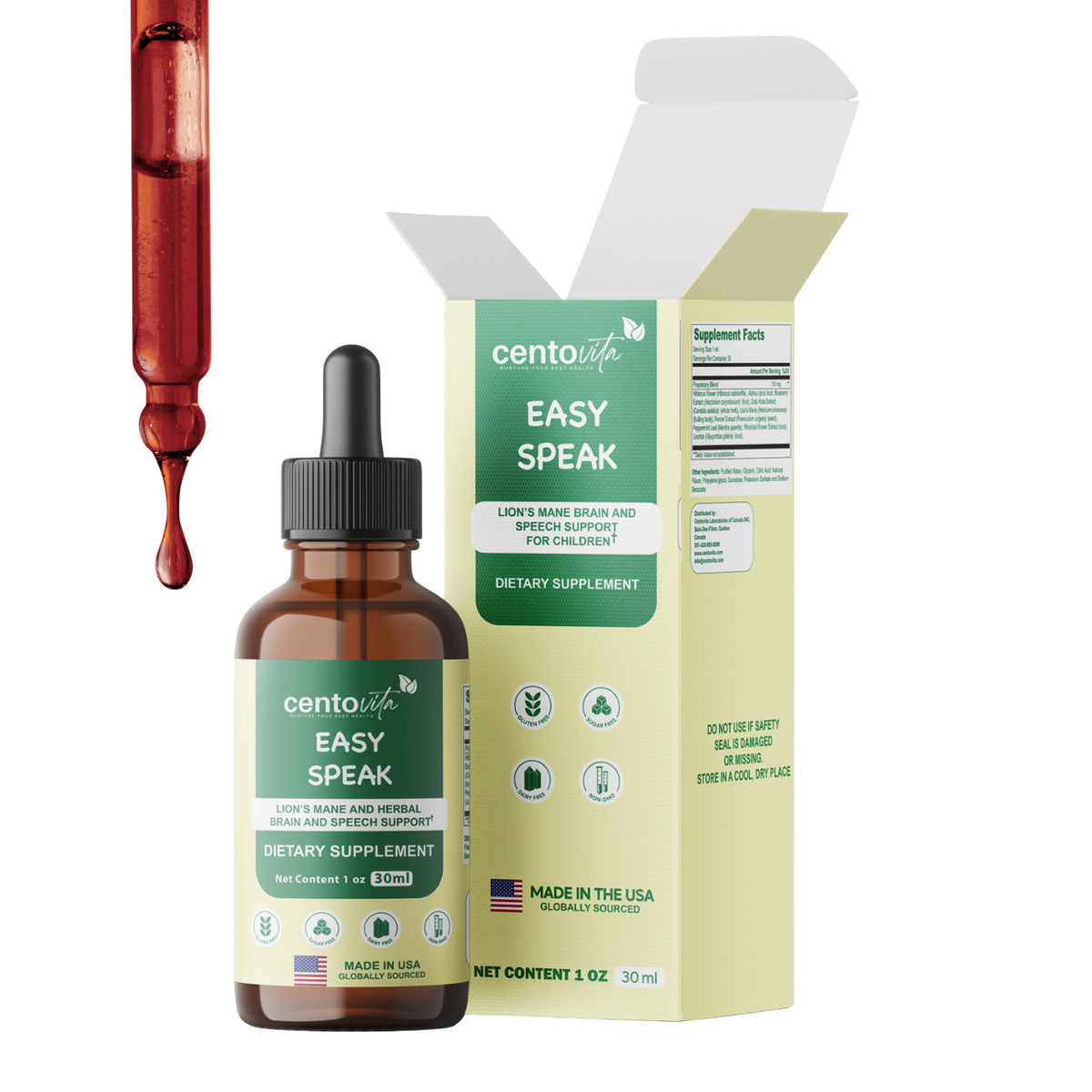
Credit: centovita.com
Summary: Is Lion’s Mane Worth Trying For Autism?
Lion’s Mane offers a unique and promising way to support neural health. It may help grow new brain cells, reduce inflammation, and support healthy brain development. Animal studies and early human reports suggest benefits for focus, social skills, and mood in some people with autism.
However, the research is still new. Lion’s Mane is not a cure, and it should be one part of a larger support plan. Talk to your doctor, start with a low dose, and watch for changes. With careful use, Lion’s Mane could be a helpful tool for some individuals on the autism spectrum.
Frequently Asked Questions
What Is The Best Dose Of Lion’s Mane For People With Autism?
There is no official dose for autism. Most studies use 500–3,000 mg per day, divided into 2–3 doses. It’s safest to start low (250–500 mg) and increase slowly under medical supervision.
Can Lion’s Mane Cure Autism?
No, Lion’s Mane cannot cure autism. It may help with symptoms like focus, mood, or social skills in some people, but it is not a replacement for therapy or medical care.
Are There Any Serious Side Effects?
Most people tolerate Lion’s Mane well. The most common side effects are mild digestive upset or, rarely, skin rashes. Stop use and see a doctor if you notice any strong reaction.
How Long Does It Take To See Results?
Some people notice changes in a few weeks, but most need 1–3 months to see possible benefits. Keep a journal to track any changes.
Can Lion’s Mane Be Used With Other Autism Therapies?
Yes, Lion’s Mane can be used with other therapies, such as speech or behavioral therapy. Always talk to your doctor before adding new supplements, especially if you are taking other medications.
People with autism deserve the best support science can offer. Lion’s Mane is an exciting area of research, and with careful use and more studies, it may become a valuable tool in the future.