Chemotherapy can save lives, but it often leaves a hidden mark—chemotherapy-related brain fog. Many cancer survivors talk about feeling forgetful, unfocused, or slow in thinking even months after their last treatment. This condition, sometimes called “chemo brain,” can make simple tasks hard and affect confidence. But nature may offer some help. Recent research points to Lion’s Mane mushroom as a possible ally in healing the mind after chemotherapy.
What is Lion’s Mane? It’s a white, shaggy mushroom, known in science as Hericium erinaceus. Used for centuries in traditional Asian medicine, it’s now gaining attention worldwide for its effects on brain health. Could this mushroom really help the brain recover from chemo fog? Let’s explore the science, real-world experiences, and practical tips for using Lion’s Mane as part of a recovery plan.
Understanding Chemotherapy-related Brain Fog
Chemotherapy-related brain fog is more than feeling tired or distracted. It’s a collection of mental problems that often appear during or after cancer treatment. People describe:
- Trouble remembering words or names
- Difficulty concentrating on tasks
- Feeling slower in thinking or understanding
- Problems with planning or multitasking
But the impact goes even deeper. Some survivors say they lose their “sense of self” or struggle to keep up with conversations. Brain fog doesn’t always appear right away—sometimes it starts weeks or months after the last treatment, catching people by surprise.
Even daily life, like paying bills or remembering a friend’s birthday, can become challenging.
These symptoms can last for months or even years. According to the American Cancer Society, up to 75% of cancer patients experience brain fog during treatment, and about 35% still feel it long after treatment ends.
Many survivors also notice that stress, lack of sleep, or busy environments make their brain fog worse. This makes it hard to predict or control. For some, it leads to frustration, sadness, or even anxiety.
What Causes Chemo Brain?
Scientists are still studying this, but possible causes include:
- Damage to brain cells from chemotherapy chemicals
- Inflammation in the brain and body
- Changes in neurotransmitters (brain chemicals that send signals)
- Low energy from anemia or other side effects
- Hormone changes triggered by treatment
Let’s look at each cause more closely:
- Damage to brain cells: Chemotherapy drugs are designed to kill fast-growing cancer cells, but they can also harm healthy cells, including those in the brain. This can disrupt how the brain processes information or stores memories.
- Inflammation: Chemo can trigger the immune system, causing swelling and irritation in brain tissues. This makes it harder for brain cells to communicate.
- Changes in neurotransmitters: These are chemicals like dopamine and serotonin. Chemotherapy can lower or change their levels, leading to slow thinking or low mood.
- Low energy: Many cancer patients struggle with anemia (low red blood cells) or fatigue, which can reduce the brain’s energy supply.
- Hormone changes: Some treatments affect hormones like estrogen or testosterone, which are important for memory and focus.
Many people don’t realize that brain fog is not only about memory. It can touch every part of daily life—work, relationships, even simple routines. For instance, someone might forget why they walked into a room or feel overwhelmed by a grocery list.
Common Myths
Some believe chemo brain is “just in your head.” But studies show real physical changes in the brain after chemotherapy. MRI scans sometimes show shrinking of brain tissue or lower activity in certain brain areas.
Another myth is that only older adults get brain fog. In reality, people of all ages—including children—can experience it.
Also, brain fog is not always caused by stress or depression, though these can make it worse. It’s a real medical issue, not a sign of weakness or lack of effort.
What Is Lion’s Mane Mushroom?
Lion’s Mane is a unique mushroom with long, shaggy spines that look like a lion’s mane. It grows naturally on hardwood trees in North America, Europe, and Asia.
People sometimes call it “the smart mushroom” because of its reputation for supporting mental clarity. Unlike button or portobello mushrooms, Lion’s Mane is not common in supermarkets, but it is widely used in supplements.
Key Nutrients And Compounds
Lion’s Mane contains several active ingredients that may help the brain:
- Hericenones: Found in the fruiting body (the part you see), these compounds may boost nerve growth.
- Erinacines: Found in the mushroom’s root-like “mycelium,” these also support nerve cell health.
- Beta-glucans: A type of fiber that lowers inflammation.
- Antioxidants: Protect cells from damage caused by free radicals.
What makes these compounds special is their ability to cross the blood-brain barrier and act directly in the brain. Most foods and herbs cannot do this.
Some Lion’s Mane supplements also contain trace minerals, amino acids, and polysaccharides, all of which help overall brain and nerve health.
Traditional Uses
In China and Japan, Lion’s Mane has been used for centuries to:
- Sharpen the mind
- Improve digestion
- Support nerve recovery after injuries
Buddhist monks are said to have used Lion’s Mane in tea before meditation, believing it helped them focus and stay alert.
Modern science is now catching up, with studies showing benefits for memory, mood, and nerve health. In traditional medicine, Lion’s Mane was sometimes used for stomach ulcers and as a general tonic for aging.
Credit: www.ironwoodcrc.com
How Chemotherapy Affects The Brain
To understand how Lion’s Mane might help, it’s important to see what happens in the brain during chemotherapy.
Brain Cell Damage
Chemotherapy can cross the blood-brain barrier, a shield that usually protects the brain. Once inside, these drugs can:
- Damage nerve cells (neurons)
- Slow down the brain’s ability to repair itself
- Cause inflammation that disrupts brain signals
This damage is not always visible, but it can have big effects. For example, neurons may lose their ability to connect with each other, which is key for memory and learning.
Loss Of Neuroplasticity
Neuroplasticity is the brain’s ability to adapt, heal, and form new connections. After chemotherapy, this ability is often reduced. That means it’s harder for the brain to “bounce back” from injury or stress.
When neuroplasticity is low, learning new things or recovering from mistakes takes more effort. Everyday tasks, like following a recipe or learning a new app, may feel overwhelming.
Reduced Neurogenesis
Neurogenesis is the process of making new brain cells, especially in the hippocampus (the brain’s memory center). Chemotherapy can decrease this process, which may explain memory problems.
Without enough new cells, the brain can’t replace what’s lost or damaged during treatment. This is why recovery from brain fog is slow for many people.
Table: Effects Of Chemotherapy On The Brain
| Brain Function | Change After Chemotherapy | Possible Result |
|---|---|---|
| Neurogenesis | Decreased | Poor memory, slower learning |
| Neuroplasticity | Reduced | Harder to adapt or recover |
| Inflammation | Increased | Brain fog, fatigue |
| Brain structure | Shrinking in certain areas | Problems with focus, planning |
Another effect is lower blood flow to the brain, which can make it harder for brain cells to get oxygen and nutrients.
How Lion’s Mane May Help Reverse Brain Fog
Lion’s Mane mushroom has gained attention for its unique effects on the brain, especially in situations of injury, aging, or chemical stress.
Stimulating Nerve Growth Factor (ngf)
One of the most exciting findings about Lion’s Mane is its ability to boost Nerve Growth Factor. NGF is a protein that helps brain cells grow, survive, and make new connections.
- Studies in animals show that Lion’s Mane can increase NGF in the brain.
- This may help repair damage from chemotherapy by supporting the growth of new neurons.
- In humans, higher NGF is linked with better memory and quicker thinking.
For example, in one lab study, rats with brain injuries showed faster learning and better memory after being fed Lion’s Mane, compared to those without it.
Reducing Inflammation
Lion’s Mane contains anti-inflammatory compounds that can lower swelling in the brain. Since inflammation is a key part of chemo brain, this effect is important.
- Some studies found that Lion’s Mane reduced markers of inflammation in both the brain and blood.
- Lower inflammation may mean less brain fog, better focus, and less fatigue.
Reducing inflammation can also improve mood and sleep, both of which are often disturbed by chemo brain.
Protecting Against Oxidative Stress
Oxidative stress happens when there are too many “free radicals” (unstable molecules) in the body. Chemotherapy increases these, damaging brain cells.
- Lion’s Mane is rich in antioxidants, which neutralize free radicals.
- This can protect brain cells and help them recover after chemo.
Oxidative stress is often called “rusting from the inside. ” By stopping this process, Lion’s Mane may slow down or reverse some of the mental decline after treatment.
Supporting Neurogenesis And Plasticity
Research shows Lion’s Mane can help the brain make new cells and form new pathways. This is crucial for recovery from brain fog.
- In mice, Lion’s Mane improved learning and memory after brain injury.
- Human studies are limited but show promise, especially for older adults.
A healthy brain is not just about the number of cells, but how well they connect. Lion’s Mane appears to support both new growth and stronger connections.
Table: Lion’s Mane Actions That May Help Brain Fog
| Lion’s Mane Effect | Benefit for Brain Fog |
|---|---|
| Boosts NGF production | Promotes nerve repair and memory |
| Reduces inflammation | Lessens brain fog and fatigue |
| Provides antioxidants | Protects brain cells |
| Supports neurogenesis | Helps brain adapt and recover |
It’s important to know that these effects are not instant. Like exercise for the body, Lion’s Mane supports steady, gradual healing.
Scientific Studies On Lion’s Mane And Brain Recovery
While most Lion’s Mane research is still in early stages, several studies highlight its potential for brain health and recovery after injury or stress.
Animal Studies
- A 2011 study gave Lion’s Mane extract to mice with brain injury. The mice recovered learning and memory faster than those without the mushroom.
- Another study found that Lion’s Mane helped restore NGF levels in rats after chemical-induced brain damage.
Researchers also noticed that mice on Lion’s Mane showed less anxiety-like behavior, suggesting it may help mood as well as memory.
Human Studies
- In a small Japanese study, older adults with mild memory problems took Lion’s Mane daily for 16 weeks. Their scores on memory tests improved compared to those on a placebo.
- When the participants stopped taking Lion’s Mane, their memory scores dropped again—suggesting continued use is important.
- Another trial found that people with mild cognitive impairment had better mental function after taking Lion’s Mane for several months.
These studies used 1,000–3,000 mg of Lion’s Mane per day, showing that real benefits are possible at these doses.
Another human study found that Lion’s Mane improved mood and sleep in people with depression and anxiety—two common issues in cancer survivors.
Chemotherapy-specific Research
Direct studies on Lion’s Mane for chemo brain are rare but growing. One small pilot study gave Lion’s Mane to breast cancer survivors with brain fog. Most participants reported:
- Improved memory and focus
- Less mental fatigue
- Better mood
Although these early results are positive, larger studies are needed to confirm how well Lion’s Mane works for different types of chemotherapy.
What About Safety?
Lion’s Mane is generally considered safe, with few side effects. Most people tolerate it well, even with long-term use. However, people with mushroom allergies should avoid it.
Unlike some herbal remedies, Lion’s Mane does not interact with most common medications. Still, it’s wise to check with your doctor before starting.
Real-world Experiences: Cancer Survivors And Lion’s Mane
Many survivors now share their stories about using Lion’s Mane for brain fog. While each journey is unique, some common themes appear.
Regaining Confidence
Several people say that after weeks of using Lion’s Mane, they felt:
- Less “lost” during conversations
- More able to remember tasks or appointments
- More confident returning to work or hobbies
One survivor wrote about being able to remember her shopping list again, while another found it easier to follow TV shows or books.
Improved Sleep And Mood
Some survivors report better sleep and a lighter mood, which may help with overall recovery. This is important, as poor sleep can make brain fog worse.
Better sleep means the brain has more time to heal. Some users also describe less irritability and more patience with themselves.
Not A Magic Cure
Lion’s Mane is not a quick fix. Most people notice changes slowly—over weeks, not days. Combining the mushroom with healthy habits (like sleep, exercise, and brain training) brings the best results.
Many survivors say they feel “like themselves again” after a few months, but only when they stick with a routine.
Two Insights Beginners Miss
- Full-spectrum extracts matter: Lion’s Mane supplements that contain both fruiting body and mycelium may be more effective, as they provide more of the key compounds.
- Consistency is key: Many people take Lion’s Mane off and on, then wonder why they don’t see results. Daily use for at least 8-12 weeks is needed for real changes.
A third insight: Tracking your progress can help you notice small improvements that build over time.

Credit: www.amazon.com
How To Use Lion’s Mane For Chemo Brain Recovery
If you’re interested in trying Lion’s Mane, here’s a practical guide.
Choosing A Good Supplement
Not all Lion’s Mane products are the same. Here’s what to look for:
- Full-spectrum extracts: These use both the fruiting body and mycelium for a wider range of nutrients.
- Lab-tested for purity: Make sure the product is free from heavy metals or contaminants.
- Standardized dosage: Look for brands that list the amount of hericenones and erinacines.
Also, check if the supplement is made with hot water extraction (the best method for brain benefits) and is certified organic.
Forms Of Lion’s Mane
You can find Lion’s Mane as:
- Capsules or tablets
- Powder (for mixing in drinks)
- Liquid extracts
- Dried whole mushrooms (for cooking)
Capsules and powders are most common for brain health.
Some people add powder to coffee or smoothies. Cooking with dried Lion’s Mane is also possible, but supplements have more consistent dosing.
How Much To Take?
There is no official dosage for chemo brain, but research suggests:
- 500–3000 mg per day of extract is typical
- Start with a low dose, then increase over a week
- Take with food to avoid stomach upset
If you’re sensitive to new supplements, try 500 mg daily for a week, then slowly increase as needed.
How Long Before You See Results?
Most people notice changes in 4–12 weeks. Some feel improvements in focus or memory sooner, but deeper healing takes time.
Keeping a symptom journal helps you see gradual progress. For some, small changes—like remembering a friend’s birthday or finishing a book—are big wins.
Combining With Other Strategies
Lion’s Mane works best as part of a full recovery plan. Key steps include:
- Getting regular, restful sleep
- Doing mental exercises (puzzles, reading, new skills)
- Light physical activity (walking, stretching)
- Managing stress with breathing or meditation
Eating a brain-healthy diet (like berries, nuts, leafy greens, and fish) also helps. Social activities and positive thinking encourage new brain connections.
Potential Side Effects And Safety Tips
Lion’s Mane is generally safe, but some people may experience:
- Mild stomach upset
- Skin rash (rare)
- Allergic reactions (especially if allergic to mushrooms)
To reduce risk:
- Start with a small dose
- Buy from trusted brands
- Stop use if you notice unusual symptoms
If you’re pregnant, nursing, or have an immune disorder, talk to your doctor first.
Lion’s Mane is not addictive and does not cause withdrawal. Most people can stop at any time without problems.
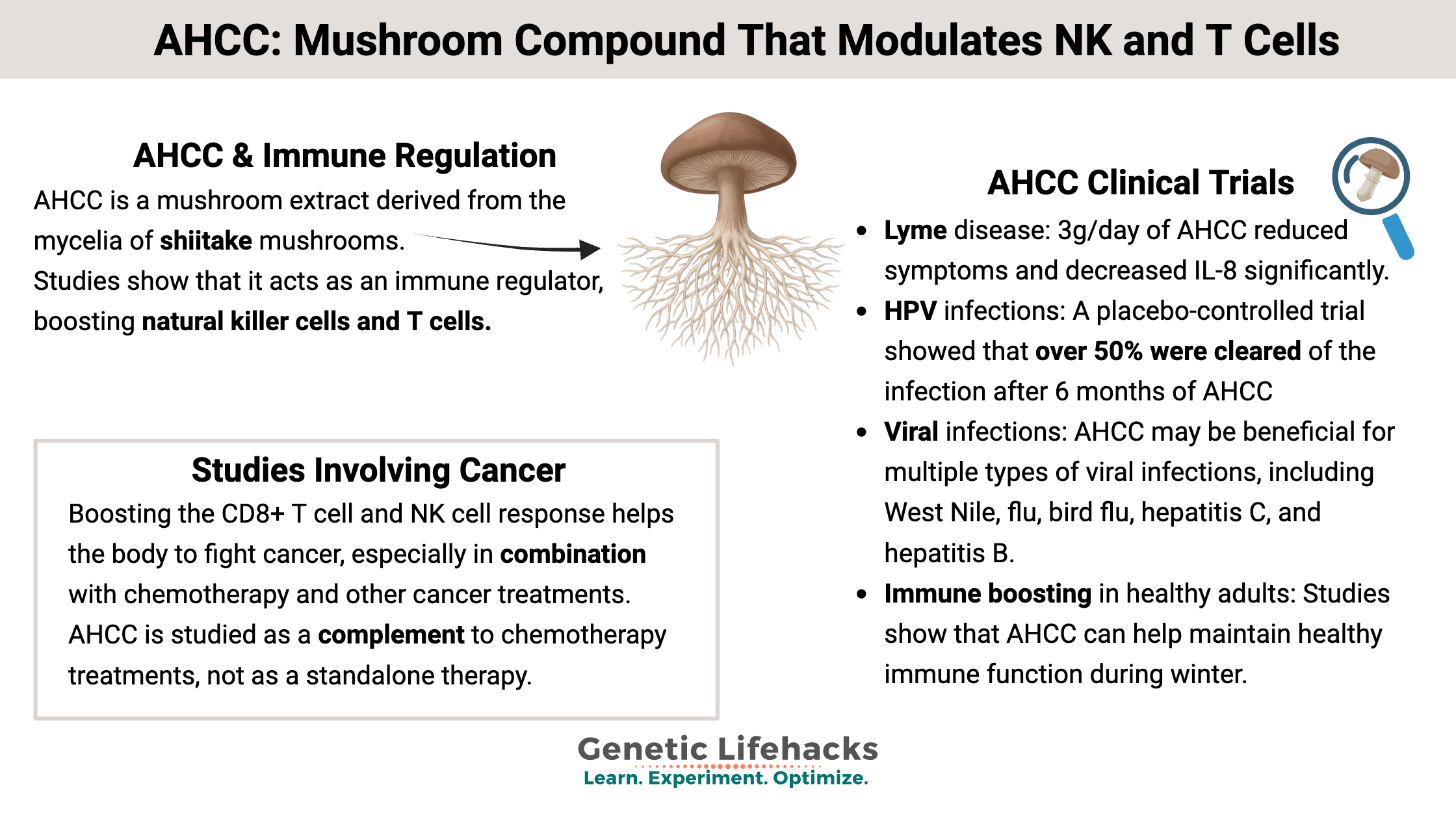
Credit: www.geneticlifehacks.com
Comparing Lion’s Mane To Other Brain Fog Remedies
How does Lion’s Mane compare to other common options for brain fog after chemotherapy? Here’s a look:
| Remedy | How It Works | Evidence for Chemo Brain | Side Effects |
|---|---|---|---|
| Lion’s Mane mushroom | Boosts nerve growth, reduces inflammation | Promising in early studies | Very low risk |
| Omega-3 supplements | Reduces inflammation, supports cell health | Some benefit, but less direct evidence | Mild stomach upset |
| Ginkgo biloba | Improves blood flow in the brain | Mixed results in studies | May cause bleeding in some cases |
| Prescription stimulants (e.g., Ritalin) | Boosts alertness | Helps some, but not all patients | Can cause insomnia, heart effects |
| Mental exercises | Strengthens brain connections | Proven to help long-term | None |
Lion’s Mane stands out because it supports the brain’s healing process directly, not just symptoms.
It is also easy to add to daily routines, does not require a prescription, and is safe for long-term use.
Frequently Missed Tips For Using Lion’s Mane
- Take with healthy fats: Compounds in Lion’s Mane absorb better with a little fat (like avocado or olive oil).
- Cycle your use: After 2-3 months, take a short break (a week or two) before restarting. This may keep results strong over time.
- Pair with other mushrooms: Some people combine Lion’s Mane with Reishi or Cordyceps for broader support, but always check for interactions.
- Track your progress: Keep a journal of symptoms and improvements. Small changes add up!
- Be patient: Brain healing is slow, but steady effort brings real gains.
A bonus tip: Try to take Lion’s Mane at the same time each day to build a habit and maintain steady levels in your system.
Lion’s Mane And The Bigger Picture
While Lion’s Mane is promising, it’s only one piece of the recovery puzzle. Healing from chemo brain is a journey—mental, emotional, and physical.
- Support from loved ones helps reduce stress and speed up healing.
- Professional guidance from doctors, nutritionists, and therapists can shape a plan that fits your needs.
- Hope and patience are powerful tools. Many people improve, even after years of brain fog.
Joining a support group or talking with other survivors can provide encouragement and practical tips. Many people find new hobbies or creative outlets help their brain recover.
Remember, self-care is not selfish. Taking time for rest, healthy food, and joy are all part of healing.
If you want to read more about the science behind Lion’s Mane and brain health, see this Wikipedia article.
Frequently Asked Questions
What Is The Best Way To Take Lion’s Mane For Chemo Brain?
Capsules or powders are easy to use and allow for accurate dosing. Take with food, especially healthy fats, for better absorption. Full-spectrum extracts are best for brain support.
If you dislike swallowing pills, try the powder in coffee or soup. The taste is mild, and it blends well with other flavors.
How Long Should I Use Lion’s Mane To See Results?
Most people need 8–12 weeks of daily use to notice real changes in focus, memory, and mental clarity. Keep a journal to track progress.
If you stop and symptoms return, you can start again. Some people use Lion’s Mane for several months each year.
Can Lion’s Mane Be Used With Other Supplements Or Medicine?
Usually yes, but always check with your doctor, especially if you take blood thinners or immune drugs. Combining with other brain-supporting supplements is common.
Some people pair Lion’s Mane with B vitamins, magnesium, or probiotics for a stronger effect.
Are There Any Long-term Side Effects Of Lion’s Mane?
Lion’s Mane is very safe for most people. Rare side effects include mild stomach upset or allergic reaction. There is no evidence of harm with long-term use.
If you have any new symptoms, stop and consult a healthcare provider.
Does Lion’s Mane Help With Other Chemotherapy Side Effects?
The main evidence is for brain fog and nerve health. Some people report better mood, sleep, and energy, but it is not a cure for all side effects of chemotherapy.
Always use Lion’s Mane as part of a bigger recovery plan, not as a replacement for medical care.
Healing from chemotherapy-related brain fog is possible. With patience, guidance, and tools like Lion’s Mane, many survivors rebuild their mental clarity and confidence. The journey is different for everyone, but each step forward is worth celebrating.