
The world of fungi is full of surprises, but few are as intriguing as the chaga sclerotia. Known as the “black gold” of the forest, chaga is a mysterious fungus with a unique biology that has fascinated scientists, foragers, and health enthusiasts. But how does this dark, knobby growth actually form on birch trees? Understanding the creation of chaga sclerotia is like unlocking a hidden chapter of nature’s story—a chapter that reveals the deep connection between fungi, trees, and the environment. Let’s explore the fascinating biology behind chaga sclerotia, from the first fungal spore to the formation of this prized natural treasure.
What Is Chaga Sclerotia?
Chaga, scientifically named Inonotus obliquus, is not a typical mushroom. When people talk about “chaga,” they usually mean the hard, black, cracked mass that grows on birch trees in cold climates. This growth is called a sclerotium (plural: sclerotia). Unlike the classic mushroom cap and stem, a sclerotium is a dense, woody structure that stores nutrients and helps the fungus survive harsh conditions.
The outer surface of chaga is black and rough, almost like burnt charcoal. Inside, it’s golden-orange with a cork-like texture. This unusual appearance has led to its nickname, black gold, because of its rarity and high value in herbal medicine. But chaga sclerotia are much more than just a curiosity—they are a survival tool for the fungus and a key part of its life cycle.
The Unique Life Cycle Of Chaga
To understand how chaga sclerotia form, it’s important to look at the life cycle of Inonotus obliquus. Fungi have complex lives, often hidden from view. Chaga’s life cycle involves several distinct stages, each with its own role in the development of sclerotia.
1. Spore Release And Germination
The journey starts when Inonotus obliquus releases tiny spores into the air. These spores are produced by the fungus’s fruiting bodies, which are rarely seen because they usually develop inside the host tree, not outside.
When these spores land on a suitable birch tree—usually one that is wounded or stressed—they can germinate. This means the spore absorbs water and begins to grow, sending out thin threads called hyphae.
2. Mycelial Invasion
The hyphae from the germinating spore invade the tree’s inner tissues. Together, many hyphae form a network called mycelium. This is the real body of the fungus, though it’s invisible to the naked eye because it grows under the bark.
The mycelium slowly digests the wood, breaking down the tree’s natural defenses. The fungus prefers birch trees because the betulin and betulinic acid in birch bark are compounds the fungus can use and even transform. Over months or years, the fungus weakens the tree, but it usually does not kill it right away.
3. Sclerotium Formation
When the fungus faces stress—such as cold weather, drought, or limited food—it triggers the next step: sclerotium formation. The mycelium gathers in one place, just under the bark, and starts to grow outward.
This is when the familiar black, cracked mass starts to form. The sclerotium is not a fruiting body (not a typical mushroom), but a dense, protective structure. It stores nutrients and can survive freezing temperatures, fire, and other dangers. The outer layer becomes black because of melanin and other protective pigments, while the inside stays orange and nutrient-rich.
4. Longevity And Slow Growth
Chaga sclerotia grow slowly—sometimes only a few millimeters per year. It can take 10 to 20 years for a sclerotium to reach a harvestable size. During this time, the fungus continues to live in harmony with the tree, drawing nutrients but rarely killing the host quickly.
Eventually, when the tree becomes too weak or dies, the chaga fungus may produce a true fruiting body inside the tree. This structure releases new spores, and the cycle begins again.
Why Chaga Only Grows On Birch Trees
One of the most fascinating facts about chaga is its host preference. While Inonotus obliquus can infect some other trees, it almost always forms sclerotia only on birch. This is not random—there are good biological reasons for this partnership.
Birch Chemistry And Chaga
Birch trees contain unique compounds like betulin and betulinic acid in their bark. Chaga can use these chemicals as food and even convert them into other bioactive substances. Some scientists believe this is why chaga from birch is so prized for its health properties.
Other tree species may not have the right nutrients or defenses for chaga to form a sclerotium. Even when chaga infects non-birch trees, it rarely produces the classic black mass.
Environmental Requirements
Chaga is found mostly in cold, northern forests—Russia, Siberia, Canada, Scandinavia, and parts of northern Asia. These climates suit both birch trees and chaga fungus. The cold helps slow the growth of other fungi and bacteria, giving chaga a better chance to thrive.
The Biological Architecture Of A Sclerotium
The structure of chaga sclerotia is a marvel of nature. It is not just a random lump; it has layers and features that help the fungus survive.
Outer Layer: The Black Crust
The outer crust of chaga is hard, black, and cracked. This layer is rich in melanin, a pigment that protects against UV light, cold, and even pathogens. Melanin is also found in human skin, where it serves similar protective roles.
Melanin gives chaga its black color and helps shield the nutrient-rich interior from the elements. This crust can be very tough, sometimes requiring tools to cut or break it.
Middle Layer: Nutrient Storage
Beneath the black crust is a golden-orange interior. This part of the sclerotium is dense, corky, and packed with stored nutrients. It contains complex sugars, proteins, and secondary metabolites (like polysaccharides, triterpenes, and sterols) that the fungus can use when conditions are harsh.
This nutrient reserve allows the fungus to survive years of cold or drought. It also makes chaga valuable for human use—many health supplements are made from this layer.
Inner Connection: Mycelial Network
At the core, the chaga sclerotium is connected to the mycelium growing inside the tree. The sclerotium acts as a bridge, storing resources and protecting the fungus’s genetic material until it can reproduce.
This complex architecture is an excellent example of how fungi adapt to survive in challenging environments.
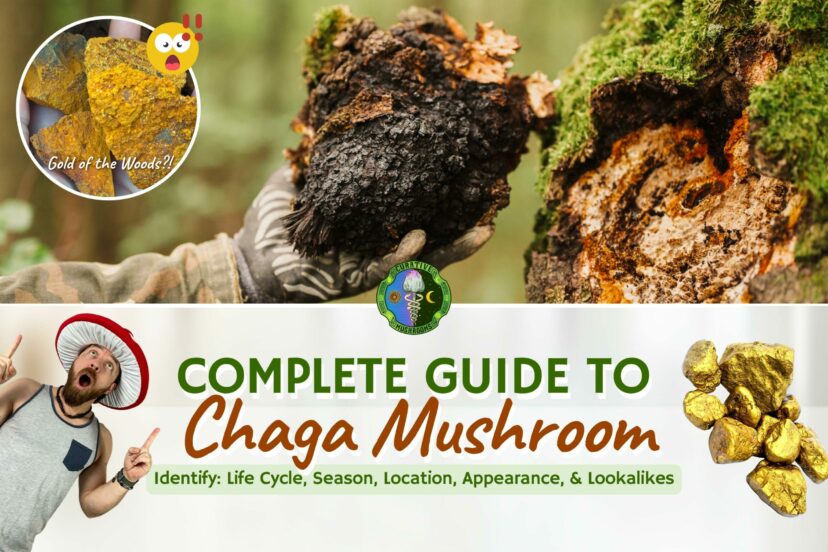
Credit: blog.curativemushrooms.com
How Chaga Sclerotia Form: Step-by-step
Let’s break down the process of chaga sclerotium formation into clear steps, from spore to black gold:
- Spore Landing: A spore lands on a wounded birch tree, often entering through a crack or broken branch.
- Germination: The spore absorbs moisture and grows hyphae, which invade the tree’s inner wood.
- Mycelial Spread: The hyphae join to form a mycelial network inside the tree. This network digests wood and extracts nutrients.
- Stress Trigger: Environmental stress (cold, drought, tree defenses) signals the mycelium to create a sclerotium.
- Aggregation: Mycelium gathers under the bark and begins to grow outward, forming a dense mass.
- Melanin Production: The fungus produces melanin to protect the sclerotium from sunlight, pathogens, and cold.
- Expansion: The sclerotium slowly grows, sometimes for decades, as it stores nutrients and continues to protect itself.
- Reproduction (Rare): When the tree dies, the fungus may create a hidden fruiting body, releasing new spores to repeat the cycle.
This process explains why chaga is so rare—only specific conditions and tree species allow the full development of a sclerotium.
Sclerotium Vs. Mushroom: What’s The Difference?
People often confuse chaga sclerotia with mushrooms, but they are not the same. Here’s how they compare:
| Feature | Chaga Sclerotium | Typical Mushroom |
|---|---|---|
| Structure | Hard, woody mass | Soft cap and stem |
| Function | Nutrient storage, survival | Spore production, reproduction |
| Growth Location | On tree trunk, under bark | On ground, wood, or tree surface |
| Color | Black outside, orange inside | Varies (white, brown, red, etc.) |
| Harvest Time | Years to decades | Days to weeks |
Key insight: The chaga sclerotium is a survival organ, not a reproductive one. The real mushroom (fruiting body) of Inonotus obliquus is rarely seen and is hidden inside dead trees.
Factors That Affect Chaga Sclerotia Formation
Not every birch tree will develop chaga. Several factors must align for a sclerotium to form and grow.
Tree Age And Health
Mature, stressed birch trees are the most likely hosts. Young, healthy trees have strong defenses and rarely support chaga. Trees that are wounded, old, or exposed to environmental stress provide easier entry for fungal spores.
Climate
Chaga prefers cold, northern climates. The combination of long winters and short summers slows down competing organisms and helps chaga thrive. This is why chaga is rarely found in warm or tropical regions.
Fungal Genetics
Not all strains of Inonotus obliquus are equally good at forming sclerotia. Some may infect trees without producing the visible black mass. Genetic differences can affect the fungus’s ability to create melanin, store nutrients, or resist tree defenses.
Competition And Predators
Other fungi and microbes may compete with chaga for space and food. Insects, birds, and mammals may damage or eat the sclerotium. These pressures can limit the size and number of chaga sclerotia.
Human Impact
Overharvesting is a growing problem. Because chaga takes many years to form, harvesting too much can reduce future populations. Sustainable harvesting practices are vital for preserving wild chaga.
The Chemistry Of Chaga Sclerotia
Chaga’s appeal is not just its appearance—it’s also packed with bioactive compounds. These chemicals help the fungus survive, but they also have potential benefits for humans.
Melanin
This black pigment protects chaga from UV rays, cold, and microbes. Melanin is a powerful antioxidant, and some researchers study its health effects.
Polysaccharides
Chaga sclerotia contain complex sugars that boost the fungus’s energy storage. These polysaccharides are also studied for their possible immune-supporting effects in humans.
Triterpenes
Compounds like betulinic acid are created by converting chemicals from birch bark. These substances may help the fungus resist disease and are of interest for their potential health properties.
Sterols And Phenolics
Chaga contains plant-like sterols and phenolic compounds, which can serve as antioxidants and help the fungus manage stress.
Nutrient Comparison Table
How does chaga compare to other medicinal fungi like reishi or lion’s mane? Here’s a quick look:
| Compound | Chaga | Reishi | Lion’s Mane |
|---|---|---|---|
| Melanin | High | Low | Low |
| Polysaccharides | Moderate | High | High |
| Triterpenes | High (from birch) | High | Low |
| Phenolics | High | Moderate | Low |
| Growth Time | 10–20 years | 1–3 years | 1–2 years |
Non-obvious insight: Chaga’s unique chemistry is directly linked to its relationship with birch trees. Without birch, chaga would not develop many of its key compounds.

Credit: fantasticfungi.com
Why Chaga Sclerotia Are So Rare
Even in ideal conditions, chaga sclerotia are rare. Here’s why:
- Slow growth: It can take decades for a single sclerotium to reach harvestable size.
- Host specificity: Only birch trees in certain climates support chaga formation.
- Competition: Other organisms, including insects and fungi, may damage or outcompete chaga.
- Harvest pressure: Increasing demand for chaga supplements has led to overharvesting in some regions.
All of this makes chaga a precious, limited resource. Responsible harvesting and conservation efforts are essential.
Human Uses And Cultural Significance
Chaga has a long history of use in traditional medicine, especially in Russia, Siberia, and northern Europe. It has been brewed as a tea, ground into powder, or used in extracts for centuries.
Traditional Uses
- Boosting immunity: Folk medicine often uses chaga for immune support.
- Digestive health: Some cultures use chaga tea for stomach problems.
- General wellness: Chaga is prized as a tonic for energy and health.
Modern Interest
Today, chaga is sold as a supplement in many countries. Scientists are studying its compounds for possible use in antioxidant therapy, immune support, and more. However, wild chaga is still considered the most potent, because cultivated chaga may lack some unique compounds from birch.
Cultural Stories
In Siberian folklore, chaga is sometimes called the “Gift from God” or the “Mushroom of Immortality.” Its rarity and mysterious growth have made it the subject of many legends and rituals.
The Role Of Sclerotia In Fungal Survival
Chaga’s sclerotium is a great example of how fungi adapt to challenging environments. Here’s why sclerotia matter:
- Survival: When food is scarce or conditions are harsh, the sclerotium stores nutrients to keep the fungus alive.
- Protection: The tough outer layer shields the fungus from cold, UV rays, and predators.
- Reproduction: While not a reproductive organ, the sclerotium helps the fungus survive until it can make a fruiting body and release spores.
Non-obvious insight: Sclerotia are not unique to chaga; other fungi like ergot and some molds also form sclerotia. But chaga’s sclerotium is unusually large and long-lived.
Sustainability And Conservation Of Chaga
Because of its popularity, chaga faces new challenges. Overharvesting can threaten wild populations, especially since it takes so long to grow.
Sustainable Harvesting Tips
- Leave some behind: Never harvest all the chaga from a single tree. Leave at least 20–30% to allow regrowth.
- Use mature sclerotia: Only harvest chaga that is large and well-formed (usually after 10+ years).
- Avoid young trees: Harvesting from young or healthy trees can kill them and harm the forest.
- Respect local laws: Some regions regulate chaga harvesting to protect forests.
Cultivation Efforts
Scientists are trying to cultivate chaga on birch logs or in labs. While this may help relieve pressure on wild populations, cultivated chaga may not have the same chemical profile as wild chaga. The unique relationship with birch trees in the wild is hard to reproduce.
For more on chaga conservation and research, check out this Wikipedia page.
Sclerotia Formation In Other Fungi
Chaga is not the only fungus to make sclerotia. Here’s a quick comparison:
| Fungus | Sclerotium Size | Main Use | Host Plant |
|---|---|---|---|
| Chaga | Large (up to 20 kg) | Survival, nutrient storage | Birch |
| Ergot (Claviceps) | Small (few grams) | Survival, seed infection | Rye and grasses |
| Rhizoctonia | Tiny (<1 g) | Survival in soil | Various plants |
Chaga’s sclerotium is special because of its large size, long lifespan, and unique chemistry.
Common Myths And Misunderstandings
Several myths surround chaga sclerotia. Here are the facts:
- Myth: Chaga is a mushroom.
Truth: The visible black mass is a sclerotium, not a fruiting body.
- Myth: Chaga grows on any tree.
Truth: True sclerotia form almost only on birch.
- Myth: Harvesting chaga does not harm trees.
Truth: Overharvesting or improper cutting can kill the host tree.
- Myth: All chaga is the same.
Truth: Wild chaga from birch in cold climates is chemically unique.
Understanding the real biology of chaga helps people make better choices and respect this natural resource.
The Fascinating Evolution Of Chaga’s Survival Strategy
Chaga’s strategy of forming a sclerotium is the result of millions of years of evolution. By focusing on long-term survival over quick reproduction, chaga has found a niche in cold forests where other fungi struggle.
- Slow and steady: Chaga grows slowly, storing energy for years before reproducing.
- Host partnership: By specializing in birch, chaga avoids competition from other fungi.
- Protective armor: The melanin-rich crust is a powerful defense against the elements.
This evolutionary path may seem risky, but it has allowed chaga to survive in some of the world’s toughest environments.
Frequently Asked Questions
What Exactly Is A Chaga Sclerotium?
A chaga sclerotium is a dense, black mass formed by the fungus Inonotus obliquus on birch trees. It is not a mushroom, but a survival structure that stores nutrients and protects the fungus during harsh conditions.
How Long Does It Take For Chaga Sclerotia To Form?
Chaga sclerotia grow very slowly. It can take 10 to 20 years for a sclerotium to reach a size large enough for harvest. Growth rates depend on the tree’s age, health, and environmental conditions.
Why Does Chaga Only Grow On Birch Trees?
Birch trees provide unique nutrients, especially betulin and betulinic acid, which chaga can use. These compounds, along with the right climate and tree chemistry, make birch the ideal host for chaga sclerotia formation.
Is Harvesting Chaga Harmful To Trees Or The Environment?
Harvesting chaga can harm birch trees if done incorrectly. Removing too much or cutting deeply can kill the tree or reduce chaga regrowth. Sustainable harvesting and respecting local regulations are important for protecting both trees and wild chaga populations.
Can Chaga Be Grown Or Farmed Instead Of Wild-harvested?
Chaga can be cultivated on birch logs or in controlled environments, but farmed chaga may not have the same chemical profile as wild chaga. The special relationship between wild birch and chaga fungus is hard to reproduce in cultivation.
Chaga sclerotia stand as one of the forest’s most remarkable creations—a story of survival, adaptation, and partnership between fungus and tree. Formed over decades, protected by a tough black shell, and filled with unique compounds, chaga is truly the black gold of the wild.
Its biology teaches us about patience, resilience, and the deep connections in nature. As interest in chaga continues to grow, understanding its formation and respecting its role in the ecosystem is more important than ever. By valuing both science and tradition, we can help ensure that this extraordinary fungus continues to thrive for generations to come.

Credit: antioxi-supplements.com