
Chaga mushroom has gained worldwide attention for its remarkable health benefits. Scientists have uncovered many bioactive compounds in Chaga, but one group stands out: Chaga polysaccharides. These natural sugars are not only important for overall health—they have a unique ability to activate natural killer cells (NK cells), a key part of our immune system. But how does this process actually work, and why is it so important? This article explores the science behind Chaga polysaccharides, explains their effects on NK cells, and reveals how this relationship could change the way we think about immune health.
The Basics Of Chaga Mushroom
Chaga, scientifically known as Inonotus obliquus, is a fungus that grows mainly on birch trees in cold climates like Siberia, Canada, and Northern Europe. For centuries, people in these regions used Chaga in teas and tinctures to boost health and fight illness.
What makes Chaga special is its rich content of:
- Polysaccharides (complex carbohydrates)
- Beta-glucans (a type of polysaccharide)
- Melanin (antioxidant pigment)
- Triterpenes (anti-inflammatory compounds)
- Polyphenols (antioxidants)
Of these, Chaga polysaccharides—especially beta-glucans—are the main focus in immune system research. Their unique structure makes them powerful immune modulators.
But Chaga is not just popular in traditional folk medicine. In modern times, it has become a key ingredient in health supplements, functional foods, and even skincare products. This is because the compounds found in Chaga have shown the ability to support the body in many ways, from reducing inflammation to fighting oxidative stress.
The wild Chaga mushroom looks like a black, cracked mass on birch trees. Inside, it has a rusty orange color. The outer black layer is rich in melanin, while the inner part contains most of the polysaccharides. People usually harvest Chaga in winter when it is said to be most potent.
One important point: Chaga is not a typical soft mushroom. It is hard, almost like wood. To use it, people often grind it into powder or cut it into chunks for tea. This toughness helps protect its valuable compounds from harsh weather, but also means it must be processed properly to unlock its health benefits.
What Are Polysaccharides?
Polysaccharides are long chains of sugar molecules. They are found in plants, fungi, and bacteria, and serve as energy storage or structural support. In mushrooms, polysaccharides often have strong biological effects, especially on the immune system.
Chaga polysaccharides include:
- Beta-glucans: Known for immune-boosting effects
- Heteropolysaccharides: Made from different types of sugars
- Protein-bound polysaccharides: Polysaccharides attached to proteins
The structure of these molecules is crucial. For example, beta-glucans with a (1→3), (1→6) linkage are especially active in the body.
Not all polysaccharides are the same. The exact arrangement and branching of the sugar chains decide how they interact with the body. Chaga’s beta-glucans have a branched, “tree-like” structure, which allows them to fit perfectly into immune cell receptors. This is why Chaga’s effects are different from those of simple sugars or starches.
One thing beginners often miss is that these polysaccharides are not digestible in the same way as table sugar. Instead, they pass through the stomach to the intestines, where they interact with gut immune cells and beneficial bacteria. This makes them act more like prebiotics than like energy sources.
Another interesting point: Some polysaccharides in Chaga are linked to proteins, forming complexes called glycoproteins. These can be even more effective at stimulating the immune system because the body’s cells recognize them as “signals” to activate defense mechanisms.
Understanding Natural Killer (nk) Cells
Natural killer cells are a type of white blood cell. They are part of the innate immune system, which is our body’s first line of defense against infections and cancer. Unlike other immune cells, NK cells act quickly—they do not need to recognize a specific threat to respond.
Main functions of NK cells:
- Detect and destroy virus-infected cells
- Kill cancer cells
- Release cytokines (chemical messengers) to alert and guide other immune cells
When NK cells find an abnormal cell, they attach to it and release toxic granules that destroy the target. This process is called cytotoxicity.
What makes NK cells unique is their ability to tell “self” from “non-self” without needing a prior warning. They constantly patrol the body, looking for cells that lack certain “self” markers. When they find these, they react fast. This is why they are so important in the first few days of an infection, before the body’s adaptive immune system can respond.
NK cells also play a role in controlling inflammation. By releasing cytokines such as interferon-gamma, they help organize the entire immune defense, calling in more specialized cells when needed. This “alarm” function is as important as their ability to kill.
A less obvious fact is that NK cells become less active with age or during chronic stress. This is one reason why older adults or people under constant stress get sick more often. Supporting NK cell function is not just about preventing infection—it is linked to healthy aging and resilience.
How Chaga Polysaccharides Affect The Immune System
Research shows that Chaga polysaccharides do not attack bacteria or viruses directly. Instead, they interact with immune cells to “wake them up” or modulate their activity.
Key immune effects include:
- Increasing the number and activity of NK cells
- Stimulating macrophages (cells that eat pathogens)
- Encouraging production of cytokines (immune signaling proteins)
- Enhancing the ability to recognize and destroy abnormal cells
The result is a stronger, faster, and more balanced immune response.
Chaga polysaccharides act as “biological response modifiers. ” That means they help the immune system respond more effectively to problems, but also help avoid overreactions. For example, they can boost defense against viruses while lowering inflammation that could damage tissues.
An important detail: Chaga’s immune effects are not limited to one cell type. In addition to NK cells, Chaga polysaccharides can activate dendritic cells (which present antigens), increase the “eating” ability of macrophages, and even support T-cell and B-cell activity. This whole-system approach makes Chaga different from supplements that only target one part of immunity.
Another insight: When Chaga polysaccharides interact with immune cells in the gut, they also help feed good bacteria. These bacteria then produce short-chain fatty acids, which have their own benefits for immune balance and inflammation control. So, Chaga works both directly (by activating immune cells) and indirectly (by supporting gut health).
The Science: Activation Of Nk Cells By Chaga Polysaccharides
The Signaling Pathways
When you consume Chaga polysaccharides, they enter the gut and interact with immune cells in the intestinal wall. Here’s how they activate NK cells:
- Recognition by Pattern Recognition Receptors (PRRs)
- Special receptors on immune cells, such as Dectin-1 and Toll-like receptors (TLRs), detect Chaga polysaccharides.
- This triggers a cascade of signals inside the immune cell.
- Cytokine Production
- Immune cells, especially macrophages and dendritic cells, release cytokines such as interleukin-12 (IL-12), interleukin-15 (IL-15), and interferon-gamma (IFN-γ).
- These cytokines “activate” NK cells, making them more aggressive against threats.
- Direct Activation
- Some studies suggest Chaga beta-glucans may directly bind to NK cells and increase their cytotoxic activity.
- Gene Expression Changes
- Chaga polysaccharides can turn on genes in NK cells that produce more perforin and granzyme—the main weapons NK cells use to kill abnormal cells.
This process is complex but efficient. It means that even if your body has not seen a particular virus or cancer cell before, the NK cells can respond quickly and effectively when “alerted” by Chaga polysaccharides.
Example: In Vitro And Animal Studies
- A 2017 study showed that mice fed with Chaga polysaccharides had a 30-40% increase in NK cell activity compared to controls.
- In human cell cultures, NK cells exposed to Chaga extracts produced more IFN-γ and killed more cancer cells.
Other studies found that Chaga polysaccharides helped restore NK cell function in animals with suppressed immunity (from stress or chemicals). This suggests Chaga is not just a booster, but also a “balancer,” helping the immune system recover when it is weak.
For example, in one study, mice with weakened immune systems had their NK cell activity nearly restored to normal after taking Chaga extract for two weeks. This recovery effect is important for people with long-term stress, chronic illness, or those recovering from infections.
How Fast Does Activation Happen?
Activation can start within hours after exposure, but maximum effects are usually seen after several days of regular intake. The duration and strength depend on the dose and the individual’s health.
It’s also important to note that the effect is not permanent. If you stop taking Chaga, NK cell activity will gradually return to baseline. This is why regular, consistent use is recommended for ongoing support.
Key Features Of Chaga Polysaccharides That Drive Nk Cell Activation
Several characteristics make Chaga polysaccharides especially powerful in activating NK cells:
Unique Beta-glucan Structure
Chaga beta-glucans have a high branching structure with both (1→3) and (1→6) linkages. This shape is ideal for fitting into immune cell receptors.
This structure is like a “key” that fits perfectly into the “lock” on immune cells. The more branching, the more places for the immune system to grab onto the molecule and start the activation process.
Molecular Weight
Polysaccharides with a higher molecular weight tend to be more effective in immune modulation. Chaga polysaccharides often range from 100 kDa to 500 kDa.
A higher molecular weight means a bigger, more complex molecule. This complexity helps the polysaccharide stay in the gut longer, giving it more time to interact with immune cells. However, if the molecule is too large, it may not be absorbed well.
Chaga seems to have an ideal balance.
Water Solubility
Chaga polysaccharides are water-soluble, making them easy to absorb when consumed as teas or extracts.
Water solubility is important because it allows the body to easily extract and use the beta-glucans. This is why traditional Chaga tea, made with hot water, is such an effective way to consume Chaga for immune benefits.
Purity And Extraction Method
The method used to extract Chaga affects the final polysaccharide content and activity. Hot water extracts usually contain the highest levels of active beta-glucans.
Not all Chaga supplements are created equal. If the extraction method is poor, you might get very little active ingredient. Look for brands that test their products for beta-glucan content and use hot water extraction.

Credit: www.sciencedirect.com
What Makes Chaga Polysaccharides Different From Other Mushroom Polysaccharides?
Mushroom polysaccharides are not all the same. While Shiitake, Reishi, and Maitake also contain immune-boosting beta-glucans, Chaga stands out because:
- Higher melanin content: Offers extra antioxidant protection, which supports immune cell health.
- Unique polysaccharide-protein complexes: Enhance absorption and activity.
- Gentler on the digestive system: Less likely to cause stomach upset compared to some other mushrooms.
Below is a simple comparison of beta-glucan content among popular medicinal mushrooms:
| Mushroom | Beta-Glucan Content (%) | Main Immune Benefit |
|---|---|---|
| Chaga | 10-25% | NK cell activation |
| Reishi | 5-15% | T-cell modulation |
| Maitake | 15-25% | Macrophage activation |
| Shiitake | 10-20% | Antiviral support |
Another difference is the presence of melanin in Chaga. Melanin acts as a strong antioxidant, protecting both the mushroom and, potentially, your cells from oxidative damage. Oxidative stress can weaken the immune system, so this extra protection helps keep NK cells healthy and responsive.
Chaga also contains unique compounds called “inotodiol” and other triterpenes, which may work together with polysaccharides for a stronger effect. This synergy is why some people find Chaga more effective than other mushrooms for immune support.
Benefits Of Nk Cell Activation
When Chaga polysaccharides activate NK cells, several health benefits can follow:
1. Enhanced Anti-viral Defense
NK cells are the first responders to viral infections. By boosting their activity, Chaga polysaccharides can help the body fight off viruses more quickly and efficiently.
For example, studies have shown that after taking Chaga, animals were better able to clear influenza viruses from their lungs. In cell studies, Chaga extracts helped human NK cells kill cells infected with hepatitis and herpes viruses.
2. Improved Cancer Surveillance
NK cells constantly scan the body for cancerous changes. Higher NK cell activity means a lower risk of tumor development and better control of abnormal cells.
Some researchers believe that regular support for NK cells could help prevent cancers or slow their growth. While Chaga is not a cancer cure, supporting the body’s own surveillance system may be helpful, especially for people at higher risk.
3. Balanced Immune Response
Overactive or underactive immune systems can cause problems. Chaga polysaccharides help keep the immune response strong, but balanced—reducing the risk of allergies or autoimmune issues.
A balanced immune system is less likely to overreact to harmless triggers (like pollen or food) and less likely to ignore real threats (like viruses or cancer cells). Chaga’s modulating effect is gentle, making it safer for long-term use.
4. Faster Recovery From Illness
With more active NK cells, the body can clear infections and heal damaged tissues faster.
Many people who use Chaga regularly report fewer sick days and faster recovery after colds or minor infections. This matches what researchers have seen in animal studies.
One extra benefit: By reducing recovery time, Chaga could also lower the risk of complications from lingering infections, such as secondary bacterial infections or post-viral fatigue.
Scientific Evidence Supporting Chaga’s Effects
Over the past two decades, scientists have investigated Chaga’s immune effects in the lab and in animals. Human studies are still limited but growing.
Key Studies
- A 2015 study in the journal *International Immunopharmacology* found that Chaga polysaccharides increased NK cell activity in mice by up to 45% after two weeks.
- In vitro research showed that Chaga extracts caused human NK cells to release more cytotoxic molecules and cytokines.
- A Korean clinical pilot study (2019) gave Chaga extract to healthy adults for four weeks. Results showed a notable increase in NK cell cytotoxicity compared to placebo.
Another study from China found that Chaga polysaccharides not only increased NK cell activity, but also helped restore immune balance in mice with chemically induced immune suppression. This suggests Chaga may help bring the immune system back to normal after stress, illness, or medication.
Researchers also observed that Chaga can reduce chronic inflammation, which may protect NK cells from “burnout. ” Chronic inflammation can make NK cells less effective over time, so this dual action is especially helpful.
Comparing Chaga To Other Immune Modulators
Chaga’s effects on NK cells are similar to those seen with some pharmaceutical immune stimulants, but without the side effects. It is also gentler and less likely to overstimulate the immune system.
Below is a comparison of NK cell activation by various immune supplements:
| Supplement | NK Cell Activity Increase (%) | Side Effect Risk |
|---|---|---|
| Chaga Polysaccharides | 30-45% | Low |
| Reishi Polysaccharides | 25-35% | Low |
| Pharmaceutical Immunomodulators | 40-50% | Moderate-High |
| Echinacea Extract | 10-20% | Low-Moderate |
The safety profile of Chaga is a key advantage. In studies, even high doses rarely caused side effects, especially compared to pharmaceutical options. This makes Chaga a good choice for long-term immune support, especially in older adults or those with sensitive digestion.
How To Use Chaga For Nk Cell Activation
Forms Of Chaga
Chaga polysaccharides are available in several forms:
- Hot water extracts (most common in supplements and teas)
- Tinctures (alcohol-based extracts)
- Powders (whole mushroom ground)
- Capsules (convenient for daily use)
The hot water extract is considered the best for immune effects because it pulls out the most beta-glucans.
If you prefer a traditional approach, Chaga tea is easy to make at home. For those who want more precise dosing, capsules or standardized extracts are best. Always check the label for the amount of beta-glucans, not just “Chaga” as an ingredient.
Typical Dosage
- For general immune support: 500–1000 mg of Chaga polysaccharide extract per day
- For specific immune challenges: Up to 2000 mg per day, divided into two doses
*Always follow product instructions and consult a healthcare provider before starting any new supplement. *
Dosage can vary depending on age, health, and the reason for use. For daily wellness, a cup of Chaga tea or a 500 mg capsule is enough for most people. For extra support during flu season or stress, a higher dose may be helpful.
How To Prepare Chaga Tea
Chaga tea is a traditional way to consume these polysaccharides:
- Add 1–2 teaspoons of dried Chaga chunks or powder to hot (not boiling) water.
- Simmer gently for 15–30 minutes.
- Strain and drink 1–2 cups daily.
This process extracts the water-soluble polysaccharides while preserving their activity.
For a stronger brew, let the Chaga steep for up to an hour. You can reuse the chunks once or twice, as they still contain active compounds. Chaga tea has a mild, earthy taste, which some people sweeten with honey or mix with other herbal teas.
Absorption Tips
- Take Chaga with a small amount of healthy fat (like coconut oil) to improve absorption.
- Consuming Chaga on an empty stomach may help maximize immune effects.
- Avoid boiling Chaga, as extreme heat can break down some polysaccharides.
Another tip: Some people add a pinch of vitamin C (like lemon juice) to their Chaga tea, which may help preserve antioxidants and enhance absorption.
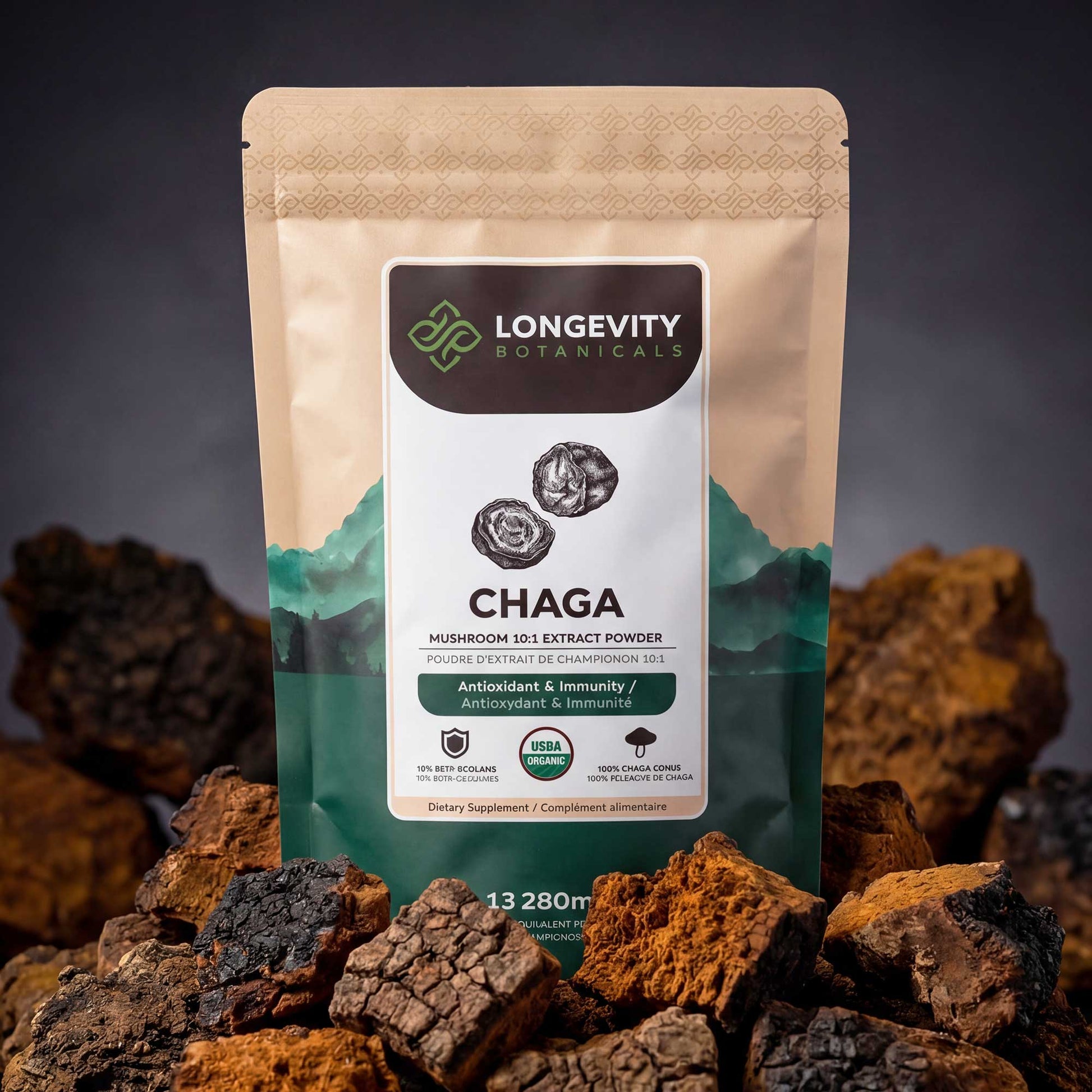
Credit: longevitybotanicals.com
Potential Side Effects And Safety
Chaga is generally considered safe for most people when used as directed. However, there are some important considerations:
Possible Side Effects
- Digestive upset: Mild bloating, gas, or nausea in sensitive individuals.
- Lowered blood sugar: Chaga may enhance insulin sensitivity—people with diabetes should monitor closely.
- Anticoagulant effects: Chaga can thin the blood; avoid if you take blood thinners.
- Allergic reactions: Rare, but possible for those with mushroom allergies.
Side effects are uncommon, but always start with a small dose to see how your body reacts. If you have allergies to mushrooms or mold, use extra caution.
Drug Interactions
Chaga may interact with:
- Anticoagulant drugs (warfarin, aspirin)
- Immunosuppressants
- Diabetes medications
Always check with a doctor if you have a health condition or take prescription medicines.
Pregnant or breastfeeding women should avoid Chaga due to a lack of safety data. The same caution applies to children unless guided by a healthcare provider.
Common Myths About Chaga And Nk Cells
Myth 1: Chaga Cures All Diseases
While Chaga polysaccharides can activate NK cells, they are not a cure for cancer, HIV, or other serious illnesses. They should be used as part of a healthy lifestyle, not as a substitute for medical treatment.
Chaga is best seen as a supportive tool, not a magic bullet. Relying only on Chaga and ignoring proven medical care can be risky.
Myth 2: More Is Always Better
Taking very high doses of Chaga does not always mean more immune benefits. Extremely high intake may stress the liver or kidneys over time.
Moderation is key. Large doses can also increase the risk of side effects. Stick with recommended amounts and be consistent rather than excessive.
Myth 3: All Chaga Products Are Equal
Quality varies greatly between brands. Some products contain very little active polysaccharide. Look for extracts standardized for beta-glucan content.
Poor quality Chaga may also contain heavy metals or be contaminated with other fungi. Choose reputable sources that test for purity and potency.
Practical Insights For Beginners
Not All Chaga Is The Same
Wild-harvested Chaga from birch trees contains more active compounds than farmed or improperly harvested Chaga. Always check the source and purity.
Chaga from other tree species may not have the same benefits. Look for products that specify “wild-harvested from birch” on the label.
Extraction Method Matters
Hot water extraction is the gold standard for pulling out immune-active polysaccharides. Alcohol extractions are better for triterpenes, not polysaccharides.
A good Chaga product will state the extraction method and the percentage of beta-glucans. If this information is missing, the product may be less effective.
Synergy With Other Mushrooms
Combining Chaga with other medicinal mushrooms (like Reishi or Shiitake) can offer broader immune support. This synergy helps activate different immune pathways.
For example, a blend of Chaga and Reishi can support both NK cells and T-cells, giving more complete immune coverage. Some products already combine these mushrooms for convenience.
Importance Of Consistency
Regular, moderate use is more effective than occasional large doses. NK cell activation is best maintained with daily intake over weeks or months.
Even if you feel well, keep taking Chaga to maintain immune readiness. Think of it like “exercise” for your immune system—it works best with ongoing practice.
Who Should Consider Chaga Supplementation?
- People with frequent infections or weak immunity
- Those with chronic stress (which suppresses immune function)
- Individuals with a family history of cancer (as a preventive measure)
- Older adults (as NK cell activity naturally declines with age)
- Anyone seeking general immune support, especially during cold and flu season
Athletes and people exposed to crowds (like teachers or healthcare workers) may also benefit from regular Chaga supplementation to reduce sick days.
Limitations Of Current Research
While evidence is strong in animals and cell studies, human clinical trials are still limited. Most data comes from small pilot studies. More research is needed to confirm the best dosage, safety in special populations, and long-term effects.
Below is a summary of the current state of research:
| Research Type | Findings | Limitations |
|---|---|---|
| Animal Studies | Consistent NK cell activation | May not fully translate to humans |
| Cell Culture Studies | Direct increase in NK cell cytotoxicity | Lacks real-world complexity |
| Human Trials | Promising but small-scale results | Few large studies, limited long-term safety data |
Another point: Most studies use standardized extracts, but the supplement market is not well regulated. This means results may differ between products or in real-world use.
Two Non-obvious Insights For Beginners
- Gut Health Connection: Chaga polysaccharides also feed beneficial gut bacteria, which further supports immune function. A healthy gut means better NK cell activation.
- Timing with Illness: Taking Chaga at the very start of a cold or infection can help NK cells respond faster, possibly shortening the illness.
Most people think Chaga only works for prevention, but it can also help speed up recovery if used early in an infection.
Real-world Applications And Future Directions
Cancer Support
Some cancer clinics in Asia use Chaga extracts alongside chemotherapy to support immune recovery. While this is not standard everywhere, it shows Chaga’s potential in integrative medicine.
Chaga may help reduce treatment side effects like fatigue or low white blood cell counts, but it should always be used under medical supervision.
Viral Outbreaks
During flu seasons or viral outbreaks, immune support from Chaga may be valuable for those at higher risk.
Chaga is not a substitute for vaccines or hygiene, but it can add an extra layer of defense, especially in crowded or high-exposure environments.
Healthy Aging
Boosting NK cell activity may help older adults maintain strong immunity, reducing the risk of infections and age-related illnesses.
Regular Chaga use could be part of a “healthy aging” routine, along with good sleep, nutrition, and exercise.
Personalized Nutrition
Future research may allow us to match specific types of Chaga extracts to individual immune needs, further improving outcomes.
As we learn more about genetics and immune health, Chaga could become a more personalized tool in holistic wellness plans.
Frequently Asked Questions
How Long Does It Take For Chaga Polysaccharides To Activate Nk Cells?
Effects can start within hours, but the most noticeable increase in NK cell activity usually occurs after several days to a week of daily use. Regular intake is key for ongoing immune support.
Is Chaga Safe For Children And Pregnant Women?
There is not enough research on Chaga use in children or during pregnancy. It is best to avoid supplementation in these groups unless advised by a healthcare provider.
Can I Take Chaga With Other Immune Supplements?
Yes, Chaga often works well with other mushroom extracts like Reishi or Maitake. However, always introduce one supplement at a time and watch for any side effects.
What Is The Best Way To Take Chaga For Immune Benefits?
Hot water extracts (teas or capsules standardized for beta-glucan content) are best for NK cell activation. Follow the recommended dosage and use consistently for best results.
Where Can I Find More Information On Chaga And Nk Cells?
A good starting point is the Wikipedia page on Inonotus obliquus, which includes references to scientific studies and further reading.
Chaga polysaccharides offer a natural, effective way to boost natural killer cell activity and support overall immune health. While more human research is needed, the evidence so far is promising—especially for those seeking safe, plant-based immune support. By understanding how Chaga works and choosing high-quality extracts, you can harness the power of this ancient mushroom for modern wellness.

Credit: longevitybotanicals.com