
Many people who love herbs, mushrooms, or medicinal plants often hear about hot water extraction and alcohol extraction. These methods are key for pulling out the healthy, active parts of plants—called bioactive compounds. But do you really know which one gives you more of the good stuff? The answer is not as simple as you might think. Both methods have their own strengths and weaknesses. They can also affect the color, taste, and power of what you drink or use.
This article explores how hot water and alcohol extraction work, what they’re best at, and which pulls out more bioactive compounds. You’ll learn about the science behind each method, see examples from real plants and mushrooms, and get practical advice for making your own extracts.
Whether you’re a home herbalist, a curious tea drinker, or someone interested in wellness, you’ll find clear answers here—without confusing jargon.
What Are Bioactive Compounds?
Bioactive compounds are natural chemicals that have an effect on living things, especially humans. In plants and fungi, these include:
- Polysaccharides (complex sugars)
- Alkaloids
- Terpenes
- Flavonoids
- Phenolics
- Glycosides
- Triterpenoids
These compounds can help your body in many ways: boosting the immune system, fighting inflammation, protecting cells, or calming the mind. Each plant or mushroom has its own unique mix.
For example, reishi mushrooms are known for their triterpenoids and beta-glucans. Green tea has catechins (a type of flavonoid). Ginseng contains ginsenosides. But not all bioactives are easy to get out—they often need special methods.
Some bioactives are present in very small amounts, and their effects can be strong even at low doses. Others, like polysaccharides, are needed in higher amounts to show benefit. The way these compounds are attached inside the plant or mushroom matters, too.
Sometimes they’re locked inside tough cell walls, which means extraction needs to break them open first.
Many people don’t realize that even the way the plant is grown, harvested, or stored can change the levels of these compounds. For example, mushrooms grown on different wood or grains may produce more or fewer triterpenoids.
How Extraction Works: The Basics
Extraction means pulling out useful compounds from plants or mushrooms. The two most common methods are:
- Hot water extraction (like making tea or decoction)
- Alcohol extraction (using ethanol, also called tincturing)
Each method works because different chemicals dissolve in different liquids. Water is great at dissolving some compounds, while alcohol works better for others.
Most people don’t know that temperature, pH, and time also play big roles in extraction. Some compounds need long, slow heating to come out. Others are damaged by too much heat. In some cases, shaking or stirring the mixture can make a surprising difference.
Solubility: Why It Matters
The key idea is solubility—how well something dissolves in a liquid. Water is “polar,” so it dissolves polar compounds (like sugars and some proteins). Alcohol (ethanol) can dissolve both polar and non-polar compounds, but is much better for fats, oils, and some complex chemicals.
Some compounds need both water and alcohol to fully dissolve. This is why some extracts use a mix of both (called “dual extraction”).
Another detail: some compounds are “bound” to other molecules. For example, certain flavonoids are attached to sugars (glycosides) and may need water to break the bond, while the aglycone (the non-sugar part) might need alcohol to dissolve.
Understanding solubility helps you avoid wasting time and ingredients. If you try to make a water extract from a very oily seed, you’ll get almost nothing useful. If you use alcohol on a mushroom rich in polysaccharides, you miss most of the immune-boosting effects.

Credit: pubs.acs.org
Hot Water Extraction
Hot water extraction is one of the oldest methods in the world. Think of making tea, coffee, or soup—you’re using hot water to pull out taste, color, and healthy compounds.
How It Works
- Plant or mushroom material is chopped or powdered.
- Boiling or hot water is poured over it (or simmered).
- The water pulls out water-soluble compounds over time.
- The result is a tea, decoction, or broth.
The temperature is important. Most teas use water just below boiling (90–95°C), while decoctions use a simmer (100°C) for a longer time. Longer extraction helps break down tough cell walls, especially in mushrooms and roots.
Stirring and covering your pot also matter. If you cover the pot, you trap steam and prevent loss of volatile compounds. Stirring ensures all plant material is evenly exposed to water.
What Hot Water Pulls Out Best
Hot water is best for polysaccharides (like beta-glucans), many flavonoids, and some vitamins. These are often the immune-boosting, antioxidant, or energizing parts of plants and mushrooms.
For example, beta-glucans in shiitake or maitake mushrooms dissolve well in hot water, making soup or broth a healthy choice.
Many people don’t realize that minerals, like potassium and magnesium, also dissolve well in hot water. This is why herbal teas can be a good source of trace minerals.
Strengths Of Hot Water Extraction
- Safe and simple: No special tools or chemicals needed.
- Best for immune support: Polysaccharides are easily extracted.
- No alcohol: Good for children or people avoiding alcohol.
- Fast: Most teas are ready in minutes, decoctions in 30–60 minutes.
Hot water extracts are also gentle on the stomach. This makes them good for people with sensitive digestion. You can adjust the strength by changing the amount of plant material or the time.
Weaknesses Of Hot Water Extraction
- Not good for all compounds: Many oils, terpenes, and alkaloids don’t dissolve well.
- Heat-sensitive compounds: Some vitamins and delicate chemicals break down with heat.
- Short shelf life: Water-based extracts spoil quickly unless refrigerated.
A subtle problem is that water extracts can develop bacteria or mold if left at room temperature. Always make small batches and store them in the fridge.
Examples
- Green tea: Water pulls out catechins and caffeine.
- Chamomile tea: Water extracts flavonoids and some volatile oils.
- Mushroom broths: Water releases beta-glucans.
In some cultures, hot water extractions are part of daily life. For example, in Traditional Chinese Medicine, herbal decoctions are used for everything from coughs to digestive issues.
Alcohol Extraction
Alcohol extraction, often called tincturing, uses ethanol (usually 40–95% alcohol) to pull out compounds. This method is popular for making herbal tinctures and some perfumes.
How It Works
- Plant material is placed in alcohol (often vodka or high-proof spirits).
- It sits for days or weeks, shaken daily.
- Alcohol dissolves alcohol-soluble compounds.
- After straining, the liquid is the extract.
The percentage of alcohol matters. Stronger alcohol (above 70%) pulls out more oils and terpenes, while lower alcohol (40%) gets more water-soluble compounds. Sometimes, herbalists mix alcohol and water for a “sweet spot. ”
Shaking the jar daily helps break up plant material and mixes the solvent with the herb, making extraction more efficient. Some people keep the jar in a dark, cool place to avoid light damage.
What Alcohol Pulls Out Best
Alcohol is best for terpenoids, alkaloids, flavonoids, and some phenolics. Many of these have strong effects on the body—like calming nerves, fighting bacteria, or reducing inflammation.
For example, the triterpenoids in reishi mushrooms and the alkaloids in echinacea are mostly alcohol-soluble.
Alcohol can also extract some volatile oils. These are the fragrant chemicals found in herbs like peppermint, lavender, and lemon balm. That’s why tinctures often smell strong.
Strengths Of Alcohol Extraction
- Pulls out unique compounds: Gets chemicals water can’t reach.
- Long shelf life: Alcohol acts as a preservative.
- More complete extracts: Some tinctures are stronger than teas.
- Good for small doses: Tinctures are concentrated and easy to measure.
Alcohol extracts can also be added to drinks, drops under the tongue, or even in food recipes. The high shelf life means you can make a batch and use it for years.
Weaknesses Of Alcohol Extraction
- Not for everyone: Not suitable for children, pets, or people avoiding alcohol.
- Misses some compounds: Polysaccharides stay behind.
- Takes time: Extraction can take weeks.
- Taste: Strong alcohol flavor.
Some people may be allergic to alcohol, and tinctures should not be taken before driving or operating machinery. If you want to remove most of the alcohol, you can add the tincture to a hot drink and let it stand for a few minutes.
Examples
- Valerian root tincture: Alcohol pulls out valerenic acid (calming).
- Reishi mushroom tincture: Good for triterpenoids.
- Ginseng tincture: Extracts ginsenosides.
Many over-the-counter herbal medicines are alcohol tinctures because of their stability and potency.
Credit: plantin.alibaba.com
Comparing Extraction Methods: What Does Science Say?
The real question is: Which pulls more bioactive compounds? The answer depends on the type of compound and the plant or mushroom.
Key Differences
Below is a simple comparison:
| Aspect | Hot Water Extraction | Alcohol Extraction |
|---|---|---|
| Main Compounds Extracted | Polysaccharides, some flavonoids, glycosides | Alkaloids, terpenoids, phenolics, some flavonoids |
| Solvent Used | Water (100°C) | Ethanol (20–95%) |
| Time Needed | Minutes to hours | Days to weeks |
| Shelf Life | Short (days to weeks) | Long (months to years) |
| Heat Sensitivity | High heat can destroy some compounds | Gentle, less heat exposure |
| Who Can Use | Anyone | Adults (not for children or pets) |
Research Data
Many studies show that hot water is best for beta-glucans (immune boosters) from mushrooms. For example, shiitake and maitake mushrooms give up to 90% of their beta-glucans to hot water, but almost none to alcohol.
On the other hand, alcohol extracts most of the triterpenoids from reishi and chaga mushrooms—compounds linked to anti-inflammatory and anti-tumor effects. One study found 60–70% more triterpenoids in alcohol extracts than water.
Alkaloids in herbs like valerian, kava, or echinacea are often poorly extracted with water but dissolve well in alcohol. In fact, valerian’s main relaxing compound (valerenic acid) is almost completely missed by water.
For flavonoids, both methods work, but alcohol sometimes pulls out a wider range because some flavonoids are only alcohol-soluble.
A less-known insight is that some compounds, called saponins, may need both water and alcohol to be fully extracted. In traditional medicine, practitioners often use both methods together, even if they don’t know the chemistry.
Dual Extraction: Getting The Best Of Both Worlds
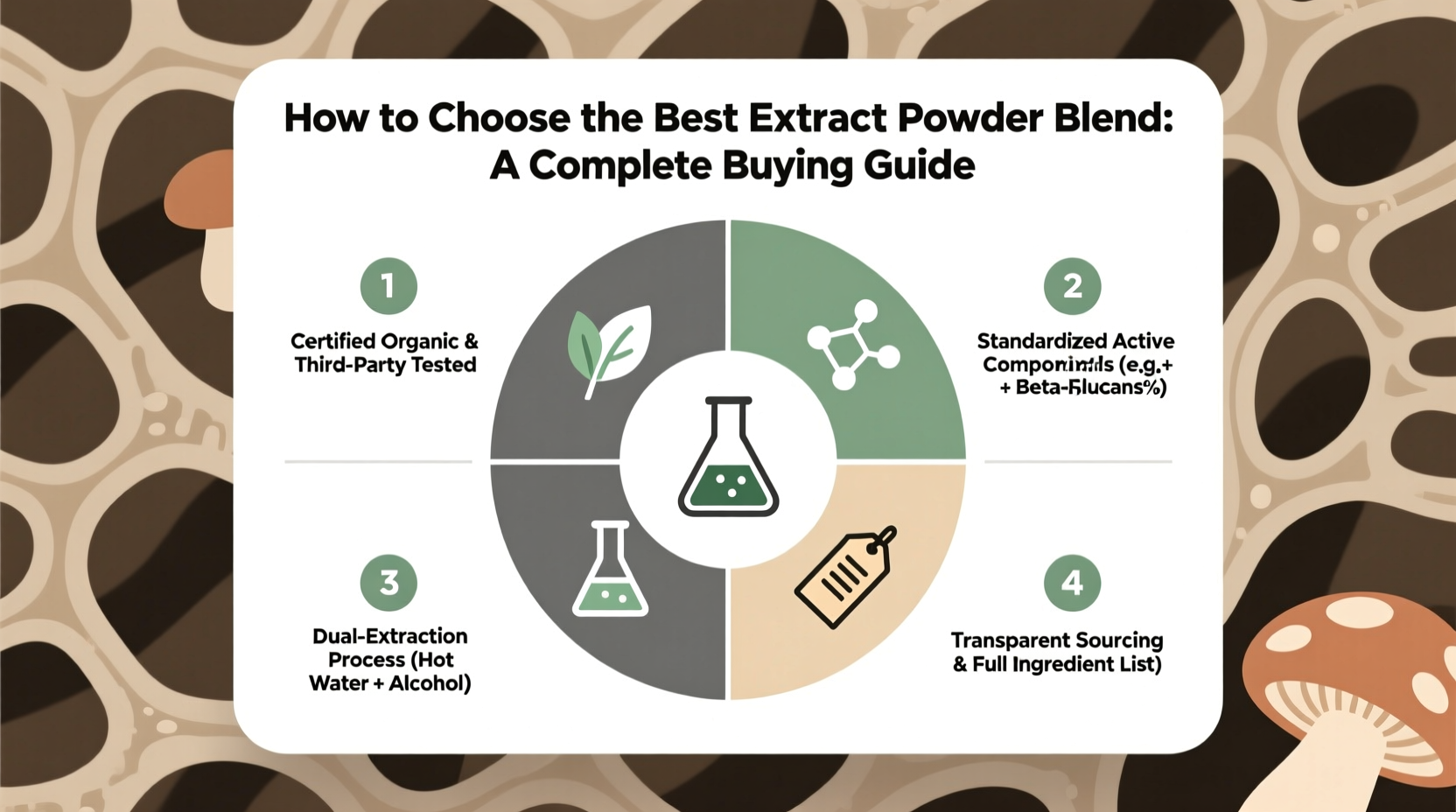
Because no single method is perfect, many herbalists use dual extraction—first extracting with hot water, then with alcohol. The two extracts are combined. This method is popular for mushrooms (like reishi, chaga, lion’s mane) and some roots.
How Dual Extraction Works
- Chop or powder the dried plant/mushroom.
- Simmer in water for 1–2 hours. Strain, save the liquid.
- Cover the strained material with alcohol (at least 40%). Let sit 2–4 weeks.
- Strain and mix the alcohol and water extracts.
This gives you both polysaccharides (from water) and triterpenoids/alkaloids (from alcohol).
This method is used by many supplement companies to offer “full spectrum” extracts. You get a mix of immune support (from water) and deeper effects (from alcohol).
Advantages
- More complete extraction: Gets a wider range of compounds.
- Longer shelf life: Alcohol helps preserve the mix.
- Popular for medicinal mushrooms: Used by many supplement companies.
Dual extraction is especially useful for people who want the widest possible benefit from a single herb. It can cost more, but the results are hard to match.
Limitations
- More work: Takes longer and uses more steps.
- Final alcohol content: Not suitable for everyone.
If you want to reduce the alcohol, you can evaporate some by gently heating the extract (never use an open flame). This is common in some traditional clinics.
Detailed Examples: What’s Extracted By Each Method
Let’s look at some specific plants and mushrooms. You’ll see how the extraction method changes what you get.
Reishi Mushroom (ganoderma Lucidum)
- Hot water: Pulls out beta-glucans (immune support), some polysaccharides.
- Alcohol: Pulls out triterpenoids (calming, anti-inflammatory).
- Best result: Dual extraction.
Reishi teas are good for daily immune support. Reishi tinctures may help with stress or sleep. Dual extracts combine both.
Chaga Mushroom (inonotus Obliquus)
- Hot water: Beta-glucans, polyphenols (antioxidants).
- Alcohol: Triterpenoids, betulinic acid.
- Best result: Dual extraction.
Chaga is famous for antioxidant power, but only if both methods are used. Water gets the antioxidants, alcohol gets the deeper actives.
Echinacea Root
- Hot water: Some polysaccharides (immune support).
- Alcohol: Alkylamides (immune modulating, tingling).
- Best result: Alcohol tincture or dual extraction.
Most commercial Echinacea drops are alcohol tinctures, since they capture the “tingle” that signals active alkylamides.
Valerian Root
- Hot water: Low yield of valerenic acids (the main relaxing compound).
- Alcohol: High yield of valerenic acids and essential oils.
- Best result: Alcohol tincture.
For sleep support, tinctures are much more effective than teas.
Green Tea
- Hot water: Catechins (EGCG), caffeine.
- Alcohol: Some catechins, but also extracts more bitter compounds.
- Best result: Hot water.
Alcohol extraction is rarely used for green tea. The taste is harsh, and you lose the delicate balance.
Ginseng
- Hot water: Ginsenosides (energy, immune).
- Alcohol: Ginsenosides, plus other saponins.
- Best result: Both methods can work.
Some studies show different ginsenosides are released by each method. Korean medicine often steams ginseng before making extracts.
Key Factors That Affect Extraction
When choosing a method, several factors matter:
- Type of plant or mushroom: Some are better with water, some with alcohol.
- Fresh or dried material: Fresh often releases more volatile oils, dried stores better.
- Cut or powdered: Powdered material releases compounds faster.
- Extraction time: Longer times usually pull out more, but can also pull unwanted flavors.
- Solvent strength: Higher alcohol percentage pulls out more non-polar compounds.
Practical Tips
- For immune support (like from mushrooms), use hot water or dual extraction.
- For stress, calming, or pain relief (like valerian, kava), use alcohol tincture.
- For daily teas, hot water is enough for most herbs.
- If you want a long shelf life or travel extract, use alcohol.
It’s a good idea to experiment with small batches to see what works best for your needs. You can also blend extracts for custom effects.
Common Mistakes To Avoid
Even experienced users sometimes make mistakes:
- Using only one method for complex herbs: This can miss important compounds.
- Too short extraction time: Some compounds need hours (water) or weeks (alcohol).
- Using low-proof alcohol: Below 40%, alcohol may not extract triterpenoids well.
- Overheating: Boiling too long can destroy delicate compounds.
- Not straining well: Plant material left in extracts can spoil quickly.
Another easy-to-miss error is using dirty or wet jars for tinctures. This can cause mold or bacteria growth even in high-proof alcohol.
How To Make Hot Water And Alcohol Extracts At Home
Hot Water Extract (decoction)
- Use 1–2 tablespoons dried plant or mushroom per 2 cups water.
- Simmer gently for 30–60 minutes (not a rolling boil).
- Strain well.
- Drink the same day or store in the fridge (up to 3 days).
If you want a stronger extract, increase the amount of plant material or simmer longer. For roots and barks, cut into small pieces to help extraction.
Alcohol Extract (tincture)
- Fill a glass jar 1/3 with dried herbs or mushrooms.
- Add vodka or other 40–60% alcohol to cover.
- Seal and shake daily for 2–4 weeks.
- Strain and store in a dark glass bottle. Shelf life: 1–3 years.
Write the date and contents on your bottle. After straining, squeeze the plant material to get every last drop. Use a cheesecloth or coffee filter for best results.
Dual Extraction Example
- Do a hot water extraction first (as above), strain and save the water.
- Use the strained plant in alcohol for 2 weeks.
- Mix water and alcohol extracts. Final alcohol should be about 20–30% for shelf life.
If you want lower alcohol, store in the fridge and use within a month. For stronger shelf life, keep above 20% alcohol.
Extraction Efficiency: Numbers And Studies
Researchers measure extraction efficiency by testing how much of a target compound ends up in the final liquid.
- Beta-glucans: 75–90% extracted by hot water; less than 10% by alcohol alone.
- Triterpenoids: Less than 5% in water; 60–80% in alcohol.
- Alkaloids: 70–95% in alcohol; less than 30% in hot water.
- Flavonoids: 40–60% in water; 60–80% in alcohol (depends on type).
In a study on reishi mushroom published in the “Journal of Ethnopharmacology,” water extracts had 4–8 times more polysaccharides than alcohol extracts, but alcohol extracts had up to 10 times more triterpenoids.
Most people are surprised to learn that extraction rates can be even higher with very fine powders, but these spoil faster and may taste bitter.
When To Choose Each Method
There is no “one size fits all. ” Your choice should fit your goal.
- Hot water extraction: Best for immune support, daily teas, kids, or fast use.
- Alcohol extraction: Best for long-term storage, strong herbal effects, or extracting oils, alkaloids, or terpenes.
- Dual extraction: Best for most medicinal mushrooms and adaptogenic roots.
If you only want one method and don’t know the plant’s chemistry, hot water is safer for most culinary and daily uses. Alcohol is for advanced or medicinal use.
Try tasting both types of extracts with the same herb—you’ll notice the difference right away. The taste, color, and even smell can show what compounds you’ve captured.
Environmental And Safety Considerations
Both methods are safe when done properly, but there are some things to keep in mind.
- Alcohol is flammable: Keep away from heat and flame.
- Hot water burns: Be careful with boiling liquids.
- Alcohol extracts are not for children, pregnant women, or recovering alcoholics.
- Proper labeling: Always label your extracts with date and contents.
Dispose of leftover plant material in compost if possible. Never pour large amounts of alcohol down the drain.
Cost And Accessibility
Hot water extraction is the cheapest—just water and heat. Anyone can do it at home. Alcohol extraction needs vodka or spirits, which costs more and is not available everywhere.
- Hot water: Cost is almost zero.
- Alcohol: Higher cost, but long shelf life.
- Dual extraction: Most expensive, but pulls out the most compounds.
If you live somewhere with alcohol restrictions, consider glycerin extracts, but know they are less effective for some compounds.
Shelf Life And Storage
- Hot water extracts: Short (a few days in the fridge).
- Alcohol extracts: Up to 3 years at room temperature.
- Dual extracts: Up to 1 year (depending on alcohol content).
Always use dark glass bottles to protect from light, and label with date.
Keep extracts away from heat and direct sun. If you notice mold or a strange smell, discard the extract.
Myths About Extraction
Many people believe one method is always better. This is not true. For example:
- “Alcohol pulls out everything.” False—many immune compounds are left behind.
- “Hot water is enough for all herbs.” False—some actives are only in alcohol.
- “Alcohol extracts are dangerous.” Not if used properly and in small doses.
Another myth is that “longer is always better. ” In fact, over-extraction can lead to bitter, unpleasant flavors and even bring out unwanted chemicals.

Credit: www.sciencedirect.com
Non-obvious Insights
- Some compounds need both heat and alcohol. For example, reishi’s most powerful triterpenoids only dissolve after heat breaks down cell walls, but require alcohol to extract fully.
- Particle size matters. Powdered herbs release more compounds than whole pieces, but spoil faster. Always use freshly powdered material if possible.
- Water quality affects extraction. Hard water can reduce yields for some compounds—use filtered water for best results.
- Storage matters. Even the strongest extract loses power if stored in sunlight or plastic.
One more tip: blending extracts from different methods can create unique flavors and effects, especially for custom herbal blends.
Advanced Extraction: Beyond Water And Alcohol
Some advanced methods use glycerin, vinegar, or even supercritical CO2, but these are less common for home use.
- Glycerin: Safer for kids, but less efficient than alcohol.
- Vinegar: Good for minerals, but misses most actives.
- CO2 extraction: Used for essential oils; not practical at home.
Some herbal companies use ultrasonic waves or pressure to speed up extraction, but these methods are rare outside of industry.
Real World Uses
- Many supplement companies now use dual extraction for mushroom tinctures.
- Traditional medicine systems like Chinese medicine use hot water (decoctions) for daily treatment.
- Alcohol tinctures are standard for Western herbalists.
If you buy extracts, check the label for “dual extracted” or “hot water extracted” so you know what you’re getting.
Many health food stores offer both types. Ask staff for advice if you’re unsure.
Final Thoughts
So, which method pulls more bioactive compounds? The answer: It depends on the compound you want. Hot water is best for immune-boosting sugars and some antioxidants. Alcohol is best for oils, alkaloids, and powerful terpenes. Dual extraction is best for complex plants and mushrooms.
For most people, hot water extraction is the simplest and safest method to start with. If you want the full power of medicinal mushrooms or herbs, learn to do a dual extraction. And always choose the right method for your health goal.
If you want to see scientific details and further reading, you can check Wikipedia’s extraction chemistry overview.
Frequently Asked Questions
What Are Bioactive Compounds?
Bioactive compounds are chemicals in plants and mushrooms that have effects on your health. Examples include beta-glucans, triterpenoids, alkaloids, and flavonoids. They can boost your immune system, fight inflammation, or calm your nerves.
Is Alcohol Extraction Safe For Everyone?
No. Alcohol extracts are not recommended for children, pregnant women, pets, or people who avoid alcohol. For these groups, use hot water extracts or glycerin-based extracts.
Can I Use Both Hot Water And Alcohol Together?
Yes. This is called dual extraction. You extract with hot water first, then with alcohol, and combine the results. This method gets the widest range of bioactive compounds.
How Do I Know Which Method To Use For A New Herb Or Mushroom?
Check research or traditional use. If the plant is used as a tea or soup, hot water is usually best. If it’s used as a tincture or for strong effects, alcohol may be better. Dual extraction is safest for medicinal mushrooms.
Does The Quality Of Alcohol Or Water Matter?
Yes. Use clean, filtered water and high-quality alcohol (at least 40% ethanol). Poor quality solvents can lower extraction results or add unwanted chemicals. Always store extracts in clean, dark glass bottles.