
Foraging Porcini Mushrooms: Habitat, Season, And Cooking Tips
Porcini mushrooms, with their thick stems and nutty flavor, are among the most prized wild mushrooms in the culinary world. Foraging for porcini combines adventure, science, and a touch of luck. Many people dream of finding their own porcini mushrooms in the forest, but there’s more to this pursuit than simply wandering in the woods. Knowing where to look, when to search, and how to safely harvest and cook porcini is essential. Let’s dive into the fascinating world of porcini foraging and discover what makes these mushrooms so special.
What Are Porcini Mushrooms?
Porcini mushrooms, also known as Boletus edulis, are large, meaty mushrooms native to forests across Europe, North America, and Asia. They go by many names: cep in France, steinpilz in Germany, and penny bun in the UK. Their firm texture, rich umami flavor, and versatility in cooking have made them a favorite of chefs and foragers alike.
A mature porcini often weighs between 200 and 500 grams, but some can reach over a kilogram. Their brown, convex caps can grow up to 30 centimeters across. The stem is thick and white, sometimes with a net-like pattern. Unlike other mushrooms, porcini have pores underneath the cap instead of gills, which help release spores into the air.
Porcini are not only delicious but also nutritious. They contain protein, fiber, B vitamins, and minerals like potassium, selenium, and copper. In fact, 100 grams of porcini offer about 30 calories, 3 grams of protein, and 2 grams of fiber.
Habitat: Where Porcini Mushrooms Grow
Foraging success depends on knowing where porcini like to grow. These mushrooms are not random; they have specific habitat preferences.
Preferred Forests
Porcini are mycorrhizal fungi, meaning they form a close relationship with tree roots. This relationship is symbiotic: the mushroom helps the tree absorb water and nutrients, and the tree provides sugars to the mushroom.
Porcini are found in:
- Deciduous forests: Oak, beech, and chestnut trees are common hosts in Europe.
- Coniferous forests: Spruce, pine, and fir are preferred in colder regions and in parts of North America.
- Mixed woodlands: A mix of broadleaf and conifer trees can also host porcini, especially in areas with rich, undisturbed soil.
Soil And Microclimate
Porcini favor well-drained, slightly acidic soils. They do not like compacted or waterlogged ground. The best spots are often on gentle slopes, near mossy areas, or under thick leaf litter.
The microclimate is also important. Porcini thrive in areas with:
- Dappled sunlight: Not deep shade, but not full sun either.
- Good air flow: Open forests, not dense undergrowth.
- High humidity: After rain or morning dew, especially in late summer and early autumn.
Regional Differences
Porcini can be found across the Northern Hemisphere, but their abundance varies:
- In Europe, they are common in the Alps, Pyrenees, and forests from France to Ukraine.
- In North America, they are found in the Pacific Northwest, Rocky Mountains, and northeastern U.S.
- In Asia, porcini grow in temperate forests from China to Japan.
Local knowledge is valuable. Some forests may be famous for porcini, while similar-looking woods nearby have none. This unpredictability is part of the challenge and charm.

Credit: www.amazon.com
Season: When To Find Porcini Mushrooms
Knowing the right season is crucial. Porcini are not available year-round and their appearance is tied to weather and temperature.
Main Fruiting Season
Porcini typically fruit from late summer to early autumn. The season often starts in July and continues until October or November in many regions. However, timing can shift depending on climate and rainfall.
Here’s a simple seasonal overview:
- Southern Europe: Starts as early as June, peaks in August-September.
- Central & Northern Europe: July to October, with the best flush after late summer rains.
- North America (Pacific Northwest): September to November, sometimes as late as December.
- Asia: Varies, but often August to October.
Role Of Weather
Porcini need the right combination of warmth and moisture. The best time to search is usually 7 to 10 days after steady rain, when the ground is moist but not flooded. Temperatures between 15°C and 25°C (59°F to 77°F) are ideal.
A dry, hot summer can delay the season. On the other hand, heavy rain followed by cool nights can produce a bumper crop. Paying attention to local weather reports can greatly increase your chances.
Short Flushes And “mushroom Waves”
Porcini often appear in flushes, sometimes called “mushroom waves.” A forest might be empty one week and full of mushrooms the next. These flushes can last just a few days, so regular visits during the season are helpful.
A useful tip: If you find one porcini, look nearby. They often grow in loose groups, sometimes called “fairy rings” or mushroom patches.
How To Identify Porcini Mushrooms
Correct identification is essential for safety. Many edible mushrooms look similar to poisonous species. Porcini are generally easy to recognize, but beginners should be cautious.
Key Features
- Cap: Brown, smooth, sometimes sticky when wet. Young caps are rounded and become flatter with age.
- Pores: The underside of the cap has fine, sponge-like pores, white in young mushrooms, turning yellow-green as they age.
- Stem: Thick, bulbous, usually white or tan, sometimes with a fine net pattern near the top.
- Flesh: White, firm, does not change color when cut.
- Smell: Mild, nutty, pleasant.
Common Lookalikes
Several mushrooms resemble porcini, some of which are inedible or toxic. The most important to know is the bitter bolete (Tylopilus felleus), which looks almost identical but tastes very bitter and can ruin a dish. The bitter bolete has a darker net on the stem and pinkish pores.
There are also poisonous boletes with red or orange pores and blue-staining flesh. Always avoid boletes with bright red or orange pores, or those that bruise blue.
Practical Identification Tips
- Carry a reliable mushroom field guide with clear photos.
- Join a local mycology group or go with an experienced forager.
- When in doubt, do not eat a mushroom you cannot confidently identify.
Below is a simple comparison to help distinguish porcini from some common lookalikes:
| Mushroom | Cap | Pores | Stem | Flesh | Edibility |
|---|---|---|---|---|---|
| Porcini (Boletus edulis) | Brown, smooth | White to yellow-green | Thick, white, net pattern | White, firm | Edible, choice |
| Bitter Bolete | Brown, smooth | White to pinkish | Dark net, slender | White, firm | Inedible (bitter) |
| Red-capped Bolete | Red or orange | Red/orange, blue bruising | Often red tints | Stains blue | Some toxic |
Foraging Techniques: How To Gather Porcini Mushrooms Safely
Foraging is more than picking mushrooms; it’s about respecting nature and ensuring future harvests. Here’s how to gather porcini responsibly:
Tools And Preparation
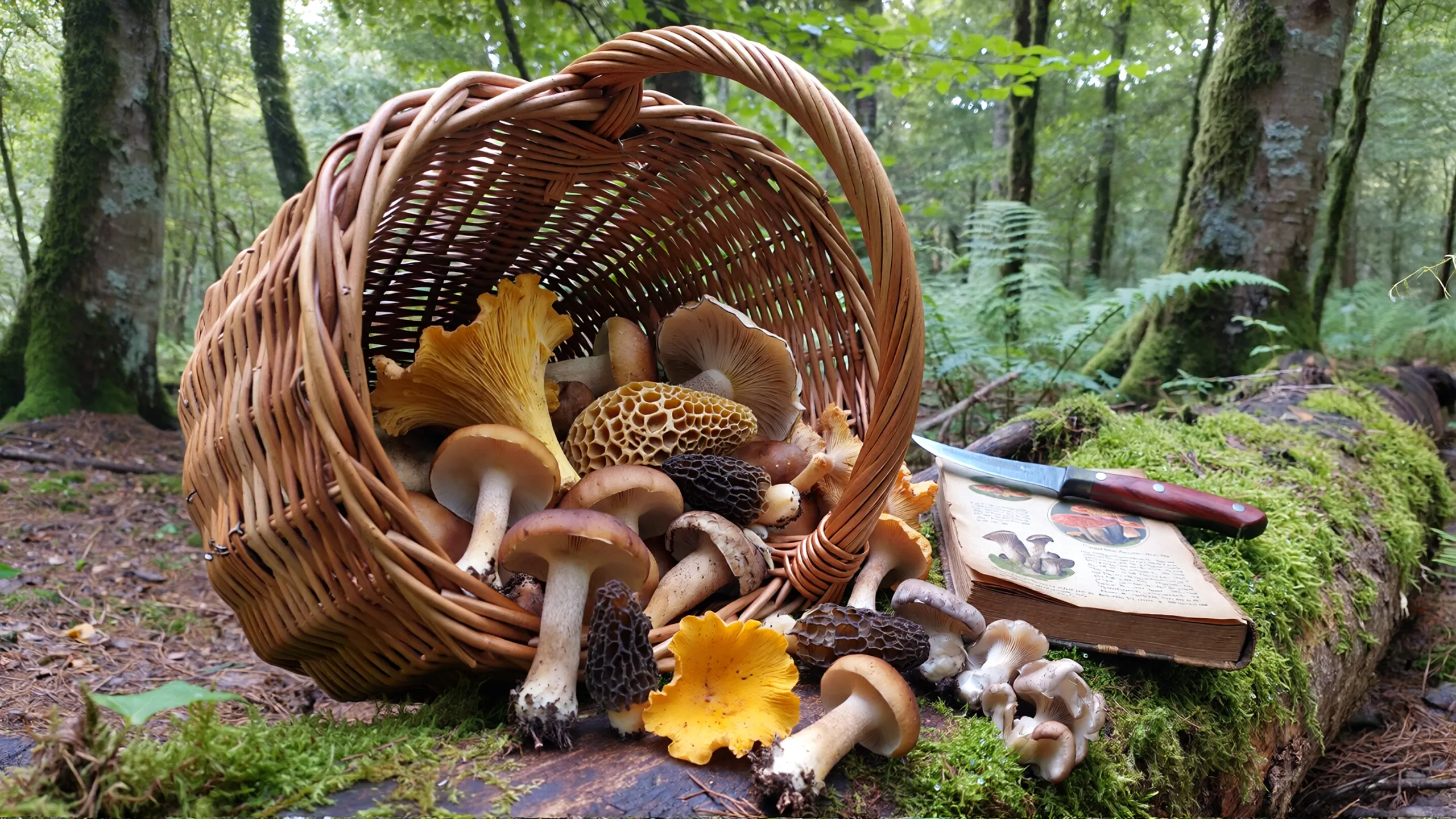
- Basket or mesh bag: Use a basket to let spores fall as you walk, helping new mushrooms grow. Avoid plastic bags, which cause mushrooms to sweat and spoil.
- Small knife: Useful for clean cuts and inspecting stems.
- Brush: To gently remove dirt in the field.
Harvesting Steps
- Spotting mushrooms: Walk slowly, scanning the forest floor near tree roots, mossy patches, and leaf litter.
- Check condition: Pick only firm, healthy mushrooms. Avoid overripe or decaying ones, as they often host insects.
- Cut or twist? : Opinions vary. Many foragers cut porcini at the base with a knife to minimize damage to the underground mycelium. Others gently twist and pull, then cover the spot with leaves.
- Clean in the field: Gently brush off dirt, pine needles, and insects. This reduces cleaning time at home and keeps your harvest fresh.
Leave No Trace
- Do not overharvest: Leave some mushrooms to spread spores and support wildlife.
- Don’t pick all sizes: Small, young mushrooms are best left to mature.
- Respect private property: Always seek permission before foraging on private land.
Non-obvious Insight
Many new foragers focus only on the ground. However, porcini can sometimes be found growing on fallen logs, mossy stumps, or even above eye level in dense undergrowth. Scanning at different heights can reveal hidden mushrooms others miss.
How To Store And Preserve Fresh Porcini
Porcini are best enjoyed fresh, but their shelf life is short. Proper storage and preservation help you make the most of your harvest.
Short-term Storage
- Refrigerate: Place unwashed porcini in a paper bag or basket in the fridge. They last 2–3 days. Avoid plastic, which traps moisture and speeds spoilage.
- Do not soak: Porcini absorb water easily. Only clean them with a brush or damp cloth before cooking.
Long-term Preservation
Porcini can be preserved in several ways:
- Drying: Slice mushrooms 0.5–1 cm thick and dry on racks, in a dehydrator, or at low temperature in the oven. When fully dry, they become hard and brittle. Store in airtight containers.
- Freezing: Clean and slice porcini, sauté briefly in butter or olive oil, cool, and freeze in portions. Raw porcini can become mushy when thawed.
- Pickling: Young, small porcini are ideal for pickling in vinegar, herbs, and oil.
Insight For Beginners
Drying porcini concentrates their flavor and makes them last for months or years. Dried porcini can be rehydrated in hot water and used in soups, risotto, or sauces. The soaking liquid itself is rich in flavor and should be used as a broth.
Cooking Tips: Bringing Out The Best In Porcini
Porcini mushrooms are celebrated in kitchens worldwide. Their nutty, earthy aroma and meaty texture make them ideal for many dishes. However, cooking porcini requires a few special considerations.
Preparing Porcini For Cooking
- Clean gently: Use a brush or damp paper towel to remove dirt. Avoid washing under running water, as porcini absorb moisture quickly.
- Trim away tough parts: Slice off the very base of the stem. If the stem is spongy or full of holes, remove insect-damaged sections.
- Slice or chop: Cut porcini into even pieces for even cooking.
Best Cooking Methods
Porcini can be used in many ways, but certain techniques highlight their unique flavor best:
- Sautéing: Heat a bit of butter or olive oil in a pan. Add sliced porcini and cook over medium heat until golden and fragrant, about 5–7 minutes. Add a pinch of salt to draw out their juices.
- Grilling: Whole or large slices of porcini can be brushed with oil and grilled. This method brings out their smoky, nutty notes.
- Roasting: Toss porcini pieces with oil, herbs, and roast in a hot oven (200°C/400°F) for 15–20 minutes.
- Soups and Risotto: Add porcini near the end of cooking to preserve their texture and aroma.
Pairing With Other Ingredients
Porcini pair well with:
- Pasta: Tagliatelle, pappardelle, or risotto
- Eggs: Omelets and frittatas
- Herbs: Parsley, thyme, garlic, bay leaf
- Meat: Beef, venison, chicken
- Cheese: Parmesan, pecorino
Common Mistakes To Avoid
- Overcooking: Porcini can become mushy if cooked too long. Sauté just until tender.
- Crowding the pan: Cook in batches if necessary, so mushrooms brown instead of steaming.
- Masking the flavor: Use simple seasonings. Heavy sauces can overpower porcini’s delicate taste.
Two Lesser-known Tips
- Use the soaking water: When using dried porcini, strain and save the soaking water. It’s packed with umami and can replace stock in recipes.
- Check for worms: Wild porcini are often home to tiny insects, especially in mature specimens. Slice through the stem and cap to check for tunnels or holes. Use only firm, clean mushrooms.
Here’s a quick comparison of common porcini cooking methods:
| Method | Texture | Flavor | Best Use |
|---|---|---|---|
| Sautéing | Firm, juicy | Nutty, earthy | Pasta, eggs, bruschetta |
| Grilling | Smoky, meaty | Intense, caramelized | Side dish, salads |
| Drying/Rehydrating | Chewy | Very concentrated | Soups, stews, sauces |
Regional Porcini Dishes To Try
Different cultures have created unique dishes to showcase porcini mushrooms. Here are a few classic examples:
Italy: Risotto Ai Funghi Porcini
This creamy rice dish is famous in northern Italy. Fresh or dried porcini are sautéed with onions, then simmered with rice and broth. Parmesan cheese and a touch of butter finish the dish.
France: Cèpes À La Bordelaise
A specialty from the Bordeaux region, this dish features porcini sautéed with garlic, parsley, and breadcrumbs. Often served with grilled meats or as a side dish.
Central Europe: Porcini Soup
Hearty mushroom soups are common in Poland, Hungary, and the Czech Republic. They use both fresh and dried porcini, potatoes, root vegetables, and sour cream.
Non-obvious Insight
In some regions, young porcini are eaten raw in salads, sliced thin, and dressed with olive oil and lemon. Only use very fresh, firm mushrooms for this, as older ones can harbor insects or bacteria.
Credit: lykyn.com
Safety: Avoiding Toxic Mushrooms And Legal Issues
Foraging is rewarding but requires caution. Eating the wrong mushroom can lead to serious illness or worse.
Poisonous Lookalikes
While porcini are safe, some lookalike boletes are toxic:
- Boletus satanas (Satan’s bolete): Red pores, blue-staining flesh, toxic.
- Boletus erythropus (Scarletina bolete): Edible when cooked, but can cause gastric upset if undercooked.
Never eat mushrooms with red or orange pores, or those that bruise blue, unless you’re absolutely certain of their identity.
Legal Considerations
- Permits and restrictions: Some countries and parks require permits or limit mushroom picking. Check local laws.
- Protected areas: National parks or reserves may ban foraging to protect ecosystems.
Practical Advice
- Taste test: Never taste wild mushrooms raw if you’re unsure. Even a tiny piece can be dangerous.
- Consult experts: If in doubt, ask a local mycologist or take your finds to a mushroom identification group.
For more detailed information on mushroom safety, see the Boletus edulis page on Wikipedia.
Ecological Importance Of Porcini Mushrooms
Porcini are not just a food source—they are a key part of forest ecosystems.
Role In The Forest
- Nutrient cycling: Porcini help break down organic matter, returning nutrients to the soil.
- Tree health: Their mycorrhizal partnerships support healthy tree growth and forest diversity.
- Wildlife food: Many animals, including deer, squirrels, and insects, feed on porcini.
Sustainable Foraging
Responsible harvesting ensures that porcini and the forests they grow in remain healthy for future generations. Avoid damaging the mycelium (the underground network), and only take what you can use.
Overlooked Fact
Commercial harvesting can damage local porcini populations. Some regions in Europe have set limits on how many kilograms each person can pick per day. Overharvesting can reduce future yields and harm the forest’s balance.
Health Benefits And Risks Of Porcini Mushrooms
Porcini are not just tasty—they’re good for you, too.
Nutritional Benefits
- Low calorie: Only about 30 kcal per 100 grams.
- High in fiber: Supports digestion.
- Rich in minerals: Contains potassium, copper, and selenium.
- Source of antioxidants: Beta-glucans and ergothioneine may support the immune system.
Potential Risks
- Digestive upset: Some people are sensitive to wild mushrooms. Always cook porcini well.
- Allergic reactions: Rare, but possible. Try a small amount first if you’re new to wild mushrooms.
- Heavy metals: Wild mushrooms can absorb pollutants from the soil. Avoid picking near roads, factories, or contaminated sites.
Two Non-obvious Insights
- Porcini are a good source of vitamin D when exposed to sunlight, especially if dried in the sun before storage.
- Dried porcini are more concentrated in nutrients—a small amount adds more minerals and flavor to dishes than fresh mushrooms.
Porcini Foraging: Beginner To Advanced Tips
For Beginners
- Learn from an experienced forager or join a local club.
- Start with well-known, easily identified mushrooms like porcini before trying others.
- Always double-check identification with at least two sources.
For Advanced Foragers
- Study the specific trees and soil types in your area. Porcini often return to the same spots year after year.
- Keep a foraging journal to track locations, weather, and flushes. This helps predict future harvests.
- Experiment with preservation and recipes to enjoy porcini all year.
Insight For Serious Foragers
Porcini are sensitive to climate change. Warmer temperatures and changes in rainfall are already affecting mushroom seasons in some regions. Tracking changes over time can help you adapt your foraging strategy.

Credit: lykyn.com
Porcini Foraging Around The World
Porcini are beloved across continents. Here’s a quick look at how different regions approach porcini foraging and cuisine:
| Region | Common Trees | Main Season | Popular Dishes |
|---|---|---|---|
| Italy | Pine, oak, chestnut | June–October | Risotto, pasta, grilled |
| France | Oak, beech, chestnut | July–October | Cèpes à la Bordelaise, soups |
| Germany | Spruce, pine | July–September | Mushroom sauces, dumplings |
| USA (PNW) | Fir, pine, spruce | September–November | Sautéed, soups, pizza |
| China | Pine, oak | August–October | Stir-fry, stews |
Frequently Asked Questions
What Trees Do Porcini Mushrooms Grow Under?
Porcini form partnerships with specific trees. In Europe, they favor oak, beech, and chestnut. In North America, look for porcini near fir, pine, and spruce. The type of tree can influence the flavor and size of the mushrooms.
How Can I Tell If A Porcini Is Too Old To Pick?
Check the texture and color. Overripe porcini often have soft, spongy flesh, large pores that have turned greenish, and may be full of insects or tunnels. Choose firm, white-fleshed mushrooms for the best eating quality.
Is It Safe To Eat Porcini Mushrooms Raw?
Only very fresh, young porcini should be eaten raw, and only in small amounts. Most experts recommend cooking porcini to destroy any bacteria or insects and improve digestibility.
Can Porcini Mushrooms Be Grown At Home?
Porcini are difficult to cultivate because they need a symbiotic relationship with specific trees. Commercial production is rare and usually requires special methods. Most porcini on the market are wild-harvested.
What Is The Best Way To Dry Porcini Mushrooms?
Slice porcini about 0.5–1 cm thick and dry them in a dehydrator or warm, ventilated oven (about 40–50°C or 104–122°F). You can also air-dry them in a dry, sunny spot. Store dried mushrooms in airtight containers away from light.
Foraging for porcini mushrooms is an adventure that combines nature, science, and cooking. With the right knowledge, anyone can enjoy the thrill of finding these wild treasures and bringing their rich flavors to the table. Whether you’re a beginner or a seasoned forager, respect the forest, harvest wisely, and savor every bite of this extraordinary mushroom.