
Foraging Lobster Mushrooms: The Parasite That Tastes Incredible
There is something magical about stepping into a quiet forest and discovering a mushroom that looks like a bright orange lobster tail. These are lobster mushrooms, and they are both strange and delicious. Unlike many wild mushrooms, lobster mushrooms are not a single species. Instead, they are the result of a parasitic fungus transforming another mushroom into a new, flavorful creation. Foragers love them not only because of their unique appearance but also for their strong, seafood-like taste. If you are curious about foraging lobster mushrooms, this article will guide you through everything you need to know—from identification to cooking, safety, and even the science behind their unusual nature.
What Are Lobster Mushrooms?
Lobster mushrooms are not born as lobster mushrooms. They start as a white or beige mushroom called Russula or Lactarius. These host mushrooms are not very tasty on their own and are sometimes even considered bland or inedible. Then, a parasitic fungus called Hypomyces lactifluorum attacks and covers the host. This fungus changes the mushroom’s color to bright orange or red and gives it a hard, shell-like texture—just like the shell of a lobster.
The transformation does not stop at the appearance. The parasite also changes the flavor and smell of the host. The result is a mushroom that is highly prized in kitchens and by wild food lovers. The taste is described as rich, nutty, and similar to shellfish, which is where the name “lobster mushroom” comes from.
Lobster mushrooms can be found across North America, especially in forests with lots of moss, ferns, and decaying wood. They are especially common in the Pacific Northwest, but people also find them in the Northeast, Midwest, and parts of Canada.
They usually appear from late summer to early fall, after periods of rain.
The Science Behind The Parasite
Most mushrooms are known as the fruiting bodies of fungi, but the lobster mushroom is a unique case. The Hypomyces lactifluorum fungus does not grow its own fruiting body. Instead, it takes over a host, completely covering it. This process is called mycoparasitism, where one fungus parasitizes another.
The result is a transformation so complete that it is almost impossible to identify the original host mushroom without breaking it open and looking closely. This is why foragers must be careful. Not every host mushroom is safe to eat, and the parasite can sometimes take over mushrooms that are not edible.
The flavor change is due to the way the parasite breaks down and rebuilds the chemicals inside the host. It creates new compounds responsible for the lobster-like aroma and taste. Scientists have studied these changes and found that the parasite increases certain amino acids, which make the mushroom taste better and give it a meaty texture.
Another interesting fact: the parasite also acts as a natural preservative. Lobster mushrooms can stay fresh a bit longer than many wild mushrooms. However, they can sometimes hide flaws or rot, so you need to be careful when picking and eating them.
Identification: How To Recognize Lobster Mushrooms
Correct identification is the most important step in foraging any wild mushroom. Lobster mushrooms are fairly easy to spot, but you must pay attention to a few details to stay safe.
Key Features
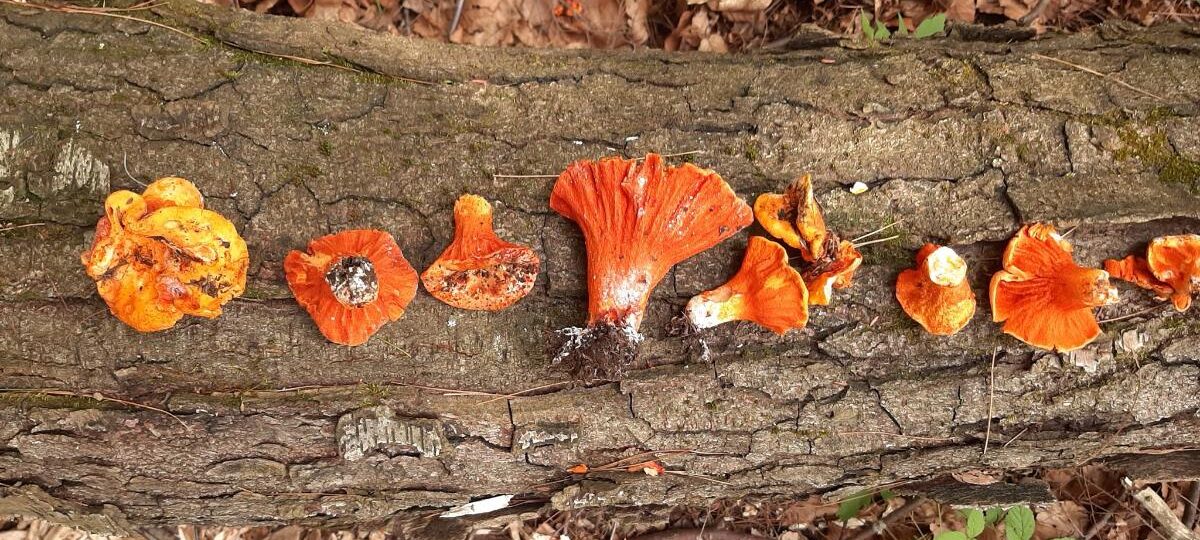
- Color: The first thing you will notice is the bright orange, reddish, or sometimes even pink color. The color can be intense and looks almost artificial.
- Texture: The surface is rough, bumpy, and feels hard, like a lobster shell. It does not feel slimy or sticky.
- Shape: The shape is irregular and often twisted. It does not look like the typical umbrella-shaped mushroom. Instead, it is thick, with folds and bumps.
- Gills: If you break the mushroom open, the inside is white and solid. The gills, if visible, are often deformed or completely covered by the parasite.
- Smell: Lobster mushrooms have a strong, seafood-like smell. Some people say it smells like cooked lobster, others say it is more like shrimp or crab.
Common Mistakes
- Do not rely only on color. Some toxic mushrooms can also be orange or red.
- Always check the inside. If the mushroom is soft, brown, or smells rotten, do not pick it.
- Do not eat any mushroom you are not 100% sure about. Bring a field guide or go with an experienced forager.
Similar Species
Some mushrooms can look a bit like lobster mushrooms, especially if they are old or decaying. False lookalikes include:
- Chanterelles: Also orange, but have a different shape and softer texture.
- Jack-o’-lanterns: These are poisonous and have true gills, not the deformed or covered gills of lobster mushrooms.
- Old russulas or lactarius: Not covered in orange parasite, and usually less solid.
For more safety tips, you can check Wikipedia’s guide on Hypomyces lactifluorum.
Where And When To Find Lobster Mushrooms
Lobster mushrooms are not rare, but they do not grow everywhere. Your chances of finding them are much higher if you search in the right habitat at the right time.
Best Places
- Mixed forests: Especially forests with lots of conifer trees (like pine, spruce, or fir) and some deciduous trees (like birch, beech, or oak).
- Moist, shady ground: Look for areas with thick moss, decaying wood, or rich leaf litter.
- Slopes and gullies: These spots often hold more moisture, which lobster mushrooms like.
Prime Season
The best time to find lobster mushrooms is late summer to early fall. In the Pacific Northwest, this means August through October. In the Northeast or Midwest, it can be a bit earlier or later, depending on rain and temperature.
Weather Conditions
Lobster mushrooms need humidity. They often appear a few days after heavy rain, especially if the temperature is between 60°F and 75°F (15°C–24°C). Dry, hot weather is not good for them.
If you want a quick guide to the main regions and their seasons, see the comparison below.
| Region | Prime Season | Habitat |
|---|---|---|
| Pacific Northwest | August–October | Mixed conifer and hardwood forests |
| Northeast US | July–September | Deciduous and mixed forests |
| Midwest US | August–September | Moist wooded areas |
| Canada (BC, Ontario) | August–October | Boreal and mixed forests |
How To Forage Lobster Mushrooms Safely
Foraging is fun, but safety comes first. Here are important steps to follow:
- Never eat a mushroom you cannot positively identify. Even though lobster mushrooms are distinctive, mistakes can be dangerous.
- Harvest only fresh, healthy specimens. The mushroom should be firm, not soft, and should smell fresh, not sour or rotten.
- Use a knife to cut at the base. This helps keep the forest floor healthy and allows the fungus to grow again.
- Bring a basket or mesh bag. This lets spores fall out and helps spread mushrooms for future years.
- Check for bugs. Lobster mushrooms often have insects hiding inside. Tap them lightly and cut them open to check.
- Avoid polluted areas. Do not pick near roads, factories, or places with chemical use. Mushrooms absorb toxins from the soil.
- Start with small amounts. If it is your first time eating wild lobster mushrooms, try a small serving to test for allergies.
Foraging Laws And Ethics
- Know your local rules. Some parks and forests do not allow mushroom picking. Others have limits.
- Take only what you need. Leave some for wildlife and other foragers.
- Respect nature. Do not damage plants or disturb the ground more than necessary.
Cleaning And Storing Lobster Mushrooms
Lobster mushrooms often carry dirt, needles, and forest debris. Cleaning them properly keeps your food safe and tasty.
Cleaning Steps
- Brush off dirt. Use a soft brush or your fingers to remove loose debris.
- Trim the base. Cut away any dirty or tough parts at the bottom.
- Wipe with a damp cloth. Do not soak the mushroom in water. Too much water makes it soggy.
- Check for bugs. Look inside for insects or tunnels. Remove any you see.
Storing Tips
- Refrigerate in a paper bag. This keeps them dry and fresh for up to a week.
- Do not use plastic bags. Plastic traps moisture and makes mushrooms rot faster.
- Drying: You can dry lobster mushrooms for longer storage. Slice them thin and use a food dehydrator or a low oven.
One insight many beginners miss: lobster mushrooms can sometimes hide rot under their hard surface. Always cut one open before cooking, especially if you find them after rainy weather.
Culinary Uses: Cooking With Lobster Mushrooms
Lobster mushrooms are a favorite in restaurants and home kitchens. Their firm texture and seafood-like flavor make them unique among wild mushrooms.
Flavor Profile
- Aroma: Strong, seafood-like, sometimes nutty.
- Taste: Mild, sweet, and savory, with a hint of lobster or crab.
- Texture: Meaty, dense, holds up well in cooking.
Cooking Methods
- Sautéing: Slice mushrooms and cook in butter or oil over medium heat. Add garlic, salt, and pepper. Excellent for pasta, risotto, or as a side dish.
- Soups and stews: Chop and add to chowders, bisques, or vegetable stews. The lobster flavor works well with potatoes, corn, and cream.
- Grilling: Brush with oil, season, and grill slices until charred. Use as a meat substitute in sandwiches or tacos.
- Pickling: Slice and pickle in vinegar, salt, and spices. Keeps for weeks in the fridge.
- Stuffing: Hollow out larger pieces and fill with breadcrumbs, herbs, and cheese.
Cooking Tips
- Do not overcook. Lobster mushrooms can become tough if cooked too long.
- Pair with light flavors. Their taste stands out best with simple herbs and vegetables.
- Some foragers remove the bright orange skin if it is tough, but many cooks leave it for color and flavor.
Example Recipe: Lobster Mushroom Chowder
Ingredients
- 2 cups fresh lobster mushrooms, cleaned and chopped
- 1 large potato, diced
- 1 small onion, chopped
- 2 cloves garlic, minced
- 2 cups vegetable or chicken broth
- 1 cup milk or cream
- 2 tablespoons butter
- 1 teaspoon salt
- 1/2 teaspoon black pepper
- 1/4 teaspoon smoked paprika
- Fresh parsley for garnish
Instructions
- Melt butter in a pot over medium heat.
- Add onions and garlic, sauté until soft.
- Add mushrooms, cook for 5 minutes until they release aroma.
- Add potatoes, broth, salt, pepper, and paprika.
- Simmer until potatoes are soft, about 15 minutes.
- Stir in milk or cream, heat gently (do not boil).
- Serve hot, garnished with parsley.
This chowder serves 2–3 people and takes about 30 minutes to prepare.
Nutritional Value Of Lobster Mushrooms
Lobster mushrooms are not just tasty; they are also healthy. They contain:
- Protein: More than most wild mushrooms
- Fiber: Good for digestion
- Vitamins: Especially B vitamins, vitamin D (if exposed to sunlight), and vitamin C
- Minerals: Potassium, copper, iron
- Low calories: Less than 50 calories per cup
One non-obvious benefit: the parasite increases certain antioxidants, making lobster mushrooms even more nutritious than their host mushrooms.
Here’s a quick nutritional comparison.
| Nutrient | Lobster Mushroom (per 100g) | White Button Mushroom (per 100g) |
|---|---|---|
| Calories | 28 | 22 |
| Protein (g) | 3.5 | 3.1 |
| Fiber (g) | 2.4 | 1.0 |
| Potassium (mg) | 350 | 318 |
| Vitamin C (mg) | 6 | 2.1 |
Risks And Safety Concerns
While lobster mushrooms are generally safe, there are important risks to know before eating them.
Host Mushroom Issue
Lobster mushrooms are only as safe as their host. Most hosts are Russula brevipes or Lactarius piperatus, which are edible. However, the parasite can sometimes infect mushrooms that are toxic or cause stomach problems.
Key advice: Only pick lobster mushrooms you find growing in large numbers in the same area. If you find one that looks different in shape, color, or smell, leave it. Never assume all “lobster mushrooms” are safe just because of their color.
Spoilage And Rot
Because the parasite covers the host, it can hide signs of decay or bugs. Always cut open the mushroom before eating. If you see brown spots, soft areas, or a rotten smell, do not eat it.
Allergies And Sensitivities
Some people are allergic to wild mushrooms, even if they are generally safe. Always try a small amount first, especially if you have never eaten lobster mushrooms before.
Toxic Lookalikes
Although lobster mushrooms are quite unique, beginners might confuse them with other orange mushrooms, some of which are poisonous. Always use multiple identification features—never rely on color alone.
Foraging Equipment: What To Bring
Having the right tools makes foraging easier and safer.
- Small knife: For cutting mushrooms at the base.
- Basket or mesh bag: Helps spread spores and keeps mushrooms fresh.
- Brush: Soft brush for cleaning in the field.
- Guidebook: A pocket field guide with color photos.
- Notebook and pencil: For recording locations and notes.
- Water and snacks: For a long day in the woods.
- First aid kit: Basic supplies for minor injuries.
One tip: Always bring a charged phone with GPS, but do not rely only on it for navigation. Forests can block signals.

Credit: www.youtube.com
The Environmental Role Of Lobster Mushrooms
Lobster mushrooms are part of a complex forest ecosystem.
- Decomposers: They help break down dead plant material, recycling nutrients.
- Biodiversity: The parasite increases mushroom diversity and provides food for insects and animals.
- Indicators: The presence of lobster mushrooms can signal a healthy, moist forest.
Some foragers do not realize that by spreading spores (using baskets instead of plastic bags), they help keep the population strong for future years.
Economic Value And Commercial Harvesting
In some regions, lobster mushrooms are an important wild crop.
- Sold in markets: Especially in the Pacific Northwest, they are collected and sold to restaurants and specialty stores.
- Price: Fresh lobster mushrooms can sell for $15–$30 per pound, depending on quality and season.
- Sustainability: Over-harvesting can harm local populations. Responsible foraging is important.
Here is a comparison of the market price for common wild mushrooms:
| Mushroom | Average Price per Pound (USD) |
|---|---|
| Lobster Mushroom | 15–30 |
| Morel | 30–50 |
| Chanterelle | 20–40 |
| Matsutake | 100–150 |

Credit: mushroommarauder.com
Preserving Lobster Mushrooms
You do not have to eat all your lobster mushrooms right away. There are several ways to keep them for later.
Drying
- Slice thinly and use a food dehydrator or a low oven (about 120°F/50°C) until completely dry.
- Store in an airtight container in a cool, dark place.
- To use, soak in warm water for 20 minutes.
Freezing
- Clean and slice mushrooms.
- Sauté lightly in butter or oil, then cool.
- Store in freezer bags. Do not freeze raw, as they can become mushy.
Pickling
- Slice and pack into jars with vinegar, salt, sugar, and spices.
- Keeps for up to 2 months in the fridge.
Preserved lobster mushrooms lose some color but keep much of their unique flavor.
Common Myths And Misconceptions
Many stories surround the lobster mushroom. Here are a few common myths:
- “All lobster mushrooms are safe.” False. The host can sometimes be toxic or cause stomach upset.
- “They taste exactly like lobster.” Not true for everyone. Some find the flavor milder, others stronger.
- “You can eat them raw.” Always cook wild mushrooms to kill bacteria and improve digestibility.
- “Only experts can find them.” With good training and careful identification, even beginners can safely forage lobster mushrooms.
Credit: www.mushroom-appreciation.com
The Joy Of Foraging: Why People Love Lobster Mushrooms
Foraging lobster mushrooms is more than just finding food. It is a way to connect with nature, learn about fungi, and enjoy delicious meals. Some people find the hunt relaxing and exciting at the same time. Others love the surprise of finding something so bright and unusual in a green forest.
Another reason for their popularity: they are a great entry point for beginners. Unlike some wild mushrooms, lobster mushrooms are easier to identify and have fewer dangerous lookalikes, if you follow the basic rules.
Two Non-obvious Insights For Foragers
- Old lobster mushrooms can hide flaws. Because the parasite’s shell is hard, sometimes rot starts inside. Always cut your mushrooms in half before cooking.
- Flavor changes with age and location. Young, fresh lobster mushrooms are sweet and mild. Older ones can be bitter or too strong. Mushrooms from different forests (pine vs. oak) can taste slightly different.
Frequently Asked Questions
What Does A Lobster Mushroom Taste Like?
Lobster mushrooms have a unique, seafood-like taste. Many people describe it as similar to lobster, crab, or shrimp, with a nutty, earthy background. The texture is dense and meaty, which makes it good for grilling or adding to soups.
Are Lobster Mushrooms Safe For Beginners To Forage?
Lobster mushrooms are among the safer wild mushrooms because of their unique look and color. However, beginners must still be careful. Only harvest fresh, healthy specimens and always confirm identification with a guidebook or expert. Never eat any wild mushroom unless you are 100% sure it is safe.
Can You Grow Lobster Mushrooms At Home?
Lobster mushrooms are difficult to cultivate at home because they need both a host mushroom (like Russula or Lactarius) and the parasite Hypomyces lactifluorum. Most commercial growers do not produce them, so foraging in the wild is the main way to get them.
How Can You Tell If A Lobster Mushroom Has Gone Bad?
A fresh lobster mushroom should be firm, bright orange, and smell pleasant. If it feels soft, has brown or dark spots, smells sour or rotten, or shows signs of bugs inside, it is best to discard it. Always cut them open before cooking to check for hidden rot.
Is It True That Lobster Mushrooms Can Be Poisonous?
While lobster mushrooms themselves are not considered poisonous, the safety depends on the host mushroom. Sometimes, the parasite can infect mushrooms that are not edible or can cause stomach upset. Always pick lobster mushrooms from areas where the typical host is known to be safe and avoid any that look unusual.
Foraging lobster mushrooms brings together science, adventure, and great food. With careful identification, respect for nature, and a little curiosity, you can enjoy one of the forest’s most fascinating edible treasures. Whether you are a seasoned mushroom hunter or just starting out, the lobster mushroom offers a unique and delicious experience every time you find one.