
Soccer is more than just a game—it’s a test of endurance, skill, and mental strength. For players who want to last the full 90 minutes at peak performance, every detail matters. Over the past decade, one supplement has caught the attention of athletes worldwide: Cordyceps. This ancient mushroom, used in traditional medicine, is now researched by sports scientists for its potential to boost stamina, speed recovery, and help players push through those final, crucial minutes on the pitch. But does Cordyceps really work for soccer endurance? Let’s explore the science, practical benefits, and how you can use Cordyceps to maximize your match day energy.
What Is Cordyceps?
Cordyceps is a group of fungi, famous in traditional Chinese medicine for its ability to increase energy and support the immune system. The most well-known species are Cordyceps sinensis and Cordyceps militaris. These mushrooms grow naturally in high mountain areas of China and Tibet, but today, most Cordyceps supplements come from lab cultivation.
Cordyceps looks strange—it grows on insect larvae in nature—but its reputation is strong. Centuries ago, herders noticed their animals became more energetic after eating wild Cordyceps. This led to its use in herbal medicine for fatigue, lung health, and vitality.
Today, Cordyceps is available as capsules, powders, and extracts. It’s no longer limited to rare wild harvests; modern biotechnology allows for controlled cultivation. This means more consistent quality and wider access for athletes. Some supplements use mycelium (the root-like part), while others use the fruiting body.
Both have benefits, but the fruiting body is considered more potent in active compounds.
Why Soccer Players Need Endurance
Soccer is a demanding sport. Players cover between 8–12 kilometers per match, often at high speed. The game requires:
- Aerobic endurance (continuous running)
- Anaerobic bursts (sprints, jumps)
- Quick recovery between efforts
- Mental concentration throughout
Endurance is not only about muscles or lungs—it’s about the ability to keep performing under pressure. If your energy drops, mistakes happen, and your team suffers. Improving endurance lets you:
- Run faster and longer
- Recover quicker after sprints
- Maintain focus and skills in the last minutes
- Reduce risk of injury and fatigue
Many young players focus only on ball skills, but experienced coaches know endurance is what separates good from great players. A midfielder who can cover the pitch for 90 minutes will always be valuable. Plus, endurance is linked to injury prevention—tired players are more likely to make mistakes or get hurt.
Cordyceps: The Science Behind Endurance
Many studies have explored Cordyceps’ effects on physical performance. Here are key findings relevant to soccer players:
1. Oxygen Use Improvement
Research shows Cordyceps may help the body use oxygen more efficiently. In one study, athletes taking Cordyceps saw their VO2 max (maximum oxygen uptake) increase by up to 7%. Higher VO2 max means more stamina.
2. Atp Production
Cordyceps helps produce adenosine triphosphate (ATP), the molecule that delivers energy to muscles. More ATP means muscles work longer before getting tired.
3. Anti-fatigue Effects
In lab tests, Cordyceps reduced lactic acid build-up (which causes muscle fatigue). It also lowered blood urea nitrogen levels, a marker of tiredness.
4. Immune Support
Soccer players are prone to infections due to intense training. Cordyceps boosts immune defenses, helping players stay healthy during tough schedules.
5. Anti-inflammatory Properties
Cordyceps contains compounds that reduce inflammation. This can aid recovery after games, decrease soreness, and keep joints in good shape.
Some research also suggests Cordyceps may help maintain healthy blood sugar levels, which can prevent “crashes” during long matches. It may even support heart health by lowering bad cholesterol—a bonus for older or veteran players.
Example: Cordyceps And Endurance In Real Athletes
In a 2010 study, male endurance athletes took Cordyceps for six weeks. Results showed a 12% improvement in time to exhaustion during exercise. Another study on elderly adults found they could walk longer distances after Cordyceps supplementation.
While these studies are promising, not all research finds dramatic effects. Some trials show only modest improvements. Still, Cordyceps remains popular among athletes looking for an edge.
For example, in a 2016 study, recreational cyclists taking Cordyceps performed better in a time trial compared to those on a placebo. While the difference was not huge, the cyclists reported feeling less tired and more able to finish strong.
This feeling of “energy left in the tank” is what many soccer players seek, especially late in the game.
How Cordyceps Works In The Body
To understand Cordyceps’ benefits, it helps to know how it acts inside your body:
- Boosts oxygen transport: Cordyceps increases the number of red blood cells and improves their ability to carry oxygen. This helps muscles work more efficiently.
- Supports lung function: Traditional use focused on treating respiratory problems. Modern science confirms Cordyceps may improve lung capacity.
- Regulates energy metabolism: By supporting ATP production, Cordyceps gives muscles a steady supply of energy.
- Reduces fatigue signals: Cordyceps lowers chemicals in the blood that tell the brain you’re tired, letting you keep going longer.
Another interesting effect: Cordyceps contains unique compounds like cordycepin and adenosine. These help relax blood vessels, improving blood flow to working muscles. Better circulation means more nutrients and oxygen get to where they’re needed most during a match.
Cordyceps also contains antioxidants. These fight “free radicals” produced during intense exercise, which can damage cells and slow recovery. By reducing oxidative stress, Cordyceps helps players feel less worn out after tough games.
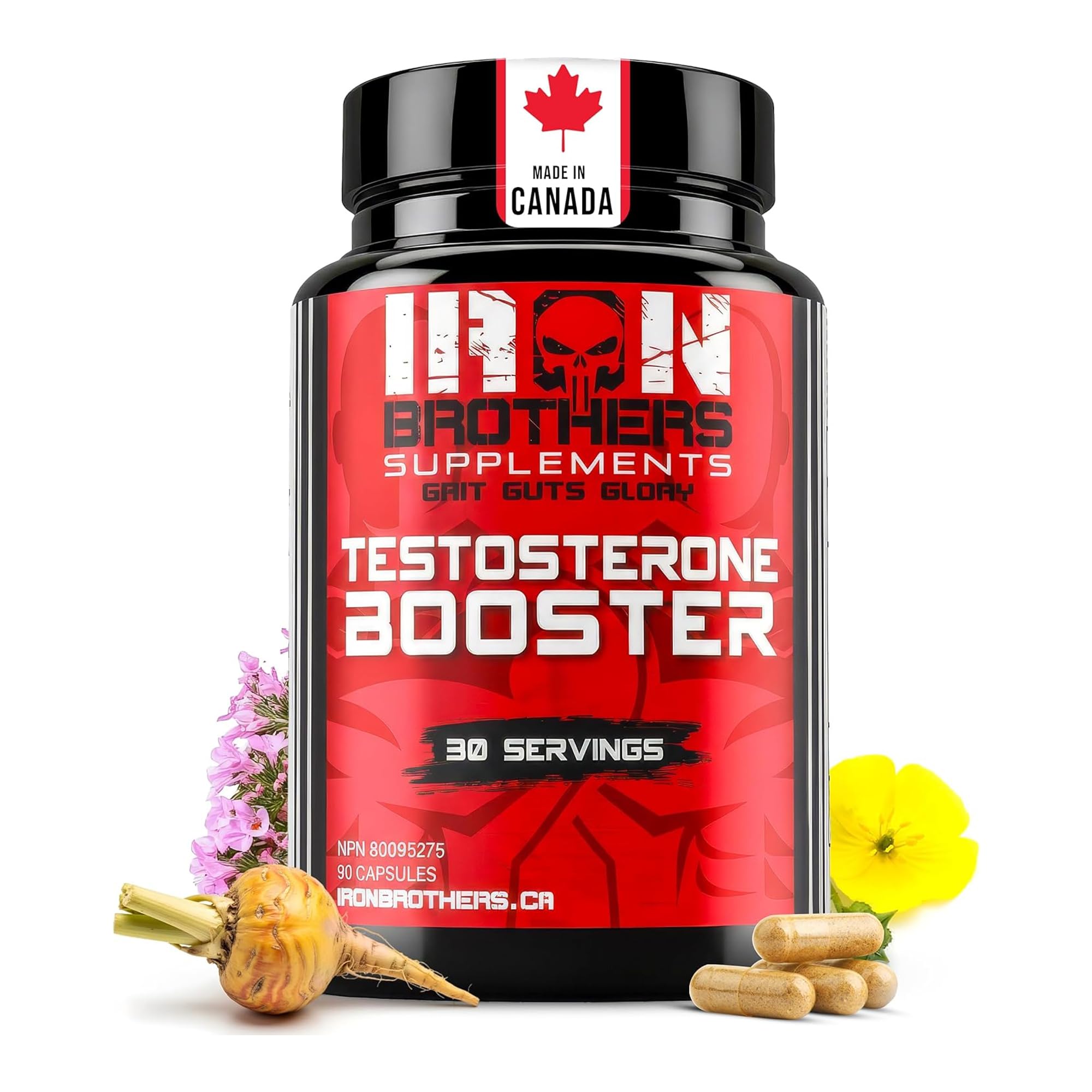
Credit: www.amazon.sg
Cordyceps Vs. Other Endurance Supplements
Soccer players often use supplements to boost endurance, including creatine, beta-alanine, and beetroot juice. How does Cordyceps compare?
| Supplement | Main Benefit | Side Effects | Best For |
|---|---|---|---|
| Cordyceps | Improved oxygen use, anti-fatigue, immune support | Mild (digestive upset) | Overall stamina, recovery |
| Creatine | Quick energy for sprints, muscle power | Water retention, cramps | Short bursts, strength |
| Beta-Alanine | Delays muscle fatigue | Tingling sensation | Anaerobic efforts |
| Beetroot Juice | Improves blood flow, lowers fatigue | Stomach upset | Endurance, high-intensity |
Cordyceps stands out for its broad benefits: it improves oxygen use, supports recovery, and strengthens the immune system. Unlike creatine, it doesn’t cause water retention or require loading periods.
Some soccer players stack Cordyceps with beetroot juice for a “double boost” to oxygen use. Others combine it with beta-alanine to delay muscle burn during sprints. One insight: while creatine is great for short bursts, it does little for endurance. Cordyceps covers both aerobic and anaerobic systems, making it more versatile for a 90-minute match.
Practical Ways Soccer Players Use Cordyceps
To get the most from Cordyceps, soccer players need to use it correctly. Here are practical tips:
1. Choose Quality Supplements
Look for products with genuine Cordyceps militaris or Cordyceps sinensis. Avoid blends with fillers.
2. Use The Right Dose
Most studies use 1,000–3,000 mg per day. Start with a lower dose to check tolerance.
3. Timing Matters
For best effects, take Cordyceps 30–60 minutes before training or matches. Some athletes take it daily for general endurance.
4. Combine With Training
Cordyceps works best with regular aerobic and strength training. It is not a magic pill—combine with proper practice.
5. Monitor Effects
Keep a diary of your energy, recovery, and performance. Adjust dosage as needed.
One practical tip often missed: consistency is key. Many players try Cordyceps for a week, see no change, and stop. The benefits build up slowly—give it at least four weeks.
Sample Soccer Player Routine
- Morning: 1,000 mg Cordyceps with breakfast
- Pre-training: 1,000 mg Cordyceps 45 minutes before session
- Post-match: 500 mg Cordyceps to support recovery
Some players report feeling more energetic and less tired during games. Others notice faster recovery from intense sessions.
For those with sensitive stomachs, try splitting the dose throughout the day. Mixing Cordyceps powder into a smoothie is another easy option—just make sure to measure your dose accurately.
Cordyceps For 90-minute Endurance: Match Day Strategies
A soccer match lasts 90 minutes, plus extra time. Here’s how Cordyceps can help during each phase:
1. Pre-match Preparation
Taking Cordyceps before the game primes your body to use oxygen efficiently. You start strong, avoid early fatigue, and can focus better.
2. During The Game
Cordyceps helps maintain energy as the match progresses. You recover quickly after sprints and can keep up with fast play.
3. Second Half Performance
Many players slow down after halftime. Cordyceps’ anti-fatigue effects let you push through, reducing muscle tiredness.
4. Post-match Recovery
After the game, Cordyceps supports the immune system and reduces soreness. This means faster recovery and less risk of injury.
Example: Cordyceps In Professional Soccer
While Cordyceps is not mainstream yet, some professional teams have started using it. Coaches in Asia recommend Cordyceps to players for endurance and recovery. In Europe, nutritionists are testing it as part of sports nutrition programs.
A hidden advantage: Cordyceps may help reduce the “cramp risk” in the last minutes. By keeping energy steady and reducing lactic acid, muscles stay fresher, which is vital in tournaments with back-to-back matches.
Cordyceps Dosage, Safety, And Side Effects
Cordyceps is generally safe for healthy adults. Here’s what soccer players need to know:
- Common Dose: 1,000–3,000 mg daily
- Form: Capsules, powders, extracts
- Possible Side Effects: Mild stomach upset, diarrhea, dry mouth
- Who Should Avoid: People with autoimmune diseases, or those allergic to mushrooms
If you are taking other supplements or medications, check with your doctor before starting Cordyceps.
Cordyceps Quality: What To Look For
Not all Cordyceps supplements are equal. Here’s how to choose:
- Check the Species: Look for Cordyceps militaris or sinensis, not generic “mushroom blend.”
- Lab Testing: Choose products tested for purity and potency.
- No Fillers: Avoid supplements with cheap fillers or artificial colors.
- Trusted Brands: Buy from companies with a good reputation.
| Feature | High-Quality Cordyceps | Low-Quality Cordyceps |
|---|---|---|
| Species | Cordyceps militaris/sinensis | Unknown mushroom blend |
| Lab Testing | Yes | No |
| Fillers | No | Yes |
| Brand Reputation | Trusted | Unknown |
A common mistake is buying cheap Cordyceps that contains mostly rice or other fillers. Always check the label.
Another warning: some products exaggerate their “wild” content. True wild Cordyceps is extremely rare and expensive. Don’t be fooled by flashy marketing—cultivated Cordyceps works well and is safer for daily use.
Cordyceps And Youth Soccer Players
Is Cordyceps safe for young players? Most research is on adults, but Cordyceps is used in traditional medicine for all ages. For youth players:
- Start with lower doses (500 mg)
- Monitor for any side effects
- Consult a doctor before use
Young players benefit from increased stamina and faster recovery, but their bodies are still developing. Safety comes first.
Parents should watch for any allergic reactions or stomach upset. Most young athletes do well with small amounts, but it’s better to focus on good nutrition, sleep, and training first. Supplements are only for those with strong basics.
Cordyceps: Natural Vs. Synthetic
Wild Cordyceps is rare and expensive. Most supplements use cultivated Cordyceps militaris, which is cheaper and easier to produce.
- Natural Cordyceps: Grown on insect larvae, high in active compounds
- Cultivated Cordyceps: Grown on plant material, still effective
Both types offer endurance benefits, but cultivated Cordyceps is more accessible.
An important insight: cultivated Cordyceps is often more consistent in quality and safer from contamination. Wild Cordyceps can be affected by pollution or overharvesting.
Cordyceps In Sports Nutrition: Beyond Soccer
Cordyceps is popular among athletes in endurance sports like running, cycling, and swimming. Its effects are strongest where oxygen use and energy are crucial.
- Runners: Use Cordyceps for marathon stamina
- Cyclists: Take Cordyceps for hill climbs
- Swimmers: Benefit from improved lung function
Soccer players can learn from these sports, combining Cordyceps with aerobic and interval training for best results.
A practical example: triathletes often stack Cordyceps with other adaptogens (like Rhodiola) for all-day energy. While soccer is different, the principle is the same—better oxygen use, less fatigue, and faster recovery.
Common Mistakes Soccer Players Make With Cordyceps
Many players try Cordyceps but don’t see results because of these mistakes:
1. Using Too Low A Dose
Small amounts may not deliver benefits. Follow research-backed dosing.
2. Buying Poor-quality Supplements
Cheap products often lack real Cordyceps.
3. Expecting Instant Results
Cordyceps builds endurance over weeks, not days.
4. Ignoring Training And Nutrition
Cordyceps works best with proper training and diet.
5. Not Tracking Progress
Keep notes on your energy, performance, and recovery to see real changes.
Another hidden mistake: stopping use during the off-season. Consistent use, even during lighter training periods, helps maintain endurance gains.
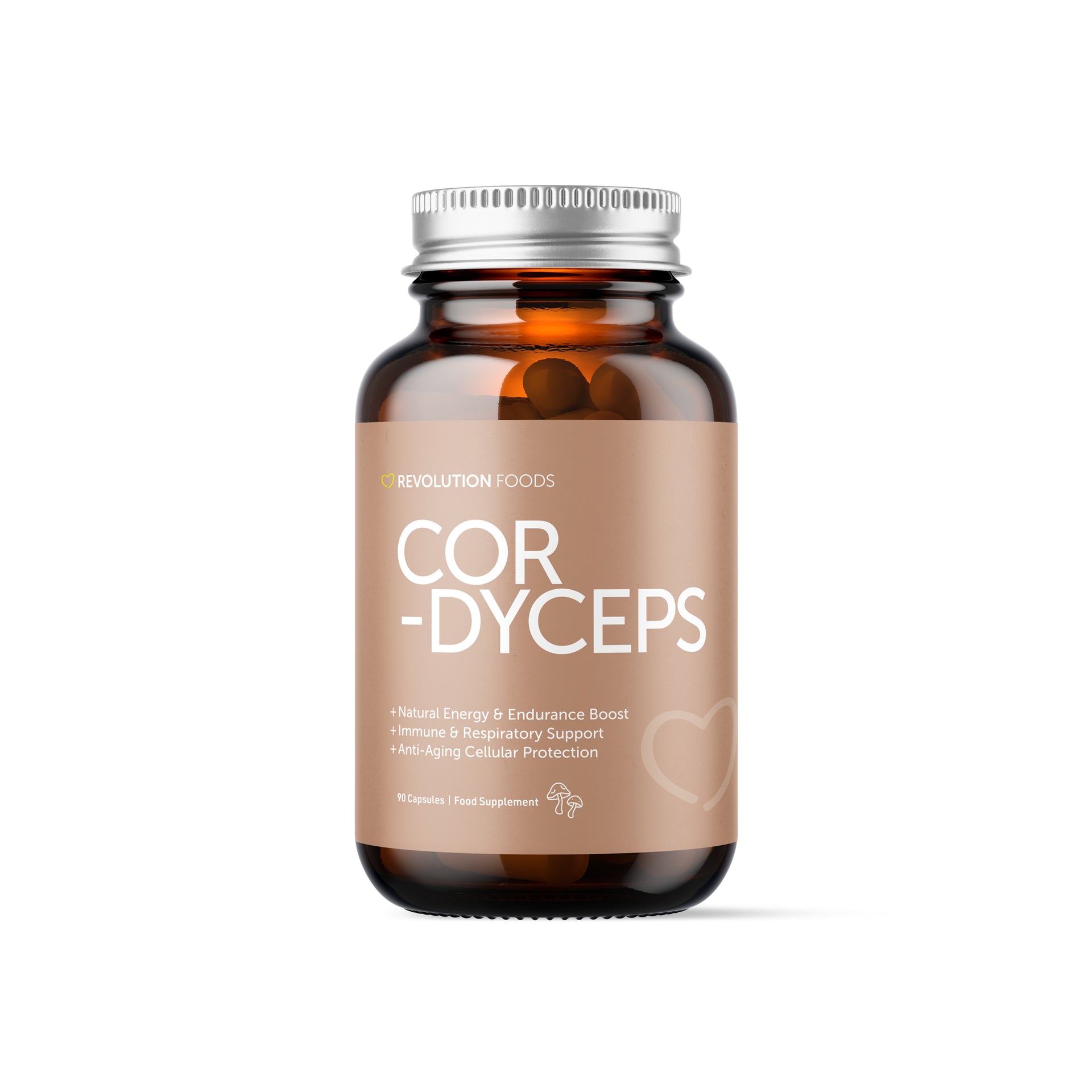
Credit: www.revolution-foods.com
Cordyceps And Mental Endurance
Endurance is not just physical. Soccer demands sharp focus and decision-making, especially late in the game. Cordyceps may help:
- Improve brain oxygen supply
- Reduce mental fatigue
- Support concentration
Players report feeling “clear-headed” during tough matches. This mental boost can mean fewer mistakes and better game decisions.
For example, goalkeepers and defenders often need to stay alert late in the game. Cordyceps’ support for brain oxygen could be the difference between a crucial save and a late-game slip.
Cordyceps: Combining With Other Supplements
Can you mix Cordyceps with other supplements? Yes, but it’s important to do so safely. Here are common combinations:
1. Cordyceps + Creatine
Creatine boosts short-term power; Cordyceps supports long-term stamina.
2. Cordyceps + Beta-alanine
Both delay muscle fatigue, good for high-intensity play.
3. Cordyceps + Electrolytes
Helps maintain hydration and energy during matches.
Always check for interactions and avoid overloading your system.
Another good combination: Cordyceps with vitamin C or magnesium. These support recovery and immune function, maximizing the recovery benefits for busy players.
Cordyceps And Recovery After Soccer
Recovery is vital for soccer players, especially those playing multiple matches per week. Cordyceps can help:
- Reduce muscle soreness
- Support immune system
- Speed up healing of minor injuries
Players who use Cordyceps report feeling fresher the day after games and training.
For best recovery, pair Cordyceps with good sleep and gentle stretching. Some players use Cordyceps in post-game shakes, along with protein, to kickstart muscle repair.
Cordyceps For Female Soccer Players
Cordyceps is used by male and female athletes. Female players face unique challenges—iron loss, hormonal changes, and higher risk of fatigue. Cordyceps helps:
- Support oxygen transport (important for iron levels)
- Reduce fatigue during menstruation
- Aid recovery after intense play
Some female players notice better endurance and less tiredness.
One insight: Cordyceps may help stabilize energy during hormonal shifts, supporting consistent performance throughout the month. This is especially valuable for players competing in tournaments or long seasons.
How To Start Using Cordyceps For Soccer
Ready to try Cordyceps? Here’s a step-by-step guide:
1. Consult A Doctor Or Nutritionist
Especially if you have health concerns or take other supplements.
2. Pick A Trusted Brand
Check for lab testing and real Cordyceps species.
3. Start Low, Go Slow
Begin with 1,000 mg daily. Increase if tolerated.
4. Take Before Training Or Matches
30–60 minutes before activity is ideal.
5. Keep A Performance Log
Track your energy, endurance, and recovery.
6. Adjust As Needed
Some players need higher doses, others less.
Another tip: If you notice any side effects, reduce the dose or take with food. Most players tolerate Cordyceps well, but personal response varies.
Cordyceps: Results Timeline For Soccer Players
What should you expect after starting Cordyceps? Here’s a typical timeline:
- Week 1–2: Minor changes in energy, better focus
- Week 3–4: Improved stamina during training, quicker recovery
- Week 5–6: Noticeable endurance in full matches, less post-game fatigue
Results vary by player. Some see changes fast; others take longer.
A less obvious benefit: players often find it easier to stick to training plans when they feel less tired. This “snowball effect” leads to even greater performance gains.
Cordyceps And Anti-doping Rules
Soccer players must avoid banned substances. Cordyceps is natural and not on any anti-doping lists. Still, always check with your coach or federation before adding new supplements.
It’s also a good idea to keep a record of all supplements used, especially for elite or professional players. This shows transparency if ever questioned.
Cordyceps In Soccer Training Programs
Coaches looking to improve team endurance can include Cordyceps in nutrition plans. It’s safe, easy to use, and fits well with standard training.
- Pre-season: Build stamina for upcoming games
- In-season: Maintain energy and recovery
- Post-season: Support healing and immune system
Some teams use Cordyceps alongside protein shakes, vitamins, and other recovery tools.
A practical idea: introduce Cordyceps during pre-season, so players can judge effects before competitive matches begin.

Credit: www.reddit.com
Cordyceps: Real Soccer Player Experiences
Many players share their stories about Cordyceps online:
- “I feel less tired in the last 20 minutes.”
- “My recovery is faster after tough matches.”
- “It helps with breathing during sprints.”
These are personal stories, not scientific proof. Still, they suggest Cordyceps is worth trying for endurance.
Some teams also report fewer colds and less sickness during the season—likely thanks to the immune support properties.
Cordyceps: Buying Guide For Soccer Players
When shopping for Cordyceps, remember:
- Check the species (militaris or sinensis)
- Look for lab-tested products
- Avoid cheap blends
- Read reviews from other athletes
Buy from reputable stores, not random online sellers. Quality matters more than price.
If possible, choose products with transparent sourcing and detailed ingredient lists. Companies that share lab test results are usually more trustworthy.
Cordyceps: Key Nutrients And Compounds
Cordyceps contains:
- Cordycepin: Improves energy, fights fatigue
- Polysaccharides: Support immune system
- Adenosine: Boosts ATP production
- Beta-glucans: Reduce inflammation
These nutrients make Cordyceps unique among endurance supplements.
Cordycepin, for example, is being studied for anti-viral and anti-inflammatory effects—another reason Cordyceps is valued by athletes during cold and flu season.
Cordyceps And Soccer Injury Prevention
Endurance and recovery help prevent injuries. Cordyceps supports:
- Stronger muscles and joints
- Faster healing after minor strains
- Better immune defense against illness
Players using Cordyceps may miss fewer games due to fatigue or sickness.
Also, Cordyceps’ anti-inflammatory effects may protect against overuse injuries, such as tendonitis. Players who recover well are less likely to push through pain and risk worse injuries.
Cordyceps For Older Soccer Players
Older players face extra challenges—slower recovery, less stamina, higher risk of injury. Cordyceps can:
- Improve oxygen use
- Support joint health
- Aid recovery
Many veteran players use Cordyceps to keep playing longer.
Some even report improved motivation and mood, likely due to better energy and less fatigue. Staying active later in life is possible with the right support.
Cordyceps: Scientific Research Summary
Hundreds of studies have tested Cordyceps. Key findings:
- Improves VO2 max (oxygen uptake) by 7–12%
- Reduces fatigue markers in blood
- Supports immune system
- Safe for healthy adults
For a deeper look at research, visit Wikipedia.
Researchers continue to explore new benefits, such as heart health and anti-aging effects. As more studies appear, expect Cordyceps to become even more trusted in sports nutrition.
Cordyceps: Myths And Facts
Many myths surround Cordyceps. Here are the facts:
- Myth: Cordyceps is only for Chinese medicine
Fact: Used worldwide by athletes
- Myth: Wild Cordyceps is much better than cultivated
Fact: Cultivated Cordyceps is effective and safer
- Myth: Cordyceps works instantly
Fact: Effects build over weeks
Another myth: Cordyceps is only for “serious” athletes. In fact, amateur and youth players can benefit, too—especially if they want to improve endurance safely.
Cordyceps: The Future In Soccer Nutrition
As science advances, Cordyceps may become a standard supplement in soccer nutrition. More teams are testing it, and new research will clarify its effects.
| Year | Study Location | Main Finding |
|---|---|---|
| 2010 | USA | VO2 max improved by 7% |
| 2015 | China | Reduced fatigue markers in athletes |
| 2018 | UK | Faster post-match recovery |
Soccer is evolving. Players are looking for every advantage. Cordyceps offers a safe, natural way to boost endurance, recover faster, and stay healthy.
Frequently Asked Questions
Is Cordyceps Safe For Soccer Players?
Yes, Cordyceps is safe for most healthy adults. Side effects are mild—mostly digestive upset. Avoid if you have allergies to mushrooms or autoimmune problems. Always check with your doctor if unsure.
How Long Does It Take To See Results From Cordyceps?
Most players notice changes after 3–6 weeks of regular use. Stamina, recovery, and energy improve gradually. Effects build over time, not instantly.
Can Cordyceps Be Used With Other Supplements?
Yes, Cordyceps can be combined with creatine, beta-alanine, electrolytes, and vitamins. Just avoid taking too many new supplements at once. Monitor for any side effects.
What Is The Best Dose Of Cordyceps For Soccer Endurance?
Research suggests 1,000–3,000 mg daily is effective. Start low and increase if tolerated. Take before training or matches for best results.
Is Cordyceps Allowed Under Anti-doping Rules In Soccer?
Cordyceps is natural and not banned by any major sports organizations. Still, always check with your coach or federation before using new supplements.
Cordyceps gives soccer players a real chance to boost endurance, recover faster, and stay at the top of their game. Used wisely, it can be the difference between fading in the last minutes—and finishing strong. If you want to last the full 90 minutes and beyond, Cordyceps is a supplement worth considering.