
Cordyceps For Respiratory Health: Beyond Athletic Performance
Breathing is something we do without thinking. Yet, for many people, easy breathing is a daily struggle. In recent years, people have looked for natural ways to support their lungs. One name keeps coming up: Cordyceps. Many know this mushroom as a secret weapon for athletes. But there’s more to this ancient fungus. Cordyceps has a long history in traditional medicine for supporting the lungs, not just improving sports performance.
This article explores the real benefits of Cordyceps for respiratory health. We’ll look at how it works, what science says, and why it matters for people with asthma, COPD, or even healthy adults who want to breathe better. We’ll also clear up common myths and help you decide if Cordyceps is right for you.
What Is Cordyceps?
Cordyceps is a type of fungus. Unlike mushrooms you buy in the store, Cordyceps grows on insects in the wild. The most famous type is Cordyceps sinensis, found in the high mountains of China and Tibet. There’s also Cordyceps militaris, which is now grown on grains in labs. These two are the main types used in supplements.
For centuries, Cordyceps was a rare and expensive medicine in Asia. It was used for weakness, tiredness, and especially for lung problems. Now, modern science is catching up, studying how Cordyceps helps with breathing and lung health.
Why Cordyceps Is Linked To Respiratory Health
The connection between Cordyceps and respiratory health is not new. Ancient Chinese texts mention using Cordyceps to treat cough, shortness of breath, and even lung infections. People believed Cordyceps could help the lungs “take in more air” and make the body stronger.
Today, researchers are finding that Cordyceps contains special compounds called cordycepin and adenosine. These substances can affect the lungs and airways. They may reduce inflammation, widen the airways, and improve how the body uses oxygen. This is why Cordyceps is not just for athletes—it may help anyone who wants to breathe easier.
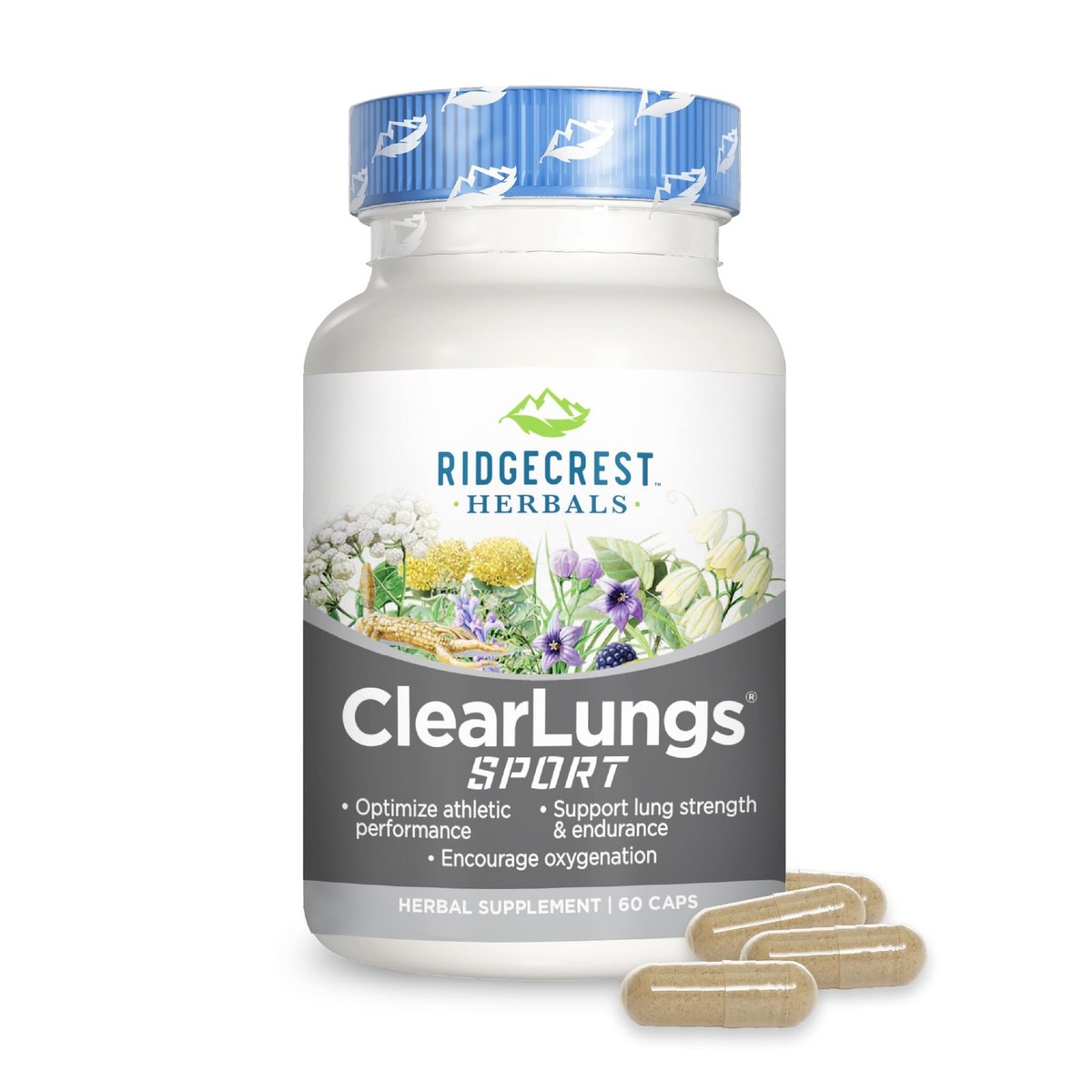
Credit: www.ebay.com
How Cordyceps Works In The Body
To understand why Cordyceps helps the lungs, it’s useful to look at what happens inside the body.
Key mechanisms:
- Anti-inflammatory effects: Cordyceps can lower inflammation in the airways. This is important for people with asthma or chronic bronchitis.
- Bronchodilation: Some studies show Cordyceps helps relax the muscles around the airways, making it easier to breathe.
- Immune system support: Cordyceps may help the immune system fight off infections, including those that affect the lungs.
- Antioxidant activity: The fungus contains antioxidants that protect lung cells from damage.
- Better oxygen use: Cordyceps can improve how the body uses oxygen, making breathing feel easier during daily activities.
These effects work together to support the lungs, whether you’re an athlete or someone with a respiratory condition.
Scientific Evidence: What The Research Says
Cordyceps has been studied for many health benefits. But what does the research say about its effect on the lungs?
Studies On Asthma
Several studies in animals and humans show that Cordyceps can help with asthma.
- In one study, people with mild to moderate asthma took Cordyceps supplements for 12 weeks. They showed better lung function and fewer asthma attacks compared to those taking a placebo.
- Animal studies found Cordyceps reduced airway inflammation and made breathing easier for mice with asthma-like symptoms.
Studies On Copd (chronic Obstructive Pulmonary Disease)
COPD is a disease that makes it hard to breathe. It includes conditions like chronic bronchitis and emphysema.
- In a clinical trial, people with COPD took Cordyceps sinensis for two months. Their exercise ability improved by 15%, and they had fewer flare-ups.
- Another study found that Cordyceps helped reduce coughing and phlegm in people with chronic bronchitis.
General Lung Health And Immunity
Cordyceps is also used to support general lung health.
- Studies show it can help people recover faster from respiratory infections.
- Cordyceps boosts the activity of immune cells that protect the lungs from bacteria and viruses.
While more research is needed, these studies suggest Cordyceps is helpful for several lung problems, not just for athletes.
Cordyceps For Athletes Vs. Everyday People
Cordyceps is famous among athletes for increasing energy and oxygen use. But does it help people who don’t run marathons?
For athletes:
- Cordyceps can boost endurance by helping the body use oxygen more efficiently.
- It can speed up recovery after exercise.
For non-athletes:
- Cordyceps may help with daily tiredness, especially in people with lung problems.
- It can make activities like walking or climbing stairs feel easier.
- Some users report less coughing and wheezing.
The main point: Cordyceps is not just for people who train hard. It can help anyone who wants to breathe better, especially those with mild respiratory issues.
Respiratory Conditions That May Benefit From Cordyceps
Let’s look at how Cordyceps can help with specific lung and airway problems.
1. Asthma
Asthma is a common problem where the airways become narrow and swollen. Cordyceps may help by:
- Reducing inflammation in the airways
- Relaxing airway muscles
- Lowering allergic reactions
People with asthma often find they can breathe more easily and have fewer attacks after using Cordyceps.
2. Chronic Bronchitis
This condition causes a persistent cough and extra mucus in the lungs. Cordyceps can:
- Reduce coughing
- Thin out mucus
- Ease chest tightness
3. Copd
Cordyceps is used in China as a “supportive” treatment for COPD. It can:
- Improve exercise tolerance
- Decrease the number of flare-ups
- Make daily breathing more comfortable
4. Coughs And Lung Infections
Cordyceps boosts the immune system, which can help fight off infections that cause coughs or pneumonia. Some people use it during cold and flu season to protect their lungs.
5. General Shortness Of Breath
Even if you don’t have a specific lung disease, Cordyceps can help if you feel shortness of breath after simple activities.
How Cordyceps Compares To Other Natural Remedies
There are many herbs and supplements for lung health. How does Cordyceps compare?
Here’s a comparison of Cordyceps with some common natural remedies:
| Remedy | Main Benefit | Common Use | Unique Feature |
|---|---|---|---|
| Cordyceps | Improves oxygen use, reduces inflammation | Asthma, COPD, fatigue | Boosts energy and endurance |
| Mullein | Soothes cough, reduces mucus | Bronchitis, dry cough | Gentle on the stomach |
| Licorice Root | Reduces inflammation, soothes throat | Sore throat, cough | Natural sweetener |
| Thyme | Antibacterial, reduces cough | Lung infections, cough | Used as a cooking herb |
| Ginseng | Boosts immunity, reduces fatigue | General wellness, stamina | Adaptogen effects |
Cordyceps is unique because it not only helps the lungs but also increases energy and stamina. This dual action is not common in other herbs.
Forms Of Cordyceps Available
Cordyceps comes in several forms. Choosing the right one depends on your needs and preferences.
1. Capsules And Tablets
Most people prefer capsules or tablets. They are easy to take, and you know the exact dose. Many products use Cordyceps militaris because it’s easier to grow in labs.
2. Powders
Cordyceps powder can be mixed into smoothies, coffee, or soups. This is a good option if you don’t like swallowing pills.
3. Extracts
Liquid extracts are concentrated and absorbed quickly by the body. They are often used for stronger effects or faster relief.
4. Whole Dried Cordyceps
In traditional Chinese medicine, people use whole dried Cordyceps to make tea or soup. This is less common outside Asia because it’s expensive.
5. Combination Products
Cordyceps is sometimes mixed with other mushrooms or herbs for extra benefits. Always check the label to know what you’re getting.
Dosage And How To Use Cordyceps Safely
Getting the right dose is important for safety and results. Most research uses doses between 1,000 mg and 3,000 mg of Cordyceps per day.
Tips for safe use:
- Start with a lower dose and increase slowly.
- Take Cordyceps with food to avoid stomach upset.
- Use it consistently for at least 4-8 weeks to notice benefits.
- If you take other medicines, ask your doctor before starting Cordyceps.
Practical insight: Some people believe “more is better” with supplements. This is not true. Taking too much Cordyceps can cause diarrhea or dry mouth. It’s better to start low and watch for effects.
Who Should Not Use Cordyceps?
Cordyceps is safe for most people, but there are some exceptions.
Avoid Cordyceps if:
- You are pregnant or breastfeeding (not enough safety data)
- You have an autoimmune disease (it may boost immune activity)
- You are taking blood thinners (Cordyceps can affect blood clotting)
- You are allergic to molds or fungi
Children should use Cordyceps only with a doctor’s advice.

Credit: www.amazon.com
Potential Side Effects
Cordyceps is usually well tolerated, but side effects can happen.
Possible side effects:
- Upset stomach
- Diarrhea
- Dry mouth
- Dizziness
- Allergic reactions (rare)
If you feel unwell after taking Cordyceps, stop and talk to your doctor.
Non-obvious insight: Some people notice more vivid dreams when taking Cordyceps. This is not harmful, but it can surprise new users.
Myths And Misunderstandings About Cordyceps
Cordyceps is surrounded by stories and marketing claims. Let’s clear up some common myths.
1. “cordyceps Is Only For Athletes.”
This is false. Many studies show benefits for people with breathing problems, not just for sports.
2. “wild Cordyceps Is Always Better.”
Wild Cordyceps is rare and very expensive. Lab-grown Cordyceps militaris works just as well for most people.
3. “cordyceps Works Instantly.”
Like most natural remedies, Cordyceps needs time to work. Most users see results after several weeks.
4. “it Cures All Lung Diseases.”
Cordyceps is helpful but not a cure-all. It supports lung health, but you should continue other treatments as prescribed.
5. “cordyceps Is Unsafe.”
Used in the right dose, Cordyceps is safe for most adults. Problems are rare.
Buying Quality Cordyceps Products
The supplement market is full of choices, but not all Cordyceps products are equal. Here’s how to choose wisely:
1. Check The Species.
Look for Cordyceps militaris or Cordyceps sinensis on the label.
2. Look For Third-party Testing.
Good brands test for heavy metals and toxins.
3. Check The Cordycepin Content.
This is the main active compound. More is not always better, but it should be listed.
4. Beware Of Fake “wild” Cordyceps.
Real wild Cordyceps is very expensive (sometimes over $20,000 per kg). Most affordable products use lab-grown Cordyceps, which is fine.
5. Buy From Trusted Companies.
Look for reviews and clear ingredient lists.
Practical tip: If a product claims to “cure” diseases or seems too cheap, be careful. Quality Cordyceps is never the cheapest on the shelf.
Cordyceps In Traditional Medicine
Cordyceps has been used in traditional Chinese and Tibetan medicine for hundreds of years. It was called “winter worm, summer grass” because of its unique growth cycle.
In these cultures, Cordyceps was used for:
- Chronic cough and shortness of breath
- Recovery from illness
- Weakness and fatigue
- Kidney and liver health
Doctors often gave Cordyceps as part of a herbal formula, not alone. Modern supplements are more concentrated, but the traditional uses focus on “strengthening the lungs and body.”
Cordyceps And Modern Medicine: Can They Work Together?
Many people wonder if they can use Cordyceps along with regular medicine. The answer is often yes, but it’s important to be careful.
How Cordyceps fits with modern treatments:
- It can be a helpful “add-on” for asthma, COPD, or recovery from infections.
- It does not replace inhalers, antibiotics, or other prescribed drugs.
- Always tell your doctor if you start Cordyceps.
Non-obvious insight: Sometimes, Cordyceps can make your body process medicines faster (through the liver). This is rare, but it’s wise to check with a healthcare provider.
Real-life Experiences: What Users Say
People with lung problems often share stories about how Cordyceps helped them. Here are some common themes:
- “I have asthma and take Cordyceps daily. I cough less and feel less tired.”
- “After a bad chest infection, Cordyceps helped my recovery.”
- “I used to get short of breath climbing stairs. After a month on Cordyceps, it’s much easier.”
Not everyone has dramatic results, and some people feel little change. The effect seems strongest in people with mild to moderate breathing problems. For healthy people, the main benefit is better energy and less fatigue.
Long-term Use And Safety
Can you take Cordyceps for months or years? So far, studies show it is safe for most adults when used in normal doses. In China, some people take it for years without problems.
Long-term tips:
- Take breaks. For example, use Cordyceps for 3 months, then take a 1-month break.
- Watch for side effects, especially if you start new medicines.
Cost And Accessibility
Cordyceps used to be a rare, high-priced medicine. Now, with lab-grown options, it’s more affordable.
Typical prices:
- Capsules: $20-$40 for a month’s supply
- Powders: $30-$50 per jar (lasts 1-2 months)
- Whole wild Cordyceps: $1000+ per ounce (not needed for most people)
Accessibility tip: You don’t need to buy the most expensive kind. Lab-grown Cordyceps militaris works for most people.
Environmental Impact Of Cordyceps
Wild Cordyceps is over-harvested in some areas, which hurts local ecosystems. Most supplements now use lab-grown Cordyceps, which is better for the environment and just as effective.
Practical advice: Choose products that say “cultivated” or “lab-grown” to protect nature.
Cordyceps And The Future Of Respiratory Health
As air pollution and respiratory illnesses become more common, interest in natural lung support is growing. Scientists are studying Cordyceps for use in:
- New asthma drugs
- Natural COPD treatments
- Immune boosters for lung infections
Cordyceps may become a bigger part of lung care in the future, not just in Asia but around the world.
How To Add Cordyceps To Your Daily Routine
If you want to try Cordyceps, here’s how to get started:
- Pick a form (capsule, powder, extract)
- Start with a small dose (500-1000 mg daily)
- Take it with breakfast or lunch
- Notice how you feel after 2-4 weeks
- Adjust the dose if needed, up to 3000 mg per day
Pro tip: Some people add Cordyceps powder to smoothies or coffee for an energy boost.
Combining Cordyceps With Other Supplements
Cordyceps works well with other lung-supporting herbs and mushrooms. For example:
- Reishi mushroom: For immune support
- Mullein: For coughs
- Ginseng: For energy
But avoid mixing too many new supplements at once. Try one at a time to see what works.
Comparing Cordyceps Sinensis Vs. Cordyceps Militaris
Both types are used in supplements, but there are differences:
| Type | Source | Main Active Compounds | Cost | Common Use |
|---|---|---|---|---|
| Cordyceps sinensis | Wild, rare | Cordycepin, adenosine | Very expensive | Traditional medicine, luxury supplements |
| Cordyceps militaris | Lab-grown | Higher cordycepin, polysaccharides | Affordable | Most modern supplements |
For most people, Cordyceps militaris is the best choice. It’s effective, safe, and widely available.
What To Expect When Taking Cordyceps
People often ask how quickly Cordyceps works and what changes to expect.
- Most notice increased energy and less shortness of breath after 2-4 weeks.
- Asthma symptoms may improve after 1-2 months.
- For coughs and chest infections, recovery may be faster.
Non-obvious insight: Effects can be subtle at first. Keeping a “lung diary” helps track changes in breathing and energy over time.
Current Limitations And Future Research
While Cordyceps shows promise, more large, long-term studies are needed. Most research so far is from Asia and uses small groups. Western doctors want more proof before making strong recommendations.
Areas for future research:
- How Cordyceps works with standard asthma and COPD drugs
- Best dose and form for lung health
- Long-term safety data
- Effects on different age groups
If you want to read more about current research, visit the Wikipedia page on Cordyceps.
Frequently Asked Questions
What Is The Best Time Of Day To Take Cordyceps For Lung Health?
Cordyceps is best taken in the morning or early afternoon. It can boost energy, so avoid taking it late in the day to prevent problems with sleep.
Can Cordyceps Replace My Inhaler Or Asthma Medication?
No. Cordyceps should not replace prescribed medicine. It can be a helpful addition, but always follow your doctor’s advice for asthma or lung disease.
Is Cordyceps Safe For Older Adults With Lung Problems?
Yes, Cordyceps is generally safe for older adults. It’s important to start with a low dose and check with a healthcare provider, especially if you take other medicines.
How Long Does It Take To See Results From Cordyceps?
Most people notice benefits after 2-4 weeks, but some may need 2-3 months. Effects build up slowly, so be patient.
Are There Any Foods Or Drinks I Should Avoid When Taking Cordyceps?
There are no major food interactions with Cordyceps. It’s best to avoid alcohol and very spicy food if you have sensitive lungs, but Cordyceps itself is not affected by diet.
Cordyceps stands out as a natural way to support respiratory health—not just for athletes, but for anyone who values easy breathing. With careful use and a little patience, Cordyceps may help you breathe easier and live better.

Credit: antioxi-supplements.com